User login
MDedge conference coverage features onsite reporting of the latest study results and expert perspectives from leading researchers.
When treating AD in children, experts consider adherence, other aspects of treatment
ASHEVILLE, N.C. – according to a three-member expert panel mulling over strategies at the annual meeting of the Society for Pediatric Dermatology.
In introductory remarks, the three panelists briefly addressed different aspects for controlling AD, including drugs in the pipeline, the potential value of alternative therapies, and whom to blame when compliance is poor.

But panel discussion following these presentations provided an opportunity for audience engagement on practical strategies for improving AD control.
In her formal remarks prior to the panel discussion, Amy S. Paller, MD, professor of dermatology and pediatrics and chair of dermatology, Northwestern University, Chicago, and a pediatric dermatologist at the Lurie Children’s Hospital of Chicago, described emerging AD treatments. This included an update on the status of the interleukin-13 (IL-13) inhibitors tralokinumab (Adbry), which was approved by the FDA for treating AD in adults in December 2021, and lebrikizumab, which is thought likely to be soon approved in the United States on the basis of two recently published phase 3 trials.
Along with dupilumab (Dupixent) for moderate-to-severe AD in children who do not respond to optimized use of topical therapies, these new biologics appear likely to further expand choices for AD control for adults (and for kids with AD too, if eventually licensed in children), according to the data from the phase 3 studies.
During a panel discussion that followed, Stephen Gellis, MD, pediatric dermatologist and former chief of pediatric dermatology at Boston Children’s Hospital and Harvard Medical School, raised the point of optimizing tried and true topical therapies before using systemic agents. He noted that parents sometimes pressure clinicians to use a biologic – and that moving too quickly to the latest and most expensive drugs may not be necessary.
Dr. Paller acknowledged that she, like many pediatric dermatologists, employed immunosuppressants as her drugs of choice for many years – commonly starting with a few months of cyclosporine before transitioning to methotrexate, which has a delayed onset of action. In fact, she still uses this regimen in some children.
However, she now prefers dupilumab, which is the first biologic available for children in the United States with an AD indication in children as young as 6 months. She said dupilumab has fewer potential risks than cyclosporine, and it offers clinically meaningful improvement in most children. She noted that current guidelines discourage the use of systemic corticosteroids for AD in children, given their potential toxicity.
She strongly agreed with Dr. Gellis that clinicians should resist pressure to use any systemic agent if children are responding well to topical medications. In her own practice, Dr. Paller moves to systemic medications only after ensuring that there has been adherence to appropriate therapy and that there is not another diagnosis that might explain the recalcitrance to topical agents.
When a systemic medication is considered the next step, Dr. Paller reminded the audience of the importance of presenting the benefits and risks of all the options for AD control, which could include dupilumab and immunosuppressants as initial systemic therapy.
“Many parents choose biologic treatment first, given its lack of requirement for blood monitoring and faster action than methotrexate,” Dr. Paller noted.
Nevertheless, “biologics are much more costly than immunosuppressants, require an injection – which is stressful for the child and the parents – and may not be accessible for our patients,” Dr. Paller said. Cyclosporine and methotrexate are effective and are often the best options for moderate to severe disease in areas of the world where dupilumab is not available, but Dr. Paller most commonly uses these therapies only when reimbursement for dupilumab cannot be secured, injection is not an option, or when dupilumab is not sufficiently effective and tolerated.
Providing different perspectives, the two other panelists discussing the treatment of pediatric AD also saw a role for ensuring that topical agents are not offering adequate AD control before turning to the latest and most sophisticated therapies for AD.
For meeting parent expectations when children are improving slowly on topical therapies, Peter A. Lio, MD, director of the Chicago Integrative Eczema Center and clinical assistant professor of dermatology and pediatrics at Northwestern University, suggested that integrative medicine might be helpful.
For parents not fully comfortable with standard pharmacologic agents, Dr. Lio said there is evidence to support some of the complementary approaches, and these can be reassuring to parents with an interest in alternative medicines.
In Western medicine, it is common to hear terms like “attack,” “kill,” and “suppress,” disease, but alternative therapies are generally coupled with terms like “restore,” “strengthen,” and “tonify,” he said. “Who doesn’t want to be tonified?” he asked, noting that there are many sources of data suggesting that the number of patients seeking alternative medicine is “huge.” The alternative medicines are not generally taught in medical school and remain widely ignored in typical practice, but “our patients are interested even if we are not.”
Yet, there are data to support benefit from some of these alternative therapies, providing a win-win situation for patients who derive satisfaction from nontraditional therapies alone or combined with established pharmaceutical treatments.
Of these, Dr. Lio said there is support for the use of hempseed oil as a moisturizing agent and a strategy for improving barrier function in the skin of patients with AD. In a controlled crossover study, 2 teaspoons per day of dietary hempseed oil, a product that can be purchased in some grocery stores, was associated with significant reductions in skin dryness, itchiness, and use of topical medications relative to the same amount of olive oil, he noted.
Other examples include a compress made with black tea that was associated with an anti-inflammatory effect when followed by a moisturizer, a published study asserts. Although this was a trial in adults with facial dermatitis, Dr. Lio suggested that the same anti-inflammatory effect would be anticipated for other skin conditions, including AD in children.
As a third example, Dr. Lio said topical indigo, a traditional Chinese medicine used for a variety of dermatologic conditions, including psoriasis, has also demonstrated efficacy in a randomized trial, compared with vehicle for mild to severe AD.
Complementary medicines are not for everyone, but they may have a role when managing the expectations of parents who are not fully satisfied or express concern about regimens limited to mainstream therapies alone, according to Dr. Lio. In diseases that are not curable, such as AD, he thinks this is a strategy with potential for benefit and is reassuring to patients.
Another way to avoid moving to riskier or more expensive drugs quickly is to assure patients use the drugs that were prescribed first, according to Steven R. Feldman, MD, PhD, professor of dermatology, Wake Forest University, Winston-Salem, N.C.

Dr. Feldman believes that failure to adhere to therapy is basically the fault of the medical care system, not the patient. He made an analogy to a successful piano teacher, who provides a child with sheet music and then sees the child once a week to track progress. He juxtaposed this piano teacher to one who gives the child sheet music and tells the child to come back in 10 weeks for the recital. It is not hard to guess which approach would be more effective.
“Typically, doctors are worse than that second teacher,” he said. “Doctors are like a piano teacher that does not give you the sheet music but says, ‘Here is a prescription for some sheet music. Take this prescription to the sheet music store. I have no idea how much it will cost or whether your insurance will pay for it. But once you fill this prescription for sheet music, I want you to practice this every day,’ ” he said, adding, “Practicing this sheet music may cause rashes, diarrhea, or serious infection. When the patient next comes in 10-12 weeks later and is not better, the doctor says, ‘I will give you a harder piece of sheet music and maybe two or three other instruments to practice at the same time,’ ” said Dr. Feldman, expressing why the way clinicians practice might explain much of the poor adherence problem.
This largely explains why patients with AD do not immediately respond to the therapies doctors prescribe, Dr. Feldman implied, reiterating the theme that emerged from the AD panel: Better and more options are needed for AD of the most severe types, but better management, not better drugs, is typically what is needed for most patients.
Dr. Feldman, Dr. Lio, and Dr. Paller have financial relationships with more than 30 pharmaceutical and cosmetic companies, some of which manufacture therapies for atopic dermatitis.
This article was updated July 28, 2023, to clarify the comments and viewpoints of Dr. Amy Paller.
A version of this article first appeared on Medscape.com.
ASHEVILLE, N.C. – according to a three-member expert panel mulling over strategies at the annual meeting of the Society for Pediatric Dermatology.
In introductory remarks, the three panelists briefly addressed different aspects for controlling AD, including drugs in the pipeline, the potential value of alternative therapies, and whom to blame when compliance is poor.
But panel discussion following these presentations provided an opportunity for audience engagement on practical strategies for improving AD control.
In her formal remarks prior to the panel discussion, Amy S. Paller, MD, professor of dermatology and pediatrics and chair of dermatology, Northwestern University, Chicago, and a pediatric dermatologist at the Lurie Children’s Hospital of Chicago, described emerging AD treatments. This included an update on the status of the interleukin-13 (IL-13) inhibitors tralokinumab (Adbry), which was approved by the FDA for treating AD in adults in December 2021, and lebrikizumab, which is thought likely to be soon approved in the United States on the basis of two recently published phase 3 trials.
Along with dupilumab (Dupixent) for moderate-to-severe AD in children who do not respond to optimized use of topical therapies, these new biologics appear likely to further expand choices for AD control for adults (and for kids with AD too, if eventually licensed in children), according to the data from the phase 3 studies.
During a panel discussion that followed, Stephen Gellis, MD, pediatric dermatologist and former chief of pediatric dermatology at Boston Children’s Hospital and Harvard Medical School, raised the point of optimizing tried and true topical therapies before using systemic agents. He noted that parents sometimes pressure clinicians to use a biologic – and that moving too quickly to the latest and most expensive drugs may not be necessary.
Dr. Paller acknowledged that she, like many pediatric dermatologists, employed immunosuppressants as her drugs of choice for many years – commonly starting with a few months of cyclosporine before transitioning to methotrexate, which has a delayed onset of action. In fact, she still uses this regimen in some children.
However, she now prefers dupilumab, which is the first biologic available for children in the United States with an AD indication in children as young as 6 months. She said dupilumab has fewer potential risks than cyclosporine, and it offers clinically meaningful improvement in most children. She noted that current guidelines discourage the use of systemic corticosteroids for AD in children, given their potential toxicity.
She strongly agreed with Dr. Gellis that clinicians should resist pressure to use any systemic agent if children are responding well to topical medications. In her own practice, Dr. Paller moves to systemic medications only after ensuring that there has been adherence to appropriate therapy and that there is not another diagnosis that might explain the recalcitrance to topical agents.
When a systemic medication is considered the next step, Dr. Paller reminded the audience of the importance of presenting the benefits and risks of all the options for AD control, which could include dupilumab and immunosuppressants as initial systemic therapy.
“Many parents choose biologic treatment first, given its lack of requirement for blood monitoring and faster action than methotrexate,” Dr. Paller noted.
Nevertheless, “biologics are much more costly than immunosuppressants, require an injection – which is stressful for the child and the parents – and may not be accessible for our patients,” Dr. Paller said. Cyclosporine and methotrexate are effective and are often the best options for moderate to severe disease in areas of the world where dupilumab is not available, but Dr. Paller most commonly uses these therapies only when reimbursement for dupilumab cannot be secured, injection is not an option, or when dupilumab is not sufficiently effective and tolerated.
Providing different perspectives, the two other panelists discussing the treatment of pediatric AD also saw a role for ensuring that topical agents are not offering adequate AD control before turning to the latest and most sophisticated therapies for AD.
For meeting parent expectations when children are improving slowly on topical therapies, Peter A. Lio, MD, director of the Chicago Integrative Eczema Center and clinical assistant professor of dermatology and pediatrics at Northwestern University, suggested that integrative medicine might be helpful.
For parents not fully comfortable with standard pharmacologic agents, Dr. Lio said there is evidence to support some of the complementary approaches, and these can be reassuring to parents with an interest in alternative medicines.
In Western medicine, it is common to hear terms like “attack,” “kill,” and “suppress,” disease, but alternative therapies are generally coupled with terms like “restore,” “strengthen,” and “tonify,” he said. “Who doesn’t want to be tonified?” he asked, noting that there are many sources of data suggesting that the number of patients seeking alternative medicine is “huge.” The alternative medicines are not generally taught in medical school and remain widely ignored in typical practice, but “our patients are interested even if we are not.”
Yet, there are data to support benefit from some of these alternative therapies, providing a win-win situation for patients who derive satisfaction from nontraditional therapies alone or combined with established pharmaceutical treatments.
Of these, Dr. Lio said there is support for the use of hempseed oil as a moisturizing agent and a strategy for improving barrier function in the skin of patients with AD. In a controlled crossover study, 2 teaspoons per day of dietary hempseed oil, a product that can be purchased in some grocery stores, was associated with significant reductions in skin dryness, itchiness, and use of topical medications relative to the same amount of olive oil, he noted.
Other examples include a compress made with black tea that was associated with an anti-inflammatory effect when followed by a moisturizer, a published study asserts. Although this was a trial in adults with facial dermatitis, Dr. Lio suggested that the same anti-inflammatory effect would be anticipated for other skin conditions, including AD in children.
As a third example, Dr. Lio said topical indigo, a traditional Chinese medicine used for a variety of dermatologic conditions, including psoriasis, has also demonstrated efficacy in a randomized trial, compared with vehicle for mild to severe AD.
Complementary medicines are not for everyone, but they may have a role when managing the expectations of parents who are not fully satisfied or express concern about regimens limited to mainstream therapies alone, according to Dr. Lio. In diseases that are not curable, such as AD, he thinks this is a strategy with potential for benefit and is reassuring to patients.
Another way to avoid moving to riskier or more expensive drugs quickly is to assure patients use the drugs that were prescribed first, according to Steven R. Feldman, MD, PhD, professor of dermatology, Wake Forest University, Winston-Salem, N.C.
Dr. Feldman believes that failure to adhere to therapy is basically the fault of the medical care system, not the patient. He made an analogy to a successful piano teacher, who provides a child with sheet music and then sees the child once a week to track progress. He juxtaposed this piano teacher to one who gives the child sheet music and tells the child to come back in 10 weeks for the recital. It is not hard to guess which approach would be more effective.
“Typically, doctors are worse than that second teacher,” he said. “Doctors are like a piano teacher that does not give you the sheet music but says, ‘Here is a prescription for some sheet music. Take this prescription to the sheet music store. I have no idea how much it will cost or whether your insurance will pay for it. But once you fill this prescription for sheet music, I want you to practice this every day,’ ” he said, adding, “Practicing this sheet music may cause rashes, diarrhea, or serious infection. When the patient next comes in 10-12 weeks later and is not better, the doctor says, ‘I will give you a harder piece of sheet music and maybe two or three other instruments to practice at the same time,’ ” said Dr. Feldman, expressing why the way clinicians practice might explain much of the poor adherence problem.
This largely explains why patients with AD do not immediately respond to the therapies doctors prescribe, Dr. Feldman implied, reiterating the theme that emerged from the AD panel: Better and more options are needed for AD of the most severe types, but better management, not better drugs, is typically what is needed for most patients.
Dr. Feldman, Dr. Lio, and Dr. Paller have financial relationships with more than 30 pharmaceutical and cosmetic companies, some of which manufacture therapies for atopic dermatitis.
This article was updated July 28, 2023, to clarify the comments and viewpoints of Dr. Amy Paller.
A version of this article first appeared on Medscape.com.
ASHEVILLE, N.C. – according to a three-member expert panel mulling over strategies at the annual meeting of the Society for Pediatric Dermatology.
In introductory remarks, the three panelists briefly addressed different aspects for controlling AD, including drugs in the pipeline, the potential value of alternative therapies, and whom to blame when compliance is poor.
But panel discussion following these presentations provided an opportunity for audience engagement on practical strategies for improving AD control.
In her formal remarks prior to the panel discussion, Amy S. Paller, MD, professor of dermatology and pediatrics and chair of dermatology, Northwestern University, Chicago, and a pediatric dermatologist at the Lurie Children’s Hospital of Chicago, described emerging AD treatments. This included an update on the status of the interleukin-13 (IL-13) inhibitors tralokinumab (Adbry), which was approved by the FDA for treating AD in adults in December 2021, and lebrikizumab, which is thought likely to be soon approved in the United States on the basis of two recently published phase 3 trials.
Along with dupilumab (Dupixent) for moderate-to-severe AD in children who do not respond to optimized use of topical therapies, these new biologics appear likely to further expand choices for AD control for adults (and for kids with AD too, if eventually licensed in children), according to the data from the phase 3 studies.
During a panel discussion that followed, Stephen Gellis, MD, pediatric dermatologist and former chief of pediatric dermatology at Boston Children’s Hospital and Harvard Medical School, raised the point of optimizing tried and true topical therapies before using systemic agents. He noted that parents sometimes pressure clinicians to use a biologic – and that moving too quickly to the latest and most expensive drugs may not be necessary.
Dr. Paller acknowledged that she, like many pediatric dermatologists, employed immunosuppressants as her drugs of choice for many years – commonly starting with a few months of cyclosporine before transitioning to methotrexate, which has a delayed onset of action. In fact, she still uses this regimen in some children.
However, she now prefers dupilumab, which is the first biologic available for children in the United States with an AD indication in children as young as 6 months. She said dupilumab has fewer potential risks than cyclosporine, and it offers clinically meaningful improvement in most children. She noted that current guidelines discourage the use of systemic corticosteroids for AD in children, given their potential toxicity.
She strongly agreed with Dr. Gellis that clinicians should resist pressure to use any systemic agent if children are responding well to topical medications. In her own practice, Dr. Paller moves to systemic medications only after ensuring that there has been adherence to appropriate therapy and that there is not another diagnosis that might explain the recalcitrance to topical agents.
When a systemic medication is considered the next step, Dr. Paller reminded the audience of the importance of presenting the benefits and risks of all the options for AD control, which could include dupilumab and immunosuppressants as initial systemic therapy.
“Many parents choose biologic treatment first, given its lack of requirement for blood monitoring and faster action than methotrexate,” Dr. Paller noted.
Nevertheless, “biologics are much more costly than immunosuppressants, require an injection – which is stressful for the child and the parents – and may not be accessible for our patients,” Dr. Paller said. Cyclosporine and methotrexate are effective and are often the best options for moderate to severe disease in areas of the world where dupilumab is not available, but Dr. Paller most commonly uses these therapies only when reimbursement for dupilumab cannot be secured, injection is not an option, or when dupilumab is not sufficiently effective and tolerated.
Providing different perspectives, the two other panelists discussing the treatment of pediatric AD also saw a role for ensuring that topical agents are not offering adequate AD control before turning to the latest and most sophisticated therapies for AD.
For meeting parent expectations when children are improving slowly on topical therapies, Peter A. Lio, MD, director of the Chicago Integrative Eczema Center and clinical assistant professor of dermatology and pediatrics at Northwestern University, suggested that integrative medicine might be helpful.
For parents not fully comfortable with standard pharmacologic agents, Dr. Lio said there is evidence to support some of the complementary approaches, and these can be reassuring to parents with an interest in alternative medicines.
In Western medicine, it is common to hear terms like “attack,” “kill,” and “suppress,” disease, but alternative therapies are generally coupled with terms like “restore,” “strengthen,” and “tonify,” he said. “Who doesn’t want to be tonified?” he asked, noting that there are many sources of data suggesting that the number of patients seeking alternative medicine is “huge.” The alternative medicines are not generally taught in medical school and remain widely ignored in typical practice, but “our patients are interested even if we are not.”
Yet, there are data to support benefit from some of these alternative therapies, providing a win-win situation for patients who derive satisfaction from nontraditional therapies alone or combined with established pharmaceutical treatments.
Of these, Dr. Lio said there is support for the use of hempseed oil as a moisturizing agent and a strategy for improving barrier function in the skin of patients with AD. In a controlled crossover study, 2 teaspoons per day of dietary hempseed oil, a product that can be purchased in some grocery stores, was associated with significant reductions in skin dryness, itchiness, and use of topical medications relative to the same amount of olive oil, he noted.
Other examples include a compress made with black tea that was associated with an anti-inflammatory effect when followed by a moisturizer, a published study asserts. Although this was a trial in adults with facial dermatitis, Dr. Lio suggested that the same anti-inflammatory effect would be anticipated for other skin conditions, including AD in children.
As a third example, Dr. Lio said topical indigo, a traditional Chinese medicine used for a variety of dermatologic conditions, including psoriasis, has also demonstrated efficacy in a randomized trial, compared with vehicle for mild to severe AD.
Complementary medicines are not for everyone, but they may have a role when managing the expectations of parents who are not fully satisfied or express concern about regimens limited to mainstream therapies alone, according to Dr. Lio. In diseases that are not curable, such as AD, he thinks this is a strategy with potential for benefit and is reassuring to patients.
Another way to avoid moving to riskier or more expensive drugs quickly is to assure patients use the drugs that were prescribed first, according to Steven R. Feldman, MD, PhD, professor of dermatology, Wake Forest University, Winston-Salem, N.C.
Dr. Feldman believes that failure to adhere to therapy is basically the fault of the medical care system, not the patient. He made an analogy to a successful piano teacher, who provides a child with sheet music and then sees the child once a week to track progress. He juxtaposed this piano teacher to one who gives the child sheet music and tells the child to come back in 10 weeks for the recital. It is not hard to guess which approach would be more effective.
“Typically, doctors are worse than that second teacher,” he said. “Doctors are like a piano teacher that does not give you the sheet music but says, ‘Here is a prescription for some sheet music. Take this prescription to the sheet music store. I have no idea how much it will cost or whether your insurance will pay for it. But once you fill this prescription for sheet music, I want you to practice this every day,’ ” he said, adding, “Practicing this sheet music may cause rashes, diarrhea, or serious infection. When the patient next comes in 10-12 weeks later and is not better, the doctor says, ‘I will give you a harder piece of sheet music and maybe two or three other instruments to practice at the same time,’ ” said Dr. Feldman, expressing why the way clinicians practice might explain much of the poor adherence problem.
This largely explains why patients with AD do not immediately respond to the therapies doctors prescribe, Dr. Feldman implied, reiterating the theme that emerged from the AD panel: Better and more options are needed for AD of the most severe types, but better management, not better drugs, is typically what is needed for most patients.
Dr. Feldman, Dr. Lio, and Dr. Paller have financial relationships with more than 30 pharmaceutical and cosmetic companies, some of which manufacture therapies for atopic dermatitis.
This article was updated July 28, 2023, to clarify the comments and viewpoints of Dr. Amy Paller.
A version of this article first appeared on Medscape.com.
AT SPD 2023
Affording the cost of new obesity drugs? We can’t afford not to
SAN DIEGO – Although the glucagonlike peptide–1 (GLP-1) receptor agonists, such as liraglutide and semaglutide, have been revolutionary advances for the treatment of obesity, the cost-effectiveness of these agents for treating both obesity and type 2 diabetes remains uncertain based on published analyses.
But potential future changes in the cost-effectiveness dynamics of GLP-1 agonists could tip the balance in their favor. These include
Costs to people with obesity that are generally not part of cost-effectiveness calculations include pain, disability, depression, and bias that affect employment, Carol H. Wysham, MD, said at the recent scientific sessions of the American Diabetes Association.
Other costs to society left out of conventional calculations are items such as the incremental cost for fuel to transport a heavier population and the carbon-footprint costs for the production and transportation of the excess food produced to feed an over-fed population, added Dr. Wysham, an endocrinologist with MultiCare and the Rockwood Clinic in Spokane, Wash.
Analyses should include ‘things we don’t often think about’
“The impact of living with obesity is much greater than what we traditionally calculate in health economics,” commented Naveed Sattar, PhD, speaking from the floor during the session.
“Patient happiness and self-esteem are hard to measure and capture as cost impacts. We need to also add carbon dioxide effects and transportation costs, and governments are starting to get wise to this. How to run proper health economics analyses is the key question; we need to do better than what we currently do,” said Dr. Sattar, a professor of metabolic medicine at the University of Glasgow.
Dr. Sattar is lead author of a recent analysis that highlights the overwhelming importance of improved weight management in adults as they age to reduce their risk of developing a broad range of chronic disorders.
“Most chronic conditions are, to differing extents, caused or exacerbated by excess adiposity,” was a conclusion of his report.
“It’s important to include the costs to society, including things we don’t often think about. No one has ever done a cost analysis that includes all the factors” cited by Dr. Wysham, said Irl B. Hirsch, MD, another speaker at the session. “No one includes obstructive sleep apnea, degenerative arthritis, and the downstream effects of a high body mass index.”
The GLP-1 agonists “are great” for both weight loss and glycemic control, said Dr. Hirsch, an endocrinologist and professor at the University of Washington, Seattle. “We can’t afford not to use them. These agents have been transformational.”
U.S. has the highest drug costs
Another key factor driving cost-effectiveness is, of course, the relatively high cost of the agents in the class, especially in the United States. Dr. Hirsch cited a recently published report in Obesity that quoted monthly U.S. costs of $804 for weekly 2.4-mg injections of semaglutide (Wegovy) and $1418 for daily 3.0-mg injections of liraglutide (Saxenda). Highlighting the relatively high cost of medications in the United States, the report cited a monthly price tag of $95 for the same semaglutide regimen in Turkey and a monthly cost of $252 for the same liraglutide regimen in Norway.
U.S. prices for agents in this class may start to deflate as soon as 2024, when one or more generic versions of liraglutide are expected, following expiration of the U.S. patent later in 2023, Dr. Wysham said.
Another pending trigger for lower costs may be the possible decision by the World Health Organization to designate liraglutide an “essential medicine” later in 2023, she noted. The WHO received an application for this designation from four U.S. clinicians and is considering it as part of its planned 2023 update to the WHO’s Essential Medicines List. Dr. Wysham predicted this designation would “press international pharmaceutical companies to produce [liraglutide] at a much lower cost.”
“I’m not saying that drug companies should not profit, but they should not do it on the backs of patients,” Dr. Wysham declared. “What do we measure by ‘cost-effectiveness?’ There are so many complications of obesity. For patients with diabetes and obesity we need to look for a little different economic policy.”
Dr. Wysham has reported being an adviser to Abbott and CeQur and receiving research funding from Eli Lilly and Novo Nordisk. Dr. Hirsch has reported being a consultant for Abbott, Embecta, and Hagar, and receiving research funding from Dexcom and Insulet. Dr. Sattar has reported receiving consulting fees or speaker honoraria from Abbott Laboratories, Afimmune, Amgen, AstraZeneca, Boehringer Ingelheim, Eli Lilly, Hanmi Pharmaceuticals, Janssen, MSD, Novartis, Novo Nordisk, Pfizer, Roche Diagnostics, and Sanofi.
A version of this article appeared on Medscape.com.
SAN DIEGO – Although the glucagonlike peptide–1 (GLP-1) receptor agonists, such as liraglutide and semaglutide, have been revolutionary advances for the treatment of obesity, the cost-effectiveness of these agents for treating both obesity and type 2 diabetes remains uncertain based on published analyses.
But potential future changes in the cost-effectiveness dynamics of GLP-1 agonists could tip the balance in their favor. These include
Costs to people with obesity that are generally not part of cost-effectiveness calculations include pain, disability, depression, and bias that affect employment, Carol H. Wysham, MD, said at the recent scientific sessions of the American Diabetes Association.
Other costs to society left out of conventional calculations are items such as the incremental cost for fuel to transport a heavier population and the carbon-footprint costs for the production and transportation of the excess food produced to feed an over-fed population, added Dr. Wysham, an endocrinologist with MultiCare and the Rockwood Clinic in Spokane, Wash.
Analyses should include ‘things we don’t often think about’
“The impact of living with obesity is much greater than what we traditionally calculate in health economics,” commented Naveed Sattar, PhD, speaking from the floor during the session.
“Patient happiness and self-esteem are hard to measure and capture as cost impacts. We need to also add carbon dioxide effects and transportation costs, and governments are starting to get wise to this. How to run proper health economics analyses is the key question; we need to do better than what we currently do,” said Dr. Sattar, a professor of metabolic medicine at the University of Glasgow.
Dr. Sattar is lead author of a recent analysis that highlights the overwhelming importance of improved weight management in adults as they age to reduce their risk of developing a broad range of chronic disorders.
“Most chronic conditions are, to differing extents, caused or exacerbated by excess adiposity,” was a conclusion of his report.
“It’s important to include the costs to society, including things we don’t often think about. No one has ever done a cost analysis that includes all the factors” cited by Dr. Wysham, said Irl B. Hirsch, MD, another speaker at the session. “No one includes obstructive sleep apnea, degenerative arthritis, and the downstream effects of a high body mass index.”
The GLP-1 agonists “are great” for both weight loss and glycemic control, said Dr. Hirsch, an endocrinologist and professor at the University of Washington, Seattle. “We can’t afford not to use them. These agents have been transformational.”
U.S. has the highest drug costs
Another key factor driving cost-effectiveness is, of course, the relatively high cost of the agents in the class, especially in the United States. Dr. Hirsch cited a recently published report in Obesity that quoted monthly U.S. costs of $804 for weekly 2.4-mg injections of semaglutide (Wegovy) and $1418 for daily 3.0-mg injections of liraglutide (Saxenda). Highlighting the relatively high cost of medications in the United States, the report cited a monthly price tag of $95 for the same semaglutide regimen in Turkey and a monthly cost of $252 for the same liraglutide regimen in Norway.
U.S. prices for agents in this class may start to deflate as soon as 2024, when one or more generic versions of liraglutide are expected, following expiration of the U.S. patent later in 2023, Dr. Wysham said.
Another pending trigger for lower costs may be the possible decision by the World Health Organization to designate liraglutide an “essential medicine” later in 2023, she noted. The WHO received an application for this designation from four U.S. clinicians and is considering it as part of its planned 2023 update to the WHO’s Essential Medicines List. Dr. Wysham predicted this designation would “press international pharmaceutical companies to produce [liraglutide] at a much lower cost.”
“I’m not saying that drug companies should not profit, but they should not do it on the backs of patients,” Dr. Wysham declared. “What do we measure by ‘cost-effectiveness?’ There are so many complications of obesity. For patients with diabetes and obesity we need to look for a little different economic policy.”
Dr. Wysham has reported being an adviser to Abbott and CeQur and receiving research funding from Eli Lilly and Novo Nordisk. Dr. Hirsch has reported being a consultant for Abbott, Embecta, and Hagar, and receiving research funding from Dexcom and Insulet. Dr. Sattar has reported receiving consulting fees or speaker honoraria from Abbott Laboratories, Afimmune, Amgen, AstraZeneca, Boehringer Ingelheim, Eli Lilly, Hanmi Pharmaceuticals, Janssen, MSD, Novartis, Novo Nordisk, Pfizer, Roche Diagnostics, and Sanofi.
A version of this article appeared on Medscape.com.
SAN DIEGO – Although the glucagonlike peptide–1 (GLP-1) receptor agonists, such as liraglutide and semaglutide, have been revolutionary advances for the treatment of obesity, the cost-effectiveness of these agents for treating both obesity and type 2 diabetes remains uncertain based on published analyses.
But potential future changes in the cost-effectiveness dynamics of GLP-1 agonists could tip the balance in their favor. These include
Costs to people with obesity that are generally not part of cost-effectiveness calculations include pain, disability, depression, and bias that affect employment, Carol H. Wysham, MD, said at the recent scientific sessions of the American Diabetes Association.
Other costs to society left out of conventional calculations are items such as the incremental cost for fuel to transport a heavier population and the carbon-footprint costs for the production and transportation of the excess food produced to feed an over-fed population, added Dr. Wysham, an endocrinologist with MultiCare and the Rockwood Clinic in Spokane, Wash.
Analyses should include ‘things we don’t often think about’
“The impact of living with obesity is much greater than what we traditionally calculate in health economics,” commented Naveed Sattar, PhD, speaking from the floor during the session.
“Patient happiness and self-esteem are hard to measure and capture as cost impacts. We need to also add carbon dioxide effects and transportation costs, and governments are starting to get wise to this. How to run proper health economics analyses is the key question; we need to do better than what we currently do,” said Dr. Sattar, a professor of metabolic medicine at the University of Glasgow.
Dr. Sattar is lead author of a recent analysis that highlights the overwhelming importance of improved weight management in adults as they age to reduce their risk of developing a broad range of chronic disorders.
“Most chronic conditions are, to differing extents, caused or exacerbated by excess adiposity,” was a conclusion of his report.
“It’s important to include the costs to society, including things we don’t often think about. No one has ever done a cost analysis that includes all the factors” cited by Dr. Wysham, said Irl B. Hirsch, MD, another speaker at the session. “No one includes obstructive sleep apnea, degenerative arthritis, and the downstream effects of a high body mass index.”
The GLP-1 agonists “are great” for both weight loss and glycemic control, said Dr. Hirsch, an endocrinologist and professor at the University of Washington, Seattle. “We can’t afford not to use them. These agents have been transformational.”
U.S. has the highest drug costs
Another key factor driving cost-effectiveness is, of course, the relatively high cost of the agents in the class, especially in the United States. Dr. Hirsch cited a recently published report in Obesity that quoted monthly U.S. costs of $804 for weekly 2.4-mg injections of semaglutide (Wegovy) and $1418 for daily 3.0-mg injections of liraglutide (Saxenda). Highlighting the relatively high cost of medications in the United States, the report cited a monthly price tag of $95 for the same semaglutide regimen in Turkey and a monthly cost of $252 for the same liraglutide regimen in Norway.
U.S. prices for agents in this class may start to deflate as soon as 2024, when one or more generic versions of liraglutide are expected, following expiration of the U.S. patent later in 2023, Dr. Wysham said.
Another pending trigger for lower costs may be the possible decision by the World Health Organization to designate liraglutide an “essential medicine” later in 2023, she noted. The WHO received an application for this designation from four U.S. clinicians and is considering it as part of its planned 2023 update to the WHO’s Essential Medicines List. Dr. Wysham predicted this designation would “press international pharmaceutical companies to produce [liraglutide] at a much lower cost.”
“I’m not saying that drug companies should not profit, but they should not do it on the backs of patients,” Dr. Wysham declared. “What do we measure by ‘cost-effectiveness?’ There are so many complications of obesity. For patients with diabetes and obesity we need to look for a little different economic policy.”
Dr. Wysham has reported being an adviser to Abbott and CeQur and receiving research funding from Eli Lilly and Novo Nordisk. Dr. Hirsch has reported being a consultant for Abbott, Embecta, and Hagar, and receiving research funding from Dexcom and Insulet. Dr. Sattar has reported receiving consulting fees or speaker honoraria from Abbott Laboratories, Afimmune, Amgen, AstraZeneca, Boehringer Ingelheim, Eli Lilly, Hanmi Pharmaceuticals, Janssen, MSD, Novartis, Novo Nordisk, Pfizer, Roche Diagnostics, and Sanofi.
A version of this article appeared on Medscape.com.
AT ADA 2023
Fungal cultures in bronchiectasis don’t predict outcomes
The presence of a positive fungal culture in patients with bronchiectasis does not appear to correlate with disease severity or any increased risk of an adverse outcome, according to data pulled from the Bronchiectasis and NTM Registry and presented at the 6th World Bronchiectasis & NTM Conference.
“The question we were asking is whether there is some signal that suggests we need to take care of these patients differently, and the answer is no,” reported Pamela J. McShane, MD, a pulmonologist on the faculty at the University of Texas Health Science Center at Tyler.
or more complex course than did those without a positive fungal culture.
When fungal infections are detected in an initial microbiologic evaluation of patients with bronchiectasis or other lung diseases, first-line clinicians generally assume that coverage is needed. Dr. McShane noted that many of the patients referred to her with bronchiectasis and a positive fungal culture were already on an antifungal.
These data are not supportive of treatment in the absence of fungal-related complications. Dr. McShane suggested they even raise questions about the value of culturing beyond bacterial pathogens in the absence of suspicion that fungal organisms are playing a role in symptoms. She cautioned, however, that more studies specifically studying this possibility are needed.
Study details
The data were drawn in December 2022 from the U.S.-based Bronchiectasis and NTM Registry, which at that time had 22 participating sites. Of the more than 5,000 patients enrolled, the study looked at 2,230 after several exclusions, such as a diagnosis of allergic bronchopulmonary aspergillosis (ABPA).
Of these 2,230 patients, 949 had a fungal infection at the time of diagnosis and 1,281 did not. Those with a fungal infection were further subdivided into those with an aspergillosis (331 patients) and those with a nonaspergillosis fungal infection (751 patients). The total of these two numbers is greater than the total number of fungal infections because these were not mutually exclusive.
At enrollment into the registry, there were no statistical differences between groups for age. Some statistical differences were observed among groups stratified by race, but Dr. McShane doubted that these were clinically significant with the exception of a potential disparity among Asians that might deserve further analysis.
Infection results
Of clinical features evaluated for their association with fungal infection, there was no correlation with either body mass index or history of asthma. Eosinophilia was associated significantly with positive fungal cultures.
Baseline FEV1 was slightly lower among those with a positive fungal culture even if the difference was highly significant (P = .0006). Again, Dr. McShane questioned the clinical significance of values that varied by only a few percentage points, even though she was willing to acknowledge that higher is always preferable to a lower FEV1.
In the context of other pathogens, “generally speaking, those with a positive bacterial culture were more likely to have a fungal infection,” Dr. McShane reported, although there was some variation when looking at pathogenicity of the bacteria and other variables.
“Whether this [higher rate of fungal infection] just involves the environment or our antibiotics are driving the opportunity to permit the fungi to exist, we do not have the answer,” she added.
Nontuberculosis mycobacteria (NTM) infection was similarly represented in those with or without a fungal infection, according to Dr. McShane. Noting the high use of antibiotics in an NTM population, Dr. McShane conceded that this challenges the theory that antibiotic use is driving the risk of fungal infection, but these are what the data say.
Steroid use was associated with a statistically significant risk of fungal infection, but Dr. McShane said it is unclear whether steroid use drives the risk or is an epiphenomenon.
“We looked at this a lot of different ways: oral vs. inhaled and oral vs. inhaled and oral, and it did not make much difference. Generally speaking, the fungal cultures were more likely to be positive in patients on any kind of steroid,” she said.
Finally, with the exception of the slightly lower FEV1 in patients with fungal infections, Dr. McShane said that there was no discernible relationship between the presence of a fungal infection and severity of bronchiectasis.
Because of this evidence, Dr. McShane concluded that the presence of fungus in the culture of patients with bronchiectasis does not appear to correlate with outcome or severity. Since completing the study, she said she is now using these data to reassure patients who have a positive fungal culture.
While these data do not affect the need to diagnosis fungal infections in patients who are not responding typically to therapy or otherwise have an abnormal course of bronchiectasis, raising suspicion that fungal infection is participating in the disease course, the data provide a basis for questioning whether routine cultures are needed, according to the discussion that followed Dr. McShane’s presentation.
Expert opinion
Several of the experts at the presentation provided an opinion. Some reported that they would continue to order fungal cultures on a routine basis, while others said that they now, on the basis of these data, plan to order cultures only at the first visit or when fungal infection is suspected of exacerbating the disease.
Of this latter group, which seemed to be dominant, Juzar Ali, MD, professor of medicine, Louisiana State University, New Orleans, said that he has not been ordering fungal cultures on every visit. Rather, he has been doing so selectively. Examples include those who are on steroids or those with an unusual pattern of exacerbations.
“The value of these data is that they have now provided some data to support this approach,” Dr. Ali said in an interview. Noting that this is the first large study to address this question in a systematic way, he considers this to be a valuable contribution for approaching a common clinical issue.
Dr. McShane reports no relevant financial relationships. Dr. Ali reports a financial relationship with Insmed.
A version of this article first appeared on Medscape.com.
The presence of a positive fungal culture in patients with bronchiectasis does not appear to correlate with disease severity or any increased risk of an adverse outcome, according to data pulled from the Bronchiectasis and NTM Registry and presented at the 6th World Bronchiectasis & NTM Conference.
“The question we were asking is whether there is some signal that suggests we need to take care of these patients differently, and the answer is no,” reported Pamela J. McShane, MD, a pulmonologist on the faculty at the University of Texas Health Science Center at Tyler.
or more complex course than did those without a positive fungal culture.
When fungal infections are detected in an initial microbiologic evaluation of patients with bronchiectasis or other lung diseases, first-line clinicians generally assume that coverage is needed. Dr. McShane noted that many of the patients referred to her with bronchiectasis and a positive fungal culture were already on an antifungal.
These data are not supportive of treatment in the absence of fungal-related complications. Dr. McShane suggested they even raise questions about the value of culturing beyond bacterial pathogens in the absence of suspicion that fungal organisms are playing a role in symptoms. She cautioned, however, that more studies specifically studying this possibility are needed.
Study details
The data were drawn in December 2022 from the U.S.-based Bronchiectasis and NTM Registry, which at that time had 22 participating sites. Of the more than 5,000 patients enrolled, the study looked at 2,230 after several exclusions, such as a diagnosis of allergic bronchopulmonary aspergillosis (ABPA).
Of these 2,230 patients, 949 had a fungal infection at the time of diagnosis and 1,281 did not. Those with a fungal infection were further subdivided into those with an aspergillosis (331 patients) and those with a nonaspergillosis fungal infection (751 patients). The total of these two numbers is greater than the total number of fungal infections because these were not mutually exclusive.
At enrollment into the registry, there were no statistical differences between groups for age. Some statistical differences were observed among groups stratified by race, but Dr. McShane doubted that these were clinically significant with the exception of a potential disparity among Asians that might deserve further analysis.
Infection results
Of clinical features evaluated for their association with fungal infection, there was no correlation with either body mass index or history of asthma. Eosinophilia was associated significantly with positive fungal cultures.
Baseline FEV1 was slightly lower among those with a positive fungal culture even if the difference was highly significant (P = .0006). Again, Dr. McShane questioned the clinical significance of values that varied by only a few percentage points, even though she was willing to acknowledge that higher is always preferable to a lower FEV1.
In the context of other pathogens, “generally speaking, those with a positive bacterial culture were more likely to have a fungal infection,” Dr. McShane reported, although there was some variation when looking at pathogenicity of the bacteria and other variables.
“Whether this [higher rate of fungal infection] just involves the environment or our antibiotics are driving the opportunity to permit the fungi to exist, we do not have the answer,” she added.
Nontuberculosis mycobacteria (NTM) infection was similarly represented in those with or without a fungal infection, according to Dr. McShane. Noting the high use of antibiotics in an NTM population, Dr. McShane conceded that this challenges the theory that antibiotic use is driving the risk of fungal infection, but these are what the data say.
Steroid use was associated with a statistically significant risk of fungal infection, but Dr. McShane said it is unclear whether steroid use drives the risk or is an epiphenomenon.
“We looked at this a lot of different ways: oral vs. inhaled and oral vs. inhaled and oral, and it did not make much difference. Generally speaking, the fungal cultures were more likely to be positive in patients on any kind of steroid,” she said.
Finally, with the exception of the slightly lower FEV1 in patients with fungal infections, Dr. McShane said that there was no discernible relationship between the presence of a fungal infection and severity of bronchiectasis.
Because of this evidence, Dr. McShane concluded that the presence of fungus in the culture of patients with bronchiectasis does not appear to correlate with outcome or severity. Since completing the study, she said she is now using these data to reassure patients who have a positive fungal culture.
While these data do not affect the need to diagnosis fungal infections in patients who are not responding typically to therapy or otherwise have an abnormal course of bronchiectasis, raising suspicion that fungal infection is participating in the disease course, the data provide a basis for questioning whether routine cultures are needed, according to the discussion that followed Dr. McShane’s presentation.
Expert opinion
Several of the experts at the presentation provided an opinion. Some reported that they would continue to order fungal cultures on a routine basis, while others said that they now, on the basis of these data, plan to order cultures only at the first visit or when fungal infection is suspected of exacerbating the disease.
Of this latter group, which seemed to be dominant, Juzar Ali, MD, professor of medicine, Louisiana State University, New Orleans, said that he has not been ordering fungal cultures on every visit. Rather, he has been doing so selectively. Examples include those who are on steroids or those with an unusual pattern of exacerbations.
“The value of these data is that they have now provided some data to support this approach,” Dr. Ali said in an interview. Noting that this is the first large study to address this question in a systematic way, he considers this to be a valuable contribution for approaching a common clinical issue.
Dr. McShane reports no relevant financial relationships. Dr. Ali reports a financial relationship with Insmed.
A version of this article first appeared on Medscape.com.
The presence of a positive fungal culture in patients with bronchiectasis does not appear to correlate with disease severity or any increased risk of an adverse outcome, according to data pulled from the Bronchiectasis and NTM Registry and presented at the 6th World Bronchiectasis & NTM Conference.
“The question we were asking is whether there is some signal that suggests we need to take care of these patients differently, and the answer is no,” reported Pamela J. McShane, MD, a pulmonologist on the faculty at the University of Texas Health Science Center at Tyler.
or more complex course than did those without a positive fungal culture.
When fungal infections are detected in an initial microbiologic evaluation of patients with bronchiectasis or other lung diseases, first-line clinicians generally assume that coverage is needed. Dr. McShane noted that many of the patients referred to her with bronchiectasis and a positive fungal culture were already on an antifungal.
These data are not supportive of treatment in the absence of fungal-related complications. Dr. McShane suggested they even raise questions about the value of culturing beyond bacterial pathogens in the absence of suspicion that fungal organisms are playing a role in symptoms. She cautioned, however, that more studies specifically studying this possibility are needed.
Study details
The data were drawn in December 2022 from the U.S.-based Bronchiectasis and NTM Registry, which at that time had 22 participating sites. Of the more than 5,000 patients enrolled, the study looked at 2,230 after several exclusions, such as a diagnosis of allergic bronchopulmonary aspergillosis (ABPA).
Of these 2,230 patients, 949 had a fungal infection at the time of diagnosis and 1,281 did not. Those with a fungal infection were further subdivided into those with an aspergillosis (331 patients) and those with a nonaspergillosis fungal infection (751 patients). The total of these two numbers is greater than the total number of fungal infections because these were not mutually exclusive.
At enrollment into the registry, there were no statistical differences between groups for age. Some statistical differences were observed among groups stratified by race, but Dr. McShane doubted that these were clinically significant with the exception of a potential disparity among Asians that might deserve further analysis.
Infection results
Of clinical features evaluated for their association with fungal infection, there was no correlation with either body mass index or history of asthma. Eosinophilia was associated significantly with positive fungal cultures.
Baseline FEV1 was slightly lower among those with a positive fungal culture even if the difference was highly significant (P = .0006). Again, Dr. McShane questioned the clinical significance of values that varied by only a few percentage points, even though she was willing to acknowledge that higher is always preferable to a lower FEV1.
In the context of other pathogens, “generally speaking, those with a positive bacterial culture were more likely to have a fungal infection,” Dr. McShane reported, although there was some variation when looking at pathogenicity of the bacteria and other variables.
“Whether this [higher rate of fungal infection] just involves the environment or our antibiotics are driving the opportunity to permit the fungi to exist, we do not have the answer,” she added.
Nontuberculosis mycobacteria (NTM) infection was similarly represented in those with or without a fungal infection, according to Dr. McShane. Noting the high use of antibiotics in an NTM population, Dr. McShane conceded that this challenges the theory that antibiotic use is driving the risk of fungal infection, but these are what the data say.
Steroid use was associated with a statistically significant risk of fungal infection, but Dr. McShane said it is unclear whether steroid use drives the risk or is an epiphenomenon.
“We looked at this a lot of different ways: oral vs. inhaled and oral vs. inhaled and oral, and it did not make much difference. Generally speaking, the fungal cultures were more likely to be positive in patients on any kind of steroid,” she said.
Finally, with the exception of the slightly lower FEV1 in patients with fungal infections, Dr. McShane said that there was no discernible relationship between the presence of a fungal infection and severity of bronchiectasis.
Because of this evidence, Dr. McShane concluded that the presence of fungus in the culture of patients with bronchiectasis does not appear to correlate with outcome or severity. Since completing the study, she said she is now using these data to reassure patients who have a positive fungal culture.
While these data do not affect the need to diagnosis fungal infections in patients who are not responding typically to therapy or otherwise have an abnormal course of bronchiectasis, raising suspicion that fungal infection is participating in the disease course, the data provide a basis for questioning whether routine cultures are needed, according to the discussion that followed Dr. McShane’s presentation.
Expert opinion
Several of the experts at the presentation provided an opinion. Some reported that they would continue to order fungal cultures on a routine basis, while others said that they now, on the basis of these data, plan to order cultures only at the first visit or when fungal infection is suspected of exacerbating the disease.
Of this latter group, which seemed to be dominant, Juzar Ali, MD, professor of medicine, Louisiana State University, New Orleans, said that he has not been ordering fungal cultures on every visit. Rather, he has been doing so selectively. Examples include those who are on steroids or those with an unusual pattern of exacerbations.
“The value of these data is that they have now provided some data to support this approach,” Dr. Ali said in an interview. Noting that this is the first large study to address this question in a systematic way, he considers this to be a valuable contribution for approaching a common clinical issue.
Dr. McShane reports no relevant financial relationships. Dr. Ali reports a financial relationship with Insmed.
A version of this article first appeared on Medscape.com.
Ocular complications of dermatologic treatments: Advice from a pediatric ophthalmologist
ASHEVILLE, N.C. – The, according to one of several clinical messages from a pediatric ophthalmologist who spoke at the annual meeting of the Society for Pediatric Dermatology.
“There is a lot of steroid fear out there, which you can argue is actually harmful in itself, because not treating periorbital eczema is related to a lot of eye problems, including chronic discomfort and the eye rubbing that can cause corneal abrasions and keratoconus,” said Sara Grace, MD, a pediatric ophthalmologist who is on the clinical staff at Duke University, Durham, N.C. She maintains a practice at North Carolina Eye, Ear, Nose, and Throat in Durham.
Although the risks of periorbital steroid absorption are real, a limited course of low potency topical steroids is generally adequate for common periorbital indications, and these appear to be safe.
“There is insufficient evidence to link weak periocular topical corticosteroids such as desonide or hydrocortisone with ocular complications,” said Dr. Grace, suggesting that pediatric dermatologists can be reassured when using these medications at low concentrations.
“Potent periocular steroids have been associated with ocular complications, but this has typically involved exposures over months to years,” Dr. Grace specified.
When topical corticosteroids are applied at high concentrations on the face away from the periorbital area, glaucoma and other feared ophthalmic complications cannot be entirely ruled out, but, again, the risk is low in the absence of “very large quantities” of potent topical agents applied for lengthy periods of time, according to Dr. Grace, basing this observation on case studies.
In children, as in adults, the potential exception is a child with existing ocular disease. In such cases, or in children with risk factors for ocular disease, Dr. Grace recommends referral to an ophthalmologist for a baseline examination prior to a course of topical corticosteroids with the potential of periocular absorption. With a baseline assessment, adverse effects are more easily documented if exposure is prolonged.
The message, although not identical, is similar for use of dupilumab (Dupixent) or other biologics that target the interleukin-13 (IL-13) pathway. The potential for complications cannot be ignored but these are often time-limited and the benefit is likely to exceed the risk in children who have severe atopic dermatitis or other skin conditions for which these treatments are effective.
There are several potential mechanisms by which biologics targeting IL-13 might increase risk of ocular complications, one of which is the role that IL-13 plays in ocular mucus production, regulation of conjunctival goblet cells, and tear production, according to several published reports.
“Up to 30% of children will get some type of eye complication but, fortunately, most of them will not have to stop therapy,” Dr. Grace said. These side effects include conjunctivitis, blepharitis, keratitis, dry eye, and itching, but they are typically manageable. Topical steroids or calcineurin inhibitors can be offered if needed, but many of these conditions will self-resolve. Dr. Grace estimated that less than 1% of patients need to stop treatment because of ophthalmic side effects.
Lesions that obstruct vision
Dr. Grace urged pediatric dermatologists to be aware of the risk for amblyopia in young children with lesions that obstruct vision in one eye. In early development, prolonged obstruction of vision in one eye can alter neural communication with the brain, producing permanent vision impairment.
She explained that clearing the obstructed vision, whether from a capillary hemangioma or any periorbital growth, should be considered urgent to avoid irreversible damage.
Similarly, periorbital port-wine stains associated with Sturge-Weber syndrome, which is primarily a vascular disorder that predisposes children to glaucoma, represents a condition that requires prompt attention. Sturge-Weber syndrome is often but not always identified at birth, but it is a condition for which evaluation and treatment should involve the participation of an ophthalmologist.
Meibomian gland disease is another disorder that is often seen first by a pediatric dermatologist but also requires collaborative management. The challenge is sorting out the underlying cause or causes and initiating a therapy that unclogs the gland without having to resort to incision and drainage.
“Drainage is hard to do and is not necessarily effective,” explained Dr. Grace. While scrubs, warmth, and massage frequently are adequate to unclog the gland – which secretes meibum, a complex of lipids that perform several functions in protecting the eye – therapies specific to the cause, such as Demodex-related blepharitis, chalazions, and styes, might be needed.
Dr. Grace indicated that patience is often needed. The process of unclogging these glands often takes time, but she emphasized that a first-line conservative approach is always appropriate to avoid the difficulty and potential problems of incisions.
In general, these messages are not novel, but they provide a refresher for pediatric dermatologists who do not regularly confront complications that involve the eyes. According to session moderator, Elizabeth Neiman, MD, assistant professor of pediatric dermatology, University of North Carolina at Chapel Hill, the messages regarding topical steroids on the face and the eyes are “important” and worth emphasizing.
“It’s useful to reinforce the point that corticosteroids should be used when needed in the periorbital area [to control skin diseases] if they are used in low concentrations,” Dr. Neiman told this news organization.
Similarly, conjunctivitis and other ocular complications of dupilumab are a source of concern for parents as well as dermatologists. Dr. Neiman indicated that a review of the benefit-to-risk ratio is important when considering these treatments in patients with indications for severe skin disorders.
Dr. Grace and Dr. Nieman have no potential financial conflicts related to this topic.
A version of this article first appeared on Medscape.com.
ASHEVILLE, N.C. – The, according to one of several clinical messages from a pediatric ophthalmologist who spoke at the annual meeting of the Society for Pediatric Dermatology.
“There is a lot of steroid fear out there, which you can argue is actually harmful in itself, because not treating periorbital eczema is related to a lot of eye problems, including chronic discomfort and the eye rubbing that can cause corneal abrasions and keratoconus,” said Sara Grace, MD, a pediatric ophthalmologist who is on the clinical staff at Duke University, Durham, N.C. She maintains a practice at North Carolina Eye, Ear, Nose, and Throat in Durham.
Although the risks of periorbital steroid absorption are real, a limited course of low potency topical steroids is generally adequate for common periorbital indications, and these appear to be safe.
“There is insufficient evidence to link weak periocular topical corticosteroids such as desonide or hydrocortisone with ocular complications,” said Dr. Grace, suggesting that pediatric dermatologists can be reassured when using these medications at low concentrations.
“Potent periocular steroids have been associated with ocular complications, but this has typically involved exposures over months to years,” Dr. Grace specified.
When topical corticosteroids are applied at high concentrations on the face away from the periorbital area, glaucoma and other feared ophthalmic complications cannot be entirely ruled out, but, again, the risk is low in the absence of “very large quantities” of potent topical agents applied for lengthy periods of time, according to Dr. Grace, basing this observation on case studies.
In children, as in adults, the potential exception is a child with existing ocular disease. In such cases, or in children with risk factors for ocular disease, Dr. Grace recommends referral to an ophthalmologist for a baseline examination prior to a course of topical corticosteroids with the potential of periocular absorption. With a baseline assessment, adverse effects are more easily documented if exposure is prolonged.
The message, although not identical, is similar for use of dupilumab (Dupixent) or other biologics that target the interleukin-13 (IL-13) pathway. The potential for complications cannot be ignored but these are often time-limited and the benefit is likely to exceed the risk in children who have severe atopic dermatitis or other skin conditions for which these treatments are effective.
There are several potential mechanisms by which biologics targeting IL-13 might increase risk of ocular complications, one of which is the role that IL-13 plays in ocular mucus production, regulation of conjunctival goblet cells, and tear production, according to several published reports.
“Up to 30% of children will get some type of eye complication but, fortunately, most of them will not have to stop therapy,” Dr. Grace said. These side effects include conjunctivitis, blepharitis, keratitis, dry eye, and itching, but they are typically manageable. Topical steroids or calcineurin inhibitors can be offered if needed, but many of these conditions will self-resolve. Dr. Grace estimated that less than 1% of patients need to stop treatment because of ophthalmic side effects.
Lesions that obstruct vision
Dr. Grace urged pediatric dermatologists to be aware of the risk for amblyopia in young children with lesions that obstruct vision in one eye. In early development, prolonged obstruction of vision in one eye can alter neural communication with the brain, producing permanent vision impairment.
She explained that clearing the obstructed vision, whether from a capillary hemangioma or any periorbital growth, should be considered urgent to avoid irreversible damage.
Similarly, periorbital port-wine stains associated with Sturge-Weber syndrome, which is primarily a vascular disorder that predisposes children to glaucoma, represents a condition that requires prompt attention. Sturge-Weber syndrome is often but not always identified at birth, but it is a condition for which evaluation and treatment should involve the participation of an ophthalmologist.
Meibomian gland disease is another disorder that is often seen first by a pediatric dermatologist but also requires collaborative management. The challenge is sorting out the underlying cause or causes and initiating a therapy that unclogs the gland without having to resort to incision and drainage.
“Drainage is hard to do and is not necessarily effective,” explained Dr. Grace. While scrubs, warmth, and massage frequently are adequate to unclog the gland – which secretes meibum, a complex of lipids that perform several functions in protecting the eye – therapies specific to the cause, such as Demodex-related blepharitis, chalazions, and styes, might be needed.
Dr. Grace indicated that patience is often needed. The process of unclogging these glands often takes time, but she emphasized that a first-line conservative approach is always appropriate to avoid the difficulty and potential problems of incisions.
In general, these messages are not novel, but they provide a refresher for pediatric dermatologists who do not regularly confront complications that involve the eyes. According to session moderator, Elizabeth Neiman, MD, assistant professor of pediatric dermatology, University of North Carolina at Chapel Hill, the messages regarding topical steroids on the face and the eyes are “important” and worth emphasizing.
“It’s useful to reinforce the point that corticosteroids should be used when needed in the periorbital area [to control skin diseases] if they are used in low concentrations,” Dr. Neiman told this news organization.
Similarly, conjunctivitis and other ocular complications of dupilumab are a source of concern for parents as well as dermatologists. Dr. Neiman indicated that a review of the benefit-to-risk ratio is important when considering these treatments in patients with indications for severe skin disorders.
Dr. Grace and Dr. Nieman have no potential financial conflicts related to this topic.
A version of this article first appeared on Medscape.com.
ASHEVILLE, N.C. – The, according to one of several clinical messages from a pediatric ophthalmologist who spoke at the annual meeting of the Society for Pediatric Dermatology.
“There is a lot of steroid fear out there, which you can argue is actually harmful in itself, because not treating periorbital eczema is related to a lot of eye problems, including chronic discomfort and the eye rubbing that can cause corneal abrasions and keratoconus,” said Sara Grace, MD, a pediatric ophthalmologist who is on the clinical staff at Duke University, Durham, N.C. She maintains a practice at North Carolina Eye, Ear, Nose, and Throat in Durham.
Although the risks of periorbital steroid absorption are real, a limited course of low potency topical steroids is generally adequate for common periorbital indications, and these appear to be safe.
“There is insufficient evidence to link weak periocular topical corticosteroids such as desonide or hydrocortisone with ocular complications,” said Dr. Grace, suggesting that pediatric dermatologists can be reassured when using these medications at low concentrations.
“Potent periocular steroids have been associated with ocular complications, but this has typically involved exposures over months to years,” Dr. Grace specified.
When topical corticosteroids are applied at high concentrations on the face away from the periorbital area, glaucoma and other feared ophthalmic complications cannot be entirely ruled out, but, again, the risk is low in the absence of “very large quantities” of potent topical agents applied for lengthy periods of time, according to Dr. Grace, basing this observation on case studies.
In children, as in adults, the potential exception is a child with existing ocular disease. In such cases, or in children with risk factors for ocular disease, Dr. Grace recommends referral to an ophthalmologist for a baseline examination prior to a course of topical corticosteroids with the potential of periocular absorption. With a baseline assessment, adverse effects are more easily documented if exposure is prolonged.
The message, although not identical, is similar for use of dupilumab (Dupixent) or other biologics that target the interleukin-13 (IL-13) pathway. The potential for complications cannot be ignored but these are often time-limited and the benefit is likely to exceed the risk in children who have severe atopic dermatitis or other skin conditions for which these treatments are effective.
There are several potential mechanisms by which biologics targeting IL-13 might increase risk of ocular complications, one of which is the role that IL-13 plays in ocular mucus production, regulation of conjunctival goblet cells, and tear production, according to several published reports.
“Up to 30% of children will get some type of eye complication but, fortunately, most of them will not have to stop therapy,” Dr. Grace said. These side effects include conjunctivitis, blepharitis, keratitis, dry eye, and itching, but they are typically manageable. Topical steroids or calcineurin inhibitors can be offered if needed, but many of these conditions will self-resolve. Dr. Grace estimated that less than 1% of patients need to stop treatment because of ophthalmic side effects.
Lesions that obstruct vision
Dr. Grace urged pediatric dermatologists to be aware of the risk for amblyopia in young children with lesions that obstruct vision in one eye. In early development, prolonged obstruction of vision in one eye can alter neural communication with the brain, producing permanent vision impairment.
She explained that clearing the obstructed vision, whether from a capillary hemangioma or any periorbital growth, should be considered urgent to avoid irreversible damage.
Similarly, periorbital port-wine stains associated with Sturge-Weber syndrome, which is primarily a vascular disorder that predisposes children to glaucoma, represents a condition that requires prompt attention. Sturge-Weber syndrome is often but not always identified at birth, but it is a condition for which evaluation and treatment should involve the participation of an ophthalmologist.
Meibomian gland disease is another disorder that is often seen first by a pediatric dermatologist but also requires collaborative management. The challenge is sorting out the underlying cause or causes and initiating a therapy that unclogs the gland without having to resort to incision and drainage.
“Drainage is hard to do and is not necessarily effective,” explained Dr. Grace. While scrubs, warmth, and massage frequently are adequate to unclog the gland – which secretes meibum, a complex of lipids that perform several functions in protecting the eye – therapies specific to the cause, such as Demodex-related blepharitis, chalazions, and styes, might be needed.
Dr. Grace indicated that patience is often needed. The process of unclogging these glands often takes time, but she emphasized that a first-line conservative approach is always appropriate to avoid the difficulty and potential problems of incisions.
In general, these messages are not novel, but they provide a refresher for pediatric dermatologists who do not regularly confront complications that involve the eyes. According to session moderator, Elizabeth Neiman, MD, assistant professor of pediatric dermatology, University of North Carolina at Chapel Hill, the messages regarding topical steroids on the face and the eyes are “important” and worth emphasizing.
“It’s useful to reinforce the point that corticosteroids should be used when needed in the periorbital area [to control skin diseases] if they are used in low concentrations,” Dr. Neiman told this news organization.
Similarly, conjunctivitis and other ocular complications of dupilumab are a source of concern for parents as well as dermatologists. Dr. Neiman indicated that a review of the benefit-to-risk ratio is important when considering these treatments in patients with indications for severe skin disorders.
Dr. Grace and Dr. Nieman have no potential financial conflicts related to this topic.
A version of this article first appeared on Medscape.com.
AT SPD 2023
Cognitive benefit of highly touted MIND diet questioned
in healthy adults at risk for dementia, results of a new randomized trial show.
Given the strong base of evidence from observational studies that demonstrate the benefits of the MIND diet on cognitive decline, Alzheimer’s disease (AD), and neuropathologic changes such as reduced beta amyloid and tau associated with AD, the study’s results were “unexpected,” study investigator Lisa L. Barnes, PhD, with the Rush Alzheimer’s Disease Center, Chicago, said in an interview.
“One possibility is the trial may not have been long enough to see an effect. It’s also possible that participants in the control diet group benefited just as much as those in the MIND diet group because they also improved their diets to focus on weight loss,” Dr. Barnes said.
“Although we did not see a specific effect of the MIND diet, people in both groups improved their cognitive function, suggesting that a healthy diet in general is good for cognitive function,” she added.
The findings were presented at the annual Alzheimer’s Association International Conference and simultaneously published online in the New England Journal of Medicine.
Randomized trial
A hybrid of the Dietary Approaches to Stop Hypertension (DASH) and Mediterranean diet, the MIND diet includes foods and nutrients that have been putatively associated with a decreased risk of dementia.
To further investigate, the researchers conducted a randomized trial that included 604 older adults without cognitive impairment who had a family history of dementia, a body mass index greater than 25, and a suboptimal diet determined via a 14-item questionnaire.
For 3 years, 301 were randomly assigned to follow the MIND-diet with mild calorie restriction and 303 to follow a control diet with mild calorie restriction only. All participants received counseling to help them adhere to their assigned diet, plus support to promote weight loss of 3%-5% by year 3.
The primary endpoint was the change from baseline in global cognition and in specific cognitive domains through year 3. Cognition was assessed with an established battery of 12 publicly available cognitive function tests.
The secondary endpoint was the change from baseline in MRI-derived measures of brain characteristics in a nonrandom sample of participants.
“We had good adherence to the assigned diets and both groups lost weight, on average about 5 kilograms in both groups,” Dr. Barnes noted in her presentation.
From baseline through 3 years, small improvements in global cognition scores were observed in both groups, with increases of 0.205 standardized units in the MIND-diet group versus 0.170 standardized units in the control-diet group.
However, in intention-to-treat analysis, the mean change in score did not differ significantly between groups, with an estimated mean difference at the end of the trial of 0.035 standardized units (P = .23).
At the trial’s conclusion, there were also no between-group differences in change in white-matter hyperintensities, hippocampal volumes, and total gray- and white-matter volumes on MRI.
Dr. Barnes noted that the trial was limited to well-educated, older adults, mostly of European descent. Other limitations include the small sample size of those who received MRI and follow-up that was shorter than a typical observational study.
Dr. Barnes noted that this is a single study and that there needs to be more randomized trials of the MIND diet that, as with the observational research, follow participants for a longer period of time.
More to brain health than diet
Reached for comment, Majid Fotuhi, MD, PhD, adjunct professor of neuroscience at George Washington University, Washington, noted that participants who enroll in clinical trials that focus on diet become more aware of their eating habits and shift toward a healthier diet.
“This may explain the reason why both groups of participants in this study improved,” said Dr. Fotuhi, medical director of NeuroGrow Brain Fitness Center, McLean, Va.
However, he believes that better brain health requires a multipronged approach.
“In order to see significant results, people need to improve their diet, become physically fit, sleep well, reduce their stress, engage in cognitively challenging activities, and develop a positive mind set,” said Dr. Fotuhi.
“Interventions that target only one of these goals may not produce results that are as remarkable as multimodal programs, which target all of these goals,” Dr. Fotuhi said.
Dr. Fotuhi developed a multidimensional “brain fitness program” that has shown to provide multiple benefits for individuals with memory loss, attention deficit hyperactivity disorder, and post-concussion syndrome.
“Having provided our 12-week program for thousands of patients in the past 10 years, I have noticed a synergistic effect in patients who incorporate all of these changes in their day-to-day life and maintain it over time. They often become sharper and feel better overall,” Dr. Fotuhi told this news organization.
The study was supported by the National Institute on Aging. Disclosures for study authors are listed with the original article. Dr. Fotuhi has disclosed no relevant financial relationships.
A version of this article first appeared on Medscape.com.
in healthy adults at risk for dementia, results of a new randomized trial show.
Given the strong base of evidence from observational studies that demonstrate the benefits of the MIND diet on cognitive decline, Alzheimer’s disease (AD), and neuropathologic changes such as reduced beta amyloid and tau associated with AD, the study’s results were “unexpected,” study investigator Lisa L. Barnes, PhD, with the Rush Alzheimer’s Disease Center, Chicago, said in an interview.
“One possibility is the trial may not have been long enough to see an effect. It’s also possible that participants in the control diet group benefited just as much as those in the MIND diet group because they also improved their diets to focus on weight loss,” Dr. Barnes said.
“Although we did not see a specific effect of the MIND diet, people in both groups improved their cognitive function, suggesting that a healthy diet in general is good for cognitive function,” she added.
The findings were presented at the annual Alzheimer’s Association International Conference and simultaneously published online in the New England Journal of Medicine.
Randomized trial
A hybrid of the Dietary Approaches to Stop Hypertension (DASH) and Mediterranean diet, the MIND diet includes foods and nutrients that have been putatively associated with a decreased risk of dementia.
To further investigate, the researchers conducted a randomized trial that included 604 older adults without cognitive impairment who had a family history of dementia, a body mass index greater than 25, and a suboptimal diet determined via a 14-item questionnaire.
For 3 years, 301 were randomly assigned to follow the MIND-diet with mild calorie restriction and 303 to follow a control diet with mild calorie restriction only. All participants received counseling to help them adhere to their assigned diet, plus support to promote weight loss of 3%-5% by year 3.
The primary endpoint was the change from baseline in global cognition and in specific cognitive domains through year 3. Cognition was assessed with an established battery of 12 publicly available cognitive function tests.
The secondary endpoint was the change from baseline in MRI-derived measures of brain characteristics in a nonrandom sample of participants.
“We had good adherence to the assigned diets and both groups lost weight, on average about 5 kilograms in both groups,” Dr. Barnes noted in her presentation.
From baseline through 3 years, small improvements in global cognition scores were observed in both groups, with increases of 0.205 standardized units in the MIND-diet group versus 0.170 standardized units in the control-diet group.
However, in intention-to-treat analysis, the mean change in score did not differ significantly between groups, with an estimated mean difference at the end of the trial of 0.035 standardized units (P = .23).
At the trial’s conclusion, there were also no between-group differences in change in white-matter hyperintensities, hippocampal volumes, and total gray- and white-matter volumes on MRI.
Dr. Barnes noted that the trial was limited to well-educated, older adults, mostly of European descent. Other limitations include the small sample size of those who received MRI and follow-up that was shorter than a typical observational study.
Dr. Barnes noted that this is a single study and that there needs to be more randomized trials of the MIND diet that, as with the observational research, follow participants for a longer period of time.
More to brain health than diet
Reached for comment, Majid Fotuhi, MD, PhD, adjunct professor of neuroscience at George Washington University, Washington, noted that participants who enroll in clinical trials that focus on diet become more aware of their eating habits and shift toward a healthier diet.
“This may explain the reason why both groups of participants in this study improved,” said Dr. Fotuhi, medical director of NeuroGrow Brain Fitness Center, McLean, Va.
However, he believes that better brain health requires a multipronged approach.
“In order to see significant results, people need to improve their diet, become physically fit, sleep well, reduce their stress, engage in cognitively challenging activities, and develop a positive mind set,” said Dr. Fotuhi.
“Interventions that target only one of these goals may not produce results that are as remarkable as multimodal programs, which target all of these goals,” Dr. Fotuhi said.
Dr. Fotuhi developed a multidimensional “brain fitness program” that has shown to provide multiple benefits for individuals with memory loss, attention deficit hyperactivity disorder, and post-concussion syndrome.
“Having provided our 12-week program for thousands of patients in the past 10 years, I have noticed a synergistic effect in patients who incorporate all of these changes in their day-to-day life and maintain it over time. They often become sharper and feel better overall,” Dr. Fotuhi told this news organization.
The study was supported by the National Institute on Aging. Disclosures for study authors are listed with the original article. Dr. Fotuhi has disclosed no relevant financial relationships.
A version of this article first appeared on Medscape.com.
in healthy adults at risk for dementia, results of a new randomized trial show.
Given the strong base of evidence from observational studies that demonstrate the benefits of the MIND diet on cognitive decline, Alzheimer’s disease (AD), and neuropathologic changes such as reduced beta amyloid and tau associated with AD, the study’s results were “unexpected,” study investigator Lisa L. Barnes, PhD, with the Rush Alzheimer’s Disease Center, Chicago, said in an interview.
“One possibility is the trial may not have been long enough to see an effect. It’s also possible that participants in the control diet group benefited just as much as those in the MIND diet group because they also improved their diets to focus on weight loss,” Dr. Barnes said.
“Although we did not see a specific effect of the MIND diet, people in both groups improved their cognitive function, suggesting that a healthy diet in general is good for cognitive function,” she added.
The findings were presented at the annual Alzheimer’s Association International Conference and simultaneously published online in the New England Journal of Medicine.
Randomized trial
A hybrid of the Dietary Approaches to Stop Hypertension (DASH) and Mediterranean diet, the MIND diet includes foods and nutrients that have been putatively associated with a decreased risk of dementia.
To further investigate, the researchers conducted a randomized trial that included 604 older adults without cognitive impairment who had a family history of dementia, a body mass index greater than 25, and a suboptimal diet determined via a 14-item questionnaire.
For 3 years, 301 were randomly assigned to follow the MIND-diet with mild calorie restriction and 303 to follow a control diet with mild calorie restriction only. All participants received counseling to help them adhere to their assigned diet, plus support to promote weight loss of 3%-5% by year 3.
The primary endpoint was the change from baseline in global cognition and in specific cognitive domains through year 3. Cognition was assessed with an established battery of 12 publicly available cognitive function tests.
The secondary endpoint was the change from baseline in MRI-derived measures of brain characteristics in a nonrandom sample of participants.
“We had good adherence to the assigned diets and both groups lost weight, on average about 5 kilograms in both groups,” Dr. Barnes noted in her presentation.
From baseline through 3 years, small improvements in global cognition scores were observed in both groups, with increases of 0.205 standardized units in the MIND-diet group versus 0.170 standardized units in the control-diet group.
However, in intention-to-treat analysis, the mean change in score did not differ significantly between groups, with an estimated mean difference at the end of the trial of 0.035 standardized units (P = .23).
At the trial’s conclusion, there were also no between-group differences in change in white-matter hyperintensities, hippocampal volumes, and total gray- and white-matter volumes on MRI.
Dr. Barnes noted that the trial was limited to well-educated, older adults, mostly of European descent. Other limitations include the small sample size of those who received MRI and follow-up that was shorter than a typical observational study.
Dr. Barnes noted that this is a single study and that there needs to be more randomized trials of the MIND diet that, as with the observational research, follow participants for a longer period of time.
More to brain health than diet
Reached for comment, Majid Fotuhi, MD, PhD, adjunct professor of neuroscience at George Washington University, Washington, noted that participants who enroll in clinical trials that focus on diet become more aware of their eating habits and shift toward a healthier diet.
“This may explain the reason why both groups of participants in this study improved,” said Dr. Fotuhi, medical director of NeuroGrow Brain Fitness Center, McLean, Va.
However, he believes that better brain health requires a multipronged approach.
“In order to see significant results, people need to improve their diet, become physically fit, sleep well, reduce their stress, engage in cognitively challenging activities, and develop a positive mind set,” said Dr. Fotuhi.
“Interventions that target only one of these goals may not produce results that are as remarkable as multimodal programs, which target all of these goals,” Dr. Fotuhi said.
Dr. Fotuhi developed a multidimensional “brain fitness program” that has shown to provide multiple benefits for individuals with memory loss, attention deficit hyperactivity disorder, and post-concussion syndrome.
“Having provided our 12-week program for thousands of patients in the past 10 years, I have noticed a synergistic effect in patients who incorporate all of these changes in their day-to-day life and maintain it over time. They often become sharper and feel better overall,” Dr. Fotuhi told this news organization.
The study was supported by the National Institute on Aging. Disclosures for study authors are listed with the original article. Dr. Fotuhi has disclosed no relevant financial relationships.
A version of this article first appeared on Medscape.com.
FROM AAIC 2023
Case report describes pediatric RIME triggered by norovirus
, according to a newly published case report.
Lead author Anna Yasmine Kirkorian, MD, chief of dermatology at Children’s National Hospital in Washington, said she wanted to get the word out in part because it seems like RIME is occurring more frequently. “I do feel like we’re seeing more cases and from a more diverse number of pathogens,” Dr. Kirkorian told this news organization.
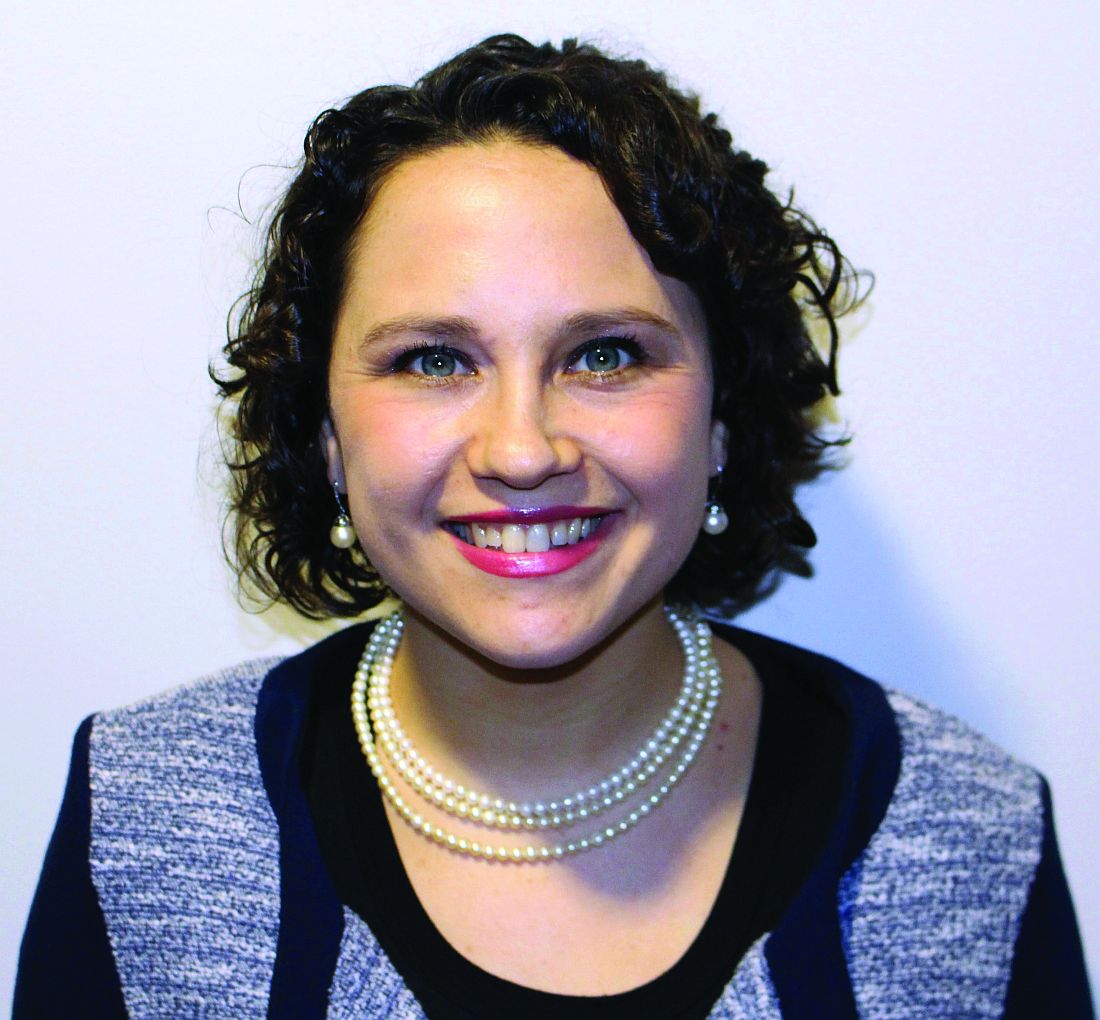
There was a decrease in RIME during the early stages of the COVID-19 pandemic when people were isolating more, Dr. Kirkorian said. SARS-CoV-2 has been a trigger for some cases, but she did not find that remarkable, given that respiratory viruses are known RIME precursors. The question is why RIME is being triggered more frequently now that people have essentially gone back to their normal lives, she said.
Dr. Kirkorian and colleagues at Children’s National Hospital and George Washington University, Washington, wrote about a 5-year-old boy with norovirus-triggered RIME in a case report published in Pediatric Dermatology.
RIME – previously known as Mycoplasma pneumoniae–induced rash and mucositis (MIRM) – tends to arise after a viral infection, with upper respiratory viruses such as mycoplasma and Chlamydophila pneumoniae, influenza, and enterovirus among the common triggers. “We think this is actually your own immune system overreacting to a pathogen,” Dr. Kirkorian said in an interview, adding that the mechanism of RIME is still not understood.
While the norovirus discovery was a surprise, it shows that much is still unknown about this rare condition. “I don’t think we know what is usual and what is unusual,” Dr. Kirkorian said.
In this case, the boy swiftly declined, with progressive conjunctivitis, high fever, and rapidly developing mucositis. By the time the 5-year-old got to Children’s National Hospital, he had a spreading, painful rash, including tense vesicles and bullae involving more than 30% of his total body surface area, and areas of denuded skin on both cheeks and the back of his neck.
He had hemorrhagic mucositis of the lips, a large erosion at the urethral meatus, and hemorrhagic conjunctivitis of both eyes with thick yellow crusting on the eyelids.
The clinicians intubated the boy and admitted him to the intensive care unit. He was given a one-time injection of etanercept (25 mg) followed by 8 days of intravenous cyclosporine at a dose of 5 mg per kilogram, divided twice daily, which helped calm the mucositis and stopped the rash from progressing. There is not an accepted protocol or list of evidence-based therapeutics for RIME, Dr. Kirkorian noted.
The severe eye damage required amniotic membrane grafts. The patient was extubated after 9 days but remained in the hospital for a total of 26 days because he needed to receive nutritional support (the mucositis kept him from eating), and for pain control and weaning of sedation.
As the clinicians searched for a potential triggering virus, they came up empty. Results were negative for adenovirus, Epstein Barr virus, cytomegalovirus, herpes simplex, and varicella zoster. But they noted that the child’s household contacts had all been sick a week before with presumed viral gastroenteritis. They decided to run a stool screen and the polymerase chain reaction for norovirus was positive. The boy never had GI symptoms.
Dr. Kirkorian said in the interview that she has seen other RIME cases where a child did not have symptoms associated with the original virus but did have a sudden onset of mucositis.
Although the definition of RIME is evolving, it is defined in part by mucositis in at least two of three areas: the mouth, eyes, and genitals. “Once you have the inflammation of the mucous membranes you should be on alert to think about more serious conditions,” like RIME, said Dr. Kirkorian. “Why does it manifest with the mucositis? I don’t think we know that,” she added.
RIME recurrence has also been vexing for patients, families and clinicians. In May, at the annual Atlantic Dermatology Conference, held in Baltimore, Dr. Kirkorian also discussed an 11-year-old patient who had RIME after SARS-CoV-2 infection early in the pandemic, resulting in a 22-day hospitalization and placement of a peripherally inserted central catheter and a feeding tube. He improved with cyclosporine and was discharged on systemic tacrolimus.
He was fine for several years, until another COVID infection. He again responded to medication. But not long after, an undetermined viral infection triggered another episode of RIME.
Dr. Kirkorian said there is no way to predict recurrence – making a devastating condition all the more worrisome. “Knowing that it might come back and it’s totally haphazard as to what might make it come back – that is very stressful for families,” she said in the interview.
“Some of the most perplexing patients with RIME are those with recurrent disease,” wrote Warren R. Heymann, MD, professor of dermatology and pediatrics at Rowan University, Camden, N.J., wrote in an online column on RIME in the American Academy of Dermatology’s “Dermatology World Insights and Inquiries”.
“Recurrent RIME is of particular interest, given that we could potentially intervene and prevent additional disease,” wrote Camille Introcaso, MD, associate professor of medicine at Rowan University, in response to Dr. Heymann’s remarks. “Although multiple possible mechanisms for the clinical findings of RIME have been proposed, including molecular mimicry between infectious agent proteins and keratinocyte antigens, immune complex deposition, and combinations of medication and infection, the pathophysiology is unknown,” she added.
In the interview, Dr. Kirkorian said that she and colleagues in the Pediatric Dermatology Research Alliance (PeDRA) are trying to assemble more multicenter trials to assess the underlying pathology of RIME, effectiveness of various treatments, and to “find some predictive factors.” Given that RIME is an acute-onset emergency, it is not easy to conduct randomized controlled trials, she added.
Dr. Kirkorian, Dr. Heymann, and Dr. Introcaso report no relevant financial relationships.
, according to a newly published case report.
Lead author Anna Yasmine Kirkorian, MD, chief of dermatology at Children’s National Hospital in Washington, said she wanted to get the word out in part because it seems like RIME is occurring more frequently. “I do feel like we’re seeing more cases and from a more diverse number of pathogens,” Dr. Kirkorian told this news organization.
There was a decrease in RIME during the early stages of the COVID-19 pandemic when people were isolating more, Dr. Kirkorian said. SARS-CoV-2 has been a trigger for some cases, but she did not find that remarkable, given that respiratory viruses are known RIME precursors. The question is why RIME is being triggered more frequently now that people have essentially gone back to their normal lives, she said.
Dr. Kirkorian and colleagues at Children’s National Hospital and George Washington University, Washington, wrote about a 5-year-old boy with norovirus-triggered RIME in a case report published in Pediatric Dermatology.
RIME – previously known as Mycoplasma pneumoniae–induced rash and mucositis (MIRM) – tends to arise after a viral infection, with upper respiratory viruses such as mycoplasma and Chlamydophila pneumoniae, influenza, and enterovirus among the common triggers. “We think this is actually your own immune system overreacting to a pathogen,” Dr. Kirkorian said in an interview, adding that the mechanism of RIME is still not understood.
While the norovirus discovery was a surprise, it shows that much is still unknown about this rare condition. “I don’t think we know what is usual and what is unusual,” Dr. Kirkorian said.
In this case, the boy swiftly declined, with progressive conjunctivitis, high fever, and rapidly developing mucositis. By the time the 5-year-old got to Children’s National Hospital, he had a spreading, painful rash, including tense vesicles and bullae involving more than 30% of his total body surface area, and areas of denuded skin on both cheeks and the back of his neck.
He had hemorrhagic mucositis of the lips, a large erosion at the urethral meatus, and hemorrhagic conjunctivitis of both eyes with thick yellow crusting on the eyelids.
The clinicians intubated the boy and admitted him to the intensive care unit. He was given a one-time injection of etanercept (25 mg) followed by 8 days of intravenous cyclosporine at a dose of 5 mg per kilogram, divided twice daily, which helped calm the mucositis and stopped the rash from progressing. There is not an accepted protocol or list of evidence-based therapeutics for RIME, Dr. Kirkorian noted.
The severe eye damage required amniotic membrane grafts. The patient was extubated after 9 days but remained in the hospital for a total of 26 days because he needed to receive nutritional support (the mucositis kept him from eating), and for pain control and weaning of sedation.
As the clinicians searched for a potential triggering virus, they came up empty. Results were negative for adenovirus, Epstein Barr virus, cytomegalovirus, herpes simplex, and varicella zoster. But they noted that the child’s household contacts had all been sick a week before with presumed viral gastroenteritis. They decided to run a stool screen and the polymerase chain reaction for norovirus was positive. The boy never had GI symptoms.
Dr. Kirkorian said in the interview that she has seen other RIME cases where a child did not have symptoms associated with the original virus but did have a sudden onset of mucositis.
Although the definition of RIME is evolving, it is defined in part by mucositis in at least two of three areas: the mouth, eyes, and genitals. “Once you have the inflammation of the mucous membranes you should be on alert to think about more serious conditions,” like RIME, said Dr. Kirkorian. “Why does it manifest with the mucositis? I don’t think we know that,” she added.
RIME recurrence has also been vexing for patients, families and clinicians. In May, at the annual Atlantic Dermatology Conference, held in Baltimore, Dr. Kirkorian also discussed an 11-year-old patient who had RIME after SARS-CoV-2 infection early in the pandemic, resulting in a 22-day hospitalization and placement of a peripherally inserted central catheter and a feeding tube. He improved with cyclosporine and was discharged on systemic tacrolimus.
He was fine for several years, until another COVID infection. He again responded to medication. But not long after, an undetermined viral infection triggered another episode of RIME.
Dr. Kirkorian said there is no way to predict recurrence – making a devastating condition all the more worrisome. “Knowing that it might come back and it’s totally haphazard as to what might make it come back – that is very stressful for families,” she said in the interview.
“Some of the most perplexing patients with RIME are those with recurrent disease,” wrote Warren R. Heymann, MD, professor of dermatology and pediatrics at Rowan University, Camden, N.J., wrote in an online column on RIME in the American Academy of Dermatology’s “Dermatology World Insights and Inquiries”.
“Recurrent RIME is of particular interest, given that we could potentially intervene and prevent additional disease,” wrote Camille Introcaso, MD, associate professor of medicine at Rowan University, in response to Dr. Heymann’s remarks. “Although multiple possible mechanisms for the clinical findings of RIME have been proposed, including molecular mimicry between infectious agent proteins and keratinocyte antigens, immune complex deposition, and combinations of medication and infection, the pathophysiology is unknown,” she added.
In the interview, Dr. Kirkorian said that she and colleagues in the Pediatric Dermatology Research Alliance (PeDRA) are trying to assemble more multicenter trials to assess the underlying pathology of RIME, effectiveness of various treatments, and to “find some predictive factors.” Given that RIME is an acute-onset emergency, it is not easy to conduct randomized controlled trials, she added.
Dr. Kirkorian, Dr. Heymann, and Dr. Introcaso report no relevant financial relationships.
, according to a newly published case report.
Lead author Anna Yasmine Kirkorian, MD, chief of dermatology at Children’s National Hospital in Washington, said she wanted to get the word out in part because it seems like RIME is occurring more frequently. “I do feel like we’re seeing more cases and from a more diverse number of pathogens,” Dr. Kirkorian told this news organization.
There was a decrease in RIME during the early stages of the COVID-19 pandemic when people were isolating more, Dr. Kirkorian said. SARS-CoV-2 has been a trigger for some cases, but she did not find that remarkable, given that respiratory viruses are known RIME precursors. The question is why RIME is being triggered more frequently now that people have essentially gone back to their normal lives, she said.
Dr. Kirkorian and colleagues at Children’s National Hospital and George Washington University, Washington, wrote about a 5-year-old boy with norovirus-triggered RIME in a case report published in Pediatric Dermatology.
RIME – previously known as Mycoplasma pneumoniae–induced rash and mucositis (MIRM) – tends to arise after a viral infection, with upper respiratory viruses such as mycoplasma and Chlamydophila pneumoniae, influenza, and enterovirus among the common triggers. “We think this is actually your own immune system overreacting to a pathogen,” Dr. Kirkorian said in an interview, adding that the mechanism of RIME is still not understood.
While the norovirus discovery was a surprise, it shows that much is still unknown about this rare condition. “I don’t think we know what is usual and what is unusual,” Dr. Kirkorian said.
In this case, the boy swiftly declined, with progressive conjunctivitis, high fever, and rapidly developing mucositis. By the time the 5-year-old got to Children’s National Hospital, he had a spreading, painful rash, including tense vesicles and bullae involving more than 30% of his total body surface area, and areas of denuded skin on both cheeks and the back of his neck.
He had hemorrhagic mucositis of the lips, a large erosion at the urethral meatus, and hemorrhagic conjunctivitis of both eyes with thick yellow crusting on the eyelids.
The clinicians intubated the boy and admitted him to the intensive care unit. He was given a one-time injection of etanercept (25 mg) followed by 8 days of intravenous cyclosporine at a dose of 5 mg per kilogram, divided twice daily, which helped calm the mucositis and stopped the rash from progressing. There is not an accepted protocol or list of evidence-based therapeutics for RIME, Dr. Kirkorian noted.
The severe eye damage required amniotic membrane grafts. The patient was extubated after 9 days but remained in the hospital for a total of 26 days because he needed to receive nutritional support (the mucositis kept him from eating), and for pain control and weaning of sedation.
As the clinicians searched for a potential triggering virus, they came up empty. Results were negative for adenovirus, Epstein Barr virus, cytomegalovirus, herpes simplex, and varicella zoster. But they noted that the child’s household contacts had all been sick a week before with presumed viral gastroenteritis. They decided to run a stool screen and the polymerase chain reaction for norovirus was positive. The boy never had GI symptoms.
Dr. Kirkorian said in the interview that she has seen other RIME cases where a child did not have symptoms associated with the original virus but did have a sudden onset of mucositis.
Although the definition of RIME is evolving, it is defined in part by mucositis in at least two of three areas: the mouth, eyes, and genitals. “Once you have the inflammation of the mucous membranes you should be on alert to think about more serious conditions,” like RIME, said Dr. Kirkorian. “Why does it manifest with the mucositis? I don’t think we know that,” she added.
RIME recurrence has also been vexing for patients, families and clinicians. In May, at the annual Atlantic Dermatology Conference, held in Baltimore, Dr. Kirkorian also discussed an 11-year-old patient who had RIME after SARS-CoV-2 infection early in the pandemic, resulting in a 22-day hospitalization and placement of a peripherally inserted central catheter and a feeding tube. He improved with cyclosporine and was discharged on systemic tacrolimus.
He was fine for several years, until another COVID infection. He again responded to medication. But not long after, an undetermined viral infection triggered another episode of RIME.
Dr. Kirkorian said there is no way to predict recurrence – making a devastating condition all the more worrisome. “Knowing that it might come back and it’s totally haphazard as to what might make it come back – that is very stressful for families,” she said in the interview.
“Some of the most perplexing patients with RIME are those with recurrent disease,” wrote Warren R. Heymann, MD, professor of dermatology and pediatrics at Rowan University, Camden, N.J., wrote in an online column on RIME in the American Academy of Dermatology’s “Dermatology World Insights and Inquiries”.
“Recurrent RIME is of particular interest, given that we could potentially intervene and prevent additional disease,” wrote Camille Introcaso, MD, associate professor of medicine at Rowan University, in response to Dr. Heymann’s remarks. “Although multiple possible mechanisms for the clinical findings of RIME have been proposed, including molecular mimicry between infectious agent proteins and keratinocyte antigens, immune complex deposition, and combinations of medication and infection, the pathophysiology is unknown,” she added.
In the interview, Dr. Kirkorian said that she and colleagues in the Pediatric Dermatology Research Alliance (PeDRA) are trying to assemble more multicenter trials to assess the underlying pathology of RIME, effectiveness of various treatments, and to “find some predictive factors.” Given that RIME is an acute-onset emergency, it is not easy to conduct randomized controlled trials, she added.
Dr. Kirkorian, Dr. Heymann, and Dr. Introcaso report no relevant financial relationships.
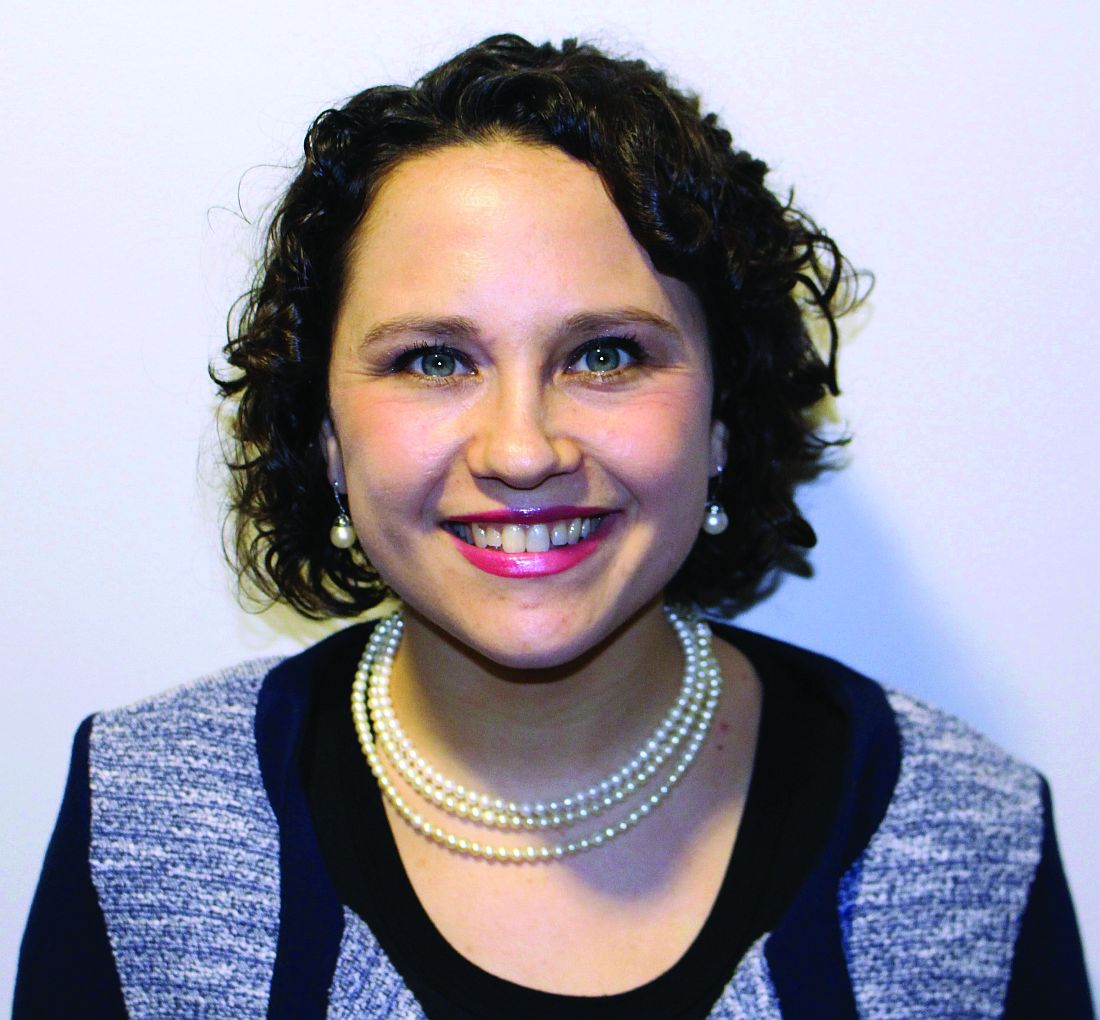
Infection-related chronic illness: A new paradigm for research and treatment
Experience with long COVID has shone a spotlight on persistent Lyme disease and other often debilitating chronic illnesses that follow known or suspected infections – and on the urgent need for a common and well-funded research agenda, education of physicians, growth of multidisciplinary clinics, and financially supported clinical care.
“We critically need to understand the epidemiology and pathogenesis of chronic symptoms, and identify more effective ways to manage, treat, and potentially cure these illnesses,” Lyle Petersen, MD, MPH, director of the division of vector-borne diseases at the Centers for Disease Control and Prevention, said at the start of a 2-day National Academies of Science, Engineering, and Medicine (NASEM) workshop, “Toward a Common Research Agenda in Infection-Associated Chronic Illnesses.”
Thinking about infection-associated chronic illnesses as an entity – one predicated on commonalities in chronic symptoms and in leading hypotheses for causes – represents a paradigm shift that researchers and patient advocates said can avoid research redundancies and is essential to address what the NASEM calls an overlooked, growing public health problem.
An estimated 2 million people in the United States are living with what’s called posttreatment Lyme disease (PTLD) – a subset of patients with persistent or chronic Lyme disease – and an estimated 1.7-3.3 million people in the United States have diagnoses of myalgic encephalomyelitis/chronic fatigue syndrome (ME/CFS). More than 700,000 people are living with multiple sclerosis. And as of January 2023, 11% of people in the United States reported having long COVID symptoms; the incidence of long COVID is currently estimated at 10%-30% of nonhospitalized cases of COVID-19.
These illnesses “have come under one umbrella,” said Avindra Nath, MD, clinical director of the National Institute of Neurologic Disorders and Stroke (NINDS), Bethesda, Md.

To date, common ground in the literature has grown largely around long COVID and ME/CFS, the latter of which is often associated with a prior, often unidentified infection.
Symptoms of both have been “rigorously” studied and shown to have overlaps, and the illnesses appear to share underlying biologic abnormalities in metabolism and the gut microbiome, as well as viral reactivation and abnormalities in the immune system, central and autonomic nervous systems, and the cardiovascular and pulmonary systems, said Anthony L. Komaroff, MD, professor of medicine at Harvard Medical School and a senior physician at Brigham & Women’s Hospital, both in Boston. (An estimated half of patients with long COVID meet the diagnostic criteria for ME/CFS.)
Although less thoroughly researched, similar symptoms are experienced by a subset of people following a variety of viral, bacterial, and protozoal infections, Dr. Komaroff said. To be determined, he said, is whether the pathophysiology believed to be shared by long COVID and ME/CFS is also shared with other postinfectious syndromes following acute illness with Ebola, West Nile, dengue, mycoplasma pneumonia, enteroviruses, and other pathogens, he said.
Persistent infection, viral reactivation
RNA viral infections can lead to persistent inflammation and dysregulated immunity, with or without viral persistence over time, Timothy J. Henrich, MD, MMSc, associate professor of medicine at the University of California, San Francisco, said in a keynote address.

Research on Ebola survivors has documented long-lasting inflammation and severe immune dysfunction 2 years after infection, for instance. And it’s well known that HIV-1 leads to aberrant immune responses, inflammation, and organ damage despite antiretroviral therapy, said Dr. Henrich, who leads a laboratory/research group that studies approaches to HIV-1 cure and PET-based imaging approaches to characterize viral reservoirs and immune sequelae.
Viral persistence, which can be difficult to measure, has also been documented in Ebola survivors. And in patients living with HIV-1, HIV-1 RNA and protein expression have been shown to persist, again despite antiretroviral therapy. The UCSF Long-Term Immunological Impact of Novel Coronavirus (LIINC) study, for which Dr. Henrich is the principal investigator, found spike RNA in colorectal tissue more than 22 months post COVID, and other research documented viral protein in gut tissue for up to 6 months, he said.
“I think we’re appreciating now, in at least the scientific and treatment community, that there’s a potential for ‘acute’ infections to exhibit some degree of persistence leading to clinical morbidity,” said Dr. Henrich, one of several speakers to describe reports of pathogen persistence. Regarding long COVID, its “etiology is likely heterogeneous,” he said, but persistence of SARS-CoV-2 “may lay behind” other described mechanisms, from clotting/microvascular dysfunction to inflammation and tissue damage to immune dysregulation.
Reactivation of existing latent viral infections in the setting of new acute microbial illness may also play an etiologic role in chronic illnesses, Dr. Henrich said. Epstein-Barr virus (EBV) reactivation has been shown in some studies, including their UCSF COVID-19 cohort, to be associated with long COVID.
“Physicians have been trained to be skeptical about the role [of latent viral infections],” Michael Peluso, MD, an infectious disease physician and assistant professor at UCSF, said during a talk on viral reactivation. This skepticism needs to be “reexamined and overcome,” he said.
Herpesviruses have frequently been associated with ME/CFS, he noted. And evidence of a strong association between EBV and multiple sclerosis came recently from a prospective study of 10 million military recruits that found a 32-fold increased risk of MS after EBV infection but no increase after infection with other viruses, Dr. Peluso and Dr. Henrich both noted.
Research needs, treatment trials
Research needs are vast: The need to learn more about the mechanisms of pathogen persistence and immune evasion, for instance, and the need for more biomarker studies, more imaging studies and tissue analyses, more study of microbiome composition and activity, and continued development and application of metagenomic next-generation sequencing.
Workshop participants also spoke of the need to better understand the molecular mimicry that can occur between pathogen-produced proteins and self-antigens, for instance, and the effects of inflammation and infection-related immune changes on neuronal and microglial function in the brain.
“We should perform similar forms of analysis [across] patients with different infection-associated chronic conditions,” said Amy Proal, PhD, president of the PolyBio Research Foundation, which funds research on infection-associated chronic infections. And within individual conditions and well-characterized study groups “we should perform many different forms of analysis … so we can define endotypes and get more solid biomarkers so that industry [will have more confidence] to run clinical trials.”
In the meantime, patients need fast-moving treatment trials for long COVID, long Lyme, and other infection-associated chronic illnesses, speakers emphasized. “We all agree that treatment trials are overdue,” said the NINDS’ Dr. Nath. “We can’t afford to wait for another decade until we understand all the mechanisms, but rather we can do clinical trials based on what we understand now and study the pathophysiology in the context of the clinical trials.”
Just as was done with HIV, said Steven G. Deeks, MD, professor of medicine at UCSF, researchers must “practice experimental medicine” and select pathways and mechanisms of interest, interrupt those pathways in a controlled manner, and assess impact. “Much of this can be done by repurposing existing drugs,” he said, like antivirals for persistent viral infection, EBV-directed therapies for EBV reactivation, anti-inflammatory drugs for inflammation, B–cell-directed therapies for autoantibodies, and antiplatelet drugs for microvascular disease.
When done correctly, he said, such “probe” studies can deepen mechanistic understandings, lead to biomarkers, and provide proof-of-concept that “will encourage massive investment in developing new therapies” for long COVID and other infection-associated chronic illnesses.
Trials of treatments for long COVID “are starting, so I’m optimistic,” said Dr. Deeks, an expert on HIV pathogenesis and treatment and a principal investigator of the Researching COVID to Enhance Recovery (RECOVER) study. Among the trials: A study of intravenous immunoglobulin (IVIG) for neurologic long COVID; a study of an anti-SARS-CoV-2 monoclonal antibody that can deplete tissue/cellular reservoirs of viral particles (replicating or not); and a study evaluating baricitinib (Olumiant), a Janus kinase inhibitor, for neurocognitive impairment and cardiopulmonary symptoms of long COVID.
Alessio Fasano, MD, professor of pediatrics at Harvard Medical School and professor of nutrition at the Harvard T.H. Chan School of Public Health, Boston, described at the workshop how he began investigating the use of larazotide acetate – an inhibitor of the protein zonulin, which increases intestinal permeability – in children with COVID-19 Multisystem Inflammatory Syndrome (MIS-C) after learning that SARS-CoV-2 viral particles persist in the gastrointestinal tract, causing dysbiosis and zonulin upregulation.
In an ongoing phase 2, double-blind, placebo-controlled trial, the agent thus far has expedited the resolution of gastrointestinal symptoms and clearance of spike protein from the circulation, he said. A phase 2 trial of the agent for pediatric patients with long COVID and SARS-CoV-2 antigenemia is underway. “What if we were to stop [chains of events] by stopping the passage of elements from the virus into circulation?’ he said.
In the realm of Lyme disease, a recently launched Clinical Trials Network for Lyme and Other Tick-Borne Diseases has awarded pilot study grants to evaluate treatments aimed at a variety of possible disease mechanisms that, notably, are similar to those of other chronic illnesses: persistence of infection or remnants of infection, immune dysregulation and autoimmune reactions, neural dysfunction, and gut microbiome changes. (Microclots and mitochondrial dysfunction have not been as well studied in Lyme.)
Current and upcoming studies include evaluations of transcutaneous auricular vagus nerve stimulation for those with persistent Lyme fatigue, transcranial direct current stimulation with cognitive retraining for Lyme brain fog, and tetracycline for PTLD, said Brian Fallon, MD, MPH, professor of clinical psychiatry at Columbia University, New York, who directs the Lyme & Tick-Borne Diseases Research Center and the coordinating center of the new network.

Moving forward, he said, it is important to loosen exclusion criteria and include patients with “probable or possible” Lyme and those with suspected infections with other tick-borne pathogens. All told, these patients comprise a large portion of those with chronic symptoms and have been neglected in an already thin research space, Dr. Fallon said, noting that “there haven’t been any clinical trials of posttreatment Lyme disease in ages – in 10-15 years.”
(PTLD refers to symptoms lasting for more than 6 months after the completion of standard Infectious Diseases Society of America–recommended antibiotic protocols. It occurs in about 15% of patients, said John Aucott, MD, director of the Johns Hopkins Lyme Disease Research Center, Baltimore, a member of the new clinical trials network.)
Calls for a new NIH center and patient involvement
Patients and patient advocacy organizations have played a vital role in research thus far: They’ve documented post-COVID symptoms that academic researchers said they would not otherwise have known of. Leaders of the Patient-Led Research Collaborative have coauthored published reviews with leading long COVID experts. And patients with tick-borne illnesses have enrolled in the MyLymeData patient registry run by LymeDisease.org, which has documented patient-experienced efficacy of alternative treatments and described antibiotic responders and nonresponders.
At the workshop, they shared findings alongside academic experts, and researchers called for their continued involvement. “Patient engagement at every step of the research process is critical,” Dr. Nath said.
“We need to ensure that research is reflective of lived experiences … and [that we’re] accelerating clinical trials of therapeutics that are of priority to the patient community,” said Lisa McCorkell, cofounder of the long COVID-focused Patient-Led Research Collaborative.
Ms. McCorkell also called for the creation of an office for infection-associated chronic illnesses in the NIH director’s office. Others voiced their support. “I think it’s a great idea to have an NIH center for infection-associated chronic illnesses,” said Dr. Fallon. “I think it would have a profound impact.”
The other great need, of course, is funding. “We have ideas, we have drugs that can be repurposed, we have a highly informed and engaged community that will enroll in and be retained in studies, and we have outcomes we can measure,” Dr. Deeks said. “What we’re missing is industry engagement and funding. We need massive engagement from the NIH.”
Real-world treatment needs
In the meantime, patients are seeking treatment, and “clinicians need to have uncertainty tolerance” and try multiple treatments simultaneously, said David Putrino, PT, PhD, director of rehabilitation innovation for the Mount Sinai Health System and professor of rehabilitation and human performance at the Icahn School of Medicine at Mount Sinai, New York. He oversees a multidisciplinary hybrid clinical care research center that has seen over 1,500 patients with long COVID and is beginning to see patients with other infection-associated chronic illnesses.
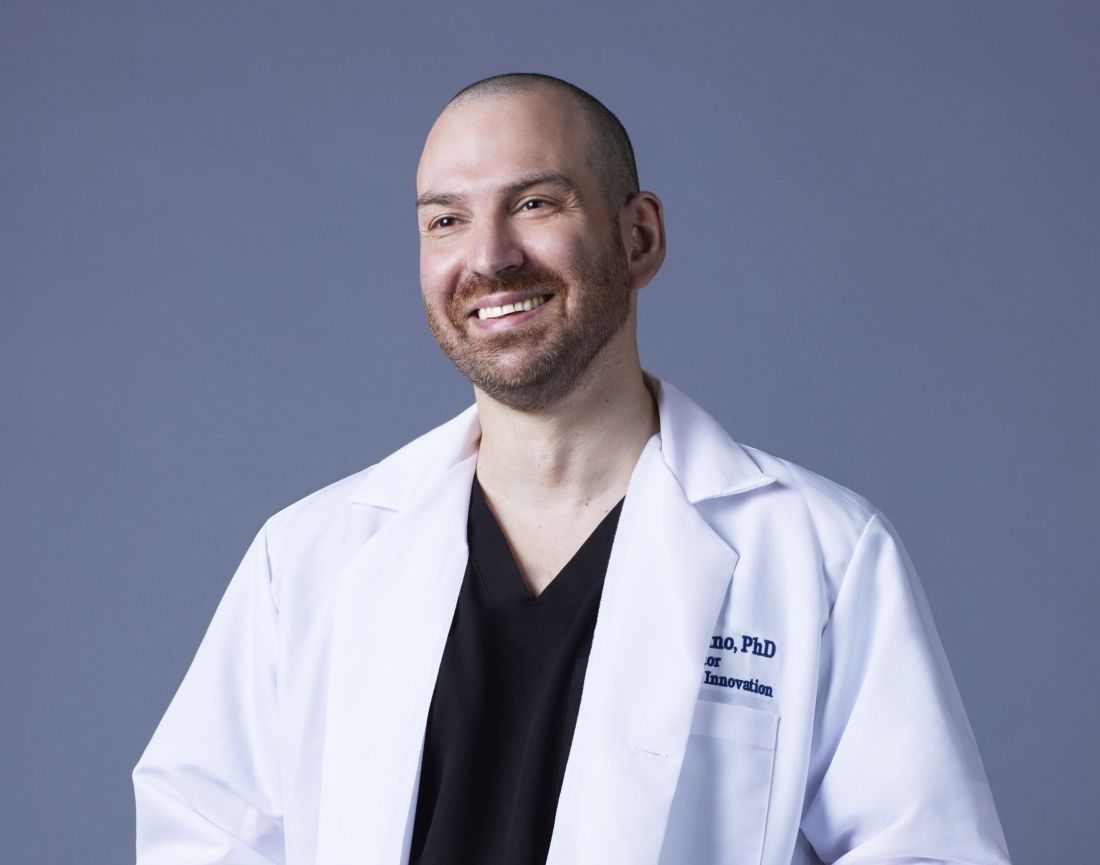
It’s a model that should be replicated to help fill the “enormous unmet clinical need” of patients with infection-associated chronic illness, said Peter Rowe, MD, professor of pediatrics at the Johns Hopkins School of Medicine and an expert on ME/CFS. And “as we request [more research funding], we will also need [financial] support for clinical care,” he emphasized, to provide equitable access for patients and to attract treating physicians.
Moreover, said Linda Geng, MD, PhD, the culture of stigma needs to change. Right now, patients with long COVID often feel dismissed not only by friends, families, and coworkers, but by clinicians who find it find it hard “to grasp that this is real and a biological condition.”
And it’s not just conditions such as long COVID that are stigmatized, but treatments as well, she said. For instance, some clinicians view low-dose naltrexone, a treatment increasingly being used for inflammation, with suspicion because it is used for opioid use disorder and alcohol use disorder – or because the “low-dose” label summons mistrust of homeopathy. “Even with therapies, there are preconceived notions and biases,” said Dr. Geng, cofounder and codirector of the Stanford (Calif.) Long COVID program.
“What almost killed me,” said Meghan O’Rourke, who has ongoing effects from long-undiagnosed tick-borne illness, “was the invisibility of the illness.” Ms. O’Rourke teaches at Yale University and is the author of “The Invisible Kingdom: Reimagining Chronic Illness.”
Teaching young physicians about these illnesses would help, she and others said. During a question and answer session, Dr. Putrino shared that the Icahn School of Medicine has recently committed to “create a complex chronic illness medical curriculum” that will impact medical education from the first year of medical school through residencies. Dr. Putrino said his team is also working on materials to help other clinics develop care models similar to those at his Mount Sinai clinic.
The NASEM workshop did not collect or require disclosures of its participants.
Experience with long COVID has shone a spotlight on persistent Lyme disease and other often debilitating chronic illnesses that follow known or suspected infections – and on the urgent need for a common and well-funded research agenda, education of physicians, growth of multidisciplinary clinics, and financially supported clinical care.
“We critically need to understand the epidemiology and pathogenesis of chronic symptoms, and identify more effective ways to manage, treat, and potentially cure these illnesses,” Lyle Petersen, MD, MPH, director of the division of vector-borne diseases at the Centers for Disease Control and Prevention, said at the start of a 2-day National Academies of Science, Engineering, and Medicine (NASEM) workshop, “Toward a Common Research Agenda in Infection-Associated Chronic Illnesses.”
Thinking about infection-associated chronic illnesses as an entity – one predicated on commonalities in chronic symptoms and in leading hypotheses for causes – represents a paradigm shift that researchers and patient advocates said can avoid research redundancies and is essential to address what the NASEM calls an overlooked, growing public health problem.
An estimated 2 million people in the United States are living with what’s called posttreatment Lyme disease (PTLD) – a subset of patients with persistent or chronic Lyme disease – and an estimated 1.7-3.3 million people in the United States have diagnoses of myalgic encephalomyelitis/chronic fatigue syndrome (ME/CFS). More than 700,000 people are living with multiple sclerosis. And as of January 2023, 11% of people in the United States reported having long COVID symptoms; the incidence of long COVID is currently estimated at 10%-30% of nonhospitalized cases of COVID-19.
These illnesses “have come under one umbrella,” said Avindra Nath, MD, clinical director of the National Institute of Neurologic Disorders and Stroke (NINDS), Bethesda, Md.
To date, common ground in the literature has grown largely around long COVID and ME/CFS, the latter of which is often associated with a prior, often unidentified infection.
Symptoms of both have been “rigorously” studied and shown to have overlaps, and the illnesses appear to share underlying biologic abnormalities in metabolism and the gut microbiome, as well as viral reactivation and abnormalities in the immune system, central and autonomic nervous systems, and the cardiovascular and pulmonary systems, said Anthony L. Komaroff, MD, professor of medicine at Harvard Medical School and a senior physician at Brigham & Women’s Hospital, both in Boston. (An estimated half of patients with long COVID meet the diagnostic criteria for ME/CFS.)
Although less thoroughly researched, similar symptoms are experienced by a subset of people following a variety of viral, bacterial, and protozoal infections, Dr. Komaroff said. To be determined, he said, is whether the pathophysiology believed to be shared by long COVID and ME/CFS is also shared with other postinfectious syndromes following acute illness with Ebola, West Nile, dengue, mycoplasma pneumonia, enteroviruses, and other pathogens, he said.
Persistent infection, viral reactivation
RNA viral infections can lead to persistent inflammation and dysregulated immunity, with or without viral persistence over time, Timothy J. Henrich, MD, MMSc, associate professor of medicine at the University of California, San Francisco, said in a keynote address.
Research on Ebola survivors has documented long-lasting inflammation and severe immune dysfunction 2 years after infection, for instance. And it’s well known that HIV-1 leads to aberrant immune responses, inflammation, and organ damage despite antiretroviral therapy, said Dr. Henrich, who leads a laboratory/research group that studies approaches to HIV-1 cure and PET-based imaging approaches to characterize viral reservoirs and immune sequelae.
Viral persistence, which can be difficult to measure, has also been documented in Ebola survivors. And in patients living with HIV-1, HIV-1 RNA and protein expression have been shown to persist, again despite antiretroviral therapy. The UCSF Long-Term Immunological Impact of Novel Coronavirus (LIINC) study, for which Dr. Henrich is the principal investigator, found spike RNA in colorectal tissue more than 22 months post COVID, and other research documented viral protein in gut tissue for up to 6 months, he said.
“I think we’re appreciating now, in at least the scientific and treatment community, that there’s a potential for ‘acute’ infections to exhibit some degree of persistence leading to clinical morbidity,” said Dr. Henrich, one of several speakers to describe reports of pathogen persistence. Regarding long COVID, its “etiology is likely heterogeneous,” he said, but persistence of SARS-CoV-2 “may lay behind” other described mechanisms, from clotting/microvascular dysfunction to inflammation and tissue damage to immune dysregulation.
Reactivation of existing latent viral infections in the setting of new acute microbial illness may also play an etiologic role in chronic illnesses, Dr. Henrich said. Epstein-Barr virus (EBV) reactivation has been shown in some studies, including their UCSF COVID-19 cohort, to be associated with long COVID.
“Physicians have been trained to be skeptical about the role [of latent viral infections],” Michael Peluso, MD, an infectious disease physician and assistant professor at UCSF, said during a talk on viral reactivation. This skepticism needs to be “reexamined and overcome,” he said.
Herpesviruses have frequently been associated with ME/CFS, he noted. And evidence of a strong association between EBV and multiple sclerosis came recently from a prospective study of 10 million military recruits that found a 32-fold increased risk of MS after EBV infection but no increase after infection with other viruses, Dr. Peluso and Dr. Henrich both noted.
Research needs, treatment trials
Research needs are vast: The need to learn more about the mechanisms of pathogen persistence and immune evasion, for instance, and the need for more biomarker studies, more imaging studies and tissue analyses, more study of microbiome composition and activity, and continued development and application of metagenomic next-generation sequencing.
Workshop participants also spoke of the need to better understand the molecular mimicry that can occur between pathogen-produced proteins and self-antigens, for instance, and the effects of inflammation and infection-related immune changes on neuronal and microglial function in the brain.
“We should perform similar forms of analysis [across] patients with different infection-associated chronic conditions,” said Amy Proal, PhD, president of the PolyBio Research Foundation, which funds research on infection-associated chronic infections. And within individual conditions and well-characterized study groups “we should perform many different forms of analysis … so we can define endotypes and get more solid biomarkers so that industry [will have more confidence] to run clinical trials.”
In the meantime, patients need fast-moving treatment trials for long COVID, long Lyme, and other infection-associated chronic illnesses, speakers emphasized. “We all agree that treatment trials are overdue,” said the NINDS’ Dr. Nath. “We can’t afford to wait for another decade until we understand all the mechanisms, but rather we can do clinical trials based on what we understand now and study the pathophysiology in the context of the clinical trials.”
Just as was done with HIV, said Steven G. Deeks, MD, professor of medicine at UCSF, researchers must “practice experimental medicine” and select pathways and mechanisms of interest, interrupt those pathways in a controlled manner, and assess impact. “Much of this can be done by repurposing existing drugs,” he said, like antivirals for persistent viral infection, EBV-directed therapies for EBV reactivation, anti-inflammatory drugs for inflammation, B–cell-directed therapies for autoantibodies, and antiplatelet drugs for microvascular disease.
When done correctly, he said, such “probe” studies can deepen mechanistic understandings, lead to biomarkers, and provide proof-of-concept that “will encourage massive investment in developing new therapies” for long COVID and other infection-associated chronic illnesses.
Trials of treatments for long COVID “are starting, so I’m optimistic,” said Dr. Deeks, an expert on HIV pathogenesis and treatment and a principal investigator of the Researching COVID to Enhance Recovery (RECOVER) study. Among the trials: A study of intravenous immunoglobulin (IVIG) for neurologic long COVID; a study of an anti-SARS-CoV-2 monoclonal antibody that can deplete tissue/cellular reservoirs of viral particles (replicating or not); and a study evaluating baricitinib (Olumiant), a Janus kinase inhibitor, for neurocognitive impairment and cardiopulmonary symptoms of long COVID.
Alessio Fasano, MD, professor of pediatrics at Harvard Medical School and professor of nutrition at the Harvard T.H. Chan School of Public Health, Boston, described at the workshop how he began investigating the use of larazotide acetate – an inhibitor of the protein zonulin, which increases intestinal permeability – in children with COVID-19 Multisystem Inflammatory Syndrome (MIS-C) after learning that SARS-CoV-2 viral particles persist in the gastrointestinal tract, causing dysbiosis and zonulin upregulation.
In an ongoing phase 2, double-blind, placebo-controlled trial, the agent thus far has expedited the resolution of gastrointestinal symptoms and clearance of spike protein from the circulation, he said. A phase 2 trial of the agent for pediatric patients with long COVID and SARS-CoV-2 antigenemia is underway. “What if we were to stop [chains of events] by stopping the passage of elements from the virus into circulation?’ he said.
In the realm of Lyme disease, a recently launched Clinical Trials Network for Lyme and Other Tick-Borne Diseases has awarded pilot study grants to evaluate treatments aimed at a variety of possible disease mechanisms that, notably, are similar to those of other chronic illnesses: persistence of infection or remnants of infection, immune dysregulation and autoimmune reactions, neural dysfunction, and gut microbiome changes. (Microclots and mitochondrial dysfunction have not been as well studied in Lyme.)
Current and upcoming studies include evaluations of transcutaneous auricular vagus nerve stimulation for those with persistent Lyme fatigue, transcranial direct current stimulation with cognitive retraining for Lyme brain fog, and tetracycline for PTLD, said Brian Fallon, MD, MPH, professor of clinical psychiatry at Columbia University, New York, who directs the Lyme & Tick-Borne Diseases Research Center and the coordinating center of the new network.
Moving forward, he said, it is important to loosen exclusion criteria and include patients with “probable or possible” Lyme and those with suspected infections with other tick-borne pathogens. All told, these patients comprise a large portion of those with chronic symptoms and have been neglected in an already thin research space, Dr. Fallon said, noting that “there haven’t been any clinical trials of posttreatment Lyme disease in ages – in 10-15 years.”
(PTLD refers to symptoms lasting for more than 6 months after the completion of standard Infectious Diseases Society of America–recommended antibiotic protocols. It occurs in about 15% of patients, said John Aucott, MD, director of the Johns Hopkins Lyme Disease Research Center, Baltimore, a member of the new clinical trials network.)
Calls for a new NIH center and patient involvement
Patients and patient advocacy organizations have played a vital role in research thus far: They’ve documented post-COVID symptoms that academic researchers said they would not otherwise have known of. Leaders of the Patient-Led Research Collaborative have coauthored published reviews with leading long COVID experts. And patients with tick-borne illnesses have enrolled in the MyLymeData patient registry run by LymeDisease.org, which has documented patient-experienced efficacy of alternative treatments and described antibiotic responders and nonresponders.
At the workshop, they shared findings alongside academic experts, and researchers called for their continued involvement. “Patient engagement at every step of the research process is critical,” Dr. Nath said.
“We need to ensure that research is reflective of lived experiences … and [that we’re] accelerating clinical trials of therapeutics that are of priority to the patient community,” said Lisa McCorkell, cofounder of the long COVID-focused Patient-Led Research Collaborative.
Ms. McCorkell also called for the creation of an office for infection-associated chronic illnesses in the NIH director’s office. Others voiced their support. “I think it’s a great idea to have an NIH center for infection-associated chronic illnesses,” said Dr. Fallon. “I think it would have a profound impact.”
The other great need, of course, is funding. “We have ideas, we have drugs that can be repurposed, we have a highly informed and engaged community that will enroll in and be retained in studies, and we have outcomes we can measure,” Dr. Deeks said. “What we’re missing is industry engagement and funding. We need massive engagement from the NIH.”
Real-world treatment needs
In the meantime, patients are seeking treatment, and “clinicians need to have uncertainty tolerance” and try multiple treatments simultaneously, said David Putrino, PT, PhD, director of rehabilitation innovation for the Mount Sinai Health System and professor of rehabilitation and human performance at the Icahn School of Medicine at Mount Sinai, New York. He oversees a multidisciplinary hybrid clinical care research center that has seen over 1,500 patients with long COVID and is beginning to see patients with other infection-associated chronic illnesses.
It’s a model that should be replicated to help fill the “enormous unmet clinical need” of patients with infection-associated chronic illness, said Peter Rowe, MD, professor of pediatrics at the Johns Hopkins School of Medicine and an expert on ME/CFS. And “as we request [more research funding], we will also need [financial] support for clinical care,” he emphasized, to provide equitable access for patients and to attract treating physicians.
Moreover, said Linda Geng, MD, PhD, the culture of stigma needs to change. Right now, patients with long COVID often feel dismissed not only by friends, families, and coworkers, but by clinicians who find it find it hard “to grasp that this is real and a biological condition.”
And it’s not just conditions such as long COVID that are stigmatized, but treatments as well, she said. For instance, some clinicians view low-dose naltrexone, a treatment increasingly being used for inflammation, with suspicion because it is used for opioid use disorder and alcohol use disorder – or because the “low-dose” label summons mistrust of homeopathy. “Even with therapies, there are preconceived notions and biases,” said Dr. Geng, cofounder and codirector of the Stanford (Calif.) Long COVID program.
“What almost killed me,” said Meghan O’Rourke, who has ongoing effects from long-undiagnosed tick-borne illness, “was the invisibility of the illness.” Ms. O’Rourke teaches at Yale University and is the author of “The Invisible Kingdom: Reimagining Chronic Illness.”
Teaching young physicians about these illnesses would help, she and others said. During a question and answer session, Dr. Putrino shared that the Icahn School of Medicine has recently committed to “create a complex chronic illness medical curriculum” that will impact medical education from the first year of medical school through residencies. Dr. Putrino said his team is also working on materials to help other clinics develop care models similar to those at his Mount Sinai clinic.
The NASEM workshop did not collect or require disclosures of its participants.
Experience with long COVID has shone a spotlight on persistent Lyme disease and other often debilitating chronic illnesses that follow known or suspected infections – and on the urgent need for a common and well-funded research agenda, education of physicians, growth of multidisciplinary clinics, and financially supported clinical care.
“We critically need to understand the epidemiology and pathogenesis of chronic symptoms, and identify more effective ways to manage, treat, and potentially cure these illnesses,” Lyle Petersen, MD, MPH, director of the division of vector-borne diseases at the Centers for Disease Control and Prevention, said at the start of a 2-day National Academies of Science, Engineering, and Medicine (NASEM) workshop, “Toward a Common Research Agenda in Infection-Associated Chronic Illnesses.”
Thinking about infection-associated chronic illnesses as an entity – one predicated on commonalities in chronic symptoms and in leading hypotheses for causes – represents a paradigm shift that researchers and patient advocates said can avoid research redundancies and is essential to address what the NASEM calls an overlooked, growing public health problem.
An estimated 2 million people in the United States are living with what’s called posttreatment Lyme disease (PTLD) – a subset of patients with persistent or chronic Lyme disease – and an estimated 1.7-3.3 million people in the United States have diagnoses of myalgic encephalomyelitis/chronic fatigue syndrome (ME/CFS). More than 700,000 people are living with multiple sclerosis. And as of January 2023, 11% of people in the United States reported having long COVID symptoms; the incidence of long COVID is currently estimated at 10%-30% of nonhospitalized cases of COVID-19.
These illnesses “have come under one umbrella,” said Avindra Nath, MD, clinical director of the National Institute of Neurologic Disorders and Stroke (NINDS), Bethesda, Md.
To date, common ground in the literature has grown largely around long COVID and ME/CFS, the latter of which is often associated with a prior, often unidentified infection.
Symptoms of both have been “rigorously” studied and shown to have overlaps, and the illnesses appear to share underlying biologic abnormalities in metabolism and the gut microbiome, as well as viral reactivation and abnormalities in the immune system, central and autonomic nervous systems, and the cardiovascular and pulmonary systems, said Anthony L. Komaroff, MD, professor of medicine at Harvard Medical School and a senior physician at Brigham & Women’s Hospital, both in Boston. (An estimated half of patients with long COVID meet the diagnostic criteria for ME/CFS.)
Although less thoroughly researched, similar symptoms are experienced by a subset of people following a variety of viral, bacterial, and protozoal infections, Dr. Komaroff said. To be determined, he said, is whether the pathophysiology believed to be shared by long COVID and ME/CFS is also shared with other postinfectious syndromes following acute illness with Ebola, West Nile, dengue, mycoplasma pneumonia, enteroviruses, and other pathogens, he said.
Persistent infection, viral reactivation
RNA viral infections can lead to persistent inflammation and dysregulated immunity, with or without viral persistence over time, Timothy J. Henrich, MD, MMSc, associate professor of medicine at the University of California, San Francisco, said in a keynote address.
Research on Ebola survivors has documented long-lasting inflammation and severe immune dysfunction 2 years after infection, for instance. And it’s well known that HIV-1 leads to aberrant immune responses, inflammation, and organ damage despite antiretroviral therapy, said Dr. Henrich, who leads a laboratory/research group that studies approaches to HIV-1 cure and PET-based imaging approaches to characterize viral reservoirs and immune sequelae.
Viral persistence, which can be difficult to measure, has also been documented in Ebola survivors. And in patients living with HIV-1, HIV-1 RNA and protein expression have been shown to persist, again despite antiretroviral therapy. The UCSF Long-Term Immunological Impact of Novel Coronavirus (LIINC) study, for which Dr. Henrich is the principal investigator, found spike RNA in colorectal tissue more than 22 months post COVID, and other research documented viral protein in gut tissue for up to 6 months, he said.
“I think we’re appreciating now, in at least the scientific and treatment community, that there’s a potential for ‘acute’ infections to exhibit some degree of persistence leading to clinical morbidity,” said Dr. Henrich, one of several speakers to describe reports of pathogen persistence. Regarding long COVID, its “etiology is likely heterogeneous,” he said, but persistence of SARS-CoV-2 “may lay behind” other described mechanisms, from clotting/microvascular dysfunction to inflammation and tissue damage to immune dysregulation.
Reactivation of existing latent viral infections in the setting of new acute microbial illness may also play an etiologic role in chronic illnesses, Dr. Henrich said. Epstein-Barr virus (EBV) reactivation has been shown in some studies, including their UCSF COVID-19 cohort, to be associated with long COVID.
“Physicians have been trained to be skeptical about the role [of latent viral infections],” Michael Peluso, MD, an infectious disease physician and assistant professor at UCSF, said during a talk on viral reactivation. This skepticism needs to be “reexamined and overcome,” he said.
Herpesviruses have frequently been associated with ME/CFS, he noted. And evidence of a strong association between EBV and multiple sclerosis came recently from a prospective study of 10 million military recruits that found a 32-fold increased risk of MS after EBV infection but no increase after infection with other viruses, Dr. Peluso and Dr. Henrich both noted.
Research needs, treatment trials
Research needs are vast: The need to learn more about the mechanisms of pathogen persistence and immune evasion, for instance, and the need for more biomarker studies, more imaging studies and tissue analyses, more study of microbiome composition and activity, and continued development and application of metagenomic next-generation sequencing.
Workshop participants also spoke of the need to better understand the molecular mimicry that can occur between pathogen-produced proteins and self-antigens, for instance, and the effects of inflammation and infection-related immune changes on neuronal and microglial function in the brain.
“We should perform similar forms of analysis [across] patients with different infection-associated chronic conditions,” said Amy Proal, PhD, president of the PolyBio Research Foundation, which funds research on infection-associated chronic infections. And within individual conditions and well-characterized study groups “we should perform many different forms of analysis … so we can define endotypes and get more solid biomarkers so that industry [will have more confidence] to run clinical trials.”
In the meantime, patients need fast-moving treatment trials for long COVID, long Lyme, and other infection-associated chronic illnesses, speakers emphasized. “We all agree that treatment trials are overdue,” said the NINDS’ Dr. Nath. “We can’t afford to wait for another decade until we understand all the mechanisms, but rather we can do clinical trials based on what we understand now and study the pathophysiology in the context of the clinical trials.”
Just as was done with HIV, said Steven G. Deeks, MD, professor of medicine at UCSF, researchers must “practice experimental medicine” and select pathways and mechanisms of interest, interrupt those pathways in a controlled manner, and assess impact. “Much of this can be done by repurposing existing drugs,” he said, like antivirals for persistent viral infection, EBV-directed therapies for EBV reactivation, anti-inflammatory drugs for inflammation, B–cell-directed therapies for autoantibodies, and antiplatelet drugs for microvascular disease.
When done correctly, he said, such “probe” studies can deepen mechanistic understandings, lead to biomarkers, and provide proof-of-concept that “will encourage massive investment in developing new therapies” for long COVID and other infection-associated chronic illnesses.
Trials of treatments for long COVID “are starting, so I’m optimistic,” said Dr. Deeks, an expert on HIV pathogenesis and treatment and a principal investigator of the Researching COVID to Enhance Recovery (RECOVER) study. Among the trials: A study of intravenous immunoglobulin (IVIG) for neurologic long COVID; a study of an anti-SARS-CoV-2 monoclonal antibody that can deplete tissue/cellular reservoirs of viral particles (replicating or not); and a study evaluating baricitinib (Olumiant), a Janus kinase inhibitor, for neurocognitive impairment and cardiopulmonary symptoms of long COVID.
Alessio Fasano, MD, professor of pediatrics at Harvard Medical School and professor of nutrition at the Harvard T.H. Chan School of Public Health, Boston, described at the workshop how he began investigating the use of larazotide acetate – an inhibitor of the protein zonulin, which increases intestinal permeability – in children with COVID-19 Multisystem Inflammatory Syndrome (MIS-C) after learning that SARS-CoV-2 viral particles persist in the gastrointestinal tract, causing dysbiosis and zonulin upregulation.
In an ongoing phase 2, double-blind, placebo-controlled trial, the agent thus far has expedited the resolution of gastrointestinal symptoms and clearance of spike protein from the circulation, he said. A phase 2 trial of the agent for pediatric patients with long COVID and SARS-CoV-2 antigenemia is underway. “What if we were to stop [chains of events] by stopping the passage of elements from the virus into circulation?’ he said.
In the realm of Lyme disease, a recently launched Clinical Trials Network for Lyme and Other Tick-Borne Diseases has awarded pilot study grants to evaluate treatments aimed at a variety of possible disease mechanisms that, notably, are similar to those of other chronic illnesses: persistence of infection or remnants of infection, immune dysregulation and autoimmune reactions, neural dysfunction, and gut microbiome changes. (Microclots and mitochondrial dysfunction have not been as well studied in Lyme.)
Current and upcoming studies include evaluations of transcutaneous auricular vagus nerve stimulation for those with persistent Lyme fatigue, transcranial direct current stimulation with cognitive retraining for Lyme brain fog, and tetracycline for PTLD, said Brian Fallon, MD, MPH, professor of clinical psychiatry at Columbia University, New York, who directs the Lyme & Tick-Borne Diseases Research Center and the coordinating center of the new network.
Moving forward, he said, it is important to loosen exclusion criteria and include patients with “probable or possible” Lyme and those with suspected infections with other tick-borne pathogens. All told, these patients comprise a large portion of those with chronic symptoms and have been neglected in an already thin research space, Dr. Fallon said, noting that “there haven’t been any clinical trials of posttreatment Lyme disease in ages – in 10-15 years.”
(PTLD refers to symptoms lasting for more than 6 months after the completion of standard Infectious Diseases Society of America–recommended antibiotic protocols. It occurs in about 15% of patients, said John Aucott, MD, director of the Johns Hopkins Lyme Disease Research Center, Baltimore, a member of the new clinical trials network.)
Calls for a new NIH center and patient involvement
Patients and patient advocacy organizations have played a vital role in research thus far: They’ve documented post-COVID symptoms that academic researchers said they would not otherwise have known of. Leaders of the Patient-Led Research Collaborative have coauthored published reviews with leading long COVID experts. And patients with tick-borne illnesses have enrolled in the MyLymeData patient registry run by LymeDisease.org, which has documented patient-experienced efficacy of alternative treatments and described antibiotic responders and nonresponders.
At the workshop, they shared findings alongside academic experts, and researchers called for their continued involvement. “Patient engagement at every step of the research process is critical,” Dr. Nath said.
“We need to ensure that research is reflective of lived experiences … and [that we’re] accelerating clinical trials of therapeutics that are of priority to the patient community,” said Lisa McCorkell, cofounder of the long COVID-focused Patient-Led Research Collaborative.
Ms. McCorkell also called for the creation of an office for infection-associated chronic illnesses in the NIH director’s office. Others voiced their support. “I think it’s a great idea to have an NIH center for infection-associated chronic illnesses,” said Dr. Fallon. “I think it would have a profound impact.”
The other great need, of course, is funding. “We have ideas, we have drugs that can be repurposed, we have a highly informed and engaged community that will enroll in and be retained in studies, and we have outcomes we can measure,” Dr. Deeks said. “What we’re missing is industry engagement and funding. We need massive engagement from the NIH.”
Real-world treatment needs
In the meantime, patients are seeking treatment, and “clinicians need to have uncertainty tolerance” and try multiple treatments simultaneously, said David Putrino, PT, PhD, director of rehabilitation innovation for the Mount Sinai Health System and professor of rehabilitation and human performance at the Icahn School of Medicine at Mount Sinai, New York. He oversees a multidisciplinary hybrid clinical care research center that has seen over 1,500 patients with long COVID and is beginning to see patients with other infection-associated chronic illnesses.
It’s a model that should be replicated to help fill the “enormous unmet clinical need” of patients with infection-associated chronic illness, said Peter Rowe, MD, professor of pediatrics at the Johns Hopkins School of Medicine and an expert on ME/CFS. And “as we request [more research funding], we will also need [financial] support for clinical care,” he emphasized, to provide equitable access for patients and to attract treating physicians.
Moreover, said Linda Geng, MD, PhD, the culture of stigma needs to change. Right now, patients with long COVID often feel dismissed not only by friends, families, and coworkers, but by clinicians who find it find it hard “to grasp that this is real and a biological condition.”
And it’s not just conditions such as long COVID that are stigmatized, but treatments as well, she said. For instance, some clinicians view low-dose naltrexone, a treatment increasingly being used for inflammation, with suspicion because it is used for opioid use disorder and alcohol use disorder – or because the “low-dose” label summons mistrust of homeopathy. “Even with therapies, there are preconceived notions and biases,” said Dr. Geng, cofounder and codirector of the Stanford (Calif.) Long COVID program.
“What almost killed me,” said Meghan O’Rourke, who has ongoing effects from long-undiagnosed tick-borne illness, “was the invisibility of the illness.” Ms. O’Rourke teaches at Yale University and is the author of “The Invisible Kingdom: Reimagining Chronic Illness.”
Teaching young physicians about these illnesses would help, she and others said. During a question and answer session, Dr. Putrino shared that the Icahn School of Medicine has recently committed to “create a complex chronic illness medical curriculum” that will impact medical education from the first year of medical school through residencies. Dr. Putrino said his team is also working on materials to help other clinics develop care models similar to those at his Mount Sinai clinic.
The NASEM workshop did not collect or require disclosures of its participants.
FROM A NATIONAL ACADEMIES OF SCIENCE, ENGINEERING, AND MEDICINE WORKSHOP
Research points toward combination therapy for Lyme and improved diagnostics
Several recent developments in Lyme disease treatment and diagnosis may pave the way forward for combating disease that persists following missed or delayed diagnoses or remains following standard treatment. These include combination therapy to address “persister” bacteria and diagnostic tests that test directly for the pathogen and/or indirectly test for host response, according to experts who presented at a 2-day National Academies of Science, Engineering and Medicine workshop on infection-associated chronic illnesses.
Research has shown that 60% of people who are infected and not treated during the early or early disseminated stages of Lyme disease go on to develop late Lyme arthritis, said John Aucott, MD, director of the Johns Hopkins Lyme Disease Clinical Research Center in Baltimore. And in the real world, there’s an additional category of patients: Those who are misdiagnosed and develop infection-related persistent symptoms – such as fatigue, brain fog/cognitive dysfunction, and musculoskeletal problems – that don’t match the “textbook schematic” involving late Lyme arthritis and late neurologic disease.

Moreover, of patients who are treated with protocols recommended by the Infectious Diseases Society of America (IDSA), about 15% go on to develop persistent symptoms at 6 months – again, symptoms that don’t match textbook manifestations and do match symptoms of other infection-associated chronic illnesses. As a “research construct,” this has been coined posttreatment Lyme disease (PTLD), he said at the workshop, “Toward a Common Research Agenda in Infection-Associated Chronic Illnesses.”
(On a practical level, it is hard to know clinically who has early disseminated disease unless they have multiple erythema migrans rashes or neurologic or cardiac involvement, he said after the meeting.)
All this points to the need for tests that are sensitive and specific for diagnosis at all stages of infection and disease, he said in a talk on diagnostics. Currently available tests – those that fit into the widely used two-tiered enzyme-linked immunosorbent assay, Western Blot serology testing – have significant limitations in sensitivity and specificity, including for acute infection when the body has not generated enough antibodies, yet treatment is most likely to succeed.
Move toward combination therapy research
Lyme disease is most commonly treated with doxycycline, and that’s problematic because the antibiotic is a microstatic whose efficacy relies on immune clearance of static bacteria, said Monica E. Embers, PhD, director of vector-borne disease at the Tulane National Primate Research Center and associate professor of immunology at Tulane University, New Orleans.

“But we know that Borrelia burgdorferi has the capability to evade the host immune response in almost every way possible. Persistence is the norm in an immunocompetent host ... [and] dormant bacteria/persisters are more tolerant of microstatic antibiotics,” she said.
Other considerations for antibiotic efficacy include the fact that B. burgdorferi survives for many months inside ticks without nutrient replenishment or replication, “so dormancy is part of their life cycle,” she said. Moreover, the bacteria can be found deep in connective tissues and joints.
The efficacy of accepted regimens of antibiotic treatment has been “a very contentious issue,” she said, noting that guidelines from the International Lyme and Associated Diseases Society “leave open the possibility for antibiotic retreatment when a chronic infection is judged to be a possible cause [of ongoing symptoms].”
The development of persister B. burgdorferi in the presence of antibiotics has been well studied in vitro, which has limitations, Dr. Embers said. But her group specializes in animal models and has shown persistence of antimicrobial-tolerant B. burgdorferi in tick-inoculated rhesus macaques 8-9 months after treatment with oral doxycycline.
“We [also] saw persistence of mild-moderate inflammation in the brain, peripheral nerves, spinal cord, joints and skeletal muscle, and in the heart,” Dr. Embers said, who coauthored a 2022 review of B. burgdorferi antimicrobial-tolerant persistence in Lyme disease and PTLD.
Her work has also shown that ceftriaxone, which is recommended by IDSA for patients with clinically evident neurological and/or cardiac involvement, does not clear infection in mice. “In general, single drugs have not been capable of clearing the infection, yet combinations show promise,” she said.
Dr. Embers has combed large drug libraries looking for combinations of antibiotics that employ different mechanisms of action in hopes of eliminating persister spirochetes. Certain combinations have shown promise in mice and have been tested in her rhesus macaque model; data analyses are underway.
Other research teams, such as that of Ying Zhang, MD, PhD, at Johns Hopkins, have similarly been screening combinations of antibiotics and other compounds, identifying candidates for further testing.
During a question and answer period, Dr. Embers said her team is also investigating the pathophysiology and long-term effects of tick-borne coinfections, including Bartonella, and is pursuing a hypothesis that infection with Borrelia allows Bartonella to cause more extensive disease and persist longer. “I think Lyme is at the core because of its ability to evade and suppress the immune response so effectively.”
Diagnostic possibilities, biomarkers for PTLD
Direct diagnostic tests for microbial nucleic acid and proteins “are promising alternatives for indirect serologic tests,” Dr. Aucott said. For instance, in addition to polymerase chain reaction tests, which “are making advances,” it may be possible to target the B. burgdorferi peptidoglycan for antigen detection.
Researchers have shown that peptidoglycan, a component of the B. burgdorferi cell envelope, is a persistent antigen in the synovial fluid of patients with Lyme arthritis who have been treated with oral and intravenous antibiotics, and that it likely contributes to inflammation.
“Maybe the infection is gone but parts of the bacteria are still there that are driving inflammation,” said Dr. Aucott, also associate professor of medicine at John Hopkins.
Researchers have also been looking at the host response to B. burgdorferi – including cytokines, chemokines, and autoantibiodies – to identify biomarkers for PTLD and to identify patients during posttreatment follow-up who are at increased risk of developing PTLD, with the hope of someday intervening. Persistently high levels of interleukin-23, CCL19, and interferon-alpha have each been associated in different studies with persistent symptoms after treatment, Dr. Aucott said.
In addition, metabolomics research is showing that patients with PTLD have metabolic fingerprints that are different from those who return to good health after treatment, and it may be possible to identify an epigenetic signature for Lyme disease. A project sponsored by the Defense Advanced Research Projects Agency called ECHO (Epigenetic Characterization and Observation) aims to identify epigenetic signatures of exposures to various threats, including B. burgdorferi.
“At the very proximal end of [indirectly testing for host response], there are modifications of the DNA that can occur in response to infectious insults ... and that changed DNA changes RNA expression and protein synthesis,” Dr. Aucott explained. DARPA’s project is “exciting because their goal [at DARPA] is to have a diagnostic test quickly as a result of this epigenetics work.”
Imaging research is also fast offering diagnostic opportunities, Dr. Aucott said. Levels of microglial activation on brain PET imaging have been found to correlate with PTLD, and a study at Johns Hopkins of multimodal neuroimaging with functional MRI and diffusion tensor imaging has shown distinct changes to white matter activation within the frontal lobe of patients with PTLD, compared with controls.
The NASEM workshop did not collect or require disclosures of its participants.
Several recent developments in Lyme disease treatment and diagnosis may pave the way forward for combating disease that persists following missed or delayed diagnoses or remains following standard treatment. These include combination therapy to address “persister” bacteria and diagnostic tests that test directly for the pathogen and/or indirectly test for host response, according to experts who presented at a 2-day National Academies of Science, Engineering and Medicine workshop on infection-associated chronic illnesses.
Research has shown that 60% of people who are infected and not treated during the early or early disseminated stages of Lyme disease go on to develop late Lyme arthritis, said John Aucott, MD, director of the Johns Hopkins Lyme Disease Clinical Research Center in Baltimore. And in the real world, there’s an additional category of patients: Those who are misdiagnosed and develop infection-related persistent symptoms – such as fatigue, brain fog/cognitive dysfunction, and musculoskeletal problems – that don’t match the “textbook schematic” involving late Lyme arthritis and late neurologic disease.
Moreover, of patients who are treated with protocols recommended by the Infectious Diseases Society of America (IDSA), about 15% go on to develop persistent symptoms at 6 months – again, symptoms that don’t match textbook manifestations and do match symptoms of other infection-associated chronic illnesses. As a “research construct,” this has been coined posttreatment Lyme disease (PTLD), he said at the workshop, “Toward a Common Research Agenda in Infection-Associated Chronic Illnesses.”
(On a practical level, it is hard to know clinically who has early disseminated disease unless they have multiple erythema migrans rashes or neurologic or cardiac involvement, he said after the meeting.)
All this points to the need for tests that are sensitive and specific for diagnosis at all stages of infection and disease, he said in a talk on diagnostics. Currently available tests – those that fit into the widely used two-tiered enzyme-linked immunosorbent assay, Western Blot serology testing – have significant limitations in sensitivity and specificity, including for acute infection when the body has not generated enough antibodies, yet treatment is most likely to succeed.
Move toward combination therapy research
Lyme disease is most commonly treated with doxycycline, and that’s problematic because the antibiotic is a microstatic whose efficacy relies on immune clearance of static bacteria, said Monica E. Embers, PhD, director of vector-borne disease at the Tulane National Primate Research Center and associate professor of immunology at Tulane University, New Orleans.
“But we know that Borrelia burgdorferi has the capability to evade the host immune response in almost every way possible. Persistence is the norm in an immunocompetent host ... [and] dormant bacteria/persisters are more tolerant of microstatic antibiotics,” she said.
Other considerations for antibiotic efficacy include the fact that B. burgdorferi survives for many months inside ticks without nutrient replenishment or replication, “so dormancy is part of their life cycle,” she said. Moreover, the bacteria can be found deep in connective tissues and joints.
The efficacy of accepted regimens of antibiotic treatment has been “a very contentious issue,” she said, noting that guidelines from the International Lyme and Associated Diseases Society “leave open the possibility for antibiotic retreatment when a chronic infection is judged to be a possible cause [of ongoing symptoms].”
The development of persister B. burgdorferi in the presence of antibiotics has been well studied in vitro, which has limitations, Dr. Embers said. But her group specializes in animal models and has shown persistence of antimicrobial-tolerant B. burgdorferi in tick-inoculated rhesus macaques 8-9 months after treatment with oral doxycycline.
“We [also] saw persistence of mild-moderate inflammation in the brain, peripheral nerves, spinal cord, joints and skeletal muscle, and in the heart,” Dr. Embers said, who coauthored a 2022 review of B. burgdorferi antimicrobial-tolerant persistence in Lyme disease and PTLD.
Her work has also shown that ceftriaxone, which is recommended by IDSA for patients with clinically evident neurological and/or cardiac involvement, does not clear infection in mice. “In general, single drugs have not been capable of clearing the infection, yet combinations show promise,” she said.
Dr. Embers has combed large drug libraries looking for combinations of antibiotics that employ different mechanisms of action in hopes of eliminating persister spirochetes. Certain combinations have shown promise in mice and have been tested in her rhesus macaque model; data analyses are underway.
Other research teams, such as that of Ying Zhang, MD, PhD, at Johns Hopkins, have similarly been screening combinations of antibiotics and other compounds, identifying candidates for further testing.
During a question and answer period, Dr. Embers said her team is also investigating the pathophysiology and long-term effects of tick-borne coinfections, including Bartonella, and is pursuing a hypothesis that infection with Borrelia allows Bartonella to cause more extensive disease and persist longer. “I think Lyme is at the core because of its ability to evade and suppress the immune response so effectively.”
Diagnostic possibilities, biomarkers for PTLD
Direct diagnostic tests for microbial nucleic acid and proteins “are promising alternatives for indirect serologic tests,” Dr. Aucott said. For instance, in addition to polymerase chain reaction tests, which “are making advances,” it may be possible to target the B. burgdorferi peptidoglycan for antigen detection.
Researchers have shown that peptidoglycan, a component of the B. burgdorferi cell envelope, is a persistent antigen in the synovial fluid of patients with Lyme arthritis who have been treated with oral and intravenous antibiotics, and that it likely contributes to inflammation.
“Maybe the infection is gone but parts of the bacteria are still there that are driving inflammation,” said Dr. Aucott, also associate professor of medicine at John Hopkins.
Researchers have also been looking at the host response to B. burgdorferi – including cytokines, chemokines, and autoantibiodies – to identify biomarkers for PTLD and to identify patients during posttreatment follow-up who are at increased risk of developing PTLD, with the hope of someday intervening. Persistently high levels of interleukin-23, CCL19, and interferon-alpha have each been associated in different studies with persistent symptoms after treatment, Dr. Aucott said.
In addition, metabolomics research is showing that patients with PTLD have metabolic fingerprints that are different from those who return to good health after treatment, and it may be possible to identify an epigenetic signature for Lyme disease. A project sponsored by the Defense Advanced Research Projects Agency called ECHO (Epigenetic Characterization and Observation) aims to identify epigenetic signatures of exposures to various threats, including B. burgdorferi.
“At the very proximal end of [indirectly testing for host response], there are modifications of the DNA that can occur in response to infectious insults ... and that changed DNA changes RNA expression and protein synthesis,” Dr. Aucott explained. DARPA’s project is “exciting because their goal [at DARPA] is to have a diagnostic test quickly as a result of this epigenetics work.”
Imaging research is also fast offering diagnostic opportunities, Dr. Aucott said. Levels of microglial activation on brain PET imaging have been found to correlate with PTLD, and a study at Johns Hopkins of multimodal neuroimaging with functional MRI and diffusion tensor imaging has shown distinct changes to white matter activation within the frontal lobe of patients with PTLD, compared with controls.
The NASEM workshop did not collect or require disclosures of its participants.
Several recent developments in Lyme disease treatment and diagnosis may pave the way forward for combating disease that persists following missed or delayed diagnoses or remains following standard treatment. These include combination therapy to address “persister” bacteria and diagnostic tests that test directly for the pathogen and/or indirectly test for host response, according to experts who presented at a 2-day National Academies of Science, Engineering and Medicine workshop on infection-associated chronic illnesses.
Research has shown that 60% of people who are infected and not treated during the early or early disseminated stages of Lyme disease go on to develop late Lyme arthritis, said John Aucott, MD, director of the Johns Hopkins Lyme Disease Clinical Research Center in Baltimore. And in the real world, there’s an additional category of patients: Those who are misdiagnosed and develop infection-related persistent symptoms – such as fatigue, brain fog/cognitive dysfunction, and musculoskeletal problems – that don’t match the “textbook schematic” involving late Lyme arthritis and late neurologic disease.
Moreover, of patients who are treated with protocols recommended by the Infectious Diseases Society of America (IDSA), about 15% go on to develop persistent symptoms at 6 months – again, symptoms that don’t match textbook manifestations and do match symptoms of other infection-associated chronic illnesses. As a “research construct,” this has been coined posttreatment Lyme disease (PTLD), he said at the workshop, “Toward a Common Research Agenda in Infection-Associated Chronic Illnesses.”
(On a practical level, it is hard to know clinically who has early disseminated disease unless they have multiple erythema migrans rashes or neurologic or cardiac involvement, he said after the meeting.)
All this points to the need for tests that are sensitive and specific for diagnosis at all stages of infection and disease, he said in a talk on diagnostics. Currently available tests – those that fit into the widely used two-tiered enzyme-linked immunosorbent assay, Western Blot serology testing – have significant limitations in sensitivity and specificity, including for acute infection when the body has not generated enough antibodies, yet treatment is most likely to succeed.
Move toward combination therapy research
Lyme disease is most commonly treated with doxycycline, and that’s problematic because the antibiotic is a microstatic whose efficacy relies on immune clearance of static bacteria, said Monica E. Embers, PhD, director of vector-borne disease at the Tulane National Primate Research Center and associate professor of immunology at Tulane University, New Orleans.
“But we know that Borrelia burgdorferi has the capability to evade the host immune response in almost every way possible. Persistence is the norm in an immunocompetent host ... [and] dormant bacteria/persisters are more tolerant of microstatic antibiotics,” she said.
Other considerations for antibiotic efficacy include the fact that B. burgdorferi survives for many months inside ticks without nutrient replenishment or replication, “so dormancy is part of their life cycle,” she said. Moreover, the bacteria can be found deep in connective tissues and joints.
The efficacy of accepted regimens of antibiotic treatment has been “a very contentious issue,” she said, noting that guidelines from the International Lyme and Associated Diseases Society “leave open the possibility for antibiotic retreatment when a chronic infection is judged to be a possible cause [of ongoing symptoms].”
The development of persister B. burgdorferi in the presence of antibiotics has been well studied in vitro, which has limitations, Dr. Embers said. But her group specializes in animal models and has shown persistence of antimicrobial-tolerant B. burgdorferi in tick-inoculated rhesus macaques 8-9 months after treatment with oral doxycycline.
“We [also] saw persistence of mild-moderate inflammation in the brain, peripheral nerves, spinal cord, joints and skeletal muscle, and in the heart,” Dr. Embers said, who coauthored a 2022 review of B. burgdorferi antimicrobial-tolerant persistence in Lyme disease and PTLD.
Her work has also shown that ceftriaxone, which is recommended by IDSA for patients with clinically evident neurological and/or cardiac involvement, does not clear infection in mice. “In general, single drugs have not been capable of clearing the infection, yet combinations show promise,” she said.
Dr. Embers has combed large drug libraries looking for combinations of antibiotics that employ different mechanisms of action in hopes of eliminating persister spirochetes. Certain combinations have shown promise in mice and have been tested in her rhesus macaque model; data analyses are underway.
Other research teams, such as that of Ying Zhang, MD, PhD, at Johns Hopkins, have similarly been screening combinations of antibiotics and other compounds, identifying candidates for further testing.
During a question and answer period, Dr. Embers said her team is also investigating the pathophysiology and long-term effects of tick-borne coinfections, including Bartonella, and is pursuing a hypothesis that infection with Borrelia allows Bartonella to cause more extensive disease and persist longer. “I think Lyme is at the core because of its ability to evade and suppress the immune response so effectively.”
Diagnostic possibilities, biomarkers for PTLD
Direct diagnostic tests for microbial nucleic acid and proteins “are promising alternatives for indirect serologic tests,” Dr. Aucott said. For instance, in addition to polymerase chain reaction tests, which “are making advances,” it may be possible to target the B. burgdorferi peptidoglycan for antigen detection.
Researchers have shown that peptidoglycan, a component of the B. burgdorferi cell envelope, is a persistent antigen in the synovial fluid of patients with Lyme arthritis who have been treated with oral and intravenous antibiotics, and that it likely contributes to inflammation.
“Maybe the infection is gone but parts of the bacteria are still there that are driving inflammation,” said Dr. Aucott, also associate professor of medicine at John Hopkins.
Researchers have also been looking at the host response to B. burgdorferi – including cytokines, chemokines, and autoantibiodies – to identify biomarkers for PTLD and to identify patients during posttreatment follow-up who are at increased risk of developing PTLD, with the hope of someday intervening. Persistently high levels of interleukin-23, CCL19, and interferon-alpha have each been associated in different studies with persistent symptoms after treatment, Dr. Aucott said.
In addition, metabolomics research is showing that patients with PTLD have metabolic fingerprints that are different from those who return to good health after treatment, and it may be possible to identify an epigenetic signature for Lyme disease. A project sponsored by the Defense Advanced Research Projects Agency called ECHO (Epigenetic Characterization and Observation) aims to identify epigenetic signatures of exposures to various threats, including B. burgdorferi.
“At the very proximal end of [indirectly testing for host response], there are modifications of the DNA that can occur in response to infectious insults ... and that changed DNA changes RNA expression and protein synthesis,” Dr. Aucott explained. DARPA’s project is “exciting because their goal [at DARPA] is to have a diagnostic test quickly as a result of this epigenetics work.”
Imaging research is also fast offering diagnostic opportunities, Dr. Aucott said. Levels of microglial activation on brain PET imaging have been found to correlate with PTLD, and a study at Johns Hopkins of multimodal neuroimaging with functional MRI and diffusion tensor imaging has shown distinct changes to white matter activation within the frontal lobe of patients with PTLD, compared with controls.
The NASEM workshop did not collect or require disclosures of its participants.
FROM A NATIONAL ACADEMIES OF SCIENCE, ENGINEERING AND MEDICINE WORKSHOP
Chronic constipation linked to cognitive decline
Compared with individuals who have a bowel movement once daily, adults with constipation who have a bowel movement every 3 days or more had significantly worse cognition that was commensurate with an additional 3 years of chronological cognitive aging, the investigators found.
“We should watch for symptoms of abnormal intestinal function, especially constipation, in older individuals, as these symptoms may hint at a higher risk of cognitive decline in the future,” study investigator Chaoran Ma, MD, PhD, former research fellow at Brigham and Women’s Hospital and Harvard Medical School, both in Boston, and current assistant professor at the University of Massachusetts Amherst, said in an interview.
The findings were presented at the Alzheimer’s Association International Conference.
Prevent constipation, improve brain health?
It’s estimated that 16% of the world’s population suffers from constipation. The problem is more common in older adults, owing to age-related factors such as a lack of dietary fiber and exercise and the use of constipating drugs to treat other medical conditions.
Chronic constipation – defined as having bowel movements every 3 days or more – has been associated with long-term health problems, such as inflammation, hormonal imbalances, anxiety, and depression.
However, few studies have investigated variations in intestinal motility and cognitive function.
“Our study provides first-of-its-kind evidence that examined a wide spectrum of bowel movement frequency, especially an analysis of the more frequent end, in relation to cognitive function,” Dr. Ma said.
The analysis involved data from 112,753 women and men from the Nurses’ Health Study (aged 30-55 years), the Nurses’ Health Study II (aged 25-42), and the Health Professionals Follow-up Study (aged 40-75).
Data on participants’ bowel movement frequency was collected between 2012 and 2013, and self-assessments of cognitive function were obtained from 2014 to 2017. A subgroup of 12,696 participants completed a standard neuropsychological test battery for objective cognitive assessment between 2014 and 2018.
The results show that bowel movement frequency was associated with overall objective cognitive function and learning and working memory in an inverse J-shape dose-response manner (both P for nonlinearity < .05).
Compared with adults who had one bowel movement daily, those who only had a bowel movement every 3 or more days had significantly worse cognition, equivalent to 3 years of additional aging (95% confidence interval, 1.2-4.7).
The researchers also observed similar J-shape dose-response relationships of bowel movement frequency with the odds of subjective cognitive decline and the likelihood of having more subjective cognitive complaints over time.
Compared with once-daily bowel movements, having bowel movements every 3 or more days was associated with a greater likelihood of subjective cognitive decline (odds ratio, 1.73; 95% CI, 1.60-1.86).
These relationships were generally consistent across the three cohorts and subgroups.
“These results stress the importance of clinicians discussing gut health, especially constipation, with their older patients,” senior investigator Dong Wang, MD, ScD, with Harvard Medical School and Brigham and Women’s Hospital, said in a conference statement.
“Interventions for preventing constipation and improving gut health include adopting healthy diets enriched with high-fiber and high-polyphenol foods such as fruits, vegetables, and whole grains; taking fiber supplementation; drinking plenty of water every day; and having regular physical activity,” Dr. Wang added.
The researchers also explored the role of the gut microbiome in the association between bowel movement frequency and cognitive function in a subgroup of 515 women and men.
They found that bowel movement frequency and subjective cognition were significantly associated with the overall variation of the gut microbiome (both P < .005) and specific microbial species.
“This research adds further evidence for a link between the microbiome and gastrointestinal function with cognitive function,” Dr. Ma said in an interview.
Interconnected systems
Commenting on the study in a conference statement, Heather M. Snyder, PhD, vice president of medical and scientific relations at the Alzheimer’s Association, noted that “our body systems are all interconnected. When one system is malfunctioning, it impacts other systems. When that dysfunction isn’t addressed, it can create a waterfall of consequences for the rest of the body.”
Dr. Snyder cautioned, however, that “there are a lot of unanswered questions about the connection between the health of our digestive system and our long-term cognitive function. Answering these questions may uncover novel therapeutic and risk-reduction approaches for Alzheimer’s and other dementias.”
In an interview, Percy Griffin, PhD, director of scientific engagement at the Alzheimer’s Association, noted that the U.S. Study to Protect Brain Health Through Lifestyle Intervention to Reduce Risk, is evaluating the impact of behavioral interventions on the gut-brain axis.
“We want to better understand how engaging in healthier habits can impact microorganisms in the gut and how changes in gut bacteria relate to brain health,” Dr. Griffin said.
The study was funded by the National Institutes of Health. Dr. Ma, Dr. Wang, Dr. Snyder, and Dr. Griffin have no relevant disclosures.
A version of this article first appeared on Medscape.com.
Compared with individuals who have a bowel movement once daily, adults with constipation who have a bowel movement every 3 days or more had significantly worse cognition that was commensurate with an additional 3 years of chronological cognitive aging, the investigators found.
“We should watch for symptoms of abnormal intestinal function, especially constipation, in older individuals, as these symptoms may hint at a higher risk of cognitive decline in the future,” study investigator Chaoran Ma, MD, PhD, former research fellow at Brigham and Women’s Hospital and Harvard Medical School, both in Boston, and current assistant professor at the University of Massachusetts Amherst, said in an interview.
The findings were presented at the Alzheimer’s Association International Conference.
Prevent constipation, improve brain health?
It’s estimated that 16% of the world’s population suffers from constipation. The problem is more common in older adults, owing to age-related factors such as a lack of dietary fiber and exercise and the use of constipating drugs to treat other medical conditions.
Chronic constipation – defined as having bowel movements every 3 days or more – has been associated with long-term health problems, such as inflammation, hormonal imbalances, anxiety, and depression.
However, few studies have investigated variations in intestinal motility and cognitive function.
“Our study provides first-of-its-kind evidence that examined a wide spectrum of bowel movement frequency, especially an analysis of the more frequent end, in relation to cognitive function,” Dr. Ma said.
The analysis involved data from 112,753 women and men from the Nurses’ Health Study (aged 30-55 years), the Nurses’ Health Study II (aged 25-42), and the Health Professionals Follow-up Study (aged 40-75).
Data on participants’ bowel movement frequency was collected between 2012 and 2013, and self-assessments of cognitive function were obtained from 2014 to 2017. A subgroup of 12,696 participants completed a standard neuropsychological test battery for objective cognitive assessment between 2014 and 2018.
The results show that bowel movement frequency was associated with overall objective cognitive function and learning and working memory in an inverse J-shape dose-response manner (both P for nonlinearity < .05).
Compared with adults who had one bowel movement daily, those who only had a bowel movement every 3 or more days had significantly worse cognition, equivalent to 3 years of additional aging (95% confidence interval, 1.2-4.7).
The researchers also observed similar J-shape dose-response relationships of bowel movement frequency with the odds of subjective cognitive decline and the likelihood of having more subjective cognitive complaints over time.
Compared with once-daily bowel movements, having bowel movements every 3 or more days was associated with a greater likelihood of subjective cognitive decline (odds ratio, 1.73; 95% CI, 1.60-1.86).
These relationships were generally consistent across the three cohorts and subgroups.
“These results stress the importance of clinicians discussing gut health, especially constipation, with their older patients,” senior investigator Dong Wang, MD, ScD, with Harvard Medical School and Brigham and Women’s Hospital, said in a conference statement.
“Interventions for preventing constipation and improving gut health include adopting healthy diets enriched with high-fiber and high-polyphenol foods such as fruits, vegetables, and whole grains; taking fiber supplementation; drinking plenty of water every day; and having regular physical activity,” Dr. Wang added.
The researchers also explored the role of the gut microbiome in the association between bowel movement frequency and cognitive function in a subgroup of 515 women and men.
They found that bowel movement frequency and subjective cognition were significantly associated with the overall variation of the gut microbiome (both P < .005) and specific microbial species.
“This research adds further evidence for a link between the microbiome and gastrointestinal function with cognitive function,” Dr. Ma said in an interview.
Interconnected systems
Commenting on the study in a conference statement, Heather M. Snyder, PhD, vice president of medical and scientific relations at the Alzheimer’s Association, noted that “our body systems are all interconnected. When one system is malfunctioning, it impacts other systems. When that dysfunction isn’t addressed, it can create a waterfall of consequences for the rest of the body.”
Dr. Snyder cautioned, however, that “there are a lot of unanswered questions about the connection between the health of our digestive system and our long-term cognitive function. Answering these questions may uncover novel therapeutic and risk-reduction approaches for Alzheimer’s and other dementias.”
In an interview, Percy Griffin, PhD, director of scientific engagement at the Alzheimer’s Association, noted that the U.S. Study to Protect Brain Health Through Lifestyle Intervention to Reduce Risk, is evaluating the impact of behavioral interventions on the gut-brain axis.
“We want to better understand how engaging in healthier habits can impact microorganisms in the gut and how changes in gut bacteria relate to brain health,” Dr. Griffin said.
The study was funded by the National Institutes of Health. Dr. Ma, Dr. Wang, Dr. Snyder, and Dr. Griffin have no relevant disclosures.
A version of this article first appeared on Medscape.com.
Compared with individuals who have a bowel movement once daily, adults with constipation who have a bowel movement every 3 days or more had significantly worse cognition that was commensurate with an additional 3 years of chronological cognitive aging, the investigators found.
“We should watch for symptoms of abnormal intestinal function, especially constipation, in older individuals, as these symptoms may hint at a higher risk of cognitive decline in the future,” study investigator Chaoran Ma, MD, PhD, former research fellow at Brigham and Women’s Hospital and Harvard Medical School, both in Boston, and current assistant professor at the University of Massachusetts Amherst, said in an interview.
The findings were presented at the Alzheimer’s Association International Conference.
Prevent constipation, improve brain health?
It’s estimated that 16% of the world’s population suffers from constipation. The problem is more common in older adults, owing to age-related factors such as a lack of dietary fiber and exercise and the use of constipating drugs to treat other medical conditions.
Chronic constipation – defined as having bowel movements every 3 days or more – has been associated with long-term health problems, such as inflammation, hormonal imbalances, anxiety, and depression.
However, few studies have investigated variations in intestinal motility and cognitive function.
“Our study provides first-of-its-kind evidence that examined a wide spectrum of bowel movement frequency, especially an analysis of the more frequent end, in relation to cognitive function,” Dr. Ma said.
The analysis involved data from 112,753 women and men from the Nurses’ Health Study (aged 30-55 years), the Nurses’ Health Study II (aged 25-42), and the Health Professionals Follow-up Study (aged 40-75).
Data on participants’ bowel movement frequency was collected between 2012 and 2013, and self-assessments of cognitive function were obtained from 2014 to 2017. A subgroup of 12,696 participants completed a standard neuropsychological test battery for objective cognitive assessment between 2014 and 2018.
The results show that bowel movement frequency was associated with overall objective cognitive function and learning and working memory in an inverse J-shape dose-response manner (both P for nonlinearity < .05).
Compared with adults who had one bowel movement daily, those who only had a bowel movement every 3 or more days had significantly worse cognition, equivalent to 3 years of additional aging (95% confidence interval, 1.2-4.7).
The researchers also observed similar J-shape dose-response relationships of bowel movement frequency with the odds of subjective cognitive decline and the likelihood of having more subjective cognitive complaints over time.
Compared with once-daily bowel movements, having bowel movements every 3 or more days was associated with a greater likelihood of subjective cognitive decline (odds ratio, 1.73; 95% CI, 1.60-1.86).
These relationships were generally consistent across the three cohorts and subgroups.
“These results stress the importance of clinicians discussing gut health, especially constipation, with their older patients,” senior investigator Dong Wang, MD, ScD, with Harvard Medical School and Brigham and Women’s Hospital, said in a conference statement.
“Interventions for preventing constipation and improving gut health include adopting healthy diets enriched with high-fiber and high-polyphenol foods such as fruits, vegetables, and whole grains; taking fiber supplementation; drinking plenty of water every day; and having regular physical activity,” Dr. Wang added.
The researchers also explored the role of the gut microbiome in the association between bowel movement frequency and cognitive function in a subgroup of 515 women and men.
They found that bowel movement frequency and subjective cognition were significantly associated with the overall variation of the gut microbiome (both P < .005) and specific microbial species.
“This research adds further evidence for a link between the microbiome and gastrointestinal function with cognitive function,” Dr. Ma said in an interview.
Interconnected systems
Commenting on the study in a conference statement, Heather M. Snyder, PhD, vice president of medical and scientific relations at the Alzheimer’s Association, noted that “our body systems are all interconnected. When one system is malfunctioning, it impacts other systems. When that dysfunction isn’t addressed, it can create a waterfall of consequences for the rest of the body.”
Dr. Snyder cautioned, however, that “there are a lot of unanswered questions about the connection between the health of our digestive system and our long-term cognitive function. Answering these questions may uncover novel therapeutic and risk-reduction approaches for Alzheimer’s and other dementias.”
In an interview, Percy Griffin, PhD, director of scientific engagement at the Alzheimer’s Association, noted that the U.S. Study to Protect Brain Health Through Lifestyle Intervention to Reduce Risk, is evaluating the impact of behavioral interventions on the gut-brain axis.
“We want to better understand how engaging in healthier habits can impact microorganisms in the gut and how changes in gut bacteria relate to brain health,” Dr. Griffin said.
The study was funded by the National Institutes of Health. Dr. Ma, Dr. Wang, Dr. Snyder, and Dr. Griffin have no relevant disclosures.
A version of this article first appeared on Medscape.com.
FROM AAIC 2023
Retinal thickness a new predictor of MS disability?
The researchers measured retinal thickness using optical coherence tomography (OCT) within 3 months of diagnosis for more than 230 patients with MS and found that thinning of the retina was associated with a more than fourfold increased risk of Expanded Disability Status Scale (EDSS) scores of at least 3.0.
The OCT “basically tells you how much nerve layer is left in the glass,” said study investigator Gabriel Bsteh, MD, PhD, department of neurology, Medical University of Vienna.
This “could potentially inform treatment strategies, but that is another direction which will be investigated hopefully in the near future,” he added. However, the imaging technique cannot be used for all patients and is currently not widely available.
Dr. Bsteh presented the results at the annual meeting of the European Academy of Neurology.
Retinal layers of interest
OCT produces images of the retina and measures its thickness, Dr. Bsteh explained. Of greatest interest and relevance to patients with MS are two layers – the peripapillary retinal nerve fiber layer (pRNFL) and the ganglion cell and inner plexiform layer (GCL), which are associated with “future physical and cognitive disability and brain atrophy, and are reliable biomarkers of axonal damage.”
However, he said, what is not yet known is whether the baseline thickness of these two layers independently predicts progression of disability in patients with newly diagnosed disease within the framework of all of the other known risk factors.
To investigate, the team used data from ViennOCTiMS, an ongoing prospective observational cohort study conducted in Vienna and Innsbruck. For the analysis, they included patients newly diagnosed with relapsing MS using the 2017 McDonald criteria.
Study participants were required to undergo a spectral-domain OCT scan within 90 days of diagnosis and within 270 days of symptom onset. They also had to undergo follow-up of at least 12 months.
Among 231 patients included in the study, 74 were female, and the mean age was 30.3 years.
Dr. Bsteh noted that disease duration was short. There was a median of 45 days between initial diagnosis and the OCT scan. The median number of T2 lesions on MRI was 11, with 59.3% of patients had at least 10 lesions.
At baseline, 13.0% of patients were not receiving drug therapy, although they were advised to do so, said Dr. Bsteh. A total of 59.7% of patients received “moderately effective” disease-modifying treatments, while 27.3% were treated with “highly effective” DMTs.
Independent predictors of disability
To determine the contribution of retinal thickness to the risk of developing EDSS of 3.0 or more, the researchers conducted a multivariate analysis that accounted for patient age and sex, the type of first relapse, the remission of first relapse symptoms, the presence of oligoclonal bands, the baseline number of T2 lesions, and the use and type of DMT.
After approximately 96 months of follow-up, a pRNFL thickness of 88 mcm or less at baseline was associated with a hazard ratio for EDSS of at least 3.0 versus a thickness of greater than 88 mcm of 4.0 (P < .001), Dr. Bsteh reported.
Similarly, a GCL thickness of less than 77 mcm at baseline was associated with a HR for EDSS of at least 3.0 of 5.1 (P < .001).
Subgroup analysis indicated that both measures of retinal thickness were indeed independent predictors of EDSS. Dr. Bsteh said: “It was encouraging to see that all the unknown prognostic factor factors performed within the expected framework.”
For example, there was a notable association between the risk of EDSS of at least 3.0 and patient age, as well as with incomplete remission and a greater number of lesions on MRI.
Dr. Bsteh said it was also “very encouraging” to find that high-efficacy DMT was associated with a reduced risk of EDSS of at least 3.0.
Strengths, limitations
Turning to the relatively recently described progression independent of relapse activity, Dr. Bsteh showed that both pRNFL of 88 mcm or less and GCL less than 77 mcm were significantly associated with the development of PIRA, compared with greater thickness, at HRs of 3.1 and 4.1, respectively (P < .001 for both).
Subgroup analysis again supported the independent contribution of retinal thickness to the risk of PIRA and revealed similar associations with known risk factors, although the contribution of highly effective DMT was of borderline significance for this outcome.
Interestingly, neither pRNFL of 88 mcm or less nor GCL less than 77 mcm was significantly associated with the time to second clinical attack, “which is basically the correlation of the inflammatory activity” in MS, said Dr. Bsteh.
This, he continued, “goes back to the basic theory that EDSS, PIRA, and neurodegenerative problems are associated with the OCT but not the degree of inflammatory activity.
“As good as all that sounds, there are of course, some limitations” to the study, Dr. Bsteh acknowledged.
The most important limitation is that the changes measured on OCT were “not specific to multiple sclerosis,” and the thickness of the layers “can be influenced by a lot of other factors,” in particular by eye conditions such as glaucoma and diabetes mellitus.
In addition, OCT is not reliable for patients with myopia of more than four to six diopters and for those with retinal comorbidities, such as optic drusen. Dr. Bsteh also pointed out that automatic segmentation in OCT requires stringent quality control.
However, the “biggest problem for the deployment of OCT in the clinical routine is its lack of availability. It’s not very easy for neurologists to procure an OCT,” said Dr. Bsteh.
“You can always create it with your ophthalmologist of trust, but you have to know what you’re looking for,” he added.
Important research
Commenting on the study, Giancarlo Comi, MD, honorary professor of neurology at the Università Vita Salute San Raffaele and founder and director of the Institute of Experimental Neurology at the Scientific Institute San Raffaele, both in Milan, characterized the research as “very, very important and interesting.”
However, he said that he was a “bit surprised” that it showed no association between OCT measures and the second clinical attack, noting that longitudinal research by his team found such an association.
Dr. Comi added that the “key point” from the current study is that there was no such association in the early phase of the disease, which suggests that the amount of inflammatory activity “is not so relevant” in determining the degree of damage seen on OCT at that point.
Dr. Bsteh said he partially agreed with Dr. Comi, adding that “it depends on what you adjust for.
“If we did the same analysis without adjusting for the number of MRI lesions, we would see an association with second clinical attack,” he said. However, the aim of the current study was to determine the independent contribution of retinal thickness, “and that’s why we tried to adjust to everything which was available to us.”
Dr. Bsteh also underlined that it was a cross-sectional analysis conducted “very, very early” in the MS disease course, and “so the inflammatory activity did not yet have a chance to influence the thickness on the OCT.”
Had OCT been performed later in the disease course, inflammatory activity might have influenced the findings, but the intention of the study was to use it “as an early marker to try to stratify patients who are at risk, and [those] who are maybe a little less at risk, and inform the treatment strategy.”
Maria Assunta Rocca, MD, associate professor of neurology at Università Vita Salute San Raffaele, and head of neuroimaging of the CNS white matter unit at IRCCS San Raffaele Scientific Institute, Milan, who cochaired the session in which the study was presented, asked whether the researchers analyzed patients with optic neuritis separately from those without and whether it affected the predictive factors.
Dr. Bsteh said that OCT cannot be used for patients with bilateral optic neuritis and so they were excluded from the study, but for patients who were affected unilaterally, the contralateral eye was assessed.
This underlines why OCT contributes the most when used early on the disease course. “The longer the disease has time, the higher the likelihood that optic neuritis has developed,” he said.
Funding for the study was provided by Mindset Technologies. All authors are, or were, employees and/or shareholders of Mindset Technologies. Dr. Bsteh has relationships with Biogen, Celgene/Bristol-Myers Squibb, Lilly, Merck, Novartis, Roche, Sanofi Genzyme, and Teva.
A version of this article appeared on Medscape.com.
The researchers measured retinal thickness using optical coherence tomography (OCT) within 3 months of diagnosis for more than 230 patients with MS and found that thinning of the retina was associated with a more than fourfold increased risk of Expanded Disability Status Scale (EDSS) scores of at least 3.0.
The OCT “basically tells you how much nerve layer is left in the glass,” said study investigator Gabriel Bsteh, MD, PhD, department of neurology, Medical University of Vienna.
This “could potentially inform treatment strategies, but that is another direction which will be investigated hopefully in the near future,” he added. However, the imaging technique cannot be used for all patients and is currently not widely available.
Dr. Bsteh presented the results at the annual meeting of the European Academy of Neurology.
Retinal layers of interest
OCT produces images of the retina and measures its thickness, Dr. Bsteh explained. Of greatest interest and relevance to patients with MS are two layers – the peripapillary retinal nerve fiber layer (pRNFL) and the ganglion cell and inner plexiform layer (GCL), which are associated with “future physical and cognitive disability and brain atrophy, and are reliable biomarkers of axonal damage.”
However, he said, what is not yet known is whether the baseline thickness of these two layers independently predicts progression of disability in patients with newly diagnosed disease within the framework of all of the other known risk factors.
To investigate, the team used data from ViennOCTiMS, an ongoing prospective observational cohort study conducted in Vienna and Innsbruck. For the analysis, they included patients newly diagnosed with relapsing MS using the 2017 McDonald criteria.
Study participants were required to undergo a spectral-domain OCT scan within 90 days of diagnosis and within 270 days of symptom onset. They also had to undergo follow-up of at least 12 months.
Among 231 patients included in the study, 74 were female, and the mean age was 30.3 years.
Dr. Bsteh noted that disease duration was short. There was a median of 45 days between initial diagnosis and the OCT scan. The median number of T2 lesions on MRI was 11, with 59.3% of patients had at least 10 lesions.
At baseline, 13.0% of patients were not receiving drug therapy, although they were advised to do so, said Dr. Bsteh. A total of 59.7% of patients received “moderately effective” disease-modifying treatments, while 27.3% were treated with “highly effective” DMTs.
Independent predictors of disability
To determine the contribution of retinal thickness to the risk of developing EDSS of 3.0 or more, the researchers conducted a multivariate analysis that accounted for patient age and sex, the type of first relapse, the remission of first relapse symptoms, the presence of oligoclonal bands, the baseline number of T2 lesions, and the use and type of DMT.
After approximately 96 months of follow-up, a pRNFL thickness of 88 mcm or less at baseline was associated with a hazard ratio for EDSS of at least 3.0 versus a thickness of greater than 88 mcm of 4.0 (P < .001), Dr. Bsteh reported.
Similarly, a GCL thickness of less than 77 mcm at baseline was associated with a HR for EDSS of at least 3.0 of 5.1 (P < .001).
Subgroup analysis indicated that both measures of retinal thickness were indeed independent predictors of EDSS. Dr. Bsteh said: “It was encouraging to see that all the unknown prognostic factor factors performed within the expected framework.”
For example, there was a notable association between the risk of EDSS of at least 3.0 and patient age, as well as with incomplete remission and a greater number of lesions on MRI.
Dr. Bsteh said it was also “very encouraging” to find that high-efficacy DMT was associated with a reduced risk of EDSS of at least 3.0.
Strengths, limitations
Turning to the relatively recently described progression independent of relapse activity, Dr. Bsteh showed that both pRNFL of 88 mcm or less and GCL less than 77 mcm were significantly associated with the development of PIRA, compared with greater thickness, at HRs of 3.1 and 4.1, respectively (P < .001 for both).
Subgroup analysis again supported the independent contribution of retinal thickness to the risk of PIRA and revealed similar associations with known risk factors, although the contribution of highly effective DMT was of borderline significance for this outcome.
Interestingly, neither pRNFL of 88 mcm or less nor GCL less than 77 mcm was significantly associated with the time to second clinical attack, “which is basically the correlation of the inflammatory activity” in MS, said Dr. Bsteh.
This, he continued, “goes back to the basic theory that EDSS, PIRA, and neurodegenerative problems are associated with the OCT but not the degree of inflammatory activity.
“As good as all that sounds, there are of course, some limitations” to the study, Dr. Bsteh acknowledged.
The most important limitation is that the changes measured on OCT were “not specific to multiple sclerosis,” and the thickness of the layers “can be influenced by a lot of other factors,” in particular by eye conditions such as glaucoma and diabetes mellitus.
In addition, OCT is not reliable for patients with myopia of more than four to six diopters and for those with retinal comorbidities, such as optic drusen. Dr. Bsteh also pointed out that automatic segmentation in OCT requires stringent quality control.
However, the “biggest problem for the deployment of OCT in the clinical routine is its lack of availability. It’s not very easy for neurologists to procure an OCT,” said Dr. Bsteh.
“You can always create it with your ophthalmologist of trust, but you have to know what you’re looking for,” he added.
Important research
Commenting on the study, Giancarlo Comi, MD, honorary professor of neurology at the Università Vita Salute San Raffaele and founder and director of the Institute of Experimental Neurology at the Scientific Institute San Raffaele, both in Milan, characterized the research as “very, very important and interesting.”
However, he said that he was a “bit surprised” that it showed no association between OCT measures and the second clinical attack, noting that longitudinal research by his team found such an association.
Dr. Comi added that the “key point” from the current study is that there was no such association in the early phase of the disease, which suggests that the amount of inflammatory activity “is not so relevant” in determining the degree of damage seen on OCT at that point.
Dr. Bsteh said he partially agreed with Dr. Comi, adding that “it depends on what you adjust for.
“If we did the same analysis without adjusting for the number of MRI lesions, we would see an association with second clinical attack,” he said. However, the aim of the current study was to determine the independent contribution of retinal thickness, “and that’s why we tried to adjust to everything which was available to us.”
Dr. Bsteh also underlined that it was a cross-sectional analysis conducted “very, very early” in the MS disease course, and “so the inflammatory activity did not yet have a chance to influence the thickness on the OCT.”
Had OCT been performed later in the disease course, inflammatory activity might have influenced the findings, but the intention of the study was to use it “as an early marker to try to stratify patients who are at risk, and [those] who are maybe a little less at risk, and inform the treatment strategy.”
Maria Assunta Rocca, MD, associate professor of neurology at Università Vita Salute San Raffaele, and head of neuroimaging of the CNS white matter unit at IRCCS San Raffaele Scientific Institute, Milan, who cochaired the session in which the study was presented, asked whether the researchers analyzed patients with optic neuritis separately from those without and whether it affected the predictive factors.
Dr. Bsteh said that OCT cannot be used for patients with bilateral optic neuritis and so they were excluded from the study, but for patients who were affected unilaterally, the contralateral eye was assessed.
This underlines why OCT contributes the most when used early on the disease course. “The longer the disease has time, the higher the likelihood that optic neuritis has developed,” he said.
Funding for the study was provided by Mindset Technologies. All authors are, or were, employees and/or shareholders of Mindset Technologies. Dr. Bsteh has relationships with Biogen, Celgene/Bristol-Myers Squibb, Lilly, Merck, Novartis, Roche, Sanofi Genzyme, and Teva.
A version of this article appeared on Medscape.com.
The researchers measured retinal thickness using optical coherence tomography (OCT) within 3 months of diagnosis for more than 230 patients with MS and found that thinning of the retina was associated with a more than fourfold increased risk of Expanded Disability Status Scale (EDSS) scores of at least 3.0.
The OCT “basically tells you how much nerve layer is left in the glass,” said study investigator Gabriel Bsteh, MD, PhD, department of neurology, Medical University of Vienna.
This “could potentially inform treatment strategies, but that is another direction which will be investigated hopefully in the near future,” he added. However, the imaging technique cannot be used for all patients and is currently not widely available.
Dr. Bsteh presented the results at the annual meeting of the European Academy of Neurology.
Retinal layers of interest
OCT produces images of the retina and measures its thickness, Dr. Bsteh explained. Of greatest interest and relevance to patients with MS are two layers – the peripapillary retinal nerve fiber layer (pRNFL) and the ganglion cell and inner plexiform layer (GCL), which are associated with “future physical and cognitive disability and brain atrophy, and are reliable biomarkers of axonal damage.”
However, he said, what is not yet known is whether the baseline thickness of these two layers independently predicts progression of disability in patients with newly diagnosed disease within the framework of all of the other known risk factors.
To investigate, the team used data from ViennOCTiMS, an ongoing prospective observational cohort study conducted in Vienna and Innsbruck. For the analysis, they included patients newly diagnosed with relapsing MS using the 2017 McDonald criteria.
Study participants were required to undergo a spectral-domain OCT scan within 90 days of diagnosis and within 270 days of symptom onset. They also had to undergo follow-up of at least 12 months.
Among 231 patients included in the study, 74 were female, and the mean age was 30.3 years.
Dr. Bsteh noted that disease duration was short. There was a median of 45 days between initial diagnosis and the OCT scan. The median number of T2 lesions on MRI was 11, with 59.3% of patients had at least 10 lesions.
At baseline, 13.0% of patients were not receiving drug therapy, although they were advised to do so, said Dr. Bsteh. A total of 59.7% of patients received “moderately effective” disease-modifying treatments, while 27.3% were treated with “highly effective” DMTs.
Independent predictors of disability
To determine the contribution of retinal thickness to the risk of developing EDSS of 3.0 or more, the researchers conducted a multivariate analysis that accounted for patient age and sex, the type of first relapse, the remission of first relapse symptoms, the presence of oligoclonal bands, the baseline number of T2 lesions, and the use and type of DMT.
After approximately 96 months of follow-up, a pRNFL thickness of 88 mcm or less at baseline was associated with a hazard ratio for EDSS of at least 3.0 versus a thickness of greater than 88 mcm of 4.0 (P < .001), Dr. Bsteh reported.
Similarly, a GCL thickness of less than 77 mcm at baseline was associated with a HR for EDSS of at least 3.0 of 5.1 (P < .001).
Subgroup analysis indicated that both measures of retinal thickness were indeed independent predictors of EDSS. Dr. Bsteh said: “It was encouraging to see that all the unknown prognostic factor factors performed within the expected framework.”
For example, there was a notable association between the risk of EDSS of at least 3.0 and patient age, as well as with incomplete remission and a greater number of lesions on MRI.
Dr. Bsteh said it was also “very encouraging” to find that high-efficacy DMT was associated with a reduced risk of EDSS of at least 3.0.
Strengths, limitations
Turning to the relatively recently described progression independent of relapse activity, Dr. Bsteh showed that both pRNFL of 88 mcm or less and GCL less than 77 mcm were significantly associated with the development of PIRA, compared with greater thickness, at HRs of 3.1 and 4.1, respectively (P < .001 for both).
Subgroup analysis again supported the independent contribution of retinal thickness to the risk of PIRA and revealed similar associations with known risk factors, although the contribution of highly effective DMT was of borderline significance for this outcome.
Interestingly, neither pRNFL of 88 mcm or less nor GCL less than 77 mcm was significantly associated with the time to second clinical attack, “which is basically the correlation of the inflammatory activity” in MS, said Dr. Bsteh.
This, he continued, “goes back to the basic theory that EDSS, PIRA, and neurodegenerative problems are associated with the OCT but not the degree of inflammatory activity.
“As good as all that sounds, there are of course, some limitations” to the study, Dr. Bsteh acknowledged.
The most important limitation is that the changes measured on OCT were “not specific to multiple sclerosis,” and the thickness of the layers “can be influenced by a lot of other factors,” in particular by eye conditions such as glaucoma and diabetes mellitus.
In addition, OCT is not reliable for patients with myopia of more than four to six diopters and for those with retinal comorbidities, such as optic drusen. Dr. Bsteh also pointed out that automatic segmentation in OCT requires stringent quality control.
However, the “biggest problem for the deployment of OCT in the clinical routine is its lack of availability. It’s not very easy for neurologists to procure an OCT,” said Dr. Bsteh.
“You can always create it with your ophthalmologist of trust, but you have to know what you’re looking for,” he added.
Important research
Commenting on the study, Giancarlo Comi, MD, honorary professor of neurology at the Università Vita Salute San Raffaele and founder and director of the Institute of Experimental Neurology at the Scientific Institute San Raffaele, both in Milan, characterized the research as “very, very important and interesting.”
However, he said that he was a “bit surprised” that it showed no association between OCT measures and the second clinical attack, noting that longitudinal research by his team found such an association.
Dr. Comi added that the “key point” from the current study is that there was no such association in the early phase of the disease, which suggests that the amount of inflammatory activity “is not so relevant” in determining the degree of damage seen on OCT at that point.
Dr. Bsteh said he partially agreed with Dr. Comi, adding that “it depends on what you adjust for.
“If we did the same analysis without adjusting for the number of MRI lesions, we would see an association with second clinical attack,” he said. However, the aim of the current study was to determine the independent contribution of retinal thickness, “and that’s why we tried to adjust to everything which was available to us.”
Dr. Bsteh also underlined that it was a cross-sectional analysis conducted “very, very early” in the MS disease course, and “so the inflammatory activity did not yet have a chance to influence the thickness on the OCT.”
Had OCT been performed later in the disease course, inflammatory activity might have influenced the findings, but the intention of the study was to use it “as an early marker to try to stratify patients who are at risk, and [those] who are maybe a little less at risk, and inform the treatment strategy.”
Maria Assunta Rocca, MD, associate professor of neurology at Università Vita Salute San Raffaele, and head of neuroimaging of the CNS white matter unit at IRCCS San Raffaele Scientific Institute, Milan, who cochaired the session in which the study was presented, asked whether the researchers analyzed patients with optic neuritis separately from those without and whether it affected the predictive factors.
Dr. Bsteh said that OCT cannot be used for patients with bilateral optic neuritis and so they were excluded from the study, but for patients who were affected unilaterally, the contralateral eye was assessed.
This underlines why OCT contributes the most when used early on the disease course. “The longer the disease has time, the higher the likelihood that optic neuritis has developed,” he said.
Funding for the study was provided by Mindset Technologies. All authors are, or were, employees and/or shareholders of Mindset Technologies. Dr. Bsteh has relationships with Biogen, Celgene/Bristol-Myers Squibb, Lilly, Merck, Novartis, Roche, Sanofi Genzyme, and Teva.
A version of this article appeared on Medscape.com.
FROM EAN 2023