User login
MDedge conference coverage features onsite reporting of the latest study results and expert perspectives from leading researchers.
‘Best’ for most APL patients: Chemo-free regimen
“In a large cohort of patients with APL, the chemo-free combination of ATRA/ATO is confirmed as the best treatment option, prolonging overall and event-free survival and reducing the relapse rate compared with ATRA/chemotherapy,” said first author Maria Teresa Voso, MD, of Tor Vergata University, in Rome, in presenting the findings at the 2023 annual meeting of the European Hematology Association.
APL, though rare, makes up about 10% of new AML cases, and the advent of the chemo-free ATRA-ATO regimen in recent years has transformed the disease, significantly improving survival.
However, with ongoing questions regarding factors associated with treatment benefits based on issues including the level of risk, Dr. Voso and colleagues turned to data from the large European Union–funded HARMONY registry, a big data project that uniquely provides real-world as well as clinical trial findings from diverse APL patient populations.
They identified 937 patients in the registry with newly diagnosed APL between 2007 and 2020 who met the study’s data quality criteria, including 536 (57.2%) patients from two clinical trials, the UK AML-17 and GIMEMA APL0406 trials, and 401 (42.8%) patients from national registries in 6 countries, representing real-world data.
The median duration of follow-up was 5.66 years, with a range of 0-14 years.
The patients had an average age of about 50, which is consistent with the lower age of diagnosis typical of APL, compared with other forms of AML.
Among them, 380 (40.6%) were treated with the ATRA-ATO regimen while 509 (54.3%) received the chemotherapy combination of ATRA-Idarubicin (AIDA).
Overall, 37.8% were determined to be low risk, as assessed by the Sanz risk-score; 42.3% were intermediate risk, and 18.7% were considered high risk. The rate of complete remission among the patients was 87.5%, and 9% had relapsed.
The results showed the 10-year overall survival (OS) rate to be 92% among the chemo-free ATRA-ATO-treated patients versus 75% in the AIDA-treated patients (P = .001).
Likewise, those treated with the chemo-free regimen had a higher event-free survival and a lower cumulative incidence of relapse (CIR) versus chemotherapy over 10 years (P < .001 for both).
In further stratifying by risk, patients who were low risk also had greater improvements with the chemo-free regimen in overall survival (P = .004), event-free survival, and CIR versus AIDA treatment (P < .001).
Among high-risk patients, however, only event-free survival was significantly improved in the chemo-free treated patients (P = .046).
Older age stood out as a significant determinant of survival, with patients in the age 50-69 and 70 or over age groups having a significantly lower rate of overall survival and event-free survival, compared with those under 50 years of age (P < .001), with those risks observed regardless of treatment type.
Age was not a significant factor in terms of the incidence of relapse (P = .159).
Clinical trial versus real-world outcomes
Of note, improved outcomes were reported in clinical trials versus real-world data, with overall survival higher in clinical trials among patients receiving the ATRA/ATO chemo-free treatment (P = .025), as well as in those receiving the AIDA chemotherapy (P < .001).
Early death, an uncommon but key concern with APL, usually due to bleeding complications and defined as death occurring within 30 days from APL diagnosis, occurred among 56 patients, or 5.9%, overall, and was significantly higher in the age 50-69 and over 70 groups versus those under 50 (P < .001).
Early death was more common among those with a Sanz high-risk score (15.4%), compared with low or intermediate risk (3.9%; P < .001); however, the risk was no different between the chemo-free (3.4%) and chemotherapy (5.7%) groups, regardless of whether patients had a low or high risk.
The rates of early death were significantly higher in the real-world population (10.2%), compared with patients in clinical trials (2.8%; P < .001), which Dr. Voso noted may be expected, as early deaths in some cases can occur even before a diagnosis is made.
“These patients sometimes come to the ER and if a diagnosis is not made, they may die before even receiving treatment,” she said in a press briefing.
“Indeed, the median time to death among those who had early death in the study was only 10 days, and there were even some patients dying at day 0,” she explained.
“So, it’s very important that not only hematologists but emergency doctors recognize this disease and try to reduce the early death rate.”
Overall, the results all remained consistent after adjustment in a multivariate analysis, Dr. Voso said.
“The multivariate analysis confirmed that increasing age, high Sanz risk score, the real-life treatment scenario, and the chemotherapy-based approach are independently associated with decreased survival,” she said.
The findings underscore that “elderly age and high Sanz risk score significantly impact on the rate of early deaths, irrespective of treatment,” Dr. Voso said.
ATRA/ATO ‘gold standard’ for low/intermediate risk
Commenting on the study, Alessandro Isidori, MD, PhD, a hematologist at AORMN Hospital, in Pesaro, Italy, who moderated the session, noted that the study underscores the greater challenges with higher-risk patients.
“The study did not show a statistical benefit for high-risk patients receiving ATRA/ATO versus AIDA,” he told this news organization, noting that “currently, there are many countries where ATRA/ATO is not approved for use in high-risk APL.”
“In high-risk APL, the AIDA combination should still be preferred to ATRA/ATO,” he said.
Dr. Isidori recommended careful efforts to stratify higher-risk patients who still may benefit from ATRA/ATO.
“The analysis of high-risk patients with white blood cell count as a continuous variable instead of a fixed variable (more or less than 10,000/mmc) may help to discriminate some high-risk patients who could benefit from ATRA/ATO,” he noted.
Overall, however, “ATRA/ATO is the gold standard for low and intermediate risk APL,” he said.
“Although promising, more data are needed to confirm the efficacy of ATRA/ATO in high-risk APL.”
Dr. Voso disclosed ties with companies including Celgene/Bristol Myers Squibb, Astellas, Jazz Pharmaceuticals, Abbvie, Novartis, and AstraZeneca. Dr. Isidori reported no disclosures.
“In a large cohort of patients with APL, the chemo-free combination of ATRA/ATO is confirmed as the best treatment option, prolonging overall and event-free survival and reducing the relapse rate compared with ATRA/chemotherapy,” said first author Maria Teresa Voso, MD, of Tor Vergata University, in Rome, in presenting the findings at the 2023 annual meeting of the European Hematology Association.
APL, though rare, makes up about 10% of new AML cases, and the advent of the chemo-free ATRA-ATO regimen in recent years has transformed the disease, significantly improving survival.
However, with ongoing questions regarding factors associated with treatment benefits based on issues including the level of risk, Dr. Voso and colleagues turned to data from the large European Union–funded HARMONY registry, a big data project that uniquely provides real-world as well as clinical trial findings from diverse APL patient populations.
They identified 937 patients in the registry with newly diagnosed APL between 2007 and 2020 who met the study’s data quality criteria, including 536 (57.2%) patients from two clinical trials, the UK AML-17 and GIMEMA APL0406 trials, and 401 (42.8%) patients from national registries in 6 countries, representing real-world data.
The median duration of follow-up was 5.66 years, with a range of 0-14 years.
The patients had an average age of about 50, which is consistent with the lower age of diagnosis typical of APL, compared with other forms of AML.
Among them, 380 (40.6%) were treated with the ATRA-ATO regimen while 509 (54.3%) received the chemotherapy combination of ATRA-Idarubicin (AIDA).
Overall, 37.8% were determined to be low risk, as assessed by the Sanz risk-score; 42.3% were intermediate risk, and 18.7% were considered high risk. The rate of complete remission among the patients was 87.5%, and 9% had relapsed.
The results showed the 10-year overall survival (OS) rate to be 92% among the chemo-free ATRA-ATO-treated patients versus 75% in the AIDA-treated patients (P = .001).
Likewise, those treated with the chemo-free regimen had a higher event-free survival and a lower cumulative incidence of relapse (CIR) versus chemotherapy over 10 years (P < .001 for both).
In further stratifying by risk, patients who were low risk also had greater improvements with the chemo-free regimen in overall survival (P = .004), event-free survival, and CIR versus AIDA treatment (P < .001).
Among high-risk patients, however, only event-free survival was significantly improved in the chemo-free treated patients (P = .046).
Older age stood out as a significant determinant of survival, with patients in the age 50-69 and 70 or over age groups having a significantly lower rate of overall survival and event-free survival, compared with those under 50 years of age (P < .001), with those risks observed regardless of treatment type.
Age was not a significant factor in terms of the incidence of relapse (P = .159).
Clinical trial versus real-world outcomes
Of note, improved outcomes were reported in clinical trials versus real-world data, with overall survival higher in clinical trials among patients receiving the ATRA/ATO chemo-free treatment (P = .025), as well as in those receiving the AIDA chemotherapy (P < .001).
Early death, an uncommon but key concern with APL, usually due to bleeding complications and defined as death occurring within 30 days from APL diagnosis, occurred among 56 patients, or 5.9%, overall, and was significantly higher in the age 50-69 and over 70 groups versus those under 50 (P < .001).
Early death was more common among those with a Sanz high-risk score (15.4%), compared with low or intermediate risk (3.9%; P < .001); however, the risk was no different between the chemo-free (3.4%) and chemotherapy (5.7%) groups, regardless of whether patients had a low or high risk.
The rates of early death were significantly higher in the real-world population (10.2%), compared with patients in clinical trials (2.8%; P < .001), which Dr. Voso noted may be expected, as early deaths in some cases can occur even before a diagnosis is made.
“These patients sometimes come to the ER and if a diagnosis is not made, they may die before even receiving treatment,” she said in a press briefing.
“Indeed, the median time to death among those who had early death in the study was only 10 days, and there were even some patients dying at day 0,” she explained.
“So, it’s very important that not only hematologists but emergency doctors recognize this disease and try to reduce the early death rate.”
Overall, the results all remained consistent after adjustment in a multivariate analysis, Dr. Voso said.
“The multivariate analysis confirmed that increasing age, high Sanz risk score, the real-life treatment scenario, and the chemotherapy-based approach are independently associated with decreased survival,” she said.
The findings underscore that “elderly age and high Sanz risk score significantly impact on the rate of early deaths, irrespective of treatment,” Dr. Voso said.
ATRA/ATO ‘gold standard’ for low/intermediate risk
Commenting on the study, Alessandro Isidori, MD, PhD, a hematologist at AORMN Hospital, in Pesaro, Italy, who moderated the session, noted that the study underscores the greater challenges with higher-risk patients.
“The study did not show a statistical benefit for high-risk patients receiving ATRA/ATO versus AIDA,” he told this news organization, noting that “currently, there are many countries where ATRA/ATO is not approved for use in high-risk APL.”
“In high-risk APL, the AIDA combination should still be preferred to ATRA/ATO,” he said.
Dr. Isidori recommended careful efforts to stratify higher-risk patients who still may benefit from ATRA/ATO.
“The analysis of high-risk patients with white blood cell count as a continuous variable instead of a fixed variable (more or less than 10,000/mmc) may help to discriminate some high-risk patients who could benefit from ATRA/ATO,” he noted.
Overall, however, “ATRA/ATO is the gold standard for low and intermediate risk APL,” he said.
“Although promising, more data are needed to confirm the efficacy of ATRA/ATO in high-risk APL.”
Dr. Voso disclosed ties with companies including Celgene/Bristol Myers Squibb, Astellas, Jazz Pharmaceuticals, Abbvie, Novartis, and AstraZeneca. Dr. Isidori reported no disclosures.
“In a large cohort of patients with APL, the chemo-free combination of ATRA/ATO is confirmed as the best treatment option, prolonging overall and event-free survival and reducing the relapse rate compared with ATRA/chemotherapy,” said first author Maria Teresa Voso, MD, of Tor Vergata University, in Rome, in presenting the findings at the 2023 annual meeting of the European Hematology Association.
APL, though rare, makes up about 10% of new AML cases, and the advent of the chemo-free ATRA-ATO regimen in recent years has transformed the disease, significantly improving survival.
However, with ongoing questions regarding factors associated with treatment benefits based on issues including the level of risk, Dr. Voso and colleagues turned to data from the large European Union–funded HARMONY registry, a big data project that uniquely provides real-world as well as clinical trial findings from diverse APL patient populations.
They identified 937 patients in the registry with newly diagnosed APL between 2007 and 2020 who met the study’s data quality criteria, including 536 (57.2%) patients from two clinical trials, the UK AML-17 and GIMEMA APL0406 trials, and 401 (42.8%) patients from national registries in 6 countries, representing real-world data.
The median duration of follow-up was 5.66 years, with a range of 0-14 years.
The patients had an average age of about 50, which is consistent with the lower age of diagnosis typical of APL, compared with other forms of AML.
Among them, 380 (40.6%) were treated with the ATRA-ATO regimen while 509 (54.3%) received the chemotherapy combination of ATRA-Idarubicin (AIDA).
Overall, 37.8% were determined to be low risk, as assessed by the Sanz risk-score; 42.3% were intermediate risk, and 18.7% were considered high risk. The rate of complete remission among the patients was 87.5%, and 9% had relapsed.
The results showed the 10-year overall survival (OS) rate to be 92% among the chemo-free ATRA-ATO-treated patients versus 75% in the AIDA-treated patients (P = .001).
Likewise, those treated with the chemo-free regimen had a higher event-free survival and a lower cumulative incidence of relapse (CIR) versus chemotherapy over 10 years (P < .001 for both).
In further stratifying by risk, patients who were low risk also had greater improvements with the chemo-free regimen in overall survival (P = .004), event-free survival, and CIR versus AIDA treatment (P < .001).
Among high-risk patients, however, only event-free survival was significantly improved in the chemo-free treated patients (P = .046).
Older age stood out as a significant determinant of survival, with patients in the age 50-69 and 70 or over age groups having a significantly lower rate of overall survival and event-free survival, compared with those under 50 years of age (P < .001), with those risks observed regardless of treatment type.
Age was not a significant factor in terms of the incidence of relapse (P = .159).
Clinical trial versus real-world outcomes
Of note, improved outcomes were reported in clinical trials versus real-world data, with overall survival higher in clinical trials among patients receiving the ATRA/ATO chemo-free treatment (P = .025), as well as in those receiving the AIDA chemotherapy (P < .001).
Early death, an uncommon but key concern with APL, usually due to bleeding complications and defined as death occurring within 30 days from APL diagnosis, occurred among 56 patients, or 5.9%, overall, and was significantly higher in the age 50-69 and over 70 groups versus those under 50 (P < .001).
Early death was more common among those with a Sanz high-risk score (15.4%), compared with low or intermediate risk (3.9%; P < .001); however, the risk was no different between the chemo-free (3.4%) and chemotherapy (5.7%) groups, regardless of whether patients had a low or high risk.
The rates of early death were significantly higher in the real-world population (10.2%), compared with patients in clinical trials (2.8%; P < .001), which Dr. Voso noted may be expected, as early deaths in some cases can occur even before a diagnosis is made.
“These patients sometimes come to the ER and if a diagnosis is not made, they may die before even receiving treatment,” she said in a press briefing.
“Indeed, the median time to death among those who had early death in the study was only 10 days, and there were even some patients dying at day 0,” she explained.
“So, it’s very important that not only hematologists but emergency doctors recognize this disease and try to reduce the early death rate.”
Overall, the results all remained consistent after adjustment in a multivariate analysis, Dr. Voso said.
“The multivariate analysis confirmed that increasing age, high Sanz risk score, the real-life treatment scenario, and the chemotherapy-based approach are independently associated with decreased survival,” she said.
The findings underscore that “elderly age and high Sanz risk score significantly impact on the rate of early deaths, irrespective of treatment,” Dr. Voso said.
ATRA/ATO ‘gold standard’ for low/intermediate risk
Commenting on the study, Alessandro Isidori, MD, PhD, a hematologist at AORMN Hospital, in Pesaro, Italy, who moderated the session, noted that the study underscores the greater challenges with higher-risk patients.
“The study did not show a statistical benefit for high-risk patients receiving ATRA/ATO versus AIDA,” he told this news organization, noting that “currently, there are many countries where ATRA/ATO is not approved for use in high-risk APL.”
“In high-risk APL, the AIDA combination should still be preferred to ATRA/ATO,” he said.
Dr. Isidori recommended careful efforts to stratify higher-risk patients who still may benefit from ATRA/ATO.
“The analysis of high-risk patients with white blood cell count as a continuous variable instead of a fixed variable (more or less than 10,000/mmc) may help to discriminate some high-risk patients who could benefit from ATRA/ATO,” he noted.
Overall, however, “ATRA/ATO is the gold standard for low and intermediate risk APL,” he said.
“Although promising, more data are needed to confirm the efficacy of ATRA/ATO in high-risk APL.”
Dr. Voso disclosed ties with companies including Celgene/Bristol Myers Squibb, Astellas, Jazz Pharmaceuticals, Abbvie, Novartis, and AstraZeneca. Dr. Isidori reported no disclosures.
FROM EHA 2023
Immediate statin after acute stroke reduces disability
MUNICH, GERMANY – without compromising safety, results of the INSPIRES trial show.
The research, presented at the annual European Stroke Organisation Conference, also showed that intensive antiplatelet therapy reduced the risk for recurrent stroke albeit at an increased in bleeding risk versus standard treatment.
The study involved more than 6,000 patients with acute mild ischemic stroke or TIA and intracranial or extracranial atherosclerosis (ICAS/ECAS), who were randomly assigned in a 2 x 2 factorial design to compare intensive versus standard antiplatelet therapy and intensive statin therapy within 24 hours versus waiting up to 72 hours after onset.
Intensive antiplatelet therapy with clopidogrel plus aspirin reduced the risk for recurrent stroke within 90 days by 21% versus standard single-agent therapy, although it also doubled the risk for moderate to severe bleeding.
Starting intensive statin therapy with atorvastatin within 24 hours of onset had no impact on recurrent stroke risk but did reduce the risk for a poor functional outcome versus waiting up to 72 hours by 16%.
Moreover, it was “safe, with no increased risk of bleeding, hepatotoxicity, or muscle toxicity,” said study presenter Yilong Wang, MD, department of neurology, Beijing Tiantan Hospital, National Clinical Research Center.
There was, however, a suggestion of an interaction between intensive antiplatelet therapy and immediate intensive statin therapy, he noted, with a trend toward increased bleeding vs delaying the start of statin therapy.
Approached for comment, session cochair Carlos Molina, MD, director of the stroke unit and brain hemodynamics in Hospital Universitari Vall d’Hebron, Barcelona, said that the study is “important because when we look at studies of minor stroke and TIA, they are just focused on long-term outcomes in terms of recurrent stroke.”
He said in an interview that “putting statins in the equation and looking at their impact on long-term outcomes, the study demonstrates that statins are associated ... in particular with reductions in disabling stoke, and that’s good.”
Recurrence and progression
Dr. Wang began by highlighting that acute mild stroke and high-risk TIA are common and underestimated, with a relatively high risk for recurrence and progression, often caused by ICAS/ECAS.
Numerous guidelines recommend intensive antiplatelet therapy in the first 24 hours after the event, but Wang pointed out that there is little evidence to support this, and a meta-analysis suggested the window for effective treatment may be up to 72 hours.
In addition, intense statin therapy appears to be beneficial for the secondary prevention of atherosclerotic stroke in the nonacute phase, although there is no evidence for any neuroprotective effects in the acute phase nor for the optimal timing of starting the drugs.
Dr. Wang also noted that there is the potential for an interaction between intensive antiplatelet and statin therapy that could increase the risk for bleeding.
To investigate further, the researchers conducted a multicenter study involving patients aged 35-80 years with acute ischemic stroke or TIA.
The former was defined as an acute single infarction with 50% or greater stenosis of a major intracranial or extracranial artery that “probably account for the infarction and symptoms,” or multiple infarctions of large artery origin, including nonstenotic vulnerable plaques.
Patients were required to have a National Institutes of Health Stroke Scale score of 4-5 24 hours or less from acute stoke onset or 0-5 between 24 and 72 hours of onset.
TIA was defined as 50% or more stenosis of major intracranial or extracranial arteries that probably account for the symptoms, and an ABCD2 score for stroke risk of 4 or more within 24-72 hours of onset.
Patients were excluded if they had received dual antiplatelet therapy with aspirin and clopidogrel or high-intensity statin therapy within 14 days of random assignment or had intravenous thrombolysis or endovascular therapy after acute stroke or TIA onset.
Those included in the trial were randomly assigned in a 2 x 2 factorial design to receive:
- Intensive or dual antiplatelet therapy with clopidogrel and aspirin plus immediate high-intensity statin therapy with atorvastatin
- Intensive antiplatelet therapy plus delayed high-intensity statin therapy
- Standard antiplatelet therapy with aspirin alone plus immediate high-intensity statin therapy
- Standard antiplatelet therapy plus delayed high-intensity statin therapy
In all, 6,100 patients were enrolled from 222 hospitals in 99 cities across 25 provinces in China. The mean age was 65 years, and 34.6%-37.0% were women. TIA was recorded in 12.2%-14.1% of patients; 19.5%-19.7% had a single acute infarction, and 66.4%-68.1% had acute multiple infarctions.
The time to randomization was 24 hours or less after event onset in 12.5%-13.2% of cases versus 24-48 hours in 41.2%-42.5% and 48 hours or more in 44.9%-45.7% of patients.
The primary efficacy outcome, defined as stroke at 90 days, was significantly less common with intensive versus standard antiplatelet therapy, at a cumulative probability of 9.2% versus 7.3% (hazard ratio, 0.79; 95% confidence interval, 0.66-0.94; P = .007).
Clopidogrel plus aspirin was also associated with a significant reduction in a composite vascular event of stroke, myocardial infarction, or vascular death versus aspirin alone, at 7.5% versus 9.3% (HR, 0.80; 95% CI, 0.67-0.95, P = .01), as well as a reduction in rates of ischemic stroke (P = .002), and TIA (P = .02).
The primary safety outcome, defined as moderate to severe bleeding on the GUSTO criteria, was increased with intensive antiplatelet therapy, at 0.9% versus 0.4% for aspirin alone (HR, 2.08; 95% CI, 1.07-4.03; P = .02).
Turning to statin use, Dr. Wang showed that there was no significant difference in rates of stroke at 90 days between delayed and immediate intensive therapy, at a cumulative probability of 8.4% versus 8.1% (HR, 0.95; P = .58).
There was also no difference in rates of moderate to severe bleeding, at 0.8% with immediate versus 0.6% for delayed intensive statin therapy (HR, 1.36; 95% CI, 0.73-2.54; P = .34).
Dr. Wang reported that there were no significant differences in key secondary efficacy and safety outcomes.
Analysis of the distribution of modified Rankin Scale scores at 90 days, however, indicated that there was a significant reduction in the risk for poor functional outcome, defined as a score of 2-6, with immediate versus delayed statin therapy (odds ratio, 0.84; 95% CI, 0.72-0.99; P = .04).
Finally, it was found that combining dual antiplatelet therapy with immediate intensive statin therapy was associated with an increase in moderate to severe bleeding versus delayed statin therapy, affecting 1.1% versus 0.7% of patients. The association nonetheless did not reach statistical significance (HR, 1.70; 95% CI, 0.78-3.71; P = .18).
The study was funded by the National Natural Science Foundation of China, the National Key R&D Program of China, the Beijing Outstanding Young Scientist Program, the Beijing Youth Scholar Program, and the Beijing Talent Project. The drug was provided by Sanofi and Jialin Pharmaceutical. No relevant financial relationships were declared.
A version of this article originally appeared on Medscape.com.
MUNICH, GERMANY – without compromising safety, results of the INSPIRES trial show.
The research, presented at the annual European Stroke Organisation Conference, also showed that intensive antiplatelet therapy reduced the risk for recurrent stroke albeit at an increased in bleeding risk versus standard treatment.
The study involved more than 6,000 patients with acute mild ischemic stroke or TIA and intracranial or extracranial atherosclerosis (ICAS/ECAS), who were randomly assigned in a 2 x 2 factorial design to compare intensive versus standard antiplatelet therapy and intensive statin therapy within 24 hours versus waiting up to 72 hours after onset.
Intensive antiplatelet therapy with clopidogrel plus aspirin reduced the risk for recurrent stroke within 90 days by 21% versus standard single-agent therapy, although it also doubled the risk for moderate to severe bleeding.
Starting intensive statin therapy with atorvastatin within 24 hours of onset had no impact on recurrent stroke risk but did reduce the risk for a poor functional outcome versus waiting up to 72 hours by 16%.
Moreover, it was “safe, with no increased risk of bleeding, hepatotoxicity, or muscle toxicity,” said study presenter Yilong Wang, MD, department of neurology, Beijing Tiantan Hospital, National Clinical Research Center.
There was, however, a suggestion of an interaction between intensive antiplatelet therapy and immediate intensive statin therapy, he noted, with a trend toward increased bleeding vs delaying the start of statin therapy.
Approached for comment, session cochair Carlos Molina, MD, director of the stroke unit and brain hemodynamics in Hospital Universitari Vall d’Hebron, Barcelona, said that the study is “important because when we look at studies of minor stroke and TIA, they are just focused on long-term outcomes in terms of recurrent stroke.”
He said in an interview that “putting statins in the equation and looking at their impact on long-term outcomes, the study demonstrates that statins are associated ... in particular with reductions in disabling stoke, and that’s good.”
Recurrence and progression
Dr. Wang began by highlighting that acute mild stroke and high-risk TIA are common and underestimated, with a relatively high risk for recurrence and progression, often caused by ICAS/ECAS.
Numerous guidelines recommend intensive antiplatelet therapy in the first 24 hours after the event, but Wang pointed out that there is little evidence to support this, and a meta-analysis suggested the window for effective treatment may be up to 72 hours.
In addition, intense statin therapy appears to be beneficial for the secondary prevention of atherosclerotic stroke in the nonacute phase, although there is no evidence for any neuroprotective effects in the acute phase nor for the optimal timing of starting the drugs.
Dr. Wang also noted that there is the potential for an interaction between intensive antiplatelet and statin therapy that could increase the risk for bleeding.
To investigate further, the researchers conducted a multicenter study involving patients aged 35-80 years with acute ischemic stroke or TIA.
The former was defined as an acute single infarction with 50% or greater stenosis of a major intracranial or extracranial artery that “probably account for the infarction and symptoms,” or multiple infarctions of large artery origin, including nonstenotic vulnerable plaques.
Patients were required to have a National Institutes of Health Stroke Scale score of 4-5 24 hours or less from acute stoke onset or 0-5 between 24 and 72 hours of onset.
TIA was defined as 50% or more stenosis of major intracranial or extracranial arteries that probably account for the symptoms, and an ABCD2 score for stroke risk of 4 or more within 24-72 hours of onset.
Patients were excluded if they had received dual antiplatelet therapy with aspirin and clopidogrel or high-intensity statin therapy within 14 days of random assignment or had intravenous thrombolysis or endovascular therapy after acute stroke or TIA onset.
Those included in the trial were randomly assigned in a 2 x 2 factorial design to receive:
- Intensive or dual antiplatelet therapy with clopidogrel and aspirin plus immediate high-intensity statin therapy with atorvastatin
- Intensive antiplatelet therapy plus delayed high-intensity statin therapy
- Standard antiplatelet therapy with aspirin alone plus immediate high-intensity statin therapy
- Standard antiplatelet therapy plus delayed high-intensity statin therapy
In all, 6,100 patients were enrolled from 222 hospitals in 99 cities across 25 provinces in China. The mean age was 65 years, and 34.6%-37.0% were women. TIA was recorded in 12.2%-14.1% of patients; 19.5%-19.7% had a single acute infarction, and 66.4%-68.1% had acute multiple infarctions.
The time to randomization was 24 hours or less after event onset in 12.5%-13.2% of cases versus 24-48 hours in 41.2%-42.5% and 48 hours or more in 44.9%-45.7% of patients.
The primary efficacy outcome, defined as stroke at 90 days, was significantly less common with intensive versus standard antiplatelet therapy, at a cumulative probability of 9.2% versus 7.3% (hazard ratio, 0.79; 95% confidence interval, 0.66-0.94; P = .007).
Clopidogrel plus aspirin was also associated with a significant reduction in a composite vascular event of stroke, myocardial infarction, or vascular death versus aspirin alone, at 7.5% versus 9.3% (HR, 0.80; 95% CI, 0.67-0.95, P = .01), as well as a reduction in rates of ischemic stroke (P = .002), and TIA (P = .02).
The primary safety outcome, defined as moderate to severe bleeding on the GUSTO criteria, was increased with intensive antiplatelet therapy, at 0.9% versus 0.4% for aspirin alone (HR, 2.08; 95% CI, 1.07-4.03; P = .02).
Turning to statin use, Dr. Wang showed that there was no significant difference in rates of stroke at 90 days between delayed and immediate intensive therapy, at a cumulative probability of 8.4% versus 8.1% (HR, 0.95; P = .58).
There was also no difference in rates of moderate to severe bleeding, at 0.8% with immediate versus 0.6% for delayed intensive statin therapy (HR, 1.36; 95% CI, 0.73-2.54; P = .34).
Dr. Wang reported that there were no significant differences in key secondary efficacy and safety outcomes.
Analysis of the distribution of modified Rankin Scale scores at 90 days, however, indicated that there was a significant reduction in the risk for poor functional outcome, defined as a score of 2-6, with immediate versus delayed statin therapy (odds ratio, 0.84; 95% CI, 0.72-0.99; P = .04).
Finally, it was found that combining dual antiplatelet therapy with immediate intensive statin therapy was associated with an increase in moderate to severe bleeding versus delayed statin therapy, affecting 1.1% versus 0.7% of patients. The association nonetheless did not reach statistical significance (HR, 1.70; 95% CI, 0.78-3.71; P = .18).
The study was funded by the National Natural Science Foundation of China, the National Key R&D Program of China, the Beijing Outstanding Young Scientist Program, the Beijing Youth Scholar Program, and the Beijing Talent Project. The drug was provided by Sanofi and Jialin Pharmaceutical. No relevant financial relationships were declared.
A version of this article originally appeared on Medscape.com.
MUNICH, GERMANY – without compromising safety, results of the INSPIRES trial show.
The research, presented at the annual European Stroke Organisation Conference, also showed that intensive antiplatelet therapy reduced the risk for recurrent stroke albeit at an increased in bleeding risk versus standard treatment.
The study involved more than 6,000 patients with acute mild ischemic stroke or TIA and intracranial or extracranial atherosclerosis (ICAS/ECAS), who were randomly assigned in a 2 x 2 factorial design to compare intensive versus standard antiplatelet therapy and intensive statin therapy within 24 hours versus waiting up to 72 hours after onset.
Intensive antiplatelet therapy with clopidogrel plus aspirin reduced the risk for recurrent stroke within 90 days by 21% versus standard single-agent therapy, although it also doubled the risk for moderate to severe bleeding.
Starting intensive statin therapy with atorvastatin within 24 hours of onset had no impact on recurrent stroke risk but did reduce the risk for a poor functional outcome versus waiting up to 72 hours by 16%.
Moreover, it was “safe, with no increased risk of bleeding, hepatotoxicity, or muscle toxicity,” said study presenter Yilong Wang, MD, department of neurology, Beijing Tiantan Hospital, National Clinical Research Center.
There was, however, a suggestion of an interaction between intensive antiplatelet therapy and immediate intensive statin therapy, he noted, with a trend toward increased bleeding vs delaying the start of statin therapy.
Approached for comment, session cochair Carlos Molina, MD, director of the stroke unit and brain hemodynamics in Hospital Universitari Vall d’Hebron, Barcelona, said that the study is “important because when we look at studies of minor stroke and TIA, they are just focused on long-term outcomes in terms of recurrent stroke.”
He said in an interview that “putting statins in the equation and looking at their impact on long-term outcomes, the study demonstrates that statins are associated ... in particular with reductions in disabling stoke, and that’s good.”
Recurrence and progression
Dr. Wang began by highlighting that acute mild stroke and high-risk TIA are common and underestimated, with a relatively high risk for recurrence and progression, often caused by ICAS/ECAS.
Numerous guidelines recommend intensive antiplatelet therapy in the first 24 hours after the event, but Wang pointed out that there is little evidence to support this, and a meta-analysis suggested the window for effective treatment may be up to 72 hours.
In addition, intense statin therapy appears to be beneficial for the secondary prevention of atherosclerotic stroke in the nonacute phase, although there is no evidence for any neuroprotective effects in the acute phase nor for the optimal timing of starting the drugs.
Dr. Wang also noted that there is the potential for an interaction between intensive antiplatelet and statin therapy that could increase the risk for bleeding.
To investigate further, the researchers conducted a multicenter study involving patients aged 35-80 years with acute ischemic stroke or TIA.
The former was defined as an acute single infarction with 50% or greater stenosis of a major intracranial or extracranial artery that “probably account for the infarction and symptoms,” or multiple infarctions of large artery origin, including nonstenotic vulnerable plaques.
Patients were required to have a National Institutes of Health Stroke Scale score of 4-5 24 hours or less from acute stoke onset or 0-5 between 24 and 72 hours of onset.
TIA was defined as 50% or more stenosis of major intracranial or extracranial arteries that probably account for the symptoms, and an ABCD2 score for stroke risk of 4 or more within 24-72 hours of onset.
Patients were excluded if they had received dual antiplatelet therapy with aspirin and clopidogrel or high-intensity statin therapy within 14 days of random assignment or had intravenous thrombolysis or endovascular therapy after acute stroke or TIA onset.
Those included in the trial were randomly assigned in a 2 x 2 factorial design to receive:
- Intensive or dual antiplatelet therapy with clopidogrel and aspirin plus immediate high-intensity statin therapy with atorvastatin
- Intensive antiplatelet therapy plus delayed high-intensity statin therapy
- Standard antiplatelet therapy with aspirin alone plus immediate high-intensity statin therapy
- Standard antiplatelet therapy plus delayed high-intensity statin therapy
In all, 6,100 patients were enrolled from 222 hospitals in 99 cities across 25 provinces in China. The mean age was 65 years, and 34.6%-37.0% were women. TIA was recorded in 12.2%-14.1% of patients; 19.5%-19.7% had a single acute infarction, and 66.4%-68.1% had acute multiple infarctions.
The time to randomization was 24 hours or less after event onset in 12.5%-13.2% of cases versus 24-48 hours in 41.2%-42.5% and 48 hours or more in 44.9%-45.7% of patients.
The primary efficacy outcome, defined as stroke at 90 days, was significantly less common with intensive versus standard antiplatelet therapy, at a cumulative probability of 9.2% versus 7.3% (hazard ratio, 0.79; 95% confidence interval, 0.66-0.94; P = .007).
Clopidogrel plus aspirin was also associated with a significant reduction in a composite vascular event of stroke, myocardial infarction, or vascular death versus aspirin alone, at 7.5% versus 9.3% (HR, 0.80; 95% CI, 0.67-0.95, P = .01), as well as a reduction in rates of ischemic stroke (P = .002), and TIA (P = .02).
The primary safety outcome, defined as moderate to severe bleeding on the GUSTO criteria, was increased with intensive antiplatelet therapy, at 0.9% versus 0.4% for aspirin alone (HR, 2.08; 95% CI, 1.07-4.03; P = .02).
Turning to statin use, Dr. Wang showed that there was no significant difference in rates of stroke at 90 days between delayed and immediate intensive therapy, at a cumulative probability of 8.4% versus 8.1% (HR, 0.95; P = .58).
There was also no difference in rates of moderate to severe bleeding, at 0.8% with immediate versus 0.6% for delayed intensive statin therapy (HR, 1.36; 95% CI, 0.73-2.54; P = .34).
Dr. Wang reported that there were no significant differences in key secondary efficacy and safety outcomes.
Analysis of the distribution of modified Rankin Scale scores at 90 days, however, indicated that there was a significant reduction in the risk for poor functional outcome, defined as a score of 2-6, with immediate versus delayed statin therapy (odds ratio, 0.84; 95% CI, 0.72-0.99; P = .04).
Finally, it was found that combining dual antiplatelet therapy with immediate intensive statin therapy was associated with an increase in moderate to severe bleeding versus delayed statin therapy, affecting 1.1% versus 0.7% of patients. The association nonetheless did not reach statistical significance (HR, 1.70; 95% CI, 0.78-3.71; P = .18).
The study was funded by the National Natural Science Foundation of China, the National Key R&D Program of China, the Beijing Outstanding Young Scientist Program, the Beijing Youth Scholar Program, and the Beijing Talent Project. The drug was provided by Sanofi and Jialin Pharmaceutical. No relevant financial relationships were declared.
A version of this article originally appeared on Medscape.com.
AT ESOC 2023
Advising patients on AD treatment options: Expert pearls
WASHINGTON –
The question was top of mind for experts who shared their advice during a “Tips and Tricks” session at the Revolutionizing Atopic Dermatitis meeting. Dupilumab dosing and dupilumab-associated facial redness and ocular disease, self-image issues, topical regimen adherence, and the quantification of disease were among the other topics raised by the experts.
Here are some of their practice pearls.
Treatment decisions, safety concerns
Deciding on a treatment is “kind of confusing ... particularly in the last year ... and it will only get more complicated,” said Raj J. Chovatiya, MD, PhD, assistant professor of dermatology at Northwestern University, Chicago. “We’re all about some version of shared decision-making, but if all else is equal, sometimes it pays to explicitly ask the patient, what do you want to do?”

Questions about how long a systemic treatment should be tried, both initially and in the long run, are common. “I think that oftentimes we all get antsy about making changes when we’re not getting to the endpoint we want to. And at least in my real-world experience, late responders are a real thing. Sometimes 3-4 months ... isn’t enough,” he said.
Trial extension data show that patients who were nonresponders for various endpoints at 16 weeks are “captured continuously as you go further and further out,” Dr. Chovatiya said. Regarding the long term, “realistically, there’s no perfect time to call it quits.”
Addressing fears about Janus kinase inhibitors can be challenging, he said. “When you’ve identified the right patient and labs are done ... have them take the medication in front of you and hang out,” he advised. “It may sound ridiculous, but for the extremely anxious person it can be a big stress reducer for everyone involved.”
Regarding treatment fears more generally, “asking patients ‘what is the biggest risk of not treating your disease?’ sometimes gets people thinking,” Dr. Chovatiya said.

For parents of children with AD, said Robert Sidbury, MD, MPH, risks of not treating can become apparent once treatments are started and benefits are realized. “It’s so easy to focus on the risks of any treatment because they’re right there in black and white, and the risks of not treating are not always as apparent, even though – or maybe because – they live with them every day.”
When treatment is underway, “they see [how] everyone sleeps better, how school performance gets better, how concentration gets better,” said Dr. Sidbury, professor in the department of pediatrics at the University of Washington. Seattle, and chief of dermatology at Seattle Children’s Hospital.
“Always contextualize,” he advised. “As dermatologists, we’re savvy with navigating boxed warnings.”

David Rosmarin, MD, chair of dermatology, at Indiana University, Indianapolis, and formerly vice chair for research and education at Tufts Medical Center, Boston, said he addresses questions about the length of systemic treatment by advising patients: “Why don’t we start taking [the medication] for 3 months and then we’ll take it from there.”
In some pediatric cases, Dr. Rosmarin said, having the child express “what their AD means to them – how it affects them,” and then acknowledging and validating what the child says, is helpful to parents who are concerned about systemic treatments.
Dupilumab in the real world
Some patients on dupilumab do not have a complete response with dosing every 2 weeks and may benefit from more frequent dosing, said Dr. Rosmarin.
“We know from the SOLO-1 and SOLO-2 studies that dupilumab weekly dosing was evaluated. It was only the every-other-week dosing that was approved, and we can see why – in terms of the changes in EASI [Eczema Area and Severity Index] score they’re close to overlapping,” he said.
In real life, however, “some patients benefit from different dosing. It’s important to realize that. I think we all have some patients who may dose more frequently and some who may dose less frequently,” Dr. Rosmarin said.
For a patient who “gets absolutely no response from dupilumab after 3-4 months, I’d switch them to something else. But for those who are partial responders, particularly those who tell me they’re getting itchy before their next dose, they’re the ones who benefit most from doubling the dose to dupilumab weekly,” he said.
For patients who experience dupilumab-associated head and neck dermatitis, itraconazole may help, Dr. Rosmarin added. “We’re using 200 mg daily for 2 weeks and weekly thereafter, and it helps some of our patients.” The average self-reported improvement was 52% for patients with dupilumab-associated facial redness treated with itraconazole in a retrospective medical record review that he and his colleagues published in 2022.
Dr. Rosmarin pointed to a multicenter prospective cohort study also published in 2022 showing that baseline/pretreatment levels of Malassezia-specific IgE were associated with the development of dupilumab-associated head and neck dermatitis. The median levels of Malassezia-specific IgE were 32 kUL–1 versus 2.3 kUL–1 in patients who experienced dupilumab-associated facial redness, compared with those who did not.
He said that, while there “may be multiple reasons” for dupilumab-associated head and neck dermatitis and that “plenty of patients” who don’t have Malassezia-specific IgE develop head and neck dermatitis, “this could be one cause.”
Itraconazole has been shown in his practice to be superior to fluconazole, likely because it has greater anti-inflammatory effects and provides better coverage of Malassezia because it is more lipophilic, said Dr. Rosmarin, who does not test for Malassezia-specific IgE before trying itraconazole.

For dupilumab-associated ocular surface disease, Elaine C. Siegfried, MD, offered her first-line suggestions: warm compresses (such as a microwaved bean bag), bland ocular lubricant (such as preservative-free artificial tears), oral hydration, and if needed and accessible, the prescription ophthalmic solution lifitegrast.
“It’s become an issue – what the dermatologist can do first line,” said Dr. Siegfried, professor of pediatrics and dermatology at Saint Louis University and director of the division of pediatric dermatology at Cardinal Glennon Children’s Hospital, St. Louis.
“If these don’t work, then I’ll identify an ophthalmologist who’s knowledgeable about Dupixent-related ocular surface disease,” she said. Selection is “important because they’re not all knowledgeable ... corneal specialists typically have the most knowledge.”
Topical adherence with diffuse xerosis and mild-moderate AD
For patients with diffuse xerosis and mild-moderate AD, especially those who are older and having difficulty with topical regimens, Anna De Benedetto, MD, said she tries to enhance adherence by simplifying the regimen. She asks patients to buy a pound jar of base cream (ceramide base) – “whatever emollient they like” – and mixes into it a high-potency steroid solution. They’re instructed to apply the combined cream once daily for 1-2 weeks, and then three times a week alternating with a nonmedicated cream.
“This way they’re using one [cream] to target the immune system and the skin barrier,” said Dr. De Benedetto, associate professor of dermatology and director of the dermatology clinical trial unit at the University of Rochester (N.Y.) Medical Center.
‘Wet wrap’ pajamas; self-image for children, teens
Dermatologist Melinda Gooderham, MSc, MD, assistant professor at Queen’s University, Kingston, Ont., and medical director at the SKiN Centre for Dermatology, said that, for widespread and troublesome AD, she advises patients or parents to wet a thin cotton pajama top and bottom and spin it in the dryer “so it’s almost dry but still moist.” Dry, looser pajamas or a light track suit can then be worn over the damp pajamas. “I usually tell [patients] to buy one size up,” she said.
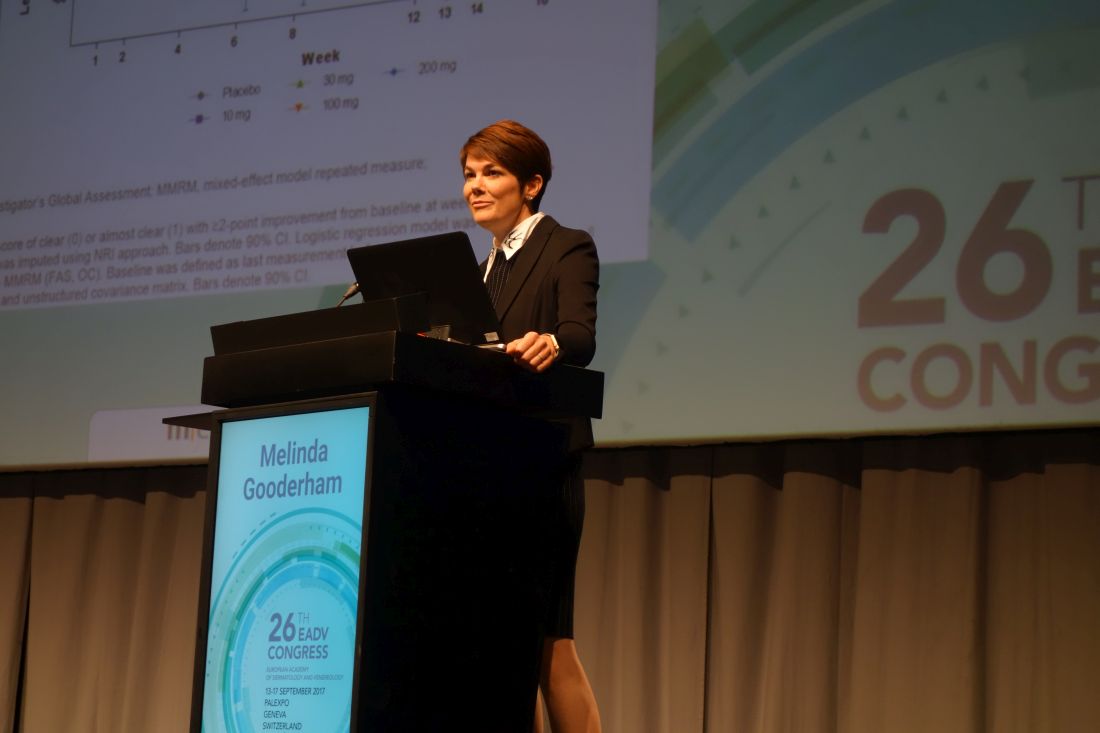
Body dysmorphia is common with skin disease, and its incidence is six times higher in people with eczema than those without the disease, said Dr. Siegfried. “I’ve found that, for patients subjected to AD for a long time,” this is still an issue, “even when you clear their skin.”
For children, teens and their families, the nonprofit organization Made a Masterpiece can be valuable, Dr. Siegfried said. It offers resources from parents, children, psychologists, dermatologists, and others to help manage the emotional, social and spiritual aspects of living with a skin condition.
To use or not to use BSA; environmental counseling
“I think [assessing] body surface area [BSA] is very important in pediatrics and for adolescents [especially in those with moderate to severe disease] because it quantifies the disease for the family,” said Lawrence F. Eichenfield, MD, professor of dermatology and pediatrics and vice chair of the department of dermatology at the University of California, San Diego.

“Families live with the disease, but quantification really matters” for understanding the extent and impact of the disease and for motivating families to treat, said Dr. Eichenfield.
(When the disease is markedly diminished in follow-up, knowing the BSA then “helps families to register the improvement and gives positive reinforcement,” Dr. Eichenfeld said after the meeting.)
Young patients can participate, he noted at the meeting. “When I do telemedicine visits, kids can tell me how many hands of eczema they have.”
Dr. Eichenfield also said that he now routinely counsels on the environmental impacts on eczema. For example, “I explain to people that we’re probably going to have a bad wildfire season in California, and it’s the kind of environmental perturbation that may impact some eczema patients,” he said, noting the 2021 study documenting an association of wildfire air pollution from the 2018 California Camp fire with an increase in dermatology clinic visits for AD and itch in San Francisco.
“It helps to keep an eye out for that, and also to be aware of some of the environmental changes,” he said.
Dr. Chovatiya reported ties with AbbVie, Eli Lilly, Incyte, Leo Pharma, Pfizer, Regeneron, and Sanofi, among others. Dr. Sidbury reported ties with Regeneron, UCB, Pfizer, Leo Pharma, and Lilly, among others. Dr. Rosmarin reported ties with AbbVie, Incyte, Lilly, Pfizer, Regeneron, and Sanofi, among others. Dr. Siegfried reported ties with Regeneron, Sanofi Genzyme, AbbVie, Incyte, Leo, and Pfizer, among others. Dr. De Benedetto reported ties with Incyte, Pfizer, AbbVie, and Sanofi Advent, among others. Dr. Gooderham reported ties with AbbVie, Eli Lilly, Incyte, Leo Pharma, Pfizer, Regeneron, and Sanofi Genzyme, among others. Dr. Eichenfield disclosed ties with AbbVie, Eli Lilly, Incyte, Leo Pharma, Pfizer, Regeneron, and Sanofi, among others.
WASHINGTON –
The question was top of mind for experts who shared their advice during a “Tips and Tricks” session at the Revolutionizing Atopic Dermatitis meeting. Dupilumab dosing and dupilumab-associated facial redness and ocular disease, self-image issues, topical regimen adherence, and the quantification of disease were among the other topics raised by the experts.
Here are some of their practice pearls.
Treatment decisions, safety concerns
Deciding on a treatment is “kind of confusing ... particularly in the last year ... and it will only get more complicated,” said Raj J. Chovatiya, MD, PhD, assistant professor of dermatology at Northwestern University, Chicago. “We’re all about some version of shared decision-making, but if all else is equal, sometimes it pays to explicitly ask the patient, what do you want to do?”
Questions about how long a systemic treatment should be tried, both initially and in the long run, are common. “I think that oftentimes we all get antsy about making changes when we’re not getting to the endpoint we want to. And at least in my real-world experience, late responders are a real thing. Sometimes 3-4 months ... isn’t enough,” he said.
Trial extension data show that patients who were nonresponders for various endpoints at 16 weeks are “captured continuously as you go further and further out,” Dr. Chovatiya said. Regarding the long term, “realistically, there’s no perfect time to call it quits.”
Addressing fears about Janus kinase inhibitors can be challenging, he said. “When you’ve identified the right patient and labs are done ... have them take the medication in front of you and hang out,” he advised. “It may sound ridiculous, but for the extremely anxious person it can be a big stress reducer for everyone involved.”
Regarding treatment fears more generally, “asking patients ‘what is the biggest risk of not treating your disease?’ sometimes gets people thinking,” Dr. Chovatiya said.
For parents of children with AD, said Robert Sidbury, MD, MPH, risks of not treating can become apparent once treatments are started and benefits are realized. “It’s so easy to focus on the risks of any treatment because they’re right there in black and white, and the risks of not treating are not always as apparent, even though – or maybe because – they live with them every day.”
When treatment is underway, “they see [how] everyone sleeps better, how school performance gets better, how concentration gets better,” said Dr. Sidbury, professor in the department of pediatrics at the University of Washington. Seattle, and chief of dermatology at Seattle Children’s Hospital.
“Always contextualize,” he advised. “As dermatologists, we’re savvy with navigating boxed warnings.”
David Rosmarin, MD, chair of dermatology, at Indiana University, Indianapolis, and formerly vice chair for research and education at Tufts Medical Center, Boston, said he addresses questions about the length of systemic treatment by advising patients: “Why don’t we start taking [the medication] for 3 months and then we’ll take it from there.”
In some pediatric cases, Dr. Rosmarin said, having the child express “what their AD means to them – how it affects them,” and then acknowledging and validating what the child says, is helpful to parents who are concerned about systemic treatments.
Dupilumab in the real world
Some patients on dupilumab do not have a complete response with dosing every 2 weeks and may benefit from more frequent dosing, said Dr. Rosmarin.
“We know from the SOLO-1 and SOLO-2 studies that dupilumab weekly dosing was evaluated. It was only the every-other-week dosing that was approved, and we can see why – in terms of the changes in EASI [Eczema Area and Severity Index] score they’re close to overlapping,” he said.
In real life, however, “some patients benefit from different dosing. It’s important to realize that. I think we all have some patients who may dose more frequently and some who may dose less frequently,” Dr. Rosmarin said.
For a patient who “gets absolutely no response from dupilumab after 3-4 months, I’d switch them to something else. But for those who are partial responders, particularly those who tell me they’re getting itchy before their next dose, they’re the ones who benefit most from doubling the dose to dupilumab weekly,” he said.
For patients who experience dupilumab-associated head and neck dermatitis, itraconazole may help, Dr. Rosmarin added. “We’re using 200 mg daily for 2 weeks and weekly thereafter, and it helps some of our patients.” The average self-reported improvement was 52% for patients with dupilumab-associated facial redness treated with itraconazole in a retrospective medical record review that he and his colleagues published in 2022.
Dr. Rosmarin pointed to a multicenter prospective cohort study also published in 2022 showing that baseline/pretreatment levels of Malassezia-specific IgE were associated with the development of dupilumab-associated head and neck dermatitis. The median levels of Malassezia-specific IgE were 32 kUL–1 versus 2.3 kUL–1 in patients who experienced dupilumab-associated facial redness, compared with those who did not.
He said that, while there “may be multiple reasons” for dupilumab-associated head and neck dermatitis and that “plenty of patients” who don’t have Malassezia-specific IgE develop head and neck dermatitis, “this could be one cause.”
Itraconazole has been shown in his practice to be superior to fluconazole, likely because it has greater anti-inflammatory effects and provides better coverage of Malassezia because it is more lipophilic, said Dr. Rosmarin, who does not test for Malassezia-specific IgE before trying itraconazole.
For dupilumab-associated ocular surface disease, Elaine C. Siegfried, MD, offered her first-line suggestions: warm compresses (such as a microwaved bean bag), bland ocular lubricant (such as preservative-free artificial tears), oral hydration, and if needed and accessible, the prescription ophthalmic solution lifitegrast.
“It’s become an issue – what the dermatologist can do first line,” said Dr. Siegfried, professor of pediatrics and dermatology at Saint Louis University and director of the division of pediatric dermatology at Cardinal Glennon Children’s Hospital, St. Louis.
“If these don’t work, then I’ll identify an ophthalmologist who’s knowledgeable about Dupixent-related ocular surface disease,” she said. Selection is “important because they’re not all knowledgeable ... corneal specialists typically have the most knowledge.”
Topical adherence with diffuse xerosis and mild-moderate AD
For patients with diffuse xerosis and mild-moderate AD, especially those who are older and having difficulty with topical regimens, Anna De Benedetto, MD, said she tries to enhance adherence by simplifying the regimen. She asks patients to buy a pound jar of base cream (ceramide base) – “whatever emollient they like” – and mixes into it a high-potency steroid solution. They’re instructed to apply the combined cream once daily for 1-2 weeks, and then three times a week alternating with a nonmedicated cream.
“This way they’re using one [cream] to target the immune system and the skin barrier,” said Dr. De Benedetto, associate professor of dermatology and director of the dermatology clinical trial unit at the University of Rochester (N.Y.) Medical Center.
‘Wet wrap’ pajamas; self-image for children, teens
Dermatologist Melinda Gooderham, MSc, MD, assistant professor at Queen’s University, Kingston, Ont., and medical director at the SKiN Centre for Dermatology, said that, for widespread and troublesome AD, she advises patients or parents to wet a thin cotton pajama top and bottom and spin it in the dryer “so it’s almost dry but still moist.” Dry, looser pajamas or a light track suit can then be worn over the damp pajamas. “I usually tell [patients] to buy one size up,” she said.
Body dysmorphia is common with skin disease, and its incidence is six times higher in people with eczema than those without the disease, said Dr. Siegfried. “I’ve found that, for patients subjected to AD for a long time,” this is still an issue, “even when you clear their skin.”
For children, teens and their families, the nonprofit organization Made a Masterpiece can be valuable, Dr. Siegfried said. It offers resources from parents, children, psychologists, dermatologists, and others to help manage the emotional, social and spiritual aspects of living with a skin condition.
To use or not to use BSA; environmental counseling
“I think [assessing] body surface area [BSA] is very important in pediatrics and for adolescents [especially in those with moderate to severe disease] because it quantifies the disease for the family,” said Lawrence F. Eichenfield, MD, professor of dermatology and pediatrics and vice chair of the department of dermatology at the University of California, San Diego.
“Families live with the disease, but quantification really matters” for understanding the extent and impact of the disease and for motivating families to treat, said Dr. Eichenfield.
(When the disease is markedly diminished in follow-up, knowing the BSA then “helps families to register the improvement and gives positive reinforcement,” Dr. Eichenfeld said after the meeting.)
Young patients can participate, he noted at the meeting. “When I do telemedicine visits, kids can tell me how many hands of eczema they have.”
Dr. Eichenfield also said that he now routinely counsels on the environmental impacts on eczema. For example, “I explain to people that we’re probably going to have a bad wildfire season in California, and it’s the kind of environmental perturbation that may impact some eczema patients,” he said, noting the 2021 study documenting an association of wildfire air pollution from the 2018 California Camp fire with an increase in dermatology clinic visits for AD and itch in San Francisco.
“It helps to keep an eye out for that, and also to be aware of some of the environmental changes,” he said.
Dr. Chovatiya reported ties with AbbVie, Eli Lilly, Incyte, Leo Pharma, Pfizer, Regeneron, and Sanofi, among others. Dr. Sidbury reported ties with Regeneron, UCB, Pfizer, Leo Pharma, and Lilly, among others. Dr. Rosmarin reported ties with AbbVie, Incyte, Lilly, Pfizer, Regeneron, and Sanofi, among others. Dr. Siegfried reported ties with Regeneron, Sanofi Genzyme, AbbVie, Incyte, Leo, and Pfizer, among others. Dr. De Benedetto reported ties with Incyte, Pfizer, AbbVie, and Sanofi Advent, among others. Dr. Gooderham reported ties with AbbVie, Eli Lilly, Incyte, Leo Pharma, Pfizer, Regeneron, and Sanofi Genzyme, among others. Dr. Eichenfield disclosed ties with AbbVie, Eli Lilly, Incyte, Leo Pharma, Pfizer, Regeneron, and Sanofi, among others.
WASHINGTON –
The question was top of mind for experts who shared their advice during a “Tips and Tricks” session at the Revolutionizing Atopic Dermatitis meeting. Dupilumab dosing and dupilumab-associated facial redness and ocular disease, self-image issues, topical regimen adherence, and the quantification of disease were among the other topics raised by the experts.
Here are some of their practice pearls.
Treatment decisions, safety concerns
Deciding on a treatment is “kind of confusing ... particularly in the last year ... and it will only get more complicated,” said Raj J. Chovatiya, MD, PhD, assistant professor of dermatology at Northwestern University, Chicago. “We’re all about some version of shared decision-making, but if all else is equal, sometimes it pays to explicitly ask the patient, what do you want to do?”
Questions about how long a systemic treatment should be tried, both initially and in the long run, are common. “I think that oftentimes we all get antsy about making changes when we’re not getting to the endpoint we want to. And at least in my real-world experience, late responders are a real thing. Sometimes 3-4 months ... isn’t enough,” he said.
Trial extension data show that patients who were nonresponders for various endpoints at 16 weeks are “captured continuously as you go further and further out,” Dr. Chovatiya said. Regarding the long term, “realistically, there’s no perfect time to call it quits.”
Addressing fears about Janus kinase inhibitors can be challenging, he said. “When you’ve identified the right patient and labs are done ... have them take the medication in front of you and hang out,” he advised. “It may sound ridiculous, but for the extremely anxious person it can be a big stress reducer for everyone involved.”
Regarding treatment fears more generally, “asking patients ‘what is the biggest risk of not treating your disease?’ sometimes gets people thinking,” Dr. Chovatiya said.
For parents of children with AD, said Robert Sidbury, MD, MPH, risks of not treating can become apparent once treatments are started and benefits are realized. “It’s so easy to focus on the risks of any treatment because they’re right there in black and white, and the risks of not treating are not always as apparent, even though – or maybe because – they live with them every day.”
When treatment is underway, “they see [how] everyone sleeps better, how school performance gets better, how concentration gets better,” said Dr. Sidbury, professor in the department of pediatrics at the University of Washington. Seattle, and chief of dermatology at Seattle Children’s Hospital.
“Always contextualize,” he advised. “As dermatologists, we’re savvy with navigating boxed warnings.”
David Rosmarin, MD, chair of dermatology, at Indiana University, Indianapolis, and formerly vice chair for research and education at Tufts Medical Center, Boston, said he addresses questions about the length of systemic treatment by advising patients: “Why don’t we start taking [the medication] for 3 months and then we’ll take it from there.”
In some pediatric cases, Dr. Rosmarin said, having the child express “what their AD means to them – how it affects them,” and then acknowledging and validating what the child says, is helpful to parents who are concerned about systemic treatments.
Dupilumab in the real world
Some patients on dupilumab do not have a complete response with dosing every 2 weeks and may benefit from more frequent dosing, said Dr. Rosmarin.
“We know from the SOLO-1 and SOLO-2 studies that dupilumab weekly dosing was evaluated. It was only the every-other-week dosing that was approved, and we can see why – in terms of the changes in EASI [Eczema Area and Severity Index] score they’re close to overlapping,” he said.
In real life, however, “some patients benefit from different dosing. It’s important to realize that. I think we all have some patients who may dose more frequently and some who may dose less frequently,” Dr. Rosmarin said.
For a patient who “gets absolutely no response from dupilumab after 3-4 months, I’d switch them to something else. But for those who are partial responders, particularly those who tell me they’re getting itchy before their next dose, they’re the ones who benefit most from doubling the dose to dupilumab weekly,” he said.
For patients who experience dupilumab-associated head and neck dermatitis, itraconazole may help, Dr. Rosmarin added. “We’re using 200 mg daily for 2 weeks and weekly thereafter, and it helps some of our patients.” The average self-reported improvement was 52% for patients with dupilumab-associated facial redness treated with itraconazole in a retrospective medical record review that he and his colleagues published in 2022.
Dr. Rosmarin pointed to a multicenter prospective cohort study also published in 2022 showing that baseline/pretreatment levels of Malassezia-specific IgE were associated with the development of dupilumab-associated head and neck dermatitis. The median levels of Malassezia-specific IgE were 32 kUL–1 versus 2.3 kUL–1 in patients who experienced dupilumab-associated facial redness, compared with those who did not.
He said that, while there “may be multiple reasons” for dupilumab-associated head and neck dermatitis and that “plenty of patients” who don’t have Malassezia-specific IgE develop head and neck dermatitis, “this could be one cause.”
Itraconazole has been shown in his practice to be superior to fluconazole, likely because it has greater anti-inflammatory effects and provides better coverage of Malassezia because it is more lipophilic, said Dr. Rosmarin, who does not test for Malassezia-specific IgE before trying itraconazole.
For dupilumab-associated ocular surface disease, Elaine C. Siegfried, MD, offered her first-line suggestions: warm compresses (such as a microwaved bean bag), bland ocular lubricant (such as preservative-free artificial tears), oral hydration, and if needed and accessible, the prescription ophthalmic solution lifitegrast.
“It’s become an issue – what the dermatologist can do first line,” said Dr. Siegfried, professor of pediatrics and dermatology at Saint Louis University and director of the division of pediatric dermatology at Cardinal Glennon Children’s Hospital, St. Louis.
“If these don’t work, then I’ll identify an ophthalmologist who’s knowledgeable about Dupixent-related ocular surface disease,” she said. Selection is “important because they’re not all knowledgeable ... corneal specialists typically have the most knowledge.”
Topical adherence with diffuse xerosis and mild-moderate AD
For patients with diffuse xerosis and mild-moderate AD, especially those who are older and having difficulty with topical regimens, Anna De Benedetto, MD, said she tries to enhance adherence by simplifying the regimen. She asks patients to buy a pound jar of base cream (ceramide base) – “whatever emollient they like” – and mixes into it a high-potency steroid solution. They’re instructed to apply the combined cream once daily for 1-2 weeks, and then three times a week alternating with a nonmedicated cream.
“This way they’re using one [cream] to target the immune system and the skin barrier,” said Dr. De Benedetto, associate professor of dermatology and director of the dermatology clinical trial unit at the University of Rochester (N.Y.) Medical Center.
‘Wet wrap’ pajamas; self-image for children, teens
Dermatologist Melinda Gooderham, MSc, MD, assistant professor at Queen’s University, Kingston, Ont., and medical director at the SKiN Centre for Dermatology, said that, for widespread and troublesome AD, she advises patients or parents to wet a thin cotton pajama top and bottom and spin it in the dryer “so it’s almost dry but still moist.” Dry, looser pajamas or a light track suit can then be worn over the damp pajamas. “I usually tell [patients] to buy one size up,” she said.
Body dysmorphia is common with skin disease, and its incidence is six times higher in people with eczema than those without the disease, said Dr. Siegfried. “I’ve found that, for patients subjected to AD for a long time,” this is still an issue, “even when you clear their skin.”
For children, teens and their families, the nonprofit organization Made a Masterpiece can be valuable, Dr. Siegfried said. It offers resources from parents, children, psychologists, dermatologists, and others to help manage the emotional, social and spiritual aspects of living with a skin condition.
To use or not to use BSA; environmental counseling
“I think [assessing] body surface area [BSA] is very important in pediatrics and for adolescents [especially in those with moderate to severe disease] because it quantifies the disease for the family,” said Lawrence F. Eichenfield, MD, professor of dermatology and pediatrics and vice chair of the department of dermatology at the University of California, San Diego.
“Families live with the disease, but quantification really matters” for understanding the extent and impact of the disease and for motivating families to treat, said Dr. Eichenfield.
(When the disease is markedly diminished in follow-up, knowing the BSA then “helps families to register the improvement and gives positive reinforcement,” Dr. Eichenfeld said after the meeting.)
Young patients can participate, he noted at the meeting. “When I do telemedicine visits, kids can tell me how many hands of eczema they have.”
Dr. Eichenfield also said that he now routinely counsels on the environmental impacts on eczema. For example, “I explain to people that we’re probably going to have a bad wildfire season in California, and it’s the kind of environmental perturbation that may impact some eczema patients,” he said, noting the 2021 study documenting an association of wildfire air pollution from the 2018 California Camp fire with an increase in dermatology clinic visits for AD and itch in San Francisco.
“It helps to keep an eye out for that, and also to be aware of some of the environmental changes,” he said.
Dr. Chovatiya reported ties with AbbVie, Eli Lilly, Incyte, Leo Pharma, Pfizer, Regeneron, and Sanofi, among others. Dr. Sidbury reported ties with Regeneron, UCB, Pfizer, Leo Pharma, and Lilly, among others. Dr. Rosmarin reported ties with AbbVie, Incyte, Lilly, Pfizer, Regeneron, and Sanofi, among others. Dr. Siegfried reported ties with Regeneron, Sanofi Genzyme, AbbVie, Incyte, Leo, and Pfizer, among others. Dr. De Benedetto reported ties with Incyte, Pfizer, AbbVie, and Sanofi Advent, among others. Dr. Gooderham reported ties with AbbVie, Eli Lilly, Incyte, Leo Pharma, Pfizer, Regeneron, and Sanofi Genzyme, among others. Dr. Eichenfield disclosed ties with AbbVie, Eli Lilly, Incyte, Leo Pharma, Pfizer, Regeneron, and Sanofi, among others.
AT RAD 2023
Dazodalibep may mitigate Sjögren’s syndrome, but more data are needed
MILAN – Dazodalibep, an intravenously administered inhibitor of CD40 ligand, shows promise in reducing disease activity and alleviating key subjective symptoms of Sjögren’s syndrome, compared with placebo. These preliminary findings are from the initial phase of the ALISS trial, a phase 2 randomized, double-blind, placebo-controlled, crossover clinical trial presented at the annul European Congress of Rheumatology.
Over the course of the 169-day trial, both the disease activity score and the patient-reported symptom score dropped significantly for patients who were treated with dazodalibep, also known as VIB4920 or HZN4920, compared with those treated with placebo, meeting both primary endpoints. This benefit was particularly evident for patients who had limited systemic organ involvement but substantial symptom burden.
Dazodalibep is a fusion protein that functions as an inhibitor by blocking the interaction between T cells and CD40-expressing B cells. This inhibition effectively suppresses costimulatory signaling between immune cells. Unlike previous CD40-targeting biologics, dazodalibep does not belong to the antibody class. According to Horizon Thereapeutics, this distinction is expected to help mitigate safety concerns, particularly those related to blood clot formation that were encountered with antibody-based biologics such as ruplizumab, according to Horizon, which acquired the trial’s sponsor, Viela Bio.
Patients with moderate to high systemic disease activity
The trial investigated dazodalibep in two patient populations. Wan-Fai Ng, MBBCh, PhD, professor of rheumatology at Newcastle University and honorary consultant rheumatologist at Newcastle upon Tyne Hospitals NHS Foundation Trust, England, presented results from the first group, which comprised 74 adult patients with Sjögren’s syndrome with moderate to high systemic disease activity. Disease activity was defined as a score of ≥ 5 on the EULAR Sjögren’s Syndrome Disease Activity Index (ESSDAI).
A post hoc responder analysis demonstrated that dazodalibep outperformed placebo in patients who achieved a 5- or 6-point improvement on the ESSDAI. Response rates for these patients was 61.1% and 60.0%, respectively, compared with 35.1% and 34.3% for patients who received placebo. Patients who received dazodalibep experienced a reduction of –6.3 ± 0.6 points in ESSDAI score, whereas the placebo group experienced a reduction of –4.1 ± 0.6 points, a difference of –2.2 (P = .0167). However, there was no significant change in any symptom-related score in this population.
Patients with unacceptable symptom burden but limited systemic involvement
Also at EULAR 2023, Chiara Baldini, MD, of the University of Pisa, Italy, reported the results from the second group of 109 adult patients with Sjögren’s syndrome who had notable symptom burden but limited systemic organ involvement. “These patients represent a significant portion of individuals with reduced quality of life who are largely excluded from other clinical trials,” Dr. Baldini said in an interview. The study population was defined by having a EULAR Sjögren’s Syndrome Patient Reported Index (ESSPRI) ≥ 5 and, in contrast to the previous group, an ESSDAI score < 5.
In this case, treatment with dazodalibep correlated with a substantial reduction in symptom burden, compared with placebo. Among the patients who received dazodalibep, 66.7% achieved ≥ 1 point or ≥ 15% reduction in symptoms, as measured by ESSPRI, compared with 32.7% in the placebo group. The ESSPRI score decreased by –1.80 ± 0.23 points in the dazodalibep group, while it decreased by –0.53 ± 0.23 points in the placebo group, a difference of −1.27 ± 0.33 points favoring dazodalibep (P = .0002). The reduction in symptoms in the dazodalibep group was evident from the first data point on day 29 and was statistically significant for each of the three symptom components included in the ESSPRI score: dryness, pain, and fatigue.
Additionally, a significant improvement was observed in one of the secondary endpoints, namely, a reduction in the Functional Assessment of Chronic Illness Therapy-Fatigue score. The dazodalibep group exhibited a considerably greater reduction (+8.1 ± 1.4, compared with baseline) than did the placebo group (+2.8 ± 1.4; P = .0095).
Dazodalibep safety
“Dazodalibep therapy was generally safe and well tolerated,” Dr. Baldini said in her presentation. Adverse events that were reported for both investigations were generally mild and occurred with similar frequency between the treatment groups. The most commonly reported adverse events, each occurring in more than 5% of patients who received dazodalibep, were COVID-19, diarrhea, anemia, dizziness, ligament sprain, upper respiratory tract infection, and nasopharyngitis. The incidence of COVID-19 and nasopharyngitis was comparable between the treatment and placebo arms.
However, in the patient group with moderate to high systemic disease activity, one patient who was treated with dazodalibep experienced two serious adverse events: a grade 3 SARS-CoV-2 infection, and subsequent death from an unknown cause, which occurred 46 days after the last administration of dazodalibep (12 days after COVID-19 diagnosis). Additionally, there was one case of herpes zoster in a patient treated with dazodalibep. In the group with limited systemic organ involvement, three serious adverse events were reported in the dazodalibep group (pneumonia influenza, postacute COVID-19 syndrome [long COVID], and gammopathy); one serious adverse event (neutropenia) was reported in the placebo group. One patient in the dazodalibep group discontinued participation in the study because of an adverse event, compared with two in the placebo group. Investigators determined that, thus far, all serious adverse events in both populations have been unrelated to the medication.
Throughout the trial, eligible participants in both populations were randomly assigned in a 1:1 ratio to receive either intravenous dazodalibep 1,500 mg or placebo every 2 weeks for three doses, followed by every 4 weeks for an additional four doses, up to day 169. The majority of participants in all populations and treatment arms were women (> 90%). Key inclusion criteria were being aged 18 years or older, meeting the 2016 American College of Rheumatology–EULAR classification criteria for Sjögren’s syndrome, and testing positive for anti-SSA and/or rheumatoid factors. Exclusion criteria were having a medical history of thrombosis or anticoagulant use, as well as prior treatment with B cell–depleting therapies. The proportions of patients who received glucocorticoids, antimalarials, or disease-modifying antirheumatic drugs were consistent between both arms of each population.
“Larger clinical trials are necessary to validate the clinical effectiveness and safety of dazodalibep therapy in this specific subgroup of patients,” Dr. Baldini concluded. Currently, dazodalibep is being studied for the treatment of rheumatoid arthritis and renal transplant rejection, and Horizon Therapeutics has plans to explore its use in focal segmental glomerulosclerosis.
Dr. Ng has served as a consultant to Novartis, GlaxoSmithKline, AbbVie, Bristol-Myers Squibb, Sanofi, MedImmune, Resolves Therapeutics, Janssen, and UCB. Dr. Baldini has served as a consultant to GlaxoSmithKline and Sanofi.
A version of this article first appeared on Medscape.com.
MILAN – Dazodalibep, an intravenously administered inhibitor of CD40 ligand, shows promise in reducing disease activity and alleviating key subjective symptoms of Sjögren’s syndrome, compared with placebo. These preliminary findings are from the initial phase of the ALISS trial, a phase 2 randomized, double-blind, placebo-controlled, crossover clinical trial presented at the annul European Congress of Rheumatology.
Over the course of the 169-day trial, both the disease activity score and the patient-reported symptom score dropped significantly for patients who were treated with dazodalibep, also known as VIB4920 or HZN4920, compared with those treated with placebo, meeting both primary endpoints. This benefit was particularly evident for patients who had limited systemic organ involvement but substantial symptom burden.
Dazodalibep is a fusion protein that functions as an inhibitor by blocking the interaction between T cells and CD40-expressing B cells. This inhibition effectively suppresses costimulatory signaling between immune cells. Unlike previous CD40-targeting biologics, dazodalibep does not belong to the antibody class. According to Horizon Thereapeutics, this distinction is expected to help mitigate safety concerns, particularly those related to blood clot formation that were encountered with antibody-based biologics such as ruplizumab, according to Horizon, which acquired the trial’s sponsor, Viela Bio.
Patients with moderate to high systemic disease activity
The trial investigated dazodalibep in two patient populations. Wan-Fai Ng, MBBCh, PhD, professor of rheumatology at Newcastle University and honorary consultant rheumatologist at Newcastle upon Tyne Hospitals NHS Foundation Trust, England, presented results from the first group, which comprised 74 adult patients with Sjögren’s syndrome with moderate to high systemic disease activity. Disease activity was defined as a score of ≥ 5 on the EULAR Sjögren’s Syndrome Disease Activity Index (ESSDAI).
A post hoc responder analysis demonstrated that dazodalibep outperformed placebo in patients who achieved a 5- or 6-point improvement on the ESSDAI. Response rates for these patients was 61.1% and 60.0%, respectively, compared with 35.1% and 34.3% for patients who received placebo. Patients who received dazodalibep experienced a reduction of –6.3 ± 0.6 points in ESSDAI score, whereas the placebo group experienced a reduction of –4.1 ± 0.6 points, a difference of –2.2 (P = .0167). However, there was no significant change in any symptom-related score in this population.
Patients with unacceptable symptom burden but limited systemic involvement
Also at EULAR 2023, Chiara Baldini, MD, of the University of Pisa, Italy, reported the results from the second group of 109 adult patients with Sjögren’s syndrome who had notable symptom burden but limited systemic organ involvement. “These patients represent a significant portion of individuals with reduced quality of life who are largely excluded from other clinical trials,” Dr. Baldini said in an interview. The study population was defined by having a EULAR Sjögren’s Syndrome Patient Reported Index (ESSPRI) ≥ 5 and, in contrast to the previous group, an ESSDAI score < 5.
In this case, treatment with dazodalibep correlated with a substantial reduction in symptom burden, compared with placebo. Among the patients who received dazodalibep, 66.7% achieved ≥ 1 point or ≥ 15% reduction in symptoms, as measured by ESSPRI, compared with 32.7% in the placebo group. The ESSPRI score decreased by –1.80 ± 0.23 points in the dazodalibep group, while it decreased by –0.53 ± 0.23 points in the placebo group, a difference of −1.27 ± 0.33 points favoring dazodalibep (P = .0002). The reduction in symptoms in the dazodalibep group was evident from the first data point on day 29 and was statistically significant for each of the three symptom components included in the ESSPRI score: dryness, pain, and fatigue.
Additionally, a significant improvement was observed in one of the secondary endpoints, namely, a reduction in the Functional Assessment of Chronic Illness Therapy-Fatigue score. The dazodalibep group exhibited a considerably greater reduction (+8.1 ± 1.4, compared with baseline) than did the placebo group (+2.8 ± 1.4; P = .0095).
Dazodalibep safety
“Dazodalibep therapy was generally safe and well tolerated,” Dr. Baldini said in her presentation. Adverse events that were reported for both investigations were generally mild and occurred with similar frequency between the treatment groups. The most commonly reported adverse events, each occurring in more than 5% of patients who received dazodalibep, were COVID-19, diarrhea, anemia, dizziness, ligament sprain, upper respiratory tract infection, and nasopharyngitis. The incidence of COVID-19 and nasopharyngitis was comparable between the treatment and placebo arms.
However, in the patient group with moderate to high systemic disease activity, one patient who was treated with dazodalibep experienced two serious adverse events: a grade 3 SARS-CoV-2 infection, and subsequent death from an unknown cause, which occurred 46 days after the last administration of dazodalibep (12 days after COVID-19 diagnosis). Additionally, there was one case of herpes zoster in a patient treated with dazodalibep. In the group with limited systemic organ involvement, three serious adverse events were reported in the dazodalibep group (pneumonia influenza, postacute COVID-19 syndrome [long COVID], and gammopathy); one serious adverse event (neutropenia) was reported in the placebo group. One patient in the dazodalibep group discontinued participation in the study because of an adverse event, compared with two in the placebo group. Investigators determined that, thus far, all serious adverse events in both populations have been unrelated to the medication.
Throughout the trial, eligible participants in both populations were randomly assigned in a 1:1 ratio to receive either intravenous dazodalibep 1,500 mg or placebo every 2 weeks for three doses, followed by every 4 weeks for an additional four doses, up to day 169. The majority of participants in all populations and treatment arms were women (> 90%). Key inclusion criteria were being aged 18 years or older, meeting the 2016 American College of Rheumatology–EULAR classification criteria for Sjögren’s syndrome, and testing positive for anti-SSA and/or rheumatoid factors. Exclusion criteria were having a medical history of thrombosis or anticoagulant use, as well as prior treatment with B cell–depleting therapies. The proportions of patients who received glucocorticoids, antimalarials, or disease-modifying antirheumatic drugs were consistent between both arms of each population.
“Larger clinical trials are necessary to validate the clinical effectiveness and safety of dazodalibep therapy in this specific subgroup of patients,” Dr. Baldini concluded. Currently, dazodalibep is being studied for the treatment of rheumatoid arthritis and renal transplant rejection, and Horizon Therapeutics has plans to explore its use in focal segmental glomerulosclerosis.
Dr. Ng has served as a consultant to Novartis, GlaxoSmithKline, AbbVie, Bristol-Myers Squibb, Sanofi, MedImmune, Resolves Therapeutics, Janssen, and UCB. Dr. Baldini has served as a consultant to GlaxoSmithKline and Sanofi.
A version of this article first appeared on Medscape.com.
MILAN – Dazodalibep, an intravenously administered inhibitor of CD40 ligand, shows promise in reducing disease activity and alleviating key subjective symptoms of Sjögren’s syndrome, compared with placebo. These preliminary findings are from the initial phase of the ALISS trial, a phase 2 randomized, double-blind, placebo-controlled, crossover clinical trial presented at the annul European Congress of Rheumatology.
Over the course of the 169-day trial, both the disease activity score and the patient-reported symptom score dropped significantly for patients who were treated with dazodalibep, also known as VIB4920 or HZN4920, compared with those treated with placebo, meeting both primary endpoints. This benefit was particularly evident for patients who had limited systemic organ involvement but substantial symptom burden.
Dazodalibep is a fusion protein that functions as an inhibitor by blocking the interaction between T cells and CD40-expressing B cells. This inhibition effectively suppresses costimulatory signaling between immune cells. Unlike previous CD40-targeting biologics, dazodalibep does not belong to the antibody class. According to Horizon Thereapeutics, this distinction is expected to help mitigate safety concerns, particularly those related to blood clot formation that were encountered with antibody-based biologics such as ruplizumab, according to Horizon, which acquired the trial’s sponsor, Viela Bio.
Patients with moderate to high systemic disease activity
The trial investigated dazodalibep in two patient populations. Wan-Fai Ng, MBBCh, PhD, professor of rheumatology at Newcastle University and honorary consultant rheumatologist at Newcastle upon Tyne Hospitals NHS Foundation Trust, England, presented results from the first group, which comprised 74 adult patients with Sjögren’s syndrome with moderate to high systemic disease activity. Disease activity was defined as a score of ≥ 5 on the EULAR Sjögren’s Syndrome Disease Activity Index (ESSDAI).
A post hoc responder analysis demonstrated that dazodalibep outperformed placebo in patients who achieved a 5- or 6-point improvement on the ESSDAI. Response rates for these patients was 61.1% and 60.0%, respectively, compared with 35.1% and 34.3% for patients who received placebo. Patients who received dazodalibep experienced a reduction of –6.3 ± 0.6 points in ESSDAI score, whereas the placebo group experienced a reduction of –4.1 ± 0.6 points, a difference of –2.2 (P = .0167). However, there was no significant change in any symptom-related score in this population.
Patients with unacceptable symptom burden but limited systemic involvement
Also at EULAR 2023, Chiara Baldini, MD, of the University of Pisa, Italy, reported the results from the second group of 109 adult patients with Sjögren’s syndrome who had notable symptom burden but limited systemic organ involvement. “These patients represent a significant portion of individuals with reduced quality of life who are largely excluded from other clinical trials,” Dr. Baldini said in an interview. The study population was defined by having a EULAR Sjögren’s Syndrome Patient Reported Index (ESSPRI) ≥ 5 and, in contrast to the previous group, an ESSDAI score < 5.
In this case, treatment with dazodalibep correlated with a substantial reduction in symptom burden, compared with placebo. Among the patients who received dazodalibep, 66.7% achieved ≥ 1 point or ≥ 15% reduction in symptoms, as measured by ESSPRI, compared with 32.7% in the placebo group. The ESSPRI score decreased by –1.80 ± 0.23 points in the dazodalibep group, while it decreased by –0.53 ± 0.23 points in the placebo group, a difference of −1.27 ± 0.33 points favoring dazodalibep (P = .0002). The reduction in symptoms in the dazodalibep group was evident from the first data point on day 29 and was statistically significant for each of the three symptom components included in the ESSPRI score: dryness, pain, and fatigue.
Additionally, a significant improvement was observed in one of the secondary endpoints, namely, a reduction in the Functional Assessment of Chronic Illness Therapy-Fatigue score. The dazodalibep group exhibited a considerably greater reduction (+8.1 ± 1.4, compared with baseline) than did the placebo group (+2.8 ± 1.4; P = .0095).
Dazodalibep safety
“Dazodalibep therapy was generally safe and well tolerated,” Dr. Baldini said in her presentation. Adverse events that were reported for both investigations were generally mild and occurred with similar frequency between the treatment groups. The most commonly reported adverse events, each occurring in more than 5% of patients who received dazodalibep, were COVID-19, diarrhea, anemia, dizziness, ligament sprain, upper respiratory tract infection, and nasopharyngitis. The incidence of COVID-19 and nasopharyngitis was comparable between the treatment and placebo arms.
However, in the patient group with moderate to high systemic disease activity, one patient who was treated with dazodalibep experienced two serious adverse events: a grade 3 SARS-CoV-2 infection, and subsequent death from an unknown cause, which occurred 46 days after the last administration of dazodalibep (12 days after COVID-19 diagnosis). Additionally, there was one case of herpes zoster in a patient treated with dazodalibep. In the group with limited systemic organ involvement, three serious adverse events were reported in the dazodalibep group (pneumonia influenza, postacute COVID-19 syndrome [long COVID], and gammopathy); one serious adverse event (neutropenia) was reported in the placebo group. One patient in the dazodalibep group discontinued participation in the study because of an adverse event, compared with two in the placebo group. Investigators determined that, thus far, all serious adverse events in both populations have been unrelated to the medication.
Throughout the trial, eligible participants in both populations were randomly assigned in a 1:1 ratio to receive either intravenous dazodalibep 1,500 mg or placebo every 2 weeks for three doses, followed by every 4 weeks for an additional four doses, up to day 169. The majority of participants in all populations and treatment arms were women (> 90%). Key inclusion criteria were being aged 18 years or older, meeting the 2016 American College of Rheumatology–EULAR classification criteria for Sjögren’s syndrome, and testing positive for anti-SSA and/or rheumatoid factors. Exclusion criteria were having a medical history of thrombosis or anticoagulant use, as well as prior treatment with B cell–depleting therapies. The proportions of patients who received glucocorticoids, antimalarials, or disease-modifying antirheumatic drugs were consistent between both arms of each population.
“Larger clinical trials are necessary to validate the clinical effectiveness and safety of dazodalibep therapy in this specific subgroup of patients,” Dr. Baldini concluded. Currently, dazodalibep is being studied for the treatment of rheumatoid arthritis and renal transplant rejection, and Horizon Therapeutics has plans to explore its use in focal segmental glomerulosclerosis.
Dr. Ng has served as a consultant to Novartis, GlaxoSmithKline, AbbVie, Bristol-Myers Squibb, Sanofi, MedImmune, Resolves Therapeutics, Janssen, and UCB. Dr. Baldini has served as a consultant to GlaxoSmithKline and Sanofi.
A version of this article first appeared on Medscape.com.
AT EULAR 2023
Is the WHO’s ‘active aging’ the only healthy alternative?
MAR DEL PLATA, ARGENTINA – In the “active aging” vision promoted by the World Health Organization (WHO), older adults stay physically active, independent, and involved. This concept, though well-intentioned, is not very realistic and could easily be discouraging to individuals suffering from the psychological or physical limitations of old age. It also does not account for diversity among individuals and across cultures. These conclusions were presented by the Geriatric Psychiatry Chapter of the Argentine Psychiatric Association at its XXXVI Argentine Congress of Psychiatry.
“The WHO’s proposal of active aging is a prescriptive, standardized ideology that seems to suggest that being active is the only healthy way to age. However, that’s only part of the picture, and a biased part at that. It doesn’t account for the broad spectrum of aging processes that come in many shades,” said Mariana Pedace, psychologist with the Adult Intensive Care department at the Italian Hospital in Buenos Aires and head of the Older Adults section of the civic association Project: Unite.
“The question is whether the idea of active aging is just one more way to create mandates or rules for older adults, which make up such a heterogeneous and diverse generation,” said Ana Laura Vega, MD, psychiatrist with the Mental Health Department at the Italian Hospital of Buenos Aires.
Might it be better to speak of aging “as expected” or “aging well”? Speakers at the conference did not reach a consensus on which word would be the best to replace the adjective “active.”
“I don’t really see why there has to be an additional term when, at other stages of life, we only talk about ‘infancy,’ ‘adolescence,’ or ‘middle age,’ ” said Dr. Vega.
A thorny issue
Since the late 1990s, the WHO has defined active aging as “the process of optimizing opportunities for health, participation, and security to enhance quality of life as people age.” This concept allows older adults to “realize their potential for physical, social, and mental well-being throughout the life course and to participate in society according to their needs, desires, and capacities, while providing them with adequate protection, security, and care when they require assistance.”
The organization clarifies that the word “active” refers to continuing participation in social, economic, cultural, spiritual, and civic affairs, not just the ability to be physically active or to participate in the labor force. “However, in practice, active aging programs invariably promote physical activity and exercise as having health and social benefits,” said sociologist Elizabeth Pike, PhD, head of the Research Unit in Sport, Physical Activity, and Aging at the University of Hertfordshire in the United Kingdom.
said Dr. Pedace. Along with laying out a single prescriptive way to age healthily, which by default makes passive aging “abnormal,” it also ignores demographic, ethnographic, and cultural differences.
“Each culture has different values. The suggestion of aging well in terms of activity, autonomy, and a happy-go-lucky mindset clearly reflects Western capitalistic values. In Eastern cultures, elderly people occupy a position reflecting their experience and wisdom, while also maintaining a contemplative mindset, which is something that is held in high regard. They are at the heart of the family, and their role is to guide and counsel the younger generations,” said Dr. Pedace.
The specialist added that there are programs inspired by active aging that prioritize outward, dynamic, and observable activities to the detriment of activities that take place behind the scenes such as reflection, analysis, and contemplation. “Following this mindset, an older individual who spends their time in contemplation would be somewhat wasting their sunset years. This raises a problem, because as the years go by and death approaches, spiritual life begins to gain far more significance. And that’s not an activity that is valued or recommended in the terms of this program,” she said.
Dr. Pedace went on to say that another concern with the active-aging program is that it seems to minimize certain characteristics that are unique to old age. Resulting physical, cognitive, and emotional changes can lead to reduced activity but are merely idiosyncrasies of this stage in life and are not pathologic.
Cecilia Guerstein, psychiatrist with the Older Adults Division of Project: United in Buenos Aires, cited Julieta Oddone, PhD, a sociologist on aging who believes that the theory of activity informs the underlying supposition of most programs for older adults: that social activity in itself is beneficial and results in greater fulfillment in life. And that all older people need and desire to stay active and engaged. “The idea is that the more active they are, the happier they will be,” said Dr. Guerstein.
“But ‘doing things’ isn’t necessarily appreciated by every elderly person, nor does it automatically lead to their well-being. The fact that some find a sense of well-being from it doesn’t mean we have to always do the same activities across different contexts. There are ethnographic studies that show that there isn’t necessarily a relationship between activity and well-being, or true social integration,” said Dr. Pedace.
Not a burden
Practically speaking, few would question whether physical activity has health benefits and believe that it’s never too late to start moving. Among his more than 45 tips on how to live to a ripe old age and “ripen” slowly and nicely, George D. Lundberg, MD, who is 90 years old, gives six recommendations for exercise: walking at least 2 miles every day, trying to swim every day, learning and practicing the techniques of yoga, deliberately lifting heavy objects (resistance training), and working on balance.
“A key for health care professionals encouraging exercise among older adults is knowing what to listen for and how to identify situations that motivate the person to exercise. For example, it could be walking their granddaughter down to the ice cream parlor,” Carolina Díaz, MD, said in an interview. Dr. Díaz is a geriatrics physician and the medical director of the Hirsch nursing and rehab center for older people in San Miguel, Argentina, which is home to 180 residents with an average age of 82 years.
“Exercise shouldn’t be a burden. If someone has never gone on walks before, I wouldn’t make them walk just because they ought to. Maybe they discover well-being in meeting up with their grandchildren or reading with someone. We believe that well-being is related to mobility, but for someone to move, they need the motivation. And until they have that, there won’t be any change,” said Dr. Díaz.
She added that a physician-patient relationship must be forged and an intervention plan drafted that revolves around the person and focuses on his or her current problems such as loneliness, difficulty walking, or pain. “Based on those problems, we can draw up a plan in which physical activity may play a part; other times, it may not.”
Osvaldo Bodni, psychiatrist and psychoanalyst, former director of the Department for Older Adults within the Argentine Psychoanalytic Association and author of the book, Delegating Power in Human Aging: The Theory of Legacy and Passing the Baton) said in an interview: “Aging isn’t a disease, though it does increase vulnerability. The proposal of physical activity is not the only ‘antidote.’ In my opinion, serenity during aging provides even better protection against life’s storms.”
The physician went on to say, “Active aging programs promote physical activity because it’s easier to go on a walk with someone than it is to have a literature debate with them. However, the goal is to create a feeling of being part of a group. This isn’t bad, but it’s a replacement for family. Being part of a group has come to fill the place that was once filled by one’s children, grandchildren, and students.
“When the flood of change in modern society rushes in so quickly, there is a ‘programmed phase-out’ of knowledge, and the demand for experience drops off. It becomes less valuable, such that older adults often get more comfort from finding someone who is willing to show an interest in their stories. The best therapist is the one who listens; not necessarily the one who invites them on a walk or a bike ride,” concluded Dr. Bodni.
Dr. Vega, Dr. Guerstein, Dr. Díaz, Dr. Bodni, and Dr. Pedace have disclosed no relevant financial relationships.
This article was translated from the Medscape Spanish Edition . A version appeared on Medscape.com.
MAR DEL PLATA, ARGENTINA – In the “active aging” vision promoted by the World Health Organization (WHO), older adults stay physically active, independent, and involved. This concept, though well-intentioned, is not very realistic and could easily be discouraging to individuals suffering from the psychological or physical limitations of old age. It also does not account for diversity among individuals and across cultures. These conclusions were presented by the Geriatric Psychiatry Chapter of the Argentine Psychiatric Association at its XXXVI Argentine Congress of Psychiatry.
“The WHO’s proposal of active aging is a prescriptive, standardized ideology that seems to suggest that being active is the only healthy way to age. However, that’s only part of the picture, and a biased part at that. It doesn’t account for the broad spectrum of aging processes that come in many shades,” said Mariana Pedace, psychologist with the Adult Intensive Care department at the Italian Hospital in Buenos Aires and head of the Older Adults section of the civic association Project: Unite.
“The question is whether the idea of active aging is just one more way to create mandates or rules for older adults, which make up such a heterogeneous and diverse generation,” said Ana Laura Vega, MD, psychiatrist with the Mental Health Department at the Italian Hospital of Buenos Aires.
Might it be better to speak of aging “as expected” or “aging well”? Speakers at the conference did not reach a consensus on which word would be the best to replace the adjective “active.”
“I don’t really see why there has to be an additional term when, at other stages of life, we only talk about ‘infancy,’ ‘adolescence,’ or ‘middle age,’ ” said Dr. Vega.
A thorny issue
Since the late 1990s, the WHO has defined active aging as “the process of optimizing opportunities for health, participation, and security to enhance quality of life as people age.” This concept allows older adults to “realize their potential for physical, social, and mental well-being throughout the life course and to participate in society according to their needs, desires, and capacities, while providing them with adequate protection, security, and care when they require assistance.”
The organization clarifies that the word “active” refers to continuing participation in social, economic, cultural, spiritual, and civic affairs, not just the ability to be physically active or to participate in the labor force. “However, in practice, active aging programs invariably promote physical activity and exercise as having health and social benefits,” said sociologist Elizabeth Pike, PhD, head of the Research Unit in Sport, Physical Activity, and Aging at the University of Hertfordshire in the United Kingdom.
said Dr. Pedace. Along with laying out a single prescriptive way to age healthily, which by default makes passive aging “abnormal,” it also ignores demographic, ethnographic, and cultural differences.
“Each culture has different values. The suggestion of aging well in terms of activity, autonomy, and a happy-go-lucky mindset clearly reflects Western capitalistic values. In Eastern cultures, elderly people occupy a position reflecting their experience and wisdom, while also maintaining a contemplative mindset, which is something that is held in high regard. They are at the heart of the family, and their role is to guide and counsel the younger generations,” said Dr. Pedace.
The specialist added that there are programs inspired by active aging that prioritize outward, dynamic, and observable activities to the detriment of activities that take place behind the scenes such as reflection, analysis, and contemplation. “Following this mindset, an older individual who spends their time in contemplation would be somewhat wasting their sunset years. This raises a problem, because as the years go by and death approaches, spiritual life begins to gain far more significance. And that’s not an activity that is valued or recommended in the terms of this program,” she said.
Dr. Pedace went on to say that another concern with the active-aging program is that it seems to minimize certain characteristics that are unique to old age. Resulting physical, cognitive, and emotional changes can lead to reduced activity but are merely idiosyncrasies of this stage in life and are not pathologic.
Cecilia Guerstein, psychiatrist with the Older Adults Division of Project: United in Buenos Aires, cited Julieta Oddone, PhD, a sociologist on aging who believes that the theory of activity informs the underlying supposition of most programs for older adults: that social activity in itself is beneficial and results in greater fulfillment in life. And that all older people need and desire to stay active and engaged. “The idea is that the more active they are, the happier they will be,” said Dr. Guerstein.
“But ‘doing things’ isn’t necessarily appreciated by every elderly person, nor does it automatically lead to their well-being. The fact that some find a sense of well-being from it doesn’t mean we have to always do the same activities across different contexts. There are ethnographic studies that show that there isn’t necessarily a relationship between activity and well-being, or true social integration,” said Dr. Pedace.
Not a burden
Practically speaking, few would question whether physical activity has health benefits and believe that it’s never too late to start moving. Among his more than 45 tips on how to live to a ripe old age and “ripen” slowly and nicely, George D. Lundberg, MD, who is 90 years old, gives six recommendations for exercise: walking at least 2 miles every day, trying to swim every day, learning and practicing the techniques of yoga, deliberately lifting heavy objects (resistance training), and working on balance.
“A key for health care professionals encouraging exercise among older adults is knowing what to listen for and how to identify situations that motivate the person to exercise. For example, it could be walking their granddaughter down to the ice cream parlor,” Carolina Díaz, MD, said in an interview. Dr. Díaz is a geriatrics physician and the medical director of the Hirsch nursing and rehab center for older people in San Miguel, Argentina, which is home to 180 residents with an average age of 82 years.
“Exercise shouldn’t be a burden. If someone has never gone on walks before, I wouldn’t make them walk just because they ought to. Maybe they discover well-being in meeting up with their grandchildren or reading with someone. We believe that well-being is related to mobility, but for someone to move, they need the motivation. And until they have that, there won’t be any change,” said Dr. Díaz.
She added that a physician-patient relationship must be forged and an intervention plan drafted that revolves around the person and focuses on his or her current problems such as loneliness, difficulty walking, or pain. “Based on those problems, we can draw up a plan in which physical activity may play a part; other times, it may not.”
Osvaldo Bodni, psychiatrist and psychoanalyst, former director of the Department for Older Adults within the Argentine Psychoanalytic Association and author of the book, Delegating Power in Human Aging: The Theory of Legacy and Passing the Baton) said in an interview: “Aging isn’t a disease, though it does increase vulnerability. The proposal of physical activity is not the only ‘antidote.’ In my opinion, serenity during aging provides even better protection against life’s storms.”
The physician went on to say, “Active aging programs promote physical activity because it’s easier to go on a walk with someone than it is to have a literature debate with them. However, the goal is to create a feeling of being part of a group. This isn’t bad, but it’s a replacement for family. Being part of a group has come to fill the place that was once filled by one’s children, grandchildren, and students.
“When the flood of change in modern society rushes in so quickly, there is a ‘programmed phase-out’ of knowledge, and the demand for experience drops off. It becomes less valuable, such that older adults often get more comfort from finding someone who is willing to show an interest in their stories. The best therapist is the one who listens; not necessarily the one who invites them on a walk or a bike ride,” concluded Dr. Bodni.
Dr. Vega, Dr. Guerstein, Dr. Díaz, Dr. Bodni, and Dr. Pedace have disclosed no relevant financial relationships.
This article was translated from the Medscape Spanish Edition . A version appeared on Medscape.com.
MAR DEL PLATA, ARGENTINA – In the “active aging” vision promoted by the World Health Organization (WHO), older adults stay physically active, independent, and involved. This concept, though well-intentioned, is not very realistic and could easily be discouraging to individuals suffering from the psychological or physical limitations of old age. It also does not account for diversity among individuals and across cultures. These conclusions were presented by the Geriatric Psychiatry Chapter of the Argentine Psychiatric Association at its XXXVI Argentine Congress of Psychiatry.
“The WHO’s proposal of active aging is a prescriptive, standardized ideology that seems to suggest that being active is the only healthy way to age. However, that’s only part of the picture, and a biased part at that. It doesn’t account for the broad spectrum of aging processes that come in many shades,” said Mariana Pedace, psychologist with the Adult Intensive Care department at the Italian Hospital in Buenos Aires and head of the Older Adults section of the civic association Project: Unite.
“The question is whether the idea of active aging is just one more way to create mandates or rules for older adults, which make up such a heterogeneous and diverse generation,” said Ana Laura Vega, MD, psychiatrist with the Mental Health Department at the Italian Hospital of Buenos Aires.
Might it be better to speak of aging “as expected” or “aging well”? Speakers at the conference did not reach a consensus on which word would be the best to replace the adjective “active.”
“I don’t really see why there has to be an additional term when, at other stages of life, we only talk about ‘infancy,’ ‘adolescence,’ or ‘middle age,’ ” said Dr. Vega.
A thorny issue
Since the late 1990s, the WHO has defined active aging as “the process of optimizing opportunities for health, participation, and security to enhance quality of life as people age.” This concept allows older adults to “realize their potential for physical, social, and mental well-being throughout the life course and to participate in society according to their needs, desires, and capacities, while providing them with adequate protection, security, and care when they require assistance.”
The organization clarifies that the word “active” refers to continuing participation in social, economic, cultural, spiritual, and civic affairs, not just the ability to be physically active or to participate in the labor force. “However, in practice, active aging programs invariably promote physical activity and exercise as having health and social benefits,” said sociologist Elizabeth Pike, PhD, head of the Research Unit in Sport, Physical Activity, and Aging at the University of Hertfordshire in the United Kingdom.
said Dr. Pedace. Along with laying out a single prescriptive way to age healthily, which by default makes passive aging “abnormal,” it also ignores demographic, ethnographic, and cultural differences.
“Each culture has different values. The suggestion of aging well in terms of activity, autonomy, and a happy-go-lucky mindset clearly reflects Western capitalistic values. In Eastern cultures, elderly people occupy a position reflecting their experience and wisdom, while also maintaining a contemplative mindset, which is something that is held in high regard. They are at the heart of the family, and their role is to guide and counsel the younger generations,” said Dr. Pedace.
The specialist added that there are programs inspired by active aging that prioritize outward, dynamic, and observable activities to the detriment of activities that take place behind the scenes such as reflection, analysis, and contemplation. “Following this mindset, an older individual who spends their time in contemplation would be somewhat wasting their sunset years. This raises a problem, because as the years go by and death approaches, spiritual life begins to gain far more significance. And that’s not an activity that is valued or recommended in the terms of this program,” she said.
Dr. Pedace went on to say that another concern with the active-aging program is that it seems to minimize certain characteristics that are unique to old age. Resulting physical, cognitive, and emotional changes can lead to reduced activity but are merely idiosyncrasies of this stage in life and are not pathologic.
Cecilia Guerstein, psychiatrist with the Older Adults Division of Project: United in Buenos Aires, cited Julieta Oddone, PhD, a sociologist on aging who believes that the theory of activity informs the underlying supposition of most programs for older adults: that social activity in itself is beneficial and results in greater fulfillment in life. And that all older people need and desire to stay active and engaged. “The idea is that the more active they are, the happier they will be,” said Dr. Guerstein.
“But ‘doing things’ isn’t necessarily appreciated by every elderly person, nor does it automatically lead to their well-being. The fact that some find a sense of well-being from it doesn’t mean we have to always do the same activities across different contexts. There are ethnographic studies that show that there isn’t necessarily a relationship between activity and well-being, or true social integration,” said Dr. Pedace.
Not a burden
Practically speaking, few would question whether physical activity has health benefits and believe that it’s never too late to start moving. Among his more than 45 tips on how to live to a ripe old age and “ripen” slowly and nicely, George D. Lundberg, MD, who is 90 years old, gives six recommendations for exercise: walking at least 2 miles every day, trying to swim every day, learning and practicing the techniques of yoga, deliberately lifting heavy objects (resistance training), and working on balance.
“A key for health care professionals encouraging exercise among older adults is knowing what to listen for and how to identify situations that motivate the person to exercise. For example, it could be walking their granddaughter down to the ice cream parlor,” Carolina Díaz, MD, said in an interview. Dr. Díaz is a geriatrics physician and the medical director of the Hirsch nursing and rehab center for older people in San Miguel, Argentina, which is home to 180 residents with an average age of 82 years.
“Exercise shouldn’t be a burden. If someone has never gone on walks before, I wouldn’t make them walk just because they ought to. Maybe they discover well-being in meeting up with their grandchildren or reading with someone. We believe that well-being is related to mobility, but for someone to move, they need the motivation. And until they have that, there won’t be any change,” said Dr. Díaz.
She added that a physician-patient relationship must be forged and an intervention plan drafted that revolves around the person and focuses on his or her current problems such as loneliness, difficulty walking, or pain. “Based on those problems, we can draw up a plan in which physical activity may play a part; other times, it may not.”
Osvaldo Bodni, psychiatrist and psychoanalyst, former director of the Department for Older Adults within the Argentine Psychoanalytic Association and author of the book, Delegating Power in Human Aging: The Theory of Legacy and Passing the Baton) said in an interview: “Aging isn’t a disease, though it does increase vulnerability. The proposal of physical activity is not the only ‘antidote.’ In my opinion, serenity during aging provides even better protection against life’s storms.”
The physician went on to say, “Active aging programs promote physical activity because it’s easier to go on a walk with someone than it is to have a literature debate with them. However, the goal is to create a feeling of being part of a group. This isn’t bad, but it’s a replacement for family. Being part of a group has come to fill the place that was once filled by one’s children, grandchildren, and students.
“When the flood of change in modern society rushes in so quickly, there is a ‘programmed phase-out’ of knowledge, and the demand for experience drops off. It becomes less valuable, such that older adults often get more comfort from finding someone who is willing to show an interest in their stories. The best therapist is the one who listens; not necessarily the one who invites them on a walk or a bike ride,” concluded Dr. Bodni.
Dr. Vega, Dr. Guerstein, Dr. Díaz, Dr. Bodni, and Dr. Pedace have disclosed no relevant financial relationships.
This article was translated from the Medscape Spanish Edition . A version appeared on Medscape.com.
EULAR PsA recommendations update emphasizes safety, nonmusculoskeletal manifestations
AT EULAR 2023
MILAN – Safety considerations, particularly regarding the use of Janus kinase (JAK) inhibitors, are of utmost importance in the 2023 update to recommendations for managing psoriatic arthritis (PsA) by the European Alliance of Associations for Rheumatology (EULAR). Additionally, the selection of therapy should now take into account the complete clinical presentation, explicitly considering nonmusculoskeletal manifestations.

Safety considerations with JAK inhibitors
Expanding on the existing six overarching principles from the 2019 recommendations, the PsA EULAR recommendations now introduce a seventh principle: “The choice of treatment should consider safety considerations regarding individual modes of action to optimize the benefit-risk profile.”
This addition was prompted by recent safety data on JAK inhibitors, which revealed serious potential side effects, such as heart attacks, blood clots, cancer, and severe infections, that recently prompted the European Medicines Agency to restrict their use. As indicated by the new principle, safety considerations have been incorporated into several recommendations.
For instance, in the context of peripheral arthritis, JAK inhibitors may now be considered if there is an inadequate response to at least one conventional synthetic disease-modifying antirheumatic drug (csDMARD) such as methotrexate, sulfasalazine, or leflunomide, and at least one biologic DMARD (bDMARD).
Alternatively, JAK inhibitors may be utilized when bDMARDs are not suitable for other reasons. However, EULAR now emphasizes caution whenever JAK inhibitors are mentioned. Specifically, “careful consideration is necessary for patients aged 65 or above, current or past long-time smokers, individuals with a history of atherosclerotic cardiovascular disease or other cardiovascular risk factors, those with other malignancy risk factors, or individuals with a known risk for venous thromboembolism.”
Consider nonmusculoskeletal manifestations in treatment decisions
In another significant update, EULAR now recommends that the choice of therapy should also consider nonmusculoskeletal manifestations associated with PsA. “There is a notable shift in perspective here,” Dr. Gossec told this news organization. Clinically relevant skin involvement should prompt the use of IL-17A or IL-17A/F or IL-23 or IL-12/23 inhibitors, while uveitis should be treated with tumor necrosis factor (TNF) inhibitors.
In the case of inflammatory bowel disease, EULAR advises the use of anti-TNF agents, IL-12/23 or IL-23 inhibitors, or a JAK inhibitor. The recommended course of action within each treatment category is not ranked in order of preference, but EULAR emphasizes the importance of following EMA recommendations and considering safety.
Systemic glucocorticoids removed
Certain medications have been removed from the recommendations, reflecting the heightened focus on treatment safety. The use of systemic glucocorticoids as adjunctive therapy is no longer recommended. “We always had reservations about their use, and now we have eliminated them. We are aware that they are still utilized, with 30% of patients in Germany, for instance, receiving low doses of glucocorticoids. However, the long-term efficacy/safety balance of glucocorticoids is unfavorable in any disease, particularly in patients with psoriatic arthritis and multiple comorbidities,” Dr. Gossec explained.
NSAIDs and local glucocorticoids are now limited to specific patient populations, namely those affected by oligoarthritis without poor prognostic factors, entheseal disease, or predominant axial disease. Their use should be short-term, generally no longer than 4 weeks. Polyarthritis or oligoarthritis with poor prognostic factors should instead be treated directly with csDMARDs.
No specific biologic treatment order recommended for peripheral arthritis
Regarding patients with peripheral arthritis, recent efficacy data have led EULAR to refrain from recommending any specific order of preference for the use of bDMARDs, which encompass TNF inhibitors and drugs targeting the IL-17 and IL-12/23 pathways. “We lack the data to propose an order of preference in patients with peripheral arthritis. Different classes of molecules exhibit efficacy in joint inflammation, generally resulting in a 50% response rate and similar overall effects,” said Dr. Gossec, referencing head-to-head trials between biologics that yielded very comparable results, such as the EXCEED trial or SPIRIT-H2H trial.
The updated recommendations now consider two IL-23p19 inhibitors, guselkumab (Tremfya) and risankizumab (Skyrizi), the JAK inhibitor upadacitinib (Rinvoq), and the very recently EMA-approved bimekizumab (Bimzelx), an IL-17A/F double inhibitor.
The recommendation for patients with mono- or oligoarthritis and poor prognostic factors now aligns with the previous recommendations for polyarthritis: A csDMARD should be initiated promptly, with a preference for methotrexate if significant skin involvement is present. New data suggest that methotrexate may be beneficial for enthesitis, achieving resolution in approximately 30% of patients. When considering treatment options, JAK inhibitors may also be taken into account, with safety considerations in mind.
In cases of clinically relevant axial disease and an inadequate response to NSAIDs, therapy with an IL-17A inhibitor, a TNF inhibitor, an IL-17A/F inhibitor, or a JAK inhibitor may be considered. This approach now aligns with the most recent axial spondyloarthritis recommendation from EULAR and the Assessment of SpondyloArthritis international Society (ASAS).
Which disease manifestation to treat first?
During the discussion, chairwoman Uta Kiltz, MD, PhD, a rheumatologist at Rheumatism Center Ruhrgebiet, Herne, Germany, and clinical lecturer at Ruhr University Bochum, inquired about identifying the primary manifestation to guide the course of action.
“Psoriatic arthritis is highly heterogeneous, and determining the predominant manifestation is sometimes challenging,” Dr. Gossec said. “However, we believe that a certain order of preference is necessary when making treatment decisions. Starting with peripheral arthritis, which can lead to structural damage, allows for treatment selection based on that aspect. If peripheral arthritis is not present, attention should be directed towards axial disease, ensuring the presence of actual inflammation rather than solely axial pain, as mechanical origin axial pain can occur due to the patient’s age.”
David Liew, MBBS, PhD, consultant rheumatologist and clinical pharmacologist at Austin Health in Melbourne, commented on the update to this news organization: “We are fortunate to have a wide range of targeted therapy options for psoriatic arthritis, and these guidelines reflect this abundance of choices. They emphasize the importance of selecting therapies based on specific disease manifestations and tailoring care to each patient’s unique type of psoriatic arthritis. It’s worth noting that some changes in these guidelines were influenced by regulatory changes following ORAL Surveillance. In an era of numerous options, we can afford to be selective at times.”
Regarding safety concerns and JAK inhibitors, Dr. Liew added: “It is not surprising to see these guidelines impose certain restrictions on the use of JAK inhibitors, especially in psoriatic arthritis, where other therapies offer distinct advantages. Until high-quality evidence convincingly points away from a class effect, we can expect to see similar provisions in many more guidelines.”
Many of the recommendations’ authors report financial relationships with one or more pharmaceutical companies. These include AbbVie, Amgen, Biogen, Bristol-Myers Squibb, Boehringer Ingelheim, Celgene, Celltrion, Chugai, Galapagos, Gilead, GlaxoSmithKline, Janssen, Leo, Lilly, Medac, Merck, Merck Sharp & Dohme, Novartis, Pfizer, R-Pharma, Regeneron, Roche, Sandoz, Sanofi, Takeda, UCB, and Viatris.
EULAR funded the development of the recommendations.
A version of this article originally appeared on Medscape.com.
AT EULAR 2023
MILAN – Safety considerations, particularly regarding the use of Janus kinase (JAK) inhibitors, are of utmost importance in the 2023 update to recommendations for managing psoriatic arthritis (PsA) by the European Alliance of Associations for Rheumatology (EULAR). Additionally, the selection of therapy should now take into account the complete clinical presentation, explicitly considering nonmusculoskeletal manifestations.
Safety considerations with JAK inhibitors
Expanding on the existing six overarching principles from the 2019 recommendations, the PsA EULAR recommendations now introduce a seventh principle: “The choice of treatment should consider safety considerations regarding individual modes of action to optimize the benefit-risk profile.”
This addition was prompted by recent safety data on JAK inhibitors, which revealed serious potential side effects, such as heart attacks, blood clots, cancer, and severe infections, that recently prompted the European Medicines Agency to restrict their use. As indicated by the new principle, safety considerations have been incorporated into several recommendations.
For instance, in the context of peripheral arthritis, JAK inhibitors may now be considered if there is an inadequate response to at least one conventional synthetic disease-modifying antirheumatic drug (csDMARD) such as methotrexate, sulfasalazine, or leflunomide, and at least one biologic DMARD (bDMARD).
Alternatively, JAK inhibitors may be utilized when bDMARDs are not suitable for other reasons. However, EULAR now emphasizes caution whenever JAK inhibitors are mentioned. Specifically, “careful consideration is necessary for patients aged 65 or above, current or past long-time smokers, individuals with a history of atherosclerotic cardiovascular disease or other cardiovascular risk factors, those with other malignancy risk factors, or individuals with a known risk for venous thromboembolism.”
Consider nonmusculoskeletal manifestations in treatment decisions
In another significant update, EULAR now recommends that the choice of therapy should also consider nonmusculoskeletal manifestations associated with PsA. “There is a notable shift in perspective here,” Dr. Gossec told this news organization. Clinically relevant skin involvement should prompt the use of IL-17A or IL-17A/F or IL-23 or IL-12/23 inhibitors, while uveitis should be treated with tumor necrosis factor (TNF) inhibitors.
In the case of inflammatory bowel disease, EULAR advises the use of anti-TNF agents, IL-12/23 or IL-23 inhibitors, or a JAK inhibitor. The recommended course of action within each treatment category is not ranked in order of preference, but EULAR emphasizes the importance of following EMA recommendations and considering safety.
Systemic glucocorticoids removed
Certain medications have been removed from the recommendations, reflecting the heightened focus on treatment safety. The use of systemic glucocorticoids as adjunctive therapy is no longer recommended. “We always had reservations about their use, and now we have eliminated them. We are aware that they are still utilized, with 30% of patients in Germany, for instance, receiving low doses of glucocorticoids. However, the long-term efficacy/safety balance of glucocorticoids is unfavorable in any disease, particularly in patients with psoriatic arthritis and multiple comorbidities,” Dr. Gossec explained.
NSAIDs and local glucocorticoids are now limited to specific patient populations, namely those affected by oligoarthritis without poor prognostic factors, entheseal disease, or predominant axial disease. Their use should be short-term, generally no longer than 4 weeks. Polyarthritis or oligoarthritis with poor prognostic factors should instead be treated directly with csDMARDs.
No specific biologic treatment order recommended for peripheral arthritis
Regarding patients with peripheral arthritis, recent efficacy data have led EULAR to refrain from recommending any specific order of preference for the use of bDMARDs, which encompass TNF inhibitors and drugs targeting the IL-17 and IL-12/23 pathways. “We lack the data to propose an order of preference in patients with peripheral arthritis. Different classes of molecules exhibit efficacy in joint inflammation, generally resulting in a 50% response rate and similar overall effects,” said Dr. Gossec, referencing head-to-head trials between biologics that yielded very comparable results, such as the EXCEED trial or SPIRIT-H2H trial.
The updated recommendations now consider two IL-23p19 inhibitors, guselkumab (Tremfya) and risankizumab (Skyrizi), the JAK inhibitor upadacitinib (Rinvoq), and the very recently EMA-approved bimekizumab (Bimzelx), an IL-17A/F double inhibitor.
The recommendation for patients with mono- or oligoarthritis and poor prognostic factors now aligns with the previous recommendations for polyarthritis: A csDMARD should be initiated promptly, with a preference for methotrexate if significant skin involvement is present. New data suggest that methotrexate may be beneficial for enthesitis, achieving resolution in approximately 30% of patients. When considering treatment options, JAK inhibitors may also be taken into account, with safety considerations in mind.
In cases of clinically relevant axial disease and an inadequate response to NSAIDs, therapy with an IL-17A inhibitor, a TNF inhibitor, an IL-17A/F inhibitor, or a JAK inhibitor may be considered. This approach now aligns with the most recent axial spondyloarthritis recommendation from EULAR and the Assessment of SpondyloArthritis international Society (ASAS).
Which disease manifestation to treat first?
During the discussion, chairwoman Uta Kiltz, MD, PhD, a rheumatologist at Rheumatism Center Ruhrgebiet, Herne, Germany, and clinical lecturer at Ruhr University Bochum, inquired about identifying the primary manifestation to guide the course of action.
“Psoriatic arthritis is highly heterogeneous, and determining the predominant manifestation is sometimes challenging,” Dr. Gossec said. “However, we believe that a certain order of preference is necessary when making treatment decisions. Starting with peripheral arthritis, which can lead to structural damage, allows for treatment selection based on that aspect. If peripheral arthritis is not present, attention should be directed towards axial disease, ensuring the presence of actual inflammation rather than solely axial pain, as mechanical origin axial pain can occur due to the patient’s age.”
David Liew, MBBS, PhD, consultant rheumatologist and clinical pharmacologist at Austin Health in Melbourne, commented on the update to this news organization: “We are fortunate to have a wide range of targeted therapy options for psoriatic arthritis, and these guidelines reflect this abundance of choices. They emphasize the importance of selecting therapies based on specific disease manifestations and tailoring care to each patient’s unique type of psoriatic arthritis. It’s worth noting that some changes in these guidelines were influenced by regulatory changes following ORAL Surveillance. In an era of numerous options, we can afford to be selective at times.”
Regarding safety concerns and JAK inhibitors, Dr. Liew added: “It is not surprising to see these guidelines impose certain restrictions on the use of JAK inhibitors, especially in psoriatic arthritis, where other therapies offer distinct advantages. Until high-quality evidence convincingly points away from a class effect, we can expect to see similar provisions in many more guidelines.”
Many of the recommendations’ authors report financial relationships with one or more pharmaceutical companies. These include AbbVie, Amgen, Biogen, Bristol-Myers Squibb, Boehringer Ingelheim, Celgene, Celltrion, Chugai, Galapagos, Gilead, GlaxoSmithKline, Janssen, Leo, Lilly, Medac, Merck, Merck Sharp & Dohme, Novartis, Pfizer, R-Pharma, Regeneron, Roche, Sandoz, Sanofi, Takeda, UCB, and Viatris.
EULAR funded the development of the recommendations.
A version of this article originally appeared on Medscape.com.
AT EULAR 2023
MILAN – Safety considerations, particularly regarding the use of Janus kinase (JAK) inhibitors, are of utmost importance in the 2023 update to recommendations for managing psoriatic arthritis (PsA) by the European Alliance of Associations for Rheumatology (EULAR). Additionally, the selection of therapy should now take into account the complete clinical presentation, explicitly considering nonmusculoskeletal manifestations.
Safety considerations with JAK inhibitors
Expanding on the existing six overarching principles from the 2019 recommendations, the PsA EULAR recommendations now introduce a seventh principle: “The choice of treatment should consider safety considerations regarding individual modes of action to optimize the benefit-risk profile.”
This addition was prompted by recent safety data on JAK inhibitors, which revealed serious potential side effects, such as heart attacks, blood clots, cancer, and severe infections, that recently prompted the European Medicines Agency to restrict their use. As indicated by the new principle, safety considerations have been incorporated into several recommendations.
For instance, in the context of peripheral arthritis, JAK inhibitors may now be considered if there is an inadequate response to at least one conventional synthetic disease-modifying antirheumatic drug (csDMARD) such as methotrexate, sulfasalazine, or leflunomide, and at least one biologic DMARD (bDMARD).
Alternatively, JAK inhibitors may be utilized when bDMARDs are not suitable for other reasons. However, EULAR now emphasizes caution whenever JAK inhibitors are mentioned. Specifically, “careful consideration is necessary for patients aged 65 or above, current or past long-time smokers, individuals with a history of atherosclerotic cardiovascular disease or other cardiovascular risk factors, those with other malignancy risk factors, or individuals with a known risk for venous thromboembolism.”
Consider nonmusculoskeletal manifestations in treatment decisions
In another significant update, EULAR now recommends that the choice of therapy should also consider nonmusculoskeletal manifestations associated with PsA. “There is a notable shift in perspective here,” Dr. Gossec told this news organization. Clinically relevant skin involvement should prompt the use of IL-17A or IL-17A/F or IL-23 or IL-12/23 inhibitors, while uveitis should be treated with tumor necrosis factor (TNF) inhibitors.
In the case of inflammatory bowel disease, EULAR advises the use of anti-TNF agents, IL-12/23 or IL-23 inhibitors, or a JAK inhibitor. The recommended course of action within each treatment category is not ranked in order of preference, but EULAR emphasizes the importance of following EMA recommendations and considering safety.
Systemic glucocorticoids removed
Certain medications have been removed from the recommendations, reflecting the heightened focus on treatment safety. The use of systemic glucocorticoids as adjunctive therapy is no longer recommended. “We always had reservations about their use, and now we have eliminated them. We are aware that they are still utilized, with 30% of patients in Germany, for instance, receiving low doses of glucocorticoids. However, the long-term efficacy/safety balance of glucocorticoids is unfavorable in any disease, particularly in patients with psoriatic arthritis and multiple comorbidities,” Dr. Gossec explained.
NSAIDs and local glucocorticoids are now limited to specific patient populations, namely those affected by oligoarthritis without poor prognostic factors, entheseal disease, or predominant axial disease. Their use should be short-term, generally no longer than 4 weeks. Polyarthritis or oligoarthritis with poor prognostic factors should instead be treated directly with csDMARDs.
No specific biologic treatment order recommended for peripheral arthritis
Regarding patients with peripheral arthritis, recent efficacy data have led EULAR to refrain from recommending any specific order of preference for the use of bDMARDs, which encompass TNF inhibitors and drugs targeting the IL-17 and IL-12/23 pathways. “We lack the data to propose an order of preference in patients with peripheral arthritis. Different classes of molecules exhibit efficacy in joint inflammation, generally resulting in a 50% response rate and similar overall effects,” said Dr. Gossec, referencing head-to-head trials between biologics that yielded very comparable results, such as the EXCEED trial or SPIRIT-H2H trial.
The updated recommendations now consider two IL-23p19 inhibitors, guselkumab (Tremfya) and risankizumab (Skyrizi), the JAK inhibitor upadacitinib (Rinvoq), and the very recently EMA-approved bimekizumab (Bimzelx), an IL-17A/F double inhibitor.
The recommendation for patients with mono- or oligoarthritis and poor prognostic factors now aligns with the previous recommendations for polyarthritis: A csDMARD should be initiated promptly, with a preference for methotrexate if significant skin involvement is present. New data suggest that methotrexate may be beneficial for enthesitis, achieving resolution in approximately 30% of patients. When considering treatment options, JAK inhibitors may also be taken into account, with safety considerations in mind.
In cases of clinically relevant axial disease and an inadequate response to NSAIDs, therapy with an IL-17A inhibitor, a TNF inhibitor, an IL-17A/F inhibitor, or a JAK inhibitor may be considered. This approach now aligns with the most recent axial spondyloarthritis recommendation from EULAR and the Assessment of SpondyloArthritis international Society (ASAS).
Which disease manifestation to treat first?
During the discussion, chairwoman Uta Kiltz, MD, PhD, a rheumatologist at Rheumatism Center Ruhrgebiet, Herne, Germany, and clinical lecturer at Ruhr University Bochum, inquired about identifying the primary manifestation to guide the course of action.
“Psoriatic arthritis is highly heterogeneous, and determining the predominant manifestation is sometimes challenging,” Dr. Gossec said. “However, we believe that a certain order of preference is necessary when making treatment decisions. Starting with peripheral arthritis, which can lead to structural damage, allows for treatment selection based on that aspect. If peripheral arthritis is not present, attention should be directed towards axial disease, ensuring the presence of actual inflammation rather than solely axial pain, as mechanical origin axial pain can occur due to the patient’s age.”
David Liew, MBBS, PhD, consultant rheumatologist and clinical pharmacologist at Austin Health in Melbourne, commented on the update to this news organization: “We are fortunate to have a wide range of targeted therapy options for psoriatic arthritis, and these guidelines reflect this abundance of choices. They emphasize the importance of selecting therapies based on specific disease manifestations and tailoring care to each patient’s unique type of psoriatic arthritis. It’s worth noting that some changes in these guidelines were influenced by regulatory changes following ORAL Surveillance. In an era of numerous options, we can afford to be selective at times.”
Regarding safety concerns and JAK inhibitors, Dr. Liew added: “It is not surprising to see these guidelines impose certain restrictions on the use of JAK inhibitors, especially in psoriatic arthritis, where other therapies offer distinct advantages. Until high-quality evidence convincingly points away from a class effect, we can expect to see similar provisions in many more guidelines.”
Many of the recommendations’ authors report financial relationships with one or more pharmaceutical companies. These include AbbVie, Amgen, Biogen, Bristol-Myers Squibb, Boehringer Ingelheim, Celgene, Celltrion, Chugai, Galapagos, Gilead, GlaxoSmithKline, Janssen, Leo, Lilly, Medac, Merck, Merck Sharp & Dohme, Novartis, Pfizer, R-Pharma, Regeneron, Roche, Sandoz, Sanofi, Takeda, UCB, and Viatris.
EULAR funded the development of the recommendations.
A version of this article originally appeared on Medscape.com.
Big boost in sodium excretion with HF diuretic protocol
In patients with acute heart failure, a urine sodium-guided diuretic protocol, currently recommended in guidelines from the Heart Failure Association of the European Society of Cardiology (HFA-ESC), led to significant increases in natriuresis and diuresis over 2 days in the prospective ENACT-HF clinical trial.
The guideline protocol was based on a 2019 HFA position paper with expert consensus, but it had not been tested prospectively, Jeroen Dauw, MD, of AZ Sint-Lucas Ghent (Belgium), explained in a presentation at HFA-ESC 2023.
“We had 282 millimoles of sodium excretion after one day, which is an increase of 64%, compared with standard of care,” Dr. Dauw told meeting attendees. “We wanted to power for 15%, so we’re way above it, with a P value of lower than 0.001.”
The effect was consistent across predefined subgroups, he said. “In addition, there’s an even higher benefit in patients with a lower eGFR [estimated glomerular filtration rate] and a higher home dose of loop diuretics, which might signal more diuretic resistance and more benefit of the protocol.”
After 2 days, the investigators saw 52% higher natriuresis and 33% higher diuresis, compared with usual care.
In an interview, Dr. Dauw said, “The protocol is feasible, safe, and very effective. Cardiologists might consider how to implement a similar protocol in their center to improve the care of their acute heart failure patients.”
Twice the oral home dose
The investigators conducted a multicenter, open-label, nonrandomized pragmatic trial at 29 centers in 18 countries globally. “We aimed to recruit 500 to detect a 15% difference in natriuresis,” Dr. Dauw said in his presentation, “but because we were a really low-budget trial, we had to stop after 3 years of recruitment.”
Therefore, 401 patients participated, 254 in the SOC arm and 147 in the protocol arm, because of the sequential nature of the study; that is, patients in the SOC arm of the two-phase study were recruited first.
Patients’ mean age was 70 years, 38% were women, and they all had at least one sign of volume overload. They were on a maintenance daily diuretic dose of 40 mg of furosemide for a month or more, and the NT-proBNP was above 1,000.
In phase 1 of the study, all centers treated 10 consecutive patients according to the local standard of care, at the discretion of the physician. In phase 2, the centers again recruited and treated at least 10 consecutive patients, this time according to the standardized diuretic protocol.
In the protocol phase, patients were treated with twice the oral home dose as an IV bolus. “This meant if, for example, you have 40 mg of furosemide at home, then you receive 80 mg as a first bolus,” Dr. Dauw told attendees. A spot urine sample was taken after 2 hours, and the response was evaluated after 6 hours. A urine sodium above 50 millimoles per liter was considered a good response.
On the second day, patients were reevaluated in the morning using urine output as a measure of diuretic response. If it was above 3 L, then the same bolus was repeated again twice daily, with 6-12 hours between administrations.
As noted, after one day, natriuresis was 174 millimoles in the SOC arm versus 282 millimoles in the protocol group – an increase of 64%. The effect was consistent across subgroups, and those with a lower eGFR and a higher home dose of loop diuretics benefited more.
Furthermore, Dr. Dauw said, there was no interaction on the endpoints with SGLT2 inhibitor use at baseline.
After two days, natriuresis was 52% higher in the protocol group and diuresis was 33% higher.
However, there was no significant difference in weight loss and no difference in the congestion score.
“We did expect to see a difference in weight loss between the study groups, as higher natriuresis and diuresis would normally be associated with higher weight loss in the protocol group,” Dr. Dauw told this news organization. “However, looking back at the study design, weight was collected from the electronic health records and not rigorously collected by study nurses. Previous studies have shown discrepancies between fluid loss and weight loss, so this is an ‘explainable’ finding.”
Participants also had a relatively high congestion score at baseline, with edema above the knee and also some pleural effusion, he told meeting attendees. Therefore, it might take more time to see a change in congestion score in those patients.
The protocol also led to a shorter length of stay – one day less in the hospital – and was very safe on renal endpoints, Dr. Dauw concluded.
A session chair asked why only patients already on diuretics were included in the study, noting that in his clinic, about half of the admissions are de novo.
Dr. Dauw said that patients already taking diuretics chronically would benefit most from the protocol. “If patients are diuretic-naive, they probably will respond well to whatever you do; if you just give a higher dose, they will respond well,” he said. “We expected that the largest benefit would be in patients already taking diuretics because they have a higher chance of not responding well.”
“There also was a big difference in the starting dose,” he added. “In the SOC arm, the baseline dose was about 60 mg, whereas we gave 120 mg, and we could already see a high difference in the effect. So, in those patients, I think the gain is bigger if you follow the protocol.”
More data coming
Looking ahead, “we only showed efficacy in the first 2 days of treatment and a shorter length of stay, probably reflecting a faster decongestion, but we don’t know for sure,” Dr. Dauw told this news organization.
“It would be important to have a study where the protocol is followed until full decongestion is reached,” he said. “That way, we can directly prove that decongestion is better and/or faster with the protocol.”
“A good decongestive strategy is one that is fast, safe and effective in decreasing signs and symptoms that patients suffer from,” he added. “We believe our protocol can achieve that, but our study is only one piece of the puzzle.”
More data on natriuresis-guided decongestion is coming this year, he said, with the PUSH-AHF study from Groningen, the European DECONGEST study, and the U.S. ESCALATE study.
The study had no funding. Dr. Dauw declared no relevant financial relationships.
A version of this article originally appeared on Medscape.com.
In patients with acute heart failure, a urine sodium-guided diuretic protocol, currently recommended in guidelines from the Heart Failure Association of the European Society of Cardiology (HFA-ESC), led to significant increases in natriuresis and diuresis over 2 days in the prospective ENACT-HF clinical trial.
The guideline protocol was based on a 2019 HFA position paper with expert consensus, but it had not been tested prospectively, Jeroen Dauw, MD, of AZ Sint-Lucas Ghent (Belgium), explained in a presentation at HFA-ESC 2023.
“We had 282 millimoles of sodium excretion after one day, which is an increase of 64%, compared with standard of care,” Dr. Dauw told meeting attendees. “We wanted to power for 15%, so we’re way above it, with a P value of lower than 0.001.”
The effect was consistent across predefined subgroups, he said. “In addition, there’s an even higher benefit in patients with a lower eGFR [estimated glomerular filtration rate] and a higher home dose of loop diuretics, which might signal more diuretic resistance and more benefit of the protocol.”
After 2 days, the investigators saw 52% higher natriuresis and 33% higher diuresis, compared with usual care.
In an interview, Dr. Dauw said, “The protocol is feasible, safe, and very effective. Cardiologists might consider how to implement a similar protocol in their center to improve the care of their acute heart failure patients.”
Twice the oral home dose
The investigators conducted a multicenter, open-label, nonrandomized pragmatic trial at 29 centers in 18 countries globally. “We aimed to recruit 500 to detect a 15% difference in natriuresis,” Dr. Dauw said in his presentation, “but because we were a really low-budget trial, we had to stop after 3 years of recruitment.”
Therefore, 401 patients participated, 254 in the SOC arm and 147 in the protocol arm, because of the sequential nature of the study; that is, patients in the SOC arm of the two-phase study were recruited first.
Patients’ mean age was 70 years, 38% were women, and they all had at least one sign of volume overload. They were on a maintenance daily diuretic dose of 40 mg of furosemide for a month or more, and the NT-proBNP was above 1,000.
In phase 1 of the study, all centers treated 10 consecutive patients according to the local standard of care, at the discretion of the physician. In phase 2, the centers again recruited and treated at least 10 consecutive patients, this time according to the standardized diuretic protocol.
In the protocol phase, patients were treated with twice the oral home dose as an IV bolus. “This meant if, for example, you have 40 mg of furosemide at home, then you receive 80 mg as a first bolus,” Dr. Dauw told attendees. A spot urine sample was taken after 2 hours, and the response was evaluated after 6 hours. A urine sodium above 50 millimoles per liter was considered a good response.
On the second day, patients were reevaluated in the morning using urine output as a measure of diuretic response. If it was above 3 L, then the same bolus was repeated again twice daily, with 6-12 hours between administrations.
As noted, after one day, natriuresis was 174 millimoles in the SOC arm versus 282 millimoles in the protocol group – an increase of 64%. The effect was consistent across subgroups, and those with a lower eGFR and a higher home dose of loop diuretics benefited more.
Furthermore, Dr. Dauw said, there was no interaction on the endpoints with SGLT2 inhibitor use at baseline.
After two days, natriuresis was 52% higher in the protocol group and diuresis was 33% higher.
However, there was no significant difference in weight loss and no difference in the congestion score.
“We did expect to see a difference in weight loss between the study groups, as higher natriuresis and diuresis would normally be associated with higher weight loss in the protocol group,” Dr. Dauw told this news organization. “However, looking back at the study design, weight was collected from the electronic health records and not rigorously collected by study nurses. Previous studies have shown discrepancies between fluid loss and weight loss, so this is an ‘explainable’ finding.”
Participants also had a relatively high congestion score at baseline, with edema above the knee and also some pleural effusion, he told meeting attendees. Therefore, it might take more time to see a change in congestion score in those patients.
The protocol also led to a shorter length of stay – one day less in the hospital – and was very safe on renal endpoints, Dr. Dauw concluded.
A session chair asked why only patients already on diuretics were included in the study, noting that in his clinic, about half of the admissions are de novo.
Dr. Dauw said that patients already taking diuretics chronically would benefit most from the protocol. “If patients are diuretic-naive, they probably will respond well to whatever you do; if you just give a higher dose, they will respond well,” he said. “We expected that the largest benefit would be in patients already taking diuretics because they have a higher chance of not responding well.”
“There also was a big difference in the starting dose,” he added. “In the SOC arm, the baseline dose was about 60 mg, whereas we gave 120 mg, and we could already see a high difference in the effect. So, in those patients, I think the gain is bigger if you follow the protocol.”
More data coming
Looking ahead, “we only showed efficacy in the first 2 days of treatment and a shorter length of stay, probably reflecting a faster decongestion, but we don’t know for sure,” Dr. Dauw told this news organization.
“It would be important to have a study where the protocol is followed until full decongestion is reached,” he said. “That way, we can directly prove that decongestion is better and/or faster with the protocol.”
“A good decongestive strategy is one that is fast, safe and effective in decreasing signs and symptoms that patients suffer from,” he added. “We believe our protocol can achieve that, but our study is only one piece of the puzzle.”
More data on natriuresis-guided decongestion is coming this year, he said, with the PUSH-AHF study from Groningen, the European DECONGEST study, and the U.S. ESCALATE study.
The study had no funding. Dr. Dauw declared no relevant financial relationships.
A version of this article originally appeared on Medscape.com.
In patients with acute heart failure, a urine sodium-guided diuretic protocol, currently recommended in guidelines from the Heart Failure Association of the European Society of Cardiology (HFA-ESC), led to significant increases in natriuresis and diuresis over 2 days in the prospective ENACT-HF clinical trial.
The guideline protocol was based on a 2019 HFA position paper with expert consensus, but it had not been tested prospectively, Jeroen Dauw, MD, of AZ Sint-Lucas Ghent (Belgium), explained in a presentation at HFA-ESC 2023.
“We had 282 millimoles of sodium excretion after one day, which is an increase of 64%, compared with standard of care,” Dr. Dauw told meeting attendees. “We wanted to power for 15%, so we’re way above it, with a P value of lower than 0.001.”
The effect was consistent across predefined subgroups, he said. “In addition, there’s an even higher benefit in patients with a lower eGFR [estimated glomerular filtration rate] and a higher home dose of loop diuretics, which might signal more diuretic resistance and more benefit of the protocol.”
After 2 days, the investigators saw 52% higher natriuresis and 33% higher diuresis, compared with usual care.
In an interview, Dr. Dauw said, “The protocol is feasible, safe, and very effective. Cardiologists might consider how to implement a similar protocol in their center to improve the care of their acute heart failure patients.”
Twice the oral home dose
The investigators conducted a multicenter, open-label, nonrandomized pragmatic trial at 29 centers in 18 countries globally. “We aimed to recruit 500 to detect a 15% difference in natriuresis,” Dr. Dauw said in his presentation, “but because we were a really low-budget trial, we had to stop after 3 years of recruitment.”
Therefore, 401 patients participated, 254 in the SOC arm and 147 in the protocol arm, because of the sequential nature of the study; that is, patients in the SOC arm of the two-phase study were recruited first.
Patients’ mean age was 70 years, 38% were women, and they all had at least one sign of volume overload. They were on a maintenance daily diuretic dose of 40 mg of furosemide for a month or more, and the NT-proBNP was above 1,000.
In phase 1 of the study, all centers treated 10 consecutive patients according to the local standard of care, at the discretion of the physician. In phase 2, the centers again recruited and treated at least 10 consecutive patients, this time according to the standardized diuretic protocol.
In the protocol phase, patients were treated with twice the oral home dose as an IV bolus. “This meant if, for example, you have 40 mg of furosemide at home, then you receive 80 mg as a first bolus,” Dr. Dauw told attendees. A spot urine sample was taken after 2 hours, and the response was evaluated after 6 hours. A urine sodium above 50 millimoles per liter was considered a good response.
On the second day, patients were reevaluated in the morning using urine output as a measure of diuretic response. If it was above 3 L, then the same bolus was repeated again twice daily, with 6-12 hours between administrations.
As noted, after one day, natriuresis was 174 millimoles in the SOC arm versus 282 millimoles in the protocol group – an increase of 64%. The effect was consistent across subgroups, and those with a lower eGFR and a higher home dose of loop diuretics benefited more.
Furthermore, Dr. Dauw said, there was no interaction on the endpoints with SGLT2 inhibitor use at baseline.
After two days, natriuresis was 52% higher in the protocol group and diuresis was 33% higher.
However, there was no significant difference in weight loss and no difference in the congestion score.
“We did expect to see a difference in weight loss between the study groups, as higher natriuresis and diuresis would normally be associated with higher weight loss in the protocol group,” Dr. Dauw told this news organization. “However, looking back at the study design, weight was collected from the electronic health records and not rigorously collected by study nurses. Previous studies have shown discrepancies between fluid loss and weight loss, so this is an ‘explainable’ finding.”
Participants also had a relatively high congestion score at baseline, with edema above the knee and also some pleural effusion, he told meeting attendees. Therefore, it might take more time to see a change in congestion score in those patients.
The protocol also led to a shorter length of stay – one day less in the hospital – and was very safe on renal endpoints, Dr. Dauw concluded.
A session chair asked why only patients already on diuretics were included in the study, noting that in his clinic, about half of the admissions are de novo.
Dr. Dauw said that patients already taking diuretics chronically would benefit most from the protocol. “If patients are diuretic-naive, they probably will respond well to whatever you do; if you just give a higher dose, they will respond well,” he said. “We expected that the largest benefit would be in patients already taking diuretics because they have a higher chance of not responding well.”
“There also was a big difference in the starting dose,” he added. “In the SOC arm, the baseline dose was about 60 mg, whereas we gave 120 mg, and we could already see a high difference in the effect. So, in those patients, I think the gain is bigger if you follow the protocol.”
More data coming
Looking ahead, “we only showed efficacy in the first 2 days of treatment and a shorter length of stay, probably reflecting a faster decongestion, but we don’t know for sure,” Dr. Dauw told this news organization.
“It would be important to have a study where the protocol is followed until full decongestion is reached,” he said. “That way, we can directly prove that decongestion is better and/or faster with the protocol.”
“A good decongestive strategy is one that is fast, safe and effective in decreasing signs and symptoms that patients suffer from,” he added. “We believe our protocol can achieve that, but our study is only one piece of the puzzle.”
More data on natriuresis-guided decongestion is coming this year, he said, with the PUSH-AHF study from Groningen, the European DECONGEST study, and the U.S. ESCALATE study.
The study had no funding. Dr. Dauw declared no relevant financial relationships.
A version of this article originally appeared on Medscape.com.
FROM HFA-ESC 2023
CAR-T hikes overall survival in relapsed/refractory LBCL
.
The anti-CD19 chimeric antigen receptor T-cell (CAR-T) therapy was approved for second-line treatment in 2022 based on better event-free survival, but standard second-line treatment – chemoimmunotherapy followed by high-dose chemotherapy and autologous stem-cell transplant in responders – still remains the prevailing approach, explained Jason Westin, MD, director of lymphoma research at MD Anderson Cancer Center, Houston. Dr. Westin, lead investigator, presented the trial, dubbed ZUMA-7, at the ASCO meeting.
The new findings might change that. ZUMA-7 “conclusively demonstrates that trying chemotherapy in the second line and saving cell therapy for the third line is an inferior approach ... ZUMA-7 confirms axi-cel is a second-line standard of care for patients with refractory or early relapsed large B cell lymphoma based on superior overall survival,” said Dr. Westin.
Study discussant Asher A. Chanan-Khan, MD, a CAR-T specialist at the Mayo Clinic in Jacksonville, Fla., agreed.
“This data must alter the current standard of care making CAR-T or axi-cel, based on the data we heard, a preferred second-line treatment ... Moving CAR-T earlier in the treatment paradigm is likely a better choice for our patients,” he said.
The study was published in the New England Journal of Medicine to coincide with the presentations.
Dr. Westin noted that axi-cel is now under investigation in ZUMA-23 for first-line treatment of high-risk large B-cell lymphoma (LBCL).
Study details
Zuma-7 randomized 180 LBCL patients to a one-time axi-cel infusion and 179 to standard care. Patients were refractory to first line chemoimmunotherapy or had relapsed within 12 months; just 36% of patients in the standard care group did well enough on treatment to go on to stem-cell transplant.
Median progression-free survival (PFS) was 14.7 months with axi-cel versus 3.7 months with standard care.
Significantly, the better PFS appears to have translated into better overall survival (OS).
At a median of almost 4 years, 82 patients in the axi-cel group had died, compared with 95 patients with standard care who had died. Estimated 4-year OS was 54.6% with axi-cel versus 46% with standard care (HR 0.73, P = .03).
The OS benefit held in high-risk subgroups, including patients over 64 years old, those refractory to first-line treatment, and patients with high-grade disease.
Adverse events were in keeping with labeling. Cytokine release syndrome was more common in the axi-cel arm, including grade 3 or worse CRS in 6% of axi-cel patients versus none on standard care. Grade 3 or worse infections were also more common at 16.5% versus 11.9% with standard care. Over 11% of axi-cel patients developed hypogammaglobulinemia versus 0.6% in the standard care group.
Overall, there were no new serious or fatal adverse events since the initial PFS results were reported in 2022, when eight fatal adverse events were reported with axi-cel versus two with standard care.
The work was funded by axi-cel maker Kite Pharma, a subsidiary of Gilead. Investigators included Kite/Gilead employees and others who reported financial relationships with the companies, including Dr. Westin, a Kite/Gilead researcher and adviser. Dr. Chanan-Khan disclosed ties with Cellectar, Starton Therapeutics, Ascentage Pharma, and others.
.
The anti-CD19 chimeric antigen receptor T-cell (CAR-T) therapy was approved for second-line treatment in 2022 based on better event-free survival, but standard second-line treatment – chemoimmunotherapy followed by high-dose chemotherapy and autologous stem-cell transplant in responders – still remains the prevailing approach, explained Jason Westin, MD, director of lymphoma research at MD Anderson Cancer Center, Houston. Dr. Westin, lead investigator, presented the trial, dubbed ZUMA-7, at the ASCO meeting.
The new findings might change that. ZUMA-7 “conclusively demonstrates that trying chemotherapy in the second line and saving cell therapy for the third line is an inferior approach ... ZUMA-7 confirms axi-cel is a second-line standard of care for patients with refractory or early relapsed large B cell lymphoma based on superior overall survival,” said Dr. Westin.
Study discussant Asher A. Chanan-Khan, MD, a CAR-T specialist at the Mayo Clinic in Jacksonville, Fla., agreed.
“This data must alter the current standard of care making CAR-T or axi-cel, based on the data we heard, a preferred second-line treatment ... Moving CAR-T earlier in the treatment paradigm is likely a better choice for our patients,” he said.
The study was published in the New England Journal of Medicine to coincide with the presentations.
Dr. Westin noted that axi-cel is now under investigation in ZUMA-23 for first-line treatment of high-risk large B-cell lymphoma (LBCL).
Study details
Zuma-7 randomized 180 LBCL patients to a one-time axi-cel infusion and 179 to standard care. Patients were refractory to first line chemoimmunotherapy or had relapsed within 12 months; just 36% of patients in the standard care group did well enough on treatment to go on to stem-cell transplant.
Median progression-free survival (PFS) was 14.7 months with axi-cel versus 3.7 months with standard care.
Significantly, the better PFS appears to have translated into better overall survival (OS).
At a median of almost 4 years, 82 patients in the axi-cel group had died, compared with 95 patients with standard care who had died. Estimated 4-year OS was 54.6% with axi-cel versus 46% with standard care (HR 0.73, P = .03).
The OS benefit held in high-risk subgroups, including patients over 64 years old, those refractory to first-line treatment, and patients with high-grade disease.
Adverse events were in keeping with labeling. Cytokine release syndrome was more common in the axi-cel arm, including grade 3 or worse CRS in 6% of axi-cel patients versus none on standard care. Grade 3 or worse infections were also more common at 16.5% versus 11.9% with standard care. Over 11% of axi-cel patients developed hypogammaglobulinemia versus 0.6% in the standard care group.
Overall, there were no new serious or fatal adverse events since the initial PFS results were reported in 2022, when eight fatal adverse events were reported with axi-cel versus two with standard care.
The work was funded by axi-cel maker Kite Pharma, a subsidiary of Gilead. Investigators included Kite/Gilead employees and others who reported financial relationships with the companies, including Dr. Westin, a Kite/Gilead researcher and adviser. Dr. Chanan-Khan disclosed ties with Cellectar, Starton Therapeutics, Ascentage Pharma, and others.
.
The anti-CD19 chimeric antigen receptor T-cell (CAR-T) therapy was approved for second-line treatment in 2022 based on better event-free survival, but standard second-line treatment – chemoimmunotherapy followed by high-dose chemotherapy and autologous stem-cell transplant in responders – still remains the prevailing approach, explained Jason Westin, MD, director of lymphoma research at MD Anderson Cancer Center, Houston. Dr. Westin, lead investigator, presented the trial, dubbed ZUMA-7, at the ASCO meeting.
The new findings might change that. ZUMA-7 “conclusively demonstrates that trying chemotherapy in the second line and saving cell therapy for the third line is an inferior approach ... ZUMA-7 confirms axi-cel is a second-line standard of care for patients with refractory or early relapsed large B cell lymphoma based on superior overall survival,” said Dr. Westin.
Study discussant Asher A. Chanan-Khan, MD, a CAR-T specialist at the Mayo Clinic in Jacksonville, Fla., agreed.
“This data must alter the current standard of care making CAR-T or axi-cel, based on the data we heard, a preferred second-line treatment ... Moving CAR-T earlier in the treatment paradigm is likely a better choice for our patients,” he said.
The study was published in the New England Journal of Medicine to coincide with the presentations.
Dr. Westin noted that axi-cel is now under investigation in ZUMA-23 for first-line treatment of high-risk large B-cell lymphoma (LBCL).
Study details
Zuma-7 randomized 180 LBCL patients to a one-time axi-cel infusion and 179 to standard care. Patients were refractory to first line chemoimmunotherapy or had relapsed within 12 months; just 36% of patients in the standard care group did well enough on treatment to go on to stem-cell transplant.
Median progression-free survival (PFS) was 14.7 months with axi-cel versus 3.7 months with standard care.
Significantly, the better PFS appears to have translated into better overall survival (OS).
At a median of almost 4 years, 82 patients in the axi-cel group had died, compared with 95 patients with standard care who had died. Estimated 4-year OS was 54.6% with axi-cel versus 46% with standard care (HR 0.73, P = .03).
The OS benefit held in high-risk subgroups, including patients over 64 years old, those refractory to first-line treatment, and patients with high-grade disease.
Adverse events were in keeping with labeling. Cytokine release syndrome was more common in the axi-cel arm, including grade 3 or worse CRS in 6% of axi-cel patients versus none on standard care. Grade 3 or worse infections were also more common at 16.5% versus 11.9% with standard care. Over 11% of axi-cel patients developed hypogammaglobulinemia versus 0.6% in the standard care group.
Overall, there were no new serious or fatal adverse events since the initial PFS results were reported in 2022, when eight fatal adverse events were reported with axi-cel versus two with standard care.
The work was funded by axi-cel maker Kite Pharma, a subsidiary of Gilead. Investigators included Kite/Gilead employees and others who reported financial relationships with the companies, including Dr. Westin, a Kite/Gilead researcher and adviser. Dr. Chanan-Khan disclosed ties with Cellectar, Starton Therapeutics, Ascentage Pharma, and others.
FROM ASCO 2023
What’s best for patients who are dying of anorexia?
SAN FRANCISCO – The patient at a Florida eating disorder clinic said she was eating plenty even though she acknowledged purging once a week. But her vitals told a different story: Her body mass index (BMI) was 12.2, down from 14.8 a couple of years before – a dangerously low value.

While the woman agreed that she needed to gain weight, she refused advice to pursue residential or inpatient treatment. This left her team with a big dilemma: Should they force her into care because she wouldn’t eat? Was that even possible under the law? Did she have the capacity to make decisions about her future? What other alternatives were there?
Determining the best course of action in cases like this is anything but simple, Dr. Cacodcar said. To make matters more complicated, .
“At least in my state of Florida, we know that it can be very, very hard to get patients expert care,” said Dr. Cacodcar. And, she said, it can be even tougher for certain types of patients, such as those that are LGBTQ and those who have severe illness but don’t meet the criteria.
As Dr. Cacodcar noted, the APA released new practice guidelines regarding eating disorders earlier this year, marking their first update since 2006. The guidelines highlight research that suggests nearly 1% – 0.8% – of the U.S. population will develop AN over their lifetimes. Recent studies also suggest that eating disorder numbers rose during the pandemic, with one analysis finding that patients under inpatient care doubled in 2020.
“Mortality rates are high for anorexia nervosa, up to 10 times higher than matched controls,” Dr. Cacodcar said. “It has the highest mortality rate of the psychiatric diseases with the exception of opioid use disorder.”
As for outcomes, she pointed to a 2019 study that surveyed 387 parents who had children with eating disorders, mostly AN. Only 20% made a full recovery. “The farther you get out from the onset of anorexia, the less likely you are to achieve recovery,” Dr. Cacodcar said. “A lot of the control behaviors become very automatic.”
Determining capacity
In some cases of AN, psychiatrists must determine whether they have the capacity to make decisions about treatment, said Gabriel Jerkins, MD, a chief resident of psychiatry at the University of Florida. At issue is “the ability of the individual to comprehend the information being disclosed in regard to their condition, as well as the nature and potential risks and benefits of the proposed treatment alternatives. They include of course, no treatment at all.”

“We know psychiatric conditions can limit one’s ability to appreciate consequence,” he said.
One option is to seek to institutionalize patients with severe AN because they are a danger to themselves. Clinicians opted to not do this in the case of the patient profiled by Dr. Cacodcar, the one with the BMI of 12.2 who didn’t want inpatient or residential care. (A 5-foot-8 person with a BMI of 12.2 would weigh 80 pounds.)
“The main reason we did not hospitalize her is because an appropriate level of care was not going to be readily available,” Dr. Cacodcar said, and her treatment would have been substandard.
Fortunately, the woman did return after a couple of months and accept residential care. No facility in Florida was willing to accept her because of her low BMI, but she did find one in North Carolina, where she stayed for 2 months. She’s doing well, and her BMI is now 21, Dr. Cacodcar said.
The patient’s story shows that involuntary hospitalization “is not necessarily the best course of action,” Dr. Cacodcar said. “It wasn’t necessarily going to be in the patient’s best interest.”
In another case, a 22-year-old woman had severe AN. She had been a gymnast and dancer, Dr. Jerkins said, “and I include that here only because of how commonly we see that kind of demographic information in patients with anorexia nervosa.”
Her BMI was 17.5, and clinicians discussed feeding her through a feeding tube. She still had “no insight that her symptoms were related to an underlying eating disorder,” Dr. Jerkins said, raising questions about her capacity. “Is it sufficient that the patient understand that she’s underweight?”
Ultimately, he said, she received a feeding tube at a time when her BMI had dropped to 16.3. She suffered from an infection but ultimately she improved and has stabilized at a BMI of around 19, he said.
“I do wonder if allowing her to have some control of how to pursue treatment in this case was therapeutic in a way,” he said, especially since matters of control are deeply ingrained in AN.

A former physical trainer, the patient had a BMI of 17.6. The University of Florida’s eating disorder clinic sent her to an out-of-state residential program, but she was discharged when her blood glucose dipped dangerously low as she compulsively exercised. Her BMI dipped to 16.2.
Dr. Schmidt had the patient involuntarily committed upon her return, but she went home after 12 days with no change in her weight. Ultimately, the patient was referred to an eating disorder center in Colorado for medical stabilization where she was given a feeding tube. But her medical situation was so dire that she was discharged to her home, where she went on hospice and died.
“I’m not arguing for or against the term ‘terminal anorexia.’ But this case does make me think about it,” said Dr. Schmidt. She was referring to a controversial term used by some clinicians to refer to patients who face inevitable death from AN. “Unfortunately,” wrote the authors of a recent report proposing a clinical definition, “these patients and their carers often receive minimal support from eating disorders health professionals who are conflicted about terminal care, and who are hampered and limited by the paucity of literature on end-of-life care for those with anorexia nervosa.”
SAN FRANCISCO – The patient at a Florida eating disorder clinic said she was eating plenty even though she acknowledged purging once a week. But her vitals told a different story: Her body mass index (BMI) was 12.2, down from 14.8 a couple of years before – a dangerously low value.
While the woman agreed that she needed to gain weight, she refused advice to pursue residential or inpatient treatment. This left her team with a big dilemma: Should they force her into care because she wouldn’t eat? Was that even possible under the law? Did she have the capacity to make decisions about her future? What other alternatives were there?
Determining the best course of action in cases like this is anything but simple, Dr. Cacodcar said. To make matters more complicated, .
“At least in my state of Florida, we know that it can be very, very hard to get patients expert care,” said Dr. Cacodcar. And, she said, it can be even tougher for certain types of patients, such as those that are LGBTQ and those who have severe illness but don’t meet the criteria.
As Dr. Cacodcar noted, the APA released new practice guidelines regarding eating disorders earlier this year, marking their first update since 2006. The guidelines highlight research that suggests nearly 1% – 0.8% – of the U.S. population will develop AN over their lifetimes. Recent studies also suggest that eating disorder numbers rose during the pandemic, with one analysis finding that patients under inpatient care doubled in 2020.
“Mortality rates are high for anorexia nervosa, up to 10 times higher than matched controls,” Dr. Cacodcar said. “It has the highest mortality rate of the psychiatric diseases with the exception of opioid use disorder.”
As for outcomes, she pointed to a 2019 study that surveyed 387 parents who had children with eating disorders, mostly AN. Only 20% made a full recovery. “The farther you get out from the onset of anorexia, the less likely you are to achieve recovery,” Dr. Cacodcar said. “A lot of the control behaviors become very automatic.”
Determining capacity
In some cases of AN, psychiatrists must determine whether they have the capacity to make decisions about treatment, said Gabriel Jerkins, MD, a chief resident of psychiatry at the University of Florida. At issue is “the ability of the individual to comprehend the information being disclosed in regard to their condition, as well as the nature and potential risks and benefits of the proposed treatment alternatives. They include of course, no treatment at all.”
“We know psychiatric conditions can limit one’s ability to appreciate consequence,” he said.
One option is to seek to institutionalize patients with severe AN because they are a danger to themselves. Clinicians opted to not do this in the case of the patient profiled by Dr. Cacodcar, the one with the BMI of 12.2 who didn’t want inpatient or residential care. (A 5-foot-8 person with a BMI of 12.2 would weigh 80 pounds.)
“The main reason we did not hospitalize her is because an appropriate level of care was not going to be readily available,” Dr. Cacodcar said, and her treatment would have been substandard.
Fortunately, the woman did return after a couple of months and accept residential care. No facility in Florida was willing to accept her because of her low BMI, but she did find one in North Carolina, where she stayed for 2 months. She’s doing well, and her BMI is now 21, Dr. Cacodcar said.
The patient’s story shows that involuntary hospitalization “is not necessarily the best course of action,” Dr. Cacodcar said. “It wasn’t necessarily going to be in the patient’s best interest.”
In another case, a 22-year-old woman had severe AN. She had been a gymnast and dancer, Dr. Jerkins said, “and I include that here only because of how commonly we see that kind of demographic information in patients with anorexia nervosa.”
Her BMI was 17.5, and clinicians discussed feeding her through a feeding tube. She still had “no insight that her symptoms were related to an underlying eating disorder,” Dr. Jerkins said, raising questions about her capacity. “Is it sufficient that the patient understand that she’s underweight?”
Ultimately, he said, she received a feeding tube at a time when her BMI had dropped to 16.3. She suffered from an infection but ultimately she improved and has stabilized at a BMI of around 19, he said.
“I do wonder if allowing her to have some control of how to pursue treatment in this case was therapeutic in a way,” he said, especially since matters of control are deeply ingrained in AN.
A former physical trainer, the patient had a BMI of 17.6. The University of Florida’s eating disorder clinic sent her to an out-of-state residential program, but she was discharged when her blood glucose dipped dangerously low as she compulsively exercised. Her BMI dipped to 16.2.
Dr. Schmidt had the patient involuntarily committed upon her return, but she went home after 12 days with no change in her weight. Ultimately, the patient was referred to an eating disorder center in Colorado for medical stabilization where she was given a feeding tube. But her medical situation was so dire that she was discharged to her home, where she went on hospice and died.
“I’m not arguing for or against the term ‘terminal anorexia.’ But this case does make me think about it,” said Dr. Schmidt. She was referring to a controversial term used by some clinicians to refer to patients who face inevitable death from AN. “Unfortunately,” wrote the authors of a recent report proposing a clinical definition, “these patients and their carers often receive minimal support from eating disorders health professionals who are conflicted about terminal care, and who are hampered and limited by the paucity of literature on end-of-life care for those with anorexia nervosa.”
SAN FRANCISCO – The patient at a Florida eating disorder clinic said she was eating plenty even though she acknowledged purging once a week. But her vitals told a different story: Her body mass index (BMI) was 12.2, down from 14.8 a couple of years before – a dangerously low value.
While the woman agreed that she needed to gain weight, she refused advice to pursue residential or inpatient treatment. This left her team with a big dilemma: Should they force her into care because she wouldn’t eat? Was that even possible under the law? Did she have the capacity to make decisions about her future? What other alternatives were there?
Determining the best course of action in cases like this is anything but simple, Dr. Cacodcar said. To make matters more complicated, .
“At least in my state of Florida, we know that it can be very, very hard to get patients expert care,” said Dr. Cacodcar. And, she said, it can be even tougher for certain types of patients, such as those that are LGBTQ and those who have severe illness but don’t meet the criteria.
As Dr. Cacodcar noted, the APA released new practice guidelines regarding eating disorders earlier this year, marking their first update since 2006. The guidelines highlight research that suggests nearly 1% – 0.8% – of the U.S. population will develop AN over their lifetimes. Recent studies also suggest that eating disorder numbers rose during the pandemic, with one analysis finding that patients under inpatient care doubled in 2020.
“Mortality rates are high for anorexia nervosa, up to 10 times higher than matched controls,” Dr. Cacodcar said. “It has the highest mortality rate of the psychiatric diseases with the exception of opioid use disorder.”
As for outcomes, she pointed to a 2019 study that surveyed 387 parents who had children with eating disorders, mostly AN. Only 20% made a full recovery. “The farther you get out from the onset of anorexia, the less likely you are to achieve recovery,” Dr. Cacodcar said. “A lot of the control behaviors become very automatic.”
Determining capacity
In some cases of AN, psychiatrists must determine whether they have the capacity to make decisions about treatment, said Gabriel Jerkins, MD, a chief resident of psychiatry at the University of Florida. At issue is “the ability of the individual to comprehend the information being disclosed in regard to their condition, as well as the nature and potential risks and benefits of the proposed treatment alternatives. They include of course, no treatment at all.”
“We know psychiatric conditions can limit one’s ability to appreciate consequence,” he said.
One option is to seek to institutionalize patients with severe AN because they are a danger to themselves. Clinicians opted to not do this in the case of the patient profiled by Dr. Cacodcar, the one with the BMI of 12.2 who didn’t want inpatient or residential care. (A 5-foot-8 person with a BMI of 12.2 would weigh 80 pounds.)
“The main reason we did not hospitalize her is because an appropriate level of care was not going to be readily available,” Dr. Cacodcar said, and her treatment would have been substandard.
Fortunately, the woman did return after a couple of months and accept residential care. No facility in Florida was willing to accept her because of her low BMI, but she did find one in North Carolina, where she stayed for 2 months. She’s doing well, and her BMI is now 21, Dr. Cacodcar said.
The patient’s story shows that involuntary hospitalization “is not necessarily the best course of action,” Dr. Cacodcar said. “It wasn’t necessarily going to be in the patient’s best interest.”
In another case, a 22-year-old woman had severe AN. She had been a gymnast and dancer, Dr. Jerkins said, “and I include that here only because of how commonly we see that kind of demographic information in patients with anorexia nervosa.”
Her BMI was 17.5, and clinicians discussed feeding her through a feeding tube. She still had “no insight that her symptoms were related to an underlying eating disorder,” Dr. Jerkins said, raising questions about her capacity. “Is it sufficient that the patient understand that she’s underweight?”
Ultimately, he said, she received a feeding tube at a time when her BMI had dropped to 16.3. She suffered from an infection but ultimately she improved and has stabilized at a BMI of around 19, he said.
“I do wonder if allowing her to have some control of how to pursue treatment in this case was therapeutic in a way,” he said, especially since matters of control are deeply ingrained in AN.
A former physical trainer, the patient had a BMI of 17.6. The University of Florida’s eating disorder clinic sent her to an out-of-state residential program, but she was discharged when her blood glucose dipped dangerously low as she compulsively exercised. Her BMI dipped to 16.2.
Dr. Schmidt had the patient involuntarily committed upon her return, but she went home after 12 days with no change in her weight. Ultimately, the patient was referred to an eating disorder center in Colorado for medical stabilization where she was given a feeding tube. But her medical situation was so dire that she was discharged to her home, where she went on hospice and died.
“I’m not arguing for or against the term ‘terminal anorexia.’ But this case does make me think about it,” said Dr. Schmidt. She was referring to a controversial term used by some clinicians to refer to patients who face inevitable death from AN. “Unfortunately,” wrote the authors of a recent report proposing a clinical definition, “these patients and their carers often receive minimal support from eating disorders health professionals who are conflicted about terminal care, and who are hampered and limited by the paucity of literature on end-of-life care for those with anorexia nervosa.”
AT APA 2023
‘Strikingly positive’ effect of novel MS agent
AURORA, COLO. –
“We should be very excited about these results, which are better than expected and fundamentally tackle autoimmunity,” said study investigator Gavin Giovannoni, MD, PhD, chair of neurology at the Blizard Institute of Barts, London, and the London School of Medicine and Dentistry. “It will be interesting to see if this treatment reestablishes immune tolerance and induces long-term remission,” he said.
The late-breaking study was presented at the annual meeting of the Consortium of Multiple Sclerosis Centers.
Significant lesion reduction
With a variety of disease-modifying therapies available for MS, frexalimab would be unique as a novel second-generation monoclonal antibody designed to block the costimulatory CD40/CD40L cellular pathway. Importantly, the mechanism is believed to potentially modify T- and B-cell activation and innate immune cell function, for an effect of reducing inflammation without depleting B cells.
To investigate the drug’s efficacy and safety, Dr. Giovannoni and his colleagues conducted the phase 2, multicenter trial, in which 129 participants with relapsing MS were randomized to one of four groups – high-dose frexalimab (n = 52); low-dose frexalimab (n = 51); or placebo (n = 12 high-dose, n = 14 low-dose), for the 12-week placebo-controlled period, followed by an open-label extension period that is currently ongoing.
Among 125 participants who completed the study’s 12-week double-blind period, those receiving high-dose frexalimab had an 89% greater reduction in the number of new gadolinium-enhancing T1-lesions, compared with the pooled placebo group (P = .0004), meeting the study’s primary endpoint. After 24 weeks, as many as 96% of those in the high-dose frexalimab arm were free of gadolinium-enhanced T1 lesions.
The frexalimab low-dose group also had a lower, but significant, reduction in the number of new gadolinium-enhanced T1-lesions of 79% versus the pooled placebo group (P = .0021).
Both of the frexalimab groups also had reductions in enlarging T2-lesions and total gadolinium-enhanced T1-lesions.
In the high-dose group, data on 38 participants with open-label data from week 37 showed no new gadolinium-enhanced lesions.
In terms of safety, frexalimab was well tolerated over the 12-week study, with headache and COVID-19 reported among 4% or fewer participants. No serious adverse events were reported.
Looking ahead at safety, Dr. Giovannoni noted that “a known unknown is infections, but this is a problem with all therapies that work via immunosuppressive mechanisms, not only therapies targeting CD40L.” That said, “we didn’t see a big infection signal in the trial, which is reassuring. It also shows the immune system has built-in redundancy and many mechanisms to fight infections,” he added.
In his newsletter, Dr. Giovannoni characterized the study’s results as “strikingly positive,” adding that they “are the most exciting to emerge in MS in the last 12-24 months.”
Overall, “these are the first randomized controlled phase 2 data for a CD40L inhibitor in MS and indicate potential for further development of frexalimab as a high-efficacy therapy,” the investigators noted. “Frexalimab led to a pronounced reduction of new gadolinium-enhancing lesions by 3 months and was well-tolerated,” they added.
An intriguing mechanism
Commenting on the study, Salim Chahin, MD, an assistant professor of neurology in the John L. Trotter MS Center in the department of neurology at Washington University, St. Louis, said that frexalimab represents an intriguing mechanistic approach to MS.
“In the world of MS and neuroimmunology, this is indeed a unique mechanism that has not been explored before,” Dr. Chahin said.
“Therapies targeting CD40 and CD40L are not new but were previously associated with unfavorable side effects, mainly thromboembolic events that halted their development,” he said, noting that the drug appears to avoid these side effects, providing good phase 2 efficacy data.
Dr. Chahin agreed that the phase 3 data will be watched closely for further safety and efficacy issues. “Indeed, it is difficult to interpret the occurrence of COVID-19 infections, given the timing of the phase 2 study, or their severity, but based on the mechanism of action, it is possible that this drug will be associated with a more favorable safety profile than some of the currently approved MS treatments,” Dr. Chahin said.
“But phase 3 trial data are much needed to clarify the immunosuppressive risk.”
The study received funding from Sanofi. Dr. Giovannoni’s disclosures include current or recent relationships with AbbVie, Aslan, Atara Bio, Biogen, BMS-Celgene, GlaxoSmithKline, Janssen/J&J, Japanese Tobacco, Jazz Pharmaceuticals, LifNano, Merck & Co, Merck KGaA/EMD, Moderna, Serono, Moderna, Novartis, Sandoz, Sanofi, and Roche/Genentech. Dr. Chahin reports no relevant financial relationships.
A version of this article first appears on Medscape.com.
AURORA, COLO. –
“We should be very excited about these results, which are better than expected and fundamentally tackle autoimmunity,” said study investigator Gavin Giovannoni, MD, PhD, chair of neurology at the Blizard Institute of Barts, London, and the London School of Medicine and Dentistry. “It will be interesting to see if this treatment reestablishes immune tolerance and induces long-term remission,” he said.
The late-breaking study was presented at the annual meeting of the Consortium of Multiple Sclerosis Centers.
Significant lesion reduction
With a variety of disease-modifying therapies available for MS, frexalimab would be unique as a novel second-generation monoclonal antibody designed to block the costimulatory CD40/CD40L cellular pathway. Importantly, the mechanism is believed to potentially modify T- and B-cell activation and innate immune cell function, for an effect of reducing inflammation without depleting B cells.
To investigate the drug’s efficacy and safety, Dr. Giovannoni and his colleagues conducted the phase 2, multicenter trial, in which 129 participants with relapsing MS were randomized to one of four groups – high-dose frexalimab (n = 52); low-dose frexalimab (n = 51); or placebo (n = 12 high-dose, n = 14 low-dose), for the 12-week placebo-controlled period, followed by an open-label extension period that is currently ongoing.
Among 125 participants who completed the study’s 12-week double-blind period, those receiving high-dose frexalimab had an 89% greater reduction in the number of new gadolinium-enhancing T1-lesions, compared with the pooled placebo group (P = .0004), meeting the study’s primary endpoint. After 24 weeks, as many as 96% of those in the high-dose frexalimab arm were free of gadolinium-enhanced T1 lesions.
The frexalimab low-dose group also had a lower, but significant, reduction in the number of new gadolinium-enhanced T1-lesions of 79% versus the pooled placebo group (P = .0021).
Both of the frexalimab groups also had reductions in enlarging T2-lesions and total gadolinium-enhanced T1-lesions.
In the high-dose group, data on 38 participants with open-label data from week 37 showed no new gadolinium-enhanced lesions.
In terms of safety, frexalimab was well tolerated over the 12-week study, with headache and COVID-19 reported among 4% or fewer participants. No serious adverse events were reported.
Looking ahead at safety, Dr. Giovannoni noted that “a known unknown is infections, but this is a problem with all therapies that work via immunosuppressive mechanisms, not only therapies targeting CD40L.” That said, “we didn’t see a big infection signal in the trial, which is reassuring. It also shows the immune system has built-in redundancy and many mechanisms to fight infections,” he added.
In his newsletter, Dr. Giovannoni characterized the study’s results as “strikingly positive,” adding that they “are the most exciting to emerge in MS in the last 12-24 months.”
Overall, “these are the first randomized controlled phase 2 data for a CD40L inhibitor in MS and indicate potential for further development of frexalimab as a high-efficacy therapy,” the investigators noted. “Frexalimab led to a pronounced reduction of new gadolinium-enhancing lesions by 3 months and was well-tolerated,” they added.
An intriguing mechanism
Commenting on the study, Salim Chahin, MD, an assistant professor of neurology in the John L. Trotter MS Center in the department of neurology at Washington University, St. Louis, said that frexalimab represents an intriguing mechanistic approach to MS.
“In the world of MS and neuroimmunology, this is indeed a unique mechanism that has not been explored before,” Dr. Chahin said.
“Therapies targeting CD40 and CD40L are not new but were previously associated with unfavorable side effects, mainly thromboembolic events that halted their development,” he said, noting that the drug appears to avoid these side effects, providing good phase 2 efficacy data.
Dr. Chahin agreed that the phase 3 data will be watched closely for further safety and efficacy issues. “Indeed, it is difficult to interpret the occurrence of COVID-19 infections, given the timing of the phase 2 study, or their severity, but based on the mechanism of action, it is possible that this drug will be associated with a more favorable safety profile than some of the currently approved MS treatments,” Dr. Chahin said.
“But phase 3 trial data are much needed to clarify the immunosuppressive risk.”
The study received funding from Sanofi. Dr. Giovannoni’s disclosures include current or recent relationships with AbbVie, Aslan, Atara Bio, Biogen, BMS-Celgene, GlaxoSmithKline, Janssen/J&J, Japanese Tobacco, Jazz Pharmaceuticals, LifNano, Merck & Co, Merck KGaA/EMD, Moderna, Serono, Moderna, Novartis, Sandoz, Sanofi, and Roche/Genentech. Dr. Chahin reports no relevant financial relationships.
A version of this article first appears on Medscape.com.
AURORA, COLO. –
“We should be very excited about these results, which are better than expected and fundamentally tackle autoimmunity,” said study investigator Gavin Giovannoni, MD, PhD, chair of neurology at the Blizard Institute of Barts, London, and the London School of Medicine and Dentistry. “It will be interesting to see if this treatment reestablishes immune tolerance and induces long-term remission,” he said.
The late-breaking study was presented at the annual meeting of the Consortium of Multiple Sclerosis Centers.
Significant lesion reduction
With a variety of disease-modifying therapies available for MS, frexalimab would be unique as a novel second-generation monoclonal antibody designed to block the costimulatory CD40/CD40L cellular pathway. Importantly, the mechanism is believed to potentially modify T- and B-cell activation and innate immune cell function, for an effect of reducing inflammation without depleting B cells.
To investigate the drug’s efficacy and safety, Dr. Giovannoni and his colleagues conducted the phase 2, multicenter trial, in which 129 participants with relapsing MS were randomized to one of four groups – high-dose frexalimab (n = 52); low-dose frexalimab (n = 51); or placebo (n = 12 high-dose, n = 14 low-dose), for the 12-week placebo-controlled period, followed by an open-label extension period that is currently ongoing.
Among 125 participants who completed the study’s 12-week double-blind period, those receiving high-dose frexalimab had an 89% greater reduction in the number of new gadolinium-enhancing T1-lesions, compared with the pooled placebo group (P = .0004), meeting the study’s primary endpoint. After 24 weeks, as many as 96% of those in the high-dose frexalimab arm were free of gadolinium-enhanced T1 lesions.
The frexalimab low-dose group also had a lower, but significant, reduction in the number of new gadolinium-enhanced T1-lesions of 79% versus the pooled placebo group (P = .0021).
Both of the frexalimab groups also had reductions in enlarging T2-lesions and total gadolinium-enhanced T1-lesions.
In the high-dose group, data on 38 participants with open-label data from week 37 showed no new gadolinium-enhanced lesions.
In terms of safety, frexalimab was well tolerated over the 12-week study, with headache and COVID-19 reported among 4% or fewer participants. No serious adverse events were reported.
Looking ahead at safety, Dr. Giovannoni noted that “a known unknown is infections, but this is a problem with all therapies that work via immunosuppressive mechanisms, not only therapies targeting CD40L.” That said, “we didn’t see a big infection signal in the trial, which is reassuring. It also shows the immune system has built-in redundancy and many mechanisms to fight infections,” he added.
In his newsletter, Dr. Giovannoni characterized the study’s results as “strikingly positive,” adding that they “are the most exciting to emerge in MS in the last 12-24 months.”
Overall, “these are the first randomized controlled phase 2 data for a CD40L inhibitor in MS and indicate potential for further development of frexalimab as a high-efficacy therapy,” the investigators noted. “Frexalimab led to a pronounced reduction of new gadolinium-enhancing lesions by 3 months and was well-tolerated,” they added.
An intriguing mechanism
Commenting on the study, Salim Chahin, MD, an assistant professor of neurology in the John L. Trotter MS Center in the department of neurology at Washington University, St. Louis, said that frexalimab represents an intriguing mechanistic approach to MS.
“In the world of MS and neuroimmunology, this is indeed a unique mechanism that has not been explored before,” Dr. Chahin said.
“Therapies targeting CD40 and CD40L are not new but were previously associated with unfavorable side effects, mainly thromboembolic events that halted their development,” he said, noting that the drug appears to avoid these side effects, providing good phase 2 efficacy data.
Dr. Chahin agreed that the phase 3 data will be watched closely for further safety and efficacy issues. “Indeed, it is difficult to interpret the occurrence of COVID-19 infections, given the timing of the phase 2 study, or their severity, but based on the mechanism of action, it is possible that this drug will be associated with a more favorable safety profile than some of the currently approved MS treatments,” Dr. Chahin said.
“But phase 3 trial data are much needed to clarify the immunosuppressive risk.”
The study received funding from Sanofi. Dr. Giovannoni’s disclosures include current or recent relationships with AbbVie, Aslan, Atara Bio, Biogen, BMS-Celgene, GlaxoSmithKline, Janssen/J&J, Japanese Tobacco, Jazz Pharmaceuticals, LifNano, Merck & Co, Merck KGaA/EMD, Moderna, Serono, Moderna, Novartis, Sandoz, Sanofi, and Roche/Genentech. Dr. Chahin reports no relevant financial relationships.
A version of this article first appears on Medscape.com.
At CMSC 2023