User login
Development of Squamous Cell Carcinoma on an Inflammatory Linear Verrucous Epidermal Nevus in the Genital Area
Update on the Earth’s Natural Sunscreen
It’s a good news/bad news story.
First, the good news: The ozone layer is recovering. The once-ominous news about depletion of the protective ozone surrounding the earth is now much sunnier, Drusilla Hufford of the U.S. Environmental Protection Agency said.

"It is likely we will have an ozone layer that recovers to what it was before human intervention by 2050 or 2065," Ms. Hufford said at the Florida Society of Dermatology & Dermatologic Surgery (FSDDS) annual meeting.
The bad news is that is still at least 38 years away.
"This is ultimately a self-righting system, but it will not happen immediately," said Ms. Hufford, director of the EPA’s Stratospheric Protection Division. Chlorofluorocarbons (CFCs) and other ozone-depleting substances last a long time. So even though levels are decreasing, we are still at risk of increased UV exposure in the meantime.

In fact, 2011 featured one of the largest holes in the ozone layer in the Southern hemisphere. NASA compiled a great video of daily satellite images from July to December 2011 that shows the ozone hole forming and dissipating as part of its normal seasonal fluctuation.
Despite the 2011 event, Ms. Hufford remains optimistic. "Global ozone was likely to get a lot worse in absence of the Montreal Protocol, and it has not."
The EPA is going beyond the science to help physicians and others deliver effective sun protection messages. For example, if you are looking for a new angle on your sun protection message, consider pointing your patients to the EPA SunWise site. They can find a daily UV index forecast by city or zip code. Want help convincing patients to move outdoor activities earlier or later in the day to avoid peak sun exposure? The EPA service, provided in conjunction with the National Weather Service, also breaks down UV levels by hour of the day.
If you have a patient who likes technology, they can get even more precise information. Have them scan this QR code from the SunWise program with their smartphone. It provides real-time UV exposure data for their precise location using the phone’s GPS technology.
The question remains: How bad would the future have been if we’d done nothing? NASA scientist Paul Newman and colleagues at NASA’s Goddard Space Flight Center developed ‘The World We Avoided’ simulation to answer that question. It shows what earth could have been like if 193 countries had not signed the Montreal Protocol and agreed to curtail production of ozone depleting chemicals starting about 25 years ago
Here is an excerpt: "The year is 2065. Nearly two-thirds of Earth’s ozone is gone — not just over the poles, but everywhere. The infamous ozone hole over Antarctica, first discovered in the 1980s, is a year-round fixture, with a twin over the North Pole. The ultraviolet (UV) radiation falling on mid-latitude cities like Washington, D.C., is strong enough to cause sunburn in just 5 minutes. DNA-mutating UV radiation is up 650%, with likely harmful effects on plants, animals, and human skin cancer rates."
Ms. Hufford added, "Not only has the Montreal Protocol been enormously successful worldwide in preventing massive destructive of ozone layer, it is also likely helping with climate change."
– Damian McNamara (@MedReporter on Twitter)
It’s a good news/bad news story.
First, the good news: The ozone layer is recovering. The once-ominous news about depletion of the protective ozone surrounding the earth is now much sunnier, Drusilla Hufford of the U.S. Environmental Protection Agency said.
"It is likely we will have an ozone layer that recovers to what it was before human intervention by 2050 or 2065," Ms. Hufford said at the Florida Society of Dermatology & Dermatologic Surgery (FSDDS) annual meeting.
The bad news is that is still at least 38 years away.
"This is ultimately a self-righting system, but it will not happen immediately," said Ms. Hufford, director of the EPA’s Stratospheric Protection Division. Chlorofluorocarbons (CFCs) and other ozone-depleting substances last a long time. So even though levels are decreasing, we are still at risk of increased UV exposure in the meantime.
In fact, 2011 featured one of the largest holes in the ozone layer in the Southern hemisphere. NASA compiled a great video of daily satellite images from July to December 2011 that shows the ozone hole forming and dissipating as part of its normal seasonal fluctuation.
Despite the 2011 event, Ms. Hufford remains optimistic. "Global ozone was likely to get a lot worse in absence of the Montreal Protocol, and it has not."
The EPA is going beyond the science to help physicians and others deliver effective sun protection messages. For example, if you are looking for a new angle on your sun protection message, consider pointing your patients to the EPA SunWise site. They can find a daily UV index forecast by city or zip code. Want help convincing patients to move outdoor activities earlier or later in the day to avoid peak sun exposure? The EPA service, provided in conjunction with the National Weather Service, also breaks down UV levels by hour of the day.
If you have a patient who likes technology, they can get even more precise information. Have them scan this QR code from the SunWise program with their smartphone. It provides real-time UV exposure data for their precise location using the phone’s GPS technology.
The question remains: How bad would the future have been if we’d done nothing? NASA scientist Paul Newman and colleagues at NASA’s Goddard Space Flight Center developed ‘The World We Avoided’ simulation to answer that question. It shows what earth could have been like if 193 countries had not signed the Montreal Protocol and agreed to curtail production of ozone depleting chemicals starting about 25 years ago
Here is an excerpt: "The year is 2065. Nearly two-thirds of Earth’s ozone is gone — not just over the poles, but everywhere. The infamous ozone hole over Antarctica, first discovered in the 1980s, is a year-round fixture, with a twin over the North Pole. The ultraviolet (UV) radiation falling on mid-latitude cities like Washington, D.C., is strong enough to cause sunburn in just 5 minutes. DNA-mutating UV radiation is up 650%, with likely harmful effects on plants, animals, and human skin cancer rates."
Ms. Hufford added, "Not only has the Montreal Protocol been enormously successful worldwide in preventing massive destructive of ozone layer, it is also likely helping with climate change."
– Damian McNamara (@MedReporter on Twitter)
It’s a good news/bad news story.
First, the good news: The ozone layer is recovering. The once-ominous news about depletion of the protective ozone surrounding the earth is now much sunnier, Drusilla Hufford of the U.S. Environmental Protection Agency said.
"It is likely we will have an ozone layer that recovers to what it was before human intervention by 2050 or 2065," Ms. Hufford said at the Florida Society of Dermatology & Dermatologic Surgery (FSDDS) annual meeting.
The bad news is that is still at least 38 years away.
"This is ultimately a self-righting system, but it will not happen immediately," said Ms. Hufford, director of the EPA’s Stratospheric Protection Division. Chlorofluorocarbons (CFCs) and other ozone-depleting substances last a long time. So even though levels are decreasing, we are still at risk of increased UV exposure in the meantime.
In fact, 2011 featured one of the largest holes in the ozone layer in the Southern hemisphere. NASA compiled a great video of daily satellite images from July to December 2011 that shows the ozone hole forming and dissipating as part of its normal seasonal fluctuation.
Despite the 2011 event, Ms. Hufford remains optimistic. "Global ozone was likely to get a lot worse in absence of the Montreal Protocol, and it has not."
The EPA is going beyond the science to help physicians and others deliver effective sun protection messages. For example, if you are looking for a new angle on your sun protection message, consider pointing your patients to the EPA SunWise site. They can find a daily UV index forecast by city or zip code. Want help convincing patients to move outdoor activities earlier or later in the day to avoid peak sun exposure? The EPA service, provided in conjunction with the National Weather Service, also breaks down UV levels by hour of the day.
If you have a patient who likes technology, they can get even more precise information. Have them scan this QR code from the SunWise program with their smartphone. It provides real-time UV exposure data for their precise location using the phone’s GPS technology.
The question remains: How bad would the future have been if we’d done nothing? NASA scientist Paul Newman and colleagues at NASA’s Goddard Space Flight Center developed ‘The World We Avoided’ simulation to answer that question. It shows what earth could have been like if 193 countries had not signed the Montreal Protocol and agreed to curtail production of ozone depleting chemicals starting about 25 years ago
Here is an excerpt: "The year is 2065. Nearly two-thirds of Earth’s ozone is gone — not just over the poles, but everywhere. The infamous ozone hole over Antarctica, first discovered in the 1980s, is a year-round fixture, with a twin over the North Pole. The ultraviolet (UV) radiation falling on mid-latitude cities like Washington, D.C., is strong enough to cause sunburn in just 5 minutes. DNA-mutating UV radiation is up 650%, with likely harmful effects on plants, animals, and human skin cancer rates."
Ms. Hufford added, "Not only has the Montreal Protocol been enormously successful worldwide in preventing massive destructive of ozone layer, it is also likely helping with climate change."
– Damian McNamara (@MedReporter on Twitter)
Dermatology Societies Publish Appropriate Use Criteria for Mohs
Four dermatology societies joined together to create the first appropriate use criteria for Mohs surgery, consenting that in two-thirds of nearly 300 possible scenarios the micrographic procedure is appropriate.
The American Academy of Dermatology (AAD) developed the appropriate use criteria (AUC) for 270 scenarios for Mohs surgery in collaboration with the American College of Mohs Surgery, the American Society for Dermatologic Surgery, and the American Society for Mohs Surgery.
The main driver behind the creation of the 46-page document, which is the first of its kind for any test or treatment option in the field of dermatology, is Medicare, said Dr. Mark J. Zalla, a member of the report’s ad hoc task force that developed the indications.
"The intent of the criteria is to help us maintain the value of Mohs in terms of reimbursement," added Dr. Zalla, who is in private practice in Florence, Ky.
Use of Mohs surgery increased by 400% between 1995 and 2009. (Dermatol. Clin. 2012;30:167-75). "And when Medicare sees use of a specific code increasing significantly over several years, they get concerned," said Dr. Zalla. Some Medicare carriers have already threatened to impose certain criteria for Mohs surgery reimbursement. "And if one carrier does it, it’s possible that [the criteria will become applicable] nationwide," he said.
But Dr. Zalla and advocates for the procedure argue that the sharp increase doesn’t necessarily mean that it is being overutilized. Rather, it’s most likely the result of several factors, including the nation’s skin cancer epidemic and an increase in the number of fellows trained in Mohs surgery.
The ACMS has been ramping up its efforts to raise awareness about the surgery among payers and policy makers. The college has so far spent $20,000 in education lobbying this year, according to the Center for Responsive Politics.
"The bottom line is that dermatologists and Mohs surgeons are the good guys," said Dr. Brett M. Coldiron, president of ACMS and a member of the AUC ad hoc task force. "We are part of the solution, not the problem."
The scenarios represent roughly 85% of anticipated clinical scenarios, the authors noted in their report.
The members of a 17-member rating panel, made up of Mohs surgeons and non-Mohs dermatologists, scored the scenarios on a 9-point scale. Scenarios scoring 7-9 were deemed appropriate, those scoring 4-6 were uncertain, and those scoring 1-3 were inappropriate.
"Those clinical situations for which use of Mohs was rated as uncertain are areas ripe for productive clinical research," said Dr. Suzanne M. Connolly, chair of the AUC task force.
The document breaks down the appropriateness of Mohs surgery by the following skin cancer types:
• For 69 basal cell carcinoma scenarios, 53 were rated appropriate, 6 uncertain, 10 inappropriate.
• For 143 squamous cell carcinoma scenarios, 102 were rated appropriate, 7 uncertain, and 34 inappropriate.
• For 12 lentigo maligna and melanoma in situ scenarios, 10 were rated appropriate, and 2 uncertain.
• For 46 rare cutaneous malignancies scenarios, 35 were rated appropriate, 9 uncertain, and 2 inappropriate.
• Invasive melanoma was not included in the AUC "due to the complexity of the issue," according to the task force.
A small number of low-risk tumors in trunk and extremities were rated as inappropriate for Mohs surgery.
Dr. Zalla said he anticipates a good reaction to the AUC. "There will be some minor changes in practice for some surgeons," he speculated.
Florida dermatologist and Mohs surgeon Terrence A Cronin Jr. noted in an interview that he was not expecting the AUC to change his practice. "But I think, optimistically, that this will help the lay people in the insurance world have a greater understanding of where Mohs is often the best choice for the treatment of skin cancer," noted Dr. Cronin, who was a member of the AUC’s ratings panel.
The document was approved by all four of the societies’ boards during the American Academy of Dermatology’s annual meeting in March. It will be published in the Journal of the American Academy of Dermatology and Dermatologic Surgery later this year.
Four dermatology societies joined together to create the first appropriate use criteria for Mohs surgery, consenting that in two-thirds of nearly 300 possible scenarios the micrographic procedure is appropriate.
The American Academy of Dermatology (AAD) developed the appropriate use criteria (AUC) for 270 scenarios for Mohs surgery in collaboration with the American College of Mohs Surgery, the American Society for Dermatologic Surgery, and the American Society for Mohs Surgery.
The main driver behind the creation of the 46-page document, which is the first of its kind for any test or treatment option in the field of dermatology, is Medicare, said Dr. Mark J. Zalla, a member of the report’s ad hoc task force that developed the indications.
"The intent of the criteria is to help us maintain the value of Mohs in terms of reimbursement," added Dr. Zalla, who is in private practice in Florence, Ky.
Use of Mohs surgery increased by 400% between 1995 and 2009. (Dermatol. Clin. 2012;30:167-75). "And when Medicare sees use of a specific code increasing significantly over several years, they get concerned," said Dr. Zalla. Some Medicare carriers have already threatened to impose certain criteria for Mohs surgery reimbursement. "And if one carrier does it, it’s possible that [the criteria will become applicable] nationwide," he said.
But Dr. Zalla and advocates for the procedure argue that the sharp increase doesn’t necessarily mean that it is being overutilized. Rather, it’s most likely the result of several factors, including the nation’s skin cancer epidemic and an increase in the number of fellows trained in Mohs surgery.
The ACMS has been ramping up its efforts to raise awareness about the surgery among payers and policy makers. The college has so far spent $20,000 in education lobbying this year, according to the Center for Responsive Politics.
"The bottom line is that dermatologists and Mohs surgeons are the good guys," said Dr. Brett M. Coldiron, president of ACMS and a member of the AUC ad hoc task force. "We are part of the solution, not the problem."
The scenarios represent roughly 85% of anticipated clinical scenarios, the authors noted in their report.
The members of a 17-member rating panel, made up of Mohs surgeons and non-Mohs dermatologists, scored the scenarios on a 9-point scale. Scenarios scoring 7-9 were deemed appropriate, those scoring 4-6 were uncertain, and those scoring 1-3 were inappropriate.
"Those clinical situations for which use of Mohs was rated as uncertain are areas ripe for productive clinical research," said Dr. Suzanne M. Connolly, chair of the AUC task force.
The document breaks down the appropriateness of Mohs surgery by the following skin cancer types:
• For 69 basal cell carcinoma scenarios, 53 were rated appropriate, 6 uncertain, 10 inappropriate.
• For 143 squamous cell carcinoma scenarios, 102 were rated appropriate, 7 uncertain, and 34 inappropriate.
• For 12 lentigo maligna and melanoma in situ scenarios, 10 were rated appropriate, and 2 uncertain.
• For 46 rare cutaneous malignancies scenarios, 35 were rated appropriate, 9 uncertain, and 2 inappropriate.
• Invasive melanoma was not included in the AUC "due to the complexity of the issue," according to the task force.
A small number of low-risk tumors in trunk and extremities were rated as inappropriate for Mohs surgery.
Dr. Zalla said he anticipates a good reaction to the AUC. "There will be some minor changes in practice for some surgeons," he speculated.
Florida dermatologist and Mohs surgeon Terrence A Cronin Jr. noted in an interview that he was not expecting the AUC to change his practice. "But I think, optimistically, that this will help the lay people in the insurance world have a greater understanding of where Mohs is often the best choice for the treatment of skin cancer," noted Dr. Cronin, who was a member of the AUC’s ratings panel.
The document was approved by all four of the societies’ boards during the American Academy of Dermatology’s annual meeting in March. It will be published in the Journal of the American Academy of Dermatology and Dermatologic Surgery later this year.
Four dermatology societies joined together to create the first appropriate use criteria for Mohs surgery, consenting that in two-thirds of nearly 300 possible scenarios the micrographic procedure is appropriate.
The American Academy of Dermatology (AAD) developed the appropriate use criteria (AUC) for 270 scenarios for Mohs surgery in collaboration with the American College of Mohs Surgery, the American Society for Dermatologic Surgery, and the American Society for Mohs Surgery.
The main driver behind the creation of the 46-page document, which is the first of its kind for any test or treatment option in the field of dermatology, is Medicare, said Dr. Mark J. Zalla, a member of the report’s ad hoc task force that developed the indications.
"The intent of the criteria is to help us maintain the value of Mohs in terms of reimbursement," added Dr. Zalla, who is in private practice in Florence, Ky.
Use of Mohs surgery increased by 400% between 1995 and 2009. (Dermatol. Clin. 2012;30:167-75). "And when Medicare sees use of a specific code increasing significantly over several years, they get concerned," said Dr. Zalla. Some Medicare carriers have already threatened to impose certain criteria for Mohs surgery reimbursement. "And if one carrier does it, it’s possible that [the criteria will become applicable] nationwide," he said.
But Dr. Zalla and advocates for the procedure argue that the sharp increase doesn’t necessarily mean that it is being overutilized. Rather, it’s most likely the result of several factors, including the nation’s skin cancer epidemic and an increase in the number of fellows trained in Mohs surgery.
The ACMS has been ramping up its efforts to raise awareness about the surgery among payers and policy makers. The college has so far spent $20,000 in education lobbying this year, according to the Center for Responsive Politics.
"The bottom line is that dermatologists and Mohs surgeons are the good guys," said Dr. Brett M. Coldiron, president of ACMS and a member of the AUC ad hoc task force. "We are part of the solution, not the problem."
The scenarios represent roughly 85% of anticipated clinical scenarios, the authors noted in their report.
The members of a 17-member rating panel, made up of Mohs surgeons and non-Mohs dermatologists, scored the scenarios on a 9-point scale. Scenarios scoring 7-9 were deemed appropriate, those scoring 4-6 were uncertain, and those scoring 1-3 were inappropriate.
"Those clinical situations for which use of Mohs was rated as uncertain are areas ripe for productive clinical research," said Dr. Suzanne M. Connolly, chair of the AUC task force.
The document breaks down the appropriateness of Mohs surgery by the following skin cancer types:
• For 69 basal cell carcinoma scenarios, 53 were rated appropriate, 6 uncertain, 10 inappropriate.
• For 143 squamous cell carcinoma scenarios, 102 were rated appropriate, 7 uncertain, and 34 inappropriate.
• For 12 lentigo maligna and melanoma in situ scenarios, 10 were rated appropriate, and 2 uncertain.
• For 46 rare cutaneous malignancies scenarios, 35 were rated appropriate, 9 uncertain, and 2 inappropriate.
• Invasive melanoma was not included in the AUC "due to the complexity of the issue," according to the task force.
A small number of low-risk tumors in trunk and extremities were rated as inappropriate for Mohs surgery.
Dr. Zalla said he anticipates a good reaction to the AUC. "There will be some minor changes in practice for some surgeons," he speculated.
Florida dermatologist and Mohs surgeon Terrence A Cronin Jr. noted in an interview that he was not expecting the AUC to change his practice. "But I think, optimistically, that this will help the lay people in the insurance world have a greater understanding of where Mohs is often the best choice for the treatment of skin cancer," noted Dr. Cronin, who was a member of the AUC’s ratings panel.
The document was approved by all four of the societies’ boards during the American Academy of Dermatology’s annual meeting in March. It will be published in the Journal of the American Academy of Dermatology and Dermatologic Surgery later this year.
SCREEN: Melanoma Deaths Reduced by Half in Largest Study Ever
RALEIGH, N.C. – A population-based total-body skin cancer screening program reduces melanoma mortality, according to the results of a landmark German project presented at the annual meeting of the Society for Investigative Dermatology.
"I would argue that this is the most important presentation anywhere at this meeting," Dr. Martin A. Weinstock said during his presentation of the SCREEN (Skin Cancer Research to Provide Evidence for Effectiveness of Screening in Northern Germany) project.
"The reason I make that argument is very simply because melanoma accounts for more deaths than anything else in the dermatology world. If we want to reduce that number of deaths, the best way is [through] early detection – and SCREEN provides the best evidence to date that we can do that," explained Dr. Weinstock, professor of dermatology and epidemiology at Brown University, Providence, R.I., and a SCREEN project organizer.
SCREEN was a population-based skin cancer screening program in which all residents over age 20 in the German federal state of Schleswig-Holstein were encouraged to undergo a standardized whole-body skin examination between July 2003 and June 2004. Nineteen percent of the state’s eligible population – 360,288 individuals – participated. Half of the 1,169 melanomas diagnosed in Schleswig-Holstein during the study period were detected via the SCREEN program.
Before the skin cancer screening period (1998-1999), the melanoma mortality rate was 1.9 per 100,000 men and 1.4 per 100,000 women. The key study finding was that melanoma mortality fell by 48% in Schleswig-Holstein by 2008-2009 to 1.0 per 100,000 men to 0.7 per 100,000 women.
Nothing parallel occurred in the rest of Germany, or in Schleswig-Holstein’s neighbor to the north, Denmark.
The observed melanoma mortality rate in Schleswig-Holstein during 2008-2009 was 1.0 per 100,000 for men and 0.7 per 100,000 for women, compared with 1.8 and 1.2, respectively, in Germany as a whole excluding Schleswig-Holstein.
During 2000-2009, the most recent 10-year period for which official German mortality statistics are available, melanoma mortality in Schleswig-Holstein declined by 7.4% annually. In contrast, melanoma mortality rates were stable over time in each of the four adjacent states to the north, south, east, and west, none of which had a skin cancer screening program.
A bump in the incidence of melanoma was recorded in Schleswig-Holstein during the screening year, but not elsewhere, according to Dr. Weinstock.
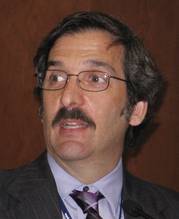
The standardized total-body skin examinations were performed by physicians, who had to complete an 8-hour, day-long training course in order to participate. Of note, 116 of the 118 dermatologists practicing in Schleswig-Holstein participated in SCREEN, as did 64% of primary care physicians. Physicians were paid to perform the screens, and the public was encouraged to undergo screening via an extensive multimedia campaign.
The screening had a two-tiered structure. More than three-quarters of individuals were initially screened by primary care physicians. Participants with suspicious findings were sent to a dermatologist, who performed a second whole-body skin examination and performed biopsies as warranted.
Total-body skin examination as a means of reducing melanoma mortality has long been a controversial issue. The U.S. Preventive Services Task Force has recommended that there is not enough evidence to recommend screening the general adult population (Ann. Intern. Med. 2009;150:188-93). However, according to Dr. Weinstock, the recommendation will need to be revisited in light of the new evidence from Germany.
He observed that although SCREEN was an observational study, and, hence, doesn’t constitute absolute proof that a skin cancer screening program saves lives, it was the most ambitious effort to screen for melanoma ever conducted anywhere in the world. And it provides what is probably the strongest evidence that will ever be available, in his view, given the great expense and many years of follow-up required for a randomized controlled trial of skin cancer screening.
As he and his coauthors wrote in a new report from the SCREEN project, "In the public health arena, absolute proof is not necessarily required when lives are at stake" (Cancer 2012 April 19 [doi: 10.1002/cncr.27566]).
German dermatologists, flush with the SCREEN success, had proposed to follow-up the project with a definitive randomized controlled trial of melanoma screening, but were overruled. Federal health officials found the SCREEN results so persuasive that they launched an ongoing national skin cancer screening program. All 45 million Germans aged 35 years and older are now eligible for a total-body skin examination every 2 years.
The SCREEN investigators ruled out improvements in melanoma therapy as a potential explanation for the observed reduction in mortality, since there were none during the study years. Nor were there any changes in coding practices in the Schleswig-Holstein statistics office. And no major melanoma primary prevention programs were introduced.
Melanoma mortality rates in Schleswig-Holstein were fairly constant from 1990 to 2003, then dropped during and immediately after introduction of the statewide SCREEN program. All of which points to the skin cancer screening program as the almost-certain explanation for the melanoma mortality reduction, he said.
Dr. Weinstock promised there will be much more information and analysis to come from the SCREEN project, including tumor thickness–specific incidence rates. Also, by examining the incidence of melanoma in Schleswig-Holstein in the years following the screening program, it will be possible to create models that provide an idea of the optimal screening interval.

In a presentation at the Hawaii Dermatology Seminar sponsored by the Skin Disease Education Foundation (SDEF) in Waikoloa, Hawaii, Dr. Andreas Blum noted that while the main purpose of whole-body skin examination is to save lives through early detection of melanoma, the SCREEN project also detected basal cell carcinomas at a rate of 5.4 malignancies per 1,000 persons screened, and squamous cell carcinomas at a rate of 1.1 per 1,000.
Five lesion excisions had to be performed in order to detect one malignancy, according to Dr. Blum, professor of dermatology at the University of Tübingen (Germany).
He predicted that the cost involved in routine total-body skin examinations is likely to be a critical source of controversy. Using the U.S. National Cancer Institute’s estimate that 12.5% of melanomas are fatal, and assuming the cost of a total-body skin exam to be $50 per person, he estimated that routine total-body skin exams in the SCREEN project cost $240,000 per melanoma death avoided.
Meanwhile, in a recently reported multicenter study in which more than 14,000 subjects underwent a total-body skin exam, 400 patients had to be screened in order to find 1 melanoma (J. Am. Acad. Dermatol. 2012;66:212-9). Again, assuming a cost of $50 per total-body skin exam, that would work out to roughly $140,000 per melanoma death avoided, Dr. Blum said.
He added that in his own specialized skin cancer clinic, where he and his colleagues see a relatively select patient population, routine total-body skin exams cost an estimated $65,000 per melanoma death avoided. And when he plugged in the numbers provided by session chair Dr. Ashfaq A. Margoob from the skin cancer clinic at Memorial Sloan-Kettering Cancer Center in New York, Dr. Blum once again came up with a figure of roughly $65,000 per melanoma death avoided, which is close to one-fourth of the estimated cost per melanoma death avoided in the SCREEN project.
"The range is quite large. I think the cost debate will continue," Dr. Blum said.
Dr. Weinstock and Dr. Blum reported having no financial conflicts.
SDEF and this news organization are owned by Elsevier.
RALEIGH, N.C. – A population-based total-body skin cancer screening program reduces melanoma mortality, according to the results of a landmark German project presented at the annual meeting of the Society for Investigative Dermatology.
"I would argue that this is the most important presentation anywhere at this meeting," Dr. Martin A. Weinstock said during his presentation of the SCREEN (Skin Cancer Research to Provide Evidence for Effectiveness of Screening in Northern Germany) project.
"The reason I make that argument is very simply because melanoma accounts for more deaths than anything else in the dermatology world. If we want to reduce that number of deaths, the best way is [through] early detection – and SCREEN provides the best evidence to date that we can do that," explained Dr. Weinstock, professor of dermatology and epidemiology at Brown University, Providence, R.I., and a SCREEN project organizer.
SCREEN was a population-based skin cancer screening program in which all residents over age 20 in the German federal state of Schleswig-Holstein were encouraged to undergo a standardized whole-body skin examination between July 2003 and June 2004. Nineteen percent of the state’s eligible population – 360,288 individuals – participated. Half of the 1,169 melanomas diagnosed in Schleswig-Holstein during the study period were detected via the SCREEN program.
Before the skin cancer screening period (1998-1999), the melanoma mortality rate was 1.9 per 100,000 men and 1.4 per 100,000 women. The key study finding was that melanoma mortality fell by 48% in Schleswig-Holstein by 2008-2009 to 1.0 per 100,000 men to 0.7 per 100,000 women.
Nothing parallel occurred in the rest of Germany, or in Schleswig-Holstein’s neighbor to the north, Denmark.
The observed melanoma mortality rate in Schleswig-Holstein during 2008-2009 was 1.0 per 100,000 for men and 0.7 per 100,000 for women, compared with 1.8 and 1.2, respectively, in Germany as a whole excluding Schleswig-Holstein.
During 2000-2009, the most recent 10-year period for which official German mortality statistics are available, melanoma mortality in Schleswig-Holstein declined by 7.4% annually. In contrast, melanoma mortality rates were stable over time in each of the four adjacent states to the north, south, east, and west, none of which had a skin cancer screening program.
A bump in the incidence of melanoma was recorded in Schleswig-Holstein during the screening year, but not elsewhere, according to Dr. Weinstock.
The standardized total-body skin examinations were performed by physicians, who had to complete an 8-hour, day-long training course in order to participate. Of note, 116 of the 118 dermatologists practicing in Schleswig-Holstein participated in SCREEN, as did 64% of primary care physicians. Physicians were paid to perform the screens, and the public was encouraged to undergo screening via an extensive multimedia campaign.
The screening had a two-tiered structure. More than three-quarters of individuals were initially screened by primary care physicians. Participants with suspicious findings were sent to a dermatologist, who performed a second whole-body skin examination and performed biopsies as warranted.
Total-body skin examination as a means of reducing melanoma mortality has long been a controversial issue. The U.S. Preventive Services Task Force has recommended that there is not enough evidence to recommend screening the general adult population (Ann. Intern. Med. 2009;150:188-93). However, according to Dr. Weinstock, the recommendation will need to be revisited in light of the new evidence from Germany.
He observed that although SCREEN was an observational study, and, hence, doesn’t constitute absolute proof that a skin cancer screening program saves lives, it was the most ambitious effort to screen for melanoma ever conducted anywhere in the world. And it provides what is probably the strongest evidence that will ever be available, in his view, given the great expense and many years of follow-up required for a randomized controlled trial of skin cancer screening.
As he and his coauthors wrote in a new report from the SCREEN project, "In the public health arena, absolute proof is not necessarily required when lives are at stake" (Cancer 2012 April 19 [doi: 10.1002/cncr.27566]).
German dermatologists, flush with the SCREEN success, had proposed to follow-up the project with a definitive randomized controlled trial of melanoma screening, but were overruled. Federal health officials found the SCREEN results so persuasive that they launched an ongoing national skin cancer screening program. All 45 million Germans aged 35 years and older are now eligible for a total-body skin examination every 2 years.
The SCREEN investigators ruled out improvements in melanoma therapy as a potential explanation for the observed reduction in mortality, since there were none during the study years. Nor were there any changes in coding practices in the Schleswig-Holstein statistics office. And no major melanoma primary prevention programs were introduced.
Melanoma mortality rates in Schleswig-Holstein were fairly constant from 1990 to 2003, then dropped during and immediately after introduction of the statewide SCREEN program. All of which points to the skin cancer screening program as the almost-certain explanation for the melanoma mortality reduction, he said.
Dr. Weinstock promised there will be much more information and analysis to come from the SCREEN project, including tumor thickness–specific incidence rates. Also, by examining the incidence of melanoma in Schleswig-Holstein in the years following the screening program, it will be possible to create models that provide an idea of the optimal screening interval.
In a presentation at the Hawaii Dermatology Seminar sponsored by the Skin Disease Education Foundation (SDEF) in Waikoloa, Hawaii, Dr. Andreas Blum noted that while the main purpose of whole-body skin examination is to save lives through early detection of melanoma, the SCREEN project also detected basal cell carcinomas at a rate of 5.4 malignancies per 1,000 persons screened, and squamous cell carcinomas at a rate of 1.1 per 1,000.
Five lesion excisions had to be performed in order to detect one malignancy, according to Dr. Blum, professor of dermatology at the University of Tübingen (Germany).
He predicted that the cost involved in routine total-body skin examinations is likely to be a critical source of controversy. Using the U.S. National Cancer Institute’s estimate that 12.5% of melanomas are fatal, and assuming the cost of a total-body skin exam to be $50 per person, he estimated that routine total-body skin exams in the SCREEN project cost $240,000 per melanoma death avoided.
Meanwhile, in a recently reported multicenter study in which more than 14,000 subjects underwent a total-body skin exam, 400 patients had to be screened in order to find 1 melanoma (J. Am. Acad. Dermatol. 2012;66:212-9). Again, assuming a cost of $50 per total-body skin exam, that would work out to roughly $140,000 per melanoma death avoided, Dr. Blum said.
He added that in his own specialized skin cancer clinic, where he and his colleagues see a relatively select patient population, routine total-body skin exams cost an estimated $65,000 per melanoma death avoided. And when he plugged in the numbers provided by session chair Dr. Ashfaq A. Margoob from the skin cancer clinic at Memorial Sloan-Kettering Cancer Center in New York, Dr. Blum once again came up with a figure of roughly $65,000 per melanoma death avoided, which is close to one-fourth of the estimated cost per melanoma death avoided in the SCREEN project.
"The range is quite large. I think the cost debate will continue," Dr. Blum said.
Dr. Weinstock and Dr. Blum reported having no financial conflicts.
SDEF and this news organization are owned by Elsevier.
RALEIGH, N.C. – A population-based total-body skin cancer screening program reduces melanoma mortality, according to the results of a landmark German project presented at the annual meeting of the Society for Investigative Dermatology.
"I would argue that this is the most important presentation anywhere at this meeting," Dr. Martin A. Weinstock said during his presentation of the SCREEN (Skin Cancer Research to Provide Evidence for Effectiveness of Screening in Northern Germany) project.
"The reason I make that argument is very simply because melanoma accounts for more deaths than anything else in the dermatology world. If we want to reduce that number of deaths, the best way is [through] early detection – and SCREEN provides the best evidence to date that we can do that," explained Dr. Weinstock, professor of dermatology and epidemiology at Brown University, Providence, R.I., and a SCREEN project organizer.
SCREEN was a population-based skin cancer screening program in which all residents over age 20 in the German federal state of Schleswig-Holstein were encouraged to undergo a standardized whole-body skin examination between July 2003 and June 2004. Nineteen percent of the state’s eligible population – 360,288 individuals – participated. Half of the 1,169 melanomas diagnosed in Schleswig-Holstein during the study period were detected via the SCREEN program.
Before the skin cancer screening period (1998-1999), the melanoma mortality rate was 1.9 per 100,000 men and 1.4 per 100,000 women. The key study finding was that melanoma mortality fell by 48% in Schleswig-Holstein by 2008-2009 to 1.0 per 100,000 men to 0.7 per 100,000 women.
Nothing parallel occurred in the rest of Germany, or in Schleswig-Holstein’s neighbor to the north, Denmark.
The observed melanoma mortality rate in Schleswig-Holstein during 2008-2009 was 1.0 per 100,000 for men and 0.7 per 100,000 for women, compared with 1.8 and 1.2, respectively, in Germany as a whole excluding Schleswig-Holstein.
During 2000-2009, the most recent 10-year period for which official German mortality statistics are available, melanoma mortality in Schleswig-Holstein declined by 7.4% annually. In contrast, melanoma mortality rates were stable over time in each of the four adjacent states to the north, south, east, and west, none of which had a skin cancer screening program.
A bump in the incidence of melanoma was recorded in Schleswig-Holstein during the screening year, but not elsewhere, according to Dr. Weinstock.
The standardized total-body skin examinations were performed by physicians, who had to complete an 8-hour, day-long training course in order to participate. Of note, 116 of the 118 dermatologists practicing in Schleswig-Holstein participated in SCREEN, as did 64% of primary care physicians. Physicians were paid to perform the screens, and the public was encouraged to undergo screening via an extensive multimedia campaign.
The screening had a two-tiered structure. More than three-quarters of individuals were initially screened by primary care physicians. Participants with suspicious findings were sent to a dermatologist, who performed a second whole-body skin examination and performed biopsies as warranted.
Total-body skin examination as a means of reducing melanoma mortality has long been a controversial issue. The U.S. Preventive Services Task Force has recommended that there is not enough evidence to recommend screening the general adult population (Ann. Intern. Med. 2009;150:188-93). However, according to Dr. Weinstock, the recommendation will need to be revisited in light of the new evidence from Germany.
He observed that although SCREEN was an observational study, and, hence, doesn’t constitute absolute proof that a skin cancer screening program saves lives, it was the most ambitious effort to screen for melanoma ever conducted anywhere in the world. And it provides what is probably the strongest evidence that will ever be available, in his view, given the great expense and many years of follow-up required for a randomized controlled trial of skin cancer screening.
As he and his coauthors wrote in a new report from the SCREEN project, "In the public health arena, absolute proof is not necessarily required when lives are at stake" (Cancer 2012 April 19 [doi: 10.1002/cncr.27566]).
German dermatologists, flush with the SCREEN success, had proposed to follow-up the project with a definitive randomized controlled trial of melanoma screening, but were overruled. Federal health officials found the SCREEN results so persuasive that they launched an ongoing national skin cancer screening program. All 45 million Germans aged 35 years and older are now eligible for a total-body skin examination every 2 years.
The SCREEN investigators ruled out improvements in melanoma therapy as a potential explanation for the observed reduction in mortality, since there were none during the study years. Nor were there any changes in coding practices in the Schleswig-Holstein statistics office. And no major melanoma primary prevention programs were introduced.
Melanoma mortality rates in Schleswig-Holstein were fairly constant from 1990 to 2003, then dropped during and immediately after introduction of the statewide SCREEN program. All of which points to the skin cancer screening program as the almost-certain explanation for the melanoma mortality reduction, he said.
Dr. Weinstock promised there will be much more information and analysis to come from the SCREEN project, including tumor thickness–specific incidence rates. Also, by examining the incidence of melanoma in Schleswig-Holstein in the years following the screening program, it will be possible to create models that provide an idea of the optimal screening interval.
In a presentation at the Hawaii Dermatology Seminar sponsored by the Skin Disease Education Foundation (SDEF) in Waikoloa, Hawaii, Dr. Andreas Blum noted that while the main purpose of whole-body skin examination is to save lives through early detection of melanoma, the SCREEN project also detected basal cell carcinomas at a rate of 5.4 malignancies per 1,000 persons screened, and squamous cell carcinomas at a rate of 1.1 per 1,000.
Five lesion excisions had to be performed in order to detect one malignancy, according to Dr. Blum, professor of dermatology at the University of Tübingen (Germany).
He predicted that the cost involved in routine total-body skin examinations is likely to be a critical source of controversy. Using the U.S. National Cancer Institute’s estimate that 12.5% of melanomas are fatal, and assuming the cost of a total-body skin exam to be $50 per person, he estimated that routine total-body skin exams in the SCREEN project cost $240,000 per melanoma death avoided.
Meanwhile, in a recently reported multicenter study in which more than 14,000 subjects underwent a total-body skin exam, 400 patients had to be screened in order to find 1 melanoma (J. Am. Acad. Dermatol. 2012;66:212-9). Again, assuming a cost of $50 per total-body skin exam, that would work out to roughly $140,000 per melanoma death avoided, Dr. Blum said.
He added that in his own specialized skin cancer clinic, where he and his colleagues see a relatively select patient population, routine total-body skin exams cost an estimated $65,000 per melanoma death avoided. And when he plugged in the numbers provided by session chair Dr. Ashfaq A. Margoob from the skin cancer clinic at Memorial Sloan-Kettering Cancer Center in New York, Dr. Blum once again came up with a figure of roughly $65,000 per melanoma death avoided, which is close to one-fourth of the estimated cost per melanoma death avoided in the SCREEN project.
"The range is quite large. I think the cost debate will continue," Dr. Blum said.
Dr. Weinstock and Dr. Blum reported having no financial conflicts.
SDEF and this news organization are owned by Elsevier.
FROM THE ANNUAL MEETING OF THE SOCIETY FOR INVESTIGATIVE DERMATOLOGY
BRAF-Plus-MEK Inhibition Slows Melanoma
Combining the BRAF inhibitor dabrafenib with the MEK inhibitor trametinib dramatically delays metastatic melanoma progression without the skin toxicities associated with vemurafenib therapy.
Median progression-free survival reached 10.8 months in the subset of 24 patients given the recommended dose of the two oral experimental agents in the dose-escalation portion of a phase I/II trial involving 77 patients without prior therapy targeting the BRAF kinase gene. The median for the entire cohort was 7.4 months, which was said to be comparable to results from past trials of single-agent vemurafenib.
Moreover, there were fewer dermatologic side effects than with any BRAF inhibitor alone seen to date, Dr. Jeffrey S. Weber said during a press briefing in advance of the upcoming annual meeting of the American Society of Clinical Oncology.
"Obviously, we have to be cautious. It’s only a cohort of 24 patients, but it looks extremely encouraging," he said.
Overall, cutaneous squamous cell carcinoma occurred in 3% of patients, which compares favorably with a 15%-20% incidence with dabrafenib and other BRAF inhibitors, said Dr. Weber, director of the Donald A. Adam Comprehensive Melanoma Research Center at the Moffitt Cancer Center in Tampa.
Similarly, actinic keratosis occurred in 5% of patients and skin papilloma in 2%, compared with a 20%-40% incidence seen with BRAF-targeted monotherapy. Skin rashes occurred in 22%, but the acneform rash often seen with MEK (MAP/ERK kinase) inhibitors was essentially absent in these patients, he said.
Notably, grade 3 or worse squamous cell carcinoma was reported in 12% of patients given the oral BRAF inhibitor vemurafenib (Zelboraf) in the pivotal BRIM-3 (BRAF Inhibitor in Melanoma-3) trial. Vemurafenib was approved last August for the first-line treatment of both metastatic and unresectable melanomas with V600E mutations in the BRAF gene, a mutation that occurs in roughly half of melanomas.
(Data to be presented at ASCO will show that median overall survival reached 13.2 months with vemurafenib vs 9.6 months with dacarbazine chemotherapy, according to Emmy Wang, senior manager, corporate relations at Genentech. Overall, up to 24% of patients in clinical trials experienced squamous cell carcinoma, which was easily treated, she noted.)*
The dramatic reduction in dermatologic toxicity observed in the current trial was offset, however, by a corresponding increase in pyrexia. Grade 3 or 4 pyrexia, which is relatively uncommon with a BRAF inhibitor alone, was observed in 8% of patients and led to dose reductions or delays in 23% of those patients, Dr. Weber acknowledged.
Other grade 3/4 events included nausea in 34% of patients, fatigue in 37%, and chills in 38% of patients, leading to dose reductions in 10%.
The investigators were initially surprised that combining BRAF and MEK inhibition reduced skin toxicity. But as evidence began to accumulate on BRAF inhibition in normal cells, Dr. Weber said they and other researchers realized there is a paradoxical activation of the MAP (mitogen-activated protein) kinase pathway through promotion of c-Raf signaling, which then leads down that pathway. If activation can be blocked with a MEK inhibitor, however, that would lead to a decrease in the off-target effects on normal cells that occur with a BRAF inhibitor, he explained.
ASCO president-elect Dr. Sandra M. Swain, who comoderated the press conference, said the findings show that researchers are finding more creative ways to effectively treat one of the most challenging cancers.
"We know cancers are smart," said Dr. Swain, medical director of the Cancer Institute at Washington Hospital Center in Washington, D.C. "They find mechanisms to escape or work around pathways, and in this case we are seeing a very innovative approach that ostensibly blocks off some of these side pathways. This is very exciting research."
The current analysis focused on 77 of 125 patients with V600 BRAF-mutant solid tumors enrolled in the phase I/II trial who were treated with four escalating doses of dabrafenib and trametinib, a MEK 1/2 inhibitor. They all had measurable disease according to RECIST criteria, 91% had V600E-mutant tumors, and 26% had prior brain metastases. Their mean age was 52 years.
The subset of 24 patients with the longest progression-free survival received the recommended dose of twice-daily dabrafenib 150 mg and daily trametinib 2 mg, which will be tested in a phase III trial, Dr. Weber said.
Among all 77 patients, responses were observed in 44 (57%), including 6 complete and 38 partial responses. Among the 24 patients on the recommended dose, the response rate reached 63%, including 2 complete responses and 13 partial responses, with the remainder all having stable disease.
Survival data on the cohort will be reported at a future date, he said. Results are also anticipated from the trial’s expansion cohort that includes patients with prior BRAF inhibition therapy as well as patients with BRAF-mutant colorectal cancer.
The abstract can be viewed at www.abstract.asco.org, and will be formally presented at ASCO at 3:30 p.m. June 4.
The trial was funded by GlaxoSmithKline. Dr. Weber reports consulting for and receiving honoraria and research funding from GSK. His coauthors report similar relationships, as well as employment/leadership positions and stock ownership with GSK.
* Updated: This paragraph was added on May 18, 2012.
Combining the BRAF inhibitor dabrafenib with the MEK inhibitor trametinib dramatically delays metastatic melanoma progression without the skin toxicities associated with vemurafenib therapy.
Median progression-free survival reached 10.8 months in the subset of 24 patients given the recommended dose of the two oral experimental agents in the dose-escalation portion of a phase I/II trial involving 77 patients without prior therapy targeting the BRAF kinase gene. The median for the entire cohort was 7.4 months, which was said to be comparable to results from past trials of single-agent vemurafenib.
Moreover, there were fewer dermatologic side effects than with any BRAF inhibitor alone seen to date, Dr. Jeffrey S. Weber said during a press briefing in advance of the upcoming annual meeting of the American Society of Clinical Oncology.
"Obviously, we have to be cautious. It’s only a cohort of 24 patients, but it looks extremely encouraging," he said.
Overall, cutaneous squamous cell carcinoma occurred in 3% of patients, which compares favorably with a 15%-20% incidence with dabrafenib and other BRAF inhibitors, said Dr. Weber, director of the Donald A. Adam Comprehensive Melanoma Research Center at the Moffitt Cancer Center in Tampa.
Similarly, actinic keratosis occurred in 5% of patients and skin papilloma in 2%, compared with a 20%-40% incidence seen with BRAF-targeted monotherapy. Skin rashes occurred in 22%, but the acneform rash often seen with MEK (MAP/ERK kinase) inhibitors was essentially absent in these patients, he said.
Notably, grade 3 or worse squamous cell carcinoma was reported in 12% of patients given the oral BRAF inhibitor vemurafenib (Zelboraf) in the pivotal BRIM-3 (BRAF Inhibitor in Melanoma-3) trial. Vemurafenib was approved last August for the first-line treatment of both metastatic and unresectable melanomas with V600E mutations in the BRAF gene, a mutation that occurs in roughly half of melanomas.
(Data to be presented at ASCO will show that median overall survival reached 13.2 months with vemurafenib vs 9.6 months with dacarbazine chemotherapy, according to Emmy Wang, senior manager, corporate relations at Genentech. Overall, up to 24% of patients in clinical trials experienced squamous cell carcinoma, which was easily treated, she noted.)*
The dramatic reduction in dermatologic toxicity observed in the current trial was offset, however, by a corresponding increase in pyrexia. Grade 3 or 4 pyrexia, which is relatively uncommon with a BRAF inhibitor alone, was observed in 8% of patients and led to dose reductions or delays in 23% of those patients, Dr. Weber acknowledged.
Other grade 3/4 events included nausea in 34% of patients, fatigue in 37%, and chills in 38% of patients, leading to dose reductions in 10%.
The investigators were initially surprised that combining BRAF and MEK inhibition reduced skin toxicity. But as evidence began to accumulate on BRAF inhibition in normal cells, Dr. Weber said they and other researchers realized there is a paradoxical activation of the MAP (mitogen-activated protein) kinase pathway through promotion of c-Raf signaling, which then leads down that pathway. If activation can be blocked with a MEK inhibitor, however, that would lead to a decrease in the off-target effects on normal cells that occur with a BRAF inhibitor, he explained.
ASCO president-elect Dr. Sandra M. Swain, who comoderated the press conference, said the findings show that researchers are finding more creative ways to effectively treat one of the most challenging cancers.
"We know cancers are smart," said Dr. Swain, medical director of the Cancer Institute at Washington Hospital Center in Washington, D.C. "They find mechanisms to escape or work around pathways, and in this case we are seeing a very innovative approach that ostensibly blocks off some of these side pathways. This is very exciting research."
The current analysis focused on 77 of 125 patients with V600 BRAF-mutant solid tumors enrolled in the phase I/II trial who were treated with four escalating doses of dabrafenib and trametinib, a MEK 1/2 inhibitor. They all had measurable disease according to RECIST criteria, 91% had V600E-mutant tumors, and 26% had prior brain metastases. Their mean age was 52 years.
The subset of 24 patients with the longest progression-free survival received the recommended dose of twice-daily dabrafenib 150 mg and daily trametinib 2 mg, which will be tested in a phase III trial, Dr. Weber said.
Among all 77 patients, responses were observed in 44 (57%), including 6 complete and 38 partial responses. Among the 24 patients on the recommended dose, the response rate reached 63%, including 2 complete responses and 13 partial responses, with the remainder all having stable disease.
Survival data on the cohort will be reported at a future date, he said. Results are also anticipated from the trial’s expansion cohort that includes patients with prior BRAF inhibition therapy as well as patients with BRAF-mutant colorectal cancer.
The abstract can be viewed at www.abstract.asco.org, and will be formally presented at ASCO at 3:30 p.m. June 4.
The trial was funded by GlaxoSmithKline. Dr. Weber reports consulting for and receiving honoraria and research funding from GSK. His coauthors report similar relationships, as well as employment/leadership positions and stock ownership with GSK.
* Updated: This paragraph was added on May 18, 2012.
Combining the BRAF inhibitor dabrafenib with the MEK inhibitor trametinib dramatically delays metastatic melanoma progression without the skin toxicities associated with vemurafenib therapy.
Median progression-free survival reached 10.8 months in the subset of 24 patients given the recommended dose of the two oral experimental agents in the dose-escalation portion of a phase I/II trial involving 77 patients without prior therapy targeting the BRAF kinase gene. The median for the entire cohort was 7.4 months, which was said to be comparable to results from past trials of single-agent vemurafenib.
Moreover, there were fewer dermatologic side effects than with any BRAF inhibitor alone seen to date, Dr. Jeffrey S. Weber said during a press briefing in advance of the upcoming annual meeting of the American Society of Clinical Oncology.
"Obviously, we have to be cautious. It’s only a cohort of 24 patients, but it looks extremely encouraging," he said.
Overall, cutaneous squamous cell carcinoma occurred in 3% of patients, which compares favorably with a 15%-20% incidence with dabrafenib and other BRAF inhibitors, said Dr. Weber, director of the Donald A. Adam Comprehensive Melanoma Research Center at the Moffitt Cancer Center in Tampa.
Similarly, actinic keratosis occurred in 5% of patients and skin papilloma in 2%, compared with a 20%-40% incidence seen with BRAF-targeted monotherapy. Skin rashes occurred in 22%, but the acneform rash often seen with MEK (MAP/ERK kinase) inhibitors was essentially absent in these patients, he said.
Notably, grade 3 or worse squamous cell carcinoma was reported in 12% of patients given the oral BRAF inhibitor vemurafenib (Zelboraf) in the pivotal BRIM-3 (BRAF Inhibitor in Melanoma-3) trial. Vemurafenib was approved last August for the first-line treatment of both metastatic and unresectable melanomas with V600E mutations in the BRAF gene, a mutation that occurs in roughly half of melanomas.
(Data to be presented at ASCO will show that median overall survival reached 13.2 months with vemurafenib vs 9.6 months with dacarbazine chemotherapy, according to Emmy Wang, senior manager, corporate relations at Genentech. Overall, up to 24% of patients in clinical trials experienced squamous cell carcinoma, which was easily treated, she noted.)*
The dramatic reduction in dermatologic toxicity observed in the current trial was offset, however, by a corresponding increase in pyrexia. Grade 3 or 4 pyrexia, which is relatively uncommon with a BRAF inhibitor alone, was observed in 8% of patients and led to dose reductions or delays in 23% of those patients, Dr. Weber acknowledged.
Other grade 3/4 events included nausea in 34% of patients, fatigue in 37%, and chills in 38% of patients, leading to dose reductions in 10%.
The investigators were initially surprised that combining BRAF and MEK inhibition reduced skin toxicity. But as evidence began to accumulate on BRAF inhibition in normal cells, Dr. Weber said they and other researchers realized there is a paradoxical activation of the MAP (mitogen-activated protein) kinase pathway through promotion of c-Raf signaling, which then leads down that pathway. If activation can be blocked with a MEK inhibitor, however, that would lead to a decrease in the off-target effects on normal cells that occur with a BRAF inhibitor, he explained.
ASCO president-elect Dr. Sandra M. Swain, who comoderated the press conference, said the findings show that researchers are finding more creative ways to effectively treat one of the most challenging cancers.
"We know cancers are smart," said Dr. Swain, medical director of the Cancer Institute at Washington Hospital Center in Washington, D.C. "They find mechanisms to escape or work around pathways, and in this case we are seeing a very innovative approach that ostensibly blocks off some of these side pathways. This is very exciting research."
The current analysis focused on 77 of 125 patients with V600 BRAF-mutant solid tumors enrolled in the phase I/II trial who were treated with four escalating doses of dabrafenib and trametinib, a MEK 1/2 inhibitor. They all had measurable disease according to RECIST criteria, 91% had V600E-mutant tumors, and 26% had prior brain metastases. Their mean age was 52 years.
The subset of 24 patients with the longest progression-free survival received the recommended dose of twice-daily dabrafenib 150 mg and daily trametinib 2 mg, which will be tested in a phase III trial, Dr. Weber said.
Among all 77 patients, responses were observed in 44 (57%), including 6 complete and 38 partial responses. Among the 24 patients on the recommended dose, the response rate reached 63%, including 2 complete responses and 13 partial responses, with the remainder all having stable disease.
Survival data on the cohort will be reported at a future date, he said. Results are also anticipated from the trial’s expansion cohort that includes patients with prior BRAF inhibition therapy as well as patients with BRAF-mutant colorectal cancer.
The abstract can be viewed at www.abstract.asco.org, and will be formally presented at ASCO at 3:30 p.m. June 4.
The trial was funded by GlaxoSmithKline. Dr. Weber reports consulting for and receiving honoraria and research funding from GSK. His coauthors report similar relationships, as well as employment/leadership positions and stock ownership with GSK.
* Updated: This paragraph was added on May 18, 2012.
FROM THE ANNUAL MEETING OF THE AMERICAN SOCIETY OF CLINICAL ONCOLOGY
Environmental Working Group Releases Sunscreen Ranking
The Environmental Working Group has issued its annual ranking of sunscreens, and reported that of more than 1,800 it reviewed, about 25% pass muster. That’s up from 20% in 2011 and 8% in 2010.
According to the group, children’s sunscreens contain the most effective and safest ingredients. Sixty percent of the 180 products marketed for children have ingredients such as minerals, which are considered effective, compared with only 40% of those for the general public. Also, kids’ sunscreens are less likely to contain oxybenzone – which the EWG said is an endocrine-disrupter – or chemicals that might cause allergic reactions.
The group recommends that consumers choose products with zinc oxide, titanium dioxide, or 3% avobenzone and that they avoid oxybenzone and vitamin A (retinyl palmitate). Sunscreen sprays and powders are not as effective as creams or lotions, according to the group. And it found that many manufacturers are selling products with escalating SPF values. More than one in seven have SPF values higher than 50, compared with only one in eight in 2009, according to EWG’s analysis.
In a statement from the EWG, Sen. Jack Reed (D-RI) said the FDA needs to move more quickly on instituting sunscreen standards, but in the meantime, "it is good to know Environmental Working Group is providing consumers with the facts about the effectiveness of sunscreen products that are currently on shelves."
The American Academy of Dermatology refuted much of the EWG claim in a statement, noting that there is no evidence that oxybenzone affects hormones, nor is oxybenzone or vitamin A dangerous in sunscreens, said AAD President Daniel M. Siegel. The AAD continues to back use of a water-resistant, broad-spectrum sunscreen that protects against UVA and UVB, with an SPF 30 or higher, in conjunction with limiting sun exposure and wearing sun-protective clothing.
The Environmental Working Group has issued its annual ranking of sunscreens, and reported that of more than 1,800 it reviewed, about 25% pass muster. That’s up from 20% in 2011 and 8% in 2010.
According to the group, children’s sunscreens contain the most effective and safest ingredients. Sixty percent of the 180 products marketed for children have ingredients such as minerals, which are considered effective, compared with only 40% of those for the general public. Also, kids’ sunscreens are less likely to contain oxybenzone – which the EWG said is an endocrine-disrupter – or chemicals that might cause allergic reactions.
The group recommends that consumers choose products with zinc oxide, titanium dioxide, or 3% avobenzone and that they avoid oxybenzone and vitamin A (retinyl palmitate). Sunscreen sprays and powders are not as effective as creams or lotions, according to the group. And it found that many manufacturers are selling products with escalating SPF values. More than one in seven have SPF values higher than 50, compared with only one in eight in 2009, according to EWG’s analysis.
In a statement from the EWG, Sen. Jack Reed (D-RI) said the FDA needs to move more quickly on instituting sunscreen standards, but in the meantime, "it is good to know Environmental Working Group is providing consumers with the facts about the effectiveness of sunscreen products that are currently on shelves."
The American Academy of Dermatology refuted much of the EWG claim in a statement, noting that there is no evidence that oxybenzone affects hormones, nor is oxybenzone or vitamin A dangerous in sunscreens, said AAD President Daniel M. Siegel. The AAD continues to back use of a water-resistant, broad-spectrum sunscreen that protects against UVA and UVB, with an SPF 30 or higher, in conjunction with limiting sun exposure and wearing sun-protective clothing.
The Environmental Working Group has issued its annual ranking of sunscreens, and reported that of more than 1,800 it reviewed, about 25% pass muster. That’s up from 20% in 2011 and 8% in 2010.
According to the group, children’s sunscreens contain the most effective and safest ingredients. Sixty percent of the 180 products marketed for children have ingredients such as minerals, which are considered effective, compared with only 40% of those for the general public. Also, kids’ sunscreens are less likely to contain oxybenzone – which the EWG said is an endocrine-disrupter – or chemicals that might cause allergic reactions.
The group recommends that consumers choose products with zinc oxide, titanium dioxide, or 3% avobenzone and that they avoid oxybenzone and vitamin A (retinyl palmitate). Sunscreen sprays and powders are not as effective as creams or lotions, according to the group. And it found that many manufacturers are selling products with escalating SPF values. More than one in seven have SPF values higher than 50, compared with only one in eight in 2009, according to EWG’s analysis.
In a statement from the EWG, Sen. Jack Reed (D-RI) said the FDA needs to move more quickly on instituting sunscreen standards, but in the meantime, "it is good to know Environmental Working Group is providing consumers with the facts about the effectiveness of sunscreen products that are currently on shelves."
The American Academy of Dermatology refuted much of the EWG claim in a statement, noting that there is no evidence that oxybenzone affects hormones, nor is oxybenzone or vitamin A dangerous in sunscreens, said AAD President Daniel M. Siegel. The AAD continues to back use of a water-resistant, broad-spectrum sunscreen that protects against UVA and UVB, with an SPF 30 or higher, in conjunction with limiting sun exposure and wearing sun-protective clothing.
FDA Delays Sunscreen Rule by 6 Months
The Food and Drug Administration announced in May that it was giving sunscreen manufacturers 6 additional months to comply with the final ruling on product labeling and effectiveness testing.
That final rule was published in June 2011; soon after, the Personal Care Products Council (PCPC) and the Consumer Healthcare Products Association (CHPA) sought a 6-month delay in the deadline, saying that manufacturers needed more time.
The agency agreed and has pushed back compliance dates. Now, products that have sales of less than $25,000 will have until Dec. 17, 2013, to comply; all other products must comply by Dec. 17, 2012. However, the agency is encouraging manufacturers to "introduce individual products bearing the new labeling as it becomes available, even in advance of the revised compliance date."
The American Academy of Dermatology also urged sunscreen makers to comply sooner, rather than later, but said in a statement that the extension "allows manufacturers the necessary time to test their products for broad-spectrum protection and properly label them."
The Environmental Working Group, which publishes a database of sunscreen effectiveness, chided the FDA, saying in a statement that it "has caved to industry pressure every step of the way," of getting the rules finalized – a 30-year process. The group estimates that 90% of sunscreens are already in compliance with what it calls the FDA’s "low-bar regulations on efficacy and safety."
The Food and Drug Administration announced in May that it was giving sunscreen manufacturers 6 additional months to comply with the final ruling on product labeling and effectiveness testing.
That final rule was published in June 2011; soon after, the Personal Care Products Council (PCPC) and the Consumer Healthcare Products Association (CHPA) sought a 6-month delay in the deadline, saying that manufacturers needed more time.
The agency agreed and has pushed back compliance dates. Now, products that have sales of less than $25,000 will have until Dec. 17, 2013, to comply; all other products must comply by Dec. 17, 2012. However, the agency is encouraging manufacturers to "introduce individual products bearing the new labeling as it becomes available, even in advance of the revised compliance date."
The American Academy of Dermatology also urged sunscreen makers to comply sooner, rather than later, but said in a statement that the extension "allows manufacturers the necessary time to test their products for broad-spectrum protection and properly label them."
The Environmental Working Group, which publishes a database of sunscreen effectiveness, chided the FDA, saying in a statement that it "has caved to industry pressure every step of the way," of getting the rules finalized – a 30-year process. The group estimates that 90% of sunscreens are already in compliance with what it calls the FDA’s "low-bar regulations on efficacy and safety."
The Food and Drug Administration announced in May that it was giving sunscreen manufacturers 6 additional months to comply with the final ruling on product labeling and effectiveness testing.
That final rule was published in June 2011; soon after, the Personal Care Products Council (PCPC) and the Consumer Healthcare Products Association (CHPA) sought a 6-month delay in the deadline, saying that manufacturers needed more time.
The agency agreed and has pushed back compliance dates. Now, products that have sales of less than $25,000 will have until Dec. 17, 2013, to comply; all other products must comply by Dec. 17, 2012. However, the agency is encouraging manufacturers to "introduce individual products bearing the new labeling as it becomes available, even in advance of the revised compliance date."
The American Academy of Dermatology also urged sunscreen makers to comply sooner, rather than later, but said in a statement that the extension "allows manufacturers the necessary time to test their products for broad-spectrum protection and properly label them."
The Environmental Working Group, which publishes a database of sunscreen effectiveness, chided the FDA, saying in a statement that it "has caved to industry pressure every step of the way," of getting the rules finalized – a 30-year process. The group estimates that 90% of sunscreens are already in compliance with what it calls the FDA’s "low-bar regulations on efficacy and safety."
Photodamage Effectively Treated With Quasi-Ablative Approach
KISSIMMEE, FLA. – The nonablative 1540-nm fractional laser can be safely converted to a quasi-ablative device for treating facial actinic keratoses and photodamage, according to Dr. Moshe Lapidoth.
By slightly modifying technique, a 50%-75% improvement in actinic keratoses and photodamage was noted in 17 patients who underwent two to three treatments at 4-week intervals, Dr. Lapidoth reported at the annual meeting of the American Society for Laser Medicine and Surgery. The laser was used in noncontact mode hovering 5-10 mm above the skin rather than in contact mode.
The patients had actinic keratoses and photodamage requiring ablative treatment of the epidermis. Treatment was applied using a fluence of 75 J/cm2, a 15-ms pulse duration, and a 10-mm spot size. Two blinded assessors and the participants evaluated clinical improvement at 3 months after the final treatment using a quartile grading scale (Lasers Med. Sci. 2012 April 27 [doi: 10.1007/s10103-012-1103-6])
A score of 0 was associated with no improvement; a score of 1 with 1%-25% improvement, a score of 2 with 26%-50% improvement, a score of 3 with 51%-75% improvement, and a score of 4 with 76%-100% improvement. The mean score for actinic keratoses was 3.4, and for skin appearance was 3.2, said Dr. Lapidoth, head of the laser department at Rabin Medical Center in Israel.
Side effects after each treatment included erythema, mild edema, erosion in two patients, and mild desquamation, but no scarring or postinflammatory pigmentary changes occurred, he said.
Although more current fractional laser devices are designed to be either ablative or nonablative, the 1540-nm fractional laser was designed to be nonablative.
"The question is, ‘Can you take a 1540-nm laser, which is totally nonablative, and turn it to be ablative or quasi-ablative?’ and the answer is, ‘yes,’ Dr. Lapidoth said.
This treatment approach can be used in conjunction with contact mode, he added, explaining that the nonablative contact mode can be used first to target the dermis for treatment of fine wrinkles and scars, followed by the ablative noncontact mode to treat actinic keratoses and resistant lentigines and other lesions.
Dr. Lapidoth reported having no disclosures.
KISSIMMEE, FLA. – The nonablative 1540-nm fractional laser can be safely converted to a quasi-ablative device for treating facial actinic keratoses and photodamage, according to Dr. Moshe Lapidoth.
By slightly modifying technique, a 50%-75% improvement in actinic keratoses and photodamage was noted in 17 patients who underwent two to three treatments at 4-week intervals, Dr. Lapidoth reported at the annual meeting of the American Society for Laser Medicine and Surgery. The laser was used in noncontact mode hovering 5-10 mm above the skin rather than in contact mode.
The patients had actinic keratoses and photodamage requiring ablative treatment of the epidermis. Treatment was applied using a fluence of 75 J/cm2, a 15-ms pulse duration, and a 10-mm spot size. Two blinded assessors and the participants evaluated clinical improvement at 3 months after the final treatment using a quartile grading scale (Lasers Med. Sci. 2012 April 27 [doi: 10.1007/s10103-012-1103-6])
A score of 0 was associated with no improvement; a score of 1 with 1%-25% improvement, a score of 2 with 26%-50% improvement, a score of 3 with 51%-75% improvement, and a score of 4 with 76%-100% improvement. The mean score for actinic keratoses was 3.4, and for skin appearance was 3.2, said Dr. Lapidoth, head of the laser department at Rabin Medical Center in Israel.
Side effects after each treatment included erythema, mild edema, erosion in two patients, and mild desquamation, but no scarring or postinflammatory pigmentary changes occurred, he said.
Although more current fractional laser devices are designed to be either ablative or nonablative, the 1540-nm fractional laser was designed to be nonablative.
"The question is, ‘Can you take a 1540-nm laser, which is totally nonablative, and turn it to be ablative or quasi-ablative?’ and the answer is, ‘yes,’ Dr. Lapidoth said.
This treatment approach can be used in conjunction with contact mode, he added, explaining that the nonablative contact mode can be used first to target the dermis for treatment of fine wrinkles and scars, followed by the ablative noncontact mode to treat actinic keratoses and resistant lentigines and other lesions.
Dr. Lapidoth reported having no disclosures.
KISSIMMEE, FLA. – The nonablative 1540-nm fractional laser can be safely converted to a quasi-ablative device for treating facial actinic keratoses and photodamage, according to Dr. Moshe Lapidoth.
By slightly modifying technique, a 50%-75% improvement in actinic keratoses and photodamage was noted in 17 patients who underwent two to three treatments at 4-week intervals, Dr. Lapidoth reported at the annual meeting of the American Society for Laser Medicine and Surgery. The laser was used in noncontact mode hovering 5-10 mm above the skin rather than in contact mode.
The patients had actinic keratoses and photodamage requiring ablative treatment of the epidermis. Treatment was applied using a fluence of 75 J/cm2, a 15-ms pulse duration, and a 10-mm spot size. Two blinded assessors and the participants evaluated clinical improvement at 3 months after the final treatment using a quartile grading scale (Lasers Med. Sci. 2012 April 27 [doi: 10.1007/s10103-012-1103-6])
A score of 0 was associated with no improvement; a score of 1 with 1%-25% improvement, a score of 2 with 26%-50% improvement, a score of 3 with 51%-75% improvement, and a score of 4 with 76%-100% improvement. The mean score for actinic keratoses was 3.4, and for skin appearance was 3.2, said Dr. Lapidoth, head of the laser department at Rabin Medical Center in Israel.
Side effects after each treatment included erythema, mild edema, erosion in two patients, and mild desquamation, but no scarring or postinflammatory pigmentary changes occurred, he said.
Although more current fractional laser devices are designed to be either ablative or nonablative, the 1540-nm fractional laser was designed to be nonablative.
"The question is, ‘Can you take a 1540-nm laser, which is totally nonablative, and turn it to be ablative or quasi-ablative?’ and the answer is, ‘yes,’ Dr. Lapidoth said.
This treatment approach can be used in conjunction with contact mode, he added, explaining that the nonablative contact mode can be used first to target the dermis for treatment of fine wrinkles and scars, followed by the ablative noncontact mode to treat actinic keratoses and resistant lentigines and other lesions.
Dr. Lapidoth reported having no disclosures.
FROM THE ANNUAL MEETING OF THE AMERICAN SOCIETY FOR LASER MEDICINE AND SURGERY
Major Finding: A quasi-ablative technique using a nonablative 1540-nm fractional laser resulted in a 50%-75% improvement in actinic keratoses and skin appearance in 17 patients.
Data Source: This was a prospective study of 17 patients treated.
Disclosures: Dr. Lapidoth reported having no disclosures.
CDC: Indoor Tanning, Sunburns Still Common in Young Adults
Despite the documented increased use of sunscreen and protective clothing in recent years, up to 66% of young adults are still getting sunburned at least once a year.
The use of tanning beds also continues, according to the May 11 issue of the Morbidity and Mortality Report. A review of the National Health Information Survey found that up to 44% of women in the subgroup analysis reported using the devices in 2010, and that those who tan indoors do so up to 28 times each year. Even people with a family history of skin cancer or with recent sunburns are using the devices, said Anne Hartman, a biostatistician with the National Cancer Institute.

The findings are worrisome on a number of levels, said Dr. Daniel M. Siegel, president of the American Academy of Dermatology.
"It is distressing that the study found tanning bed use is higher in those with a family history of skin cancer and that sunburn prevalence remains high," he said in an interview. "This emphasizes how important it is to educate the public and encourage them to change their behaviors as they do not necessarily understand the dangers of sun exposure and indoor tanning. If they do, the risks may not be discouraging the behavior."
The sun protection study extracted data from 5 years of the National Health Interview Survey (NHIS). The survey includes detailed questions on sun exposure, the use of sunscreens and protective clothing, and other sun-protective behaviors from the 2000-2010 surveys (MMWR Morb. Mortal. Wkly. Rep. 2012;61:317-22).
Overall, 50% of respondents reported at least one sunburn during the past 12 months. This was highest among whites (66% in 2010) and lowest among blacks (11% in 2010). A similar number of men and women reported getting sunburned, and the prevalence of burning did not differ from 2000 to 2010 (about 50% each year).
Women were most likely to report sunscreen use and staying in the shade (37% and 35%, respectively). Sunscreen use increased significantly from 2000 to 2010, as did the use of clothing to the ankles (21% in 2000 and 26% in 2010). There were also significant increases in the practice of seeking shade (29% and 35%, respectively). However, there were no significant increases in the use of wide-brimmed hats or long-sleeved shirts.
White women were more likely to report shade use, with a significant increase each year. Black women were least likely to report using sunscreens each year.
Men most often reported using long clothing and staying in the shade (33% and 26%, respectively). Shade use among men increased from 18% in 2000 to 26% in 2010. Long protective clothing use increased from 28% to 33%, but changes in sunscreen use were not significant over that time, nor were changes in wearing a long-sleeved shirt or wide-brimmed hat.
Clinicians and policy-makers can help improve these behaviors by continuing to stress the importance of sun protection, Ms. Hartman said. "Evidence from a recent review by the U.S. Preventive Services Task Force suggests that behavioral counseling can increase sun protective behaviors, particularly among persons aged 10-24 years. Additionally, environmental and policy changes (for example, the provision of shade and sunscreen in recreational setting) could be promising strategies for creating social and physical environments that routinely promote sun protection for younger adults and persons of all ages" (Ann. Intern. Med. 2012 May 8 [Epub ahead of print]).
The indoor tanning study used NHIS data from 2010 and included information from 25,233 respondents aged 18 years and older.
Overall, 6% of respondents reported indoor tanning in the past 12 months, reported Ms. Hartman. Tanning was most common among young adults, with 12% of those aged 18-25 years and 9% of those aged 26-29 years using it.
A total of 9% of those with a family history of skin cancer reported indoor tanning, as did 8% of those who had a sunburn within the past 12 months. The associations with cancer and sunburn suggest that many people still don’t understand the dangers of indoor tanning, Ms. Hartman said.
Tanning was also related to socioeconomic status; 7% of those with some college or technical school and 7% of those with an income of more than 200% of the federal poverty level reporting indoor tanning.
The highest rates were in white women aged 18-21 years (32%), particularly those from the Midwest (44%). A total of 36% of Southern women aged 22-25 years also reported indoor tanning.
When white women did tan inside, they did so frequently, the report found. Overall, women reported an average of 20 times per year, with 58% reporting that they tanned 10 or more times per year. White women aged 18-21 years had the highest frequency of tanning (28 sessions per year), with 68% reporting a frequency of 10 or more times per year.
The findings from both studies suggest the need for even more education about sun protective behaviors, Dr. Marcus Plescia said in a press statement.
"More public health efforts, including providing shade and sunscreen in recreational settings, are needed to raise awareness of the importance of sun protection and sunburn prevention to reduce the burden of skin cancer," said Dr. Plescia, director of cancer prevention and control at the Centers for Disease Control and Prevention. "We must accelerate our efforts to educate young adults about the dangers of indoor tanning."
Ms. Hartman, Dr. Siegel, and Dr. Plescia have no relevant financial disclosures.
Despite the documented increased use of sunscreen and protective clothing in recent years, up to 66% of young adults are still getting sunburned at least once a year.
The use of tanning beds also continues, according to the May 11 issue of the Morbidity and Mortality Report. A review of the National Health Information Survey found that up to 44% of women in the subgroup analysis reported using the devices in 2010, and that those who tan indoors do so up to 28 times each year. Even people with a family history of skin cancer or with recent sunburns are using the devices, said Anne Hartman, a biostatistician with the National Cancer Institute.
The findings are worrisome on a number of levels, said Dr. Daniel M. Siegel, president of the American Academy of Dermatology.
"It is distressing that the study found tanning bed use is higher in those with a family history of skin cancer and that sunburn prevalence remains high," he said in an interview. "This emphasizes how important it is to educate the public and encourage them to change their behaviors as they do not necessarily understand the dangers of sun exposure and indoor tanning. If they do, the risks may not be discouraging the behavior."
The sun protection study extracted data from 5 years of the National Health Interview Survey (NHIS). The survey includes detailed questions on sun exposure, the use of sunscreens and protective clothing, and other sun-protective behaviors from the 2000-2010 surveys (MMWR Morb. Mortal. Wkly. Rep. 2012;61:317-22).
Overall, 50% of respondents reported at least one sunburn during the past 12 months. This was highest among whites (66% in 2010) and lowest among blacks (11% in 2010). A similar number of men and women reported getting sunburned, and the prevalence of burning did not differ from 2000 to 2010 (about 50% each year).
Women were most likely to report sunscreen use and staying in the shade (37% and 35%, respectively). Sunscreen use increased significantly from 2000 to 2010, as did the use of clothing to the ankles (21% in 2000 and 26% in 2010). There were also significant increases in the practice of seeking shade (29% and 35%, respectively). However, there were no significant increases in the use of wide-brimmed hats or long-sleeved shirts.
White women were more likely to report shade use, with a significant increase each year. Black women were least likely to report using sunscreens each year.
Men most often reported using long clothing and staying in the shade (33% and 26%, respectively). Shade use among men increased from 18% in 2000 to 26% in 2010. Long protective clothing use increased from 28% to 33%, but changes in sunscreen use were not significant over that time, nor were changes in wearing a long-sleeved shirt or wide-brimmed hat.
Clinicians and policy-makers can help improve these behaviors by continuing to stress the importance of sun protection, Ms. Hartman said. "Evidence from a recent review by the U.S. Preventive Services Task Force suggests that behavioral counseling can increase sun protective behaviors, particularly among persons aged 10-24 years. Additionally, environmental and policy changes (for example, the provision of shade and sunscreen in recreational setting) could be promising strategies for creating social and physical environments that routinely promote sun protection for younger adults and persons of all ages" (Ann. Intern. Med. 2012 May 8 [Epub ahead of print]).
The indoor tanning study used NHIS data from 2010 and included information from 25,233 respondents aged 18 years and older.
Overall, 6% of respondents reported indoor tanning in the past 12 months, reported Ms. Hartman. Tanning was most common among young adults, with 12% of those aged 18-25 years and 9% of those aged 26-29 years using it.
A total of 9% of those with a family history of skin cancer reported indoor tanning, as did 8% of those who had a sunburn within the past 12 months. The associations with cancer and sunburn suggest that many people still don’t understand the dangers of indoor tanning, Ms. Hartman said.
Tanning was also related to socioeconomic status; 7% of those with some college or technical school and 7% of those with an income of more than 200% of the federal poverty level reporting indoor tanning.
The highest rates were in white women aged 18-21 years (32%), particularly those from the Midwest (44%). A total of 36% of Southern women aged 22-25 years also reported indoor tanning.
When white women did tan inside, they did so frequently, the report found. Overall, women reported an average of 20 times per year, with 58% reporting that they tanned 10 or more times per year. White women aged 18-21 years had the highest frequency of tanning (28 sessions per year), with 68% reporting a frequency of 10 or more times per year.
The findings from both studies suggest the need for even more education about sun protective behaviors, Dr. Marcus Plescia said in a press statement.
"More public health efforts, including providing shade and sunscreen in recreational settings, are needed to raise awareness of the importance of sun protection and sunburn prevention to reduce the burden of skin cancer," said Dr. Plescia, director of cancer prevention and control at the Centers for Disease Control and Prevention. "We must accelerate our efforts to educate young adults about the dangers of indoor tanning."
Ms. Hartman, Dr. Siegel, and Dr. Plescia have no relevant financial disclosures.
Despite the documented increased use of sunscreen and protective clothing in recent years, up to 66% of young adults are still getting sunburned at least once a year.
The use of tanning beds also continues, according to the May 11 issue of the Morbidity and Mortality Report. A review of the National Health Information Survey found that up to 44% of women in the subgroup analysis reported using the devices in 2010, and that those who tan indoors do so up to 28 times each year. Even people with a family history of skin cancer or with recent sunburns are using the devices, said Anne Hartman, a biostatistician with the National Cancer Institute.
The findings are worrisome on a number of levels, said Dr. Daniel M. Siegel, president of the American Academy of Dermatology.
"It is distressing that the study found tanning bed use is higher in those with a family history of skin cancer and that sunburn prevalence remains high," he said in an interview. "This emphasizes how important it is to educate the public and encourage them to change their behaviors as they do not necessarily understand the dangers of sun exposure and indoor tanning. If they do, the risks may not be discouraging the behavior."
The sun protection study extracted data from 5 years of the National Health Interview Survey (NHIS). The survey includes detailed questions on sun exposure, the use of sunscreens and protective clothing, and other sun-protective behaviors from the 2000-2010 surveys (MMWR Morb. Mortal. Wkly. Rep. 2012;61:317-22).
Overall, 50% of respondents reported at least one sunburn during the past 12 months. This was highest among whites (66% in 2010) and lowest among blacks (11% in 2010). A similar number of men and women reported getting sunburned, and the prevalence of burning did not differ from 2000 to 2010 (about 50% each year).
Women were most likely to report sunscreen use and staying in the shade (37% and 35%, respectively). Sunscreen use increased significantly from 2000 to 2010, as did the use of clothing to the ankles (21% in 2000 and 26% in 2010). There were also significant increases in the practice of seeking shade (29% and 35%, respectively). However, there were no significant increases in the use of wide-brimmed hats or long-sleeved shirts.
White women were more likely to report shade use, with a significant increase each year. Black women were least likely to report using sunscreens each year.
Men most often reported using long clothing and staying in the shade (33% and 26%, respectively). Shade use among men increased from 18% in 2000 to 26% in 2010. Long protective clothing use increased from 28% to 33%, but changes in sunscreen use were not significant over that time, nor were changes in wearing a long-sleeved shirt or wide-brimmed hat.
Clinicians and policy-makers can help improve these behaviors by continuing to stress the importance of sun protection, Ms. Hartman said. "Evidence from a recent review by the U.S. Preventive Services Task Force suggests that behavioral counseling can increase sun protective behaviors, particularly among persons aged 10-24 years. Additionally, environmental and policy changes (for example, the provision of shade and sunscreen in recreational setting) could be promising strategies for creating social and physical environments that routinely promote sun protection for younger adults and persons of all ages" (Ann. Intern. Med. 2012 May 8 [Epub ahead of print]).
The indoor tanning study used NHIS data from 2010 and included information from 25,233 respondents aged 18 years and older.
Overall, 6% of respondents reported indoor tanning in the past 12 months, reported Ms. Hartman. Tanning was most common among young adults, with 12% of those aged 18-25 years and 9% of those aged 26-29 years using it.
A total of 9% of those with a family history of skin cancer reported indoor tanning, as did 8% of those who had a sunburn within the past 12 months. The associations with cancer and sunburn suggest that many people still don’t understand the dangers of indoor tanning, Ms. Hartman said.
Tanning was also related to socioeconomic status; 7% of those with some college or technical school and 7% of those with an income of more than 200% of the federal poverty level reporting indoor tanning.
The highest rates were in white women aged 18-21 years (32%), particularly those from the Midwest (44%). A total of 36% of Southern women aged 22-25 years also reported indoor tanning.
When white women did tan inside, they did so frequently, the report found. Overall, women reported an average of 20 times per year, with 58% reporting that they tanned 10 or more times per year. White women aged 18-21 years had the highest frequency of tanning (28 sessions per year), with 68% reporting a frequency of 10 or more times per year.
The findings from both studies suggest the need for even more education about sun protective behaviors, Dr. Marcus Plescia said in a press statement.
"More public health efforts, including providing shade and sunscreen in recreational settings, are needed to raise awareness of the importance of sun protection and sunburn prevention to reduce the burden of skin cancer," said Dr. Plescia, director of cancer prevention and control at the Centers for Disease Control and Prevention. "We must accelerate our efforts to educate young adults about the dangers of indoor tanning."
Ms. Hartman, Dr. Siegel, and Dr. Plescia have no relevant financial disclosures.
FROM THE MORBIDITY AND MORTALITY REPORT
Major Finding: Up to 65% of young adults reported at least one sunburn and up to 44% of women reported using a tanning bed in 2010.
Data Source: The studies included data from 11 years of the National Health Interview Survey.
Disclosures: Ms. Hartman, Dr. Siegel, and Dr. Plescia have no relevant financial disclosures.
USPSTF: Counsel Kids, Young Adults on Sun Exposure
Counsel patients up to age 24 years on the merits of avoiding sun exposure to reduce the risk of skin cancers, the U.S. Preventive Services Task Force recommended May 8. The task force stopped short making the same recommendation for patients older than 24 years, saying that the evidence is not sufficient "to assess the balance of benefits and harms."
The panel noted in its recommendations the prevalence of skin cancer – affecting more than 2 million Americans yearly – and the rising incidence of can melanoma, with 70,000 cases in 2011 and about 8,800 deaths. The USPSTF said there was "convincing" evidence that ultraviolet radiation exposure during childhood and youth is linked to "a moderately increased risk for skin cancer later in life," but that for adults the evidence is only adequate, and, it is associated with just a small increase in risk.
There are potential downsides to counseling – for instance, it might lead kids to be less active – but no studies showed such a decrease, according to the task force’s recommendations. The document also noted that studies need to be done on whether sun exposure avoidance leads to lower vitamin D levels in adults.
The American Academy of Dermatology Association praised the recommendation for children and adolescents. "However, we firmly believe that behavior counseling is essential for all populations, including the adult population," said AADA President Daniel M. Siegel, in a statement. "Given this, we will continue our efforts to educate the public on skin cancer prevention, and encourage our members to conduct additional research in this important area," he said.
Counsel patients up to age 24 years on the merits of avoiding sun exposure to reduce the risk of skin cancers, the U.S. Preventive Services Task Force recommended May 8. The task force stopped short making the same recommendation for patients older than 24 years, saying that the evidence is not sufficient "to assess the balance of benefits and harms."
The panel noted in its recommendations the prevalence of skin cancer – affecting more than 2 million Americans yearly – and the rising incidence of can melanoma, with 70,000 cases in 2011 and about 8,800 deaths. The USPSTF said there was "convincing" evidence that ultraviolet radiation exposure during childhood and youth is linked to "a moderately increased risk for skin cancer later in life," but that for adults the evidence is only adequate, and, it is associated with just a small increase in risk.
There are potential downsides to counseling – for instance, it might lead kids to be less active – but no studies showed such a decrease, according to the task force’s recommendations. The document also noted that studies need to be done on whether sun exposure avoidance leads to lower vitamin D levels in adults.
The American Academy of Dermatology Association praised the recommendation for children and adolescents. "However, we firmly believe that behavior counseling is essential for all populations, including the adult population," said AADA President Daniel M. Siegel, in a statement. "Given this, we will continue our efforts to educate the public on skin cancer prevention, and encourage our members to conduct additional research in this important area," he said.
Counsel patients up to age 24 years on the merits of avoiding sun exposure to reduce the risk of skin cancers, the U.S. Preventive Services Task Force recommended May 8. The task force stopped short making the same recommendation for patients older than 24 years, saying that the evidence is not sufficient "to assess the balance of benefits and harms."
The panel noted in its recommendations the prevalence of skin cancer – affecting more than 2 million Americans yearly – and the rising incidence of can melanoma, with 70,000 cases in 2011 and about 8,800 deaths. The USPSTF said there was "convincing" evidence that ultraviolet radiation exposure during childhood and youth is linked to "a moderately increased risk for skin cancer later in life," but that for adults the evidence is only adequate, and, it is associated with just a small increase in risk.
There are potential downsides to counseling – for instance, it might lead kids to be less active – but no studies showed such a decrease, according to the task force’s recommendations. The document also noted that studies need to be done on whether sun exposure avoidance leads to lower vitamin D levels in adults.
The American Academy of Dermatology Association praised the recommendation for children and adolescents. "However, we firmly believe that behavior counseling is essential for all populations, including the adult population," said AADA President Daniel M. Siegel, in a statement. "Given this, we will continue our efforts to educate the public on skin cancer prevention, and encourage our members to conduct additional research in this important area," he said.