User login
VIDEO: Pills alone not the answer for pain management
SANDESTIN, FLA. – More than ever, clinicians need to rely on a multimodal approach to pain management, Katherine Galluzzi, DO, said at the annual Congress of Clinical Rheumatology.
In the era of opioid addiction – in which she said physicians have sometimes been unfairly vilified – pharmaceutical options are limited not only by the threat of abuse but also by governmental regulation, explained Dr. Galluzzi, chair of geriatrics at the Philadelphia College of Osteopathic Medicine.
The underpinning of pain management in the future will need to be cognitive-behavioral therapy, such as changing behavior and meditation; physical approaches, such as exercise and acupuncture; and interventional treatments, such as nerve blocks and trigger-point injections. Pharmacotherapy can’t do it all, nor should it, she said.
“This is what we have, this is what we need to do,” Dr. Galluzzi said. “This impacts the quality of life, and patients need to begin providing self-care. It’s not going to come in the form of a pill. It has to be a commitment between the patient and the physician.”
The Centers for Medicare & Medicaid Services are proposing a new limit on opioid prescriptions for Medicare recipients – a maximum of 90 morphine mg equivalents per day for no more than 7 days. That will affect older people, who are most likely to be in need of pain management, she said. Those on hospice care and experiencing certain cancer pain will be exempt, she noted in an interview.
Concerns about addiction to drugs such as gabapentin and benzodiazepines might make these therapies less of an option in coming years, Dr. Galluzzi added.
Risk evaluation and mitigation strategy training is an important tool for helping physicians weigh the benefits and the risks of opioid prescriptions. Dr. Galluzzi particularly suggests enrolling in a 3-4 hour, in-person program, saying that it’s well worth the time.
“If you haven’t done a risk assessment and mitigation strategies course and you’re an opioid prescriber,” she said, “I highly recommend that you do that.”
SANDESTIN, FLA. – More than ever, clinicians need to rely on a multimodal approach to pain management, Katherine Galluzzi, DO, said at the annual Congress of Clinical Rheumatology.
In the era of opioid addiction – in which she said physicians have sometimes been unfairly vilified – pharmaceutical options are limited not only by the threat of abuse but also by governmental regulation, explained Dr. Galluzzi, chair of geriatrics at the Philadelphia College of Osteopathic Medicine.
The underpinning of pain management in the future will need to be cognitive-behavioral therapy, such as changing behavior and meditation; physical approaches, such as exercise and acupuncture; and interventional treatments, such as nerve blocks and trigger-point injections. Pharmacotherapy can’t do it all, nor should it, she said.
“This is what we have, this is what we need to do,” Dr. Galluzzi said. “This impacts the quality of life, and patients need to begin providing self-care. It’s not going to come in the form of a pill. It has to be a commitment between the patient and the physician.”
The Centers for Medicare & Medicaid Services are proposing a new limit on opioid prescriptions for Medicare recipients – a maximum of 90 morphine mg equivalents per day for no more than 7 days. That will affect older people, who are most likely to be in need of pain management, she said. Those on hospice care and experiencing certain cancer pain will be exempt, she noted in an interview.
Concerns about addiction to drugs such as gabapentin and benzodiazepines might make these therapies less of an option in coming years, Dr. Galluzzi added.
Risk evaluation and mitigation strategy training is an important tool for helping physicians weigh the benefits and the risks of opioid prescriptions. Dr. Galluzzi particularly suggests enrolling in a 3-4 hour, in-person program, saying that it’s well worth the time.
“If you haven’t done a risk assessment and mitigation strategies course and you’re an opioid prescriber,” she said, “I highly recommend that you do that.”
SANDESTIN, FLA. – More than ever, clinicians need to rely on a multimodal approach to pain management, Katherine Galluzzi, DO, said at the annual Congress of Clinical Rheumatology.
In the era of opioid addiction – in which she said physicians have sometimes been unfairly vilified – pharmaceutical options are limited not only by the threat of abuse but also by governmental regulation, explained Dr. Galluzzi, chair of geriatrics at the Philadelphia College of Osteopathic Medicine.
The underpinning of pain management in the future will need to be cognitive-behavioral therapy, such as changing behavior and meditation; physical approaches, such as exercise and acupuncture; and interventional treatments, such as nerve blocks and trigger-point injections. Pharmacotherapy can’t do it all, nor should it, she said.
“This is what we have, this is what we need to do,” Dr. Galluzzi said. “This impacts the quality of life, and patients need to begin providing self-care. It’s not going to come in the form of a pill. It has to be a commitment between the patient and the physician.”
The Centers for Medicare & Medicaid Services are proposing a new limit on opioid prescriptions for Medicare recipients – a maximum of 90 morphine mg equivalents per day for no more than 7 days. That will affect older people, who are most likely to be in need of pain management, she said. Those on hospice care and experiencing certain cancer pain will be exempt, she noted in an interview.
Concerns about addiction to drugs such as gabapentin and benzodiazepines might make these therapies less of an option in coming years, Dr. Galluzzi added.
Risk evaluation and mitigation strategy training is an important tool for helping physicians weigh the benefits and the risks of opioid prescriptions. Dr. Galluzzi particularly suggests enrolling in a 3-4 hour, in-person program, saying that it’s well worth the time.
“If you haven’t done a risk assessment and mitigation strategies course and you’re an opioid prescriber,” she said, “I highly recommend that you do that.”
EXPERT ANALYSIS FROM CCR 18
VIDEO: Characteristic flora define intestinal microbiome in scleroderma
SANDESTIN, FLA. – Scleroderma patients appear to have a characteristic microbiome composition, which is consistent in samples taken around the world.
These patients showed decreased populations of beneficial commensal flora and increased populations of proinflammatory species, Elizabeth Volkmann, MD, said at the annual Congress of Clinical Rheumatology.
Furthermore, specific species seem to correlate with specific gastrointestinal symptoms, said Dr. Volkmann of the University of California, Los Angeles. “Features also unexpectedly overlap with the consortium typical for Crohn’s disease, a disease with both inflammatory and fibrosing phenotype,” she said.
The video associated with this article is no longer available on this site. Please view all of our videos on the MDedge YouTube channel
Her recent exploration of this topic included 17 patients with scleroderma and GI symptoms and 17 matched healthy controls (BMJ Open Gastro. 2017;3:e000134). Everyone underwent a bowel prep and colonoscopy, during which cecum and sigmoid mucosal lavage samples were obtained. Those samples underwent RNA sequencing.
In addition to quantifying the species present, Dr. Volkmann sought to associate populations with symptoms. The primary assessment tool was the GIT 2.0, which measures distention/bloating; diarrhea; fecal soilage; constipation; emotional well-being; and social functioning.
Similar to the findings in inflammatory disease states, scleroderma patients had decreased levels of commensal Clostridia, a class of Firmicutes that is established in early infancy and very important in the maintenance of gut homeostasis. They also showed a decreased proportion of Faecalibacterium, a genus with anti-inflammatory activity; this finding has been observed in patients with Crohn’s disease.
Patients also showed relative increases in pathobionts. These are potentially pathological organisms that, under normal circumstances, live symbiotically. Janet Chow, PhD, who coined the term in a 2011 paper, said these species are typically proinflammatory (Curr Opin Immunol. 2011 Aug; 23[4]:473-80).
“Organisms proposed as pathobionts are associated with chronic inflammatory conditions – unlike opportunistic pathogens, which often cause acute infections and are typically acquired from the environment or other parts of the body. In addition, pathobionts are innocuous to the host under normal conditions,” wrote Dr. Chow of the California Institute of Technology, Pasadena.
In Dr. Volkmann’s study, Bifidobacterium and Lactobacillus, which are usually reduced in proinflammatory disorders, were relatively abundant in patients, compared with controls.
She noted specific associations with both symptoms. Parabacteroides and Enterobacteriaceae were associated with increased constipation. Prevotella was associated with increased diarrhea and increased distention/bloating.
Her results are consistent with a Swedish study (Arthritis Res Ther. 2016 Nov 1;18[1]:278) and three Italian studies conducted in Rome, Milan, and Piacenza.
“It’s fascinating that we seem to be identifying a consistent microbiome profile for scleroderma patients,” Dr. Volkmann said.
Dr. Volkmann had no relevant financial disclosures.
SANDESTIN, FLA. – Scleroderma patients appear to have a characteristic microbiome composition, which is consistent in samples taken around the world.
These patients showed decreased populations of beneficial commensal flora and increased populations of proinflammatory species, Elizabeth Volkmann, MD, said at the annual Congress of Clinical Rheumatology.
Furthermore, specific species seem to correlate with specific gastrointestinal symptoms, said Dr. Volkmann of the University of California, Los Angeles. “Features also unexpectedly overlap with the consortium typical for Crohn’s disease, a disease with both inflammatory and fibrosing phenotype,” she said.
The video associated with this article is no longer available on this site. Please view all of our videos on the MDedge YouTube channel
Her recent exploration of this topic included 17 patients with scleroderma and GI symptoms and 17 matched healthy controls (BMJ Open Gastro. 2017;3:e000134). Everyone underwent a bowel prep and colonoscopy, during which cecum and sigmoid mucosal lavage samples were obtained. Those samples underwent RNA sequencing.
In addition to quantifying the species present, Dr. Volkmann sought to associate populations with symptoms. The primary assessment tool was the GIT 2.0, which measures distention/bloating; diarrhea; fecal soilage; constipation; emotional well-being; and social functioning.
Similar to the findings in inflammatory disease states, scleroderma patients had decreased levels of commensal Clostridia, a class of Firmicutes that is established in early infancy and very important in the maintenance of gut homeostasis. They also showed a decreased proportion of Faecalibacterium, a genus with anti-inflammatory activity; this finding has been observed in patients with Crohn’s disease.
Patients also showed relative increases in pathobionts. These are potentially pathological organisms that, under normal circumstances, live symbiotically. Janet Chow, PhD, who coined the term in a 2011 paper, said these species are typically proinflammatory (Curr Opin Immunol. 2011 Aug; 23[4]:473-80).
“Organisms proposed as pathobionts are associated with chronic inflammatory conditions – unlike opportunistic pathogens, which often cause acute infections and are typically acquired from the environment or other parts of the body. In addition, pathobionts are innocuous to the host under normal conditions,” wrote Dr. Chow of the California Institute of Technology, Pasadena.
In Dr. Volkmann’s study, Bifidobacterium and Lactobacillus, which are usually reduced in proinflammatory disorders, were relatively abundant in patients, compared with controls.
She noted specific associations with both symptoms. Parabacteroides and Enterobacteriaceae were associated with increased constipation. Prevotella was associated with increased diarrhea and increased distention/bloating.
Her results are consistent with a Swedish study (Arthritis Res Ther. 2016 Nov 1;18[1]:278) and three Italian studies conducted in Rome, Milan, and Piacenza.
“It’s fascinating that we seem to be identifying a consistent microbiome profile for scleroderma patients,” Dr. Volkmann said.
Dr. Volkmann had no relevant financial disclosures.
SANDESTIN, FLA. – Scleroderma patients appear to have a characteristic microbiome composition, which is consistent in samples taken around the world.
These patients showed decreased populations of beneficial commensal flora and increased populations of proinflammatory species, Elizabeth Volkmann, MD, said at the annual Congress of Clinical Rheumatology.
Furthermore, specific species seem to correlate with specific gastrointestinal symptoms, said Dr. Volkmann of the University of California, Los Angeles. “Features also unexpectedly overlap with the consortium typical for Crohn’s disease, a disease with both inflammatory and fibrosing phenotype,” she said.
The video associated with this article is no longer available on this site. Please view all of our videos on the MDedge YouTube channel
Her recent exploration of this topic included 17 patients with scleroderma and GI symptoms and 17 matched healthy controls (BMJ Open Gastro. 2017;3:e000134). Everyone underwent a bowel prep and colonoscopy, during which cecum and sigmoid mucosal lavage samples were obtained. Those samples underwent RNA sequencing.
In addition to quantifying the species present, Dr. Volkmann sought to associate populations with symptoms. The primary assessment tool was the GIT 2.0, which measures distention/bloating; diarrhea; fecal soilage; constipation; emotional well-being; and social functioning.
Similar to the findings in inflammatory disease states, scleroderma patients had decreased levels of commensal Clostridia, a class of Firmicutes that is established in early infancy and very important in the maintenance of gut homeostasis. They also showed a decreased proportion of Faecalibacterium, a genus with anti-inflammatory activity; this finding has been observed in patients with Crohn’s disease.
Patients also showed relative increases in pathobionts. These are potentially pathological organisms that, under normal circumstances, live symbiotically. Janet Chow, PhD, who coined the term in a 2011 paper, said these species are typically proinflammatory (Curr Opin Immunol. 2011 Aug; 23[4]:473-80).
“Organisms proposed as pathobionts are associated with chronic inflammatory conditions – unlike opportunistic pathogens, which often cause acute infections and are typically acquired from the environment or other parts of the body. In addition, pathobionts are innocuous to the host under normal conditions,” wrote Dr. Chow of the California Institute of Technology, Pasadena.
In Dr. Volkmann’s study, Bifidobacterium and Lactobacillus, which are usually reduced in proinflammatory disorders, were relatively abundant in patients, compared with controls.
She noted specific associations with both symptoms. Parabacteroides and Enterobacteriaceae were associated with increased constipation. Prevotella was associated with increased diarrhea and increased distention/bloating.
Her results are consistent with a Swedish study (Arthritis Res Ther. 2016 Nov 1;18[1]:278) and three Italian studies conducted in Rome, Milan, and Piacenza.
“It’s fascinating that we seem to be identifying a consistent microbiome profile for scleroderma patients,” Dr. Volkmann said.
Dr. Volkmann had no relevant financial disclosures.
REPORTING FROM CCR 18
Malignant pleural mesothelioma guidelines often are ignored
SAN DIEGO – National guidelines for the treatment of malignant pleural mesothelioma often are not followed, a new study showed, with fewer than one-third of patients receiving cancer-directed surgery.
Another 32% received no treatment, although that didn’t seem to have an impact on median months of survival.
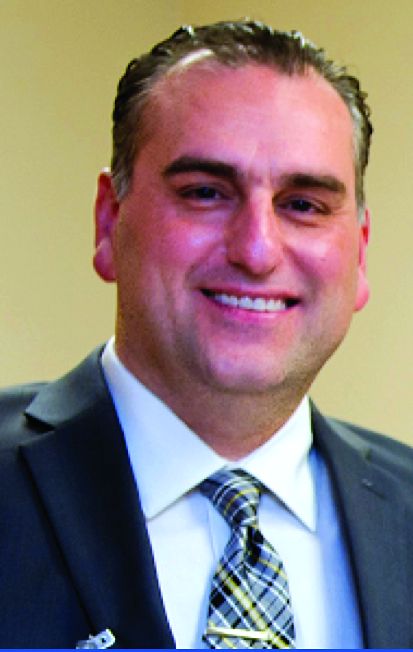
Still, “there can be a wide variation in median survival time, depending on clinical factors and tumor characteristics,” said study coauthor Harmik Soukiasian, MD, of Cedars-Sinai Medical Center, Los Angeles. “Given the variation in prognosis, it is quite astonishing that over 30% of MPM patients are not receiving any form of treatment. As clinicians armed with these data, we need to investigate why that is.”
Dr. Soukiasian presented the study findings at the annual meeting of the American Association for Thoracic Surgery.
MPM, a rare cancer, is mainly linked to asbestos exposure. “MPM is almost always a fatal disease, and the prognosis can only be modestly influenced by oncological treatments,” according to the authors of guidelines released in 2013. “The diagnostic process can be complex, with highly specialized advice frequently required to arrive at a definite diagnosis. Treatment varies from therapeutic nihilism to radical combined-modality treatment approaches” (J Thorac Dis. 2013 Dec;5[6]:E254-E307).
Surgical resection is a controversial treatment for MPM, Dr. Soukiasian said. It is “based on the principle of macroscopic resection of solid tumor with adjuvant therapy to treat micrometastatic disease,” he explained. “Cancer-directed surgery for MPM is usually reserved for localized epithelial type histology and is associated with a 5-year survival rate of 15%.”
For the new study, the investigators tracked 3,834 patients in the National Cancer Database (2004-2014) diagnosed with MPM clinical stages I-III. Most had epithelioid MPM (69%), with sarcomatoid (17%) and mixed subtype (15%) making up the rest. They examined whether patient treatment complied with the National Comprehensive Cancer Network (NCCN) guidelines, which recommend surgery in resectable epithelioid MPM.
“Our study revealed significant lack of compliance with NCCN guidelines, as well as many disparities in the management of MPM,” Dr. Soukiasian said. “For the overall cohort, 32.3% of patients did not receive any treatment, 18.1% had surgery plus chemotherapy, 38.6% chemotherapy alone, and only 7% received trimodality therapy. In patients with epithelial histology, surgery was significantly underutilized, with only 30% of patients receiving cancer-directed surgery.”
In addition, he said, “our study reveals several disparities that affect compliance with NCCN guidelines. Treatment disparities were observed in women, octogenarians, the uninsured, the Medicaid-insured, and in patients with comorbidities. Guideline adherence was significantly increased in academic and high-volume hospitals with an associated increase in survival.”
But the study also found that median survival estimates were similar regardless of treatment: 10 months for no treatment, 15 months for chemotherapy only, 17 months for surgery only, and 22 months for surgery plus chemotherapy.
During the AATS presentation, an audience member asked about how performance status – a measure of a person’s ability to perform everyday activities – affects the eligibility for surgery.
“It’s quite common for low performance status to exclude someone from surgery,” the audience member said. “Some of these patients are very sick.”
Dr. Soukiasian acknowledged that performance status was not included in the data. The study was focused on the gap between guidelines and real-world practice, and generated questions of why and about the potential opportunity for improved treatment of these patients.
How do patient choices, cost, and quality of life factor in? “These are very important questions and concerns,” Dr. Soukiasian said. “Although our research does not provide data or conclusions on quality of life or cost, these topics will be important to address in follow-up studies to elucidate possible barriers in the treatment of MPM and the initiation of future educational opportunities for our patients.”
No disclosures and no study funding were reported.
SOURCE: Espinoza-Mercado F et al. General Thoracic Surgery Simultaneous Scientific Session. Abstract 18.
SAN DIEGO – National guidelines for the treatment of malignant pleural mesothelioma often are not followed, a new study showed, with fewer than one-third of patients receiving cancer-directed surgery.
Another 32% received no treatment, although that didn’t seem to have an impact on median months of survival.
Still, “there can be a wide variation in median survival time, depending on clinical factors and tumor characteristics,” said study coauthor Harmik Soukiasian, MD, of Cedars-Sinai Medical Center, Los Angeles. “Given the variation in prognosis, it is quite astonishing that over 30% of MPM patients are not receiving any form of treatment. As clinicians armed with these data, we need to investigate why that is.”
Dr. Soukiasian presented the study findings at the annual meeting of the American Association for Thoracic Surgery.
MPM, a rare cancer, is mainly linked to asbestos exposure. “MPM is almost always a fatal disease, and the prognosis can only be modestly influenced by oncological treatments,” according to the authors of guidelines released in 2013. “The diagnostic process can be complex, with highly specialized advice frequently required to arrive at a definite diagnosis. Treatment varies from therapeutic nihilism to radical combined-modality treatment approaches” (J Thorac Dis. 2013 Dec;5[6]:E254-E307).
Surgical resection is a controversial treatment for MPM, Dr. Soukiasian said. It is “based on the principle of macroscopic resection of solid tumor with adjuvant therapy to treat micrometastatic disease,” he explained. “Cancer-directed surgery for MPM is usually reserved for localized epithelial type histology and is associated with a 5-year survival rate of 15%.”
For the new study, the investigators tracked 3,834 patients in the National Cancer Database (2004-2014) diagnosed with MPM clinical stages I-III. Most had epithelioid MPM (69%), with sarcomatoid (17%) and mixed subtype (15%) making up the rest. They examined whether patient treatment complied with the National Comprehensive Cancer Network (NCCN) guidelines, which recommend surgery in resectable epithelioid MPM.
“Our study revealed significant lack of compliance with NCCN guidelines, as well as many disparities in the management of MPM,” Dr. Soukiasian said. “For the overall cohort, 32.3% of patients did not receive any treatment, 18.1% had surgery plus chemotherapy, 38.6% chemotherapy alone, and only 7% received trimodality therapy. In patients with epithelial histology, surgery was significantly underutilized, with only 30% of patients receiving cancer-directed surgery.”
In addition, he said, “our study reveals several disparities that affect compliance with NCCN guidelines. Treatment disparities were observed in women, octogenarians, the uninsured, the Medicaid-insured, and in patients with comorbidities. Guideline adherence was significantly increased in academic and high-volume hospitals with an associated increase in survival.”
But the study also found that median survival estimates were similar regardless of treatment: 10 months for no treatment, 15 months for chemotherapy only, 17 months for surgery only, and 22 months for surgery plus chemotherapy.
During the AATS presentation, an audience member asked about how performance status – a measure of a person’s ability to perform everyday activities – affects the eligibility for surgery.
“It’s quite common for low performance status to exclude someone from surgery,” the audience member said. “Some of these patients are very sick.”
Dr. Soukiasian acknowledged that performance status was not included in the data. The study was focused on the gap between guidelines and real-world practice, and generated questions of why and about the potential opportunity for improved treatment of these patients.
How do patient choices, cost, and quality of life factor in? “These are very important questions and concerns,” Dr. Soukiasian said. “Although our research does not provide data or conclusions on quality of life or cost, these topics will be important to address in follow-up studies to elucidate possible barriers in the treatment of MPM and the initiation of future educational opportunities for our patients.”
No disclosures and no study funding were reported.
SOURCE: Espinoza-Mercado F et al. General Thoracic Surgery Simultaneous Scientific Session. Abstract 18.
SAN DIEGO – National guidelines for the treatment of malignant pleural mesothelioma often are not followed, a new study showed, with fewer than one-third of patients receiving cancer-directed surgery.
Another 32% received no treatment, although that didn’t seem to have an impact on median months of survival.
Still, “there can be a wide variation in median survival time, depending on clinical factors and tumor characteristics,” said study coauthor Harmik Soukiasian, MD, of Cedars-Sinai Medical Center, Los Angeles. “Given the variation in prognosis, it is quite astonishing that over 30% of MPM patients are not receiving any form of treatment. As clinicians armed with these data, we need to investigate why that is.”
Dr. Soukiasian presented the study findings at the annual meeting of the American Association for Thoracic Surgery.
MPM, a rare cancer, is mainly linked to asbestos exposure. “MPM is almost always a fatal disease, and the prognosis can only be modestly influenced by oncological treatments,” according to the authors of guidelines released in 2013. “The diagnostic process can be complex, with highly specialized advice frequently required to arrive at a definite diagnosis. Treatment varies from therapeutic nihilism to radical combined-modality treatment approaches” (J Thorac Dis. 2013 Dec;5[6]:E254-E307).
Surgical resection is a controversial treatment for MPM, Dr. Soukiasian said. It is “based on the principle of macroscopic resection of solid tumor with adjuvant therapy to treat micrometastatic disease,” he explained. “Cancer-directed surgery for MPM is usually reserved for localized epithelial type histology and is associated with a 5-year survival rate of 15%.”
For the new study, the investigators tracked 3,834 patients in the National Cancer Database (2004-2014) diagnosed with MPM clinical stages I-III. Most had epithelioid MPM (69%), with sarcomatoid (17%) and mixed subtype (15%) making up the rest. They examined whether patient treatment complied with the National Comprehensive Cancer Network (NCCN) guidelines, which recommend surgery in resectable epithelioid MPM.
“Our study revealed significant lack of compliance with NCCN guidelines, as well as many disparities in the management of MPM,” Dr. Soukiasian said. “For the overall cohort, 32.3% of patients did not receive any treatment, 18.1% had surgery plus chemotherapy, 38.6% chemotherapy alone, and only 7% received trimodality therapy. In patients with epithelial histology, surgery was significantly underutilized, with only 30% of patients receiving cancer-directed surgery.”
In addition, he said, “our study reveals several disparities that affect compliance with NCCN guidelines. Treatment disparities were observed in women, octogenarians, the uninsured, the Medicaid-insured, and in patients with comorbidities. Guideline adherence was significantly increased in academic and high-volume hospitals with an associated increase in survival.”
But the study also found that median survival estimates were similar regardless of treatment: 10 months for no treatment, 15 months for chemotherapy only, 17 months for surgery only, and 22 months for surgery plus chemotherapy.
During the AATS presentation, an audience member asked about how performance status – a measure of a person’s ability to perform everyday activities – affects the eligibility for surgery.
“It’s quite common for low performance status to exclude someone from surgery,” the audience member said. “Some of these patients are very sick.”
Dr. Soukiasian acknowledged that performance status was not included in the data. The study was focused on the gap between guidelines and real-world practice, and generated questions of why and about the potential opportunity for improved treatment of these patients.
How do patient choices, cost, and quality of life factor in? “These are very important questions and concerns,” Dr. Soukiasian said. “Although our research does not provide data or conclusions on quality of life or cost, these topics will be important to address in follow-up studies to elucidate possible barriers in the treatment of MPM and the initiation of future educational opportunities for our patients.”
No disclosures and no study funding were reported.
SOURCE: Espinoza-Mercado F et al. General Thoracic Surgery Simultaneous Scientific Session. Abstract 18.
REPORTING FROM THE AATS ANNUAL MEETING
Key clinical point:
Major finding: Guidelines recommend surgery in epithelioid MPM, but only 30% of patients received it.
Study details: Analysis of 3,834 patients diagnosed with MPM clinical stages I-III during 2004-2014.
Disclosures: No disclosures and no study funding were reported.
Source: Espinoza-Mercado F et al. General Thoracic Surgery Simultaneous Scientific Session. Abstract 18.
Novel x-ray score distinguishes psoriatic arthritis from osteoarthritis of the hand
LIVERPOOL, ENGLAND – A novel radiologic scoring system differentiated psoriatic arthritis (PsA) from nodal osteoarthritis (OA) of the hand in a pilot study.
“It’s a dilemma that’s faced, perhaps every couple of weeks, by most [rheumatologists]: Is it osteoarthritis or is it early psoriatic arthritis?” said Sardar Bahadur, MD, at the British Society for Rheumatology annual conference.
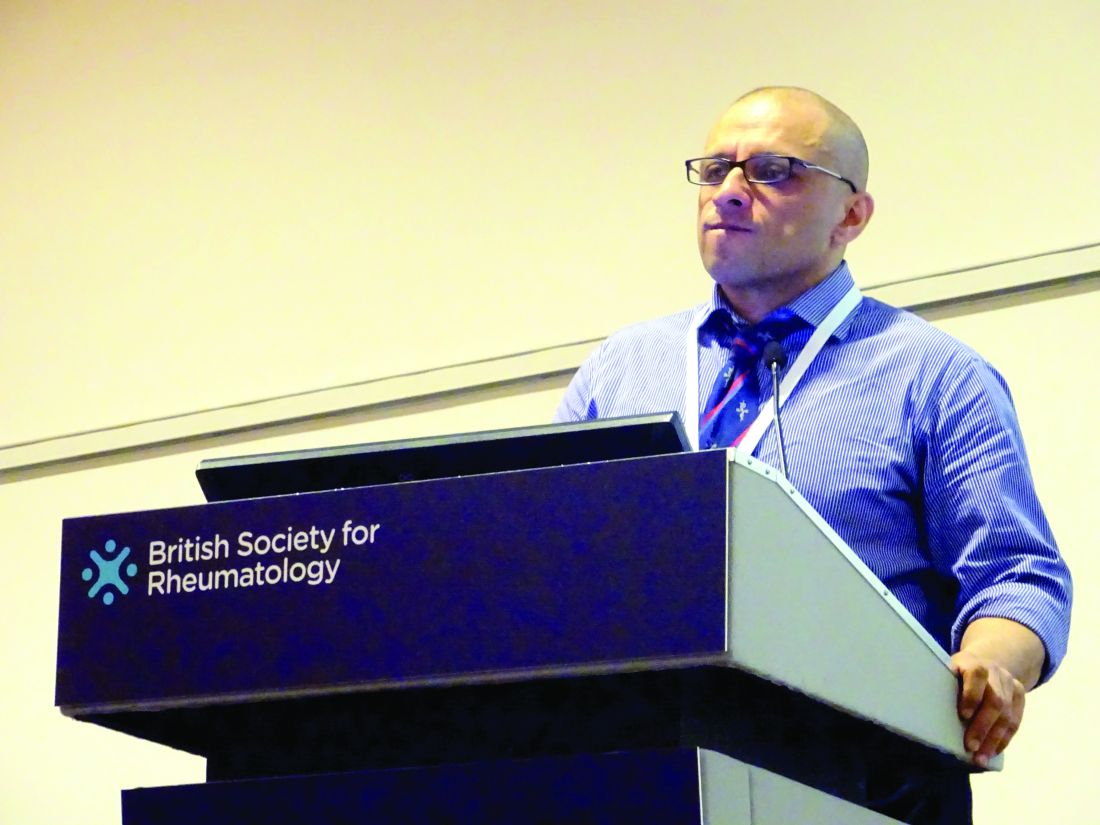
Both conditions are seen in daily practice, although the prevalence of hand OA is less frequent than knee OA. Approximately one in five of all adults in the United Kingdom have OA and 1%-2% have psoriasis. Of these, the prevalence of hand OA is about 11% and 0.1%-0.3% have psoriatic arthritis.
Being able to differentiate between the two conditions has important consequences for treatment, Dr. Bahadur said.
“Getting the diagnosis wrong could have major implications,” he said. “If you miss psoriatic arthritis, then potentially you are going to find irreversible joint damage causing pain and disability, and the opposite is also true, with misdiagnosis of osteoarthritis, with overuse of immunosuppression and all the cost implications as well as medicolegal consequences.”
Dr. Bahadur of the department of rehabilitation medicine and rheumatology at the Defence Medical Rehabilitation Centre Headley Court, in Epsom, England, added: “So early diagnosis is very important, it means early treatment, it means better care, potentially preventing serious and irreversible damage.”
Together with researchers at Guy’s and St Thomas’ NHS Trust, London, Dr. Bahadur hypothesized that changes in hand x-rays were distinct and could be reliably used to differentiate between the two conditions. They developed a scoring system for hand radiographs that looked at the differences in the interphalangeal joints, soft tissue, and bone features of patients with known OA or PsA.
Dr. Bahadur noted that the aim was to focus on plain film radiographs of the hands because these were inexpensive, universally accessible, did not rely on radiologists’ interpretation, and changes in the hands were known to occur in both OA and PsA.
A total of 99 sets of hand x-rays taken between 2008 and 2016 from 50 patients with OA and 49 patients with PsA were obtained. These were anonymized and then analyzed by a musculoskeletal radiologist using the scoring system the team had developed. The radiologist was unaware of the patients’ clinical status. The results were then compared to the clinical diagnosis.
The novel method of scoring each x-ray was then taught to two rheumatology and one radiology trainee during a 1-hour training session and were then asked to score the same radiographs.
Dr. Bahadur reported that the radiologist reported normal hand radiographs in five patients and, of the remaining 94 sets of left- and right-hand radiographs, the scoring system correctly allocated 100% of images to either PsA, OA, or rheumatoid arthritis (RA).
Of note was that the radiologist correctly identified two patients with nodal hand OA who later developed PsA several years later, and one patient with RA who was initially thought to have PsA.
“The system could be successfully used by nonradiologists,” Dr. Bahadur proposed. There was good agreement between the scoring system results and the clinical diagnosis then used by the trainees, with 88% and 67% of the radiographs correctly matched to the clinical diagnosis by the rheumatology trainees, and 70% for the radiology trainee.
Dr. Bahadur noted that the features that were consistently identified as being different between hand OA and PsA patients were soft tissue changes, such as dactylitis, as well as erosions, new bone formation, and other features such as subchondral surface changes and cysts.
The results of this single-center study show that the novel radiologic scoring system of hand radiographs was effective at differentiating patients with PsA from nodal OA.
“The ambition is to make this usable by nonradiologists,” Dr. Bahadur said. A multicenter trial would be the next step to look at the use of the scoring system.
Dr. Bahadur had no conflicts of interest to disclose.
SOURCE: Bahadur S et al. Rheumatology. 2018;57[Suppl. 3]:key075.184
LIVERPOOL, ENGLAND – A novel radiologic scoring system differentiated psoriatic arthritis (PsA) from nodal osteoarthritis (OA) of the hand in a pilot study.
“It’s a dilemma that’s faced, perhaps every couple of weeks, by most [rheumatologists]: Is it osteoarthritis or is it early psoriatic arthritis?” said Sardar Bahadur, MD, at the British Society for Rheumatology annual conference.
Both conditions are seen in daily practice, although the prevalence of hand OA is less frequent than knee OA. Approximately one in five of all adults in the United Kingdom have OA and 1%-2% have psoriasis. Of these, the prevalence of hand OA is about 11% and 0.1%-0.3% have psoriatic arthritis.
Being able to differentiate between the two conditions has important consequences for treatment, Dr. Bahadur said.
“Getting the diagnosis wrong could have major implications,” he said. “If you miss psoriatic arthritis, then potentially you are going to find irreversible joint damage causing pain and disability, and the opposite is also true, with misdiagnosis of osteoarthritis, with overuse of immunosuppression and all the cost implications as well as medicolegal consequences.”
Dr. Bahadur of the department of rehabilitation medicine and rheumatology at the Defence Medical Rehabilitation Centre Headley Court, in Epsom, England, added: “So early diagnosis is very important, it means early treatment, it means better care, potentially preventing serious and irreversible damage.”
Together with researchers at Guy’s and St Thomas’ NHS Trust, London, Dr. Bahadur hypothesized that changes in hand x-rays were distinct and could be reliably used to differentiate between the two conditions. They developed a scoring system for hand radiographs that looked at the differences in the interphalangeal joints, soft tissue, and bone features of patients with known OA or PsA.
Dr. Bahadur noted that the aim was to focus on plain film radiographs of the hands because these were inexpensive, universally accessible, did not rely on radiologists’ interpretation, and changes in the hands were known to occur in both OA and PsA.
A total of 99 sets of hand x-rays taken between 2008 and 2016 from 50 patients with OA and 49 patients with PsA were obtained. These were anonymized and then analyzed by a musculoskeletal radiologist using the scoring system the team had developed. The radiologist was unaware of the patients’ clinical status. The results were then compared to the clinical diagnosis.
The novel method of scoring each x-ray was then taught to two rheumatology and one radiology trainee during a 1-hour training session and were then asked to score the same radiographs.
Dr. Bahadur reported that the radiologist reported normal hand radiographs in five patients and, of the remaining 94 sets of left- and right-hand radiographs, the scoring system correctly allocated 100% of images to either PsA, OA, or rheumatoid arthritis (RA).
Of note was that the radiologist correctly identified two patients with nodal hand OA who later developed PsA several years later, and one patient with RA who was initially thought to have PsA.
“The system could be successfully used by nonradiologists,” Dr. Bahadur proposed. There was good agreement between the scoring system results and the clinical diagnosis then used by the trainees, with 88% and 67% of the radiographs correctly matched to the clinical diagnosis by the rheumatology trainees, and 70% for the radiology trainee.
Dr. Bahadur noted that the features that were consistently identified as being different between hand OA and PsA patients were soft tissue changes, such as dactylitis, as well as erosions, new bone formation, and other features such as subchondral surface changes and cysts.
The results of this single-center study show that the novel radiologic scoring system of hand radiographs was effective at differentiating patients with PsA from nodal OA.
“The ambition is to make this usable by nonradiologists,” Dr. Bahadur said. A multicenter trial would be the next step to look at the use of the scoring system.
Dr. Bahadur had no conflicts of interest to disclose.
SOURCE: Bahadur S et al. Rheumatology. 2018;57[Suppl. 3]:key075.184
LIVERPOOL, ENGLAND – A novel radiologic scoring system differentiated psoriatic arthritis (PsA) from nodal osteoarthritis (OA) of the hand in a pilot study.
“It’s a dilemma that’s faced, perhaps every couple of weeks, by most [rheumatologists]: Is it osteoarthritis or is it early psoriatic arthritis?” said Sardar Bahadur, MD, at the British Society for Rheumatology annual conference.
Both conditions are seen in daily practice, although the prevalence of hand OA is less frequent than knee OA. Approximately one in five of all adults in the United Kingdom have OA and 1%-2% have psoriasis. Of these, the prevalence of hand OA is about 11% and 0.1%-0.3% have psoriatic arthritis.
Being able to differentiate between the two conditions has important consequences for treatment, Dr. Bahadur said.
“Getting the diagnosis wrong could have major implications,” he said. “If you miss psoriatic arthritis, then potentially you are going to find irreversible joint damage causing pain and disability, and the opposite is also true, with misdiagnosis of osteoarthritis, with overuse of immunosuppression and all the cost implications as well as medicolegal consequences.”
Dr. Bahadur of the department of rehabilitation medicine and rheumatology at the Defence Medical Rehabilitation Centre Headley Court, in Epsom, England, added: “So early diagnosis is very important, it means early treatment, it means better care, potentially preventing serious and irreversible damage.”
Together with researchers at Guy’s and St Thomas’ NHS Trust, London, Dr. Bahadur hypothesized that changes in hand x-rays were distinct and could be reliably used to differentiate between the two conditions. They developed a scoring system for hand radiographs that looked at the differences in the interphalangeal joints, soft tissue, and bone features of patients with known OA or PsA.
Dr. Bahadur noted that the aim was to focus on plain film radiographs of the hands because these were inexpensive, universally accessible, did not rely on radiologists’ interpretation, and changes in the hands were known to occur in both OA and PsA.
A total of 99 sets of hand x-rays taken between 2008 and 2016 from 50 patients with OA and 49 patients with PsA were obtained. These were anonymized and then analyzed by a musculoskeletal radiologist using the scoring system the team had developed. The radiologist was unaware of the patients’ clinical status. The results were then compared to the clinical diagnosis.
The novel method of scoring each x-ray was then taught to two rheumatology and one radiology trainee during a 1-hour training session and were then asked to score the same radiographs.
Dr. Bahadur reported that the radiologist reported normal hand radiographs in five patients and, of the remaining 94 sets of left- and right-hand radiographs, the scoring system correctly allocated 100% of images to either PsA, OA, or rheumatoid arthritis (RA).
Of note was that the radiologist correctly identified two patients with nodal hand OA who later developed PsA several years later, and one patient with RA who was initially thought to have PsA.
“The system could be successfully used by nonradiologists,” Dr. Bahadur proposed. There was good agreement between the scoring system results and the clinical diagnosis then used by the trainees, with 88% and 67% of the radiographs correctly matched to the clinical diagnosis by the rheumatology trainees, and 70% for the radiology trainee.
Dr. Bahadur noted that the features that were consistently identified as being different between hand OA and PsA patients were soft tissue changes, such as dactylitis, as well as erosions, new bone formation, and other features such as subchondral surface changes and cysts.
The results of this single-center study show that the novel radiologic scoring system of hand radiographs was effective at differentiating patients with PsA from nodal OA.
“The ambition is to make this usable by nonradiologists,” Dr. Bahadur said. A multicenter trial would be the next step to look at the use of the scoring system.
Dr. Bahadur had no conflicts of interest to disclose.
SOURCE: Bahadur S et al. Rheumatology. 2018;57[Suppl. 3]:key075.184
REPORTING FROM RHEUMATOLOGY 2018
Key clinical point:
Major finding: Using the scoring system, 100% of images were correctly allocated to PsA, OA, or RA.
Study details: Single center pilot study assessing 99 x-rays of both hands taken between 2008 and 2016 of patients with OA (n = 50) or PsA (n = 49).
Disclosures: Dr. Bahadur had no conflicts of interest to disclose.
Source: Bahadur S et al., Rheumatology. 2018;57[Suppl. 3]:key075.184
Patidegib, the first topical hedgehog inhibitor, scores in Gorlin syndrome
CHICAGO – in a phase 2 study, and did so without causing the problematic adverse events that prompt many Gorlin patients to discontinue systemic hedgehog inhibitor drugs, Ervin Epstein Jr., MD, said at the annual meeting of the American College of Mohs Surgery.
He characterized patidegib, a small-molecule cyclopamine derivative, as “a Goldilocks drug, a topical hedgehog inhibitor with percutaneous absorption that’s just right: sufficient to have anti-hedgehog and anti–basal cell carcinoma efficacy, but not enough to cause systemic exposure or systemic adverse events.”

A complete response – tumor clinical disappearance – occurred in 25% of the BCCs in the two active treatment arms. In contrast, none of the BCCs in the control group cleared. Patients on patidegib developed one or more new surgically eligible BCCs after study week 2 at a rate of 0.4 tumors per patient, markedly less than the rate of 1.4 tumors per patient in controls.
“We think that prevention is really the place to go with this drug,” said Dr. Epstein, cofounder and chief medical officer at PellePharm, the company based in Menlo Park, Calif., that is developing patidegib.
Indeed, he envisions patidegib gel as lifetime therapy for Gorlin patients.
Tumor shrinkage was significantly greater with 2% patidegib than with the 4% concentration. But so was treatment adherence: Patients in the 2% patidegib arm missed on average just 2 days of therapy over the course of 6 months, while those in the 4% arm missed 50 days. Dr. Epstein attributed this discrepancy to a freak of randomization that can occur in such a small study: 5 of 6 patients in the 2% patidegib group were women, while most in the 4% arm were men. And the men were far less adherent to treatment, possibly because men are less accustomed to applying a product on their face daily, he noted.
In any case, it’s the 2% gel formulation that is moving on to a phase 3, double-blind, randomized trial. The 150-patient U.S. and European study, scheduled to start this summer, will have as its primary endpoint the rate of new BCCs over the course of 1 year. The Food and Drug Administration has granted topical patidegib Breakthrough Drug and Orphan Drug status.
Dr. Epstein said that, in the phase 2 study, BCC shrinkage occurred only in patients whose hedgehog pathway activity decreased after 6 weeks of topical therapy as evidenced by a reduction in the GLI1 mRNA biomarker. Of note, circulating blood levels of patidegib in study participants were more than 500-fold lower than when the drug is given orally. And of greatest importance, rates of the hallmark side effects of oral hedgehog inhibitor therapy that cause so many patients to discontinue therapy – muscle cramps, taste loss, and hair loss – were no different in patients on patidegib gel than in those on placebo.
“In the randomized trial of vismodegib [Erivedge], half of patients stopped taking it within 1 year despite good results. And indeed, when they stopped taking the drug, the basal cell carcinomas returned,” the dermatologist noted.
Dr. Epstein is an employee of PellePharm, which is developing patidegib. Dermatologists with patients with Gorlin syndrome who are interested in participating in the phase 3 trial can contact him at [email protected].
CHICAGO – in a phase 2 study, and did so without causing the problematic adverse events that prompt many Gorlin patients to discontinue systemic hedgehog inhibitor drugs, Ervin Epstein Jr., MD, said at the annual meeting of the American College of Mohs Surgery.
He characterized patidegib, a small-molecule cyclopamine derivative, as “a Goldilocks drug, a topical hedgehog inhibitor with percutaneous absorption that’s just right: sufficient to have anti-hedgehog and anti–basal cell carcinoma efficacy, but not enough to cause systemic exposure or systemic adverse events.”
A complete response – tumor clinical disappearance – occurred in 25% of the BCCs in the two active treatment arms. In contrast, none of the BCCs in the control group cleared. Patients on patidegib developed one or more new surgically eligible BCCs after study week 2 at a rate of 0.4 tumors per patient, markedly less than the rate of 1.4 tumors per patient in controls.
“We think that prevention is really the place to go with this drug,” said Dr. Epstein, cofounder and chief medical officer at PellePharm, the company based in Menlo Park, Calif., that is developing patidegib.
Indeed, he envisions patidegib gel as lifetime therapy for Gorlin patients.
Tumor shrinkage was significantly greater with 2% patidegib than with the 4% concentration. But so was treatment adherence: Patients in the 2% patidegib arm missed on average just 2 days of therapy over the course of 6 months, while those in the 4% arm missed 50 days. Dr. Epstein attributed this discrepancy to a freak of randomization that can occur in such a small study: 5 of 6 patients in the 2% patidegib group were women, while most in the 4% arm were men. And the men were far less adherent to treatment, possibly because men are less accustomed to applying a product on their face daily, he noted.
In any case, it’s the 2% gel formulation that is moving on to a phase 3, double-blind, randomized trial. The 150-patient U.S. and European study, scheduled to start this summer, will have as its primary endpoint the rate of new BCCs over the course of 1 year. The Food and Drug Administration has granted topical patidegib Breakthrough Drug and Orphan Drug status.
Dr. Epstein said that, in the phase 2 study, BCC shrinkage occurred only in patients whose hedgehog pathway activity decreased after 6 weeks of topical therapy as evidenced by a reduction in the GLI1 mRNA biomarker. Of note, circulating blood levels of patidegib in study participants were more than 500-fold lower than when the drug is given orally. And of greatest importance, rates of the hallmark side effects of oral hedgehog inhibitor therapy that cause so many patients to discontinue therapy – muscle cramps, taste loss, and hair loss – were no different in patients on patidegib gel than in those on placebo.
“In the randomized trial of vismodegib [Erivedge], half of patients stopped taking it within 1 year despite good results. And indeed, when they stopped taking the drug, the basal cell carcinomas returned,” the dermatologist noted.
Dr. Epstein is an employee of PellePharm, which is developing patidegib. Dermatologists with patients with Gorlin syndrome who are interested in participating in the phase 3 trial can contact him at [email protected].
CHICAGO – in a phase 2 study, and did so without causing the problematic adverse events that prompt many Gorlin patients to discontinue systemic hedgehog inhibitor drugs, Ervin Epstein Jr., MD, said at the annual meeting of the American College of Mohs Surgery.
He characterized patidegib, a small-molecule cyclopamine derivative, as “a Goldilocks drug, a topical hedgehog inhibitor with percutaneous absorption that’s just right: sufficient to have anti-hedgehog and anti–basal cell carcinoma efficacy, but not enough to cause systemic exposure or systemic adverse events.”
A complete response – tumor clinical disappearance – occurred in 25% of the BCCs in the two active treatment arms. In contrast, none of the BCCs in the control group cleared. Patients on patidegib developed one or more new surgically eligible BCCs after study week 2 at a rate of 0.4 tumors per patient, markedly less than the rate of 1.4 tumors per patient in controls.
“We think that prevention is really the place to go with this drug,” said Dr. Epstein, cofounder and chief medical officer at PellePharm, the company based in Menlo Park, Calif., that is developing patidegib.
Indeed, he envisions patidegib gel as lifetime therapy for Gorlin patients.
Tumor shrinkage was significantly greater with 2% patidegib than with the 4% concentration. But so was treatment adherence: Patients in the 2% patidegib arm missed on average just 2 days of therapy over the course of 6 months, while those in the 4% arm missed 50 days. Dr. Epstein attributed this discrepancy to a freak of randomization that can occur in such a small study: 5 of 6 patients in the 2% patidegib group were women, while most in the 4% arm were men. And the men were far less adherent to treatment, possibly because men are less accustomed to applying a product on their face daily, he noted.
In any case, it’s the 2% gel formulation that is moving on to a phase 3, double-blind, randomized trial. The 150-patient U.S. and European study, scheduled to start this summer, will have as its primary endpoint the rate of new BCCs over the course of 1 year. The Food and Drug Administration has granted topical patidegib Breakthrough Drug and Orphan Drug status.
Dr. Epstein said that, in the phase 2 study, BCC shrinkage occurred only in patients whose hedgehog pathway activity decreased after 6 weeks of topical therapy as evidenced by a reduction in the GLI1 mRNA biomarker. Of note, circulating blood levels of patidegib in study participants were more than 500-fold lower than when the drug is given orally. And of greatest importance, rates of the hallmark side effects of oral hedgehog inhibitor therapy that cause so many patients to discontinue therapy – muscle cramps, taste loss, and hair loss – were no different in patients on patidegib gel than in those on placebo.
“In the randomized trial of vismodegib [Erivedge], half of patients stopped taking it within 1 year despite good results. And indeed, when they stopped taking the drug, the basal cell carcinomas returned,” the dermatologist noted.
Dr. Epstein is an employee of PellePharm, which is developing patidegib. Dermatologists with patients with Gorlin syndrome who are interested in participating in the phase 3 trial can contact him at [email protected].
REPORTING FROM THE ACMS ANNUAL MEETING
Sulforaphane for autism? Maybe
LOS ANGELES –
Sulforaphane is a compound in cruciferous vegetables, especially 3-day-old broccoli sprouts. It’s sold widely online and in stores, often as broccoli sprout extract, for anticancer and other effects.
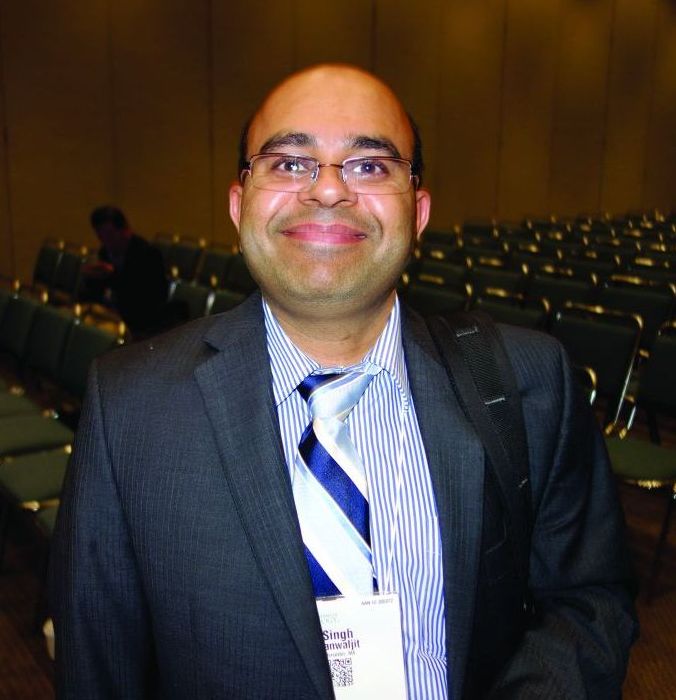
The idea of using it for autism came about after investigators noticed that, in the lab, it induced some of the cellular changes associated with fever, including upregulation of heat shock proteins, according to Kanwaljit Singh, MD, a pediatrics instructor at the University of Massachusetts, Worcester.
Fever has been reported to improve autism symptoms. So, several years ago, “we decided to do a pilot study with sulforaphane” to see if it had a similar effect, Dr. Singh said at the annual meeting of the American Academy of Neurology.
At 18 weeks, 29 young autistic men randomized to the supplement outperformed 15 randomized to placebo on the Aberrant Behavior Checklist and other measures. It was the first study of sulforaphane for autism, and it got a good deal of press attention when it was published in 2014; Dr. Singh was the lead author (Proc Natl Acad Sci U S A. 2014 Oct 28;111[43]:15550-5).
“Because we had a very good signal in our pilot study, we decided to do a slightly larger, slightly more complex clinical trial, which is ongoing right now,” he said. The results aren’t due until the second half of 2018, but he gave an interim report at the meeting.
There are 50 children with autism in the new study, aged 3-12 years. Half are randomized to sulforaphane, half to placebo, for the first 15 weeks, then all are switched to open-label sulforaphane for 15 weeks more, followed by a 6-week washout period.
The randomized portion is still blinded. But so far, 31% have responded positively at 15 weeks, meaning a much or very much improved score in at least two domains on the Ohio Autism Clinical Global Impressions Scale; domains cover social interaction, violent behavior, communication, and other areas.
Among the patients who have completed the study, the response rate at week 30 almost doubled, to 56%. “We don’t know which patients were on sulforaphane and which were on placebo” in the randomized phase, Dr. Singh said. “But we think because the response doubled” when the second half of the children were switched to sulforaphane, “there should probably not be a very large placebo effect here.”
Meanwhile, after the washout period, “some patients still do well, but many more [go] back to baseline,” added Dr. Singh, the senior investigator in the new trial.
The most common side effects are insomnia (28%), vomiting (19%), flatulence (17%), diarrhea (15%), and constipation (13%). A few patients have dropped out because of insomnia and diarrhea; more have dropped out because they simply didn’t want to take the pills – 125 mg of broccoli seed powder three to eight times a day, depending on weight.
Other groups are looking into sulforaphane, too – not just for autism, but also for schizophrenia, prostate cancer, and other indications.
The U.S. Department of Defense is funding the research. The investigators said they have no relevant disclosures.
SOURCE: Zimmerman A et al. Neurology. 2018 Apr 22; 90(15 Suppl.):N1.002.
LOS ANGELES –
Sulforaphane is a compound in cruciferous vegetables, especially 3-day-old broccoli sprouts. It’s sold widely online and in stores, often as broccoli sprout extract, for anticancer and other effects.
The idea of using it for autism came about after investigators noticed that, in the lab, it induced some of the cellular changes associated with fever, including upregulation of heat shock proteins, according to Kanwaljit Singh, MD, a pediatrics instructor at the University of Massachusetts, Worcester.
Fever has been reported to improve autism symptoms. So, several years ago, “we decided to do a pilot study with sulforaphane” to see if it had a similar effect, Dr. Singh said at the annual meeting of the American Academy of Neurology.
At 18 weeks, 29 young autistic men randomized to the supplement outperformed 15 randomized to placebo on the Aberrant Behavior Checklist and other measures. It was the first study of sulforaphane for autism, and it got a good deal of press attention when it was published in 2014; Dr. Singh was the lead author (Proc Natl Acad Sci U S A. 2014 Oct 28;111[43]:15550-5).
“Because we had a very good signal in our pilot study, we decided to do a slightly larger, slightly more complex clinical trial, which is ongoing right now,” he said. The results aren’t due until the second half of 2018, but he gave an interim report at the meeting.
There are 50 children with autism in the new study, aged 3-12 years. Half are randomized to sulforaphane, half to placebo, for the first 15 weeks, then all are switched to open-label sulforaphane for 15 weeks more, followed by a 6-week washout period.
The randomized portion is still blinded. But so far, 31% have responded positively at 15 weeks, meaning a much or very much improved score in at least two domains on the Ohio Autism Clinical Global Impressions Scale; domains cover social interaction, violent behavior, communication, and other areas.
Among the patients who have completed the study, the response rate at week 30 almost doubled, to 56%. “We don’t know which patients were on sulforaphane and which were on placebo” in the randomized phase, Dr. Singh said. “But we think because the response doubled” when the second half of the children were switched to sulforaphane, “there should probably not be a very large placebo effect here.”
Meanwhile, after the washout period, “some patients still do well, but many more [go] back to baseline,” added Dr. Singh, the senior investigator in the new trial.
The most common side effects are insomnia (28%), vomiting (19%), flatulence (17%), diarrhea (15%), and constipation (13%). A few patients have dropped out because of insomnia and diarrhea; more have dropped out because they simply didn’t want to take the pills – 125 mg of broccoli seed powder three to eight times a day, depending on weight.
Other groups are looking into sulforaphane, too – not just for autism, but also for schizophrenia, prostate cancer, and other indications.
The U.S. Department of Defense is funding the research. The investigators said they have no relevant disclosures.
SOURCE: Zimmerman A et al. Neurology. 2018 Apr 22; 90(15 Suppl.):N1.002.
LOS ANGELES –
Sulforaphane is a compound in cruciferous vegetables, especially 3-day-old broccoli sprouts. It’s sold widely online and in stores, often as broccoli sprout extract, for anticancer and other effects.
The idea of using it for autism came about after investigators noticed that, in the lab, it induced some of the cellular changes associated with fever, including upregulation of heat shock proteins, according to Kanwaljit Singh, MD, a pediatrics instructor at the University of Massachusetts, Worcester.
Fever has been reported to improve autism symptoms. So, several years ago, “we decided to do a pilot study with sulforaphane” to see if it had a similar effect, Dr. Singh said at the annual meeting of the American Academy of Neurology.
At 18 weeks, 29 young autistic men randomized to the supplement outperformed 15 randomized to placebo on the Aberrant Behavior Checklist and other measures. It was the first study of sulforaphane for autism, and it got a good deal of press attention when it was published in 2014; Dr. Singh was the lead author (Proc Natl Acad Sci U S A. 2014 Oct 28;111[43]:15550-5).
“Because we had a very good signal in our pilot study, we decided to do a slightly larger, slightly more complex clinical trial, which is ongoing right now,” he said. The results aren’t due until the second half of 2018, but he gave an interim report at the meeting.
There are 50 children with autism in the new study, aged 3-12 years. Half are randomized to sulforaphane, half to placebo, for the first 15 weeks, then all are switched to open-label sulforaphane for 15 weeks more, followed by a 6-week washout period.
The randomized portion is still blinded. But so far, 31% have responded positively at 15 weeks, meaning a much or very much improved score in at least two domains on the Ohio Autism Clinical Global Impressions Scale; domains cover social interaction, violent behavior, communication, and other areas.
Among the patients who have completed the study, the response rate at week 30 almost doubled, to 56%. “We don’t know which patients were on sulforaphane and which were on placebo” in the randomized phase, Dr. Singh said. “But we think because the response doubled” when the second half of the children were switched to sulforaphane, “there should probably not be a very large placebo effect here.”
Meanwhile, after the washout period, “some patients still do well, but many more [go] back to baseline,” added Dr. Singh, the senior investigator in the new trial.
The most common side effects are insomnia (28%), vomiting (19%), flatulence (17%), diarrhea (15%), and constipation (13%). A few patients have dropped out because of insomnia and diarrhea; more have dropped out because they simply didn’t want to take the pills – 125 mg of broccoli seed powder three to eight times a day, depending on weight.
Other groups are looking into sulforaphane, too – not just for autism, but also for schizophrenia, prostate cancer, and other indications.
The U.S. Department of Defense is funding the research. The investigators said they have no relevant disclosures.
SOURCE: Zimmerman A et al. Neurology. 2018 Apr 22; 90(15 Suppl.):N1.002.
REPORTING FROM AAN 2018
Key clinical point: The dietary supplement is showing benefit in an ongoing trial, but there are a lot of pills.
Major finding: The response rate at 30 weeks was 56%.
Study details: A randomized trial involving 50 children with autism.
Disclosures: The U.S. Department of Defense is funding the research. The investigators said they have no relevant disclosures.
Source: Zimmerman A et al. Neurology. 2018 Apr;90(15 Suppl.):N1.002.
Adjuvant trastuzumab for breast cancer: 6 months may suffice
Shortening the duration of adjuvant trastuzumab (Herceptin) therapy for early-stage HER2+ breast cancer from the current standard of 12 months to 6 months yields similar efficacy but halves the incidence of cardiac toxicity, the PERSEPHONE trial found.
“In 2005, trastuzumab was licensed with a standard of three weekly injections for 12 months, and this was the duration used empirically in pivotal registration studies,” lead study author Helena Earl, MD, professor of clinical cancer medicine at the University of Cambridge, England, said in a press briefing leading up to the annual meeting of the American Society of Clinical Oncology.
However, cardiac toxicity has been particularly problematic with this regimen. Furthermore, the Fin-HER trial, while small, suggested that only 9 weeks of adjuvant trastuzumab was possibly as efficacious (N Engl J Med. 2006 Feb;354[8]:809-20).
Dr. Earl and her coinvestigators enrolled in their phase 3 noninferiority, randomized, controlled trial 4,089 women with early-stage HER2+ breast cancer, randomizing them to either 6 months or 12 months of trastuzumab, mapped onto standard U.K. real-world practice.
The main findings showed that the 4-year rate of disease-free survival, the trial’s primary endpoint, was nearly 90% in both groups, with the absolute difference of just 0.4% falling well within the predefined 3% margin for noninferiority.
Moreover, the rate of stopping trastuzumab because of cardiotoxicity was half as high with the shorter-duration therapy; patients in that arm had more rapid recovery of cardiac function, too.
“The PERSEPHONE trial’s first results demonstrate that 6 months of adjuvant trastuzumab is noninferior to 12 months; 6 months, compared with 12 months, of treatment reduces cardiac and other toxicities and costs both to patients and health care systems,” Dr. Earl summarized. “We are confident [these results] will mark the first steps towards reduction of treatment duration for many women with HER2+ breast cancer.”
The investigators are still analyzing quality of life, patient-reported outcomes, and health economic data, she said. In addition, they are performing translational studies to look for biomarkers that may identify subgroups who fare better with one or the other duration of trastuzumab.
Will the standard change?
At present, the PERSEPHONE findings are not sufficient to change the existing standard of care of 12 months of adjuvant trastuzumab, according to Dr. Earl. “We need to be very careful and cautious about coming out at this point and saying, ‘Yes, 6 months is enough,’ ” she maintained. “At the moment, I do think we need to wait for longer follow-up and we need to take a real close look at the data. Changing from an established treatment that works is always going to be a very complex and very challenging thing to do.”
“Personally, I find the results quite compelling, and I think that it is likely that they will signal a shift even in the U.S. oncology community toward shorter duration of Herceptin adjuvant therapy,” commented Richard L. Schilsky, MD, FACP, FASCO, chief medical officer of ASCO and press briefing moderator. However, “we don’t have data yet on overall survival. Survival in this study is still relatively short for a breast cancer population, although patients with HER2+ disease oftentimes have a somewhat more aggressive course,” he noted. In addition, the ongoing translational studies will be critical to any decisions about changing the standard of care because some subgroups of patients will probably not fare as well with the shorter-duration therapy.
U.S. payers are unlikely to start covering only 6 months of trastuzumab unless the drug’s label is changed based on new data or clinical practice guidelines begin to endorse that shorter duration, according to Dr. Schilsky. “Until one of those things occurs, there is not really a rationale for a payer to mandate that a physician undertake a course of treatment that they may not think is in the patient’s best interest,” he elaborated.
As roughly 12% to 15% of women with early breast cancer have HER2+ disease, the PERSEPHONE findings could have considerable implications for treatment costs, noted Bruce E. Johnson, MD, FASCO, president of ASCO.
However, longer follow-up will be needed before any change to the standard is made, he agreed. “One has to be circumspect about how long you wait and how much more data one has before making a definitive statement. With 8% deaths and 12% recurrences, it may be a bit early to make a definite change in practice.”
While important, the more favorable safety of the 6-month therapy is not sufficient, according to Dr. Johnson, who is also a professor of medicine at the Dana-Farber Cancer Institute and a leader of the Dana-Farber/Harvard Cancer Center Lung Cancer Program, both in Boston. “In my opinion, the efficacy drives most of the therapeutic decision making. We are encouraged by this, and 5-year follow-up is certainly a reasonable initial step. But to be sure of the efficacy, you probably need a bit more time and a few more events,” he explained.
Study details
Patients enrolled in PERSEPHONE had stage Ia to IIIa breast cancer. They were randomized evenly to either 6 months (9 cycles) or 12 months (18 cycles) of adjuvant trastuzumab, given with or after completion of chemotherapy.
Main results showed that the 4-year rate of disease-free survival was 89.8% with 12 months of trastuzumab and 89.4% with 6 months of trastuzumab (hazard ratio, 1.07; P for noninferiority = .01), Dr. Earl reported.
Cardiotoxicity data for the trial population, previously reported (Br J Cancer. 2016 Dec 6;115[12]:1462-70), showed that the rate of stopping trastuzumab because of this adverse effect was 8% with the standard-duration therapy and 4% with the shorter-duration therapy (P less than .0001). Patients saw recovery of cardiac function after stopping the drug (P less than .0001), with more rapid recovery in the shorter-duration group (P = .02).
The group given 6 months of trastuzumab also had lower rates of grade 3 or 4 cough, fatigue, pain, chills, and palpitations, problems which patients reported were having an impact on their lives, Dr. Earl noted. “Perhaps more importantly, patients given 6 months of treatment will be able to return more quickly to their normal lives once their treatment is completed.”
Dr. Earl disclosed that she has a consulting or advisory role with Celgene, Pfizer, Roche, and AstraZeneca; receives travel, accommodations, or expenses, and receives honoraria from Pfizer, Daiichi Sankyo, Amgen, and AstraZeneca; and receives research funding from Roche and Sanofi Pasteur. The study was funded by the National Institute for Health Research in the United Kingdom.
SOURCE: Earl H et al. ASCO 2018, Abstract 506.
Shortening the duration of adjuvant trastuzumab (Herceptin) therapy for early-stage HER2+ breast cancer from the current standard of 12 months to 6 months yields similar efficacy but halves the incidence of cardiac toxicity, the PERSEPHONE trial found.
“In 2005, trastuzumab was licensed with a standard of three weekly injections for 12 months, and this was the duration used empirically in pivotal registration studies,” lead study author Helena Earl, MD, professor of clinical cancer medicine at the University of Cambridge, England, said in a press briefing leading up to the annual meeting of the American Society of Clinical Oncology.
However, cardiac toxicity has been particularly problematic with this regimen. Furthermore, the Fin-HER trial, while small, suggested that only 9 weeks of adjuvant trastuzumab was possibly as efficacious (N Engl J Med. 2006 Feb;354[8]:809-20).
Dr. Earl and her coinvestigators enrolled in their phase 3 noninferiority, randomized, controlled trial 4,089 women with early-stage HER2+ breast cancer, randomizing them to either 6 months or 12 months of trastuzumab, mapped onto standard U.K. real-world practice.
The main findings showed that the 4-year rate of disease-free survival, the trial’s primary endpoint, was nearly 90% in both groups, with the absolute difference of just 0.4% falling well within the predefined 3% margin for noninferiority.
Moreover, the rate of stopping trastuzumab because of cardiotoxicity was half as high with the shorter-duration therapy; patients in that arm had more rapid recovery of cardiac function, too.
“The PERSEPHONE trial’s first results demonstrate that 6 months of adjuvant trastuzumab is noninferior to 12 months; 6 months, compared with 12 months, of treatment reduces cardiac and other toxicities and costs both to patients and health care systems,” Dr. Earl summarized. “We are confident [these results] will mark the first steps towards reduction of treatment duration for many women with HER2+ breast cancer.”
The investigators are still analyzing quality of life, patient-reported outcomes, and health economic data, she said. In addition, they are performing translational studies to look for biomarkers that may identify subgroups who fare better with one or the other duration of trastuzumab.
Will the standard change?
At present, the PERSEPHONE findings are not sufficient to change the existing standard of care of 12 months of adjuvant trastuzumab, according to Dr. Earl. “We need to be very careful and cautious about coming out at this point and saying, ‘Yes, 6 months is enough,’ ” she maintained. “At the moment, I do think we need to wait for longer follow-up and we need to take a real close look at the data. Changing from an established treatment that works is always going to be a very complex and very challenging thing to do.”
“Personally, I find the results quite compelling, and I think that it is likely that they will signal a shift even in the U.S. oncology community toward shorter duration of Herceptin adjuvant therapy,” commented Richard L. Schilsky, MD, FACP, FASCO, chief medical officer of ASCO and press briefing moderator. However, “we don’t have data yet on overall survival. Survival in this study is still relatively short for a breast cancer population, although patients with HER2+ disease oftentimes have a somewhat more aggressive course,” he noted. In addition, the ongoing translational studies will be critical to any decisions about changing the standard of care because some subgroups of patients will probably not fare as well with the shorter-duration therapy.
U.S. payers are unlikely to start covering only 6 months of trastuzumab unless the drug’s label is changed based on new data or clinical practice guidelines begin to endorse that shorter duration, according to Dr. Schilsky. “Until one of those things occurs, there is not really a rationale for a payer to mandate that a physician undertake a course of treatment that they may not think is in the patient’s best interest,” he elaborated.
As roughly 12% to 15% of women with early breast cancer have HER2+ disease, the PERSEPHONE findings could have considerable implications for treatment costs, noted Bruce E. Johnson, MD, FASCO, president of ASCO.
However, longer follow-up will be needed before any change to the standard is made, he agreed. “One has to be circumspect about how long you wait and how much more data one has before making a definitive statement. With 8% deaths and 12% recurrences, it may be a bit early to make a definite change in practice.”
While important, the more favorable safety of the 6-month therapy is not sufficient, according to Dr. Johnson, who is also a professor of medicine at the Dana-Farber Cancer Institute and a leader of the Dana-Farber/Harvard Cancer Center Lung Cancer Program, both in Boston. “In my opinion, the efficacy drives most of the therapeutic decision making. We are encouraged by this, and 5-year follow-up is certainly a reasonable initial step. But to be sure of the efficacy, you probably need a bit more time and a few more events,” he explained.
Study details
Patients enrolled in PERSEPHONE had stage Ia to IIIa breast cancer. They were randomized evenly to either 6 months (9 cycles) or 12 months (18 cycles) of adjuvant trastuzumab, given with or after completion of chemotherapy.
Main results showed that the 4-year rate of disease-free survival was 89.8% with 12 months of trastuzumab and 89.4% with 6 months of trastuzumab (hazard ratio, 1.07; P for noninferiority = .01), Dr. Earl reported.
Cardiotoxicity data for the trial population, previously reported (Br J Cancer. 2016 Dec 6;115[12]:1462-70), showed that the rate of stopping trastuzumab because of this adverse effect was 8% with the standard-duration therapy and 4% with the shorter-duration therapy (P less than .0001). Patients saw recovery of cardiac function after stopping the drug (P less than .0001), with more rapid recovery in the shorter-duration group (P = .02).
The group given 6 months of trastuzumab also had lower rates of grade 3 or 4 cough, fatigue, pain, chills, and palpitations, problems which patients reported were having an impact on their lives, Dr. Earl noted. “Perhaps more importantly, patients given 6 months of treatment will be able to return more quickly to their normal lives once their treatment is completed.”
Dr. Earl disclosed that she has a consulting or advisory role with Celgene, Pfizer, Roche, and AstraZeneca; receives travel, accommodations, or expenses, and receives honoraria from Pfizer, Daiichi Sankyo, Amgen, and AstraZeneca; and receives research funding from Roche and Sanofi Pasteur. The study was funded by the National Institute for Health Research in the United Kingdom.
SOURCE: Earl H et al. ASCO 2018, Abstract 506.
Shortening the duration of adjuvant trastuzumab (Herceptin) therapy for early-stage HER2+ breast cancer from the current standard of 12 months to 6 months yields similar efficacy but halves the incidence of cardiac toxicity, the PERSEPHONE trial found.
“In 2005, trastuzumab was licensed with a standard of three weekly injections for 12 months, and this was the duration used empirically in pivotal registration studies,” lead study author Helena Earl, MD, professor of clinical cancer medicine at the University of Cambridge, England, said in a press briefing leading up to the annual meeting of the American Society of Clinical Oncology.
However, cardiac toxicity has been particularly problematic with this regimen. Furthermore, the Fin-HER trial, while small, suggested that only 9 weeks of adjuvant trastuzumab was possibly as efficacious (N Engl J Med. 2006 Feb;354[8]:809-20).
Dr. Earl and her coinvestigators enrolled in their phase 3 noninferiority, randomized, controlled trial 4,089 women with early-stage HER2+ breast cancer, randomizing them to either 6 months or 12 months of trastuzumab, mapped onto standard U.K. real-world practice.
The main findings showed that the 4-year rate of disease-free survival, the trial’s primary endpoint, was nearly 90% in both groups, with the absolute difference of just 0.4% falling well within the predefined 3% margin for noninferiority.
Moreover, the rate of stopping trastuzumab because of cardiotoxicity was half as high with the shorter-duration therapy; patients in that arm had more rapid recovery of cardiac function, too.
“The PERSEPHONE trial’s first results demonstrate that 6 months of adjuvant trastuzumab is noninferior to 12 months; 6 months, compared with 12 months, of treatment reduces cardiac and other toxicities and costs both to patients and health care systems,” Dr. Earl summarized. “We are confident [these results] will mark the first steps towards reduction of treatment duration for many women with HER2+ breast cancer.”
The investigators are still analyzing quality of life, patient-reported outcomes, and health economic data, she said. In addition, they are performing translational studies to look for biomarkers that may identify subgroups who fare better with one or the other duration of trastuzumab.
Will the standard change?
At present, the PERSEPHONE findings are not sufficient to change the existing standard of care of 12 months of adjuvant trastuzumab, according to Dr. Earl. “We need to be very careful and cautious about coming out at this point and saying, ‘Yes, 6 months is enough,’ ” she maintained. “At the moment, I do think we need to wait for longer follow-up and we need to take a real close look at the data. Changing from an established treatment that works is always going to be a very complex and very challenging thing to do.”
“Personally, I find the results quite compelling, and I think that it is likely that they will signal a shift even in the U.S. oncology community toward shorter duration of Herceptin adjuvant therapy,” commented Richard L. Schilsky, MD, FACP, FASCO, chief medical officer of ASCO and press briefing moderator. However, “we don’t have data yet on overall survival. Survival in this study is still relatively short for a breast cancer population, although patients with HER2+ disease oftentimes have a somewhat more aggressive course,” he noted. In addition, the ongoing translational studies will be critical to any decisions about changing the standard of care because some subgroups of patients will probably not fare as well with the shorter-duration therapy.
U.S. payers are unlikely to start covering only 6 months of trastuzumab unless the drug’s label is changed based on new data or clinical practice guidelines begin to endorse that shorter duration, according to Dr. Schilsky. “Until one of those things occurs, there is not really a rationale for a payer to mandate that a physician undertake a course of treatment that they may not think is in the patient’s best interest,” he elaborated.
As roughly 12% to 15% of women with early breast cancer have HER2+ disease, the PERSEPHONE findings could have considerable implications for treatment costs, noted Bruce E. Johnson, MD, FASCO, president of ASCO.
However, longer follow-up will be needed before any change to the standard is made, he agreed. “One has to be circumspect about how long you wait and how much more data one has before making a definitive statement. With 8% deaths and 12% recurrences, it may be a bit early to make a definite change in practice.”
While important, the more favorable safety of the 6-month therapy is not sufficient, according to Dr. Johnson, who is also a professor of medicine at the Dana-Farber Cancer Institute and a leader of the Dana-Farber/Harvard Cancer Center Lung Cancer Program, both in Boston. “In my opinion, the efficacy drives most of the therapeutic decision making. We are encouraged by this, and 5-year follow-up is certainly a reasonable initial step. But to be sure of the efficacy, you probably need a bit more time and a few more events,” he explained.
Study details
Patients enrolled in PERSEPHONE had stage Ia to IIIa breast cancer. They were randomized evenly to either 6 months (9 cycles) or 12 months (18 cycles) of adjuvant trastuzumab, given with or after completion of chemotherapy.
Main results showed that the 4-year rate of disease-free survival was 89.8% with 12 months of trastuzumab and 89.4% with 6 months of trastuzumab (hazard ratio, 1.07; P for noninferiority = .01), Dr. Earl reported.
Cardiotoxicity data for the trial population, previously reported (Br J Cancer. 2016 Dec 6;115[12]:1462-70), showed that the rate of stopping trastuzumab because of this adverse effect was 8% with the standard-duration therapy and 4% with the shorter-duration therapy (P less than .0001). Patients saw recovery of cardiac function after stopping the drug (P less than .0001), with more rapid recovery in the shorter-duration group (P = .02).
The group given 6 months of trastuzumab also had lower rates of grade 3 or 4 cough, fatigue, pain, chills, and palpitations, problems which patients reported were having an impact on their lives, Dr. Earl noted. “Perhaps more importantly, patients given 6 months of treatment will be able to return more quickly to their normal lives once their treatment is completed.”
Dr. Earl disclosed that she has a consulting or advisory role with Celgene, Pfizer, Roche, and AstraZeneca; receives travel, accommodations, or expenses, and receives honoraria from Pfizer, Daiichi Sankyo, Amgen, and AstraZeneca; and receives research funding from Roche and Sanofi Pasteur. The study was funded by the National Institute for Health Research in the United Kingdom.
SOURCE: Earl H et al. ASCO 2018, Abstract 506.
REPORTING FROM ASCO 2018
Key clinical point:
Major finding: The 4-year rate of disease-free survival was 89.8% with 12 months of trastuzumab and 89.4% with 6 months of trastuzumab (P for noninferiority = .01)
Study details: Phase 3 noninferiority, randomized, controlled trial among 4,089 women with early HER2+ breast cancer (PERSEPHONE trial).
Disclosures: Dr. Earl disclosed that she has a consulting or advisory role with Celgene, Pfizer, Roche, and AstraZeneca; receives travel, accommodations, or expenses, and honoraria from Pfizer, Daiichi Sankyo, Amgen, and AstraZeneca; and receives research funding from Roche and Sanofi Pasteur. The study was funded by the National Institute for Health Research in the United Kingdom.
Source: Earl H et al. ASCO 2018, Abstract 506.
Specialty practices hire more physician assistants and nurse practitioners
based on data from a review of approximately 90% of physician practices in the United States.
The employment of advanced practice clinicians in primary care continues to grow, but their presence in specialty practices has not been well studied, wrote Grant R. Martsolf, PhD, of the University of Pittsburgh, and his colleagues. In a study published in JAMA Internal Medicine, the researchers used the proprietary SK&A data set to examine employment in specialty practices between 2008 and 2016.
Overall, 28% of all specialty practices employed advanced practice clinicians in 2016 – a 22% increase from 2008. Nearly half of multispecialty practices (49%) employed advanced practice clinicians, as did at least 25% of dermatology, cardiology, obstetrics-gynecology, orthopedic surgery, and gastroenterology practices.
Plastic surgery and ophthalmology practices were the least likely to employ advanced practice clinicians. Surgical practices were more likely to employ physician assistants than nurse practitioners, but the other specialty practices were more likely to employ NPs than PAs.
The growth in employment of advanced practice clinicians may be driven by factors such as economics and the expanding roles for advanced practice clinicians in specialty practice, the researchers said.
The findings were limited by the inclusion of outpatient providers only, and by the lack of information about the exact duties of advanced practice clinicians in each practice, the researchers noted. However, the results suggest that advanced practice clinicians will become even more prevalent in specialty care, and “future research will need to understand their contributions to access, quality, and value,” they wrote.
The researchers had no financial conflicts to disclose.
SOURCE: Martsolf GR et al. JAMA Intern Med. 2018 Apr 30. doi: 10.1001/jamainternmed.2018.1515 .
based on data from a review of approximately 90% of physician practices in the United States.
The employment of advanced practice clinicians in primary care continues to grow, but their presence in specialty practices has not been well studied, wrote Grant R. Martsolf, PhD, of the University of Pittsburgh, and his colleagues. In a study published in JAMA Internal Medicine, the researchers used the proprietary SK&A data set to examine employment in specialty practices between 2008 and 2016.
Overall, 28% of all specialty practices employed advanced practice clinicians in 2016 – a 22% increase from 2008. Nearly half of multispecialty practices (49%) employed advanced practice clinicians, as did at least 25% of dermatology, cardiology, obstetrics-gynecology, orthopedic surgery, and gastroenterology practices.
Plastic surgery and ophthalmology practices were the least likely to employ advanced practice clinicians. Surgical practices were more likely to employ physician assistants than nurse practitioners, but the other specialty practices were more likely to employ NPs than PAs.
The growth in employment of advanced practice clinicians may be driven by factors such as economics and the expanding roles for advanced practice clinicians in specialty practice, the researchers said.
The findings were limited by the inclusion of outpatient providers only, and by the lack of information about the exact duties of advanced practice clinicians in each practice, the researchers noted. However, the results suggest that advanced practice clinicians will become even more prevalent in specialty care, and “future research will need to understand their contributions to access, quality, and value,” they wrote.
The researchers had no financial conflicts to disclose.
SOURCE: Martsolf GR et al. JAMA Intern Med. 2018 Apr 30. doi: 10.1001/jamainternmed.2018.1515 .
based on data from a review of approximately 90% of physician practices in the United States.
The employment of advanced practice clinicians in primary care continues to grow, but their presence in specialty practices has not been well studied, wrote Grant R. Martsolf, PhD, of the University of Pittsburgh, and his colleagues. In a study published in JAMA Internal Medicine, the researchers used the proprietary SK&A data set to examine employment in specialty practices between 2008 and 2016.
Overall, 28% of all specialty practices employed advanced practice clinicians in 2016 – a 22% increase from 2008. Nearly half of multispecialty practices (49%) employed advanced practice clinicians, as did at least 25% of dermatology, cardiology, obstetrics-gynecology, orthopedic surgery, and gastroenterology practices.
Plastic surgery and ophthalmology practices were the least likely to employ advanced practice clinicians. Surgical practices were more likely to employ physician assistants than nurse practitioners, but the other specialty practices were more likely to employ NPs than PAs.
The growth in employment of advanced practice clinicians may be driven by factors such as economics and the expanding roles for advanced practice clinicians in specialty practice, the researchers said.
The findings were limited by the inclusion of outpatient providers only, and by the lack of information about the exact duties of advanced practice clinicians in each practice, the researchers noted. However, the results suggest that advanced practice clinicians will become even more prevalent in specialty care, and “future research will need to understand their contributions to access, quality, and value,” they wrote.
The researchers had no financial conflicts to disclose.
SOURCE: Martsolf GR et al. JAMA Intern Med. 2018 Apr 30. doi: 10.1001/jamainternmed.2018.1515 .
FROM JAMA INTERNAL MEDICINE
Breath test may detect esophagogastric cancer
A breath test that analyzes volatile organic compounds to detect esophagogastric cancer showed similar diagnostic accuracy to an existing test for endoscopy referral based on clinical parameters, based on a study in 335 patients – 163 with esophagogastric cancer and 172 controls.
The resulting test, which examined the concentrations of volatile organic compounds including butyric acid, hexanoic acid, butanal, and decanal, had a sensitivity of 80%, a specificity of 81%, and an area under the curve of 0.85. However, all of the patients had T3-stage esophagogastric cancer, so there is no indication about whether the breath test would be effective at picking up earlier T1-stage cancers, the authors wrote in the study, published online May 17 in JAMA Oncology.
By comparison, the clinical parameters test based on the NICE guidelines for endoscopy referral has a sensitivity of 59%, a specificity of 81% and an area under the curve of 0.72. These guidelines use age thresholds and symptom criteria such as dyspepsia, but the authors commented that there still remains a huge degree of variability in referral patterns for endoscopy.
“The breath test for esophagogastric cancer aims to provide clinicians with an objective assessment of need for endoscopic referral,” wrote Sheraz R. Markar, PhD, of the department of surgery & cancer at Imperial College London and his coauthors.
The authors said the diagnostic accuracy of the breath test also compared favorably with other cancer diagnostic technologies such as the fecal occult blood test – for which the sensitivity ranges from 30% to 70% – and the Cytosponge test for Barrett esophagus, which has a sensitivity of 73%.
Because all five volatile organic compounds showed an association with esophagogastric cancer, the authors suggested that there could be the possibility of calculating a more stratified risk of cancer for individual patients.
The study found no significant differences in the concentration of the five volatile organic compounds used in the test between patients with esophageal or those with gastric cancer.
The authors noted that with fecal occult blood testing and the Cytosponge test, multiple episodes of testing were known to increase the sensitivity, so this could be another area for future research in breath testing.
The breath test was seen as something that could be used in primary care to identify patients with nonspecific symptoms who should be referred for endoscopy.
“This view has been endorsed by our recent finding that the diagnostic model for OGC [oesophagogastric cancer] is different from that for colorectal cancer, providing the concept for a single breath test for multiple gastrointestinal cancers,” the authors wrote.
“If a clinician is presented with a patient with gastrointestinal symptoms that do not prompt referral based on NICE [National Institute for Health and Care Excellence] criteria, he/she would not need to watch and wait to see if symptoms worsen but could offer the exhaled breath test immediately.”
This approach could help avoid unnecessary endoscopies, which are expensive and have a low diagnostic yield. The breath test could also be administered by a nurse.
One author declared support from the National Institute of Health Research, and the study was supported by the National Institute for Health Research, the Rosetrees Trust and Stoneygate Trust. No conflicts of interest were declared.
SOURCE: Markar SR et al. JAMA Oncol. 2018 May 17. doi: 10.1001/jamaoncol.2018.0991.
A breath test that analyzes volatile organic compounds to detect esophagogastric cancer showed similar diagnostic accuracy to an existing test for endoscopy referral based on clinical parameters, based on a study in 335 patients – 163 with esophagogastric cancer and 172 controls.
The resulting test, which examined the concentrations of volatile organic compounds including butyric acid, hexanoic acid, butanal, and decanal, had a sensitivity of 80%, a specificity of 81%, and an area under the curve of 0.85. However, all of the patients had T3-stage esophagogastric cancer, so there is no indication about whether the breath test would be effective at picking up earlier T1-stage cancers, the authors wrote in the study, published online May 17 in JAMA Oncology.
By comparison, the clinical parameters test based on the NICE guidelines for endoscopy referral has a sensitivity of 59%, a specificity of 81% and an area under the curve of 0.72. These guidelines use age thresholds and symptom criteria such as dyspepsia, but the authors commented that there still remains a huge degree of variability in referral patterns for endoscopy.
“The breath test for esophagogastric cancer aims to provide clinicians with an objective assessment of need for endoscopic referral,” wrote Sheraz R. Markar, PhD, of the department of surgery & cancer at Imperial College London and his coauthors.
The authors said the diagnostic accuracy of the breath test also compared favorably with other cancer diagnostic technologies such as the fecal occult blood test – for which the sensitivity ranges from 30% to 70% – and the Cytosponge test for Barrett esophagus, which has a sensitivity of 73%.
Because all five volatile organic compounds showed an association with esophagogastric cancer, the authors suggested that there could be the possibility of calculating a more stratified risk of cancer for individual patients.
The study found no significant differences in the concentration of the five volatile organic compounds used in the test between patients with esophageal or those with gastric cancer.
The authors noted that with fecal occult blood testing and the Cytosponge test, multiple episodes of testing were known to increase the sensitivity, so this could be another area for future research in breath testing.
The breath test was seen as something that could be used in primary care to identify patients with nonspecific symptoms who should be referred for endoscopy.
“This view has been endorsed by our recent finding that the diagnostic model for OGC [oesophagogastric cancer] is different from that for colorectal cancer, providing the concept for a single breath test for multiple gastrointestinal cancers,” the authors wrote.
“If a clinician is presented with a patient with gastrointestinal symptoms that do not prompt referral based on NICE [National Institute for Health and Care Excellence] criteria, he/she would not need to watch and wait to see if symptoms worsen but could offer the exhaled breath test immediately.”
This approach could help avoid unnecessary endoscopies, which are expensive and have a low diagnostic yield. The breath test could also be administered by a nurse.
One author declared support from the National Institute of Health Research, and the study was supported by the National Institute for Health Research, the Rosetrees Trust and Stoneygate Trust. No conflicts of interest were declared.
SOURCE: Markar SR et al. JAMA Oncol. 2018 May 17. doi: 10.1001/jamaoncol.2018.0991.
A breath test that analyzes volatile organic compounds to detect esophagogastric cancer showed similar diagnostic accuracy to an existing test for endoscopy referral based on clinical parameters, based on a study in 335 patients – 163 with esophagogastric cancer and 172 controls.
The resulting test, which examined the concentrations of volatile organic compounds including butyric acid, hexanoic acid, butanal, and decanal, had a sensitivity of 80%, a specificity of 81%, and an area under the curve of 0.85. However, all of the patients had T3-stage esophagogastric cancer, so there is no indication about whether the breath test would be effective at picking up earlier T1-stage cancers, the authors wrote in the study, published online May 17 in JAMA Oncology.
By comparison, the clinical parameters test based on the NICE guidelines for endoscopy referral has a sensitivity of 59%, a specificity of 81% and an area under the curve of 0.72. These guidelines use age thresholds and symptom criteria such as dyspepsia, but the authors commented that there still remains a huge degree of variability in referral patterns for endoscopy.
“The breath test for esophagogastric cancer aims to provide clinicians with an objective assessment of need for endoscopic referral,” wrote Sheraz R. Markar, PhD, of the department of surgery & cancer at Imperial College London and his coauthors.
The authors said the diagnostic accuracy of the breath test also compared favorably with other cancer diagnostic technologies such as the fecal occult blood test – for which the sensitivity ranges from 30% to 70% – and the Cytosponge test for Barrett esophagus, which has a sensitivity of 73%.
Because all five volatile organic compounds showed an association with esophagogastric cancer, the authors suggested that there could be the possibility of calculating a more stratified risk of cancer for individual patients.
The study found no significant differences in the concentration of the five volatile organic compounds used in the test between patients with esophageal or those with gastric cancer.
The authors noted that with fecal occult blood testing and the Cytosponge test, multiple episodes of testing were known to increase the sensitivity, so this could be another area for future research in breath testing.
The breath test was seen as something that could be used in primary care to identify patients with nonspecific symptoms who should be referred for endoscopy.
“This view has been endorsed by our recent finding that the diagnostic model for OGC [oesophagogastric cancer] is different from that for colorectal cancer, providing the concept for a single breath test for multiple gastrointestinal cancers,” the authors wrote.
“If a clinician is presented with a patient with gastrointestinal symptoms that do not prompt referral based on NICE [National Institute for Health and Care Excellence] criteria, he/she would not need to watch and wait to see if symptoms worsen but could offer the exhaled breath test immediately.”
This approach could help avoid unnecessary endoscopies, which are expensive and have a low diagnostic yield. The breath test could also be administered by a nurse.
One author declared support from the National Institute of Health Research, and the study was supported by the National Institute for Health Research, the Rosetrees Trust and Stoneygate Trust. No conflicts of interest were declared.
SOURCE: Markar SR et al. JAMA Oncol. 2018 May 17. doi: 10.1001/jamaoncol.2018.0991.
FROM JAMA ONCOLOGY
Key clinical point: A breath test could help detect esophagogastric cancer.
Major finding:
Study details: Study in 163 with esophagogastric cancer and 172 controls.
Disclosures: One author declared support from the National Institute of Health Research, and the study was supported by the National Institute for Health Research, the Rosetrees Trust and Stoneygate Trust. No conflicts of interest were declared.
Source: Markar SR et al. JAMA Oncol. 2018 May 17. doi:10.1001/jamaoncol.2018.0991.
New regimens for youth with T-cell malignancies yield best outcomes yet
A set of novel chemotherapy regimens yield excellent outcomes—the best yet—among pediatric and young adult patients with T-cell malignancies, finds a phase 3 randomized controlled trial conducted by the Children’s Oncology Group (ALL0434).
“Despite very intense and complex chemotherapy, 20% of children and adolescents enrolled in Children’s Oncology Group T-cell leukemia trials between 2000 and 2005 did not survive. New drugs were needed to improve survival rates for T-cell malignancies,” lead study author Kimberly P. Dunsmore, MD, a professor at Virginia Tech, Roanoke, said in a press briefing leading up to the annual meeting of the American Society of Clinical Oncology.
The ALL0434 trial tested the addition of methotrexate (Trexall) and/or nelarabine (Arranon), a T cell–specific drug known to be efficacious in relapsed disease, to standard chemotherapy, with tailoring of the regimen to recurrence risk. Analyses were based on 1,545 patients with T-cell acute lymphoblastic leukemia (T-ALL) or T-cell lymphoblastic lymphoma (T-LL).
Results for all patients with T-ALL showed that, with addition of either or both drugs, more than 90% were alive at 4 years and more than 80% were leukemia free. Adding nelarabine to standard chemotherapy improved disease-free survival among the subset having intermediate- or high-risk disease, and the best outcomes were seen with addition of both nelarabine and an escalating dose of methotrexate.
Although patients with T-LL did not see benefit from addition of nelarabine, they still had an 85% rate of overall survival at 4 years.
“ALL0434 is the largest trial for children and young adults with T-cell malignancy ever conducted. It has the best-ever survival data,” Dr. Dunsmore commented.
“Our next steps will be to examine what implications and benefits may accrue when using nelarabine in protocols without cranial irradiation. This is to decrease long-term neurologic side effects, and we think it may be possible since nelarabine also reduces CNS relapses,” she said.
“This trial highlights how effective our pediatric and young adult oncologists are at accruing: This is a rare disease, and they were able to put more than 1,500 patients on trial with this rare disease over the course of time,” commented ASCO President Bruce E. Johnson, MD, FASCO.
The new combination regimens are noteworthy in that they improved survival by an absolute 10% without minimal increase in toxicity, he maintained.
“This is part of the paradigm where nelarabine had been approved [by the FDA] for relapsed or recurrent disease, and in this particular setting, it has been moved upfront, closer to the initial treatment, improving the outcomes for those patients,” elaborated Dr. Johnson, who is also a professor of medicine at the Dana-Farber Cancer Institute and a leader of the Dana-Farber/Harvard Cancer Center Lung Cancer Program, both in Boston.
Study details
The ALL0434 trial enrolled patients aged 1-30 years with newly diagnosed T-ALL or T-LL. After induction chemotherapy, all patients received standard chemotherapy, the Children’s Oncology Group augmented Berlin-Frankfurt-Munster regimen (N Engl J Med. 1998;338:1663-71), and depending on recurrence risk, cranial irradiation.
In addition to that regimen, they were randomly assigned to four arms, according to methotrexate dosing (high dose with leucovorin rescue in the inpatient setting vs. escalating dose in the outpatient setting) and nelarabine therapy (receipt vs. nonreceipt).
Among patients with T-ALL, those with low-risk disease were ineligible for nelarabine and did not receive cranial irradiation, whereas those with intermediate- and high-risk disease were randomized to all four arms, Dr. Dunsmore explained. In addition, those who did not achieve remission on induction chemotherapy were nonrandomly assigned to the high-dose methotrexate plus nelarabine arm.
Patients with T-LL were ineligible for high-dose methotrexate and were randomized to escalating-dose methotrexate with or without nelarabine.
Among all patients with T-ALL, the 4-year rate of overall survival was 90.2%, and the 4-year rate of disease-free survival was 84.1%, Dr. Dunsmore reported.
Disease-free survival was better with escalating-dose methotrexate than with high-dose methotrexate (89.8% vs. 78%).
Addition of nelarabine for patients with T-ALL having intermediate- or high-risk disease improved disease-free survival, from 83% without the drug to 88% with the drug (P = .0450), and reduced the rate of CNS relapse. Disease-free survival was highest, at 91%, among those who received both escalating-dose methotrexate and nelarabine.
Among the patients who did not achieve remission from induction chemotherapy, the 4-year rate of overall survival was 54%. “This is important because it’s more than double the past survival rates,” Dr. Dunsmore noted.
Patients with T-LL fared similarly well whether they received nelarabine or not; fully 85% overall were still alive at 4 years.
In terms of adverse effects of nelarabine therapy, the rate of peripheral neuropathy (motor or sensory), one of the more problematic adverse effects of the drug, was 8% in the trial population overall and did not exceed 9% in any treatment arm, she reported.
Dr. Dunsmore disclosed that an immediate family member is an employee of and has a leadership role with TypeZero Technologies; that she receives travel, accommodations, and/or expenses from Novo Nordisk; and that an immediate family member receives travel, accommodations, and/or expenses from Tandem Diabetes Care. The study received funding from the Cancer Therapy Evaluation Program within the National Cancer Institute/National Institutes of Health and received support from the St. Baldrick’s Foundation.
SOURCE: Dunsmore KP et al. ASCO 2018, Abstract 10500.
A set of novel chemotherapy regimens yield excellent outcomes—the best yet—among pediatric and young adult patients with T-cell malignancies, finds a phase 3 randomized controlled trial conducted by the Children’s Oncology Group (ALL0434).
“Despite very intense and complex chemotherapy, 20% of children and adolescents enrolled in Children’s Oncology Group T-cell leukemia trials between 2000 and 2005 did not survive. New drugs were needed to improve survival rates for T-cell malignancies,” lead study author Kimberly P. Dunsmore, MD, a professor at Virginia Tech, Roanoke, said in a press briefing leading up to the annual meeting of the American Society of Clinical Oncology.
The ALL0434 trial tested the addition of methotrexate (Trexall) and/or nelarabine (Arranon), a T cell–specific drug known to be efficacious in relapsed disease, to standard chemotherapy, with tailoring of the regimen to recurrence risk. Analyses were based on 1,545 patients with T-cell acute lymphoblastic leukemia (T-ALL) or T-cell lymphoblastic lymphoma (T-LL).
Results for all patients with T-ALL showed that, with addition of either or both drugs, more than 90% were alive at 4 years and more than 80% were leukemia free. Adding nelarabine to standard chemotherapy improved disease-free survival among the subset having intermediate- or high-risk disease, and the best outcomes were seen with addition of both nelarabine and an escalating dose of methotrexate.
Although patients with T-LL did not see benefit from addition of nelarabine, they still had an 85% rate of overall survival at 4 years.
“ALL0434 is the largest trial for children and young adults with T-cell malignancy ever conducted. It has the best-ever survival data,” Dr. Dunsmore commented.
“Our next steps will be to examine what implications and benefits may accrue when using nelarabine in protocols without cranial irradiation. This is to decrease long-term neurologic side effects, and we think it may be possible since nelarabine also reduces CNS relapses,” she said.
“This trial highlights how effective our pediatric and young adult oncologists are at accruing: This is a rare disease, and they were able to put more than 1,500 patients on trial with this rare disease over the course of time,” commented ASCO President Bruce E. Johnson, MD, FASCO.
The new combination regimens are noteworthy in that they improved survival by an absolute 10% without minimal increase in toxicity, he maintained.
“This is part of the paradigm where nelarabine had been approved [by the FDA] for relapsed or recurrent disease, and in this particular setting, it has been moved upfront, closer to the initial treatment, improving the outcomes for those patients,” elaborated Dr. Johnson, who is also a professor of medicine at the Dana-Farber Cancer Institute and a leader of the Dana-Farber/Harvard Cancer Center Lung Cancer Program, both in Boston.
Study details
The ALL0434 trial enrolled patients aged 1-30 years with newly diagnosed T-ALL or T-LL. After induction chemotherapy, all patients received standard chemotherapy, the Children’s Oncology Group augmented Berlin-Frankfurt-Munster regimen (N Engl J Med. 1998;338:1663-71), and depending on recurrence risk, cranial irradiation.
In addition to that regimen, they were randomly assigned to four arms, according to methotrexate dosing (high dose with leucovorin rescue in the inpatient setting vs. escalating dose in the outpatient setting) and nelarabine therapy (receipt vs. nonreceipt).
Among patients with T-ALL, those with low-risk disease were ineligible for nelarabine and did not receive cranial irradiation, whereas those with intermediate- and high-risk disease were randomized to all four arms, Dr. Dunsmore explained. In addition, those who did not achieve remission on induction chemotherapy were nonrandomly assigned to the high-dose methotrexate plus nelarabine arm.
Patients with T-LL were ineligible for high-dose methotrexate and were randomized to escalating-dose methotrexate with or without nelarabine.
Among all patients with T-ALL, the 4-year rate of overall survival was 90.2%, and the 4-year rate of disease-free survival was 84.1%, Dr. Dunsmore reported.
Disease-free survival was better with escalating-dose methotrexate than with high-dose methotrexate (89.8% vs. 78%).
Addition of nelarabine for patients with T-ALL having intermediate- or high-risk disease improved disease-free survival, from 83% without the drug to 88% with the drug (P = .0450), and reduced the rate of CNS relapse. Disease-free survival was highest, at 91%, among those who received both escalating-dose methotrexate and nelarabine.
Among the patients who did not achieve remission from induction chemotherapy, the 4-year rate of overall survival was 54%. “This is important because it’s more than double the past survival rates,” Dr. Dunsmore noted.
Patients with T-LL fared similarly well whether they received nelarabine or not; fully 85% overall were still alive at 4 years.
In terms of adverse effects of nelarabine therapy, the rate of peripheral neuropathy (motor or sensory), one of the more problematic adverse effects of the drug, was 8% in the trial population overall and did not exceed 9% in any treatment arm, she reported.
Dr. Dunsmore disclosed that an immediate family member is an employee of and has a leadership role with TypeZero Technologies; that she receives travel, accommodations, and/or expenses from Novo Nordisk; and that an immediate family member receives travel, accommodations, and/or expenses from Tandem Diabetes Care. The study received funding from the Cancer Therapy Evaluation Program within the National Cancer Institute/National Institutes of Health and received support from the St. Baldrick’s Foundation.
SOURCE: Dunsmore KP et al. ASCO 2018, Abstract 10500.
A set of novel chemotherapy regimens yield excellent outcomes—the best yet—among pediatric and young adult patients with T-cell malignancies, finds a phase 3 randomized controlled trial conducted by the Children’s Oncology Group (ALL0434).
“Despite very intense and complex chemotherapy, 20% of children and adolescents enrolled in Children’s Oncology Group T-cell leukemia trials between 2000 and 2005 did not survive. New drugs were needed to improve survival rates for T-cell malignancies,” lead study author Kimberly P. Dunsmore, MD, a professor at Virginia Tech, Roanoke, said in a press briefing leading up to the annual meeting of the American Society of Clinical Oncology.
The ALL0434 trial tested the addition of methotrexate (Trexall) and/or nelarabine (Arranon), a T cell–specific drug known to be efficacious in relapsed disease, to standard chemotherapy, with tailoring of the regimen to recurrence risk. Analyses were based on 1,545 patients with T-cell acute lymphoblastic leukemia (T-ALL) or T-cell lymphoblastic lymphoma (T-LL).
Results for all patients with T-ALL showed that, with addition of either or both drugs, more than 90% were alive at 4 years and more than 80% were leukemia free. Adding nelarabine to standard chemotherapy improved disease-free survival among the subset having intermediate- or high-risk disease, and the best outcomes were seen with addition of both nelarabine and an escalating dose of methotrexate.
Although patients with T-LL did not see benefit from addition of nelarabine, they still had an 85% rate of overall survival at 4 years.
“ALL0434 is the largest trial for children and young adults with T-cell malignancy ever conducted. It has the best-ever survival data,” Dr. Dunsmore commented.
“Our next steps will be to examine what implications and benefits may accrue when using nelarabine in protocols without cranial irradiation. This is to decrease long-term neurologic side effects, and we think it may be possible since nelarabine also reduces CNS relapses,” she said.
“This trial highlights how effective our pediatric and young adult oncologists are at accruing: This is a rare disease, and they were able to put more than 1,500 patients on trial with this rare disease over the course of time,” commented ASCO President Bruce E. Johnson, MD, FASCO.
The new combination regimens are noteworthy in that they improved survival by an absolute 10% without minimal increase in toxicity, he maintained.
“This is part of the paradigm where nelarabine had been approved [by the FDA] for relapsed or recurrent disease, and in this particular setting, it has been moved upfront, closer to the initial treatment, improving the outcomes for those patients,” elaborated Dr. Johnson, who is also a professor of medicine at the Dana-Farber Cancer Institute and a leader of the Dana-Farber/Harvard Cancer Center Lung Cancer Program, both in Boston.
Study details
The ALL0434 trial enrolled patients aged 1-30 years with newly diagnosed T-ALL or T-LL. After induction chemotherapy, all patients received standard chemotherapy, the Children’s Oncology Group augmented Berlin-Frankfurt-Munster regimen (N Engl J Med. 1998;338:1663-71), and depending on recurrence risk, cranial irradiation.
In addition to that regimen, they were randomly assigned to four arms, according to methotrexate dosing (high dose with leucovorin rescue in the inpatient setting vs. escalating dose in the outpatient setting) and nelarabine therapy (receipt vs. nonreceipt).
Among patients with T-ALL, those with low-risk disease were ineligible for nelarabine and did not receive cranial irradiation, whereas those with intermediate- and high-risk disease were randomized to all four arms, Dr. Dunsmore explained. In addition, those who did not achieve remission on induction chemotherapy were nonrandomly assigned to the high-dose methotrexate plus nelarabine arm.
Patients with T-LL were ineligible for high-dose methotrexate and were randomized to escalating-dose methotrexate with or without nelarabine.
Among all patients with T-ALL, the 4-year rate of overall survival was 90.2%, and the 4-year rate of disease-free survival was 84.1%, Dr. Dunsmore reported.
Disease-free survival was better with escalating-dose methotrexate than with high-dose methotrexate (89.8% vs. 78%).
Addition of nelarabine for patients with T-ALL having intermediate- or high-risk disease improved disease-free survival, from 83% without the drug to 88% with the drug (P = .0450), and reduced the rate of CNS relapse. Disease-free survival was highest, at 91%, among those who received both escalating-dose methotrexate and nelarabine.
Among the patients who did not achieve remission from induction chemotherapy, the 4-year rate of overall survival was 54%. “This is important because it’s more than double the past survival rates,” Dr. Dunsmore noted.
Patients with T-LL fared similarly well whether they received nelarabine or not; fully 85% overall were still alive at 4 years.
In terms of adverse effects of nelarabine therapy, the rate of peripheral neuropathy (motor or sensory), one of the more problematic adverse effects of the drug, was 8% in the trial population overall and did not exceed 9% in any treatment arm, she reported.
Dr. Dunsmore disclosed that an immediate family member is an employee of and has a leadership role with TypeZero Technologies; that she receives travel, accommodations, and/or expenses from Novo Nordisk; and that an immediate family member receives travel, accommodations, and/or expenses from Tandem Diabetes Care. The study received funding from the Cancer Therapy Evaluation Program within the National Cancer Institute/National Institutes of Health and received support from the St. Baldrick’s Foundation.
SOURCE: Dunsmore KP et al. ASCO 2018, Abstract 10500.
REPORTING FROM ASCO 2018
Key clinical point:
Major finding: Patients with T-ALL had a 4-year rate of overall survival of 90.2% and disease-free survival of 84.1%; patients with T-LL had a 4-year rate of overall survival of 85%.
Study details: Phase 3 randomized controlled trial among 1,545 youth with T-ALL or T-LL testing various regimens of methotrexate and/or nelarabine with standard chemotherapy (ALL0434).
Disclosures: Dr. Dunsmore disclosed that an immediate family member is an employee of and has a leadership role with TypeZero; that she receives travel, accommodations, and/or expenses from Novo Nordisk; and that an immediate family member receives travel, accommodations, and/or expenses from Tandem Diabetes Care. The study received funding from the Cancer Therapy Evaluation Program within the National Cancer Institute/National Institutes of Health and received support from the St. Baldrick’s Foundation.
Source: Dunsmore KP et al. ASCO 2018, Abstract 10500.