User login
WHO certifies Sri Lanka malaria-free

Photo by James Gathany
The World Health Organization (WHO) has certified that Sri Lanka is now free of malaria.
Malaria was on the rise in Sri Lanka in the 1970s and 1980s. So, in the 1990s, the country adjusted its anti-malaria campaign.
The new strategy was to target the malaria parasite as well as the mosquitoes that spread the disease.
Sri Lanka set up mobile malaria clinics in high-transmission areas, which meant that prompt treatment could reduce the parasite reservoir and the possibility of further transmission.
Meanwhile, efforts to enhance surveillance, community engagement, and health education improved the ability of authorities to respond and mobilized popular support for the anti-malaria campaign.
Sri Lanka also received support from partners such as WHO and the Global Fund to Fight AIDS, Tuberculosis and Malaria.
By 2006, Sri Lanka recorded less than 1000 cases of malaria per year. By October 2012, the indigenous cases were down to 0. For the past 3.5 years, no locally transmitted cases have been recorded.
“Sri Lanka’s achievement is truly remarkable,” said Dr Poonam Khetrapal Singh, WHO regional director for Southeast Asia. “In the mid-20th century, it was among the most malaria-affected countries, but now it is malaria-free.”
“This is a testament to the courage and vision of its leaders and signifies the great leaps that can be made when targeted action is taken. It also demonstrates the importance of grass-roots community engagement and a whole-of-society approach when it comes to making dramatic public health gains.”
To maintain elimination and ensure the malaria parasite is not reintroduced to Sri Lanka, the anti-malaria campaign is working closely with local authorities and international partners to maintain surveillance and response capacity and to screen high-risk populations entering the country.
Dr Khetrapal Singh said WHO will continue to support the efforts of Sri Lanka’s health authorities as they relate to malaria, as well as the country’s wider public health mission.
Sri Lanka is the second country in the WHO Southeast Asia region to eliminate malaria—after Maldives.
The announcement that Sri Lanka is malaria-free was made at the Sixty-ninth Session of the WHO Regional Committee for South-East Asia in Colombo, Sri Lanka, in the presence of health ministers and senior health officials from all 11 member states. 
Photo by James Gathany
The World Health Organization (WHO) has certified that Sri Lanka is now free of malaria.
Malaria was on the rise in Sri Lanka in the 1970s and 1980s. So, in the 1990s, the country adjusted its anti-malaria campaign.
The new strategy was to target the malaria parasite as well as the mosquitoes that spread the disease.
Sri Lanka set up mobile malaria clinics in high-transmission areas, which meant that prompt treatment could reduce the parasite reservoir and the possibility of further transmission.
Meanwhile, efforts to enhance surveillance, community engagement, and health education improved the ability of authorities to respond and mobilized popular support for the anti-malaria campaign.
Sri Lanka also received support from partners such as WHO and the Global Fund to Fight AIDS, Tuberculosis and Malaria.
By 2006, Sri Lanka recorded less than 1000 cases of malaria per year. By October 2012, the indigenous cases were down to 0. For the past 3.5 years, no locally transmitted cases have been recorded.
“Sri Lanka’s achievement is truly remarkable,” said Dr Poonam Khetrapal Singh, WHO regional director for Southeast Asia. “In the mid-20th century, it was among the most malaria-affected countries, but now it is malaria-free.”
“This is a testament to the courage and vision of its leaders and signifies the great leaps that can be made when targeted action is taken. It also demonstrates the importance of grass-roots community engagement and a whole-of-society approach when it comes to making dramatic public health gains.”
To maintain elimination and ensure the malaria parasite is not reintroduced to Sri Lanka, the anti-malaria campaign is working closely with local authorities and international partners to maintain surveillance and response capacity and to screen high-risk populations entering the country.
Dr Khetrapal Singh said WHO will continue to support the efforts of Sri Lanka’s health authorities as they relate to malaria, as well as the country’s wider public health mission.
Sri Lanka is the second country in the WHO Southeast Asia region to eliminate malaria—after Maldives.
The announcement that Sri Lanka is malaria-free was made at the Sixty-ninth Session of the WHO Regional Committee for South-East Asia in Colombo, Sri Lanka, in the presence of health ministers and senior health officials from all 11 member states.
Photo by James Gathany
The World Health Organization (WHO) has certified that Sri Lanka is now free of malaria.
Malaria was on the rise in Sri Lanka in the 1970s and 1980s. So, in the 1990s, the country adjusted its anti-malaria campaign.
The new strategy was to target the malaria parasite as well as the mosquitoes that spread the disease.
Sri Lanka set up mobile malaria clinics in high-transmission areas, which meant that prompt treatment could reduce the parasite reservoir and the possibility of further transmission.
Meanwhile, efforts to enhance surveillance, community engagement, and health education improved the ability of authorities to respond and mobilized popular support for the anti-malaria campaign.
Sri Lanka also received support from partners such as WHO and the Global Fund to Fight AIDS, Tuberculosis and Malaria.
By 2006, Sri Lanka recorded less than 1000 cases of malaria per year. By October 2012, the indigenous cases were down to 0. For the past 3.5 years, no locally transmitted cases have been recorded.
“Sri Lanka’s achievement is truly remarkable,” said Dr Poonam Khetrapal Singh, WHO regional director for Southeast Asia. “In the mid-20th century, it was among the most malaria-affected countries, but now it is malaria-free.”
“This is a testament to the courage and vision of its leaders and signifies the great leaps that can be made when targeted action is taken. It also demonstrates the importance of grass-roots community engagement and a whole-of-society approach when it comes to making dramatic public health gains.”
To maintain elimination and ensure the malaria parasite is not reintroduced to Sri Lanka, the anti-malaria campaign is working closely with local authorities and international partners to maintain surveillance and response capacity and to screen high-risk populations entering the country.
Dr Khetrapal Singh said WHO will continue to support the efforts of Sri Lanka’s health authorities as they relate to malaria, as well as the country’s wider public health mission.
Sri Lanka is the second country in the WHO Southeast Asia region to eliminate malaria—after Maldives.
The announcement that Sri Lanka is malaria-free was made at the Sixty-ninth Session of the WHO Regional Committee for South-East Asia in Colombo, Sri Lanka, in the presence of health ministers and senior health officials from all 11 member states.
Combo could overcome resistance in Ph+ ALL
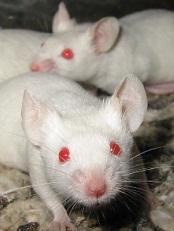
Photo by Aaron Logan
Preclinical research suggests that combining a BCL2 inhibitor with a tyrosine kinase inhibitor (TKI) could overcome resistance in Philadelphia chromosome-positive acute lymphoblastic leukemia (Ph+ ALL).
Investigators found that combining venetoclax and dasatinib increased antitumor activity (when compared to either agent alone) against Ph+ ALL cells in vitro and in a mouse model of the disease.
Jessica Leonard, MD, of Oregon Health & Science University in Portland, and her colleagues reported these findings in Science Translational Medicine.
The researchers said venetoclax and dasatinib demonstrated synergy in vitro, and the combination resulted in a greater degree of apoptosis in Ph+ ALL cells than either agent alone.
The team also observed synergy between venetoclax and cytarabine, dexamethasone, doxorubicin, and vincristine. They said this suggests venetoclax could potentially be used in combination with standard chemotherapy in patients with Ph+ ALL.
The investigators then assessed synergy between venetoclax and other TKIs. Venetoclax demonstrated synergy with imatinib and nilotinib, but the researchers said they saw the most robust synergy when venetoclax was combined with dasatinib or ponatinib.
Further investigation revealed that ponatinib and dasatinib inhibit LYN activity, which impedes STAT5 phosphorylation, which inhibits upregulation of MCL-1.
As upregulation of MCL-1 is a known mechanism of resistance to venetoclax, the researchers believe the addition of either TKI could potentially overcome the development of venetoclax resistance.
Results in a mouse model of Ph+ ALL seemed to support this theory. The researchers injected NSG mice with mononuclear cells from a patient with Ph+ ALL and found that combination treatment with venetoclax and dasatinib prevented engraftment within 90 days in all mice that received the therapy.
In comparison, mice in the control group and those that received single-agent venetoclax engrafted within 60 days. Two of the 5 mice that received dasatinib alone engrafted within 90 days.
In another mouse model, the investigators injected NSG mice with a primary Ph+ ALL sample and found the combination of venetoclax and dasatinib reduced spleen size when compared to no treatment.
In addition, all of the mice that received the combination remained alive during the 4-week treatment period, whereas untreated mice became moribund and were euthanized.
The researchers said these results suggest the combination of dasatinib and venetoclax has the potential to improve the treatment of Ph+ ALL and should be further evaluated for patient care.
Photo by Aaron Logan
Preclinical research suggests that combining a BCL2 inhibitor with a tyrosine kinase inhibitor (TKI) could overcome resistance in Philadelphia chromosome-positive acute lymphoblastic leukemia (Ph+ ALL).
Investigators found that combining venetoclax and dasatinib increased antitumor activity (when compared to either agent alone) against Ph+ ALL cells in vitro and in a mouse model of the disease.
Jessica Leonard, MD, of Oregon Health & Science University in Portland, and her colleagues reported these findings in Science Translational Medicine.
The researchers said venetoclax and dasatinib demonstrated synergy in vitro, and the combination resulted in a greater degree of apoptosis in Ph+ ALL cells than either agent alone.
The team also observed synergy between venetoclax and cytarabine, dexamethasone, doxorubicin, and vincristine. They said this suggests venetoclax could potentially be used in combination with standard chemotherapy in patients with Ph+ ALL.
The investigators then assessed synergy between venetoclax and other TKIs. Venetoclax demonstrated synergy with imatinib and nilotinib, but the researchers said they saw the most robust synergy when venetoclax was combined with dasatinib or ponatinib.
Further investigation revealed that ponatinib and dasatinib inhibit LYN activity, which impedes STAT5 phosphorylation, which inhibits upregulation of MCL-1.
As upregulation of MCL-1 is a known mechanism of resistance to venetoclax, the researchers believe the addition of either TKI could potentially overcome the development of venetoclax resistance.
Results in a mouse model of Ph+ ALL seemed to support this theory. The researchers injected NSG mice with mononuclear cells from a patient with Ph+ ALL and found that combination treatment with venetoclax and dasatinib prevented engraftment within 90 days in all mice that received the therapy.
In comparison, mice in the control group and those that received single-agent venetoclax engrafted within 60 days. Two of the 5 mice that received dasatinib alone engrafted within 90 days.
In another mouse model, the investigators injected NSG mice with a primary Ph+ ALL sample and found the combination of venetoclax and dasatinib reduced spleen size when compared to no treatment.
In addition, all of the mice that received the combination remained alive during the 4-week treatment period, whereas untreated mice became moribund and were euthanized.
The researchers said these results suggest the combination of dasatinib and venetoclax has the potential to improve the treatment of Ph+ ALL and should be further evaluated for patient care.
Photo by Aaron Logan
Preclinical research suggests that combining a BCL2 inhibitor with a tyrosine kinase inhibitor (TKI) could overcome resistance in Philadelphia chromosome-positive acute lymphoblastic leukemia (Ph+ ALL).
Investigators found that combining venetoclax and dasatinib increased antitumor activity (when compared to either agent alone) against Ph+ ALL cells in vitro and in a mouse model of the disease.
Jessica Leonard, MD, of Oregon Health & Science University in Portland, and her colleagues reported these findings in Science Translational Medicine.
The researchers said venetoclax and dasatinib demonstrated synergy in vitro, and the combination resulted in a greater degree of apoptosis in Ph+ ALL cells than either agent alone.
The team also observed synergy between venetoclax and cytarabine, dexamethasone, doxorubicin, and vincristine. They said this suggests venetoclax could potentially be used in combination with standard chemotherapy in patients with Ph+ ALL.
The investigators then assessed synergy between venetoclax and other TKIs. Venetoclax demonstrated synergy with imatinib and nilotinib, but the researchers said they saw the most robust synergy when venetoclax was combined with dasatinib or ponatinib.
Further investigation revealed that ponatinib and dasatinib inhibit LYN activity, which impedes STAT5 phosphorylation, which inhibits upregulation of MCL-1.
As upregulation of MCL-1 is a known mechanism of resistance to venetoclax, the researchers believe the addition of either TKI could potentially overcome the development of venetoclax resistance.
Results in a mouse model of Ph+ ALL seemed to support this theory. The researchers injected NSG mice with mononuclear cells from a patient with Ph+ ALL and found that combination treatment with venetoclax and dasatinib prevented engraftment within 90 days in all mice that received the therapy.
In comparison, mice in the control group and those that received single-agent venetoclax engrafted within 60 days. Two of the 5 mice that received dasatinib alone engrafted within 90 days.
In another mouse model, the investigators injected NSG mice with a primary Ph+ ALL sample and found the combination of venetoclax and dasatinib reduced spleen size when compared to no treatment.
In addition, all of the mice that received the combination remained alive during the 4-week treatment period, whereas untreated mice became moribund and were euthanized.
The researchers said these results suggest the combination of dasatinib and venetoclax has the potential to improve the treatment of Ph+ ALL and should be further evaluated for patient care.
More than half of high-cost Medicaid children use fewer resources over time
More than half of children who are the costliest to cover in the Medicaid program eventually fall out of that category, according to new research.
A retrospective analysis of 48,743 children aged 1-18 years continuously enrolled in Medicaid during 2009-2013 across 10 states who were in the top 5% of all health care spending in 2010 found that from 2011 to 2013, “54.2% fell below the top 5% and did not return to the top 5% in 2011-2013,” Rishi K. Agrawal, MD, of the Ann and Robert Lurie Children’s Hospital, Chicago, and his colleagues wrote in a study published Sept. 15 online in Pediatrics (2016. doi: 10.1542/peds.2016-0682).

Children who were persistently in the top 5% accounted for 32.9% of the cohort and 12.9% of the children who were in the top 5% during 2010 fell out of and returned to the group of highest cost patients in the following 3 years.
“The highest likelihood of subsequent high spending was observed in older children with many chronic conditions, respiratory, or neuromuscular complex chronic conditions, and those who used home health services,” the authors noted. “Decreased likelihood of subsequent high spending was observed with children with hospital or ED [emergency department] use in 2010.”
“Understanding the clinical attributes of children most likely to experience persistent high resource use might help inform clinical approaches to optimize their health,” Dr. Agrawal and associates continued.
They added that previous literature and the authors’ clinical experiences suggest that those with multiple chronic conditions, especially a neuromuscular condition, “are at risk for underuse of primary care,” and without a primary care physician taking charge of overall care coordination, that burden falls on the families.
“Perhaps population health initiatives (e.g., enhanced medical homes or neighborhoods for children with medical complexity, complex care networks) designed to alleviate these specific issues might benefit children who are the most likely to have persistent high resource use,” Dr. Agrawal and his colleagues wrote.
The authors cited no relevant financial disclosures. Jay G. Berry, MD, was supported by the Agency for Healthcare Research and Quality, and Eyal Cohen, MD, was supported as a Harkness Fellow in Health Care Policy and Practice by the Canadian Foundation for Healthcare Improvement and the Commonwealth Fund.
[A] longitudinal analysis of children’s health care utilization and spending while on Medicaid offers fresh insights and raises new questions about how best to provide supportive coordinated care and mitigate rising costs over time.
Understanding specific aspects of complexity – such as the impact of infancy, risks for newly intensified care needs, and the role of mental health comorbidities – will likely enrich our collective understanding of longitudinal trends in spending. Although illness acuity will always demand our clinical attention, there is growing evidence that illness complexity demands our programmatic attention as well.
Matthew Davis, MD, is a pediatrician and researcher at the Ann and Robert H. Lurie Children’s Hospital, Chicago. His observations are excerpted from a commentary published Sept. 15 online in Pediatrics. He said he had no relevant financial disclosures.
[A] longitudinal analysis of children’s health care utilization and spending while on Medicaid offers fresh insights and raises new questions about how best to provide supportive coordinated care and mitigate rising costs over time.
Understanding specific aspects of complexity – such as the impact of infancy, risks for newly intensified care needs, and the role of mental health comorbidities – will likely enrich our collective understanding of longitudinal trends in spending. Although illness acuity will always demand our clinical attention, there is growing evidence that illness complexity demands our programmatic attention as well.
Matthew Davis, MD, is a pediatrician and researcher at the Ann and Robert H. Lurie Children’s Hospital, Chicago. His observations are excerpted from a commentary published Sept. 15 online in Pediatrics. He said he had no relevant financial disclosures.
[A] longitudinal analysis of children’s health care utilization and spending while on Medicaid offers fresh insights and raises new questions about how best to provide supportive coordinated care and mitigate rising costs over time.
Understanding specific aspects of complexity – such as the impact of infancy, risks for newly intensified care needs, and the role of mental health comorbidities – will likely enrich our collective understanding of longitudinal trends in spending. Although illness acuity will always demand our clinical attention, there is growing evidence that illness complexity demands our programmatic attention as well.
Matthew Davis, MD, is a pediatrician and researcher at the Ann and Robert H. Lurie Children’s Hospital, Chicago. His observations are excerpted from a commentary published Sept. 15 online in Pediatrics. He said he had no relevant financial disclosures.
More than half of children who are the costliest to cover in the Medicaid program eventually fall out of that category, according to new research.
A retrospective analysis of 48,743 children aged 1-18 years continuously enrolled in Medicaid during 2009-2013 across 10 states who were in the top 5% of all health care spending in 2010 found that from 2011 to 2013, “54.2% fell below the top 5% and did not return to the top 5% in 2011-2013,” Rishi K. Agrawal, MD, of the Ann and Robert Lurie Children’s Hospital, Chicago, and his colleagues wrote in a study published Sept. 15 online in Pediatrics (2016. doi: 10.1542/peds.2016-0682).
Children who were persistently in the top 5% accounted for 32.9% of the cohort and 12.9% of the children who were in the top 5% during 2010 fell out of and returned to the group of highest cost patients in the following 3 years.
“The highest likelihood of subsequent high spending was observed in older children with many chronic conditions, respiratory, or neuromuscular complex chronic conditions, and those who used home health services,” the authors noted. “Decreased likelihood of subsequent high spending was observed with children with hospital or ED [emergency department] use in 2010.”
“Understanding the clinical attributes of children most likely to experience persistent high resource use might help inform clinical approaches to optimize their health,” Dr. Agrawal and associates continued.
They added that previous literature and the authors’ clinical experiences suggest that those with multiple chronic conditions, especially a neuromuscular condition, “are at risk for underuse of primary care,” and without a primary care physician taking charge of overall care coordination, that burden falls on the families.
“Perhaps population health initiatives (e.g., enhanced medical homes or neighborhoods for children with medical complexity, complex care networks) designed to alleviate these specific issues might benefit children who are the most likely to have persistent high resource use,” Dr. Agrawal and his colleagues wrote.
The authors cited no relevant financial disclosures. Jay G. Berry, MD, was supported by the Agency for Healthcare Research and Quality, and Eyal Cohen, MD, was supported as a Harkness Fellow in Health Care Policy and Practice by the Canadian Foundation for Healthcare Improvement and the Commonwealth Fund.
More than half of children who are the costliest to cover in the Medicaid program eventually fall out of that category, according to new research.
A retrospective analysis of 48,743 children aged 1-18 years continuously enrolled in Medicaid during 2009-2013 across 10 states who were in the top 5% of all health care spending in 2010 found that from 2011 to 2013, “54.2% fell below the top 5% and did not return to the top 5% in 2011-2013,” Rishi K. Agrawal, MD, of the Ann and Robert Lurie Children’s Hospital, Chicago, and his colleagues wrote in a study published Sept. 15 online in Pediatrics (2016. doi: 10.1542/peds.2016-0682).
Children who were persistently in the top 5% accounted for 32.9% of the cohort and 12.9% of the children who were in the top 5% during 2010 fell out of and returned to the group of highest cost patients in the following 3 years.
“The highest likelihood of subsequent high spending was observed in older children with many chronic conditions, respiratory, or neuromuscular complex chronic conditions, and those who used home health services,” the authors noted. “Decreased likelihood of subsequent high spending was observed with children with hospital or ED [emergency department] use in 2010.”
“Understanding the clinical attributes of children most likely to experience persistent high resource use might help inform clinical approaches to optimize their health,” Dr. Agrawal and associates continued.
They added that previous literature and the authors’ clinical experiences suggest that those with multiple chronic conditions, especially a neuromuscular condition, “are at risk for underuse of primary care,” and without a primary care physician taking charge of overall care coordination, that burden falls on the families.
“Perhaps population health initiatives (e.g., enhanced medical homes or neighborhoods for children with medical complexity, complex care networks) designed to alleviate these specific issues might benefit children who are the most likely to have persistent high resource use,” Dr. Agrawal and his colleagues wrote.
The authors cited no relevant financial disclosures. Jay G. Berry, MD, was supported by the Agency for Healthcare Research and Quality, and Eyal Cohen, MD, was supported as a Harkness Fellow in Health Care Policy and Practice by the Canadian Foundation for Healthcare Improvement and the Commonwealth Fund.
FROM PEDIATRICS

White coating on infant’s tongue

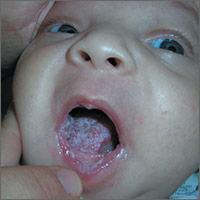
The FP diagnosed thrush or candidiasis of the oral mucosa. To make sure it was not just milk, the FP gently drew a tongue blade over the tongue and the white exudate was mostly adherent (milk wipes away rather easily). The tongue blade was then rubbed onto a glass slide and 2 drops of potassium hydroxide (KOH) solution were applied. Microscopic evaluation revealed pseudohyphae and budding yeasts consistent with Candida albicans. (See video on how to perform a KOH preparation.)
Thrush is a common condition in infants with normal immune systems and does not require work-up for immunosuppression if this is the only finding at this age. Of course, thrush is seen in people who are immunosuppressed from various diseases (such as human immunodeficiency virus) and medications (like chemotherapy).
The FP chose to treat the child with oral nystatin suspension 2 mL 4 times a day. The directions were to give 1 mL in each side of the infant’s mouth and to continue this until 48 hours after signs and symptoms resolved. The mother was not having any symptoms or erythema of the nipples, but if she was, a topical antifungal agent (to be washed off before breastfeeding) could be used.
Photos and text for Photo Rounds Friday courtesy of Richard P. Usatine, MD. This case was adapted from: Usatine R. Candidiasis. In: Usatine R, Smith M, Mayeaux EJ, et al, eds. Color Atlas of Family Medicine. 2nd ed. New York, NY: McGraw-Hill;2013:777-781.
To learn more about the Color Atlas of Family Medicine, see: www.amazon.com/Color-Family-Medicine-Richard-Usatine/dp/0071769641/
You can now get the second edition of the Color Atlas of Family Medicine as an app by clicking on this link: usatinemedia.com
The FP diagnosed thrush or candidiasis of the oral mucosa. To make sure it was not just milk, the FP gently drew a tongue blade over the tongue and the white exudate was mostly adherent (milk wipes away rather easily). The tongue blade was then rubbed onto a glass slide and 2 drops of potassium hydroxide (KOH) solution were applied. Microscopic evaluation revealed pseudohyphae and budding yeasts consistent with Candida albicans. (See video on how to perform a KOH preparation.)
Thrush is a common condition in infants with normal immune systems and does not require work-up for immunosuppression if this is the only finding at this age. Of course, thrush is seen in people who are immunosuppressed from various diseases (such as human immunodeficiency virus) and medications (like chemotherapy).
The FP chose to treat the child with oral nystatin suspension 2 mL 4 times a day. The directions were to give 1 mL in each side of the infant’s mouth and to continue this until 48 hours after signs and symptoms resolved. The mother was not having any symptoms or erythema of the nipples, but if she was, a topical antifungal agent (to be washed off before breastfeeding) could be used.
Photos and text for Photo Rounds Friday courtesy of Richard P. Usatine, MD. This case was adapted from: Usatine R. Candidiasis. In: Usatine R, Smith M, Mayeaux EJ, et al, eds. Color Atlas of Family Medicine. 2nd ed. New York, NY: McGraw-Hill;2013:777-781.
To learn more about the Color Atlas of Family Medicine, see: www.amazon.com/Color-Family-Medicine-Richard-Usatine/dp/0071769641/
You can now get the second edition of the Color Atlas of Family Medicine as an app by clicking on this link: usatinemedia.com
The FP diagnosed thrush or candidiasis of the oral mucosa. To make sure it was not just milk, the FP gently drew a tongue blade over the tongue and the white exudate was mostly adherent (milk wipes away rather easily). The tongue blade was then rubbed onto a glass slide and 2 drops of potassium hydroxide (KOH) solution were applied. Microscopic evaluation revealed pseudohyphae and budding yeasts consistent with Candida albicans. (See video on how to perform a KOH preparation.)
Thrush is a common condition in infants with normal immune systems and does not require work-up for immunosuppression if this is the only finding at this age. Of course, thrush is seen in people who are immunosuppressed from various diseases (such as human immunodeficiency virus) and medications (like chemotherapy).
The FP chose to treat the child with oral nystatin suspension 2 mL 4 times a day. The directions were to give 1 mL in each side of the infant’s mouth and to continue this until 48 hours after signs and symptoms resolved. The mother was not having any symptoms or erythema of the nipples, but if she was, a topical antifungal agent (to be washed off before breastfeeding) could be used.
Photos and text for Photo Rounds Friday courtesy of Richard P. Usatine, MD. This case was adapted from: Usatine R. Candidiasis. In: Usatine R, Smith M, Mayeaux EJ, et al, eds. Color Atlas of Family Medicine. 2nd ed. New York, NY: McGraw-Hill;2013:777-781.
To learn more about the Color Atlas of Family Medicine, see: www.amazon.com/Color-Family-Medicine-Richard-Usatine/dp/0071769641/
You can now get the second edition of the Color Atlas of Family Medicine as an app by clicking on this link: usatinemedia.com
Insulin-dependent pilots can fly safely with glucose monitoring protocol
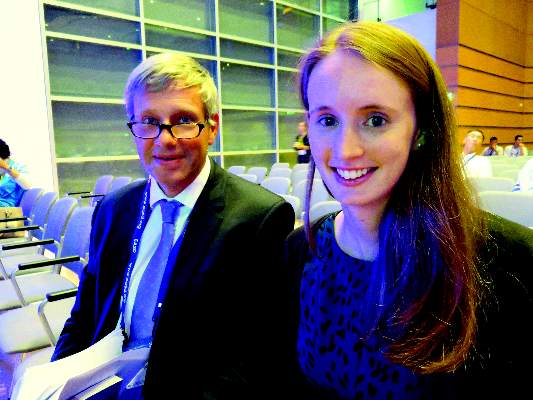
MUNICH – British commercial pilots with insulin-dependent diabetes are flying safely, thanks to a rigorous protocol of hourly blood glucose monitoring during every flight.
Almost every one of the 8,897 readings reported so far has been in the safe “green zone” of 5-15 mmol/L, Julia Hine, MD, said at the annual meeting of the European Association for the Study of Diabetes.
Only 3.8% fell in the cautionary “amber” range of 4-5 mmol/L or 15-19 mmol/L. Just 0.2% (22) were in the “red” range of below 4 mmol/L or above 20 mmol/L – an occurrence that demands immediate release of airplane control to the copilot.
Reassuringly, only five of those readings occurred during flight, said Dr. Hine of the Royal Surrey County Hospital, England. The rest were taken during the preflight preparation period.
She said the 4-year data confirm that the protocol works, allowing highly skilled professionals to return to their work without compromising personal safety or the safety of those entrusted to their care.
“The testing protocol can be performed safely in the cockpit, with no safety concerns,” Dr. Hine said. “It represents an advance in patient care, showing that insulin-dependent patients can perform complex occupational duties.”
The protocol was instituted in 2012, after a consortium of commercial pilots met with diabetes specialists to create a way for certified pilots to regain their class 1 licenses after a diabetes diagnosis. It’s overseen by the U.K. Civil Aviation Authority and Irish Aviation Authority. Dr. Hine said the U.K. has the largest cadre of certified pilots who have insulin-dependent diabetes in the world. Canada is the only other country with such a program, although, she said, “There are a number of European states that have expressed interest in the program.”
In the United States, a diagnosis of insulin-dependent diabetes currently excludes pilots from flying commercial aircraft. The American Diabetes Association has been lobbying for easing of this strict FAA ban since at least 2014, stating that “the FAA’s blanket ban is not medically justified.” Specifically, the ADA favors a position in which “individual assessment of people with diabetes is the appropriate approach to determining whether a person is qualified to perform certain activities,” according to a statement.
The British protocol requires stringent pre- and in-flight blood sugar monitoring. Levels must be obtained at least 1 hour before reporting for duty and at least 2 hours before commencing a flight.
Blood sugar must be regularly measured during flight at well. For pilots using insulin, levels should be drawn every 2 hours, and for those on oral medications, every 2-4 hours. A final level must be drawn 30 minutes before landing.
Additional testing is required if the pilot experiences any symptoms related to fluctuating blood sugar. All results are read out loud, reported to the copilot and into the plane’s voice data recorder, and recorded in the pilot’s flight data record.
Levels in the amber range require the pilot to take corrective action. For low blood glucose levels, the pilot must consume 10-15 grams of carbohydrate, retest after 30 minutes, and adjust insulin. For high blood glucose levels, the pilot should review insulin dosing and modify carbohydrate intake, then retest in 45 minutes.
Readings in the red range demand immediate action, which includes handing over control of the flight, repeat testing, modifying insulin and carbohydrate intake, and retesting. The pilot may only resume duty when blood glucose returns to a green level.
There is a special protocol for pilots on insulin pumps, which are not guaranteed to function if there is a sudden loss of cabin pressure.
Dr. Hine and her colleague David Russell-Jones, MD, who is the program’s medical director, presented 4 years’ worth of data on 16 of the 26 pilots who have participated in the program. All of these pilots are otherwise healthy men with well-controlled diabetes who were deemed at low risk for glycemic events. They are an average of 40 years old with an average disease duration of 8 years. Their average HbA1c was 53 mmol/l before licensure and 54.8 mmol/l afterwards. All of the pilots have normal renal function, no retinopathy, no changes in blood pressure, and good awareness of hypoglycemia.
Among them, they have accumulated 4,900 flight hours and 8,897 blood glucose readings. Most of the flights (88%) were medium- or short-haul flights of less than 6 hours.
Even though 96% of readings fell into the 5-20 mmol/l green range, the bulk of those readings were in the range of 5-9 mmol/l. There was very little hourly variation in blood glucose levels during flights up to 6 hours, showing that the protocol is effective at establishing stable glycemia.
Right now, the program is in place only for current pilots who have a new diagnosis of diabetes. But, said Dr. Russell-Jones, it may be expanded at some point to encompass people with diabetes who wish to train to become a commercial pilot.
Neither Dr. Hines nor Dr. Russell-Jones reported any financial conflicts.
On Twitter @Alz_Gal
MUNICH – British commercial pilots with insulin-dependent diabetes are flying safely, thanks to a rigorous protocol of hourly blood glucose monitoring during every flight.
Almost every one of the 8,897 readings reported so far has been in the safe “green zone” of 5-15 mmol/L, Julia Hine, MD, said at the annual meeting of the European Association for the Study of Diabetes.
Only 3.8% fell in the cautionary “amber” range of 4-5 mmol/L or 15-19 mmol/L. Just 0.2% (22) were in the “red” range of below 4 mmol/L or above 20 mmol/L – an occurrence that demands immediate release of airplane control to the copilot.
Reassuringly, only five of those readings occurred during flight, said Dr. Hine of the Royal Surrey County Hospital, England. The rest were taken during the preflight preparation period.
She said the 4-year data confirm that the protocol works, allowing highly skilled professionals to return to their work without compromising personal safety or the safety of those entrusted to their care.
“The testing protocol can be performed safely in the cockpit, with no safety concerns,” Dr. Hine said. “It represents an advance in patient care, showing that insulin-dependent patients can perform complex occupational duties.”
The protocol was instituted in 2012, after a consortium of commercial pilots met with diabetes specialists to create a way for certified pilots to regain their class 1 licenses after a diabetes diagnosis. It’s overseen by the U.K. Civil Aviation Authority and Irish Aviation Authority. Dr. Hine said the U.K. has the largest cadre of certified pilots who have insulin-dependent diabetes in the world. Canada is the only other country with such a program, although, she said, “There are a number of European states that have expressed interest in the program.”
In the United States, a diagnosis of insulin-dependent diabetes currently excludes pilots from flying commercial aircraft. The American Diabetes Association has been lobbying for easing of this strict FAA ban since at least 2014, stating that “the FAA’s blanket ban is not medically justified.” Specifically, the ADA favors a position in which “individual assessment of people with diabetes is the appropriate approach to determining whether a person is qualified to perform certain activities,” according to a statement.
The British protocol requires stringent pre- and in-flight blood sugar monitoring. Levels must be obtained at least 1 hour before reporting for duty and at least 2 hours before commencing a flight.
Blood sugar must be regularly measured during flight at well. For pilots using insulin, levels should be drawn every 2 hours, and for those on oral medications, every 2-4 hours. A final level must be drawn 30 minutes before landing.
Additional testing is required if the pilot experiences any symptoms related to fluctuating blood sugar. All results are read out loud, reported to the copilot and into the plane’s voice data recorder, and recorded in the pilot’s flight data record.
Levels in the amber range require the pilot to take corrective action. For low blood glucose levels, the pilot must consume 10-15 grams of carbohydrate, retest after 30 minutes, and adjust insulin. For high blood glucose levels, the pilot should review insulin dosing and modify carbohydrate intake, then retest in 45 minutes.
Readings in the red range demand immediate action, which includes handing over control of the flight, repeat testing, modifying insulin and carbohydrate intake, and retesting. The pilot may only resume duty when blood glucose returns to a green level.
There is a special protocol for pilots on insulin pumps, which are not guaranteed to function if there is a sudden loss of cabin pressure.
Dr. Hine and her colleague David Russell-Jones, MD, who is the program’s medical director, presented 4 years’ worth of data on 16 of the 26 pilots who have participated in the program. All of these pilots are otherwise healthy men with well-controlled diabetes who were deemed at low risk for glycemic events. They are an average of 40 years old with an average disease duration of 8 years. Their average HbA1c was 53 mmol/l before licensure and 54.8 mmol/l afterwards. All of the pilots have normal renal function, no retinopathy, no changes in blood pressure, and good awareness of hypoglycemia.
Among them, they have accumulated 4,900 flight hours and 8,897 blood glucose readings. Most of the flights (88%) were medium- or short-haul flights of less than 6 hours.
Even though 96% of readings fell into the 5-20 mmol/l green range, the bulk of those readings were in the range of 5-9 mmol/l. There was very little hourly variation in blood glucose levels during flights up to 6 hours, showing that the protocol is effective at establishing stable glycemia.
Right now, the program is in place only for current pilots who have a new diagnosis of diabetes. But, said Dr. Russell-Jones, it may be expanded at some point to encompass people with diabetes who wish to train to become a commercial pilot.
Neither Dr. Hines nor Dr. Russell-Jones reported any financial conflicts.
On Twitter @Alz_Gal
MUNICH – British commercial pilots with insulin-dependent diabetes are flying safely, thanks to a rigorous protocol of hourly blood glucose monitoring during every flight.
Almost every one of the 8,897 readings reported so far has been in the safe “green zone” of 5-15 mmol/L, Julia Hine, MD, said at the annual meeting of the European Association for the Study of Diabetes.
Only 3.8% fell in the cautionary “amber” range of 4-5 mmol/L or 15-19 mmol/L. Just 0.2% (22) were in the “red” range of below 4 mmol/L or above 20 mmol/L – an occurrence that demands immediate release of airplane control to the copilot.
Reassuringly, only five of those readings occurred during flight, said Dr. Hine of the Royal Surrey County Hospital, England. The rest were taken during the preflight preparation period.
She said the 4-year data confirm that the protocol works, allowing highly skilled professionals to return to their work without compromising personal safety or the safety of those entrusted to their care.
“The testing protocol can be performed safely in the cockpit, with no safety concerns,” Dr. Hine said. “It represents an advance in patient care, showing that insulin-dependent patients can perform complex occupational duties.”
The protocol was instituted in 2012, after a consortium of commercial pilots met with diabetes specialists to create a way for certified pilots to regain their class 1 licenses after a diabetes diagnosis. It’s overseen by the U.K. Civil Aviation Authority and Irish Aviation Authority. Dr. Hine said the U.K. has the largest cadre of certified pilots who have insulin-dependent diabetes in the world. Canada is the only other country with such a program, although, she said, “There are a number of European states that have expressed interest in the program.”
In the United States, a diagnosis of insulin-dependent diabetes currently excludes pilots from flying commercial aircraft. The American Diabetes Association has been lobbying for easing of this strict FAA ban since at least 2014, stating that “the FAA’s blanket ban is not medically justified.” Specifically, the ADA favors a position in which “individual assessment of people with diabetes is the appropriate approach to determining whether a person is qualified to perform certain activities,” according to a statement.
The British protocol requires stringent pre- and in-flight blood sugar monitoring. Levels must be obtained at least 1 hour before reporting for duty and at least 2 hours before commencing a flight.
Blood sugar must be regularly measured during flight at well. For pilots using insulin, levels should be drawn every 2 hours, and for those on oral medications, every 2-4 hours. A final level must be drawn 30 minutes before landing.
Additional testing is required if the pilot experiences any symptoms related to fluctuating blood sugar. All results are read out loud, reported to the copilot and into the plane’s voice data recorder, and recorded in the pilot’s flight data record.
Levels in the amber range require the pilot to take corrective action. For low blood glucose levels, the pilot must consume 10-15 grams of carbohydrate, retest after 30 minutes, and adjust insulin. For high blood glucose levels, the pilot should review insulin dosing and modify carbohydrate intake, then retest in 45 minutes.
Readings in the red range demand immediate action, which includes handing over control of the flight, repeat testing, modifying insulin and carbohydrate intake, and retesting. The pilot may only resume duty when blood glucose returns to a green level.
There is a special protocol for pilots on insulin pumps, which are not guaranteed to function if there is a sudden loss of cabin pressure.
Dr. Hine and her colleague David Russell-Jones, MD, who is the program’s medical director, presented 4 years’ worth of data on 16 of the 26 pilots who have participated in the program. All of these pilots are otherwise healthy men with well-controlled diabetes who were deemed at low risk for glycemic events. They are an average of 40 years old with an average disease duration of 8 years. Their average HbA1c was 53 mmol/l before licensure and 54.8 mmol/l afterwards. All of the pilots have normal renal function, no retinopathy, no changes in blood pressure, and good awareness of hypoglycemia.
Among them, they have accumulated 4,900 flight hours and 8,897 blood glucose readings. Most of the flights (88%) were medium- or short-haul flights of less than 6 hours.
Even though 96% of readings fell into the 5-20 mmol/l green range, the bulk of those readings were in the range of 5-9 mmol/l. There was very little hourly variation in blood glucose levels during flights up to 6 hours, showing that the protocol is effective at establishing stable glycemia.
Right now, the program is in place only for current pilots who have a new diagnosis of diabetes. But, said Dr. Russell-Jones, it may be expanded at some point to encompass people with diabetes who wish to train to become a commercial pilot.
Neither Dr. Hines nor Dr. Russell-Jones reported any financial conflicts.
On Twitter @Alz_Gal
AT EASD 2016
Key clinical point: A protocol of regular blood glucose monitoring during flight is keeping British commercial pilots in the air.
Major finding: Of 8,897 blood glucose readings, only 22 were in the dangerous “red” range that demands handing over control of the plane to the copilot.
Data source: The 16 pilots in the program have amassed 4,900 flight hours.
Disclosures: Neither Dr. Hine nor Dr. Russell-Jones had any financial disclosures.
Brain atrophy is already evident in patients with prediabetes
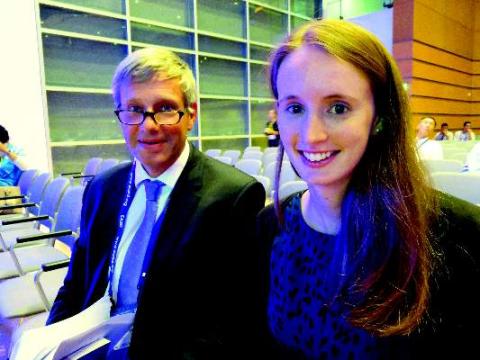
MUNICH – Brain changes suggestive of cerebral microvascular dysfunction are already apparent in patients with prediabetes.
The changes – increased white matter hyperintensities and decreased white matter volume – are even more pronounced in subjects with type 2 diabetes, Marnix van Agtmaal, MD, said at the annual meeting of the European Association for the Study of Diabetes. Patients with frank diabetes also showed an increase in intracranial cerebrospinal fluid – a correlate of the decrease in brain volume, said Dr. van Agtmaal of Maastricht (the Netherlands) University Medical Center.

The changes are probably caused by diabetes-related endothelial dysfunction, he said.
“The brain is highly dependent on properly functioning microcirculation. This is critical, since the brain has high energy demand and no energy reserve. In prediabetes and type 2 diabetes, microvascular endothelial dysfunction occurs. This leads to cerebral hypoperfusion, which in turns causes chronic ischemia. This contributes to small vessel disease leading to brain atrophy and, eventually, cognitive decline and dementia.”
The 2,251 subjects in the analysis were drawn from the Maastricht study, an ongoing observational study of people with type 2 diabetes.
Among the group, 350 had prediabetes, defined as impaired fasting glucose, impaired glucose tolerance, or a combination of the two. Type 2 diabetes was present in 528. The rest had healthy glucose metabolism.
As the cohort progressed from healthy glucose metabolism to prediabetes and then diabetes, they became older (aged 58 years in the healthy group vs. 62 years in the diabetes group), heavier, and displayed worsening cardiovascular risk factors, with increasing systolic blood pressure and progressively poorer lipid profiles. Kidney function was preserved in all patients, however.
The groups were not balanced in terms of sex: 56% of those with healthy glucose metabolism were women, compared with 47% of those with prediabetes and 31% of those with type 2 diabetes.
Dr. van Agtmaal and his colleagues examined white matter hyperintensities, white matter volume, gray matter volume, and intracranial CSF. They conducted three linear regression models: a crude unadjusted model, a partially adjusted model that controlled for age, sex, and intracranial volume; and a fully adjusted model that controlled for those factors, plus systolic blood pressure, lipids, smoking, kidney function, and education.
There was a clear linear association between white matter hyperintensity (WMH) volume and healthy glucose metabolism, prediabetes, and type 2 diabetes. In the crude analysis, the healthy subjects carried about 0.75 mL of WMH. Prediabetic subjects carried about 1.25 mL, and those with diabetes, about 2 mL.
In both the partially and fully adjusted models, this relationship was somewhat attenuated, but it remained significant for both prediabetes and diabetes.
The crude model also found that both diabetes groups had significantly lower white matter volume than did the healthy subjects. In healthy subjects, the mean volume was about 480 mL. This was about 467 mL in those with prediabetes and 466 mL in those with type 2 diabetes. Again, the partially and fully adjusted models slightly attenuated the relationship, but it remained significant in both disease states.
The crude model showed that gray matter was decreased in both prediabetes and type 2 diabetes. In healthy subjects, total gray matter was about 667 mL. In those with prediabetes, it was about 655 mL, and in those with type 2 diabetes, about 645 mL. However, the significant associations disappeared for both diabetes and prediabetes in both adjusted models.
Intracranial CSF was also different among the three groups in the crude model. In the healthy subjects, the total intracranial CSF volume was about 248 mL. In those with prediabetes, it was about 255 mL, and in those with type 2 diabetes, about 270 mL.
The association with prediabetes disappeared in the fully adjusted model – but for type 2 diabetes, it remained strongly significant.
Dr. van Agtmaal has not correlated the imaging findings with any cognitive testing on these subjects but said that study is coming.
“Further analysis will also look at cognitive decline and the development of dementia in the group,” he said. “We also intend to look at associations with other outcomes of cerebral dysfunction, including depression.”
Dr. van Agtmaal had no financial disclosures.
MUNICH – Brain changes suggestive of cerebral microvascular dysfunction are already apparent in patients with prediabetes.
The changes – increased white matter hyperintensities and decreased white matter volume – are even more pronounced in subjects with type 2 diabetes, Marnix van Agtmaal, MD, said at the annual meeting of the European Association for the Study of Diabetes. Patients with frank diabetes also showed an increase in intracranial cerebrospinal fluid – a correlate of the decrease in brain volume, said Dr. van Agtmaal of Maastricht (the Netherlands) University Medical Center.
The changes are probably caused by diabetes-related endothelial dysfunction, he said.
“The brain is highly dependent on properly functioning microcirculation. This is critical, since the brain has high energy demand and no energy reserve. In prediabetes and type 2 diabetes, microvascular endothelial dysfunction occurs. This leads to cerebral hypoperfusion, which in turns causes chronic ischemia. This contributes to small vessel disease leading to brain atrophy and, eventually, cognitive decline and dementia.”
The 2,251 subjects in the analysis were drawn from the Maastricht study, an ongoing observational study of people with type 2 diabetes.
Among the group, 350 had prediabetes, defined as impaired fasting glucose, impaired glucose tolerance, or a combination of the two. Type 2 diabetes was present in 528. The rest had healthy glucose metabolism.
As the cohort progressed from healthy glucose metabolism to prediabetes and then diabetes, they became older (aged 58 years in the healthy group vs. 62 years in the diabetes group), heavier, and displayed worsening cardiovascular risk factors, with increasing systolic blood pressure and progressively poorer lipid profiles. Kidney function was preserved in all patients, however.
The groups were not balanced in terms of sex: 56% of those with healthy glucose metabolism were women, compared with 47% of those with prediabetes and 31% of those with type 2 diabetes.
Dr. van Agtmaal and his colleagues examined white matter hyperintensities, white matter volume, gray matter volume, and intracranial CSF. They conducted three linear regression models: a crude unadjusted model, a partially adjusted model that controlled for age, sex, and intracranial volume; and a fully adjusted model that controlled for those factors, plus systolic blood pressure, lipids, smoking, kidney function, and education.
There was a clear linear association between white matter hyperintensity (WMH) volume and healthy glucose metabolism, prediabetes, and type 2 diabetes. In the crude analysis, the healthy subjects carried about 0.75 mL of WMH. Prediabetic subjects carried about 1.25 mL, and those with diabetes, about 2 mL.
In both the partially and fully adjusted models, this relationship was somewhat attenuated, but it remained significant for both prediabetes and diabetes.
The crude model also found that both diabetes groups had significantly lower white matter volume than did the healthy subjects. In healthy subjects, the mean volume was about 480 mL. This was about 467 mL in those with prediabetes and 466 mL in those with type 2 diabetes. Again, the partially and fully adjusted models slightly attenuated the relationship, but it remained significant in both disease states.
The crude model showed that gray matter was decreased in both prediabetes and type 2 diabetes. In healthy subjects, total gray matter was about 667 mL. In those with prediabetes, it was about 655 mL, and in those with type 2 diabetes, about 645 mL. However, the significant associations disappeared for both diabetes and prediabetes in both adjusted models.
Intracranial CSF was also different among the three groups in the crude model. In the healthy subjects, the total intracranial CSF volume was about 248 mL. In those with prediabetes, it was about 255 mL, and in those with type 2 diabetes, about 270 mL.
The association with prediabetes disappeared in the fully adjusted model – but for type 2 diabetes, it remained strongly significant.
Dr. van Agtmaal has not correlated the imaging findings with any cognitive testing on these subjects but said that study is coming.
“Further analysis will also look at cognitive decline and the development of dementia in the group,” he said. “We also intend to look at associations with other outcomes of cerebral dysfunction, including depression.”
Dr. van Agtmaal had no financial disclosures.
MUNICH – Brain changes suggestive of cerebral microvascular dysfunction are already apparent in patients with prediabetes.
The changes – increased white matter hyperintensities and decreased white matter volume – are even more pronounced in subjects with type 2 diabetes, Marnix van Agtmaal, MD, said at the annual meeting of the European Association for the Study of Diabetes. Patients with frank diabetes also showed an increase in intracranial cerebrospinal fluid – a correlate of the decrease in brain volume, said Dr. van Agtmaal of Maastricht (the Netherlands) University Medical Center.
The changes are probably caused by diabetes-related endothelial dysfunction, he said.
“The brain is highly dependent on properly functioning microcirculation. This is critical, since the brain has high energy demand and no energy reserve. In prediabetes and type 2 diabetes, microvascular endothelial dysfunction occurs. This leads to cerebral hypoperfusion, which in turns causes chronic ischemia. This contributes to small vessel disease leading to brain atrophy and, eventually, cognitive decline and dementia.”
The 2,251 subjects in the analysis were drawn from the Maastricht study, an ongoing observational study of people with type 2 diabetes.
Among the group, 350 had prediabetes, defined as impaired fasting glucose, impaired glucose tolerance, or a combination of the two. Type 2 diabetes was present in 528. The rest had healthy glucose metabolism.
As the cohort progressed from healthy glucose metabolism to prediabetes and then diabetes, they became older (aged 58 years in the healthy group vs. 62 years in the diabetes group), heavier, and displayed worsening cardiovascular risk factors, with increasing systolic blood pressure and progressively poorer lipid profiles. Kidney function was preserved in all patients, however.
The groups were not balanced in terms of sex: 56% of those with healthy glucose metabolism were women, compared with 47% of those with prediabetes and 31% of those with type 2 diabetes.
Dr. van Agtmaal and his colleagues examined white matter hyperintensities, white matter volume, gray matter volume, and intracranial CSF. They conducted three linear regression models: a crude unadjusted model, a partially adjusted model that controlled for age, sex, and intracranial volume; and a fully adjusted model that controlled for those factors, plus systolic blood pressure, lipids, smoking, kidney function, and education.
There was a clear linear association between white matter hyperintensity (WMH) volume and healthy glucose metabolism, prediabetes, and type 2 diabetes. In the crude analysis, the healthy subjects carried about 0.75 mL of WMH. Prediabetic subjects carried about 1.25 mL, and those with diabetes, about 2 mL.
In both the partially and fully adjusted models, this relationship was somewhat attenuated, but it remained significant for both prediabetes and diabetes.
The crude model also found that both diabetes groups had significantly lower white matter volume than did the healthy subjects. In healthy subjects, the mean volume was about 480 mL. This was about 467 mL in those with prediabetes and 466 mL in those with type 2 diabetes. Again, the partially and fully adjusted models slightly attenuated the relationship, but it remained significant in both disease states.
The crude model showed that gray matter was decreased in both prediabetes and type 2 diabetes. In healthy subjects, total gray matter was about 667 mL. In those with prediabetes, it was about 655 mL, and in those with type 2 diabetes, about 645 mL. However, the significant associations disappeared for both diabetes and prediabetes in both adjusted models.
Intracranial CSF was also different among the three groups in the crude model. In the healthy subjects, the total intracranial CSF volume was about 248 mL. In those with prediabetes, it was about 255 mL, and in those with type 2 diabetes, about 270 mL.
The association with prediabetes disappeared in the fully adjusted model – but for type 2 diabetes, it remained strongly significant.
Dr. van Agtmaal has not correlated the imaging findings with any cognitive testing on these subjects but said that study is coming.
“Further analysis will also look at cognitive decline and the development of dementia in the group,” he said. “We also intend to look at associations with other outcomes of cerebral dysfunction, including depression.”
Dr. van Agtmaal had no financial disclosures.
AT EASD 2016
Key clinical point: People with prediabetes and type 2 diabetes have more white matter hyperintensities and lower white matter volume than do those with healthy glucose metabolism.
Major finding: Healthy subjects carried about 0.75 mL of white matter hyperintensities, while prediabetic subjects carried about 1.25 mL, and those with diabetes, about 2.0 mL.
Data source: The subset of the Maastricht Study comprised 2,251 subjects.
Disclosures: Dr. van Agtmaal had no financial disclosures.

Update on resveratrol
• Found abundantly in nature, this polyphenolic phytoalexin is believed to exhibit a wide range of biologic activity.
• Potent antioxidant, anti-inflammatory, and antiproliferative properties.
• Highly studied polyphenolic substance also considered a chemopreventive agent against skin cancer.
• In small studies, has contributed to antiaging, antiacne, antierythema, and skin-lightening results.
Resveratrol (trans-3,5,4’-trihydroxystilbene), a polyphenolic phytoalexin synthesized in nearly 70 plant species, is found to be particularly abundant in Vitis vinifera (grape vine) and its derivatives (e.g., red wine, purple grape juice), various berries, peanuts, jackfruit, pomegranate, eucalyptus, the roots of Polygonum cuspidatum (Japanese knotweed, which is used in traditional Chinese and Japanese medicine to treat dermatitis, among other conditions)1, Scots pine, spruce, corn lily, gnetum, and butterfly orchid.2-6 Several studies have demonstrated that resveratrol possesses potent antioxidant, anticarcinogenic, anti-inflammatory, as well as antimicrobial characteristics.7-11 Specifically, in vitro and in vivo studies have shown that resveratrol exerts chemopreventive and antiproliferative activity against various cancers, including skin cancer, by suppressing cellular events associated with tumor initiation, promotion, and progression, and triggering apoptosis in such tumor cells.12-14 It also is reputed to impart antiaging benefits.15 This column will focus on recent research findings pertaining to effects on the skin as well as topical uses of this botanical agent, the main source of which, V. vinifera, has been used since antiquity.

Resveratrol was first identified from the roots of Veratrum grandiflorum (white hellebore) in 1940,16-19 but research on the compound did not take root until after a 1997 report in Science suggested chemopreventive properties. In that study, purified resveratrol was found to exhibit major inhibitory activity against cancer initiation, promotion, and progression.20 Since then, copious research on this botanical compound has yielded a reputation as a strong antioxidant, anti-inflammatory, and antiproliferative agent.7,21,22 Most importantly, resveratrol is considered to act as a chemopreventive agent against skin cancer and antiproliferative influence on oral squamous, breast, colon, and prostate cancer cells.12,14 It is also one of the most studied polyphenolic compounds.
Skin cancer and photoprotection
In 2012, Osmond et al. conducted in vitro and in vivo experiments to assess the potential of resveratrol as a chemotherapy adjunct for melanoma treatment. Resveratrol significantly reduced melanoma cell viability in both melanoma cell lines tested, and selectively spared cells in the nonmalignant fibroblast lines, compared with its cytotoxic impact on melanoma cells. Further, cytotoxicity to malignant cells was greatly enhanced by 72 hours of treatment with resveratrol and temozolomide, compared with temozolomide treatment alone. No significant differences were seen in vivo. The researchers concluded that the in vitro antitumor activity of resveratrol suggested its potential as a therapeutic agent in melanoma management.23
Resveratrol has been shown to protect against UVB-mediated cutaneous damage in SKH-1 hairless mice. Afaq et al. demonstrated that UVB-induced skin edema was significantly suppressed by the topical application of resveratrol to SKH-1 hairless mice.7

In a different study by the same team, topically applied resveratrol significantly inhibited UVB-mediated increases in bifold skin thickness and edema and greatly diminished UVB-induced lipid peroxidation, cyclo-oxygenase and ornithine decarboxylase (ODC) activities, as well as protein expression of the ODC enzyme in SKH-1 hairless mice.24 In an experiment by some of the same researchers, resveratrol was topically applied to SKH-1 hairless mice 30 minutes before exposure to UVB; 24 hours later, significant decreases were observed in bifold skin thickness, hyperplasia, and leukocyte infiltration. Critical cell cycle regulatory proteins, the target of the investigation, were substantially down-regulated because of the resveratrol. The investigators concluded that resveratrol might have the potential to play a significant role in preventing UVB-mediated photodamage and carcinogenesis.25
More recently, in 2015, Sirerol et al. found that the topical treatment with pterostilbene, a natural dimethoxy analog of resveratrol, effectively shielded SKH-1 hairless mice from UVB-induced photodamage and carcinogenesis.26
Interestingly, recent in vitro studies by Sticozzi and colleagues have shown that topical resveratrol dose-dependently protected human keratinocytes from cigarette smoke–induced reduction of scavenger receptor B1 protein expression27 and can lower cigarette smoke–induced reactive oxygen species and carbonyl formation in human keratinocytes.28
Antiaging activity
In 2010, Giardina et al. performed an in vitro study to evaluate the tonic-trophic characteristics of resveratrol alone and resveratrol plus N-acetyl-cysteine on cultured skin fibroblasts. Both formulations dose-dependently increased cell proliferation and inhibition of collagenase activity.29
In 2012, Wu et al. investigated the protective effects of resveratrate, a stable derivative of resveratrol, against damage to human skin caused by repetitive solar simulator UV radiation (ssUVR) in 15 healthy human volunteers. Six sites on nonexposed dorsal skin of each participant were assessed, with four sites exposed to ssUVR and the remaining sites serving as positive control (ssUVR only) and baseline control (no treatment or exposure). The researchers noted minimal erythema on areas treated with resveratrate and the resveratrol derivative significantly inhibited sunburn cell formation. They concluded that resveratrate protects the skin against sunburn and suntan caused by repetitive ssUVR.4
Also that year, Buonocore et al. conducted a placebo-controlled, double-blind study in 50 subjects that revealed the antiaging efficacy of a dietary nutraceutical blend of resveratrol and procyanidin. Specifically, skin moisturization and elasticity improved while wrinkle depth and skin roughness lessened after 60 days of treatment.30
In a 2013 in vitro study of the skin permeation kinetics of polyphenols using diffusion cells via ex vivo pig skin and a cellulose membrane, Zillich et al. showed that several polyphenols, including resveratrol, epigallocatechin gallate, quercetin, rutin, and protocatechuic acid formulated in oil-in-water emulsions could permeate the stratum corneum and were identified in the epidermis and dermis. The team concluded that their findings validate the use of polyphenols as active ingredients in antiaging products.31
In 2014, Farris et al. found that the topical application of resveratrol in a proprietary blend (1% resveratrol, 0.5% baicalin, 1% vitamin E) yielded a statistically significant amelioration of fine lines and wrinkles, hyperpigmentation, radiance, as well as skin roughness, firmness, elasticity, and laxity in a small study over 12 weeks.32
Skin lightening
Resveratrol has also been used as a promising topical treatment for hyperpigmentation disorders.33 The compound has been shown to work synergistically with 4-n-butylresorcinol (a derivative of resorcinol, one of the main phenols found in argan oil) to reduce tyrosinase levels and significantly diminish melanin synthesis, more effectively than either compound alone.34 In 2012, Franco et al. observed that resveratrol can inhibit tyrosinase but it does not sufficiently suppress melanin production to justify its use as a lone skin-whitening agent in pharmaceutical formulations, but warrants attention as a coadjuvant for treating hyperpigmentation.35 The skin-lightening capacity of resveratrol supported by a 2013 study in which 52 medicinal plants grown in Korea were tested for human tyrosinase activity and the dried stems of the grape tree V. vinifera were found to potently suppress human tyrosinase, and more effectively than arbutin.36 It is worth noting that resveratrol, through its antioxidant activity and possible inhibitory effect on cytochrome P450 2E1 expression, has been shown to protect mouse primary hepatocytes from hydroquinone-induced cytotoxicity.37 Also, J.M. Galgut and S.A. Ali, noted the gathering of pigment cells and resultant skin lightening from the effects of topical ethanolic extract of Arachis hypogaea (peanuts, which contain half the resveratrol of red wine) on the tail melanophores of tadpole Bufo melanostictus, concluding that resveratrol merits attention for potential clinical use as a nontoxic melanolytic agent to treat hyperpigmentation.38,34
Acne
Resveratrol is considered an emerging agent in the topical armamentarium for treating acne.39 In a single-blind pilot study in 2011, Fabbrocini et al. investigated the potential therapeutic impact of resveratrol on 20 patients with acne. A resveratrol-containing hydrogel was applied daily on the right side of the face for 60 days, with the left side receiving the hydrogel vehicle as control. No adverse effects were reported and all patients were satisfied with the treatment. Researchers reported a 53.75 % mean reduction in the Global Acne Grading System score on the resveratrol-treated sides and a 6.10 % decrease on the control sides. Histologic analysis revealed a statistically significant reduction of lesions in areas treated with resveratrol (66.7 % mean reduction in the average area of microcomedones on the resveratrol-treated sides vs. 9.7% reduction on the control sides).40
A 2015 comprehensive literature review of randomized clinical trials and controlled trials by Dall’oglio et al. found that cosmetics with antimicrobial and anti-inflammatory ingredients, including resveratrol, may accelerate acne resolution.41
Significantly, resveratrol is one of the novel acne treatments considered to have little potential for susceptibility to antibiotic resistance to Propionibacterium acnes.42
Erythema
In a small 2013 study by Ferzli et al., 16 subjects with erythema applied a formulation containing resveratrol, green tea polyphenols, and caffeine twice daily to the whole face. Clinical photographs and spectrally enhanced images taken before treatment and every 2 weeks through 3 months were assessed. The investigators reported that improvement was seen in 16 of 16 clinical images and 13 of 16 spectrally enhanced images. Erythema reduction was observable by 6 weeks of treatment, and no adverse effects were observed.43
Conclusion
Resveratrol is emerging as a compound with the potential to deliver significant health benefits, particularly in terms of photoprotective, cancer preventive, and cardioprotective activity. While there are 2 strong decades of research, more is necessary to elucidate the full potential of resveratrol as a first-line dermatologic therapy. Preclinical data do support the use of resveratrol in various product types (e.g., emollients, patches, sunscreens, and additional skin care products) intended to prevent skin cancer or to prevent or treat other conditions caused or exacerbated by solar exposure, such as photoaging. I look forward to seeing clinical evidence of the efficacy of topically applied resveratrol.
Dr. Baumann is chief executive officer of the Baumann Cosmetic & Research Institute in the Design District in Miami. She founded the Cosmetic Dermatology Center at the University of Miami in 1997. Dr. Baumann wrote the textbook “Cosmetic Dermatology: Principles and Practice” (New York: McGraw-Hill, 2002), and a book for consumers, “The Skin Type Solution” (New York: Bantam Dell, 2006). Her latest book, “Cosmeceuticals and Cosmetic Ingredients,” was published in November 2014. Dr. Baumann has received funding for clinical grants from Allergan, Aveeno, Avon Products, Evolus, Galderma, GlaxoSmithKline, Kythera Biopharmaceuticals, Mary Kay, Medicis Pharmaceuticals, Neutrogena, Philosophy, Topix Pharmaceuticals, and Unilever. She also developed and owns the Baumann Skin Type Solution skin-typing systems and related products.
References
1. Toxicol Appl Pharmacol. 2003 Jan 1;186(1):28-37.
2. Science. 1997 Jan 10;275(5297):218-20.
3. Cancer Res. 2001 Feb 15;61(4):1604-10.
4. J Eur Acad Dermatol Venereol. 2013 Mar;27(3):345-50.
5. Photochem Photobiol. 2008 Mar-Apr;84(2):415-21.
6. Dose Response. 2010 Mar 18;8(4):478-500.
7. Toxicol Appl Pharmacol. 2003 Jan 1;186(1):28-37.
8. Neoplasia. 2003 Jan-Feb;5(1):74-82.
9. An Illustrated Guide to 101 Medicinal Herbs: Their History, Use, Recommended Dosages, and Cautions (Loveland, Colo.: Interweave Press, 1998, pp. 108-9.)
11. Eur J Pharm Sci. 2015 Oct 12;78:204-13.
12. Pancreas. 2002 Nov;25(4):e71-6.
13. Toxicol Appl Pharmacol. 2007 Nov 1;224(3):274-83.
14. J Biol Chem. 2003 Oct 17;278(42):41482-90.
15. J Drugs Dermatol. 2014 Dec;13(12):1467-72.
16. Fitoterapia. 2013 Apr;86:84-91.
17. Ann N Y Acad Sci. 2011 Jan;1215:60-71.
18. Recent Pat Cardiovasc Drug Discov. 2007 Jun;2(2):133-8.
19. Anticancer Res. 2004 Sep-Oct;24(5A):2783-840.
20. Science. 1997 Jan 10;275(5297):218-20.
21. Biochem Pharmacol. 2002 Jan 15:63(2):99-104.
22. Biomed Pap Med Fac univ Palacky Olomouc Czech Repub. 2003 Dec;147(2):137-45.
23. J Surg Res. 2012 Jan;172(1):109-15.
24. Front Biosci. 2002 Apr 1;7:d784-92.
25. Oncogene. 2004 Jul 1;23(30):5151-60.
26. Free Radic Biol Med. 2015 Aug;85:1-11.
27. Free Radic Biol Med. 2014 Apr;69:50-7.
28. Food Funct. 2014 Sep;5(9):2348-56.
29. Minerva Ginecol. 2010 Jun;62(3):195-201.
30. Clin Cosmet Investig Dermatol. 2012;5:159-65.
31. Int J Cosmet Sci. 2013 Oct;35(5):491-501.
32. J Drugs Dermatol. 2014 Dec;13(12):1467-72.
33. Semin Cutan Med Surg. 2012 Jun;31(2):133-9.
34. Pharmazie. 2012 Jun;67(6):542-6.
35. Molecules. 2012 Oct 9;17(10):11816-25.
36. Evid Based Complement Alternat Med. 2013;2013:645257.
37. Int J Environ Res Public Health. 2012 Sep 19;9(9):3354-64.
38. J Recept Signal Transduct Res. 2011 Oct;31(5):374-80.
39. Am J Clin Dermatol. 2012 Dec 1;13(6):357-64.
40. Am J Clin Dermatol. 2011 Apr 1;12(2):133-41.
41. G Ital Dermatol Venereol. 2015 Feb;150(1):1-11.
• Found abundantly in nature, this polyphenolic phytoalexin is believed to exhibit a wide range of biologic activity.
• Potent antioxidant, anti-inflammatory, and antiproliferative properties.
• Highly studied polyphenolic substance also considered a chemopreventive agent against skin cancer.
• In small studies, has contributed to antiaging, antiacne, antierythema, and skin-lightening results.
Resveratrol (trans-3,5,4’-trihydroxystilbene), a polyphenolic phytoalexin synthesized in nearly 70 plant species, is found to be particularly abundant in Vitis vinifera (grape vine) and its derivatives (e.g., red wine, purple grape juice), various berries, peanuts, jackfruit, pomegranate, eucalyptus, the roots of Polygonum cuspidatum (Japanese knotweed, which is used in traditional Chinese and Japanese medicine to treat dermatitis, among other conditions)1, Scots pine, spruce, corn lily, gnetum, and butterfly orchid.2-6 Several studies have demonstrated that resveratrol possesses potent antioxidant, anticarcinogenic, anti-inflammatory, as well as antimicrobial characteristics.7-11 Specifically, in vitro and in vivo studies have shown that resveratrol exerts chemopreventive and antiproliferative activity against various cancers, including skin cancer, by suppressing cellular events associated with tumor initiation, promotion, and progression, and triggering apoptosis in such tumor cells.12-14 It also is reputed to impart antiaging benefits.15 This column will focus on recent research findings pertaining to effects on the skin as well as topical uses of this botanical agent, the main source of which, V. vinifera, has been used since antiquity.
Resveratrol was first identified from the roots of Veratrum grandiflorum (white hellebore) in 1940,16-19 but research on the compound did not take root until after a 1997 report in Science suggested chemopreventive properties. In that study, purified resveratrol was found to exhibit major inhibitory activity against cancer initiation, promotion, and progression.20 Since then, copious research on this botanical compound has yielded a reputation as a strong antioxidant, anti-inflammatory, and antiproliferative agent.7,21,22 Most importantly, resveratrol is considered to act as a chemopreventive agent against skin cancer and antiproliferative influence on oral squamous, breast, colon, and prostate cancer cells.12,14 It is also one of the most studied polyphenolic compounds.
Skin cancer and photoprotection
In 2012, Osmond et al. conducted in vitro and in vivo experiments to assess the potential of resveratrol as a chemotherapy adjunct for melanoma treatment. Resveratrol significantly reduced melanoma cell viability in both melanoma cell lines tested, and selectively spared cells in the nonmalignant fibroblast lines, compared with its cytotoxic impact on melanoma cells. Further, cytotoxicity to malignant cells was greatly enhanced by 72 hours of treatment with resveratrol and temozolomide, compared with temozolomide treatment alone. No significant differences were seen in vivo. The researchers concluded that the in vitro antitumor activity of resveratrol suggested its potential as a therapeutic agent in melanoma management.23
Resveratrol has been shown to protect against UVB-mediated cutaneous damage in SKH-1 hairless mice. Afaq et al. demonstrated that UVB-induced skin edema was significantly suppressed by the topical application of resveratrol to SKH-1 hairless mice.7
In a different study by the same team, topically applied resveratrol significantly inhibited UVB-mediated increases in bifold skin thickness and edema and greatly diminished UVB-induced lipid peroxidation, cyclo-oxygenase and ornithine decarboxylase (ODC) activities, as well as protein expression of the ODC enzyme in SKH-1 hairless mice.24 In an experiment by some of the same researchers, resveratrol was topically applied to SKH-1 hairless mice 30 minutes before exposure to UVB; 24 hours later, significant decreases were observed in bifold skin thickness, hyperplasia, and leukocyte infiltration. Critical cell cycle regulatory proteins, the target of the investigation, were substantially down-regulated because of the resveratrol. The investigators concluded that resveratrol might have the potential to play a significant role in preventing UVB-mediated photodamage and carcinogenesis.25
More recently, in 2015, Sirerol et al. found that the topical treatment with pterostilbene, a natural dimethoxy analog of resveratrol, effectively shielded SKH-1 hairless mice from UVB-induced photodamage and carcinogenesis.26
Interestingly, recent in vitro studies by Sticozzi and colleagues have shown that topical resveratrol dose-dependently protected human keratinocytes from cigarette smoke–induced reduction of scavenger receptor B1 protein expression27 and can lower cigarette smoke–induced reactive oxygen species and carbonyl formation in human keratinocytes.28
Antiaging activity
In 2010, Giardina et al. performed an in vitro study to evaluate the tonic-trophic characteristics of resveratrol alone and resveratrol plus N-acetyl-cysteine on cultured skin fibroblasts. Both formulations dose-dependently increased cell proliferation and inhibition of collagenase activity.29
In 2012, Wu et al. investigated the protective effects of resveratrate, a stable derivative of resveratrol, against damage to human skin caused by repetitive solar simulator UV radiation (ssUVR) in 15 healthy human volunteers. Six sites on nonexposed dorsal skin of each participant were assessed, with four sites exposed to ssUVR and the remaining sites serving as positive control (ssUVR only) and baseline control (no treatment or exposure). The researchers noted minimal erythema on areas treated with resveratrate and the resveratrol derivative significantly inhibited sunburn cell formation. They concluded that resveratrate protects the skin against sunburn and suntan caused by repetitive ssUVR.4
Also that year, Buonocore et al. conducted a placebo-controlled, double-blind study in 50 subjects that revealed the antiaging efficacy of a dietary nutraceutical blend of resveratrol and procyanidin. Specifically, skin moisturization and elasticity improved while wrinkle depth and skin roughness lessened after 60 days of treatment.30
In a 2013 in vitro study of the skin permeation kinetics of polyphenols using diffusion cells via ex vivo pig skin and a cellulose membrane, Zillich et al. showed that several polyphenols, including resveratrol, epigallocatechin gallate, quercetin, rutin, and protocatechuic acid formulated in oil-in-water emulsions could permeate the stratum corneum and were identified in the epidermis and dermis. The team concluded that their findings validate the use of polyphenols as active ingredients in antiaging products.31
In 2014, Farris et al. found that the topical application of resveratrol in a proprietary blend (1% resveratrol, 0.5% baicalin, 1% vitamin E) yielded a statistically significant amelioration of fine lines and wrinkles, hyperpigmentation, radiance, as well as skin roughness, firmness, elasticity, and laxity in a small study over 12 weeks.32
Skin lightening
Resveratrol has also been used as a promising topical treatment for hyperpigmentation disorders.33 The compound has been shown to work synergistically with 4-n-butylresorcinol (a derivative of resorcinol, one of the main phenols found in argan oil) to reduce tyrosinase levels and significantly diminish melanin synthesis, more effectively than either compound alone.34 In 2012, Franco et al. observed that resveratrol can inhibit tyrosinase but it does not sufficiently suppress melanin production to justify its use as a lone skin-whitening agent in pharmaceutical formulations, but warrants attention as a coadjuvant for treating hyperpigmentation.35 The skin-lightening capacity of resveratrol supported by a 2013 study in which 52 medicinal plants grown in Korea were tested for human tyrosinase activity and the dried stems of the grape tree V. vinifera were found to potently suppress human tyrosinase, and more effectively than arbutin.36 It is worth noting that resveratrol, through its antioxidant activity and possible inhibitory effect on cytochrome P450 2E1 expression, has been shown to protect mouse primary hepatocytes from hydroquinone-induced cytotoxicity.37 Also, J.M. Galgut and S.A. Ali, noted the gathering of pigment cells and resultant skin lightening from the effects of topical ethanolic extract of Arachis hypogaea (peanuts, which contain half the resveratrol of red wine) on the tail melanophores of tadpole Bufo melanostictus, concluding that resveratrol merits attention for potential clinical use as a nontoxic melanolytic agent to treat hyperpigmentation.38,34
Acne
Resveratrol is considered an emerging agent in the topical armamentarium for treating acne.39 In a single-blind pilot study in 2011, Fabbrocini et al. investigated the potential therapeutic impact of resveratrol on 20 patients with acne. A resveratrol-containing hydrogel was applied daily on the right side of the face for 60 days, with the left side receiving the hydrogel vehicle as control. No adverse effects were reported and all patients were satisfied with the treatment. Researchers reported a 53.75 % mean reduction in the Global Acne Grading System score on the resveratrol-treated sides and a 6.10 % decrease on the control sides. Histologic analysis revealed a statistically significant reduction of lesions in areas treated with resveratrol (66.7 % mean reduction in the average area of microcomedones on the resveratrol-treated sides vs. 9.7% reduction on the control sides).40
A 2015 comprehensive literature review of randomized clinical trials and controlled trials by Dall’oglio et al. found that cosmetics with antimicrobial and anti-inflammatory ingredients, including resveratrol, may accelerate acne resolution.41
Significantly, resveratrol is one of the novel acne treatments considered to have little potential for susceptibility to antibiotic resistance to Propionibacterium acnes.42
Erythema
In a small 2013 study by Ferzli et al., 16 subjects with erythema applied a formulation containing resveratrol, green tea polyphenols, and caffeine twice daily to the whole face. Clinical photographs and spectrally enhanced images taken before treatment and every 2 weeks through 3 months were assessed. The investigators reported that improvement was seen in 16 of 16 clinical images and 13 of 16 spectrally enhanced images. Erythema reduction was observable by 6 weeks of treatment, and no adverse effects were observed.43
Conclusion
Resveratrol is emerging as a compound with the potential to deliver significant health benefits, particularly in terms of photoprotective, cancer preventive, and cardioprotective activity. While there are 2 strong decades of research, more is necessary to elucidate the full potential of resveratrol as a first-line dermatologic therapy. Preclinical data do support the use of resveratrol in various product types (e.g., emollients, patches, sunscreens, and additional skin care products) intended to prevent skin cancer or to prevent or treat other conditions caused or exacerbated by solar exposure, such as photoaging. I look forward to seeing clinical evidence of the efficacy of topically applied resveratrol.
Dr. Baumann is chief executive officer of the Baumann Cosmetic & Research Institute in the Design District in Miami. She founded the Cosmetic Dermatology Center at the University of Miami in 1997. Dr. Baumann wrote the textbook “Cosmetic Dermatology: Principles and Practice” (New York: McGraw-Hill, 2002), and a book for consumers, “The Skin Type Solution” (New York: Bantam Dell, 2006). Her latest book, “Cosmeceuticals and Cosmetic Ingredients,” was published in November 2014. Dr. Baumann has received funding for clinical grants from Allergan, Aveeno, Avon Products, Evolus, Galderma, GlaxoSmithKline, Kythera Biopharmaceuticals, Mary Kay, Medicis Pharmaceuticals, Neutrogena, Philosophy, Topix Pharmaceuticals, and Unilever. She also developed and owns the Baumann Skin Type Solution skin-typing systems and related products.
References
1. Toxicol Appl Pharmacol. 2003 Jan 1;186(1):28-37.
2. Science. 1997 Jan 10;275(5297):218-20.
3. Cancer Res. 2001 Feb 15;61(4):1604-10.
4. J Eur Acad Dermatol Venereol. 2013 Mar;27(3):345-50.
5. Photochem Photobiol. 2008 Mar-Apr;84(2):415-21.
6. Dose Response. 2010 Mar 18;8(4):478-500.
7. Toxicol Appl Pharmacol. 2003 Jan 1;186(1):28-37.
8. Neoplasia. 2003 Jan-Feb;5(1):74-82.
9. An Illustrated Guide to 101 Medicinal Herbs: Their History, Use, Recommended Dosages, and Cautions (Loveland, Colo.: Interweave Press, 1998, pp. 108-9.)
11. Eur J Pharm Sci. 2015 Oct 12;78:204-13.
12. Pancreas. 2002 Nov;25(4):e71-6.
13. Toxicol Appl Pharmacol. 2007 Nov 1;224(3):274-83.
14. J Biol Chem. 2003 Oct 17;278(42):41482-90.
15. J Drugs Dermatol. 2014 Dec;13(12):1467-72.
16. Fitoterapia. 2013 Apr;86:84-91.
17. Ann N Y Acad Sci. 2011 Jan;1215:60-71.
18. Recent Pat Cardiovasc Drug Discov. 2007 Jun;2(2):133-8.
19. Anticancer Res. 2004 Sep-Oct;24(5A):2783-840.
20. Science. 1997 Jan 10;275(5297):218-20.
21. Biochem Pharmacol. 2002 Jan 15:63(2):99-104.
22. Biomed Pap Med Fac univ Palacky Olomouc Czech Repub. 2003 Dec;147(2):137-45.
23. J Surg Res. 2012 Jan;172(1):109-15.
24. Front Biosci. 2002 Apr 1;7:d784-92.
25. Oncogene. 2004 Jul 1;23(30):5151-60.
26. Free Radic Biol Med. 2015 Aug;85:1-11.
27. Free Radic Biol Med. 2014 Apr;69:50-7.
28. Food Funct. 2014 Sep;5(9):2348-56.
29. Minerva Ginecol. 2010 Jun;62(3):195-201.
30. Clin Cosmet Investig Dermatol. 2012;5:159-65.
31. Int J Cosmet Sci. 2013 Oct;35(5):491-501.
32. J Drugs Dermatol. 2014 Dec;13(12):1467-72.
33. Semin Cutan Med Surg. 2012 Jun;31(2):133-9.
34. Pharmazie. 2012 Jun;67(6):542-6.
35. Molecules. 2012 Oct 9;17(10):11816-25.
36. Evid Based Complement Alternat Med. 2013;2013:645257.
37. Int J Environ Res Public Health. 2012 Sep 19;9(9):3354-64.
38. J Recept Signal Transduct Res. 2011 Oct;31(5):374-80.
39. Am J Clin Dermatol. 2012 Dec 1;13(6):357-64.
40. Am J Clin Dermatol. 2011 Apr 1;12(2):133-41.
41. G Ital Dermatol Venereol. 2015 Feb;150(1):1-11.
• Found abundantly in nature, this polyphenolic phytoalexin is believed to exhibit a wide range of biologic activity.
• Potent antioxidant, anti-inflammatory, and antiproliferative properties.
• Highly studied polyphenolic substance also considered a chemopreventive agent against skin cancer.
• In small studies, has contributed to antiaging, antiacne, antierythema, and skin-lightening results.
Resveratrol (trans-3,5,4’-trihydroxystilbene), a polyphenolic phytoalexin synthesized in nearly 70 plant species, is found to be particularly abundant in Vitis vinifera (grape vine) and its derivatives (e.g., red wine, purple grape juice), various berries, peanuts, jackfruit, pomegranate, eucalyptus, the roots of Polygonum cuspidatum (Japanese knotweed, which is used in traditional Chinese and Japanese medicine to treat dermatitis, among other conditions)1, Scots pine, spruce, corn lily, gnetum, and butterfly orchid.2-6 Several studies have demonstrated that resveratrol possesses potent antioxidant, anticarcinogenic, anti-inflammatory, as well as antimicrobial characteristics.7-11 Specifically, in vitro and in vivo studies have shown that resveratrol exerts chemopreventive and antiproliferative activity against various cancers, including skin cancer, by suppressing cellular events associated with tumor initiation, promotion, and progression, and triggering apoptosis in such tumor cells.12-14 It also is reputed to impart antiaging benefits.15 This column will focus on recent research findings pertaining to effects on the skin as well as topical uses of this botanical agent, the main source of which, V. vinifera, has been used since antiquity.
Resveratrol was first identified from the roots of Veratrum grandiflorum (white hellebore) in 1940,16-19 but research on the compound did not take root until after a 1997 report in Science suggested chemopreventive properties. In that study, purified resveratrol was found to exhibit major inhibitory activity against cancer initiation, promotion, and progression.20 Since then, copious research on this botanical compound has yielded a reputation as a strong antioxidant, anti-inflammatory, and antiproliferative agent.7,21,22 Most importantly, resveratrol is considered to act as a chemopreventive agent against skin cancer and antiproliferative influence on oral squamous, breast, colon, and prostate cancer cells.12,14 It is also one of the most studied polyphenolic compounds.
Skin cancer and photoprotection
In 2012, Osmond et al. conducted in vitro and in vivo experiments to assess the potential of resveratrol as a chemotherapy adjunct for melanoma treatment. Resveratrol significantly reduced melanoma cell viability in both melanoma cell lines tested, and selectively spared cells in the nonmalignant fibroblast lines, compared with its cytotoxic impact on melanoma cells. Further, cytotoxicity to malignant cells was greatly enhanced by 72 hours of treatment with resveratrol and temozolomide, compared with temozolomide treatment alone. No significant differences were seen in vivo. The researchers concluded that the in vitro antitumor activity of resveratrol suggested its potential as a therapeutic agent in melanoma management.23
Resveratrol has been shown to protect against UVB-mediated cutaneous damage in SKH-1 hairless mice. Afaq et al. demonstrated that UVB-induced skin edema was significantly suppressed by the topical application of resveratrol to SKH-1 hairless mice.7
In a different study by the same team, topically applied resveratrol significantly inhibited UVB-mediated increases in bifold skin thickness and edema and greatly diminished UVB-induced lipid peroxidation, cyclo-oxygenase and ornithine decarboxylase (ODC) activities, as well as protein expression of the ODC enzyme in SKH-1 hairless mice.24 In an experiment by some of the same researchers, resveratrol was topically applied to SKH-1 hairless mice 30 minutes before exposure to UVB; 24 hours later, significant decreases were observed in bifold skin thickness, hyperplasia, and leukocyte infiltration. Critical cell cycle regulatory proteins, the target of the investigation, were substantially down-regulated because of the resveratrol. The investigators concluded that resveratrol might have the potential to play a significant role in preventing UVB-mediated photodamage and carcinogenesis.25
More recently, in 2015, Sirerol et al. found that the topical treatment with pterostilbene, a natural dimethoxy analog of resveratrol, effectively shielded SKH-1 hairless mice from UVB-induced photodamage and carcinogenesis.26
Interestingly, recent in vitro studies by Sticozzi and colleagues have shown that topical resveratrol dose-dependently protected human keratinocytes from cigarette smoke–induced reduction of scavenger receptor B1 protein expression27 and can lower cigarette smoke–induced reactive oxygen species and carbonyl formation in human keratinocytes.28
Antiaging activity
In 2010, Giardina et al. performed an in vitro study to evaluate the tonic-trophic characteristics of resveratrol alone and resveratrol plus N-acetyl-cysteine on cultured skin fibroblasts. Both formulations dose-dependently increased cell proliferation and inhibition of collagenase activity.29
In 2012, Wu et al. investigated the protective effects of resveratrate, a stable derivative of resveratrol, against damage to human skin caused by repetitive solar simulator UV radiation (ssUVR) in 15 healthy human volunteers. Six sites on nonexposed dorsal skin of each participant were assessed, with four sites exposed to ssUVR and the remaining sites serving as positive control (ssUVR only) and baseline control (no treatment or exposure). The researchers noted minimal erythema on areas treated with resveratrate and the resveratrol derivative significantly inhibited sunburn cell formation. They concluded that resveratrate protects the skin against sunburn and suntan caused by repetitive ssUVR.4
Also that year, Buonocore et al. conducted a placebo-controlled, double-blind study in 50 subjects that revealed the antiaging efficacy of a dietary nutraceutical blend of resveratrol and procyanidin. Specifically, skin moisturization and elasticity improved while wrinkle depth and skin roughness lessened after 60 days of treatment.30
In a 2013 in vitro study of the skin permeation kinetics of polyphenols using diffusion cells via ex vivo pig skin and a cellulose membrane, Zillich et al. showed that several polyphenols, including resveratrol, epigallocatechin gallate, quercetin, rutin, and protocatechuic acid formulated in oil-in-water emulsions could permeate the stratum corneum and were identified in the epidermis and dermis. The team concluded that their findings validate the use of polyphenols as active ingredients in antiaging products.31
In 2014, Farris et al. found that the topical application of resveratrol in a proprietary blend (1% resveratrol, 0.5% baicalin, 1% vitamin E) yielded a statistically significant amelioration of fine lines and wrinkles, hyperpigmentation, radiance, as well as skin roughness, firmness, elasticity, and laxity in a small study over 12 weeks.32
Skin lightening
Resveratrol has also been used as a promising topical treatment for hyperpigmentation disorders.33 The compound has been shown to work synergistically with 4-n-butylresorcinol (a derivative of resorcinol, one of the main phenols found in argan oil) to reduce tyrosinase levels and significantly diminish melanin synthesis, more effectively than either compound alone.34 In 2012, Franco et al. observed that resveratrol can inhibit tyrosinase but it does not sufficiently suppress melanin production to justify its use as a lone skin-whitening agent in pharmaceutical formulations, but warrants attention as a coadjuvant for treating hyperpigmentation.35 The skin-lightening capacity of resveratrol supported by a 2013 study in which 52 medicinal plants grown in Korea were tested for human tyrosinase activity and the dried stems of the grape tree V. vinifera were found to potently suppress human tyrosinase, and more effectively than arbutin.36 It is worth noting that resveratrol, through its antioxidant activity and possible inhibitory effect on cytochrome P450 2E1 expression, has been shown to protect mouse primary hepatocytes from hydroquinone-induced cytotoxicity.37 Also, J.M. Galgut and S.A. Ali, noted the gathering of pigment cells and resultant skin lightening from the effects of topical ethanolic extract of Arachis hypogaea (peanuts, which contain half the resveratrol of red wine) on the tail melanophores of tadpole Bufo melanostictus, concluding that resveratrol merits attention for potential clinical use as a nontoxic melanolytic agent to treat hyperpigmentation.38,34
Acne
Resveratrol is considered an emerging agent in the topical armamentarium for treating acne.39 In a single-blind pilot study in 2011, Fabbrocini et al. investigated the potential therapeutic impact of resveratrol on 20 patients with acne. A resveratrol-containing hydrogel was applied daily on the right side of the face for 60 days, with the left side receiving the hydrogel vehicle as control. No adverse effects were reported and all patients were satisfied with the treatment. Researchers reported a 53.75 % mean reduction in the Global Acne Grading System score on the resveratrol-treated sides and a 6.10 % decrease on the control sides. Histologic analysis revealed a statistically significant reduction of lesions in areas treated with resveratrol (66.7 % mean reduction in the average area of microcomedones on the resveratrol-treated sides vs. 9.7% reduction on the control sides).40
A 2015 comprehensive literature review of randomized clinical trials and controlled trials by Dall’oglio et al. found that cosmetics with antimicrobial and anti-inflammatory ingredients, including resveratrol, may accelerate acne resolution.41
Significantly, resveratrol is one of the novel acne treatments considered to have little potential for susceptibility to antibiotic resistance to Propionibacterium acnes.42
Erythema
In a small 2013 study by Ferzli et al., 16 subjects with erythema applied a formulation containing resveratrol, green tea polyphenols, and caffeine twice daily to the whole face. Clinical photographs and spectrally enhanced images taken before treatment and every 2 weeks through 3 months were assessed. The investigators reported that improvement was seen in 16 of 16 clinical images and 13 of 16 spectrally enhanced images. Erythema reduction was observable by 6 weeks of treatment, and no adverse effects were observed.43
Conclusion
Resveratrol is emerging as a compound with the potential to deliver significant health benefits, particularly in terms of photoprotective, cancer preventive, and cardioprotective activity. While there are 2 strong decades of research, more is necessary to elucidate the full potential of resveratrol as a first-line dermatologic therapy. Preclinical data do support the use of resveratrol in various product types (e.g., emollients, patches, sunscreens, and additional skin care products) intended to prevent skin cancer or to prevent or treat other conditions caused or exacerbated by solar exposure, such as photoaging. I look forward to seeing clinical evidence of the efficacy of topically applied resveratrol.
Dr. Baumann is chief executive officer of the Baumann Cosmetic & Research Institute in the Design District in Miami. She founded the Cosmetic Dermatology Center at the University of Miami in 1997. Dr. Baumann wrote the textbook “Cosmetic Dermatology: Principles and Practice” (New York: McGraw-Hill, 2002), and a book for consumers, “The Skin Type Solution” (New York: Bantam Dell, 2006). Her latest book, “Cosmeceuticals and Cosmetic Ingredients,” was published in November 2014. Dr. Baumann has received funding for clinical grants from Allergan, Aveeno, Avon Products, Evolus, Galderma, GlaxoSmithKline, Kythera Biopharmaceuticals, Mary Kay, Medicis Pharmaceuticals, Neutrogena, Philosophy, Topix Pharmaceuticals, and Unilever. She also developed and owns the Baumann Skin Type Solution skin-typing systems and related products.
References
1. Toxicol Appl Pharmacol. 2003 Jan 1;186(1):28-37.
2. Science. 1997 Jan 10;275(5297):218-20.
3. Cancer Res. 2001 Feb 15;61(4):1604-10.
4. J Eur Acad Dermatol Venereol. 2013 Mar;27(3):345-50.
5. Photochem Photobiol. 2008 Mar-Apr;84(2):415-21.
6. Dose Response. 2010 Mar 18;8(4):478-500.
7. Toxicol Appl Pharmacol. 2003 Jan 1;186(1):28-37.
8. Neoplasia. 2003 Jan-Feb;5(1):74-82.
9. An Illustrated Guide to 101 Medicinal Herbs: Their History, Use, Recommended Dosages, and Cautions (Loveland, Colo.: Interweave Press, 1998, pp. 108-9.)
11. Eur J Pharm Sci. 2015 Oct 12;78:204-13.
12. Pancreas. 2002 Nov;25(4):e71-6.
13. Toxicol Appl Pharmacol. 2007 Nov 1;224(3):274-83.
14. J Biol Chem. 2003 Oct 17;278(42):41482-90.
15. J Drugs Dermatol. 2014 Dec;13(12):1467-72.
16. Fitoterapia. 2013 Apr;86:84-91.
17. Ann N Y Acad Sci. 2011 Jan;1215:60-71.
18. Recent Pat Cardiovasc Drug Discov. 2007 Jun;2(2):133-8.
19. Anticancer Res. 2004 Sep-Oct;24(5A):2783-840.
20. Science. 1997 Jan 10;275(5297):218-20.
21. Biochem Pharmacol. 2002 Jan 15:63(2):99-104.
22. Biomed Pap Med Fac univ Palacky Olomouc Czech Repub. 2003 Dec;147(2):137-45.
23. J Surg Res. 2012 Jan;172(1):109-15.
24. Front Biosci. 2002 Apr 1;7:d784-92.
25. Oncogene. 2004 Jul 1;23(30):5151-60.
26. Free Radic Biol Med. 2015 Aug;85:1-11.
27. Free Radic Biol Med. 2014 Apr;69:50-7.
28. Food Funct. 2014 Sep;5(9):2348-56.
29. Minerva Ginecol. 2010 Jun;62(3):195-201.
30. Clin Cosmet Investig Dermatol. 2012;5:159-65.
31. Int J Cosmet Sci. 2013 Oct;35(5):491-501.
32. J Drugs Dermatol. 2014 Dec;13(12):1467-72.
33. Semin Cutan Med Surg. 2012 Jun;31(2):133-9.
34. Pharmazie. 2012 Jun;67(6):542-6.
35. Molecules. 2012 Oct 9;17(10):11816-25.
36. Evid Based Complement Alternat Med. 2013;2013:645257.
37. Int J Environ Res Public Health. 2012 Sep 19;9(9):3354-64.
38. J Recept Signal Transduct Res. 2011 Oct;31(5):374-80.
39. Am J Clin Dermatol. 2012 Dec 1;13(6):357-64.
40. Am J Clin Dermatol. 2011 Apr 1;12(2):133-41.
41. G Ital Dermatol Venereol. 2015 Feb;150(1):1-11.

Demyelinating Diseases Are Associated With Psychiatric Disorders in Children

LONDON—Strong evidence suggests an association between pediatric CNS demyelinating diseases and psychiatric disorders, according to a population-based study presented at the 32nd Congress of the European Committee for Treatment and Research in Multiple Sclerosis (ECTRIMS). Mental health professionals need to be involved early with patients with MS as part of a multidisciplinary care approach, said the researchers.
In adults, MS is associated with various psychiatric disorders. When MS onset occurs in children, particularly when the pathophysiology occurs during a key period of CNS development, MS may be associated with a different set of psychiatric disorders, compared with those in adults.
To assess the risk of psychiatric disorders in children with MS and other demyelinating diseases, and vice versa, Julia Pakpoor, academic and clinical trainee at the University of Oxford in the United Kingdom, and colleagues analyzed linked English Hospital Episode Statistics and mortality data for the years 1999 to 2011. Cohorts were constructed of children (ie, patients younger than 18) admitted with MS and other CNS demyelinating diseases. The investigators searched for any subsequent episode of care with psychiatric disorders in these cohorts, and compared them to a reference cohort.
The researchers included 201 children in the MS cohort, 1,097 children in the CNS demyelinating-diseases cohort, and more than 1.1 million children in the reference cohort. Children with a demyelinating disease had an increased risk of psychotic disorders (standardized rate ratio [RR] 5.77); anxiety, stress-related, and somatoform disorders (RR, 2.38); intellectual disability (RR, 6.56); and other behavioral disorders (RR, 8.99), as well as an elevated rate of any of the psychiatric disorders studied (RR, 1.56). These findings remained significant with a one-year minimum interval between the first demyelinating disease episode and the first psychiatric disorder episode. They remained significant for psychotic disorders, intellectual disability, and other behavioral disorders with a minimum five-year interval.
In an analysis of the pediatric MS cohort as the exposure, the researchers observed elevated rates of psychotic disorders (RR, 10.76), mood disorders (RR, 2.57), and intellectual disability (RR, 6.08). In reverse analyses, the researchers found elevated rates of demyelinating diseases after anxiety, stress-related, and somatoform disorders (RR, 3.15); ADHD (RR, 3.88); autism (RR, 3.80); intellectual disability (RR, 6.33); other behavioral disorders (RR, 8.30); and any of the psychiatric disorders studied (RR, 2.15).
“What this study and what many other studies of comorbidities in MS demonstrate is that it’s high time to abandon the single-disease approach, which has perhaps been the approach for a long time not only in medical research, but also medical care and medical education,” said Ms. Pakpoor. “What we clearly need to do is develop more comprehensive algorithms to identify psychiatric comorbidities for a broad range of these individuals.”
—Erik Greb
LONDON—Strong evidence suggests an association between pediatric CNS demyelinating diseases and psychiatric disorders, according to a population-based study presented at the 32nd Congress of the European Committee for Treatment and Research in Multiple Sclerosis (ECTRIMS). Mental health professionals need to be involved early with patients with MS as part of a multidisciplinary care approach, said the researchers.
In adults, MS is associated with various psychiatric disorders. When MS onset occurs in children, particularly when the pathophysiology occurs during a key period of CNS development, MS may be associated with a different set of psychiatric disorders, compared with those in adults.
To assess the risk of psychiatric disorders in children with MS and other demyelinating diseases, and vice versa, Julia Pakpoor, academic and clinical trainee at the University of Oxford in the United Kingdom, and colleagues analyzed linked English Hospital Episode Statistics and mortality data for the years 1999 to 2011. Cohorts were constructed of children (ie, patients younger than 18) admitted with MS and other CNS demyelinating diseases. The investigators searched for any subsequent episode of care with psychiatric disorders in these cohorts, and compared them to a reference cohort.
The researchers included 201 children in the MS cohort, 1,097 children in the CNS demyelinating-diseases cohort, and more than 1.1 million children in the reference cohort. Children with a demyelinating disease had an increased risk of psychotic disorders (standardized rate ratio [RR] 5.77); anxiety, stress-related, and somatoform disorders (RR, 2.38); intellectual disability (RR, 6.56); and other behavioral disorders (RR, 8.99), as well as an elevated rate of any of the psychiatric disorders studied (RR, 1.56). These findings remained significant with a one-year minimum interval between the first demyelinating disease episode and the first psychiatric disorder episode. They remained significant for psychotic disorders, intellectual disability, and other behavioral disorders with a minimum five-year interval.
In an analysis of the pediatric MS cohort as the exposure, the researchers observed elevated rates of psychotic disorders (RR, 10.76), mood disorders (RR, 2.57), and intellectual disability (RR, 6.08). In reverse analyses, the researchers found elevated rates of demyelinating diseases after anxiety, stress-related, and somatoform disorders (RR, 3.15); ADHD (RR, 3.88); autism (RR, 3.80); intellectual disability (RR, 6.33); other behavioral disorders (RR, 8.30); and any of the psychiatric disorders studied (RR, 2.15).
“What this study and what many other studies of comorbidities in MS demonstrate is that it’s high time to abandon the single-disease approach, which has perhaps been the approach for a long time not only in medical research, but also medical care and medical education,” said Ms. Pakpoor. “What we clearly need to do is develop more comprehensive algorithms to identify psychiatric comorbidities for a broad range of these individuals.”
—Erik Greb
LONDON—Strong evidence suggests an association between pediatric CNS demyelinating diseases and psychiatric disorders, according to a population-based study presented at the 32nd Congress of the European Committee for Treatment and Research in Multiple Sclerosis (ECTRIMS). Mental health professionals need to be involved early with patients with MS as part of a multidisciplinary care approach, said the researchers.
In adults, MS is associated with various psychiatric disorders. When MS onset occurs in children, particularly when the pathophysiology occurs during a key period of CNS development, MS may be associated with a different set of psychiatric disorders, compared with those in adults.
To assess the risk of psychiatric disorders in children with MS and other demyelinating diseases, and vice versa, Julia Pakpoor, academic and clinical trainee at the University of Oxford in the United Kingdom, and colleagues analyzed linked English Hospital Episode Statistics and mortality data for the years 1999 to 2011. Cohorts were constructed of children (ie, patients younger than 18) admitted with MS and other CNS demyelinating diseases. The investigators searched for any subsequent episode of care with psychiatric disorders in these cohorts, and compared them to a reference cohort.
The researchers included 201 children in the MS cohort, 1,097 children in the CNS demyelinating-diseases cohort, and more than 1.1 million children in the reference cohort. Children with a demyelinating disease had an increased risk of psychotic disorders (standardized rate ratio [RR] 5.77); anxiety, stress-related, and somatoform disorders (RR, 2.38); intellectual disability (RR, 6.56); and other behavioral disorders (RR, 8.99), as well as an elevated rate of any of the psychiatric disorders studied (RR, 1.56). These findings remained significant with a one-year minimum interval between the first demyelinating disease episode and the first psychiatric disorder episode. They remained significant for psychotic disorders, intellectual disability, and other behavioral disorders with a minimum five-year interval.
In an analysis of the pediatric MS cohort as the exposure, the researchers observed elevated rates of psychotic disorders (RR, 10.76), mood disorders (RR, 2.57), and intellectual disability (RR, 6.08). In reverse analyses, the researchers found elevated rates of demyelinating diseases after anxiety, stress-related, and somatoform disorders (RR, 3.15); ADHD (RR, 3.88); autism (RR, 3.80); intellectual disability (RR, 6.33); other behavioral disorders (RR, 8.30); and any of the psychiatric disorders studied (RR, 2.15).
“What this study and what many other studies of comorbidities in MS demonstrate is that it’s high time to abandon the single-disease approach, which has perhaps been the approach for a long time not only in medical research, but also medical care and medical education,” said Ms. Pakpoor. “What we clearly need to do is develop more comprehensive algorithms to identify psychiatric comorbidities for a broad range of these individuals.”
—Erik Greb
Many Commission on Care Recommendations Receive Support
Even with the clock ticking on the current election year, President Barak Obama and Congress appear ready to begin implementing at least some of the Commission on Care recommendations. In Senate and House of Representatives committee meetings over the past 2 weeks, a consensus has emerged to implement most of the Commission’s 18 recommendations. Still, most action is expected to take place after the November election, which will change who is in the White House and also could affect leadership within the VA as well as the House and Senate veteran oversight committees.
Currently 22% of veteran appointments are in community settings and the VA has already seen 5 million appointments through the Veterans Choice Program. Still, as VA Secretary Robert A. McDonald told the Senate committee on Wednesday, just 5,000 veterans are using community care only, which McDonald argued was evidence of veterans' strong desire to continue receiving VA care. The Veterans Choice Program is currently scheduled to expire August 7, 2017.
“I strongly support the Commission's principle that creating a high-performing, integrated health care system that encompasses both VA and private care is critical to serving the needs of veterans,” President Obama said in a letter to the House Committee on Veterans Affairs. “It is critical that we preserve and continue to improve the VA health care system and ensure that VA has the ability to serve veterans.” The President also emphasized the importance of preserving the high quality of VA care, noting, “VA also provides unique, highly specialized care for many medical conditions, such as spinal cord and traumatic brain injuries, which are simply not available to the same extent outside of VA.”
“In our view that VHA must change, and change profoundly, because veterans deserve a better organized, high-performing health care system,” Nancy Schlichting, Commission on Care chairperson told the House committee. “Certainly, some elements of such a high-performing system are already in place. VA has high-quality clinical staff, and this integrated health care system is marked by good care-coordination. VHA today, however, relies significantly on community providers to augment the care it provides directly, although those community partners are not part of a cohesive system.”
According to Schlichting, fixing access issues “cannot be achieved by ‘tweaking’ existing programs or mounting a complex new delivery framework on a weak infrastructure platform.” Instead, the Commission recommended the creation of integrated systems approach to the VA that would re-engineer VA’s fundamental internal systems, both in terms of how it delivers health care as well as the technology it uses.
Veteran service organizations weighed in with cautious approval of many of the Commission’s recommendations, especially those that improved oversight, governance, and access to care, but cautioned against privatizing the VA.
“After two years of spirited and passionate debate about the future of veterans health care, we envision a clear path forward that builds on the strengths of the existing VA system, while expanding access by seamlessly integrating the best of community care to ensure no veteran must travel too far or wait too long for care,” Joy J. Ilem, national legislative director of Disabled American Veterans wrote in a letter submitted to the House committee. “Congress and VA must now begin the steps to finalize plans and move forward with the evolution of veterans health care.”
Despite the emerging consensus, a number of voices expressed concern about the impact of the Commission on Care’s proposals changes. A group of unions and professional organizations that represent VA employees (Association of VA Psychologist Leaders, Association of VA Social Workers, Nurses Organization of Veterans Affairs, Veterans Affairs Physician Assistant Association, American Federation of Government Employees, National Federation of Federal Employees, National Association of Government Employees, National Nurses United, the American Psychological Association, and National Association of Social Workers) expressed its concerns in a letter submitted to the House panel. “As organizations comprised of and representing health care practitioners, researchers, educators, administrators and personnel devoted to serving veterans, we have serious reservations about the report’s major recommendation to replace the current VHA with a new entity, to be known as the VHA Care System.” The letter argues that the proposed VHA Care System “disassembles one of the most effective, innovative features of current VHA care—the Primary Care/Mental Health Integration approach.”
In his Senate testimony, Secretary McDonald also expressed concern with the potential cost of some of the Commission on Care proposals. Currently the VA is spending $13.5 billion in community care. According to McDonald, the VA would need $17 billion to make the upgrades it outlined in its October Plan to Consolidate Community Care, but he warned “the Commission on Care plan would be much more expensive than that.” More importantly, McDonald insisted, the VA should retain primary responsibility for the care of veterans. "We believe the VA needs to be the care coordinator," he insisted.
Another concern echoed by many of the commenters was the proposal to create an oversight board to provide governance, set long-term strategy, and direct and oversee reform. According to its critics, the proposal not only would undermine the authority of VA leadership, but could reduce congressional oversight as well. “NOVA strongly opposes giving an outside board—made up of civilian health care executives who may have never set foot into a VA facility—the authority to make decisions about the care and services provided America’s veterans,” argued Sharon Johnson, MSN, RN, president of the Nurses Organization of Veteran Affairs.
Mark Takata (D-Calif.) the ranking minority member of the House committee also expressed concern that the changes could impact VA clinicians’ access to high quality research, and clinician training. “The Commission on Care recommendations might in fact weaken the VA health care system,” Takata argued. “Proposals to funnels funding to private contractors and for profit care will take desperately needed resources away from our veterans and should be immediately rejected.... We cannot view expanded choice or the private sector as the panacea for solving the challenges the VA faces.”
Even with the clock ticking on the current election year, President Barak Obama and Congress appear ready to begin implementing at least some of the Commission on Care recommendations. In Senate and House of Representatives committee meetings over the past 2 weeks, a consensus has emerged to implement most of the Commission’s 18 recommendations. Still, most action is expected to take place after the November election, which will change who is in the White House and also could affect leadership within the VA as well as the House and Senate veteran oversight committees.
Currently 22% of veteran appointments are in community settings and the VA has already seen 5 million appointments through the Veterans Choice Program. Still, as VA Secretary Robert A. McDonald told the Senate committee on Wednesday, just 5,000 veterans are using community care only, which McDonald argued was evidence of veterans' strong desire to continue receiving VA care. The Veterans Choice Program is currently scheduled to expire August 7, 2017.
“I strongly support the Commission's principle that creating a high-performing, integrated health care system that encompasses both VA and private care is critical to serving the needs of veterans,” President Obama said in a letter to the House Committee on Veterans Affairs. “It is critical that we preserve and continue to improve the VA health care system and ensure that VA has the ability to serve veterans.” The President also emphasized the importance of preserving the high quality of VA care, noting, “VA also provides unique, highly specialized care for many medical conditions, such as spinal cord and traumatic brain injuries, which are simply not available to the same extent outside of VA.”
“In our view that VHA must change, and change profoundly, because veterans deserve a better organized, high-performing health care system,” Nancy Schlichting, Commission on Care chairperson told the House committee. “Certainly, some elements of such a high-performing system are already in place. VA has high-quality clinical staff, and this integrated health care system is marked by good care-coordination. VHA today, however, relies significantly on community providers to augment the care it provides directly, although those community partners are not part of a cohesive system.”
According to Schlichting, fixing access issues “cannot be achieved by ‘tweaking’ existing programs or mounting a complex new delivery framework on a weak infrastructure platform.” Instead, the Commission recommended the creation of integrated systems approach to the VA that would re-engineer VA’s fundamental internal systems, both in terms of how it delivers health care as well as the technology it uses.
Veteran service organizations weighed in with cautious approval of many of the Commission’s recommendations, especially those that improved oversight, governance, and access to care, but cautioned against privatizing the VA.
“After two years of spirited and passionate debate about the future of veterans health care, we envision a clear path forward that builds on the strengths of the existing VA system, while expanding access by seamlessly integrating the best of community care to ensure no veteran must travel too far or wait too long for care,” Joy J. Ilem, national legislative director of Disabled American Veterans wrote in a letter submitted to the House committee. “Congress and VA must now begin the steps to finalize plans and move forward with the evolution of veterans health care.”
Despite the emerging consensus, a number of voices expressed concern about the impact of the Commission on Care’s proposals changes. A group of unions and professional organizations that represent VA employees (Association of VA Psychologist Leaders, Association of VA Social Workers, Nurses Organization of Veterans Affairs, Veterans Affairs Physician Assistant Association, American Federation of Government Employees, National Federation of Federal Employees, National Association of Government Employees, National Nurses United, the American Psychological Association, and National Association of Social Workers) expressed its concerns in a letter submitted to the House panel. “As organizations comprised of and representing health care practitioners, researchers, educators, administrators and personnel devoted to serving veterans, we have serious reservations about the report’s major recommendation to replace the current VHA with a new entity, to be known as the VHA Care System.” The letter argues that the proposed VHA Care System “disassembles one of the most effective, innovative features of current VHA care—the Primary Care/Mental Health Integration approach.”
In his Senate testimony, Secretary McDonald also expressed concern with the potential cost of some of the Commission on Care proposals. Currently the VA is spending $13.5 billion in community care. According to McDonald, the VA would need $17 billion to make the upgrades it outlined in its October Plan to Consolidate Community Care, but he warned “the Commission on Care plan would be much more expensive than that.” More importantly, McDonald insisted, the VA should retain primary responsibility for the care of veterans. "We believe the VA needs to be the care coordinator," he insisted.
Another concern echoed by many of the commenters was the proposal to create an oversight board to provide governance, set long-term strategy, and direct and oversee reform. According to its critics, the proposal not only would undermine the authority of VA leadership, but could reduce congressional oversight as well. “NOVA strongly opposes giving an outside board—made up of civilian health care executives who may have never set foot into a VA facility—the authority to make decisions about the care and services provided America’s veterans,” argued Sharon Johnson, MSN, RN, president of the Nurses Organization of Veteran Affairs.
Mark Takata (D-Calif.) the ranking minority member of the House committee also expressed concern that the changes could impact VA clinicians’ access to high quality research, and clinician training. “The Commission on Care recommendations might in fact weaken the VA health care system,” Takata argued. “Proposals to funnels funding to private contractors and for profit care will take desperately needed resources away from our veterans and should be immediately rejected.... We cannot view expanded choice or the private sector as the panacea for solving the challenges the VA faces.”
Even with the clock ticking on the current election year, President Barak Obama and Congress appear ready to begin implementing at least some of the Commission on Care recommendations. In Senate and House of Representatives committee meetings over the past 2 weeks, a consensus has emerged to implement most of the Commission’s 18 recommendations. Still, most action is expected to take place after the November election, which will change who is in the White House and also could affect leadership within the VA as well as the House and Senate veteran oversight committees.
Currently 22% of veteran appointments are in community settings and the VA has already seen 5 million appointments through the Veterans Choice Program. Still, as VA Secretary Robert A. McDonald told the Senate committee on Wednesday, just 5,000 veterans are using community care only, which McDonald argued was evidence of veterans' strong desire to continue receiving VA care. The Veterans Choice Program is currently scheduled to expire August 7, 2017.
“I strongly support the Commission's principle that creating a high-performing, integrated health care system that encompasses both VA and private care is critical to serving the needs of veterans,” President Obama said in a letter to the House Committee on Veterans Affairs. “It is critical that we preserve and continue to improve the VA health care system and ensure that VA has the ability to serve veterans.” The President also emphasized the importance of preserving the high quality of VA care, noting, “VA also provides unique, highly specialized care for many medical conditions, such as spinal cord and traumatic brain injuries, which are simply not available to the same extent outside of VA.”
“In our view that VHA must change, and change profoundly, because veterans deserve a better organized, high-performing health care system,” Nancy Schlichting, Commission on Care chairperson told the House committee. “Certainly, some elements of such a high-performing system are already in place. VA has high-quality clinical staff, and this integrated health care system is marked by good care-coordination. VHA today, however, relies significantly on community providers to augment the care it provides directly, although those community partners are not part of a cohesive system.”
According to Schlichting, fixing access issues “cannot be achieved by ‘tweaking’ existing programs or mounting a complex new delivery framework on a weak infrastructure platform.” Instead, the Commission recommended the creation of integrated systems approach to the VA that would re-engineer VA’s fundamental internal systems, both in terms of how it delivers health care as well as the technology it uses.
Veteran service organizations weighed in with cautious approval of many of the Commission’s recommendations, especially those that improved oversight, governance, and access to care, but cautioned against privatizing the VA.
“After two years of spirited and passionate debate about the future of veterans health care, we envision a clear path forward that builds on the strengths of the existing VA system, while expanding access by seamlessly integrating the best of community care to ensure no veteran must travel too far or wait too long for care,” Joy J. Ilem, national legislative director of Disabled American Veterans wrote in a letter submitted to the House committee. “Congress and VA must now begin the steps to finalize plans and move forward with the evolution of veterans health care.”
Despite the emerging consensus, a number of voices expressed concern about the impact of the Commission on Care’s proposals changes. A group of unions and professional organizations that represent VA employees (Association of VA Psychologist Leaders, Association of VA Social Workers, Nurses Organization of Veterans Affairs, Veterans Affairs Physician Assistant Association, American Federation of Government Employees, National Federation of Federal Employees, National Association of Government Employees, National Nurses United, the American Psychological Association, and National Association of Social Workers) expressed its concerns in a letter submitted to the House panel. “As organizations comprised of and representing health care practitioners, researchers, educators, administrators and personnel devoted to serving veterans, we have serious reservations about the report’s major recommendation to replace the current VHA with a new entity, to be known as the VHA Care System.” The letter argues that the proposed VHA Care System “disassembles one of the most effective, innovative features of current VHA care—the Primary Care/Mental Health Integration approach.”
In his Senate testimony, Secretary McDonald also expressed concern with the potential cost of some of the Commission on Care proposals. Currently the VA is spending $13.5 billion in community care. According to McDonald, the VA would need $17 billion to make the upgrades it outlined in its October Plan to Consolidate Community Care, but he warned “the Commission on Care plan would be much more expensive than that.” More importantly, McDonald insisted, the VA should retain primary responsibility for the care of veterans. "We believe the VA needs to be the care coordinator," he insisted.
Another concern echoed by many of the commenters was the proposal to create an oversight board to provide governance, set long-term strategy, and direct and oversee reform. According to its critics, the proposal not only would undermine the authority of VA leadership, but could reduce congressional oversight as well. “NOVA strongly opposes giving an outside board—made up of civilian health care executives who may have never set foot into a VA facility—the authority to make decisions about the care and services provided America’s veterans,” argued Sharon Johnson, MSN, RN, president of the Nurses Organization of Veteran Affairs.
Mark Takata (D-Calif.) the ranking minority member of the House committee also expressed concern that the changes could impact VA clinicians’ access to high quality research, and clinician training. “The Commission on Care recommendations might in fact weaken the VA health care system,” Takata argued. “Proposals to funnels funding to private contractors and for profit care will take desperately needed resources away from our veterans and should be immediately rejected.... We cannot view expanded choice or the private sector as the panacea for solving the challenges the VA faces.”
Evaluation of Cortical Lesions Could Improve Diagnosis of MS

LONDON—Evaluation of cortical lesions improves specificity of the diagnostic criteria for multiple sclerosis (MS), according to research presented at the 32nd Congress of the European Committee for Treatment and Research in Multiple Sclerosis (ECTRIMS). Assessment of cortical lesions, in concert with current McDonald criteria, also preserved a high level of diagnostic sensitivity and accuracy in a multicentric cohort of patients with clinically isolated syndrome, reported Paolo Preziosa, MD, Neuroimaging Research Unit at the Institute of Experimental Neurology and Division of Neuroscience at San Raffaele Scientific Institute, Vita-Salute San Raffaele University, Milan, Italy, and his research colleagues.
Since the publication of the 2010 revised McDonald criteria, new data regarding the application of MRI for the diagnosis of MS have become available. In a single-center study, adding the assessment of cortical lesions has been shown to modify the diagnostic algorithm resulting in higher specificity.
In the present study, Dr. Preziosa and colleagues sought to test the performance of different sets of imaging criteria, including the assessment of cortical lesions, for the development of MS in a multicentric cohort of patients with clinically isolated syndrome.
The researchers analyzed brain double inversion recovery and brain and cord T2-weighted and post-contrast T1-weighted sequences acquired from 72 patients with clinically isolated syndrome from five European centers (Barcelona, Belgrade, Mainz, Milan, and Verona) within three months and after 12 months from disease onset. Patients were followed clinically for 24 or more months or until the development of clinically defined MS. Median follow-up was 24.2 months. Sensitivity, specificity, and accuracy of the different dissemination in space MRI criteria for the development of MS were tested.
At follow-up, 65 patients (90%) had clinically and/or radiologically definite MS. The sensitivity of all criteria was high (McDonald 2005, 83%; McDonald 2010, 92%; Filippi 2010, 80%). Specificity of Filippi 2010 was higher (67%) compared with the others (50% for McDonald 2005 and 2010). The accuracy of all criteria was high (McDonald 2005, 81%; McDonald 2010, 89%; Filippi 2010, 79%).
“The detection of cortical lesions in vivo using MRI should be considered in future clinical trials,” Dr. Preziosa said.
—Glenn S. Williams
Suggested Reading
Filippi M, Rocca MA, Calabrese M, et al. Intracortical lesions: relevance for new MRI diagnostic criteria for multiple sclerosis. Neurology. 2010;75(22):1988-1994.
LONDON—Evaluation of cortical lesions improves specificity of the diagnostic criteria for multiple sclerosis (MS), according to research presented at the 32nd Congress of the European Committee for Treatment and Research in Multiple Sclerosis (ECTRIMS). Assessment of cortical lesions, in concert with current McDonald criteria, also preserved a high level of diagnostic sensitivity and accuracy in a multicentric cohort of patients with clinically isolated syndrome, reported Paolo Preziosa, MD, Neuroimaging Research Unit at the Institute of Experimental Neurology and Division of Neuroscience at San Raffaele Scientific Institute, Vita-Salute San Raffaele University, Milan, Italy, and his research colleagues.
Since the publication of the 2010 revised McDonald criteria, new data regarding the application of MRI for the diagnosis of MS have become available. In a single-center study, adding the assessment of cortical lesions has been shown to modify the diagnostic algorithm resulting in higher specificity.
In the present study, Dr. Preziosa and colleagues sought to test the performance of different sets of imaging criteria, including the assessment of cortical lesions, for the development of MS in a multicentric cohort of patients with clinically isolated syndrome.
The researchers analyzed brain double inversion recovery and brain and cord T2-weighted and post-contrast T1-weighted sequences acquired from 72 patients with clinically isolated syndrome from five European centers (Barcelona, Belgrade, Mainz, Milan, and Verona) within three months and after 12 months from disease onset. Patients were followed clinically for 24 or more months or until the development of clinically defined MS. Median follow-up was 24.2 months. Sensitivity, specificity, and accuracy of the different dissemination in space MRI criteria for the development of MS were tested.
At follow-up, 65 patients (90%) had clinically and/or radiologically definite MS. The sensitivity of all criteria was high (McDonald 2005, 83%; McDonald 2010, 92%; Filippi 2010, 80%). Specificity of Filippi 2010 was higher (67%) compared with the others (50% for McDonald 2005 and 2010). The accuracy of all criteria was high (McDonald 2005, 81%; McDonald 2010, 89%; Filippi 2010, 79%).
“The detection of cortical lesions in vivo using MRI should be considered in future clinical trials,” Dr. Preziosa said.
—Glenn S. Williams
LONDON—Evaluation of cortical lesions improves specificity of the diagnostic criteria for multiple sclerosis (MS), according to research presented at the 32nd Congress of the European Committee for Treatment and Research in Multiple Sclerosis (ECTRIMS). Assessment of cortical lesions, in concert with current McDonald criteria, also preserved a high level of diagnostic sensitivity and accuracy in a multicentric cohort of patients with clinically isolated syndrome, reported Paolo Preziosa, MD, Neuroimaging Research Unit at the Institute of Experimental Neurology and Division of Neuroscience at San Raffaele Scientific Institute, Vita-Salute San Raffaele University, Milan, Italy, and his research colleagues.
Since the publication of the 2010 revised McDonald criteria, new data regarding the application of MRI for the diagnosis of MS have become available. In a single-center study, adding the assessment of cortical lesions has been shown to modify the diagnostic algorithm resulting in higher specificity.
In the present study, Dr. Preziosa and colleagues sought to test the performance of different sets of imaging criteria, including the assessment of cortical lesions, for the development of MS in a multicentric cohort of patients with clinically isolated syndrome.
The researchers analyzed brain double inversion recovery and brain and cord T2-weighted and post-contrast T1-weighted sequences acquired from 72 patients with clinically isolated syndrome from five European centers (Barcelona, Belgrade, Mainz, Milan, and Verona) within three months and after 12 months from disease onset. Patients were followed clinically for 24 or more months or until the development of clinically defined MS. Median follow-up was 24.2 months. Sensitivity, specificity, and accuracy of the different dissemination in space MRI criteria for the development of MS were tested.
At follow-up, 65 patients (90%) had clinically and/or radiologically definite MS. The sensitivity of all criteria was high (McDonald 2005, 83%; McDonald 2010, 92%; Filippi 2010, 80%). Specificity of Filippi 2010 was higher (67%) compared with the others (50% for McDonald 2005 and 2010). The accuracy of all criteria was high (McDonald 2005, 81%; McDonald 2010, 89%; Filippi 2010, 79%).
“The detection of cortical lesions in vivo using MRI should be considered in future clinical trials,” Dr. Preziosa said.
—Glenn S. Williams
Suggested Reading
Filippi M, Rocca MA, Calabrese M, et al. Intracortical lesions: relevance for new MRI diagnostic criteria for multiple sclerosis. Neurology. 2010;75(22):1988-1994.
Suggested Reading
Filippi M, Rocca MA, Calabrese M, et al. Intracortical lesions: relevance for new MRI diagnostic criteria for multiple sclerosis. Neurology. 2010;75(22):1988-1994.