User login
MDedge conference coverage features onsite reporting of the latest study results and expert perspectives from leading researchers.
ACS officer provides ASCO highlights: Targeting hidden cancer, AI in oncology
And it didn’t just sparkle because of the sequined Taylor Swift fans clogging the nearby streets during the meeting.
Arif Kamal, MD, MBA, MHS, who is also an oncologist at Duke University, Durham, N.C., said he was impressed by a pair of landmark studies released at the meeting that show hidden cancer can be targeted with “really remarkable outcomes.” He also highlighted sessions that examined the role of artificial intelligence (AI) in oncology, during an interview.
Below are lightly edited excerpts from a conversation with Dr. Kamal:
Question: What are some of most groundbreaking studies released at ASCO?
Answer: One is an interim analysis of the NATALEE trial, which involved patients with early-stage hormone receptor-positive, HER2-negative (HR+/HER2–) breast tumors. This phase 3 randomized trial compared maintenance therapy with the cyclin-dependent kinase 4/6 (CDK4/6) inhibitor ribociclib (Kisqali) plus endocrine therapy with an aromatase inhibitor to endocrine therapy alone in patients with node-positive or node-negative and stage II or III HR+/HER– breast cancer.
For a long time, the standard care in these patients has been to use endocrine therapy alone. This is the first big trial to show that upstream usage of additional therapy in early stages is also beneficial for disease-free survival. The 3-year invasive disease-free survival rate was 90.4% in the rebociclib-endocrine therapy group vs. 87.1% for patients who received only endocrine therapy (P = .0014).
Q: How do these findings add to current knowledge?
A: Typically, we let people get metastatic disease before we use CDK4/6 inhibitors. These findings show that systemic treatment beyond endocrine therapy will be helpful in cases where you’ve got smaller disease that has not spread yet.
Even in patients with node-negative breast cancer, micrometastatic disease is clearly there, because the medication killed the negative lymph nodes.
Q: What else struck you as especially important research?
A: The NATALEE findings match what we saw in another study – the ADAURA trial, which looked at adjuvant osimertinib in non–small-cell lung cancer patients with EGFR-mutated, stage IB to IIIA disease – cancer that has not spread to the lymph nodes.
This is another example where you have a treatment being used in earlier-stage disease that’s showing really remarkable outcomes. The study found that 5-year overall survival was 88% in an osimertinib group vs. 78% in a placebo group (P < .001). This is a disease where, in stage IB, we wouldn’t even necessarily give these patients treatment at all, other than surgical resection of the tumor and maybe give them a little bit of chemotherapy.
Even in these smaller, early tumors, osimertinib makes a difference.
Q: As a whole, what are these studies telling us about cancer cells that can’t be easily detected?
A: To find a disease-free survival benefit with adding ribociclib in a stage II, stage III setting, particularly in node-negative disease, is remarkable because it says that the cells in hiding are bad actors, and they are going to cause trouble. The study shows that medications can find these cells and reverse that risk of bad outcomes.
If you think about the paradigm of cancer, that’s pretty remarkable because the ADAURA trial does the same thing: You do surgery for [early-stage] lung cancers that have not spread to the lymph nodes and you figure, “Well, I’ve got it all, right? The margins are real big, healthy, clean.” And yet, people still have recurrences, and you ask the same question: “Can any medicine find those few cells, the hundreds of cells that are still left somewhere in hiding?” And the answer is again, yes. It’s changing the paradigm of our understanding of minimal residual disease.
That’s why there’s so much interest in liquid biopsies. Let’s say that after treatment we don’t see any cancer radiologically, but there’s a signal from a liquid biopsy [detecting residual cancer]. These two trials demonstrate that there’s something we can do about it.
Q: There were quite a few studies about artificial intelligence released at ASCO. Where do we stand on that front?
A: We’re just at the beginning of people thinking about the use of generative AI for clinical decision support, clinical trial matching, and pathology review. But AI, at least for now, still has the issue of making up things that aren’t true. That’s not something patients are going to be okay with.
Q: How can AI be helpful to medical providers considering its limitations?
A: AI is going to be very good at the data-to-information transition. You’ll start seeing people use AI to start clinical notes for them and to match patients to the best clinical trials for them. But fundamentally, the clinician’s role will continue to be to check facts and offer wisdom.
Q: Will AI threaten the careers of oncologists?
A: The body of knowledge about oncology is growing exponentially, and no one can actually keep up. There’s so much data that’s out there that needs to be turned into usable information amid a shortage of oncologists. At the same time, the prevalence of cancer is going up, even though mortality is going down.
Synthesis of data is what oncologists are waiting for from AI. They’ll welcome it as opposed to being worried. That’s the sentiment I heard from my colleagues.
Dr. Kamal has no disclosures.
And it didn’t just sparkle because of the sequined Taylor Swift fans clogging the nearby streets during the meeting.
Arif Kamal, MD, MBA, MHS, who is also an oncologist at Duke University, Durham, N.C., said he was impressed by a pair of landmark studies released at the meeting that show hidden cancer can be targeted with “really remarkable outcomes.” He also highlighted sessions that examined the role of artificial intelligence (AI) in oncology, during an interview.
Below are lightly edited excerpts from a conversation with Dr. Kamal:
Question: What are some of most groundbreaking studies released at ASCO?
Answer: One is an interim analysis of the NATALEE trial, which involved patients with early-stage hormone receptor-positive, HER2-negative (HR+/HER2–) breast tumors. This phase 3 randomized trial compared maintenance therapy with the cyclin-dependent kinase 4/6 (CDK4/6) inhibitor ribociclib (Kisqali) plus endocrine therapy with an aromatase inhibitor to endocrine therapy alone in patients with node-positive or node-negative and stage II or III HR+/HER– breast cancer.
For a long time, the standard care in these patients has been to use endocrine therapy alone. This is the first big trial to show that upstream usage of additional therapy in early stages is also beneficial for disease-free survival. The 3-year invasive disease-free survival rate was 90.4% in the rebociclib-endocrine therapy group vs. 87.1% for patients who received only endocrine therapy (P = .0014).
Q: How do these findings add to current knowledge?
A: Typically, we let people get metastatic disease before we use CDK4/6 inhibitors. These findings show that systemic treatment beyond endocrine therapy will be helpful in cases where you’ve got smaller disease that has not spread yet.
Even in patients with node-negative breast cancer, micrometastatic disease is clearly there, because the medication killed the negative lymph nodes.
Q: What else struck you as especially important research?
A: The NATALEE findings match what we saw in another study – the ADAURA trial, which looked at adjuvant osimertinib in non–small-cell lung cancer patients with EGFR-mutated, stage IB to IIIA disease – cancer that has not spread to the lymph nodes.
This is another example where you have a treatment being used in earlier-stage disease that’s showing really remarkable outcomes. The study found that 5-year overall survival was 88% in an osimertinib group vs. 78% in a placebo group (P < .001). This is a disease where, in stage IB, we wouldn’t even necessarily give these patients treatment at all, other than surgical resection of the tumor and maybe give them a little bit of chemotherapy.
Even in these smaller, early tumors, osimertinib makes a difference.
Q: As a whole, what are these studies telling us about cancer cells that can’t be easily detected?
A: To find a disease-free survival benefit with adding ribociclib in a stage II, stage III setting, particularly in node-negative disease, is remarkable because it says that the cells in hiding are bad actors, and they are going to cause trouble. The study shows that medications can find these cells and reverse that risk of bad outcomes.
If you think about the paradigm of cancer, that’s pretty remarkable because the ADAURA trial does the same thing: You do surgery for [early-stage] lung cancers that have not spread to the lymph nodes and you figure, “Well, I’ve got it all, right? The margins are real big, healthy, clean.” And yet, people still have recurrences, and you ask the same question: “Can any medicine find those few cells, the hundreds of cells that are still left somewhere in hiding?” And the answer is again, yes. It’s changing the paradigm of our understanding of minimal residual disease.
That’s why there’s so much interest in liquid biopsies. Let’s say that after treatment we don’t see any cancer radiologically, but there’s a signal from a liquid biopsy [detecting residual cancer]. These two trials demonstrate that there’s something we can do about it.
Q: There were quite a few studies about artificial intelligence released at ASCO. Where do we stand on that front?
A: We’re just at the beginning of people thinking about the use of generative AI for clinical decision support, clinical trial matching, and pathology review. But AI, at least for now, still has the issue of making up things that aren’t true. That’s not something patients are going to be okay with.
Q: How can AI be helpful to medical providers considering its limitations?
A: AI is going to be very good at the data-to-information transition. You’ll start seeing people use AI to start clinical notes for them and to match patients to the best clinical trials for them. But fundamentally, the clinician’s role will continue to be to check facts and offer wisdom.
Q: Will AI threaten the careers of oncologists?
A: The body of knowledge about oncology is growing exponentially, and no one can actually keep up. There’s so much data that’s out there that needs to be turned into usable information amid a shortage of oncologists. At the same time, the prevalence of cancer is going up, even though mortality is going down.
Synthesis of data is what oncologists are waiting for from AI. They’ll welcome it as opposed to being worried. That’s the sentiment I heard from my colleagues.
Dr. Kamal has no disclosures.
And it didn’t just sparkle because of the sequined Taylor Swift fans clogging the nearby streets during the meeting.
Arif Kamal, MD, MBA, MHS, who is also an oncologist at Duke University, Durham, N.C., said he was impressed by a pair of landmark studies released at the meeting that show hidden cancer can be targeted with “really remarkable outcomes.” He also highlighted sessions that examined the role of artificial intelligence (AI) in oncology, during an interview.
Below are lightly edited excerpts from a conversation with Dr. Kamal:
Question: What are some of most groundbreaking studies released at ASCO?
Answer: One is an interim analysis of the NATALEE trial, which involved patients with early-stage hormone receptor-positive, HER2-negative (HR+/HER2–) breast tumors. This phase 3 randomized trial compared maintenance therapy with the cyclin-dependent kinase 4/6 (CDK4/6) inhibitor ribociclib (Kisqali) plus endocrine therapy with an aromatase inhibitor to endocrine therapy alone in patients with node-positive or node-negative and stage II or III HR+/HER– breast cancer.
For a long time, the standard care in these patients has been to use endocrine therapy alone. This is the first big trial to show that upstream usage of additional therapy in early stages is also beneficial for disease-free survival. The 3-year invasive disease-free survival rate was 90.4% in the rebociclib-endocrine therapy group vs. 87.1% for patients who received only endocrine therapy (P = .0014).
Q: How do these findings add to current knowledge?
A: Typically, we let people get metastatic disease before we use CDK4/6 inhibitors. These findings show that systemic treatment beyond endocrine therapy will be helpful in cases where you’ve got smaller disease that has not spread yet.
Even in patients with node-negative breast cancer, micrometastatic disease is clearly there, because the medication killed the negative lymph nodes.
Q: What else struck you as especially important research?
A: The NATALEE findings match what we saw in another study – the ADAURA trial, which looked at adjuvant osimertinib in non–small-cell lung cancer patients with EGFR-mutated, stage IB to IIIA disease – cancer that has not spread to the lymph nodes.
This is another example where you have a treatment being used in earlier-stage disease that’s showing really remarkable outcomes. The study found that 5-year overall survival was 88% in an osimertinib group vs. 78% in a placebo group (P < .001). This is a disease where, in stage IB, we wouldn’t even necessarily give these patients treatment at all, other than surgical resection of the tumor and maybe give them a little bit of chemotherapy.
Even in these smaller, early tumors, osimertinib makes a difference.
Q: As a whole, what are these studies telling us about cancer cells that can’t be easily detected?
A: To find a disease-free survival benefit with adding ribociclib in a stage II, stage III setting, particularly in node-negative disease, is remarkable because it says that the cells in hiding are bad actors, and they are going to cause trouble. The study shows that medications can find these cells and reverse that risk of bad outcomes.
If you think about the paradigm of cancer, that’s pretty remarkable because the ADAURA trial does the same thing: You do surgery for [early-stage] lung cancers that have not spread to the lymph nodes and you figure, “Well, I’ve got it all, right? The margins are real big, healthy, clean.” And yet, people still have recurrences, and you ask the same question: “Can any medicine find those few cells, the hundreds of cells that are still left somewhere in hiding?” And the answer is again, yes. It’s changing the paradigm of our understanding of minimal residual disease.
That’s why there’s so much interest in liquid biopsies. Let’s say that after treatment we don’t see any cancer radiologically, but there’s a signal from a liquid biopsy [detecting residual cancer]. These two trials demonstrate that there’s something we can do about it.
Q: There were quite a few studies about artificial intelligence released at ASCO. Where do we stand on that front?
A: We’re just at the beginning of people thinking about the use of generative AI for clinical decision support, clinical trial matching, and pathology review. But AI, at least for now, still has the issue of making up things that aren’t true. That’s not something patients are going to be okay with.
Q: How can AI be helpful to medical providers considering its limitations?
A: AI is going to be very good at the data-to-information transition. You’ll start seeing people use AI to start clinical notes for them and to match patients to the best clinical trials for them. But fundamentally, the clinician’s role will continue to be to check facts and offer wisdom.
Q: Will AI threaten the careers of oncologists?
A: The body of knowledge about oncology is growing exponentially, and no one can actually keep up. There’s so much data that’s out there that needs to be turned into usable information amid a shortage of oncologists. At the same time, the prevalence of cancer is going up, even though mortality is going down.
Synthesis of data is what oncologists are waiting for from AI. They’ll welcome it as opposed to being worried. That’s the sentiment I heard from my colleagues.
Dr. Kamal has no disclosures.
AT ASCO 2023
Vitamin D deficiency: Can we improve diagnosis?
CHICAGO – , new research suggests.
The study supports previous data suggesting that a ratio cut-off of greater than 100 is associated with the development of secondary hyperparathyroidism and the need for correction with supplementation, while a level greater than 50 suggests mild to moderate deficiency, Zhinous Shahidzadeh Yazdi, MD, noted in a poster presented at the annual meeting of the Endocrine Society
Current Endocrine Society guidelines published in 2011 advise measurement of plasma circulating 25(OH)D levels to evaluate vitamin D status in patients at risk for deficiency, defined as < 20 ng/mL (50 nmol/L). Revised guidelines are due out in early 2024.
“We don’t think measuring 25 hydroxy D is optimal because of the impact of vitamin D binding protein,” Dr. Yazdi said in an interview.
“Over 99% of all metabolites are bound to vitamin D binding protein, but only the free fraction is biologically active. By measuring total plasma 25(OH)D – as we do right now in clinic – we cannot account for the impact of vitamin D binding proteins, which vary by threefold across the population,” she added.
Thus, the total 25(OH)D deficiency cut-off of < 20 mg/mL currently recommended by the Endocrine Society may signal clinically significant vitamin D deficiency in one person but not another, noted Dr. Yazdi, a postdoctoral fellow at the University of Maryland, Baltimore.
Directly measuring binding protein or the free fraction would be ideal, but “there aren’t good commercial assays for those, and it’s more difficult to do. So, as an alternative, the vitamin D metabolite ratios implicitly adjust for individual differences in vitamin D binding protein,” she explained.
The ratio that Dr. Yazdi and colleagues propose to measure is that of the vitamin D metabolites 1,25(OH)2D/24,25 (OH)2D (shortened to 1,25D/24,25D), which they say reflect the body’s homeostatic response to vitamin D levels, and which rises in the setting of deficiency. It is a measurement > 100 in this ratio that they believe means the patient should receive vitamin D supplementation.
Controversial topic, ratio proposal is “very early in the game”
The issue of vitamin D deficiency has long generated controversy, particularly since publication of findings from the VITAL study in 2022, which showed vitamin D supplements did not significantly reduce the risk of fracture among adults in midlife and older compared with placebo.
According to the senior author of the new study, Simeon I. Taylor, MD, professor of medicine at the University of Maryland, what still remains controversial after VITAL is the question: “How can you identify people who have sufficiently bad vitamin D deficiency that it’s adversely impacting their bones?”
He added that there is a suggestion that small subpopulations in VITAL really did benefit from vitamin D supplementation, but the study “wasn’t designed to look at that.”
Indeed, the authors of an editorial accompanying the publication of the VITAL study said the findings mean there is no justification for measuring 25(OH)D in the general population or for treating to a target level.
Asked to comment on Dr. Yazdi and colleagues’ ratio proposal for diagnosing vitamin D deficiency, the coauthor of the VITAL study editorial, Clifford J. Rosen, MD, said in an interview: “I do think it’s important to point out that changes in the vitamin D binding protein can have a significant impact on the level of 25 [OH] D ... People should recognize that.”
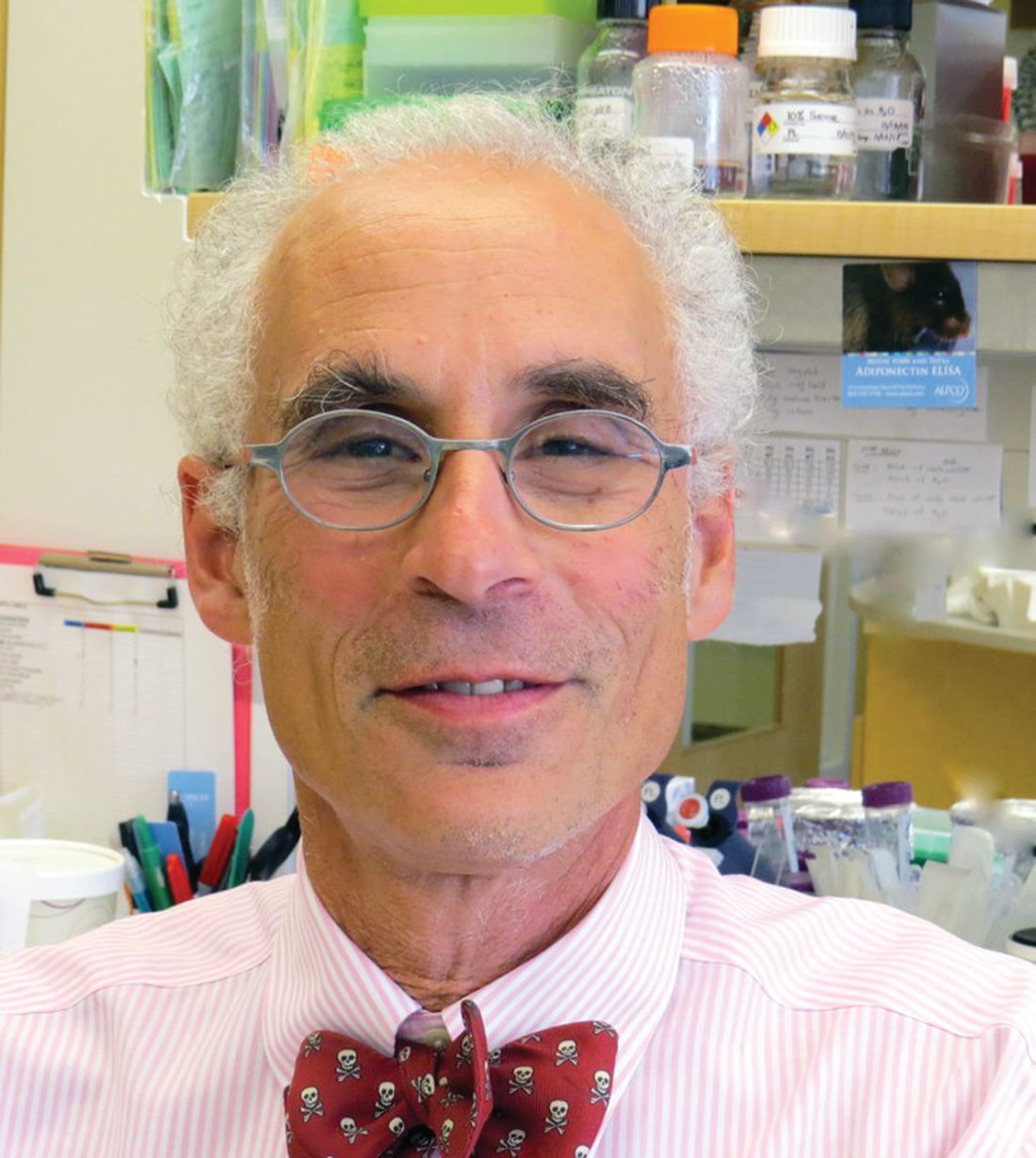
And, Dr. Rosen noted, “I like the idea that the ... [ratio] is a measure of what’s happening in the body in response to vitamin D stores. So, when you supplement, it comes back up ... In certain individuals at high risk for fractures, for example, you might want to consider a more extensive workup like they’re suggesting.”
However, Dr. Rosen, of the Rosen Musculoskeletal Laboratory at Maine Medical Center Research Institute, Scarborough, added: “If the 25[OH]D level is below 20 [ng/mL] you’re going to treat regardless. When we think about sensitivity, a 25[OH]D level less than 20 [ng/mL] is a good screen ... Those individuals need to be treated, especially if they have low bone mass or fractures.”
To validate the ratio for clinical use, Dr. Rosen said, larger numbers of individuals would need to be evaluated. Moreover, “you’d need to run a standard of vitamin D binding protein by mass spectrometry versus their assumed method using ratios. Ratios are always a little tricky to interpret. So, I think this is very early in the game.”
And measuring the ratio of 1,25D/24,25D “is quite expensive,” he added.
He also pointed out that “calcium intake is really critical. You can have a [25(OH)D] level of 18 ng/mL and not have any of those secondary changes because [you’re] taking adequate calcium ... So, that always is a consideration that has to be worked into the evaluation.”
Same 25(OH)D, different risk level
In their poster, Dr. Yazdi and colleagues explain that to assess vitamin D status “one needs to understand regulation of vitamin D metabolism.” 25(OH)D undergoes two alternative fates: 1α-hydroxylation in the kidney, generating 1,25D (the biologically active form) or 24-hydroxylation leading to 24,25D (a biologically inactive metabolite).
For their study, they analyzed pilot data from 11 otherwise healthy individuals who had total baseline plasma 25(OH)D levels < 20 ng/mL, and compared 25(OH)D, 1,25D, 24,25D, and parathyroid hormone before versus after treating them with vitamin D3 supplementation of 50,000 IU per week for 4-6 weeks, aiming for a total 25D level above 30 ng/mL.
They then modeled how the body maintains 1,25D in a normal range and calculated/compared two vitamin D metabolite ratios in vitamin D deficient versus sufficient states: 25(OH)D/1,25D and 1,25D/24,25D. They then evaluated the applicability of these ratios for assessment of vitamin D status.
They explained that suppression of 24-hydroxylase is the first line of defense to maintain 1,25D levels. Secondary hyperparathyroidism is the second line of defense and occurs in severe vitamin D deficiency when the first line is maximally deployed.
Overall, there was poor correlation between 25[OH]D and 1,25D, “consistent with previous evidence that in mild to moderate vitamin D deficiency, 1,25D is maintained in the normal range, and therefore not a useful index for assessing vitamin D status,” the researchers said in their poster.
Hence, they said, the need to add the ratio of 1,25D/24,25D.
They presented a comparison of two study participants: one with a baseline 25[OH]D of 12.3 ng/mL, the other of 11.7 ng/mL. Although both would therefore be classified as deficient according to current guidelines, their 1,25D/24,25D ratios were 20 and 110, respectively.
In the first participant, the parathyroid hormone response to vitamin D supplementation was negligible, at +5%, compared with a dramatic 34% drop in the second participant.
“We think only the one with very high 1,25D/24,25D [ratio of 110] and a significant drop in parathyroid hormone after vitamin D supplementation [-34%] was vitamin D deficient,” the researchers said.
However, Dr. Taylor noted: “The diagnostic cut-offs we describe should be viewed as tentative for the time being. Additional research will be required to fully validate the optimal diagnostic criteria.”
Dr. Yazdi and Dr. Rosen have reported no relevant financial relationships. Dr. Taylor has reported being a consultant for Ionis Pharmaceuticals.
A version of this article originally appeared on Medscape.com.
CHICAGO – , new research suggests.
The study supports previous data suggesting that a ratio cut-off of greater than 100 is associated with the development of secondary hyperparathyroidism and the need for correction with supplementation, while a level greater than 50 suggests mild to moderate deficiency, Zhinous Shahidzadeh Yazdi, MD, noted in a poster presented at the annual meeting of the Endocrine Society
Current Endocrine Society guidelines published in 2011 advise measurement of plasma circulating 25(OH)D levels to evaluate vitamin D status in patients at risk for deficiency, defined as < 20 ng/mL (50 nmol/L). Revised guidelines are due out in early 2024.
“We don’t think measuring 25 hydroxy D is optimal because of the impact of vitamin D binding protein,” Dr. Yazdi said in an interview.
“Over 99% of all metabolites are bound to vitamin D binding protein, but only the free fraction is biologically active. By measuring total plasma 25(OH)D – as we do right now in clinic – we cannot account for the impact of vitamin D binding proteins, which vary by threefold across the population,” she added.
Thus, the total 25(OH)D deficiency cut-off of < 20 mg/mL currently recommended by the Endocrine Society may signal clinically significant vitamin D deficiency in one person but not another, noted Dr. Yazdi, a postdoctoral fellow at the University of Maryland, Baltimore.
Directly measuring binding protein or the free fraction would be ideal, but “there aren’t good commercial assays for those, and it’s more difficult to do. So, as an alternative, the vitamin D metabolite ratios implicitly adjust for individual differences in vitamin D binding protein,” she explained.
The ratio that Dr. Yazdi and colleagues propose to measure is that of the vitamin D metabolites 1,25(OH)2D/24,25 (OH)2D (shortened to 1,25D/24,25D), which they say reflect the body’s homeostatic response to vitamin D levels, and which rises in the setting of deficiency. It is a measurement > 100 in this ratio that they believe means the patient should receive vitamin D supplementation.
Controversial topic, ratio proposal is “very early in the game”
The issue of vitamin D deficiency has long generated controversy, particularly since publication of findings from the VITAL study in 2022, which showed vitamin D supplements did not significantly reduce the risk of fracture among adults in midlife and older compared with placebo.
According to the senior author of the new study, Simeon I. Taylor, MD, professor of medicine at the University of Maryland, what still remains controversial after VITAL is the question: “How can you identify people who have sufficiently bad vitamin D deficiency that it’s adversely impacting their bones?”
He added that there is a suggestion that small subpopulations in VITAL really did benefit from vitamin D supplementation, but the study “wasn’t designed to look at that.”
Indeed, the authors of an editorial accompanying the publication of the VITAL study said the findings mean there is no justification for measuring 25(OH)D in the general population or for treating to a target level.
Asked to comment on Dr. Yazdi and colleagues’ ratio proposal for diagnosing vitamin D deficiency, the coauthor of the VITAL study editorial, Clifford J. Rosen, MD, said in an interview: “I do think it’s important to point out that changes in the vitamin D binding protein can have a significant impact on the level of 25 [OH] D ... People should recognize that.”
And, Dr. Rosen noted, “I like the idea that the ... [ratio] is a measure of what’s happening in the body in response to vitamin D stores. So, when you supplement, it comes back up ... In certain individuals at high risk for fractures, for example, you might want to consider a more extensive workup like they’re suggesting.”
However, Dr. Rosen, of the Rosen Musculoskeletal Laboratory at Maine Medical Center Research Institute, Scarborough, added: “If the 25[OH]D level is below 20 [ng/mL] you’re going to treat regardless. When we think about sensitivity, a 25[OH]D level less than 20 [ng/mL] is a good screen ... Those individuals need to be treated, especially if they have low bone mass or fractures.”
To validate the ratio for clinical use, Dr. Rosen said, larger numbers of individuals would need to be evaluated. Moreover, “you’d need to run a standard of vitamin D binding protein by mass spectrometry versus their assumed method using ratios. Ratios are always a little tricky to interpret. So, I think this is very early in the game.”
And measuring the ratio of 1,25D/24,25D “is quite expensive,” he added.
He also pointed out that “calcium intake is really critical. You can have a [25(OH)D] level of 18 ng/mL and not have any of those secondary changes because [you’re] taking adequate calcium ... So, that always is a consideration that has to be worked into the evaluation.”
Same 25(OH)D, different risk level
In their poster, Dr. Yazdi and colleagues explain that to assess vitamin D status “one needs to understand regulation of vitamin D metabolism.” 25(OH)D undergoes two alternative fates: 1α-hydroxylation in the kidney, generating 1,25D (the biologically active form) or 24-hydroxylation leading to 24,25D (a biologically inactive metabolite).
For their study, they analyzed pilot data from 11 otherwise healthy individuals who had total baseline plasma 25(OH)D levels < 20 ng/mL, and compared 25(OH)D, 1,25D, 24,25D, and parathyroid hormone before versus after treating them with vitamin D3 supplementation of 50,000 IU per week for 4-6 weeks, aiming for a total 25D level above 30 ng/mL.
They then modeled how the body maintains 1,25D in a normal range and calculated/compared two vitamin D metabolite ratios in vitamin D deficient versus sufficient states: 25(OH)D/1,25D and 1,25D/24,25D. They then evaluated the applicability of these ratios for assessment of vitamin D status.
They explained that suppression of 24-hydroxylase is the first line of defense to maintain 1,25D levels. Secondary hyperparathyroidism is the second line of defense and occurs in severe vitamin D deficiency when the first line is maximally deployed.
Overall, there was poor correlation between 25[OH]D and 1,25D, “consistent with previous evidence that in mild to moderate vitamin D deficiency, 1,25D is maintained in the normal range, and therefore not a useful index for assessing vitamin D status,” the researchers said in their poster.
Hence, they said, the need to add the ratio of 1,25D/24,25D.
They presented a comparison of two study participants: one with a baseline 25[OH]D of 12.3 ng/mL, the other of 11.7 ng/mL. Although both would therefore be classified as deficient according to current guidelines, their 1,25D/24,25D ratios were 20 and 110, respectively.
In the first participant, the parathyroid hormone response to vitamin D supplementation was negligible, at +5%, compared with a dramatic 34% drop in the second participant.
“We think only the one with very high 1,25D/24,25D [ratio of 110] and a significant drop in parathyroid hormone after vitamin D supplementation [-34%] was vitamin D deficient,” the researchers said.
However, Dr. Taylor noted: “The diagnostic cut-offs we describe should be viewed as tentative for the time being. Additional research will be required to fully validate the optimal diagnostic criteria.”
Dr. Yazdi and Dr. Rosen have reported no relevant financial relationships. Dr. Taylor has reported being a consultant for Ionis Pharmaceuticals.
A version of this article originally appeared on Medscape.com.
CHICAGO – , new research suggests.
The study supports previous data suggesting that a ratio cut-off of greater than 100 is associated with the development of secondary hyperparathyroidism and the need for correction with supplementation, while a level greater than 50 suggests mild to moderate deficiency, Zhinous Shahidzadeh Yazdi, MD, noted in a poster presented at the annual meeting of the Endocrine Society
Current Endocrine Society guidelines published in 2011 advise measurement of plasma circulating 25(OH)D levels to evaluate vitamin D status in patients at risk for deficiency, defined as < 20 ng/mL (50 nmol/L). Revised guidelines are due out in early 2024.
“We don’t think measuring 25 hydroxy D is optimal because of the impact of vitamin D binding protein,” Dr. Yazdi said in an interview.
“Over 99% of all metabolites are bound to vitamin D binding protein, but only the free fraction is biologically active. By measuring total plasma 25(OH)D – as we do right now in clinic – we cannot account for the impact of vitamin D binding proteins, which vary by threefold across the population,” she added.
Thus, the total 25(OH)D deficiency cut-off of < 20 mg/mL currently recommended by the Endocrine Society may signal clinically significant vitamin D deficiency in one person but not another, noted Dr. Yazdi, a postdoctoral fellow at the University of Maryland, Baltimore.
Directly measuring binding protein or the free fraction would be ideal, but “there aren’t good commercial assays for those, and it’s more difficult to do. So, as an alternative, the vitamin D metabolite ratios implicitly adjust for individual differences in vitamin D binding protein,” she explained.
The ratio that Dr. Yazdi and colleagues propose to measure is that of the vitamin D metabolites 1,25(OH)2D/24,25 (OH)2D (shortened to 1,25D/24,25D), which they say reflect the body’s homeostatic response to vitamin D levels, and which rises in the setting of deficiency. It is a measurement > 100 in this ratio that they believe means the patient should receive vitamin D supplementation.
Controversial topic, ratio proposal is “very early in the game”
The issue of vitamin D deficiency has long generated controversy, particularly since publication of findings from the VITAL study in 2022, which showed vitamin D supplements did not significantly reduce the risk of fracture among adults in midlife and older compared with placebo.
According to the senior author of the new study, Simeon I. Taylor, MD, professor of medicine at the University of Maryland, what still remains controversial after VITAL is the question: “How can you identify people who have sufficiently bad vitamin D deficiency that it’s adversely impacting their bones?”
He added that there is a suggestion that small subpopulations in VITAL really did benefit from vitamin D supplementation, but the study “wasn’t designed to look at that.”
Indeed, the authors of an editorial accompanying the publication of the VITAL study said the findings mean there is no justification for measuring 25(OH)D in the general population or for treating to a target level.
Asked to comment on Dr. Yazdi and colleagues’ ratio proposal for diagnosing vitamin D deficiency, the coauthor of the VITAL study editorial, Clifford J. Rosen, MD, said in an interview: “I do think it’s important to point out that changes in the vitamin D binding protein can have a significant impact on the level of 25 [OH] D ... People should recognize that.”
And, Dr. Rosen noted, “I like the idea that the ... [ratio] is a measure of what’s happening in the body in response to vitamin D stores. So, when you supplement, it comes back up ... In certain individuals at high risk for fractures, for example, you might want to consider a more extensive workup like they’re suggesting.”
However, Dr. Rosen, of the Rosen Musculoskeletal Laboratory at Maine Medical Center Research Institute, Scarborough, added: “If the 25[OH]D level is below 20 [ng/mL] you’re going to treat regardless. When we think about sensitivity, a 25[OH]D level less than 20 [ng/mL] is a good screen ... Those individuals need to be treated, especially if they have low bone mass or fractures.”
To validate the ratio for clinical use, Dr. Rosen said, larger numbers of individuals would need to be evaluated. Moreover, “you’d need to run a standard of vitamin D binding protein by mass spectrometry versus their assumed method using ratios. Ratios are always a little tricky to interpret. So, I think this is very early in the game.”
And measuring the ratio of 1,25D/24,25D “is quite expensive,” he added.
He also pointed out that “calcium intake is really critical. You can have a [25(OH)D] level of 18 ng/mL and not have any of those secondary changes because [you’re] taking adequate calcium ... So, that always is a consideration that has to be worked into the evaluation.”
Same 25(OH)D, different risk level
In their poster, Dr. Yazdi and colleagues explain that to assess vitamin D status “one needs to understand regulation of vitamin D metabolism.” 25(OH)D undergoes two alternative fates: 1α-hydroxylation in the kidney, generating 1,25D (the biologically active form) or 24-hydroxylation leading to 24,25D (a biologically inactive metabolite).
For their study, they analyzed pilot data from 11 otherwise healthy individuals who had total baseline plasma 25(OH)D levels < 20 ng/mL, and compared 25(OH)D, 1,25D, 24,25D, and parathyroid hormone before versus after treating them with vitamin D3 supplementation of 50,000 IU per week for 4-6 weeks, aiming for a total 25D level above 30 ng/mL.
They then modeled how the body maintains 1,25D in a normal range and calculated/compared two vitamin D metabolite ratios in vitamin D deficient versus sufficient states: 25(OH)D/1,25D and 1,25D/24,25D. They then evaluated the applicability of these ratios for assessment of vitamin D status.
They explained that suppression of 24-hydroxylase is the first line of defense to maintain 1,25D levels. Secondary hyperparathyroidism is the second line of defense and occurs in severe vitamin D deficiency when the first line is maximally deployed.
Overall, there was poor correlation between 25[OH]D and 1,25D, “consistent with previous evidence that in mild to moderate vitamin D deficiency, 1,25D is maintained in the normal range, and therefore not a useful index for assessing vitamin D status,” the researchers said in their poster.
Hence, they said, the need to add the ratio of 1,25D/24,25D.
They presented a comparison of two study participants: one with a baseline 25[OH]D of 12.3 ng/mL, the other of 11.7 ng/mL. Although both would therefore be classified as deficient according to current guidelines, their 1,25D/24,25D ratios were 20 and 110, respectively.
In the first participant, the parathyroid hormone response to vitamin D supplementation was negligible, at +5%, compared with a dramatic 34% drop in the second participant.
“We think only the one with very high 1,25D/24,25D [ratio of 110] and a significant drop in parathyroid hormone after vitamin D supplementation [-34%] was vitamin D deficient,” the researchers said.
However, Dr. Taylor noted: “The diagnostic cut-offs we describe should be viewed as tentative for the time being. Additional research will be required to fully validate the optimal diagnostic criteria.”
Dr. Yazdi and Dr. Rosen have reported no relevant financial relationships. Dr. Taylor has reported being a consultant for Ionis Pharmaceuticals.
A version of this article originally appeared on Medscape.com.
AT ENDO 2023
‘New standard of care’ for capecitabine hand-foot syndrome
researchers reported in a study that has been hailed by experts as “practice changing.”
Hand-foot syndrome causes painful, bleeding blisters and ulcers on the palms and soles. It often leads to dose reductions and sometimes even discontinuations, both of which limit the effectiveness of capecitabine, a standard oral chemotherapy drug widely used for colorectal and breast cancers.
In a new study presented at the annual meeting of the American Society of Clinical Oncology, Indian researchers reported that a cheap, safe, and widely available over-the-counter nonsteroidal anti-inflammatory gel containing 1% diclofenac reduced the incidence of hand-foot syndrome by 75% among patients with cancer being treated with capecitabine.
Up until now, the oral anti-inflammatory celecoxib (Celebrex) was the only agent proven to prevent the problem, but it’s rarely used because of the risk for strokes, gastric bleeding, and other issues, none of which are a concern with topical diclofenac, which osteoarthritis patients have used safely for years.
The Indian trial, dubbed D-Torch, establishes “1% topical diclofenac gel as the new standard of care to prevent capecitabine-associated hand-foot syndrome,” said investigator and study presenter Atul Batra, MD, a medical oncologist at the All India Institute of Medical Sciences, New Delhi.
Dr. Batra told ASCO Daily News that there is no need for a second trial. “We don’t feel there’s a need to replicate these results” in a larger study “because this was adequately powered, and the results speak for themselves. There’s no confusion about these results. Diclofenac is clearly effective.”
Dr. Batra also commented that his clinic now uses topical diclofenac routinely during capecitabine treatment and that he hopes oncology practices elsewhere will do the same.
Diclofenac gel is sold under the brand name Voltaren and is also available as a generic; in the United States, a 150-gram tube costs about $18 at Walmart.
‘The most practice-changing study’ at ASCO 2023
Audience members at ASCO’s annual meeting immediately saw the importance of the study.
Tarah Ballinger, MD, a breast cancer specialist at Indiana University, Indianapolis, said on Twitter that “this might be the most practice changing study I heard at ASCO23.” Topical diclofenac is “widely available, affordable, [and] addresses [a] major” quality of life issue.
The study discussant at the meeting, gastrointestinal cancer specialist Pallavi Kumar, MD, of the University of Pennsylvania, Philadelphia, concurred: “For me as a GI oncologist, topical diclofenac for prevention of HFS for patients on capecitabine is practice changing,” she said.
The takeaway is “that topical diclofenac significantly reduces the incidence of grade 2 or higher HFS in patients receiving capecitabine.” The results are “very impressive,” Dr. Kumar said.
Study details
The idea for the new study came after Batra and colleagues realized that celecoxib, a COX-2 enzyme inhibitor, helps prevent capecitabine hand-foot syndrome (HFS) by blocking a key process that leads to it, the up-regulation of COX-2 and subsequent release of proinflammatory prostaglandins.
They turned to diclofenac gel hoping to get the same effect but more safely; diclofenac is also a COX-2 blocker, and its topical formulation has a strong safety record.
To test the approach, the team randomly assigned 130 patients to topical diclofenac and 133 to placebo – the gel vehicle without the medication – while they were being treated with capecitabine for 12 weeks; 56% were being treated for breast cancer and the rest for gastrointestinal cancers.
Subjects rubbed one fingertip’s worth of gel – about half a gram – on each palm and the back of each hand twice a day. The dose was about 4 grams/day, which is well below maximal dosages for osteoarthritis (up to 32 g/day over all affected joints). Adherence to treatment was about 95% in both arms.
By the end of 12 weeks, the incidence of grade 2 or higher HFS was 3.8% in the diclofenac arm (5 patients) versus 15% (n = 20) with placebo (P = .003), a 75% risk reduction.
The incidence of any grade HFS was 6.1% in the treatment group versus 18.1% with placebo (P = .003).
Hand-foot syndrome led to dose reductions of capecitabine in 13.5% of placebo but only 3.8% of those in the diclofenac group (P = .002).
The findings held regardless of whether patients were being treated for breast or GI cancer or if they were men or women.
Other capecitabine-induced adverse events, including diarrhea, mucositis, and myelosuppression, were not significantly different between the groups.
The treatment arms were well balanced, with a median age of 47 years in both groups and women making up about 70% of each. About 40% of subjects in each group were on capecitabine monotherapy with the rest on combination treatments. The mean dose of capecitabine was just over 1,880 mg/m2 in both groups.
At the meeting, Dr. Batra was asked if topical diclofenac would also work for another common problem in oncology: hand-food syndrome occurring as a side-effect with VEGF–tyrosine kinase inhibitors. He didn’t think so because it probably has a different cause than capecitabine HFS, one not strongly related to COX-2 up-regulation.
The study was partly funded by the Indian Supportive Care of Cancer Association. The investigators reported no relevant financial relationships.
A version of this article originally appeared on Medscape.com.
researchers reported in a study that has been hailed by experts as “practice changing.”
Hand-foot syndrome causes painful, bleeding blisters and ulcers on the palms and soles. It often leads to dose reductions and sometimes even discontinuations, both of which limit the effectiveness of capecitabine, a standard oral chemotherapy drug widely used for colorectal and breast cancers.
In a new study presented at the annual meeting of the American Society of Clinical Oncology, Indian researchers reported that a cheap, safe, and widely available over-the-counter nonsteroidal anti-inflammatory gel containing 1% diclofenac reduced the incidence of hand-foot syndrome by 75% among patients with cancer being treated with capecitabine.
Up until now, the oral anti-inflammatory celecoxib (Celebrex) was the only agent proven to prevent the problem, but it’s rarely used because of the risk for strokes, gastric bleeding, and other issues, none of which are a concern with topical diclofenac, which osteoarthritis patients have used safely for years.
The Indian trial, dubbed D-Torch, establishes “1% topical diclofenac gel as the new standard of care to prevent capecitabine-associated hand-foot syndrome,” said investigator and study presenter Atul Batra, MD, a medical oncologist at the All India Institute of Medical Sciences, New Delhi.
Dr. Batra told ASCO Daily News that there is no need for a second trial. “We don’t feel there’s a need to replicate these results” in a larger study “because this was adequately powered, and the results speak for themselves. There’s no confusion about these results. Diclofenac is clearly effective.”
Dr. Batra also commented that his clinic now uses topical diclofenac routinely during capecitabine treatment and that he hopes oncology practices elsewhere will do the same.
Diclofenac gel is sold under the brand name Voltaren and is also available as a generic; in the United States, a 150-gram tube costs about $18 at Walmart.
‘The most practice-changing study’ at ASCO 2023
Audience members at ASCO’s annual meeting immediately saw the importance of the study.
Tarah Ballinger, MD, a breast cancer specialist at Indiana University, Indianapolis, said on Twitter that “this might be the most practice changing study I heard at ASCO23.” Topical diclofenac is “widely available, affordable, [and] addresses [a] major” quality of life issue.
The study discussant at the meeting, gastrointestinal cancer specialist Pallavi Kumar, MD, of the University of Pennsylvania, Philadelphia, concurred: “For me as a GI oncologist, topical diclofenac for prevention of HFS for patients on capecitabine is practice changing,” she said.
The takeaway is “that topical diclofenac significantly reduces the incidence of grade 2 or higher HFS in patients receiving capecitabine.” The results are “very impressive,” Dr. Kumar said.
Study details
The idea for the new study came after Batra and colleagues realized that celecoxib, a COX-2 enzyme inhibitor, helps prevent capecitabine hand-foot syndrome (HFS) by blocking a key process that leads to it, the up-regulation of COX-2 and subsequent release of proinflammatory prostaglandins.
They turned to diclofenac gel hoping to get the same effect but more safely; diclofenac is also a COX-2 blocker, and its topical formulation has a strong safety record.
To test the approach, the team randomly assigned 130 patients to topical diclofenac and 133 to placebo – the gel vehicle without the medication – while they were being treated with capecitabine for 12 weeks; 56% were being treated for breast cancer and the rest for gastrointestinal cancers.
Subjects rubbed one fingertip’s worth of gel – about half a gram – on each palm and the back of each hand twice a day. The dose was about 4 grams/day, which is well below maximal dosages for osteoarthritis (up to 32 g/day over all affected joints). Adherence to treatment was about 95% in both arms.
By the end of 12 weeks, the incidence of grade 2 or higher HFS was 3.8% in the diclofenac arm (5 patients) versus 15% (n = 20) with placebo (P = .003), a 75% risk reduction.
The incidence of any grade HFS was 6.1% in the treatment group versus 18.1% with placebo (P = .003).
Hand-foot syndrome led to dose reductions of capecitabine in 13.5% of placebo but only 3.8% of those in the diclofenac group (P = .002).
The findings held regardless of whether patients were being treated for breast or GI cancer or if they were men or women.
Other capecitabine-induced adverse events, including diarrhea, mucositis, and myelosuppression, were not significantly different between the groups.
The treatment arms were well balanced, with a median age of 47 years in both groups and women making up about 70% of each. About 40% of subjects in each group were on capecitabine monotherapy with the rest on combination treatments. The mean dose of capecitabine was just over 1,880 mg/m2 in both groups.
At the meeting, Dr. Batra was asked if topical diclofenac would also work for another common problem in oncology: hand-food syndrome occurring as a side-effect with VEGF–tyrosine kinase inhibitors. He didn’t think so because it probably has a different cause than capecitabine HFS, one not strongly related to COX-2 up-regulation.
The study was partly funded by the Indian Supportive Care of Cancer Association. The investigators reported no relevant financial relationships.
A version of this article originally appeared on Medscape.com.
researchers reported in a study that has been hailed by experts as “practice changing.”
Hand-foot syndrome causes painful, bleeding blisters and ulcers on the palms and soles. It often leads to dose reductions and sometimes even discontinuations, both of which limit the effectiveness of capecitabine, a standard oral chemotherapy drug widely used for colorectal and breast cancers.
In a new study presented at the annual meeting of the American Society of Clinical Oncology, Indian researchers reported that a cheap, safe, and widely available over-the-counter nonsteroidal anti-inflammatory gel containing 1% diclofenac reduced the incidence of hand-foot syndrome by 75% among patients with cancer being treated with capecitabine.
Up until now, the oral anti-inflammatory celecoxib (Celebrex) was the only agent proven to prevent the problem, but it’s rarely used because of the risk for strokes, gastric bleeding, and other issues, none of which are a concern with topical diclofenac, which osteoarthritis patients have used safely for years.
The Indian trial, dubbed D-Torch, establishes “1% topical diclofenac gel as the new standard of care to prevent capecitabine-associated hand-foot syndrome,” said investigator and study presenter Atul Batra, MD, a medical oncologist at the All India Institute of Medical Sciences, New Delhi.
Dr. Batra told ASCO Daily News that there is no need for a second trial. “We don’t feel there’s a need to replicate these results” in a larger study “because this was adequately powered, and the results speak for themselves. There’s no confusion about these results. Diclofenac is clearly effective.”
Dr. Batra also commented that his clinic now uses topical diclofenac routinely during capecitabine treatment and that he hopes oncology practices elsewhere will do the same.
Diclofenac gel is sold under the brand name Voltaren and is also available as a generic; in the United States, a 150-gram tube costs about $18 at Walmart.
‘The most practice-changing study’ at ASCO 2023
Audience members at ASCO’s annual meeting immediately saw the importance of the study.
Tarah Ballinger, MD, a breast cancer specialist at Indiana University, Indianapolis, said on Twitter that “this might be the most practice changing study I heard at ASCO23.” Topical diclofenac is “widely available, affordable, [and] addresses [a] major” quality of life issue.
The study discussant at the meeting, gastrointestinal cancer specialist Pallavi Kumar, MD, of the University of Pennsylvania, Philadelphia, concurred: “For me as a GI oncologist, topical diclofenac for prevention of HFS for patients on capecitabine is practice changing,” she said.
The takeaway is “that topical diclofenac significantly reduces the incidence of grade 2 or higher HFS in patients receiving capecitabine.” The results are “very impressive,” Dr. Kumar said.
Study details
The idea for the new study came after Batra and colleagues realized that celecoxib, a COX-2 enzyme inhibitor, helps prevent capecitabine hand-foot syndrome (HFS) by blocking a key process that leads to it, the up-regulation of COX-2 and subsequent release of proinflammatory prostaglandins.
They turned to diclofenac gel hoping to get the same effect but more safely; diclofenac is also a COX-2 blocker, and its topical formulation has a strong safety record.
To test the approach, the team randomly assigned 130 patients to topical diclofenac and 133 to placebo – the gel vehicle without the medication – while they were being treated with capecitabine for 12 weeks; 56% were being treated for breast cancer and the rest for gastrointestinal cancers.
Subjects rubbed one fingertip’s worth of gel – about half a gram – on each palm and the back of each hand twice a day. The dose was about 4 grams/day, which is well below maximal dosages for osteoarthritis (up to 32 g/day over all affected joints). Adherence to treatment was about 95% in both arms.
By the end of 12 weeks, the incidence of grade 2 or higher HFS was 3.8% in the diclofenac arm (5 patients) versus 15% (n = 20) with placebo (P = .003), a 75% risk reduction.
The incidence of any grade HFS was 6.1% in the treatment group versus 18.1% with placebo (P = .003).
Hand-foot syndrome led to dose reductions of capecitabine in 13.5% of placebo but only 3.8% of those in the diclofenac group (P = .002).
The findings held regardless of whether patients were being treated for breast or GI cancer or if they were men or women.
Other capecitabine-induced adverse events, including diarrhea, mucositis, and myelosuppression, were not significantly different between the groups.
The treatment arms were well balanced, with a median age of 47 years in both groups and women making up about 70% of each. About 40% of subjects in each group were on capecitabine monotherapy with the rest on combination treatments. The mean dose of capecitabine was just over 1,880 mg/m2 in both groups.
At the meeting, Dr. Batra was asked if topical diclofenac would also work for another common problem in oncology: hand-food syndrome occurring as a side-effect with VEGF–tyrosine kinase inhibitors. He didn’t think so because it probably has a different cause than capecitabine HFS, one not strongly related to COX-2 up-regulation.
The study was partly funded by the Indian Supportive Care of Cancer Association. The investigators reported no relevant financial relationships.
A version of this article originally appeared on Medscape.com.
FROM ASCO 2023
It’s okay to say ‘no’: Setting boundaries in oncology
CHICAGO – in order to protect their well-being and reduce their risk of burnout.
This was the message from speakers at a special session on “Setting Boundaries” during the annual meeting of the American Society of Clinical Oncology (ASCO).
Monica Sheila Chatwal, MD, a medical oncologist at Moffitt Cancer Center and Research Institute, Tampa, Fla., suggested that, like a painting in a museum, physicians should have “some level of guardrail” to protect their knowledge and expertise, and also their ability to be able to continue to care for patients.
Having set boundaries “provides more emotional and cognitive flexibility, and less uncertainty, in the relationships that we have with our colleagues, with our patients, with everyone around us,” she argued.
“More importantly, boundaries acknowledge that, as humans, we are multifaceted, multidimensional people,” and that “we have lives outside of medicine, much as we may or may not want to admit that.
“It’s great to be devoted to what we do, but there are so many other aspects of ourselves that make us who we are, and that is wonderful,” she said.
A calling, not a job
However, the idea of demarcating one’s professional and personal life can go against the still-persistent idea that being a doctor is a calling rather than a job.
“I don’t think it matters whether you call it a job or a calling,” commented another speaker at the session, Jonathan M. Marron, MD, MPH, Dana-Farber/Boston Children’s Cancer.
But even if it is a calling, which implies that “you are supposed to devote all of yourself to the work and not to anything else,” there is still a need for setting boundaries, he argued. Saying “no” and allowing “yourself to be yourself” are important measures, Dr. Marron emphasized, as taking time out can make you a better clinician.
Crucial to that is being able to communicate with colleagues and share a degree of “vulnerability,” added Dr. Chatwal. “Showing that you’re vulnerable not only to your trainees, but also to your staff and to your patients really normalizes everything.”
“I have nurses who are feeling like they have to work 24/7 and manage their inbox to answer all of their messages, because they feel like they have to keep up.
“But it’s nice for me to be able to model that and say: ‘Listen, I want you to know it’s not urgent, please take 24 hours and we’ll come back to it.’ ”
Communicating with patients
Dr. Chatwal noted that, while there are clear boundaries related to sexual or physical relationships between doctors and patients and around not treating family members or friends, the boundaries pertaining to communication, and “how frequently [patients] have access to us ... are not so clearly defined.”
The advent of telemedicine has added to that, she believes, as it offers a “patient portal that can allow access 24/7.”
“Does that mean we as physicians or providers also give that level of access? Are we supposed to check messages at all periods of time?”
“More and more people are becoming more cognizant of this,” she commented, noting that the issue has taken on greater import with the rise of social media and the “ability for our patients to request us as friends.”
She pointed out that former president of the American College of Physicians Wayne J. Riley, MD, MPH, MBA, suggested doctors should maintain an air of detachment with their patients, as “it allows us to protect ourselves and continue to provide that great level of care.”
On the other hand, she noted that there has been a sea change in how patients see doctors. Whereas in the past, medicine “was very paternalistic” with doctors seen as the “be all and end all,” now patients tend to be more knowledgeable and Dr. Google “makes them much more engaged in their care.”
But this can also cause problems when patients become “demanding for certain treatments,” she said.
Limits to ethical care?
Dr. Marron posed the question: “Is there a limit to my ethical obligations to ethical care?”
He described a hypothetical scenario where a patient has found their doctor’s email address online and they now sends “frequent emails, despite very clear instructions to use the on-call paging system for something that’s urgent, and the electronic health record messaging system otherwise.”
This patient’s behavior is “causing a huge amount of stress” for the doctor, and this is affecting their care of other patients, as well as their academic work and home life.
Dr. Marron asked the audience: Would it be ethically acceptable to stop seeing such a patient?
Taking a quick straw poll of the audience, Dr. Marron noted that there were “not a lot of hands” raised in favor.
He suggested this is because the notion of nonabandonment comes into play, in which there is an obligation to not let patients go without providing adequate time for them to find an alternative clinician.
In this scenario, for example, the doctor could find “several local oncologists who are willing to accept the patient,” as well as talk the situation through with a trusted colleagues, and only then “compassionately but resolutely” tell the patient that they will be transferred.
Dr. Marron acknowledged that this may seem at odds with the theme of this year’s ASCO annual meeting, which emphasizes “partnering with patients.” But he argued that “it doesn’t have to be.”
When thoughtfully done, setting boundaries “can ethically allow us to give more to, and partner more with, our patients, while supporting our well-being, sense of purpose, and job satisfaction,” he argued.
Goldilocks situation
Speaking more broadly, Dr. Marron said that boundaries might be considered on a spectrum.
Too few boundaries can lead to conflicts of interest, loss of balance in the patient-physician relationship, and overengagement, while too many boundaries may result in insufficient connection with patients, thus reducing the “human element” and increasing a sense of disengagement.
Either way, “we run the risk of having decreased satisfaction what with what we’re doing, and decreasing the quality of patient care.”
“It’s a little bit of a Goldilocks situation: You want to find just the right balance, somewhere in the middle,” he said.
In the past, issues around having too few boundaries related to conflicts of interest. This reduced trust in the medical profession, he commented, which may have affected patient outcomes, and certainly increased the risk of reduced well-being and burnout.
“Today, we probably still lie on the end of the spectrum with too few boundaries,” Dr. Marron said, “but in a very different way, as we worry about limited work-life balance, and always being connected.”
“I don’t think there’s anybody in the room who doesn’t have some kind of electronic device, either in their hand or not too far from their hand,” he continued.
Moreover, “the patients that we’re taking care of have a greater amount of complexity than they’ve ever had before ... [with] greater numbers of needs than ever before,” and as a result, they require “a greater amount of our time as clinicians.”
Just as with the lack of boundaries in the past, this “runs the risk of us having decreased well-being and an increased risk of burnout,” he suggested.
Wearing several hats
The third speaker, Arif Kamal, MD, MBA, MHS, associate professor of medicine and population health, Duke University, Durham, N.C., and chief patient officer at the American Cancer Society, said that every oncologist wears several “hats” in addition to being a clinician.
These may include, in his case, being “a father, a husband, and a brother, and a soccer coach, and a lot of different things.”
Dr. Kamal underlined that recognizing these various roles is “really important,” especially when it comes to the “moment of comparison with others,” as there is a temptation to see one’s own complexity but not that of a colleague.
“The question is: What are all the other competing priorities that a person faces?”
For example, a person’s tally of publications is “just one of many metrics” when it comes to measuring the “success of a career, and, frankly, I’m not sure that’s one of the good ones,” Dr. Kamal said.
He recalled how a mentor of his when he was at the Mayo Clinic had a “remarkable dip” in the number of publications at a certain point in his career, and he explained to Dr. Kamal that this was the time “when my kids needed me the most.”
“That was really important,” Dr. Kamal said, “because it taught me a lesson about having mentors in your life that are not only focused on your career and academic success, but also those who are very interested in the other hats that you wear.”
Fear of saying no
One way of setting boundaries is saying no to certain requests, Dr. Kamal commented.
He gave an example from his own life – when he was at a soccer game and received a call on his cell from a patient who has seen test results before he has had a chance to review them.
Dr. Kamal also painted a hypothetical scenario, where a doctor on junior faculty, staffing a GI oncology clinic 4 days a week, is also volunteering to collect and organize new cases for the tumor board, and is writing several letters of intent for pharmaceutical trials. They are saying “yes” to 90% of the requests for their time, he said, and the result is they go home “most days feeling like their tank is on empty.”
“Then this person gets asked by the division chief to serve on the hospital’s pain committee,” he said, “regardless of the fact that this is not necessarily in their clinical or research interests.”
“So this is really a bit of an [out of] left field request, and how does this person address this?”
Dr. Kamal said that a useful concept to consider is something commonly ascribed to teenagers, that of the fear of missing out, or FOMO.
The problem is that, “due to this concept of FOMO, when opportunities come your way, saying ‘no’ to them gives rise to the question: What if the opportunity never comes back?”
But Dr. Kamal also reminded the audience that “without being able to say no to things ... your capacity will go down.”
“That’s really important to recognize, because for a long time, healing professions have been thought of as [having] people that can continue to expand and expand and expand, without calling out this concept of inflation.”
This is really about “being true to yourself,” and acknowledging that “no one is going to set boundaries for you.”
“That was a tough lesson I learned in my career,” Dr. Kamal commented, and when he looked for guidance, he found that “everyone is struggling with this.”
Setting boundaries, he emphasized, requires “a certain amount of looking inward ... and it requires some bravery.”
“You just have to ask yourself: Is the only reason you’re going to do something because of FOMO?” Dr. Kamal commented. “Maybe that’s okay, but you have to acknowledge that’s the case.”
Dr. Chatwal reported a relationship with Merck. Dr. Marron reported relationships with Genzyme, Partner Therapeutics, ROM Technologies, Arnett, Draper, & Hagood, and Trentalange & Kelley. Dr. Kamal reported relationships with Acclivity Health, Prepped Health, Private Diagnostic Clinic, AstraZeneca, Care4ward, Compassus, HERON, Janssen Oncology, Medtronic, New Century Health, UnitedHealth Group, and Janssen Oncology.
A version of this article first appeared on Medscape.com.
CHICAGO – in order to protect their well-being and reduce their risk of burnout.
This was the message from speakers at a special session on “Setting Boundaries” during the annual meeting of the American Society of Clinical Oncology (ASCO).
Monica Sheila Chatwal, MD, a medical oncologist at Moffitt Cancer Center and Research Institute, Tampa, Fla., suggested that, like a painting in a museum, physicians should have “some level of guardrail” to protect their knowledge and expertise, and also their ability to be able to continue to care for patients.
Having set boundaries “provides more emotional and cognitive flexibility, and less uncertainty, in the relationships that we have with our colleagues, with our patients, with everyone around us,” she argued.
“More importantly, boundaries acknowledge that, as humans, we are multifaceted, multidimensional people,” and that “we have lives outside of medicine, much as we may or may not want to admit that.
“It’s great to be devoted to what we do, but there are so many other aspects of ourselves that make us who we are, and that is wonderful,” she said.
A calling, not a job
However, the idea of demarcating one’s professional and personal life can go against the still-persistent idea that being a doctor is a calling rather than a job.
“I don’t think it matters whether you call it a job or a calling,” commented another speaker at the session, Jonathan M. Marron, MD, MPH, Dana-Farber/Boston Children’s Cancer.
But even if it is a calling, which implies that “you are supposed to devote all of yourself to the work and not to anything else,” there is still a need for setting boundaries, he argued. Saying “no” and allowing “yourself to be yourself” are important measures, Dr. Marron emphasized, as taking time out can make you a better clinician.
Crucial to that is being able to communicate with colleagues and share a degree of “vulnerability,” added Dr. Chatwal. “Showing that you’re vulnerable not only to your trainees, but also to your staff and to your patients really normalizes everything.”
“I have nurses who are feeling like they have to work 24/7 and manage their inbox to answer all of their messages, because they feel like they have to keep up.
“But it’s nice for me to be able to model that and say: ‘Listen, I want you to know it’s not urgent, please take 24 hours and we’ll come back to it.’ ”
Communicating with patients
Dr. Chatwal noted that, while there are clear boundaries related to sexual or physical relationships between doctors and patients and around not treating family members or friends, the boundaries pertaining to communication, and “how frequently [patients] have access to us ... are not so clearly defined.”
The advent of telemedicine has added to that, she believes, as it offers a “patient portal that can allow access 24/7.”
“Does that mean we as physicians or providers also give that level of access? Are we supposed to check messages at all periods of time?”
“More and more people are becoming more cognizant of this,” she commented, noting that the issue has taken on greater import with the rise of social media and the “ability for our patients to request us as friends.”
She pointed out that former president of the American College of Physicians Wayne J. Riley, MD, MPH, MBA, suggested doctors should maintain an air of detachment with their patients, as “it allows us to protect ourselves and continue to provide that great level of care.”
On the other hand, she noted that there has been a sea change in how patients see doctors. Whereas in the past, medicine “was very paternalistic” with doctors seen as the “be all and end all,” now patients tend to be more knowledgeable and Dr. Google “makes them much more engaged in their care.”
But this can also cause problems when patients become “demanding for certain treatments,” she said.
Limits to ethical care?
Dr. Marron posed the question: “Is there a limit to my ethical obligations to ethical care?”
He described a hypothetical scenario where a patient has found their doctor’s email address online and they now sends “frequent emails, despite very clear instructions to use the on-call paging system for something that’s urgent, and the electronic health record messaging system otherwise.”
This patient’s behavior is “causing a huge amount of stress” for the doctor, and this is affecting their care of other patients, as well as their academic work and home life.
Dr. Marron asked the audience: Would it be ethically acceptable to stop seeing such a patient?
Taking a quick straw poll of the audience, Dr. Marron noted that there were “not a lot of hands” raised in favor.
He suggested this is because the notion of nonabandonment comes into play, in which there is an obligation to not let patients go without providing adequate time for them to find an alternative clinician.
In this scenario, for example, the doctor could find “several local oncologists who are willing to accept the patient,” as well as talk the situation through with a trusted colleagues, and only then “compassionately but resolutely” tell the patient that they will be transferred.
Dr. Marron acknowledged that this may seem at odds with the theme of this year’s ASCO annual meeting, which emphasizes “partnering with patients.” But he argued that “it doesn’t have to be.”
When thoughtfully done, setting boundaries “can ethically allow us to give more to, and partner more with, our patients, while supporting our well-being, sense of purpose, and job satisfaction,” he argued.
Goldilocks situation
Speaking more broadly, Dr. Marron said that boundaries might be considered on a spectrum.
Too few boundaries can lead to conflicts of interest, loss of balance in the patient-physician relationship, and overengagement, while too many boundaries may result in insufficient connection with patients, thus reducing the “human element” and increasing a sense of disengagement.
Either way, “we run the risk of having decreased satisfaction what with what we’re doing, and decreasing the quality of patient care.”
“It’s a little bit of a Goldilocks situation: You want to find just the right balance, somewhere in the middle,” he said.
In the past, issues around having too few boundaries related to conflicts of interest. This reduced trust in the medical profession, he commented, which may have affected patient outcomes, and certainly increased the risk of reduced well-being and burnout.
“Today, we probably still lie on the end of the spectrum with too few boundaries,” Dr. Marron said, “but in a very different way, as we worry about limited work-life balance, and always being connected.”
“I don’t think there’s anybody in the room who doesn’t have some kind of electronic device, either in their hand or not too far from their hand,” he continued.
Moreover, “the patients that we’re taking care of have a greater amount of complexity than they’ve ever had before ... [with] greater numbers of needs than ever before,” and as a result, they require “a greater amount of our time as clinicians.”
Just as with the lack of boundaries in the past, this “runs the risk of us having decreased well-being and an increased risk of burnout,” he suggested.
Wearing several hats
The third speaker, Arif Kamal, MD, MBA, MHS, associate professor of medicine and population health, Duke University, Durham, N.C., and chief patient officer at the American Cancer Society, said that every oncologist wears several “hats” in addition to being a clinician.
These may include, in his case, being “a father, a husband, and a brother, and a soccer coach, and a lot of different things.”
Dr. Kamal underlined that recognizing these various roles is “really important,” especially when it comes to the “moment of comparison with others,” as there is a temptation to see one’s own complexity but not that of a colleague.
“The question is: What are all the other competing priorities that a person faces?”
For example, a person’s tally of publications is “just one of many metrics” when it comes to measuring the “success of a career, and, frankly, I’m not sure that’s one of the good ones,” Dr. Kamal said.
He recalled how a mentor of his when he was at the Mayo Clinic had a “remarkable dip” in the number of publications at a certain point in his career, and he explained to Dr. Kamal that this was the time “when my kids needed me the most.”
“That was really important,” Dr. Kamal said, “because it taught me a lesson about having mentors in your life that are not only focused on your career and academic success, but also those who are very interested in the other hats that you wear.”
Fear of saying no
One way of setting boundaries is saying no to certain requests, Dr. Kamal commented.
He gave an example from his own life – when he was at a soccer game and received a call on his cell from a patient who has seen test results before he has had a chance to review them.
Dr. Kamal also painted a hypothetical scenario, where a doctor on junior faculty, staffing a GI oncology clinic 4 days a week, is also volunteering to collect and organize new cases for the tumor board, and is writing several letters of intent for pharmaceutical trials. They are saying “yes” to 90% of the requests for their time, he said, and the result is they go home “most days feeling like their tank is on empty.”
“Then this person gets asked by the division chief to serve on the hospital’s pain committee,” he said, “regardless of the fact that this is not necessarily in their clinical or research interests.”
“So this is really a bit of an [out of] left field request, and how does this person address this?”
Dr. Kamal said that a useful concept to consider is something commonly ascribed to teenagers, that of the fear of missing out, or FOMO.
The problem is that, “due to this concept of FOMO, when opportunities come your way, saying ‘no’ to them gives rise to the question: What if the opportunity never comes back?”
But Dr. Kamal also reminded the audience that “without being able to say no to things ... your capacity will go down.”
“That’s really important to recognize, because for a long time, healing professions have been thought of as [having] people that can continue to expand and expand and expand, without calling out this concept of inflation.”
This is really about “being true to yourself,” and acknowledging that “no one is going to set boundaries for you.”
“That was a tough lesson I learned in my career,” Dr. Kamal commented, and when he looked for guidance, he found that “everyone is struggling with this.”
Setting boundaries, he emphasized, requires “a certain amount of looking inward ... and it requires some bravery.”
“You just have to ask yourself: Is the only reason you’re going to do something because of FOMO?” Dr. Kamal commented. “Maybe that’s okay, but you have to acknowledge that’s the case.”
Dr. Chatwal reported a relationship with Merck. Dr. Marron reported relationships with Genzyme, Partner Therapeutics, ROM Technologies, Arnett, Draper, & Hagood, and Trentalange & Kelley. Dr. Kamal reported relationships with Acclivity Health, Prepped Health, Private Diagnostic Clinic, AstraZeneca, Care4ward, Compassus, HERON, Janssen Oncology, Medtronic, New Century Health, UnitedHealth Group, and Janssen Oncology.
A version of this article first appeared on Medscape.com.
CHICAGO – in order to protect their well-being and reduce their risk of burnout.
This was the message from speakers at a special session on “Setting Boundaries” during the annual meeting of the American Society of Clinical Oncology (ASCO).
Monica Sheila Chatwal, MD, a medical oncologist at Moffitt Cancer Center and Research Institute, Tampa, Fla., suggested that, like a painting in a museum, physicians should have “some level of guardrail” to protect their knowledge and expertise, and also their ability to be able to continue to care for patients.
Having set boundaries “provides more emotional and cognitive flexibility, and less uncertainty, in the relationships that we have with our colleagues, with our patients, with everyone around us,” she argued.
“More importantly, boundaries acknowledge that, as humans, we are multifaceted, multidimensional people,” and that “we have lives outside of medicine, much as we may or may not want to admit that.
“It’s great to be devoted to what we do, but there are so many other aspects of ourselves that make us who we are, and that is wonderful,” she said.
A calling, not a job
However, the idea of demarcating one’s professional and personal life can go against the still-persistent idea that being a doctor is a calling rather than a job.
“I don’t think it matters whether you call it a job or a calling,” commented another speaker at the session, Jonathan M. Marron, MD, MPH, Dana-Farber/Boston Children’s Cancer.
But even if it is a calling, which implies that “you are supposed to devote all of yourself to the work and not to anything else,” there is still a need for setting boundaries, he argued. Saying “no” and allowing “yourself to be yourself” are important measures, Dr. Marron emphasized, as taking time out can make you a better clinician.
Crucial to that is being able to communicate with colleagues and share a degree of “vulnerability,” added Dr. Chatwal. “Showing that you’re vulnerable not only to your trainees, but also to your staff and to your patients really normalizes everything.”
“I have nurses who are feeling like they have to work 24/7 and manage their inbox to answer all of their messages, because they feel like they have to keep up.
“But it’s nice for me to be able to model that and say: ‘Listen, I want you to know it’s not urgent, please take 24 hours and we’ll come back to it.’ ”
Communicating with patients
Dr. Chatwal noted that, while there are clear boundaries related to sexual or physical relationships between doctors and patients and around not treating family members or friends, the boundaries pertaining to communication, and “how frequently [patients] have access to us ... are not so clearly defined.”
The advent of telemedicine has added to that, she believes, as it offers a “patient portal that can allow access 24/7.”
“Does that mean we as physicians or providers also give that level of access? Are we supposed to check messages at all periods of time?”
“More and more people are becoming more cognizant of this,” she commented, noting that the issue has taken on greater import with the rise of social media and the “ability for our patients to request us as friends.”
She pointed out that former president of the American College of Physicians Wayne J. Riley, MD, MPH, MBA, suggested doctors should maintain an air of detachment with their patients, as “it allows us to protect ourselves and continue to provide that great level of care.”
On the other hand, she noted that there has been a sea change in how patients see doctors. Whereas in the past, medicine “was very paternalistic” with doctors seen as the “be all and end all,” now patients tend to be more knowledgeable and Dr. Google “makes them much more engaged in their care.”
But this can also cause problems when patients become “demanding for certain treatments,” she said.
Limits to ethical care?
Dr. Marron posed the question: “Is there a limit to my ethical obligations to ethical care?”
He described a hypothetical scenario where a patient has found their doctor’s email address online and they now sends “frequent emails, despite very clear instructions to use the on-call paging system for something that’s urgent, and the electronic health record messaging system otherwise.”
This patient’s behavior is “causing a huge amount of stress” for the doctor, and this is affecting their care of other patients, as well as their academic work and home life.
Dr. Marron asked the audience: Would it be ethically acceptable to stop seeing such a patient?
Taking a quick straw poll of the audience, Dr. Marron noted that there were “not a lot of hands” raised in favor.
He suggested this is because the notion of nonabandonment comes into play, in which there is an obligation to not let patients go without providing adequate time for them to find an alternative clinician.
In this scenario, for example, the doctor could find “several local oncologists who are willing to accept the patient,” as well as talk the situation through with a trusted colleagues, and only then “compassionately but resolutely” tell the patient that they will be transferred.
Dr. Marron acknowledged that this may seem at odds with the theme of this year’s ASCO annual meeting, which emphasizes “partnering with patients.” But he argued that “it doesn’t have to be.”
When thoughtfully done, setting boundaries “can ethically allow us to give more to, and partner more with, our patients, while supporting our well-being, sense of purpose, and job satisfaction,” he argued.
Goldilocks situation
Speaking more broadly, Dr. Marron said that boundaries might be considered on a spectrum.
Too few boundaries can lead to conflicts of interest, loss of balance in the patient-physician relationship, and overengagement, while too many boundaries may result in insufficient connection with patients, thus reducing the “human element” and increasing a sense of disengagement.
Either way, “we run the risk of having decreased satisfaction what with what we’re doing, and decreasing the quality of patient care.”
“It’s a little bit of a Goldilocks situation: You want to find just the right balance, somewhere in the middle,” he said.
In the past, issues around having too few boundaries related to conflicts of interest. This reduced trust in the medical profession, he commented, which may have affected patient outcomes, and certainly increased the risk of reduced well-being and burnout.
“Today, we probably still lie on the end of the spectrum with too few boundaries,” Dr. Marron said, “but in a very different way, as we worry about limited work-life balance, and always being connected.”
“I don’t think there’s anybody in the room who doesn’t have some kind of electronic device, either in their hand or not too far from their hand,” he continued.
Moreover, “the patients that we’re taking care of have a greater amount of complexity than they’ve ever had before ... [with] greater numbers of needs than ever before,” and as a result, they require “a greater amount of our time as clinicians.”
Just as with the lack of boundaries in the past, this “runs the risk of us having decreased well-being and an increased risk of burnout,” he suggested.
Wearing several hats
The third speaker, Arif Kamal, MD, MBA, MHS, associate professor of medicine and population health, Duke University, Durham, N.C., and chief patient officer at the American Cancer Society, said that every oncologist wears several “hats” in addition to being a clinician.
These may include, in his case, being “a father, a husband, and a brother, and a soccer coach, and a lot of different things.”
Dr. Kamal underlined that recognizing these various roles is “really important,” especially when it comes to the “moment of comparison with others,” as there is a temptation to see one’s own complexity but not that of a colleague.
“The question is: What are all the other competing priorities that a person faces?”
For example, a person’s tally of publications is “just one of many metrics” when it comes to measuring the “success of a career, and, frankly, I’m not sure that’s one of the good ones,” Dr. Kamal said.
He recalled how a mentor of his when he was at the Mayo Clinic had a “remarkable dip” in the number of publications at a certain point in his career, and he explained to Dr. Kamal that this was the time “when my kids needed me the most.”
“That was really important,” Dr. Kamal said, “because it taught me a lesson about having mentors in your life that are not only focused on your career and academic success, but also those who are very interested in the other hats that you wear.”
Fear of saying no
One way of setting boundaries is saying no to certain requests, Dr. Kamal commented.
He gave an example from his own life – when he was at a soccer game and received a call on his cell from a patient who has seen test results before he has had a chance to review them.
Dr. Kamal also painted a hypothetical scenario, where a doctor on junior faculty, staffing a GI oncology clinic 4 days a week, is also volunteering to collect and organize new cases for the tumor board, and is writing several letters of intent for pharmaceutical trials. They are saying “yes” to 90% of the requests for their time, he said, and the result is they go home “most days feeling like their tank is on empty.”
“Then this person gets asked by the division chief to serve on the hospital’s pain committee,” he said, “regardless of the fact that this is not necessarily in their clinical or research interests.”
“So this is really a bit of an [out of] left field request, and how does this person address this?”
Dr. Kamal said that a useful concept to consider is something commonly ascribed to teenagers, that of the fear of missing out, or FOMO.
The problem is that, “due to this concept of FOMO, when opportunities come your way, saying ‘no’ to them gives rise to the question: What if the opportunity never comes back?”
But Dr. Kamal also reminded the audience that “without being able to say no to things ... your capacity will go down.”
“That’s really important to recognize, because for a long time, healing professions have been thought of as [having] people that can continue to expand and expand and expand, without calling out this concept of inflation.”
This is really about “being true to yourself,” and acknowledging that “no one is going to set boundaries for you.”
“That was a tough lesson I learned in my career,” Dr. Kamal commented, and when he looked for guidance, he found that “everyone is struggling with this.”
Setting boundaries, he emphasized, requires “a certain amount of looking inward ... and it requires some bravery.”
“You just have to ask yourself: Is the only reason you’re going to do something because of FOMO?” Dr. Kamal commented. “Maybe that’s okay, but you have to acknowledge that’s the case.”
Dr. Chatwal reported a relationship with Merck. Dr. Marron reported relationships with Genzyme, Partner Therapeutics, ROM Technologies, Arnett, Draper, & Hagood, and Trentalange & Kelley. Dr. Kamal reported relationships with Acclivity Health, Prepped Health, Private Diagnostic Clinic, AstraZeneca, Care4ward, Compassus, HERON, Janssen Oncology, Medtronic, New Century Health, UnitedHealth Group, and Janssen Oncology.
A version of this article first appeared on Medscape.com.
AT ASCO 2023
Less therapy may suit older patients with breast cancer
CHICAGO – By definition, all clinical care is – or should be – patient-centered care, and that is especially true for older women with early stage breast cancer.
“Older women need to be informed of the benefits and risks of their treatment options, including the option of omitting a treatment,” said Mara Schonberg, MD, MPH, of the division of general medicine and primary care at Beth Israel Deaconess Medical Center in Boston.
“High quality shared decision-making considers a woman’s risk of recurrence, her tumor characteristics, her overall prognosis based on her general health, the lag-time to benefit from the treatment – how long will it take for this treatment to likely have an effect or a real chance of having any benefit for her – and her values and preferences,” she explained. Dr. Schonberg was speaking at a session on the management of care for older women with breast cancer held during the recent American Society of Clinical Oncology (ASCO) annual meeting.
, Dr. Schonberg said.
For example, patients may need to choose between mastectomy or breast conserving surgery (BCS), whether to have radiotherapy after BCS, what type of radiotherapy (e.g., whole breast, partial breast, accelerated partial breast irradiation, boost dose) to have, whether to undergo a lymph node biopsy, and whether to opt for primary endocrine therapy instead of surgery or radiation.
“It is really important that we think about all these decisions that older women face in their preference-sensitive decisions and that we include them in the decision-making, probably even starting at the time of mammography,” Dr. Schonberg said.
Decision-making partnership
Doctor–patient shared decision making improves patient care by helping the patients understand the best available evidence on the risks and benefits of specific choices and their alternatives, Dr. Schonberg said. Discussing and considering all the available options allows the doctor and patient to arrive together at an informed decision based on the individual patient’s needs and preferences, she emphasized.
“It’s particularly useful when there are multiple treatment options, when there’s uncertainty regarding the evidence or uncertainty regarding which patients may benefit or on the outcome, when there are both treatment advantages and disadvantages that patients must weigh, and when the decision is high impact, like for breast cancer treatment,” she said.
Shared decision-making can be complicated by barriers of time, how care is organized, lack of clinician training in patient-centered communication, and mistaken assumptions on the part of clinicians about a particular patient’s preferences or willingness to participate in the process.
Dr. Schonberg and colleagues created the website ePrognosis to consolidate prognostic indices designed to aid clinical decision-making for older adults who do not have a dominant terminal diagnosis. The site contains links to prognostic calculators, information about time to benefit for various cancer screening programs based on life expectancy, and helpful information about communicating information about prognosis, risks, and benefits to patients.
De-escalating surgery
Also at the session, Jennifer Tseng, MD, medical director of breast surgery at City of Hope Orange County Cancer Center, Irvine, Calif., discussed de-escalation of locoregional therapy. For some patients, this may mean skipping surgery or radiation.
“How do we de-escalate the extent of surgery, the extent of morbidity that we are imparting on our patients with surgery but still maximizing and preserving oncological outcomes?” she asked.
Currently more than 30% of new breast cancer diagnoses are in women age 70 and older, and estrogen receptor positive, HER2-negative disease is the majority biomarker profile.
At present, more than 70% of women with breast cancer in this older population will receive axillary surgery and/or radiation.
But for many patients with early, node-negative breast cancers with favorable tumor characteristics, less extensive surgery may be an appropriate option, especially for patients who have other significant comorbidities, Dr. Tseng said.
“Just at baseline, we know that mastectomy is a harder operation, it’s a harder recovery. You may be incorporating additional surgery such as reconstructive surgery, so breast-conserving surgery is always considered less invasive, less morbid,” she said.
“Do we absolutely have to do a mastectomy for a patient who has a second episode of cancer in the same breast? The answer is no,” she said, adding that omitting axillary surgery in early-stage disease may also be safe for some older patients.
De-escalating radiotherapy
Options for de-escalating radiation therapy include shortening the course of treatment with hypofractionation or ultra hypofractionation, reduction of treatment volumes with partial breast radiation, reducing radiation dose to normal tissues, or even in appropriate cases eliminating radiation entirely, Dr. Tseng said.
“My radiation oncologist turned to me and said, ‘This patient is now eligible for 3 days [or radiation] based on the latest trial we have open at City of Hope.’ I was like, wow, we went from 6 weeks to 3 days of radiation, but that is in the appropriate patient population with those early stage, really more favorable tumor characteristics,” she said.
Moving forward, the debate in radiation oncology is likely to focus on the option of ultra hypofractionation vs no radiation, she added.
Regarding reducing radiation volume, Dr. Tseng noted that most in-breast tumor recurrences happen within 1 cm of the original tumor bed, and partial breast irradiation targets the tumor bed with a 1- to 2-cm margin and provides excellent clinical outcomes with minimal adverse events, allowing for rapid recovery.
Deep inspiration breath holds and prone-positioning of patients with left-side tumors during beam delivery can also significantly decrease the dose to normal tissues, an especially important consideration for patients with cardiopulmonary comorbidities, she said.
Radiation may also be deferred in many older patients who may benefit from endocrine therapy alone and in those who have a very early stage and less aggressive tumor type.
Systemic therapy in the older patient
Etienne GC Brain, PhD, of the department of medical oncology at the Curie Institute in Paris and Saint-Cloud, France, reviewed evidence regarding systemic therapy in older patients with high-risk breast cancers.
For patients with triple-negative breast cancer pathologic stage T1b or greater he usually advises adjuvant chemotherapy with the option of neoadjuvant chemotherapy if breast-conserving surgery is a goal; for patients with HER2-positive disease, he advises 1 year of therapy with an anti-HER2 agent.
Shorter HER2 regimens may be possible for older patients, and frail older adults may have good outcomes with HER2 therapy alone, as shown recently by Japanese investigators, Dr. Brain noted.
“For lumimal disease, endocrine therapy remains the standard of treatment for me, and chemo, of course can be considered in higher risk, but the problem is we don’t know how to define this high risk, given the poor guidance provided by gene expression profiles,” he said.
For older patients, longer follow-up is needed to assess treatment benefit vs. life expectancy, Dr. Brain said, warning that the standard of care established in younger patients cannot be easily extrapolated to the care of older patients.
Dr. Schonberg disclosed authorship of review pages on preventive health for older adults for UpToDate. Dr. Tseng disclosed that she is a breast surgeon and that her discussion of radiation therapy may reflect personal bias. Dr. Brain disclosed honoraria from Lilly, Pfizer, and Seagen, consulting/advising for Daiichi Sankyo, AstraZeneca, Pfizer, and Sandoz-Novartis, and travel expenses from Pfizer.
A version of this article first appeared on Medscape.com.
CHICAGO – By definition, all clinical care is – or should be – patient-centered care, and that is especially true for older women with early stage breast cancer.
“Older women need to be informed of the benefits and risks of their treatment options, including the option of omitting a treatment,” said Mara Schonberg, MD, MPH, of the division of general medicine and primary care at Beth Israel Deaconess Medical Center in Boston.
“High quality shared decision-making considers a woman’s risk of recurrence, her tumor characteristics, her overall prognosis based on her general health, the lag-time to benefit from the treatment – how long will it take for this treatment to likely have an effect or a real chance of having any benefit for her – and her values and preferences,” she explained. Dr. Schonberg was speaking at a session on the management of care for older women with breast cancer held during the recent American Society of Clinical Oncology (ASCO) annual meeting.
, Dr. Schonberg said.
For example, patients may need to choose between mastectomy or breast conserving surgery (BCS), whether to have radiotherapy after BCS, what type of radiotherapy (e.g., whole breast, partial breast, accelerated partial breast irradiation, boost dose) to have, whether to undergo a lymph node biopsy, and whether to opt for primary endocrine therapy instead of surgery or radiation.
“It is really important that we think about all these decisions that older women face in their preference-sensitive decisions and that we include them in the decision-making, probably even starting at the time of mammography,” Dr. Schonberg said.
Decision-making partnership
Doctor–patient shared decision making improves patient care by helping the patients understand the best available evidence on the risks and benefits of specific choices and their alternatives, Dr. Schonberg said. Discussing and considering all the available options allows the doctor and patient to arrive together at an informed decision based on the individual patient’s needs and preferences, she emphasized.
“It’s particularly useful when there are multiple treatment options, when there’s uncertainty regarding the evidence or uncertainty regarding which patients may benefit or on the outcome, when there are both treatment advantages and disadvantages that patients must weigh, and when the decision is high impact, like for breast cancer treatment,” she said.
Shared decision-making can be complicated by barriers of time, how care is organized, lack of clinician training in patient-centered communication, and mistaken assumptions on the part of clinicians about a particular patient’s preferences or willingness to participate in the process.
Dr. Schonberg and colleagues created the website ePrognosis to consolidate prognostic indices designed to aid clinical decision-making for older adults who do not have a dominant terminal diagnosis. The site contains links to prognostic calculators, information about time to benefit for various cancer screening programs based on life expectancy, and helpful information about communicating information about prognosis, risks, and benefits to patients.
De-escalating surgery
Also at the session, Jennifer Tseng, MD, medical director of breast surgery at City of Hope Orange County Cancer Center, Irvine, Calif., discussed de-escalation of locoregional therapy. For some patients, this may mean skipping surgery or radiation.
“How do we de-escalate the extent of surgery, the extent of morbidity that we are imparting on our patients with surgery but still maximizing and preserving oncological outcomes?” she asked.
Currently more than 30% of new breast cancer diagnoses are in women age 70 and older, and estrogen receptor positive, HER2-negative disease is the majority biomarker profile.
At present, more than 70% of women with breast cancer in this older population will receive axillary surgery and/or radiation.
But for many patients with early, node-negative breast cancers with favorable tumor characteristics, less extensive surgery may be an appropriate option, especially for patients who have other significant comorbidities, Dr. Tseng said.
“Just at baseline, we know that mastectomy is a harder operation, it’s a harder recovery. You may be incorporating additional surgery such as reconstructive surgery, so breast-conserving surgery is always considered less invasive, less morbid,” she said.
“Do we absolutely have to do a mastectomy for a patient who has a second episode of cancer in the same breast? The answer is no,” she said, adding that omitting axillary surgery in early-stage disease may also be safe for some older patients.
De-escalating radiotherapy
Options for de-escalating radiation therapy include shortening the course of treatment with hypofractionation or ultra hypofractionation, reduction of treatment volumes with partial breast radiation, reducing radiation dose to normal tissues, or even in appropriate cases eliminating radiation entirely, Dr. Tseng said.
“My radiation oncologist turned to me and said, ‘This patient is now eligible for 3 days [or radiation] based on the latest trial we have open at City of Hope.’ I was like, wow, we went from 6 weeks to 3 days of radiation, but that is in the appropriate patient population with those early stage, really more favorable tumor characteristics,” she said.
Moving forward, the debate in radiation oncology is likely to focus on the option of ultra hypofractionation vs no radiation, she added.
Regarding reducing radiation volume, Dr. Tseng noted that most in-breast tumor recurrences happen within 1 cm of the original tumor bed, and partial breast irradiation targets the tumor bed with a 1- to 2-cm margin and provides excellent clinical outcomes with minimal adverse events, allowing for rapid recovery.
Deep inspiration breath holds and prone-positioning of patients with left-side tumors during beam delivery can also significantly decrease the dose to normal tissues, an especially important consideration for patients with cardiopulmonary comorbidities, she said.
Radiation may also be deferred in many older patients who may benefit from endocrine therapy alone and in those who have a very early stage and less aggressive tumor type.
Systemic therapy in the older patient
Etienne GC Brain, PhD, of the department of medical oncology at the Curie Institute in Paris and Saint-Cloud, France, reviewed evidence regarding systemic therapy in older patients with high-risk breast cancers.
For patients with triple-negative breast cancer pathologic stage T1b or greater he usually advises adjuvant chemotherapy with the option of neoadjuvant chemotherapy if breast-conserving surgery is a goal; for patients with HER2-positive disease, he advises 1 year of therapy with an anti-HER2 agent.
Shorter HER2 regimens may be possible for older patients, and frail older adults may have good outcomes with HER2 therapy alone, as shown recently by Japanese investigators, Dr. Brain noted.
“For lumimal disease, endocrine therapy remains the standard of treatment for me, and chemo, of course can be considered in higher risk, but the problem is we don’t know how to define this high risk, given the poor guidance provided by gene expression profiles,” he said.
For older patients, longer follow-up is needed to assess treatment benefit vs. life expectancy, Dr. Brain said, warning that the standard of care established in younger patients cannot be easily extrapolated to the care of older patients.
Dr. Schonberg disclosed authorship of review pages on preventive health for older adults for UpToDate. Dr. Tseng disclosed that she is a breast surgeon and that her discussion of radiation therapy may reflect personal bias. Dr. Brain disclosed honoraria from Lilly, Pfizer, and Seagen, consulting/advising for Daiichi Sankyo, AstraZeneca, Pfizer, and Sandoz-Novartis, and travel expenses from Pfizer.
A version of this article first appeared on Medscape.com.
CHICAGO – By definition, all clinical care is – or should be – patient-centered care, and that is especially true for older women with early stage breast cancer.
“Older women need to be informed of the benefits and risks of their treatment options, including the option of omitting a treatment,” said Mara Schonberg, MD, MPH, of the division of general medicine and primary care at Beth Israel Deaconess Medical Center in Boston.
“High quality shared decision-making considers a woman’s risk of recurrence, her tumor characteristics, her overall prognosis based on her general health, the lag-time to benefit from the treatment – how long will it take for this treatment to likely have an effect or a real chance of having any benefit for her – and her values and preferences,” she explained. Dr. Schonberg was speaking at a session on the management of care for older women with breast cancer held during the recent American Society of Clinical Oncology (ASCO) annual meeting.
, Dr. Schonberg said.
For example, patients may need to choose between mastectomy or breast conserving surgery (BCS), whether to have radiotherapy after BCS, what type of radiotherapy (e.g., whole breast, partial breast, accelerated partial breast irradiation, boost dose) to have, whether to undergo a lymph node biopsy, and whether to opt for primary endocrine therapy instead of surgery or radiation.
“It is really important that we think about all these decisions that older women face in their preference-sensitive decisions and that we include them in the decision-making, probably even starting at the time of mammography,” Dr. Schonberg said.
Decision-making partnership
Doctor–patient shared decision making improves patient care by helping the patients understand the best available evidence on the risks and benefits of specific choices and their alternatives, Dr. Schonberg said. Discussing and considering all the available options allows the doctor and patient to arrive together at an informed decision based on the individual patient’s needs and preferences, she emphasized.
“It’s particularly useful when there are multiple treatment options, when there’s uncertainty regarding the evidence or uncertainty regarding which patients may benefit or on the outcome, when there are both treatment advantages and disadvantages that patients must weigh, and when the decision is high impact, like for breast cancer treatment,” she said.
Shared decision-making can be complicated by barriers of time, how care is organized, lack of clinician training in patient-centered communication, and mistaken assumptions on the part of clinicians about a particular patient’s preferences or willingness to participate in the process.
Dr. Schonberg and colleagues created the website ePrognosis to consolidate prognostic indices designed to aid clinical decision-making for older adults who do not have a dominant terminal diagnosis. The site contains links to prognostic calculators, information about time to benefit for various cancer screening programs based on life expectancy, and helpful information about communicating information about prognosis, risks, and benefits to patients.
De-escalating surgery
Also at the session, Jennifer Tseng, MD, medical director of breast surgery at City of Hope Orange County Cancer Center, Irvine, Calif., discussed de-escalation of locoregional therapy. For some patients, this may mean skipping surgery or radiation.
“How do we de-escalate the extent of surgery, the extent of morbidity that we are imparting on our patients with surgery but still maximizing and preserving oncological outcomes?” she asked.
Currently more than 30% of new breast cancer diagnoses are in women age 70 and older, and estrogen receptor positive, HER2-negative disease is the majority biomarker profile.
At present, more than 70% of women with breast cancer in this older population will receive axillary surgery and/or radiation.
But for many patients with early, node-negative breast cancers with favorable tumor characteristics, less extensive surgery may be an appropriate option, especially for patients who have other significant comorbidities, Dr. Tseng said.
“Just at baseline, we know that mastectomy is a harder operation, it’s a harder recovery. You may be incorporating additional surgery such as reconstructive surgery, so breast-conserving surgery is always considered less invasive, less morbid,” she said.
“Do we absolutely have to do a mastectomy for a patient who has a second episode of cancer in the same breast? The answer is no,” she said, adding that omitting axillary surgery in early-stage disease may also be safe for some older patients.
De-escalating radiotherapy
Options for de-escalating radiation therapy include shortening the course of treatment with hypofractionation or ultra hypofractionation, reduction of treatment volumes with partial breast radiation, reducing radiation dose to normal tissues, or even in appropriate cases eliminating radiation entirely, Dr. Tseng said.
“My radiation oncologist turned to me and said, ‘This patient is now eligible for 3 days [or radiation] based on the latest trial we have open at City of Hope.’ I was like, wow, we went from 6 weeks to 3 days of radiation, but that is in the appropriate patient population with those early stage, really more favorable tumor characteristics,” she said.
Moving forward, the debate in radiation oncology is likely to focus on the option of ultra hypofractionation vs no radiation, she added.
Regarding reducing radiation volume, Dr. Tseng noted that most in-breast tumor recurrences happen within 1 cm of the original tumor bed, and partial breast irradiation targets the tumor bed with a 1- to 2-cm margin and provides excellent clinical outcomes with minimal adverse events, allowing for rapid recovery.
Deep inspiration breath holds and prone-positioning of patients with left-side tumors during beam delivery can also significantly decrease the dose to normal tissues, an especially important consideration for patients with cardiopulmonary comorbidities, she said.
Radiation may also be deferred in many older patients who may benefit from endocrine therapy alone and in those who have a very early stage and less aggressive tumor type.
Systemic therapy in the older patient
Etienne GC Brain, PhD, of the department of medical oncology at the Curie Institute in Paris and Saint-Cloud, France, reviewed evidence regarding systemic therapy in older patients with high-risk breast cancers.
For patients with triple-negative breast cancer pathologic stage T1b or greater he usually advises adjuvant chemotherapy with the option of neoadjuvant chemotherapy if breast-conserving surgery is a goal; for patients with HER2-positive disease, he advises 1 year of therapy with an anti-HER2 agent.
Shorter HER2 regimens may be possible for older patients, and frail older adults may have good outcomes with HER2 therapy alone, as shown recently by Japanese investigators, Dr. Brain noted.
“For lumimal disease, endocrine therapy remains the standard of treatment for me, and chemo, of course can be considered in higher risk, but the problem is we don’t know how to define this high risk, given the poor guidance provided by gene expression profiles,” he said.
For older patients, longer follow-up is needed to assess treatment benefit vs. life expectancy, Dr. Brain said, warning that the standard of care established in younger patients cannot be easily extrapolated to the care of older patients.
Dr. Schonberg disclosed authorship of review pages on preventive health for older adults for UpToDate. Dr. Tseng disclosed that she is a breast surgeon and that her discussion of radiation therapy may reflect personal bias. Dr. Brain disclosed honoraria from Lilly, Pfizer, and Seagen, consulting/advising for Daiichi Sankyo, AstraZeneca, Pfizer, and Sandoz-Novartis, and travel expenses from Pfizer.
A version of this article first appeared on Medscape.com.
AT ASCO 2023
Esophageal diseases: Key new concepts
CHICAGO – These include novel care approaches for esophageal diseases that were published in recent AGA best practice updates on gastroesophageal reflux disease (GERD), extraesophageal reflux, and Barrett’s esophagus, as well as randomized clinical trial data examining therapeutic approaches for erosive esophagitis and eosinophilic esophagitis.
Here are a few highlights: Complications of chronic gastroesophageal reflux include erosive esophagitis for which healing and maintenance of healing is crucial to reduce further erosive sequelae. Healing is typically achieved with pump inhibitor (PPI) therapy. Potassium competitive acid blockers are active prodrugs that bind to the H+/K+ ATPase and have been demonstrated to have a more potent and faster onset in suppressing gastric acid secretion, compared with PPIs.
In a recent phase 3 randomized trial of more than 1,000 adults with erosive esophagitis, the potassium competitive acid blocker vonoprazan was found to be noninferior to lansoprazole in inducing and maintaining healing of erosive esophagitis. Overall, the proportions of subjects that achieved healing by week 8 and maintained healing up to 24 weeks were higher with vonoprazan, when compared with lansoprazole, with a greater treatment effect seen in subjects with severe erosive esophagitis (Los Angeles grade C or D) (Laine L et al. Gastroenterology. Jan 2023;164[1]:61-71).
Screening patients at risk of Barrett’s esophagus (BE), another erosive sequelae of chronic GERD, is critical for early detection and prevention of esophageal cancer. Upper GI endoscopy is standard for Barrett’s screening; however, screening rates of at-risk populations are suboptimal.
In a recent retrospective analysis of a multipractice health care network, only 39% of a screen-eligible population were noted to have undergone upper GI endoscopy. These findings highlight the critical need to improve screening for Barrett’s, including potential of the newer nonendoscopic screening modalities such as swallowable capsule devices combined with a biomarker or cell-collection devices, as well as the need for risk stratification/prediction tools and collaboration with primary care physicians (Eluri S et al. Am J Gastroenterol. Nov 2022;117[11]:1764-71).
Therapeutic options for eosinophilic esophagitis (EoE) have expanded over the past year. Randomized trials demonstrate the efficacy of varied therapeutic approaches including the monoclonal antibody dupilumab as well as topical corticosteroids such as fluticasone propionate orally disintegrated tablet and budesonide oral suspension.
In terms of food elimination diets, a recent multicenter randomized open-label trial identified comparable rates of partial histologic remission with both a traditional six-food elimination diet and a one-food animal milk elimination diet in patients with EoE, though those treated with a six-food elimination were more likely to achieve complete remission (< 1 eosinophil/high power field). Results suggest elimination of animal milk alone is an acceptable initial dietary therapy for EoE, with potential to convert to six-food elimination or alternative therapy when histologic response is not achieved (Kliewer K. Lancet Gastroenterol Hepatol. [published online Feb 2023]).
Dr. Yadlapati is an associate professor in gastroenterology at the University of California, San Diego. She disclosed relationships with Medtronic (Institutional), Ironwood Pharmaceuticals (Institutional), Phathom Pharmaceuticals, and Ironwood Pharmaceuticals. She serves on the advisory board with stock options for RJS Mediagnostix.
These remarks were made during one of the AGA Postgraduate Course sessions held at DDW 2023.
DDW is sponsored by the American Association for the Study of Liver Diseases (AASLD), the American Gastroenterological Association (AGA), the American Society for Gastrointestinal Endoscopy (ASGE) and The Society for Surgery of the Alimentary Tract (SSAT).
CHICAGO – These include novel care approaches for esophageal diseases that were published in recent AGA best practice updates on gastroesophageal reflux disease (GERD), extraesophageal reflux, and Barrett’s esophagus, as well as randomized clinical trial data examining therapeutic approaches for erosive esophagitis and eosinophilic esophagitis.
Here are a few highlights: Complications of chronic gastroesophageal reflux include erosive esophagitis for which healing and maintenance of healing is crucial to reduce further erosive sequelae. Healing is typically achieved with pump inhibitor (PPI) therapy. Potassium competitive acid blockers are active prodrugs that bind to the H+/K+ ATPase and have been demonstrated to have a more potent and faster onset in suppressing gastric acid secretion, compared with PPIs.
In a recent phase 3 randomized trial of more than 1,000 adults with erosive esophagitis, the potassium competitive acid blocker vonoprazan was found to be noninferior to lansoprazole in inducing and maintaining healing of erosive esophagitis. Overall, the proportions of subjects that achieved healing by week 8 and maintained healing up to 24 weeks were higher with vonoprazan, when compared with lansoprazole, with a greater treatment effect seen in subjects with severe erosive esophagitis (Los Angeles grade C or D) (Laine L et al. Gastroenterology. Jan 2023;164[1]:61-71).
Screening patients at risk of Barrett’s esophagus (BE), another erosive sequelae of chronic GERD, is critical for early detection and prevention of esophageal cancer. Upper GI endoscopy is standard for Barrett’s screening; however, screening rates of at-risk populations are suboptimal.
In a recent retrospective analysis of a multipractice health care network, only 39% of a screen-eligible population were noted to have undergone upper GI endoscopy. These findings highlight the critical need to improve screening for Barrett’s, including potential of the newer nonendoscopic screening modalities such as swallowable capsule devices combined with a biomarker or cell-collection devices, as well as the need for risk stratification/prediction tools and collaboration with primary care physicians (Eluri S et al. Am J Gastroenterol. Nov 2022;117[11]:1764-71).
Therapeutic options for eosinophilic esophagitis (EoE) have expanded over the past year. Randomized trials demonstrate the efficacy of varied therapeutic approaches including the monoclonal antibody dupilumab as well as topical corticosteroids such as fluticasone propionate orally disintegrated tablet and budesonide oral suspension.
In terms of food elimination diets, a recent multicenter randomized open-label trial identified comparable rates of partial histologic remission with both a traditional six-food elimination diet and a one-food animal milk elimination diet in patients with EoE, though those treated with a six-food elimination were more likely to achieve complete remission (< 1 eosinophil/high power field). Results suggest elimination of animal milk alone is an acceptable initial dietary therapy for EoE, with potential to convert to six-food elimination or alternative therapy when histologic response is not achieved (Kliewer K. Lancet Gastroenterol Hepatol. [published online Feb 2023]).
Dr. Yadlapati is an associate professor in gastroenterology at the University of California, San Diego. She disclosed relationships with Medtronic (Institutional), Ironwood Pharmaceuticals (Institutional), Phathom Pharmaceuticals, and Ironwood Pharmaceuticals. She serves on the advisory board with stock options for RJS Mediagnostix.
These remarks were made during one of the AGA Postgraduate Course sessions held at DDW 2023.
DDW is sponsored by the American Association for the Study of Liver Diseases (AASLD), the American Gastroenterological Association (AGA), the American Society for Gastrointestinal Endoscopy (ASGE) and The Society for Surgery of the Alimentary Tract (SSAT).
CHICAGO – These include novel care approaches for esophageal diseases that were published in recent AGA best practice updates on gastroesophageal reflux disease (GERD), extraesophageal reflux, and Barrett’s esophagus, as well as randomized clinical trial data examining therapeutic approaches for erosive esophagitis and eosinophilic esophagitis.
Here are a few highlights: Complications of chronic gastroesophageal reflux include erosive esophagitis for which healing and maintenance of healing is crucial to reduce further erosive sequelae. Healing is typically achieved with pump inhibitor (PPI) therapy. Potassium competitive acid blockers are active prodrugs that bind to the H+/K+ ATPase and have been demonstrated to have a more potent and faster onset in suppressing gastric acid secretion, compared with PPIs.
In a recent phase 3 randomized trial of more than 1,000 adults with erosive esophagitis, the potassium competitive acid blocker vonoprazan was found to be noninferior to lansoprazole in inducing and maintaining healing of erosive esophagitis. Overall, the proportions of subjects that achieved healing by week 8 and maintained healing up to 24 weeks were higher with vonoprazan, when compared with lansoprazole, with a greater treatment effect seen in subjects with severe erosive esophagitis (Los Angeles grade C or D) (Laine L et al. Gastroenterology. Jan 2023;164[1]:61-71).
Screening patients at risk of Barrett’s esophagus (BE), another erosive sequelae of chronic GERD, is critical for early detection and prevention of esophageal cancer. Upper GI endoscopy is standard for Barrett’s screening; however, screening rates of at-risk populations are suboptimal.
In a recent retrospective analysis of a multipractice health care network, only 39% of a screen-eligible population were noted to have undergone upper GI endoscopy. These findings highlight the critical need to improve screening for Barrett’s, including potential of the newer nonendoscopic screening modalities such as swallowable capsule devices combined with a biomarker or cell-collection devices, as well as the need for risk stratification/prediction tools and collaboration with primary care physicians (Eluri S et al. Am J Gastroenterol. Nov 2022;117[11]:1764-71).
Therapeutic options for eosinophilic esophagitis (EoE) have expanded over the past year. Randomized trials demonstrate the efficacy of varied therapeutic approaches including the monoclonal antibody dupilumab as well as topical corticosteroids such as fluticasone propionate orally disintegrated tablet and budesonide oral suspension.
In terms of food elimination diets, a recent multicenter randomized open-label trial identified comparable rates of partial histologic remission with both a traditional six-food elimination diet and a one-food animal milk elimination diet in patients with EoE, though those treated with a six-food elimination were more likely to achieve complete remission (< 1 eosinophil/high power field). Results suggest elimination of animal milk alone is an acceptable initial dietary therapy for EoE, with potential to convert to six-food elimination or alternative therapy when histologic response is not achieved (Kliewer K. Lancet Gastroenterol Hepatol. [published online Feb 2023]).
Dr. Yadlapati is an associate professor in gastroenterology at the University of California, San Diego. She disclosed relationships with Medtronic (Institutional), Ironwood Pharmaceuticals (Institutional), Phathom Pharmaceuticals, and Ironwood Pharmaceuticals. She serves on the advisory board with stock options for RJS Mediagnostix.
These remarks were made during one of the AGA Postgraduate Course sessions held at DDW 2023.
DDW is sponsored by the American Association for the Study of Liver Diseases (AASLD), the American Gastroenterological Association (AGA), the American Society for Gastrointestinal Endoscopy (ASGE) and The Society for Surgery of the Alimentary Tract (SSAT).
AT DDW 2023
Smart-bed technology reveals insomnia, flu risk link
The study of smart-bed sleepers found that there was a statistically significant correlation between a higher number of episodes of influenza-like illnesses (ILI) per year with longer duration compared to people without insomnia.
However, more research is needed to determine causality and whether insomnia may predispose to ILI or whether ILI affects long-term sleep behavior, the researchers noted.
“Several lines of evidence make me think that it’s more likely that insomnia makes one more vulnerable to influenza through pathways that involve decreased immune function,” study investigator Gary Garcia-Molina, PhD, with Sleep Number Labs, San Jose, Calif., said in an interview.
Sleep disorders, including insomnia, can dampen immune function and an individual’s ability to fight off illness, he noted.
The findings were presented at the annual meeting of the Associated Professional Sleep Societies.
Smart, connected devices
Pathophysiological responses to respiratory viral infection affect sleep duration and quality in addition to breathing function. “Smart” and “connected” devices that monitor biosignals over time have shown promise for monitoring infectious disease.
In an earlier study presented at SLEEP 2021, Dr. Garcia-Molina and colleagues found that real-world biometric data obtained from a smart bed can help predict and track symptoms of COVID-19 and other respiratory infections. They showed that worsening of COVID-19 symptoms correlated with an increase in sleep duration, breathing rate, and heart rate and a decrease in sleep quality.
In the new study, the researchers evaluated vulnerability to ILI in people with insomnia.
They quantified insomnia over time using the insomnia severity index (ISI). They quantified ILI vulnerability using an established artificial intelligence model they developed that estimates the daily probability of ILI symptoms from a Sleep Number smart bed using ballistocardiograph sensors.
Smart bed data – including daily and restful sleep duration, sleep latency, sleep quality, heart rate, breathing rate and motion level – were queried from 2019 (pre-COVID) and 2021.
A total of 1,680 smart sleepers had nearly constant ISI scores over the study period, with 249 having insomnia and 1,431 not having insomnia.
Data from both 2019 and 2021 show that smart sleepers with insomnia had significantly more and longer ILI episodes per year, compared with peers without insomnia.
For 2019, individuals without insomnia had 1.2 ILI episodes on average, which was significantly less (P < .01) than individuals with insomnia, at 1.5 episodes. The average ILI episode duration for those without insomnia was 4.3 days, which was significantly lower (P < .01) in those with insomnia group, at 6.1 days.
The data for 2021 show similar results, with the no-insomnia group having significantly fewer (P < .01) ILI episodes (about 1.2), compared with the insomnia group (about 1.5).
The average ILI episode duration for the no-insomnia group was 5 days, which was significantly less (P < .01) than the insomnia group, at 6.1 days.
The researchers said their study adds to other data on the relationship between sleep and overall health and well-being. It also highlights the potential health risk of insomnia and the importance of identifying and treating sleep disorders.
“Sleep has such a profound influence on health and wellness and the ability to capture these data unobtrusively in such an easy way and with such a large number of participants paves the way to investigate different aspects of health and disease,” Dr. Garcia-Molina said.
Rich data source
In a comment, Adam C. Powell, PhD, president of Payer+Provider Syndicate, a management advisory and operational consulting firm, said “smart beds provide a new data source for passively monitoring the health of individuals.”
“Unlike active monitoring methods requiring self-report, passive monitoring enables data to be captured without an individual taking any action. This data can be potentially integrated with data from other sources, such as pedometers, smart scales, and smart blood pressure cuffs, to gain a more holistic understanding of how an individual’s activities and behaviors impact their well-being,” said Dr. Powell, who wasn’t involved in the study.
There are some methodological limitations to the study, he noted.
“While the dependent variables examined were the duration and presence of episodes of influenza-like illness, they did not directly measure these episodes. Instead, they calculated the daily probability of influenza-like illness symptoms using a model that received input from the ballistocardiograph sensors in the smart beds,” Dr. Powell noted.
“The model used to calculate daily probability of influenza-like illness was created by examining associations between individuals’ smart-bed sensor data and population-level trends in influenza-like illness reported by the Centers for Disease Control and Prevention,” he explained.
Nonetheless, the findings are “consistent with the literature. It has been established by other researchers that impaired sleep is associated with greater risk of influenza, as well as other illnesses,” Dr. Powell said.
Funding for the study was provided by Sleep Number. Dr. Garcia-Molina and five coauthors are employed by Sleep Number. Dr. Powell reported no relevant financial relationships.
A version of this article first appeared on Medscape.com.
The study of smart-bed sleepers found that there was a statistically significant correlation between a higher number of episodes of influenza-like illnesses (ILI) per year with longer duration compared to people without insomnia.
However, more research is needed to determine causality and whether insomnia may predispose to ILI or whether ILI affects long-term sleep behavior, the researchers noted.
“Several lines of evidence make me think that it’s more likely that insomnia makes one more vulnerable to influenza through pathways that involve decreased immune function,” study investigator Gary Garcia-Molina, PhD, with Sleep Number Labs, San Jose, Calif., said in an interview.
Sleep disorders, including insomnia, can dampen immune function and an individual’s ability to fight off illness, he noted.
The findings were presented at the annual meeting of the Associated Professional Sleep Societies.
Smart, connected devices
Pathophysiological responses to respiratory viral infection affect sleep duration and quality in addition to breathing function. “Smart” and “connected” devices that monitor biosignals over time have shown promise for monitoring infectious disease.
In an earlier study presented at SLEEP 2021, Dr. Garcia-Molina and colleagues found that real-world biometric data obtained from a smart bed can help predict and track symptoms of COVID-19 and other respiratory infections. They showed that worsening of COVID-19 symptoms correlated with an increase in sleep duration, breathing rate, and heart rate and a decrease in sleep quality.
In the new study, the researchers evaluated vulnerability to ILI in people with insomnia.
They quantified insomnia over time using the insomnia severity index (ISI). They quantified ILI vulnerability using an established artificial intelligence model they developed that estimates the daily probability of ILI symptoms from a Sleep Number smart bed using ballistocardiograph sensors.
Smart bed data – including daily and restful sleep duration, sleep latency, sleep quality, heart rate, breathing rate and motion level – were queried from 2019 (pre-COVID) and 2021.
A total of 1,680 smart sleepers had nearly constant ISI scores over the study period, with 249 having insomnia and 1,431 not having insomnia.
Data from both 2019 and 2021 show that smart sleepers with insomnia had significantly more and longer ILI episodes per year, compared with peers without insomnia.
For 2019, individuals without insomnia had 1.2 ILI episodes on average, which was significantly less (P < .01) than individuals with insomnia, at 1.5 episodes. The average ILI episode duration for those without insomnia was 4.3 days, which was significantly lower (P < .01) in those with insomnia group, at 6.1 days.
The data for 2021 show similar results, with the no-insomnia group having significantly fewer (P < .01) ILI episodes (about 1.2), compared with the insomnia group (about 1.5).
The average ILI episode duration for the no-insomnia group was 5 days, which was significantly less (P < .01) than the insomnia group, at 6.1 days.
The researchers said their study adds to other data on the relationship between sleep and overall health and well-being. It also highlights the potential health risk of insomnia and the importance of identifying and treating sleep disorders.
“Sleep has such a profound influence on health and wellness and the ability to capture these data unobtrusively in such an easy way and with such a large number of participants paves the way to investigate different aspects of health and disease,” Dr. Garcia-Molina said.
Rich data source
In a comment, Adam C. Powell, PhD, president of Payer+Provider Syndicate, a management advisory and operational consulting firm, said “smart beds provide a new data source for passively monitoring the health of individuals.”
“Unlike active monitoring methods requiring self-report, passive monitoring enables data to be captured without an individual taking any action. This data can be potentially integrated with data from other sources, such as pedometers, smart scales, and smart blood pressure cuffs, to gain a more holistic understanding of how an individual’s activities and behaviors impact their well-being,” said Dr. Powell, who wasn’t involved in the study.
There are some methodological limitations to the study, he noted.
“While the dependent variables examined were the duration and presence of episodes of influenza-like illness, they did not directly measure these episodes. Instead, they calculated the daily probability of influenza-like illness symptoms using a model that received input from the ballistocardiograph sensors in the smart beds,” Dr. Powell noted.
“The model used to calculate daily probability of influenza-like illness was created by examining associations between individuals’ smart-bed sensor data and population-level trends in influenza-like illness reported by the Centers for Disease Control and Prevention,” he explained.
Nonetheless, the findings are “consistent with the literature. It has been established by other researchers that impaired sleep is associated with greater risk of influenza, as well as other illnesses,” Dr. Powell said.
Funding for the study was provided by Sleep Number. Dr. Garcia-Molina and five coauthors are employed by Sleep Number. Dr. Powell reported no relevant financial relationships.
A version of this article first appeared on Medscape.com.
The study of smart-bed sleepers found that there was a statistically significant correlation between a higher number of episodes of influenza-like illnesses (ILI) per year with longer duration compared to people without insomnia.
However, more research is needed to determine causality and whether insomnia may predispose to ILI or whether ILI affects long-term sleep behavior, the researchers noted.
“Several lines of evidence make me think that it’s more likely that insomnia makes one more vulnerable to influenza through pathways that involve decreased immune function,” study investigator Gary Garcia-Molina, PhD, with Sleep Number Labs, San Jose, Calif., said in an interview.
Sleep disorders, including insomnia, can dampen immune function and an individual’s ability to fight off illness, he noted.
The findings were presented at the annual meeting of the Associated Professional Sleep Societies.
Smart, connected devices
Pathophysiological responses to respiratory viral infection affect sleep duration and quality in addition to breathing function. “Smart” and “connected” devices that monitor biosignals over time have shown promise for monitoring infectious disease.
In an earlier study presented at SLEEP 2021, Dr. Garcia-Molina and colleagues found that real-world biometric data obtained from a smart bed can help predict and track symptoms of COVID-19 and other respiratory infections. They showed that worsening of COVID-19 symptoms correlated with an increase in sleep duration, breathing rate, and heart rate and a decrease in sleep quality.
In the new study, the researchers evaluated vulnerability to ILI in people with insomnia.
They quantified insomnia over time using the insomnia severity index (ISI). They quantified ILI vulnerability using an established artificial intelligence model they developed that estimates the daily probability of ILI symptoms from a Sleep Number smart bed using ballistocardiograph sensors.
Smart bed data – including daily and restful sleep duration, sleep latency, sleep quality, heart rate, breathing rate and motion level – were queried from 2019 (pre-COVID) and 2021.
A total of 1,680 smart sleepers had nearly constant ISI scores over the study period, with 249 having insomnia and 1,431 not having insomnia.
Data from both 2019 and 2021 show that smart sleepers with insomnia had significantly more and longer ILI episodes per year, compared with peers without insomnia.
For 2019, individuals without insomnia had 1.2 ILI episodes on average, which was significantly less (P < .01) than individuals with insomnia, at 1.5 episodes. The average ILI episode duration for those without insomnia was 4.3 days, which was significantly lower (P < .01) in those with insomnia group, at 6.1 days.
The data for 2021 show similar results, with the no-insomnia group having significantly fewer (P < .01) ILI episodes (about 1.2), compared with the insomnia group (about 1.5).
The average ILI episode duration for the no-insomnia group was 5 days, which was significantly less (P < .01) than the insomnia group, at 6.1 days.
The researchers said their study adds to other data on the relationship between sleep and overall health and well-being. It also highlights the potential health risk of insomnia and the importance of identifying and treating sleep disorders.
“Sleep has such a profound influence on health and wellness and the ability to capture these data unobtrusively in such an easy way and with such a large number of participants paves the way to investigate different aspects of health and disease,” Dr. Garcia-Molina said.
Rich data source
In a comment, Adam C. Powell, PhD, president of Payer+Provider Syndicate, a management advisory and operational consulting firm, said “smart beds provide a new data source for passively monitoring the health of individuals.”
“Unlike active monitoring methods requiring self-report, passive monitoring enables data to be captured without an individual taking any action. This data can be potentially integrated with data from other sources, such as pedometers, smart scales, and smart blood pressure cuffs, to gain a more holistic understanding of how an individual’s activities and behaviors impact their well-being,” said Dr. Powell, who wasn’t involved in the study.
There are some methodological limitations to the study, he noted.
“While the dependent variables examined were the duration and presence of episodes of influenza-like illness, they did not directly measure these episodes. Instead, they calculated the daily probability of influenza-like illness symptoms using a model that received input from the ballistocardiograph sensors in the smart beds,” Dr. Powell noted.
“The model used to calculate daily probability of influenza-like illness was created by examining associations between individuals’ smart-bed sensor data and population-level trends in influenza-like illness reported by the Centers for Disease Control and Prevention,” he explained.
Nonetheless, the findings are “consistent with the literature. It has been established by other researchers that impaired sleep is associated with greater risk of influenza, as well as other illnesses,” Dr. Powell said.
Funding for the study was provided by Sleep Number. Dr. Garcia-Molina and five coauthors are employed by Sleep Number. Dr. Powell reported no relevant financial relationships.
A version of this article first appeared on Medscape.com.
FROM SLEEP 2023
What is new in hepatology in 2023?
CHICAGO – Two landmark phase 2 trials of the glucagon-like peptide 1 (GLP-1) receptor agonist, semaglutide, Food and Drug Administration–approved for type 2 diabetes or obesity, demonstrated improvements in nonalcoholic steatohepatitis (NASH) activity and resolution in stage 2 or 3 fibrosis (F2/F3), but not F4 fibrosis.1,2 The first randomized trial to compare the efficacy and safety of bariatric surgery with lifestyle intervention plus best medical care for histologically confirmed NASH demonstrated the superiority of bariatric surgery.3
There has been a paradigm shift in risk stratification of cirrhosis and targets for prevention and treatment of decompensation. A newer term, advanced chronic liver disease (ACLD), represents a shift away from needing a histologic or radiologic diagnosis of cirrhosis while reduction in portal pressure is a therapeutic goal. Evidence supports noninvasive liver stiffness measurement (LSM) using transient elastography to identify those with clinically significant portal hypertension (CSPH) (e.g., hepatic venous pressure gradient ≥ 10 mm Hg) who may benefit from therapy to lower portal pressure. Accordingly, based on landmark studies, the American Association for the Study of Liver Diseases (AASLD) recommends early utilization of nonselective beta-blocker therapy, with carvedilol as a preferred agent, in CSPH to decrease the risk of decompensation and mortality.4
The definition of hepatorenal syndrome has also substantially evolved.5 Terminology now acknowledges significant renal impairment at lower creatinine levels than previously used and recognizes the contribution of chronic kidney disease. The FDA approved terlipressin, a potent vasoconstrictor, for the treatment of hepatorenal syndrome with acute kidney injury (HRS-AKI, formerly HRS-Type I).

The AASLD published updates in advanced management of variceal bleeding highlighting intravascular interventions for esophageal, gastric, and ectopic varices. Data support early transjugular intrahepatic portosystemic shunt (TIPS) creation in patients with Child-Turcotte-Pugh (CTP) B or CTP C (< 14 points) within 72 hours of initial bleeding. However, hepatic encephalopathy remains a common complication. A randomized controlled trial demonstrated that rifaximin started 14 days prior to elective TIPS may reduce post-TIPS hepatic encephalopathy by 52%.6
Surveillance and treatment approaches for hepatocellular carcinoma (HCC) continue to evolve as reflected in new AASLD guidance in June 2023. Screening among high-risk patients should include ultrasound and serum alpha-fetoprotein every 6 months and novel screening approaches including imaging and blood-based biomarkers are on the horizon. There also have been significant advances in systemic therapies for HCC. First-line therapy for advanced HCC with CTP A cirrhosis now includes either atezolizumab/bevacizumab or durvalumab/tremelimumab. There is an evolving role for systemic therapy in the adjuvant setting as well, with emerging data supporting checkpoint inhibitors after resection or ablation among patients at high risk of recurrence.
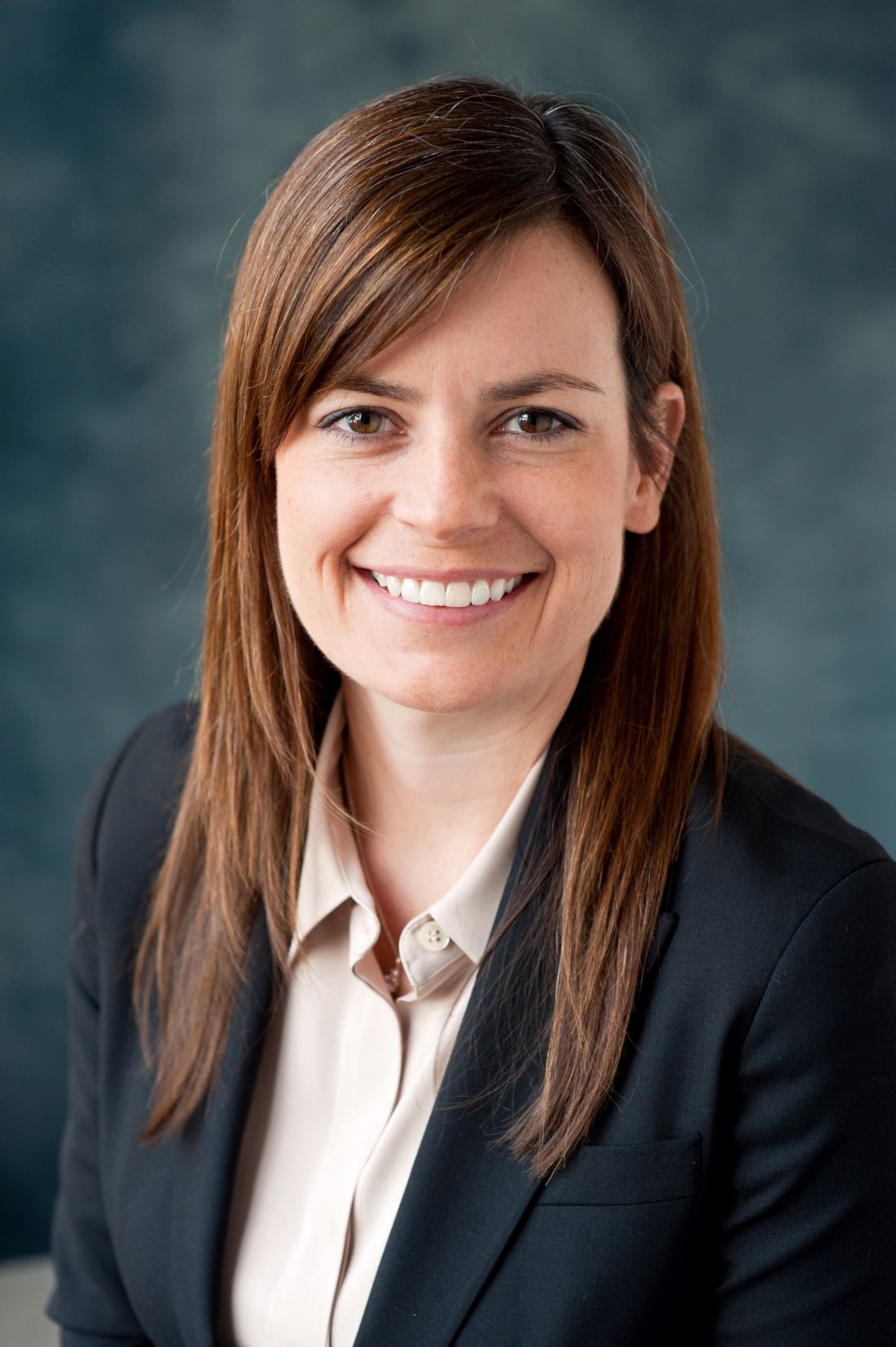
Allocation policies continue to evolve for liver transplantation as waitlist prioritization transitions to MELD 3.0. The new score improves predictive accuracy for short-term mortality and addresses sex disparity in waitlist outcomes by lowering the prioritization of creatinine (and its threshold) and adding albumin to the current MELD-Na formula. MELD 3.0 will be adopted by the United Network for Organ Sharing in July 2023.
It has been a whirlwind 2023 for the liver community and we are excited and hopeful for new breakthroughs to come.
Dr. VanWagner is with the division of digestive and liver diseases, University of Texas Southwestern Medical Center; Dr. Serper is with the division of gastroenterology and hepatology, University of Pennsylvania; Dr. Goldberg is with the division of digestive health and liver diseases, University of Miami; and Dr. Verna is with the division of digestive and liver diseases, Columbia University. Dr. VanWagner is an adviser for Numares and Novo Nordisk and received a research grant from W.L. Gore & Associates. Dr. Serper disclosed research funding from Grifols. Dr. Verna disclosed research support from Salix. Dr. Goldberg had no disclosures. These remarks were made during one of the AGA Postgraduate Course sessions held at DDW 2023. DDW is sponsored by the American Association for the Study of Liver Diseases (AASLD), the American Gastroenterological Association (AGA), the American Society for Gastrointestinal Endoscopy (ASGE) and The Society for Surgery of the Alimentary Tract (SSAT).
References
1. Loomba R et al. Semaglutide 2.4 mg once weekly in patients with non-alcoholic steatohepatitis-related cirrhosis: A randomised, placebo-controlled phase 2 trial. Lancet Gastroenterol Hepatol. 2023;8:511-22.
2. Newsome PN et al. A placebo-controlled trial of subcutaneous semaglutide in nonalcoholic steatohepatitis. N Engl J Med. 2021;384:1113-24.
3. Verrastro O et al. Bariatric-metabolic surgery versus lifestyle intervention plus best medical care in non-alcoholic steatohepatitis (BRAVES): A multicentre, open-label, randomised trial. Lancet 2023;401:1786-97.
4. Rowe IA et al. Quantifying the benefit of nonselective beta-blockers in the prevention of hepatic decompensation: A Bayesian reanalysis of the PREDESCI trial. Hepatology 2023 Mar 13. doi: 10.1097/HEP.0000000000000342.
5. Nadim MK and Garcia-Tsao G. Acute kidney injury in patients with cirrhosis. N Engl J Med. 2023;388:733-45.
6. Bureau C et al. The use of rifaximin in the prevention of overt hepatic encephalopathy after transjugular intrahepatic portosystemic shunt: A randomized controlled trial. Ann Intern Med. 2021;174:633-40.
CHICAGO – Two landmark phase 2 trials of the glucagon-like peptide 1 (GLP-1) receptor agonist, semaglutide, Food and Drug Administration–approved for type 2 diabetes or obesity, demonstrated improvements in nonalcoholic steatohepatitis (NASH) activity and resolution in stage 2 or 3 fibrosis (F2/F3), but not F4 fibrosis.1,2 The first randomized trial to compare the efficacy and safety of bariatric surgery with lifestyle intervention plus best medical care for histologically confirmed NASH demonstrated the superiority of bariatric surgery.3
There has been a paradigm shift in risk stratification of cirrhosis and targets for prevention and treatment of decompensation. A newer term, advanced chronic liver disease (ACLD), represents a shift away from needing a histologic or radiologic diagnosis of cirrhosis while reduction in portal pressure is a therapeutic goal. Evidence supports noninvasive liver stiffness measurement (LSM) using transient elastography to identify those with clinically significant portal hypertension (CSPH) (e.g., hepatic venous pressure gradient ≥ 10 mm Hg) who may benefit from therapy to lower portal pressure. Accordingly, based on landmark studies, the American Association for the Study of Liver Diseases (AASLD) recommends early utilization of nonselective beta-blocker therapy, with carvedilol as a preferred agent, in CSPH to decrease the risk of decompensation and mortality.4
The definition of hepatorenal syndrome has also substantially evolved.5 Terminology now acknowledges significant renal impairment at lower creatinine levels than previously used and recognizes the contribution of chronic kidney disease. The FDA approved terlipressin, a potent vasoconstrictor, for the treatment of hepatorenal syndrome with acute kidney injury (HRS-AKI, formerly HRS-Type I).
The AASLD published updates in advanced management of variceal bleeding highlighting intravascular interventions for esophageal, gastric, and ectopic varices. Data support early transjugular intrahepatic portosystemic shunt (TIPS) creation in patients with Child-Turcotte-Pugh (CTP) B or CTP C (< 14 points) within 72 hours of initial bleeding. However, hepatic encephalopathy remains a common complication. A randomized controlled trial demonstrated that rifaximin started 14 days prior to elective TIPS may reduce post-TIPS hepatic encephalopathy by 52%.6
Surveillance and treatment approaches for hepatocellular carcinoma (HCC) continue to evolve as reflected in new AASLD guidance in June 2023. Screening among high-risk patients should include ultrasound and serum alpha-fetoprotein every 6 months and novel screening approaches including imaging and blood-based biomarkers are on the horizon. There also have been significant advances in systemic therapies for HCC. First-line therapy for advanced HCC with CTP A cirrhosis now includes either atezolizumab/bevacizumab or durvalumab/tremelimumab. There is an evolving role for systemic therapy in the adjuvant setting as well, with emerging data supporting checkpoint inhibitors after resection or ablation among patients at high risk of recurrence.
Allocation policies continue to evolve for liver transplantation as waitlist prioritization transitions to MELD 3.0. The new score improves predictive accuracy for short-term mortality and addresses sex disparity in waitlist outcomes by lowering the prioritization of creatinine (and its threshold) and adding albumin to the current MELD-Na formula. MELD 3.0 will be adopted by the United Network for Organ Sharing in July 2023.
It has been a whirlwind 2023 for the liver community and we are excited and hopeful for new breakthroughs to come.
Dr. VanWagner is with the division of digestive and liver diseases, University of Texas Southwestern Medical Center; Dr. Serper is with the division of gastroenterology and hepatology, University of Pennsylvania; Dr. Goldberg is with the division of digestive health and liver diseases, University of Miami; and Dr. Verna is with the division of digestive and liver diseases, Columbia University. Dr. VanWagner is an adviser for Numares and Novo Nordisk and received a research grant from W.L. Gore & Associates. Dr. Serper disclosed research funding from Grifols. Dr. Verna disclosed research support from Salix. Dr. Goldberg had no disclosures. These remarks were made during one of the AGA Postgraduate Course sessions held at DDW 2023. DDW is sponsored by the American Association for the Study of Liver Diseases (AASLD), the American Gastroenterological Association (AGA), the American Society for Gastrointestinal Endoscopy (ASGE) and The Society for Surgery of the Alimentary Tract (SSAT).
References
1. Loomba R et al. Semaglutide 2.4 mg once weekly in patients with non-alcoholic steatohepatitis-related cirrhosis: A randomised, placebo-controlled phase 2 trial. Lancet Gastroenterol Hepatol. 2023;8:511-22.
2. Newsome PN et al. A placebo-controlled trial of subcutaneous semaglutide in nonalcoholic steatohepatitis. N Engl J Med. 2021;384:1113-24.
3. Verrastro O et al. Bariatric-metabolic surgery versus lifestyle intervention plus best medical care in non-alcoholic steatohepatitis (BRAVES): A multicentre, open-label, randomised trial. Lancet 2023;401:1786-97.
4. Rowe IA et al. Quantifying the benefit of nonselective beta-blockers in the prevention of hepatic decompensation: A Bayesian reanalysis of the PREDESCI trial. Hepatology 2023 Mar 13. doi: 10.1097/HEP.0000000000000342.
5. Nadim MK and Garcia-Tsao G. Acute kidney injury in patients with cirrhosis. N Engl J Med. 2023;388:733-45.
6. Bureau C et al. The use of rifaximin in the prevention of overt hepatic encephalopathy after transjugular intrahepatic portosystemic shunt: A randomized controlled trial. Ann Intern Med. 2021;174:633-40.
CHICAGO – Two landmark phase 2 trials of the glucagon-like peptide 1 (GLP-1) receptor agonist, semaglutide, Food and Drug Administration–approved for type 2 diabetes or obesity, demonstrated improvements in nonalcoholic steatohepatitis (NASH) activity and resolution in stage 2 or 3 fibrosis (F2/F3), but not F4 fibrosis.1,2 The first randomized trial to compare the efficacy and safety of bariatric surgery with lifestyle intervention plus best medical care for histologically confirmed NASH demonstrated the superiority of bariatric surgery.3
There has been a paradigm shift in risk stratification of cirrhosis and targets for prevention and treatment of decompensation. A newer term, advanced chronic liver disease (ACLD), represents a shift away from needing a histologic or radiologic diagnosis of cirrhosis while reduction in portal pressure is a therapeutic goal. Evidence supports noninvasive liver stiffness measurement (LSM) using transient elastography to identify those with clinically significant portal hypertension (CSPH) (e.g., hepatic venous pressure gradient ≥ 10 mm Hg) who may benefit from therapy to lower portal pressure. Accordingly, based on landmark studies, the American Association for the Study of Liver Diseases (AASLD) recommends early utilization of nonselective beta-blocker therapy, with carvedilol as a preferred agent, in CSPH to decrease the risk of decompensation and mortality.4
The definition of hepatorenal syndrome has also substantially evolved.5 Terminology now acknowledges significant renal impairment at lower creatinine levels than previously used and recognizes the contribution of chronic kidney disease. The FDA approved terlipressin, a potent vasoconstrictor, for the treatment of hepatorenal syndrome with acute kidney injury (HRS-AKI, formerly HRS-Type I).
The AASLD published updates in advanced management of variceal bleeding highlighting intravascular interventions for esophageal, gastric, and ectopic varices. Data support early transjugular intrahepatic portosystemic shunt (TIPS) creation in patients with Child-Turcotte-Pugh (CTP) B or CTP C (< 14 points) within 72 hours of initial bleeding. However, hepatic encephalopathy remains a common complication. A randomized controlled trial demonstrated that rifaximin started 14 days prior to elective TIPS may reduce post-TIPS hepatic encephalopathy by 52%.6
Surveillance and treatment approaches for hepatocellular carcinoma (HCC) continue to evolve as reflected in new AASLD guidance in June 2023. Screening among high-risk patients should include ultrasound and serum alpha-fetoprotein every 6 months and novel screening approaches including imaging and blood-based biomarkers are on the horizon. There also have been significant advances in systemic therapies for HCC. First-line therapy for advanced HCC with CTP A cirrhosis now includes either atezolizumab/bevacizumab or durvalumab/tremelimumab. There is an evolving role for systemic therapy in the adjuvant setting as well, with emerging data supporting checkpoint inhibitors after resection or ablation among patients at high risk of recurrence.
Allocation policies continue to evolve for liver transplantation as waitlist prioritization transitions to MELD 3.0. The new score improves predictive accuracy for short-term mortality and addresses sex disparity in waitlist outcomes by lowering the prioritization of creatinine (and its threshold) and adding albumin to the current MELD-Na formula. MELD 3.0 will be adopted by the United Network for Organ Sharing in July 2023.
It has been a whirlwind 2023 for the liver community and we are excited and hopeful for new breakthroughs to come.
Dr. VanWagner is with the division of digestive and liver diseases, University of Texas Southwestern Medical Center; Dr. Serper is with the division of gastroenterology and hepatology, University of Pennsylvania; Dr. Goldberg is with the division of digestive health and liver diseases, University of Miami; and Dr. Verna is with the division of digestive and liver diseases, Columbia University. Dr. VanWagner is an adviser for Numares and Novo Nordisk and received a research grant from W.L. Gore & Associates. Dr. Serper disclosed research funding from Grifols. Dr. Verna disclosed research support from Salix. Dr. Goldberg had no disclosures. These remarks were made during one of the AGA Postgraduate Course sessions held at DDW 2023. DDW is sponsored by the American Association for the Study of Liver Diseases (AASLD), the American Gastroenterological Association (AGA), the American Society for Gastrointestinal Endoscopy (ASGE) and The Society for Surgery of the Alimentary Tract (SSAT).
References
1. Loomba R et al. Semaglutide 2.4 mg once weekly in patients with non-alcoholic steatohepatitis-related cirrhosis: A randomised, placebo-controlled phase 2 trial. Lancet Gastroenterol Hepatol. 2023;8:511-22.
2. Newsome PN et al. A placebo-controlled trial of subcutaneous semaglutide in nonalcoholic steatohepatitis. N Engl J Med. 2021;384:1113-24.
3. Verrastro O et al. Bariatric-metabolic surgery versus lifestyle intervention plus best medical care in non-alcoholic steatohepatitis (BRAVES): A multicentre, open-label, randomised trial. Lancet 2023;401:1786-97.
4. Rowe IA et al. Quantifying the benefit of nonselective beta-blockers in the prevention of hepatic decompensation: A Bayesian reanalysis of the PREDESCI trial. Hepatology 2023 Mar 13. doi: 10.1097/HEP.0000000000000342.
5. Nadim MK and Garcia-Tsao G. Acute kidney injury in patients with cirrhosis. N Engl J Med. 2023;388:733-45.
6. Bureau C et al. The use of rifaximin in the prevention of overt hepatic encephalopathy after transjugular intrahepatic portosystemic shunt: A randomized controlled trial. Ann Intern Med. 2021;174:633-40.
AT DDW 2023
New study backs up capecitabine dosing practice in metastatic BC
Both progression-free survival (PFS) and overall survival (OS) were similar between the two groups, but patients on the alternative schedule experienced fewer cases of hand-foot syndrome (HFS), diarrhea, and stomatitis, and also had fewer discontinuations and dose modifications.
The Food and Drug Administration–approved dose of capecitabine is 1,250 mg/m2, but 14 days of treatment can lead to significant toxicity, said Qamar Khan, MD, during a presentation of the study at the annual meeting of the American Society of Clinical Oncology. “Mathematical models applied to xenograft [animal model] data suggest that the maximum cytotoxic effect of capecitabine occurs after about 7 days of treatment, beyond which time only toxicity increases,” Dr. Khan said during his talk on the randomized control trial.
The researchers randomized 153 patients to receive a fixed 1,500-mg capecitabine dose twice per day on a 7-day-on, 7-day-off schedule (7/7), or the 1,250–mg/m2 dose twice per day for 14 days followed by 7 days off (14/7). The median age was 60 years, and 85.6% were White, 8.5% were African American, 3.3% were Hispanic, 0.7% were American Indian or Alaskan Native, and 2.0% were other. With respect to disease characteristics, 44% had visceral metastasis, 78% were hormone receptor positive/HER2 negative, and 11% had triple-negative breast cancer. About two-thirds (65%) had received no prior chemotherapy.
Restricted mean survival time (RMST) at 36 months for PFS was 13.9 months in the 7/7 group and 14.6 months in the 14/7 group (difference, 0.7 months; 95.5% CI, –3.14 to 4.57 months). The objective response rate was 8.9% in the 7/7 group and 19.6% in the 14/7 group (P = .11). Median OS was 19.8 months in the 7/7 group and 17.5 months in the 14/7 group (hazard ratio, 0.76; P = .17). The RMST at 47 months for OS was 24.5 months in the 7/7 group and 20.9 months in the 14/7 group (difference, –3.6 months; 95% CI, –8.89 to 1.54 months).
The researchers found no differences in subgroup analyses by visceral metastasis, breast cancer subtype, or number of lines of previous therapy.
The toxicity profile of 7/7 was better with respect to grade 2-4 diarrhea (2.5% vs. 20.5%, P = .0008), grade 2-4 HFS (3.8% vs. 15.1%; P = .0019), and grade 2-4 mucositis (0% vs. 5.5%; P =.0001).
Findings back up clinical practice
“The fixed-dose capecitabine dosing is something that’s been done a lot in practice, because a lot of practitioners recognize that giving the drug for two weeks in a row with a week break is overly toxic, so it’s something we’ve been doing in the community for quite a while,” said Michael Danso, MD, who comoderated the session.
Still, the safety and efficacy data back up that general clinical practice. “There was a randomized trial and colon cancer that didn’t show [equivalent outcomes with the alternate dosing schedule]. So to see that it’s safe and effective in breast cancer is an important [finding],” said Dr. Danso, who is the Research Director at Virginia Oncology Associates, Norfolk.
During the question-and-answer following the talk, Jeffrey Kirshner, MD, a medical oncologist at Hematology-Oncology Associates of Central New York, East Syracuse, noted that his practice has used a similar schedule for years. “I really commend you for doing that study. It really supports what many of us in the real world have been doing for many years. We figured this out empirically, both upfront and when patients can’t tolerate [the 14/7 schedule].”
Fixed dose versus body surface area
Dr. Kirshner also said his practice uses a dose of 1 g/m2 of body surface area on a 7/7 schedule rather than a fixed dose as was done in Dr. Khan’s study. “If you use the higher dose, you might have seen a higher response rate because many of our patients, as you know, have a body surface [BSA] area much greater than 1.5 g/m2.”
Dr. Khan responded that there is little data available on BSA dosing. “We selected 1,500 mg because a lot of people are practicing that, and for convenience, and that most patients who started at a higher dose eventually wound up on a dose of 1,500 mg twice daily.”
Dr. Kirshner also pointed out that the study was conducted in a population with metastatic disease. “I think we need to emphasize that we do not use the 7/7 regimen in a potentially curative setting, such as the CREATE-X regimen for triple-negative [breast cancer].”
Dr. Khan agreed. “I would use the same dose as the CREATE-X trial in the adjuvant setting,” he responded.
Dr. Danso has received honoraria from Amgen and has consulted or advised Immunomedics, Novartis, Pfizer, and Seagen. Dr. Khan and Dr. Kirshner have no relevant financial disclosures.
Both progression-free survival (PFS) and overall survival (OS) were similar between the two groups, but patients on the alternative schedule experienced fewer cases of hand-foot syndrome (HFS), diarrhea, and stomatitis, and also had fewer discontinuations and dose modifications.
The Food and Drug Administration–approved dose of capecitabine is 1,250 mg/m2, but 14 days of treatment can lead to significant toxicity, said Qamar Khan, MD, during a presentation of the study at the annual meeting of the American Society of Clinical Oncology. “Mathematical models applied to xenograft [animal model] data suggest that the maximum cytotoxic effect of capecitabine occurs after about 7 days of treatment, beyond which time only toxicity increases,” Dr. Khan said during his talk on the randomized control trial.
The researchers randomized 153 patients to receive a fixed 1,500-mg capecitabine dose twice per day on a 7-day-on, 7-day-off schedule (7/7), or the 1,250–mg/m2 dose twice per day for 14 days followed by 7 days off (14/7). The median age was 60 years, and 85.6% were White, 8.5% were African American, 3.3% were Hispanic, 0.7% were American Indian or Alaskan Native, and 2.0% were other. With respect to disease characteristics, 44% had visceral metastasis, 78% were hormone receptor positive/HER2 negative, and 11% had triple-negative breast cancer. About two-thirds (65%) had received no prior chemotherapy.
Restricted mean survival time (RMST) at 36 months for PFS was 13.9 months in the 7/7 group and 14.6 months in the 14/7 group (difference, 0.7 months; 95.5% CI, –3.14 to 4.57 months). The objective response rate was 8.9% in the 7/7 group and 19.6% in the 14/7 group (P = .11). Median OS was 19.8 months in the 7/7 group and 17.5 months in the 14/7 group (hazard ratio, 0.76; P = .17). The RMST at 47 months for OS was 24.5 months in the 7/7 group and 20.9 months in the 14/7 group (difference, –3.6 months; 95% CI, –8.89 to 1.54 months).
The researchers found no differences in subgroup analyses by visceral metastasis, breast cancer subtype, or number of lines of previous therapy.
The toxicity profile of 7/7 was better with respect to grade 2-4 diarrhea (2.5% vs. 20.5%, P = .0008), grade 2-4 HFS (3.8% vs. 15.1%; P = .0019), and grade 2-4 mucositis (0% vs. 5.5%; P =.0001).
Findings back up clinical practice
“The fixed-dose capecitabine dosing is something that’s been done a lot in practice, because a lot of practitioners recognize that giving the drug for two weeks in a row with a week break is overly toxic, so it’s something we’ve been doing in the community for quite a while,” said Michael Danso, MD, who comoderated the session.
Still, the safety and efficacy data back up that general clinical practice. “There was a randomized trial and colon cancer that didn’t show [equivalent outcomes with the alternate dosing schedule]. So to see that it’s safe and effective in breast cancer is an important [finding],” said Dr. Danso, who is the Research Director at Virginia Oncology Associates, Norfolk.
During the question-and-answer following the talk, Jeffrey Kirshner, MD, a medical oncologist at Hematology-Oncology Associates of Central New York, East Syracuse, noted that his practice has used a similar schedule for years. “I really commend you for doing that study. It really supports what many of us in the real world have been doing for many years. We figured this out empirically, both upfront and when patients can’t tolerate [the 14/7 schedule].”
Fixed dose versus body surface area
Dr. Kirshner also said his practice uses a dose of 1 g/m2 of body surface area on a 7/7 schedule rather than a fixed dose as was done in Dr. Khan’s study. “If you use the higher dose, you might have seen a higher response rate because many of our patients, as you know, have a body surface [BSA] area much greater than 1.5 g/m2.”
Dr. Khan responded that there is little data available on BSA dosing. “We selected 1,500 mg because a lot of people are practicing that, and for convenience, and that most patients who started at a higher dose eventually wound up on a dose of 1,500 mg twice daily.”
Dr. Kirshner also pointed out that the study was conducted in a population with metastatic disease. “I think we need to emphasize that we do not use the 7/7 regimen in a potentially curative setting, such as the CREATE-X regimen for triple-negative [breast cancer].”
Dr. Khan agreed. “I would use the same dose as the CREATE-X trial in the adjuvant setting,” he responded.
Dr. Danso has received honoraria from Amgen and has consulted or advised Immunomedics, Novartis, Pfizer, and Seagen. Dr. Khan and Dr. Kirshner have no relevant financial disclosures.
Both progression-free survival (PFS) and overall survival (OS) were similar between the two groups, but patients on the alternative schedule experienced fewer cases of hand-foot syndrome (HFS), diarrhea, and stomatitis, and also had fewer discontinuations and dose modifications.
The Food and Drug Administration–approved dose of capecitabine is 1,250 mg/m2, but 14 days of treatment can lead to significant toxicity, said Qamar Khan, MD, during a presentation of the study at the annual meeting of the American Society of Clinical Oncology. “Mathematical models applied to xenograft [animal model] data suggest that the maximum cytotoxic effect of capecitabine occurs after about 7 days of treatment, beyond which time only toxicity increases,” Dr. Khan said during his talk on the randomized control trial.
The researchers randomized 153 patients to receive a fixed 1,500-mg capecitabine dose twice per day on a 7-day-on, 7-day-off schedule (7/7), or the 1,250–mg/m2 dose twice per day for 14 days followed by 7 days off (14/7). The median age was 60 years, and 85.6% were White, 8.5% were African American, 3.3% were Hispanic, 0.7% were American Indian or Alaskan Native, and 2.0% were other. With respect to disease characteristics, 44% had visceral metastasis, 78% were hormone receptor positive/HER2 negative, and 11% had triple-negative breast cancer. About two-thirds (65%) had received no prior chemotherapy.
Restricted mean survival time (RMST) at 36 months for PFS was 13.9 months in the 7/7 group and 14.6 months in the 14/7 group (difference, 0.7 months; 95.5% CI, –3.14 to 4.57 months). The objective response rate was 8.9% in the 7/7 group and 19.6% in the 14/7 group (P = .11). Median OS was 19.8 months in the 7/7 group and 17.5 months in the 14/7 group (hazard ratio, 0.76; P = .17). The RMST at 47 months for OS was 24.5 months in the 7/7 group and 20.9 months in the 14/7 group (difference, –3.6 months; 95% CI, –8.89 to 1.54 months).
The researchers found no differences in subgroup analyses by visceral metastasis, breast cancer subtype, or number of lines of previous therapy.
The toxicity profile of 7/7 was better with respect to grade 2-4 diarrhea (2.5% vs. 20.5%, P = .0008), grade 2-4 HFS (3.8% vs. 15.1%; P = .0019), and grade 2-4 mucositis (0% vs. 5.5%; P =.0001).
Findings back up clinical practice
“The fixed-dose capecitabine dosing is something that’s been done a lot in practice, because a lot of practitioners recognize that giving the drug for two weeks in a row with a week break is overly toxic, so it’s something we’ve been doing in the community for quite a while,” said Michael Danso, MD, who comoderated the session.
Still, the safety and efficacy data back up that general clinical practice. “There was a randomized trial and colon cancer that didn’t show [equivalent outcomes with the alternate dosing schedule]. So to see that it’s safe and effective in breast cancer is an important [finding],” said Dr. Danso, who is the Research Director at Virginia Oncology Associates, Norfolk.
During the question-and-answer following the talk, Jeffrey Kirshner, MD, a medical oncologist at Hematology-Oncology Associates of Central New York, East Syracuse, noted that his practice has used a similar schedule for years. “I really commend you for doing that study. It really supports what many of us in the real world have been doing for many years. We figured this out empirically, both upfront and when patients can’t tolerate [the 14/7 schedule].”
Fixed dose versus body surface area
Dr. Kirshner also said his practice uses a dose of 1 g/m2 of body surface area on a 7/7 schedule rather than a fixed dose as was done in Dr. Khan’s study. “If you use the higher dose, you might have seen a higher response rate because many of our patients, as you know, have a body surface [BSA] area much greater than 1.5 g/m2.”
Dr. Khan responded that there is little data available on BSA dosing. “We selected 1,500 mg because a lot of people are practicing that, and for convenience, and that most patients who started at a higher dose eventually wound up on a dose of 1,500 mg twice daily.”
Dr. Kirshner also pointed out that the study was conducted in a population with metastatic disease. “I think we need to emphasize that we do not use the 7/7 regimen in a potentially curative setting, such as the CREATE-X regimen for triple-negative [breast cancer].”
Dr. Khan agreed. “I would use the same dose as the CREATE-X trial in the adjuvant setting,” he responded.
Dr. Danso has received honoraria from Amgen and has consulted or advised Immunomedics, Novartis, Pfizer, and Seagen. Dr. Khan and Dr. Kirshner have no relevant financial disclosures.
FROM ASCO 2023
Ticagrelor may reduce brain lesions after carotid stenting
MUNICH – secondary endpoint results of the PRECISE-MRI trial suggest.
More than 200 patients with carotid artery stenosis underwent MRI and were randomized to ticagrelor or clopidogrel before undergoing CAS. They then had two follow-up MRIs to assess the presence of emergent ischemic lesions.
Although the trial, which was stopped early, failed to show a difference between the two treatments in the primary endpoint – occurrence of at least one ischemic lesion – it did show that ticagrelor was associated with significant reductions in secondary endpoints including the total number and total volume of new lesions.
There were also significantly fewer cases of a composite of adverse clinical events with ticagrelor versus clopidogrel, but no difference in rates of hemorrhagic bleeds.
The research was presented at the annual European Stroke Organisation Conference .
Highlighting the failure of the trial to meet its primary endpoint, study presenter Leo Bonati, MD, head of the Stroke Center, Rena Rheinfelden, University Hospital Basel (Switzerland), pointed out that the proportion of patients with one or more ischemic brain lesions was “much higher than expected.”
Based on the secondary outcomes, the study nevertheless indicates that, “compared with clopidogrel, ticagrelor reduces the total burden of ischemic brain lesions occurring during CAS,” he said.
Ticagrelor is therefore a “safe alternative to clopidogrel as an add-on to aspirin to cover carotid artery stent procedures.”
Dr. Bonati cautioned, however, that the findings are preliminary.
‘Promising’ results
Session cochair Else Charlotte Sandset, MD, PhD, a consultant neurologist in the stroke unit, department of neurology, Oslo University Hospital, called the results “interesting” and “promising.”
She said in an interview that they “also provide us with an additional option” in the management of patients undergoing CAS.
Dr. Sandset suggested that “it may have been a little bit hard to prove the primary endpoint” chosen for the trial, but believes that the secondary endpoint results “are very interesting.”
“Of course, we would need more data and further trials to provide some reassurance that we can use ticagrelor in this fashion,” she said.
Major complication
Dr. Bonati began by noting that the major procedural complication of CAS is embolic stroke, but this may be prevented with optimized antiplatelet therapy.
Previous studies have shown that ticagrelor is superior to clopidogrel as an add-on to aspirin in reducing rates of major adverse cardiovascular events in acute coronary syndrome patients undergoing percutaneous coronary intervention.
Adding the drug to aspirin is also superior to aspirin alone in preventing recurrent stroke in patients with minor stroke or transient ischemic attack, Dr. Bonati said.
To examine whether ticagrelor is superior to clopidogrel as an add-on to aspirin in preventing ischemic brain lesions during CAS, the team conducted a randomized, open, active-controlled trial.
They recruited patients with ≥ 50% symptomatic or asymptomatic carotid stenosis undergoing CAS in line with local guidelines and performed a baseline MRI scan and clinical examination.
The patients were then randomized to ticagrelor or clopidogrel plus aspirin 1-3 days before undergoing CAS. A second MRI and clinical examination, as well as an ultrasound scan, was performed at 1 to 3 days post-CAS, with a third set of examinations performed at 28-32 days after the procedure.
The study included 14 sites in Belgium, Germany, Italy, the Netherlands, Switzerland, and the United Kingdom. Enrollment was stopped after 209 of the originally planned 370 patients, “due to slow recruitment and a lack of further funding,” Dr. Bonati said.
Of those, 207 patients were included in the intention-to-treat safety analysis, and 172 in the per-protocol efficacy analysis.
The mean age of the patients was 69.0-69.5 years in the two treatment groups, and 67%-71% were male. Dr. Bonati noted that 52%-55% of the patients had symptomatic stenosis, and that in 83%-88% the stenosis was severe.
The majority (79%-82%) of patients had hypertension, alongside hypercholesterolemia, at 76% in both treatment groups.
Dr. Bonati showed that there was no significant difference in the primary efficacy outcome of the presence of at least new ischemic brain lesion on the second or third MRI, at 74.7% for patients given ticagrelor versus 79.8% with clopidogrel, or a relative risk of 0.94 (95% confidence interval, 0.79-1.10; P = .43).
However, there was a significant reduction in the number of new ischemic lesions, at a median of 2 (interquartile range, 0.5-5.5) with ticagrelor versus 3 with clopidogrel (IQR, 1-8), or an exponential beta value of 0.63 (95% CI, 0.42-0.95; P = .027).
Ticagrelor was also associated with a significant reduction in the total volume of lesions, at a median of 66 mcL (IQR, 2.5-2.19) versus 91 mcL (IQR, 25-394) for clopidogrel, or an exponential beta value of 0.30 (95% CI, 0.10-0.92; P = .030).
Patients assigned to ticagrelor also had a significantly lower rate of the primary clinical safety outcome, a composite of stroke, myocardial infarction, major bleeding, or cardiovascular death, at 2.9% versus 7.8% (relative risk, 0.36; 95% CI, 0.08-1.20). This was driven by a reduction in rates of post-CAS stroke.
Dr. Bonati noted that there was no significant difference in the presence of at least one hemorrhagic lesion after CAS, at 42.7% with ticagrelor and 47.6% in the clopidogrel group (RR, 0.90; 95% CI, 0.63-1.26).
There was also a similar rate of microbleeds between the two treatment groups, at 36.6% in patients given ticagrelor and 47.6% in those assigned to clopidogrel.
The study was investigator initiated and funded by an unrestricted research grant from AstraZeneca. No relevant financial relationships were declared.
A version of this article first appeared on Medscape.com.
MUNICH – secondary endpoint results of the PRECISE-MRI trial suggest.
More than 200 patients with carotid artery stenosis underwent MRI and were randomized to ticagrelor or clopidogrel before undergoing CAS. They then had two follow-up MRIs to assess the presence of emergent ischemic lesions.
Although the trial, which was stopped early, failed to show a difference between the two treatments in the primary endpoint – occurrence of at least one ischemic lesion – it did show that ticagrelor was associated with significant reductions in secondary endpoints including the total number and total volume of new lesions.
There were also significantly fewer cases of a composite of adverse clinical events with ticagrelor versus clopidogrel, but no difference in rates of hemorrhagic bleeds.
The research was presented at the annual European Stroke Organisation Conference .
Highlighting the failure of the trial to meet its primary endpoint, study presenter Leo Bonati, MD, head of the Stroke Center, Rena Rheinfelden, University Hospital Basel (Switzerland), pointed out that the proportion of patients with one or more ischemic brain lesions was “much higher than expected.”
Based on the secondary outcomes, the study nevertheless indicates that, “compared with clopidogrel, ticagrelor reduces the total burden of ischemic brain lesions occurring during CAS,” he said.
Ticagrelor is therefore a “safe alternative to clopidogrel as an add-on to aspirin to cover carotid artery stent procedures.”
Dr. Bonati cautioned, however, that the findings are preliminary.
‘Promising’ results
Session cochair Else Charlotte Sandset, MD, PhD, a consultant neurologist in the stroke unit, department of neurology, Oslo University Hospital, called the results “interesting” and “promising.”
She said in an interview that they “also provide us with an additional option” in the management of patients undergoing CAS.
Dr. Sandset suggested that “it may have been a little bit hard to prove the primary endpoint” chosen for the trial, but believes that the secondary endpoint results “are very interesting.”
“Of course, we would need more data and further trials to provide some reassurance that we can use ticagrelor in this fashion,” she said.
Major complication
Dr. Bonati began by noting that the major procedural complication of CAS is embolic stroke, but this may be prevented with optimized antiplatelet therapy.
Previous studies have shown that ticagrelor is superior to clopidogrel as an add-on to aspirin in reducing rates of major adverse cardiovascular events in acute coronary syndrome patients undergoing percutaneous coronary intervention.
Adding the drug to aspirin is also superior to aspirin alone in preventing recurrent stroke in patients with minor stroke or transient ischemic attack, Dr. Bonati said.
To examine whether ticagrelor is superior to clopidogrel as an add-on to aspirin in preventing ischemic brain lesions during CAS, the team conducted a randomized, open, active-controlled trial.
They recruited patients with ≥ 50% symptomatic or asymptomatic carotid stenosis undergoing CAS in line with local guidelines and performed a baseline MRI scan and clinical examination.
The patients were then randomized to ticagrelor or clopidogrel plus aspirin 1-3 days before undergoing CAS. A second MRI and clinical examination, as well as an ultrasound scan, was performed at 1 to 3 days post-CAS, with a third set of examinations performed at 28-32 days after the procedure.
The study included 14 sites in Belgium, Germany, Italy, the Netherlands, Switzerland, and the United Kingdom. Enrollment was stopped after 209 of the originally planned 370 patients, “due to slow recruitment and a lack of further funding,” Dr. Bonati said.
Of those, 207 patients were included in the intention-to-treat safety analysis, and 172 in the per-protocol efficacy analysis.
The mean age of the patients was 69.0-69.5 years in the two treatment groups, and 67%-71% were male. Dr. Bonati noted that 52%-55% of the patients had symptomatic stenosis, and that in 83%-88% the stenosis was severe.
The majority (79%-82%) of patients had hypertension, alongside hypercholesterolemia, at 76% in both treatment groups.
Dr. Bonati showed that there was no significant difference in the primary efficacy outcome of the presence of at least new ischemic brain lesion on the second or third MRI, at 74.7% for patients given ticagrelor versus 79.8% with clopidogrel, or a relative risk of 0.94 (95% confidence interval, 0.79-1.10; P = .43).
However, there was a significant reduction in the number of new ischemic lesions, at a median of 2 (interquartile range, 0.5-5.5) with ticagrelor versus 3 with clopidogrel (IQR, 1-8), or an exponential beta value of 0.63 (95% CI, 0.42-0.95; P = .027).
Ticagrelor was also associated with a significant reduction in the total volume of lesions, at a median of 66 mcL (IQR, 2.5-2.19) versus 91 mcL (IQR, 25-394) for clopidogrel, or an exponential beta value of 0.30 (95% CI, 0.10-0.92; P = .030).
Patients assigned to ticagrelor also had a significantly lower rate of the primary clinical safety outcome, a composite of stroke, myocardial infarction, major bleeding, or cardiovascular death, at 2.9% versus 7.8% (relative risk, 0.36; 95% CI, 0.08-1.20). This was driven by a reduction in rates of post-CAS stroke.
Dr. Bonati noted that there was no significant difference in the presence of at least one hemorrhagic lesion after CAS, at 42.7% with ticagrelor and 47.6% in the clopidogrel group (RR, 0.90; 95% CI, 0.63-1.26).
There was also a similar rate of microbleeds between the two treatment groups, at 36.6% in patients given ticagrelor and 47.6% in those assigned to clopidogrel.
The study was investigator initiated and funded by an unrestricted research grant from AstraZeneca. No relevant financial relationships were declared.
A version of this article first appeared on Medscape.com.
MUNICH – secondary endpoint results of the PRECISE-MRI trial suggest.
More than 200 patients with carotid artery stenosis underwent MRI and were randomized to ticagrelor or clopidogrel before undergoing CAS. They then had two follow-up MRIs to assess the presence of emergent ischemic lesions.
Although the trial, which was stopped early, failed to show a difference between the two treatments in the primary endpoint – occurrence of at least one ischemic lesion – it did show that ticagrelor was associated with significant reductions in secondary endpoints including the total number and total volume of new lesions.
There were also significantly fewer cases of a composite of adverse clinical events with ticagrelor versus clopidogrel, but no difference in rates of hemorrhagic bleeds.
The research was presented at the annual European Stroke Organisation Conference .
Highlighting the failure of the trial to meet its primary endpoint, study presenter Leo Bonati, MD, head of the Stroke Center, Rena Rheinfelden, University Hospital Basel (Switzerland), pointed out that the proportion of patients with one or more ischemic brain lesions was “much higher than expected.”
Based on the secondary outcomes, the study nevertheless indicates that, “compared with clopidogrel, ticagrelor reduces the total burden of ischemic brain lesions occurring during CAS,” he said.
Ticagrelor is therefore a “safe alternative to clopidogrel as an add-on to aspirin to cover carotid artery stent procedures.”
Dr. Bonati cautioned, however, that the findings are preliminary.
‘Promising’ results
Session cochair Else Charlotte Sandset, MD, PhD, a consultant neurologist in the stroke unit, department of neurology, Oslo University Hospital, called the results “interesting” and “promising.”
She said in an interview that they “also provide us with an additional option” in the management of patients undergoing CAS.
Dr. Sandset suggested that “it may have been a little bit hard to prove the primary endpoint” chosen for the trial, but believes that the secondary endpoint results “are very interesting.”
“Of course, we would need more data and further trials to provide some reassurance that we can use ticagrelor in this fashion,” she said.
Major complication
Dr. Bonati began by noting that the major procedural complication of CAS is embolic stroke, but this may be prevented with optimized antiplatelet therapy.
Previous studies have shown that ticagrelor is superior to clopidogrel as an add-on to aspirin in reducing rates of major adverse cardiovascular events in acute coronary syndrome patients undergoing percutaneous coronary intervention.
Adding the drug to aspirin is also superior to aspirin alone in preventing recurrent stroke in patients with minor stroke or transient ischemic attack, Dr. Bonati said.
To examine whether ticagrelor is superior to clopidogrel as an add-on to aspirin in preventing ischemic brain lesions during CAS, the team conducted a randomized, open, active-controlled trial.
They recruited patients with ≥ 50% symptomatic or asymptomatic carotid stenosis undergoing CAS in line with local guidelines and performed a baseline MRI scan and clinical examination.
The patients were then randomized to ticagrelor or clopidogrel plus aspirin 1-3 days before undergoing CAS. A second MRI and clinical examination, as well as an ultrasound scan, was performed at 1 to 3 days post-CAS, with a third set of examinations performed at 28-32 days after the procedure.
The study included 14 sites in Belgium, Germany, Italy, the Netherlands, Switzerland, and the United Kingdom. Enrollment was stopped after 209 of the originally planned 370 patients, “due to slow recruitment and a lack of further funding,” Dr. Bonati said.
Of those, 207 patients were included in the intention-to-treat safety analysis, and 172 in the per-protocol efficacy analysis.
The mean age of the patients was 69.0-69.5 years in the two treatment groups, and 67%-71% were male. Dr. Bonati noted that 52%-55% of the patients had symptomatic stenosis, and that in 83%-88% the stenosis was severe.
The majority (79%-82%) of patients had hypertension, alongside hypercholesterolemia, at 76% in both treatment groups.
Dr. Bonati showed that there was no significant difference in the primary efficacy outcome of the presence of at least new ischemic brain lesion on the second or third MRI, at 74.7% for patients given ticagrelor versus 79.8% with clopidogrel, or a relative risk of 0.94 (95% confidence interval, 0.79-1.10; P = .43).
However, there was a significant reduction in the number of new ischemic lesions, at a median of 2 (interquartile range, 0.5-5.5) with ticagrelor versus 3 with clopidogrel (IQR, 1-8), or an exponential beta value of 0.63 (95% CI, 0.42-0.95; P = .027).
Ticagrelor was also associated with a significant reduction in the total volume of lesions, at a median of 66 mcL (IQR, 2.5-2.19) versus 91 mcL (IQR, 25-394) for clopidogrel, or an exponential beta value of 0.30 (95% CI, 0.10-0.92; P = .030).
Patients assigned to ticagrelor also had a significantly lower rate of the primary clinical safety outcome, a composite of stroke, myocardial infarction, major bleeding, or cardiovascular death, at 2.9% versus 7.8% (relative risk, 0.36; 95% CI, 0.08-1.20). This was driven by a reduction in rates of post-CAS stroke.
Dr. Bonati noted that there was no significant difference in the presence of at least one hemorrhagic lesion after CAS, at 42.7% with ticagrelor and 47.6% in the clopidogrel group (RR, 0.90; 95% CI, 0.63-1.26).
There was also a similar rate of microbleeds between the two treatment groups, at 36.6% in patients given ticagrelor and 47.6% in those assigned to clopidogrel.
The study was investigator initiated and funded by an unrestricted research grant from AstraZeneca. No relevant financial relationships were declared.
A version of this article first appeared on Medscape.com.
FROM ESOC 2023