User login
Not all exercise is beneficial: The physical activity paradox explained
In the pursuit of optimal health, regular physical activity (PA) is recommended to protect against dementia, cardiovascular disease (CVD), cancer, and other noncommunicable diseases. A significant body of research suggests the benefits of PA are positively correlated with higher frequency and intensity – with more often deemed better. This research has spawned a focus on increasing step counts and investing in standing desks and other interventions aimed at keeping people active.
But , but they also actually experience an increased risk for the very conditions that PA is intended to prevent.
A study published recently in The Lancet Regional Health – Europe used registry data from more than 7,000 adults in Norway, following them from age 33 to 65 years, to assess PA trajectories and risks for later-life mild cognitive impairment (MCI) and dementia at age 70 or older.
“Incorporating a life-course perspective gives a broader picture of how participants’ occupational histories relate to cognitive impairment later in life,” principal investigator Vegard Skirbekk, PhD, Columbia University Mailman School of Public Health, New York, said in an interview. Other studies typically have assessed occupational PA at a single time point, often close to the end of an individual’s career, and largely relied on self-report, he said.
Study participants worked in more than 300 different occupations. General physical activities performed on the included jobs required “considerable” use of arms and legs and moving the whole body, such as climbing, lifting, balancing, walking, stooping, and handling of materials.
Dr. Skirbekk and colleagues grouped participants into four PA trajectories over the 44-year study period: stable low, increasing then decreasing, stable intermediate, and stable high.
A total of 902 individuals were diagnosed with dementia and 2,407 with MCI at age 70 years or older. After adjustment, risks for MCI and dementia were 15.5% for those with higher occupational PA scores in the latter part of their working life and 9% for those with lower physical demands. The researchers concluded that “consistently working in an occupation with intermediate or high occupational PA was linked to an increased risk of cognitive impairment.”
The findings support those of the Copenhagen Male Study. Published in 2020, this longitudinal study compared leisure-time and occupational PA among more than 4,000 men in Denmark aged 40-59 at baseline in 1970-1971 and followed them until they turned 60. After adjustment, participants with high occupational PA had a 55% greater risk of developing dementia compared with those doing sedentary work.
Good vs. bad PA
“[T]he WHO [World Health Organization] guide to preventing dementia and disease on the whole mentions physical activity as an important factor. But our study suggests that it must be a ‘good’ form of physical activity, which hard physical work is not,” said Kirsten Nabe-Nielsen, PhD, lead author of this study
Beyond dementia, another recent study adds to a wealth of data on associations between occupational PA and cardiovascular risks. The cross-sectional analysis of U.S. data from the National Institute for Occupational Safety and Health showed that odds of CVD were higher when participants were “always” performing total occupational activity (odds ratio [OR], 1.99), occupational exertion (OR, 2.15), or occupational standing and walking around (OR, 1.84) compared with “never” engaging in these activities.
The contrasting effects of leisure-time vs. occupational PA constitute the “physical activity paradox” hypothesis. Starting in 2011, multiple studies by Andreas Holtermann, PhD, of the National Research Centre for the Working Environment lend support to the PA paradox theory, as do subsequent studies by others.
Although only “marginally considered” until a few years ago, recent large cohort studies seem to confirm the paradox, Pier Luigi Temporelli, MD wrote in a recent editorial.
In separate interviews, Dr. Skirbekk and lead author Tyler Quinn, PhD, MS, West Virginia University, Morgantown, pointed to the PA paradox as an explanation for their own recent findings, suggesting that the mechanisms that underlie it probably are responsible for the associated deleterious effects of occupational PA on the brain and heart, and even mortality.
“It’s well established that PA in your leisure time can be positive, but in the workplace, the results are quite the opposite,” Dr. Skirbekk said. “The specific mechanisms for why occupational PA is associated with elevated dementia risk are still not well understood and we need more knowledge. But we know that higher occupational physical demands have been linked to smaller hippocampal volume and poorer memory performance.”
Furthermore, he said, individuals working in jobs with high demands, both psychological and physical, combined with low job control perform more poorly on cognitive testing later in life.
“We looked mainly at professions where people have heavy workloads and you have much less autonomy, such as nursing assistants, office cleaners, childcare workers, and other personal care workers,” he said. “You cannot sit. You have somebody relying on you. It’s not all pleasure, and it can be very hard. That’s where we find the associations.”
Lack of autonomy
Specific characteristics indirectly associated with high occupational PA jobs – low cognitive stimuli, lifestyle factors, and socioeconomic influences – as well as factors directly related to high occupational PA, such as long hours, repetitive tasks, low levels of control, and stress, could also adversely affect cognitive trajectories, Dr. Skirbekk explained.
“By contrast, leisure-time physical activities tend to be of much shorter duration; are associated with socialization, play, [and] positive emotions; and [include] the opportunity to take breaks or shift to other types of activities if one prefers,” he said. “It may also be that too little or too much PA could be adversely related to cognitive outcomes – hence moderate activity levels, for example 10,000 steps a day, are still likely beneficial for cognitive functioning.”
Dr. Quinn said most of the CVD risk linked to occupational PA has to do with long periods of exertion such as lifting and carrying objects. While occupational standing and walking all day are also linked to CVD risk, they’re not as risky as lifting and carrying, he said.
Like Dr. Skirbekk, Dr. Quinn noted that individuals can take a break from leisure-time PA when they are tired, but occupational PA doesn’t have that same autonomy to allow for recovery.
“So, in many cases, individuals are not getting the recovery their body needs to actually experience PA benefits, because those benefits come during rest,” Dr. Quinn said.
“We’ve shown that PA at work raises acute cardiovascular responses, which are related to cardiovascular risk. For example, 24-hour and waking heart rate and diastolic blood pressure, as well as nonwork diastolic blood pressure, all were significantly higher on workdays versus non-workdays,” he said.
Dr. Quinn also said that psychological stress at work amplifies risk. “A person who does PA at work and is stressed is likely to be at greater risk than someone who has a physically active job but doesn’t have psychological stress combined with it.”
Research gaps
However, Dr. Skirbekk noted that there are strategies that can reduce the risk for MCI and dementia despite high levels of occupational PA. “It is often difficult to change professions, and even if you do, it won’t immediately affect cognition. But altering one’s lifestyle is likely to have effects on cognitive development across the life cycle.
“Many clinicians say they always advise lifestyle changes, but nothing happens. But it makes sense to emphasize that these changes – stopping smoking, eating well, getting proper sleep, etc. – affect not only cardiovascular risk but also cognition. And I think clinicians should also take a patient’s occupation into account during any evaluation,” Dr. Skirbekk noted.
Dr. Quinn said it isn’t realistic to expect workers to come up with solutions to the PA paradox because many don’t have the autonomy to be able to mitigate their occupational risk.
“I think administrative controls and policy changes eventually will be the levers of change. We’re not quite there yet, but those are the types of things we should do when we’re trying to reduce loads in some way, or reduce the time that people spend doing certain tasks we know are potentially bad,” he said.
However, not everyone agrees that occupational PA doesn’t confer the same benefits of leisure-time PA, at least with respect to cardiovascular risk. For example, the Prospective Urban Rural Epidemiology (PURE) study, which includes a cohort of 130,000 people from 17 high-income, middle-income, and low-income countries, concluded that both higher recreational and nonrecreational PA were associated with a lower risk for mortality and CVD events.
What additional research is needed to clarify the effects of occupational and leisure-time activity and to address conflicting findings?
“Even studies coming out now regarding the effects of occupational PA have mainly used older data,” Dr. Skirbekk noted. “Labor markets and job demands have changed over time. There are different types of tasks and skills required now than there were 20 or 40 years ago. And of course, working from home is a recent phenomenon that’s happened on a large scale and might affect daily routines, sleep patterns, and also cognition. We need a better understanding of what the consequences might be.”
Health inequity issue
More research is also necessary to understand the social determinants of cognitive decline, impairment, and dementia, he said. “Many of the studies we see today are based on self-report of what someone has done in the past, which is particularly problematic for individuals who are impaired or who give interviews with others, which can induce biases.”
Dr. Quinn suggests that PA guidelines may need to differentiate between occupational and leisure-time PA to better reflect current research findings.
Meanwhile, Dr. Skirbekk and Dr. Quinn both point to the toll that occupational PA takes on the brain and body in lower-income workers as an important health equity issue.
“Our national guidelines for PA include occupational activity,” said Dr. Quinn. “But it’s clear that a lot of people who are getting a lot of occupational PA, particularly socioeconomic and racial/ethnic minorities, are not benefiting from it.”
Dr. Holtermann, who has arguably done the most research to date on the PA paradox, noted in a recent editorial that the majority of workers with high occupational PA have a low socioeconomic position and therefore “improving our understanding of the underlying mechanisms behind the PA health paradox and identifying new intervention targets along those pathways will be an important step to reduce socioeconomic health inequalities across the globe.”
A version of this article first appeared on Medscape.com.
In the pursuit of optimal health, regular physical activity (PA) is recommended to protect against dementia, cardiovascular disease (CVD), cancer, and other noncommunicable diseases. A significant body of research suggests the benefits of PA are positively correlated with higher frequency and intensity – with more often deemed better. This research has spawned a focus on increasing step counts and investing in standing desks and other interventions aimed at keeping people active.
But , but they also actually experience an increased risk for the very conditions that PA is intended to prevent.
A study published recently in The Lancet Regional Health – Europe used registry data from more than 7,000 adults in Norway, following them from age 33 to 65 years, to assess PA trajectories and risks for later-life mild cognitive impairment (MCI) and dementia at age 70 or older.
“Incorporating a life-course perspective gives a broader picture of how participants’ occupational histories relate to cognitive impairment later in life,” principal investigator Vegard Skirbekk, PhD, Columbia University Mailman School of Public Health, New York, said in an interview. Other studies typically have assessed occupational PA at a single time point, often close to the end of an individual’s career, and largely relied on self-report, he said.
Study participants worked in more than 300 different occupations. General physical activities performed on the included jobs required “considerable” use of arms and legs and moving the whole body, such as climbing, lifting, balancing, walking, stooping, and handling of materials.
Dr. Skirbekk and colleagues grouped participants into four PA trajectories over the 44-year study period: stable low, increasing then decreasing, stable intermediate, and stable high.
A total of 902 individuals were diagnosed with dementia and 2,407 with MCI at age 70 years or older. After adjustment, risks for MCI and dementia were 15.5% for those with higher occupational PA scores in the latter part of their working life and 9% for those with lower physical demands. The researchers concluded that “consistently working in an occupation with intermediate or high occupational PA was linked to an increased risk of cognitive impairment.”
The findings support those of the Copenhagen Male Study. Published in 2020, this longitudinal study compared leisure-time and occupational PA among more than 4,000 men in Denmark aged 40-59 at baseline in 1970-1971 and followed them until they turned 60. After adjustment, participants with high occupational PA had a 55% greater risk of developing dementia compared with those doing sedentary work.
Good vs. bad PA
“[T]he WHO [World Health Organization] guide to preventing dementia and disease on the whole mentions physical activity as an important factor. But our study suggests that it must be a ‘good’ form of physical activity, which hard physical work is not,” said Kirsten Nabe-Nielsen, PhD, lead author of this study
Beyond dementia, another recent study adds to a wealth of data on associations between occupational PA and cardiovascular risks. The cross-sectional analysis of U.S. data from the National Institute for Occupational Safety and Health showed that odds of CVD were higher when participants were “always” performing total occupational activity (odds ratio [OR], 1.99), occupational exertion (OR, 2.15), or occupational standing and walking around (OR, 1.84) compared with “never” engaging in these activities.
The contrasting effects of leisure-time vs. occupational PA constitute the “physical activity paradox” hypothesis. Starting in 2011, multiple studies by Andreas Holtermann, PhD, of the National Research Centre for the Working Environment lend support to the PA paradox theory, as do subsequent studies by others.
Although only “marginally considered” until a few years ago, recent large cohort studies seem to confirm the paradox, Pier Luigi Temporelli, MD wrote in a recent editorial.
In separate interviews, Dr. Skirbekk and lead author Tyler Quinn, PhD, MS, West Virginia University, Morgantown, pointed to the PA paradox as an explanation for their own recent findings, suggesting that the mechanisms that underlie it probably are responsible for the associated deleterious effects of occupational PA on the brain and heart, and even mortality.
“It’s well established that PA in your leisure time can be positive, but in the workplace, the results are quite the opposite,” Dr. Skirbekk said. “The specific mechanisms for why occupational PA is associated with elevated dementia risk are still not well understood and we need more knowledge. But we know that higher occupational physical demands have been linked to smaller hippocampal volume and poorer memory performance.”
Furthermore, he said, individuals working in jobs with high demands, both psychological and physical, combined with low job control perform more poorly on cognitive testing later in life.
“We looked mainly at professions where people have heavy workloads and you have much less autonomy, such as nursing assistants, office cleaners, childcare workers, and other personal care workers,” he said. “You cannot sit. You have somebody relying on you. It’s not all pleasure, and it can be very hard. That’s where we find the associations.”
Lack of autonomy
Specific characteristics indirectly associated with high occupational PA jobs – low cognitive stimuli, lifestyle factors, and socioeconomic influences – as well as factors directly related to high occupational PA, such as long hours, repetitive tasks, low levels of control, and stress, could also adversely affect cognitive trajectories, Dr. Skirbekk explained.
“By contrast, leisure-time physical activities tend to be of much shorter duration; are associated with socialization, play, [and] positive emotions; and [include] the opportunity to take breaks or shift to other types of activities if one prefers,” he said. “It may also be that too little or too much PA could be adversely related to cognitive outcomes – hence moderate activity levels, for example 10,000 steps a day, are still likely beneficial for cognitive functioning.”
Dr. Quinn said most of the CVD risk linked to occupational PA has to do with long periods of exertion such as lifting and carrying objects. While occupational standing and walking all day are also linked to CVD risk, they’re not as risky as lifting and carrying, he said.
Like Dr. Skirbekk, Dr. Quinn noted that individuals can take a break from leisure-time PA when they are tired, but occupational PA doesn’t have that same autonomy to allow for recovery.
“So, in many cases, individuals are not getting the recovery their body needs to actually experience PA benefits, because those benefits come during rest,” Dr. Quinn said.
“We’ve shown that PA at work raises acute cardiovascular responses, which are related to cardiovascular risk. For example, 24-hour and waking heart rate and diastolic blood pressure, as well as nonwork diastolic blood pressure, all were significantly higher on workdays versus non-workdays,” he said.
Dr. Quinn also said that psychological stress at work amplifies risk. “A person who does PA at work and is stressed is likely to be at greater risk than someone who has a physically active job but doesn’t have psychological stress combined with it.”
Research gaps
However, Dr. Skirbekk noted that there are strategies that can reduce the risk for MCI and dementia despite high levels of occupational PA. “It is often difficult to change professions, and even if you do, it won’t immediately affect cognition. But altering one’s lifestyle is likely to have effects on cognitive development across the life cycle.
“Many clinicians say they always advise lifestyle changes, but nothing happens. But it makes sense to emphasize that these changes – stopping smoking, eating well, getting proper sleep, etc. – affect not only cardiovascular risk but also cognition. And I think clinicians should also take a patient’s occupation into account during any evaluation,” Dr. Skirbekk noted.
Dr. Quinn said it isn’t realistic to expect workers to come up with solutions to the PA paradox because many don’t have the autonomy to be able to mitigate their occupational risk.
“I think administrative controls and policy changes eventually will be the levers of change. We’re not quite there yet, but those are the types of things we should do when we’re trying to reduce loads in some way, or reduce the time that people spend doing certain tasks we know are potentially bad,” he said.
However, not everyone agrees that occupational PA doesn’t confer the same benefits of leisure-time PA, at least with respect to cardiovascular risk. For example, the Prospective Urban Rural Epidemiology (PURE) study, which includes a cohort of 130,000 people from 17 high-income, middle-income, and low-income countries, concluded that both higher recreational and nonrecreational PA were associated with a lower risk for mortality and CVD events.
What additional research is needed to clarify the effects of occupational and leisure-time activity and to address conflicting findings?
“Even studies coming out now regarding the effects of occupational PA have mainly used older data,” Dr. Skirbekk noted. “Labor markets and job demands have changed over time. There are different types of tasks and skills required now than there were 20 or 40 years ago. And of course, working from home is a recent phenomenon that’s happened on a large scale and might affect daily routines, sleep patterns, and also cognition. We need a better understanding of what the consequences might be.”
Health inequity issue
More research is also necessary to understand the social determinants of cognitive decline, impairment, and dementia, he said. “Many of the studies we see today are based on self-report of what someone has done in the past, which is particularly problematic for individuals who are impaired or who give interviews with others, which can induce biases.”
Dr. Quinn suggests that PA guidelines may need to differentiate between occupational and leisure-time PA to better reflect current research findings.
Meanwhile, Dr. Skirbekk and Dr. Quinn both point to the toll that occupational PA takes on the brain and body in lower-income workers as an important health equity issue.
“Our national guidelines for PA include occupational activity,” said Dr. Quinn. “But it’s clear that a lot of people who are getting a lot of occupational PA, particularly socioeconomic and racial/ethnic minorities, are not benefiting from it.”
Dr. Holtermann, who has arguably done the most research to date on the PA paradox, noted in a recent editorial that the majority of workers with high occupational PA have a low socioeconomic position and therefore “improving our understanding of the underlying mechanisms behind the PA health paradox and identifying new intervention targets along those pathways will be an important step to reduce socioeconomic health inequalities across the globe.”
A version of this article first appeared on Medscape.com.
In the pursuit of optimal health, regular physical activity (PA) is recommended to protect against dementia, cardiovascular disease (CVD), cancer, and other noncommunicable diseases. A significant body of research suggests the benefits of PA are positively correlated with higher frequency and intensity – with more often deemed better. This research has spawned a focus on increasing step counts and investing in standing desks and other interventions aimed at keeping people active.
But , but they also actually experience an increased risk for the very conditions that PA is intended to prevent.
A study published recently in The Lancet Regional Health – Europe used registry data from more than 7,000 adults in Norway, following them from age 33 to 65 years, to assess PA trajectories and risks for later-life mild cognitive impairment (MCI) and dementia at age 70 or older.
“Incorporating a life-course perspective gives a broader picture of how participants’ occupational histories relate to cognitive impairment later in life,” principal investigator Vegard Skirbekk, PhD, Columbia University Mailman School of Public Health, New York, said in an interview. Other studies typically have assessed occupational PA at a single time point, often close to the end of an individual’s career, and largely relied on self-report, he said.
Study participants worked in more than 300 different occupations. General physical activities performed on the included jobs required “considerable” use of arms and legs and moving the whole body, such as climbing, lifting, balancing, walking, stooping, and handling of materials.
Dr. Skirbekk and colleagues grouped participants into four PA trajectories over the 44-year study period: stable low, increasing then decreasing, stable intermediate, and stable high.
A total of 902 individuals were diagnosed with dementia and 2,407 with MCI at age 70 years or older. After adjustment, risks for MCI and dementia were 15.5% for those with higher occupational PA scores in the latter part of their working life and 9% for those with lower physical demands. The researchers concluded that “consistently working in an occupation with intermediate or high occupational PA was linked to an increased risk of cognitive impairment.”
The findings support those of the Copenhagen Male Study. Published in 2020, this longitudinal study compared leisure-time and occupational PA among more than 4,000 men in Denmark aged 40-59 at baseline in 1970-1971 and followed them until they turned 60. After adjustment, participants with high occupational PA had a 55% greater risk of developing dementia compared with those doing sedentary work.
Good vs. bad PA
“[T]he WHO [World Health Organization] guide to preventing dementia and disease on the whole mentions physical activity as an important factor. But our study suggests that it must be a ‘good’ form of physical activity, which hard physical work is not,” said Kirsten Nabe-Nielsen, PhD, lead author of this study
Beyond dementia, another recent study adds to a wealth of data on associations between occupational PA and cardiovascular risks. The cross-sectional analysis of U.S. data from the National Institute for Occupational Safety and Health showed that odds of CVD were higher when participants were “always” performing total occupational activity (odds ratio [OR], 1.99), occupational exertion (OR, 2.15), or occupational standing and walking around (OR, 1.84) compared with “never” engaging in these activities.
The contrasting effects of leisure-time vs. occupational PA constitute the “physical activity paradox” hypothesis. Starting in 2011, multiple studies by Andreas Holtermann, PhD, of the National Research Centre for the Working Environment lend support to the PA paradox theory, as do subsequent studies by others.
Although only “marginally considered” until a few years ago, recent large cohort studies seem to confirm the paradox, Pier Luigi Temporelli, MD wrote in a recent editorial.
In separate interviews, Dr. Skirbekk and lead author Tyler Quinn, PhD, MS, West Virginia University, Morgantown, pointed to the PA paradox as an explanation for their own recent findings, suggesting that the mechanisms that underlie it probably are responsible for the associated deleterious effects of occupational PA on the brain and heart, and even mortality.
“It’s well established that PA in your leisure time can be positive, but in the workplace, the results are quite the opposite,” Dr. Skirbekk said. “The specific mechanisms for why occupational PA is associated with elevated dementia risk are still not well understood and we need more knowledge. But we know that higher occupational physical demands have been linked to smaller hippocampal volume and poorer memory performance.”
Furthermore, he said, individuals working in jobs with high demands, both psychological and physical, combined with low job control perform more poorly on cognitive testing later in life.
“We looked mainly at professions where people have heavy workloads and you have much less autonomy, such as nursing assistants, office cleaners, childcare workers, and other personal care workers,” he said. “You cannot sit. You have somebody relying on you. It’s not all pleasure, and it can be very hard. That’s where we find the associations.”
Lack of autonomy
Specific characteristics indirectly associated with high occupational PA jobs – low cognitive stimuli, lifestyle factors, and socioeconomic influences – as well as factors directly related to high occupational PA, such as long hours, repetitive tasks, low levels of control, and stress, could also adversely affect cognitive trajectories, Dr. Skirbekk explained.
“By contrast, leisure-time physical activities tend to be of much shorter duration; are associated with socialization, play, [and] positive emotions; and [include] the opportunity to take breaks or shift to other types of activities if one prefers,” he said. “It may also be that too little or too much PA could be adversely related to cognitive outcomes – hence moderate activity levels, for example 10,000 steps a day, are still likely beneficial for cognitive functioning.”
Dr. Quinn said most of the CVD risk linked to occupational PA has to do with long periods of exertion such as lifting and carrying objects. While occupational standing and walking all day are also linked to CVD risk, they’re not as risky as lifting and carrying, he said.
Like Dr. Skirbekk, Dr. Quinn noted that individuals can take a break from leisure-time PA when they are tired, but occupational PA doesn’t have that same autonomy to allow for recovery.
“So, in many cases, individuals are not getting the recovery their body needs to actually experience PA benefits, because those benefits come during rest,” Dr. Quinn said.
“We’ve shown that PA at work raises acute cardiovascular responses, which are related to cardiovascular risk. For example, 24-hour and waking heart rate and diastolic blood pressure, as well as nonwork diastolic blood pressure, all were significantly higher on workdays versus non-workdays,” he said.
Dr. Quinn also said that psychological stress at work amplifies risk. “A person who does PA at work and is stressed is likely to be at greater risk than someone who has a physically active job but doesn’t have psychological stress combined with it.”
Research gaps
However, Dr. Skirbekk noted that there are strategies that can reduce the risk for MCI and dementia despite high levels of occupational PA. “It is often difficult to change professions, and even if you do, it won’t immediately affect cognition. But altering one’s lifestyle is likely to have effects on cognitive development across the life cycle.
“Many clinicians say they always advise lifestyle changes, but nothing happens. But it makes sense to emphasize that these changes – stopping smoking, eating well, getting proper sleep, etc. – affect not only cardiovascular risk but also cognition. And I think clinicians should also take a patient’s occupation into account during any evaluation,” Dr. Skirbekk noted.
Dr. Quinn said it isn’t realistic to expect workers to come up with solutions to the PA paradox because many don’t have the autonomy to be able to mitigate their occupational risk.
“I think administrative controls and policy changes eventually will be the levers of change. We’re not quite there yet, but those are the types of things we should do when we’re trying to reduce loads in some way, or reduce the time that people spend doing certain tasks we know are potentially bad,” he said.
However, not everyone agrees that occupational PA doesn’t confer the same benefits of leisure-time PA, at least with respect to cardiovascular risk. For example, the Prospective Urban Rural Epidemiology (PURE) study, which includes a cohort of 130,000 people from 17 high-income, middle-income, and low-income countries, concluded that both higher recreational and nonrecreational PA were associated with a lower risk for mortality and CVD events.
What additional research is needed to clarify the effects of occupational and leisure-time activity and to address conflicting findings?
“Even studies coming out now regarding the effects of occupational PA have mainly used older data,” Dr. Skirbekk noted. “Labor markets and job demands have changed over time. There are different types of tasks and skills required now than there were 20 or 40 years ago. And of course, working from home is a recent phenomenon that’s happened on a large scale and might affect daily routines, sleep patterns, and also cognition. We need a better understanding of what the consequences might be.”
Health inequity issue
More research is also necessary to understand the social determinants of cognitive decline, impairment, and dementia, he said. “Many of the studies we see today are based on self-report of what someone has done in the past, which is particularly problematic for individuals who are impaired or who give interviews with others, which can induce biases.”
Dr. Quinn suggests that PA guidelines may need to differentiate between occupational and leisure-time PA to better reflect current research findings.
Meanwhile, Dr. Skirbekk and Dr. Quinn both point to the toll that occupational PA takes on the brain and body in lower-income workers as an important health equity issue.
“Our national guidelines for PA include occupational activity,” said Dr. Quinn. “But it’s clear that a lot of people who are getting a lot of occupational PA, particularly socioeconomic and racial/ethnic minorities, are not benefiting from it.”
Dr. Holtermann, who has arguably done the most research to date on the PA paradox, noted in a recent editorial that the majority of workers with high occupational PA have a low socioeconomic position and therefore “improving our understanding of the underlying mechanisms behind the PA health paradox and identifying new intervention targets along those pathways will be an important step to reduce socioeconomic health inequalities across the globe.”
A version of this article first appeared on Medscape.com.
The Lancet Regional Health – Europe
Chronic pain in the United States: New data
data from the Centers for Disease Control and Prevention show.
Results from the annual National Health Interview Survey (NHIS) show that over-the-counter (OTC) pain relievers were the most commonly used pharmacologic treatment and exercise was the most common choice among nonpharmacologic options.
The results also revealed that prescription opioid use for chronic pain decreased from 15.2% in 2019 to 13.5% in 2020. However, there was no corresponding increase in nonpharmacologic therapies, despite current CDC guidelines that recommend maximizing the use of medication alternatives.
“Public health efforts may reduce health inequities by increasing access to pain management therapies so that all persons with chronic pain can receive safe and effective care,” S. Michaela Rikard, PhD, and colleagues wrote.
The findings were published online in a research letter in Annals of Internal Medicine.
Among 31,500 survey respondents, 7,400 indicated that they had pain on most days or every day for the past 3 months.
The survey collected data on self-reported opioid prescriptions in the past 3 months, as well as prescription and nonprescription opiate use during the same time period.
Among adult respondents, 60% used a combination of pharmacologic and nonpharmacologic treatments for pain and almost 27% used medications alone. Older adults, those with low incomes, uninsured individuals, and those living in the South were among those least likely to turn to nonpharmacologic treatment for pain.
After exercise, complementary therapies were the most commonly used nonpharmacologic options, including massage, meditation, or guided imagery, and spinal manipulation or other forms of chiropractic care.
For those taking medications, 76% self-reported using OTC pain relievers for pain, followed by prescription nonopioids (31%) and prescription opioids (13.5%).
Of those who used both pharmacologic and nonpharmacologic therapies, about half reported nonopioid and nonpharmacologic therapy use and 8% reported combined use of opioids, nonopioids, and nonpharmacologic therapy.
After adjustment for multiple factors, investigators found those who were older, had public insurance, or had more severe pain were more likely to use prescription opioids. They also reported severe pain (22%), but 4% reported only mild pain.
Study limitations included generalizability only to noninstitutionalized civilian adults, potential recall bias, and cross-sectional results that do not include patient or treatment history.
“Despite its limitations, this study identifies opportunities to improve guideline-concordant use of pharmacologic and nonpharmacologic therapies among adults with chronic pain,” the authors wrote.
There was no specific funding source for the study. The authors have reported no relevant financial disclosures.
A version of this article first appeared on Medscape.com.
data from the Centers for Disease Control and Prevention show.
Results from the annual National Health Interview Survey (NHIS) show that over-the-counter (OTC) pain relievers were the most commonly used pharmacologic treatment and exercise was the most common choice among nonpharmacologic options.
The results also revealed that prescription opioid use for chronic pain decreased from 15.2% in 2019 to 13.5% in 2020. However, there was no corresponding increase in nonpharmacologic therapies, despite current CDC guidelines that recommend maximizing the use of medication alternatives.
“Public health efforts may reduce health inequities by increasing access to pain management therapies so that all persons with chronic pain can receive safe and effective care,” S. Michaela Rikard, PhD, and colleagues wrote.
The findings were published online in a research letter in Annals of Internal Medicine.
Among 31,500 survey respondents, 7,400 indicated that they had pain on most days or every day for the past 3 months.
The survey collected data on self-reported opioid prescriptions in the past 3 months, as well as prescription and nonprescription opiate use during the same time period.
Among adult respondents, 60% used a combination of pharmacologic and nonpharmacologic treatments for pain and almost 27% used medications alone. Older adults, those with low incomes, uninsured individuals, and those living in the South were among those least likely to turn to nonpharmacologic treatment for pain.
After exercise, complementary therapies were the most commonly used nonpharmacologic options, including massage, meditation, or guided imagery, and spinal manipulation or other forms of chiropractic care.
For those taking medications, 76% self-reported using OTC pain relievers for pain, followed by prescription nonopioids (31%) and prescription opioids (13.5%).
Of those who used both pharmacologic and nonpharmacologic therapies, about half reported nonopioid and nonpharmacologic therapy use and 8% reported combined use of opioids, nonopioids, and nonpharmacologic therapy.
After adjustment for multiple factors, investigators found those who were older, had public insurance, or had more severe pain were more likely to use prescription opioids. They also reported severe pain (22%), but 4% reported only mild pain.
Study limitations included generalizability only to noninstitutionalized civilian adults, potential recall bias, and cross-sectional results that do not include patient or treatment history.
“Despite its limitations, this study identifies opportunities to improve guideline-concordant use of pharmacologic and nonpharmacologic therapies among adults with chronic pain,” the authors wrote.
There was no specific funding source for the study. The authors have reported no relevant financial disclosures.
A version of this article first appeared on Medscape.com.
data from the Centers for Disease Control and Prevention show.
Results from the annual National Health Interview Survey (NHIS) show that over-the-counter (OTC) pain relievers were the most commonly used pharmacologic treatment and exercise was the most common choice among nonpharmacologic options.
The results also revealed that prescription opioid use for chronic pain decreased from 15.2% in 2019 to 13.5% in 2020. However, there was no corresponding increase in nonpharmacologic therapies, despite current CDC guidelines that recommend maximizing the use of medication alternatives.
“Public health efforts may reduce health inequities by increasing access to pain management therapies so that all persons with chronic pain can receive safe and effective care,” S. Michaela Rikard, PhD, and colleagues wrote.
The findings were published online in a research letter in Annals of Internal Medicine.
Among 31,500 survey respondents, 7,400 indicated that they had pain on most days or every day for the past 3 months.
The survey collected data on self-reported opioid prescriptions in the past 3 months, as well as prescription and nonprescription opiate use during the same time period.
Among adult respondents, 60% used a combination of pharmacologic and nonpharmacologic treatments for pain and almost 27% used medications alone. Older adults, those with low incomes, uninsured individuals, and those living in the South were among those least likely to turn to nonpharmacologic treatment for pain.
After exercise, complementary therapies were the most commonly used nonpharmacologic options, including massage, meditation, or guided imagery, and spinal manipulation or other forms of chiropractic care.
For those taking medications, 76% self-reported using OTC pain relievers for pain, followed by prescription nonopioids (31%) and prescription opioids (13.5%).
Of those who used both pharmacologic and nonpharmacologic therapies, about half reported nonopioid and nonpharmacologic therapy use and 8% reported combined use of opioids, nonopioids, and nonpharmacologic therapy.
After adjustment for multiple factors, investigators found those who were older, had public insurance, or had more severe pain were more likely to use prescription opioids. They also reported severe pain (22%), but 4% reported only mild pain.
Study limitations included generalizability only to noninstitutionalized civilian adults, potential recall bias, and cross-sectional results that do not include patient or treatment history.
“Despite its limitations, this study identifies opportunities to improve guideline-concordant use of pharmacologic and nonpharmacologic therapies among adults with chronic pain,” the authors wrote.
There was no specific funding source for the study. The authors have reported no relevant financial disclosures.
A version of this article first appeared on Medscape.com.
FROM ANNALS OF INTERNAL MEDICINE
Military service linked to Alzheimer’s neuropathology
TOPLINE:
METHODOLOGY:
- The study included 597 male decedents who donated their brains to one of two Alzheimer’s Disease Research Center (ADRC) brain bank programs between 1986 and 2018.
- Researchers conducted public data tracing for historical information on military history, which included searching online commercial genealogical databases and paper archives.
- They evaluated tau tangles (using a B score of neurofibrillary tangle deposition in four stages: B0 [not present], B1 [transentorhinal stages], B2 [limbic stages], and B3 [isocortical stages]) and amyloid plaque pathology (using a C score that classifies neuritic amyloid plaque into four categories: no plaques, sparse, moderate, or frequent).
- The study involved three B score comparisons (1, 2, 3 vs. 0; 2, 3 vs. 0, 1; and 3 vs. 0, 1, 2) and two C score comparisons (sparse, moderate, or frequent vs. no plaques, and moderate or frequent vs. no plaque or sparse).
TAKEAWAY:
- Public record tracing determined that 60% of the sample of male decedents had a history of military service; the median year of birth was 1923 and the median year of death was 2007.
- After adjustment for age and year of death, those with a military service history had a 26% increased risk for a higher neuritic amyloid plaque C score compared with those without such history (odds ratio [OR], 1.26; 95% confidence interval [CI], 1.06-1.49), an increase that applied for both relevant comparisons.
- A history of military service was also associated with a 10% greater adjusted odds of a higher neurofibrillary tangle B score (OR, 1.10; 95% CI, 1.08-1.12), with the increase applying to all three comparisons.
- A sensitivity analysis that included both the male decedents and 556 female decedents (increasing the overall sample to 1,153) and was adjusted for sex in addition to age and year of death showed similar results to the male-only sample estimations for both B and C score comparisons.
IN PRACTICE:
Understanding how military service affects AD biological processes is “essential” from a research perspective, the investigators noted. These new findings “emphasize that targeted AD therapies in the veteran population are urgently needed.”
SOURCE:
The study was conducted by W. Ryan Powell, Center for Health Disparities Research and Department of Medicine, Geriatrics Division, University of Wisconsin School of Medicine and Public Health, and colleagues. It was published online in Alzheimer’s & Dementia.
LIMITATIONS:
Selection bias in brain donation is likely because ADRC cohorts are recruitment based. The study was unable to rigorously identify factors that may explain why individuals with military service are at greater risk of having amyloid and tau neuropathology (including the interplay between environmental and genetic risk factors such as apolipoprotein E status).
DISCLOSURES:
The study was supported by the National Institute on Aging. The authors reported no disclosures.
A version of this article appeared on Medscape.com.
TOPLINE:
METHODOLOGY:
- The study included 597 male decedents who donated their brains to one of two Alzheimer’s Disease Research Center (ADRC) brain bank programs between 1986 and 2018.
- Researchers conducted public data tracing for historical information on military history, which included searching online commercial genealogical databases and paper archives.
- They evaluated tau tangles (using a B score of neurofibrillary tangle deposition in four stages: B0 [not present], B1 [transentorhinal stages], B2 [limbic stages], and B3 [isocortical stages]) and amyloid plaque pathology (using a C score that classifies neuritic amyloid plaque into four categories: no plaques, sparse, moderate, or frequent).
- The study involved three B score comparisons (1, 2, 3 vs. 0; 2, 3 vs. 0, 1; and 3 vs. 0, 1, 2) and two C score comparisons (sparse, moderate, or frequent vs. no plaques, and moderate or frequent vs. no plaque or sparse).
TAKEAWAY:
- Public record tracing determined that 60% of the sample of male decedents had a history of military service; the median year of birth was 1923 and the median year of death was 2007.
- After adjustment for age and year of death, those with a military service history had a 26% increased risk for a higher neuritic amyloid plaque C score compared with those without such history (odds ratio [OR], 1.26; 95% confidence interval [CI], 1.06-1.49), an increase that applied for both relevant comparisons.
- A history of military service was also associated with a 10% greater adjusted odds of a higher neurofibrillary tangle B score (OR, 1.10; 95% CI, 1.08-1.12), with the increase applying to all three comparisons.
- A sensitivity analysis that included both the male decedents and 556 female decedents (increasing the overall sample to 1,153) and was adjusted for sex in addition to age and year of death showed similar results to the male-only sample estimations for both B and C score comparisons.
IN PRACTICE:
Understanding how military service affects AD biological processes is “essential” from a research perspective, the investigators noted. These new findings “emphasize that targeted AD therapies in the veteran population are urgently needed.”
SOURCE:
The study was conducted by W. Ryan Powell, Center for Health Disparities Research and Department of Medicine, Geriatrics Division, University of Wisconsin School of Medicine and Public Health, and colleagues. It was published online in Alzheimer’s & Dementia.
LIMITATIONS:
Selection bias in brain donation is likely because ADRC cohorts are recruitment based. The study was unable to rigorously identify factors that may explain why individuals with military service are at greater risk of having amyloid and tau neuropathology (including the interplay between environmental and genetic risk factors such as apolipoprotein E status).
DISCLOSURES:
The study was supported by the National Institute on Aging. The authors reported no disclosures.
A version of this article appeared on Medscape.com.
TOPLINE:
METHODOLOGY:
- The study included 597 male decedents who donated their brains to one of two Alzheimer’s Disease Research Center (ADRC) brain bank programs between 1986 and 2018.
- Researchers conducted public data tracing for historical information on military history, which included searching online commercial genealogical databases and paper archives.
- They evaluated tau tangles (using a B score of neurofibrillary tangle deposition in four stages: B0 [not present], B1 [transentorhinal stages], B2 [limbic stages], and B3 [isocortical stages]) and amyloid plaque pathology (using a C score that classifies neuritic amyloid plaque into four categories: no plaques, sparse, moderate, or frequent).
- The study involved three B score comparisons (1, 2, 3 vs. 0; 2, 3 vs. 0, 1; and 3 vs. 0, 1, 2) and two C score comparisons (sparse, moderate, or frequent vs. no plaques, and moderate or frequent vs. no plaque or sparse).
TAKEAWAY:
- Public record tracing determined that 60% of the sample of male decedents had a history of military service; the median year of birth was 1923 and the median year of death was 2007.
- After adjustment for age and year of death, those with a military service history had a 26% increased risk for a higher neuritic amyloid plaque C score compared with those without such history (odds ratio [OR], 1.26; 95% confidence interval [CI], 1.06-1.49), an increase that applied for both relevant comparisons.
- A history of military service was also associated with a 10% greater adjusted odds of a higher neurofibrillary tangle B score (OR, 1.10; 95% CI, 1.08-1.12), with the increase applying to all three comparisons.
- A sensitivity analysis that included both the male decedents and 556 female decedents (increasing the overall sample to 1,153) and was adjusted for sex in addition to age and year of death showed similar results to the male-only sample estimations for both B and C score comparisons.
IN PRACTICE:
Understanding how military service affects AD biological processes is “essential” from a research perspective, the investigators noted. These new findings “emphasize that targeted AD therapies in the veteran population are urgently needed.”
SOURCE:
The study was conducted by W. Ryan Powell, Center for Health Disparities Research and Department of Medicine, Geriatrics Division, University of Wisconsin School of Medicine and Public Health, and colleagues. It was published online in Alzheimer’s & Dementia.
LIMITATIONS:
Selection bias in brain donation is likely because ADRC cohorts are recruitment based. The study was unable to rigorously identify factors that may explain why individuals with military service are at greater risk of having amyloid and tau neuropathology (including the interplay between environmental and genetic risk factors such as apolipoprotein E status).
DISCLOSURES:
The study was supported by the National Institute on Aging. The authors reported no disclosures.
A version of this article appeared on Medscape.com.
At 52 weeks, complete hair regrowth rates still climbing on deuruxolitinib
BERLIN – at the annual congress of the European Academy of Dermatology and Venereology.
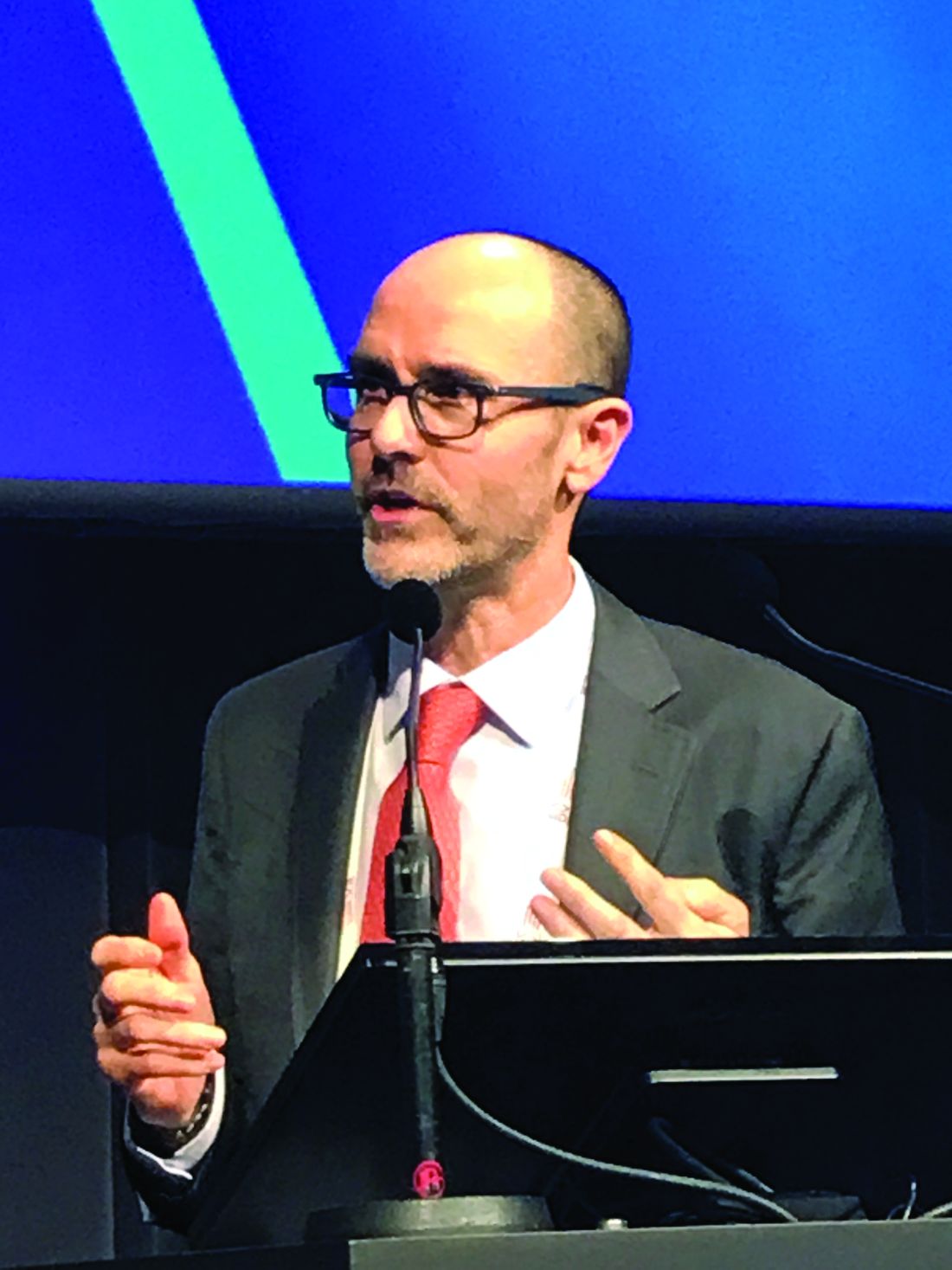
With response curves still climbing at follow-up to date, the results are “truly, truly remarkable,” said Brett King, MD, PhD, associate professor of dermatology, Yale University, New Haven, Conn.
Deuruxolitinib is a JAK inhibitor that has specificity for the 1 and 2 subtypes. At 24 weeks in the phase 3 THRIVE-AA1 and THRIVE-AA2 trials, presented at the American Academy of Dermatology annual meeting earlier this year, about 40% of those on the 12-mg twice-daily dose and 32% of those on the 8-mg twice-daily dose achieved a Severity of Alopecia Tool (SALT) score of ≤ 20%, signifying 80% or greater hair regrowth at 24 weeks. The placebo response was 0%.
By 52 weeks, the proportion had climbed to 62% among those on continuous deuruxolitinib whether maintained on the 8-mg or 12-mg twice daily doses. Among patients on placebo, 58.4% reached this endpoint after being switched at 24 weeks to the 12-mg twice daily dose. Of the patients on placebo switched to 8 mg twice daily, the 52-week response was 45.2%, according to Dr. King.
There were 741 patients available at 52 weeks for this on-going analysis. The mean SALT scores at entry exceeded 80%, meaning complete or near complete hair loss. The substantial proportion of patients who met the primary endpoint of SALT ≤ 20 at the end of the blinded period was encouraging, but Dr. King said that the 52-week results are important, not only showing the response was sustained, but that greater regrowth occurs over time.
“Alopecia takes time to treat,” said Dr. King, summarizing the lesson from these data. Moreover, he added that the long-term data are likely to under represent the absolute benefit even if no further growth is achieved with even longer follow-up. One reason is that missing long-term data were accounted for with a last-observation-carried-forward approach.
In other words, “this is the floor when considering response at 52 weeks,” Dr. King said. “In the real world, where adjunctive measures such as intralesional Kenalog [triamcinolone acetonide] or topical treatments are added, we are likely to do even better,” he added.
Adverse events remained low
Treatment-emergent adverse events remained low with “nothing particularly surprising,” Dr. King said. The rate of serious adverse events over 52 weeks was less than 2% on either dose of deuruxolitinib. The proportion of patients who discontinued treatment because of an adverse event was 0.7% in the 8-mg twice-daily arm and 1.1% in the 12-mg twice-daily arm.
Most approved oral JAK inhibitors carry a boxed warning based on a trial conducted with the relatively nonspecific tofacitinib. The trial enrolled older patients with rheumatoid arthritis at risk for thrombotic events, raising questions about its relevance to selective JAK inhibitors employed for other indications. There was only one thrombosis observed in the 52-week alopecia areata follow-up in a patient on deuruxolitinib. Dr. King noted that this patient, who was obese and was on the higher of the two doses, had multiple comorbidities, including systemic lupus erythematosus.
There were no major adverse cardiac events reported in long-term follow-up or cases of tuberculosis. The rate of opportunistic infections was 0.1% in the 8-mg twice-daily arm and 0.2% in the 12-mg twice-daily arm. Serious infections were observed in 0.6% and 0.4% of these two arms, respectively. There were four malignancies (0.5%) in each of the two study arms.
Of the side effects likely to be related to deuruxolitinib, acne was observed in about 10% of patients on either dose. The mechanism is unclear, but Dr. King reported this has been commonly observed with other JAK inhibitors.
Asked his opinion about the optimal starting dose of deuruxolitinib, Dr. King said, “in my mind, the efficacy of 8 mg is so impressive that I would not struggle at all in starting there,” noting that the higher dose could be considered with a slow or inadequate response.
Two JAK inhibitors are already approved
If approved for alopecia areata, deuruxolitinib will be the third JAK inhibitor available for this indication, following the recent approvals of baricitinib and ritlecitinib.
Calling JAK inhibitors “a major advance in the treatment of alopecia areata, particularly for those patients with severe, refractory disease,” Lynne Goldberg, MD, professor of dermatology at Boston University, and director of the hair clinic, Boston Medical Center, said that the proportion of patients with SALT scores ≤ 20 at 52-weeks is “huge.”
She is generally comfortable with the safety of the JAK inhibitors for alopecia areata.
“I believe that, in general, these medications are well tolerated in the alopecia areata population, particularly in otherwise healthy, young patients,” she said, indicating the benefit-to-risk ratio is particularly acceptable when disease is severe.
“This disease has tremendous emotional and functional implications, and many patients with severe or recurrent disease are willing to chance the side effects to live with a full head of hair,” she said. She added that well-informed patients can “make their own, individual assessment.”
Dr. King has financial relationships with approximately 20 pharmaceutical companies, including Concert Pharmaceuticals, which makes deuruxolitinib and provided funding for this study. Dr. Goldberg reports no financial conflicts relevant to this topic.
BERLIN – at the annual congress of the European Academy of Dermatology and Venereology.
With response curves still climbing at follow-up to date, the results are “truly, truly remarkable,” said Brett King, MD, PhD, associate professor of dermatology, Yale University, New Haven, Conn.
Deuruxolitinib is a JAK inhibitor that has specificity for the 1 and 2 subtypes. At 24 weeks in the phase 3 THRIVE-AA1 and THRIVE-AA2 trials, presented at the American Academy of Dermatology annual meeting earlier this year, about 40% of those on the 12-mg twice-daily dose and 32% of those on the 8-mg twice-daily dose achieved a Severity of Alopecia Tool (SALT) score of ≤ 20%, signifying 80% or greater hair regrowth at 24 weeks. The placebo response was 0%.
By 52 weeks, the proportion had climbed to 62% among those on continuous deuruxolitinib whether maintained on the 8-mg or 12-mg twice daily doses. Among patients on placebo, 58.4% reached this endpoint after being switched at 24 weeks to the 12-mg twice daily dose. Of the patients on placebo switched to 8 mg twice daily, the 52-week response was 45.2%, according to Dr. King.
There were 741 patients available at 52 weeks for this on-going analysis. The mean SALT scores at entry exceeded 80%, meaning complete or near complete hair loss. The substantial proportion of patients who met the primary endpoint of SALT ≤ 20 at the end of the blinded period was encouraging, but Dr. King said that the 52-week results are important, not only showing the response was sustained, but that greater regrowth occurs over time.
“Alopecia takes time to treat,” said Dr. King, summarizing the lesson from these data. Moreover, he added that the long-term data are likely to under represent the absolute benefit even if no further growth is achieved with even longer follow-up. One reason is that missing long-term data were accounted for with a last-observation-carried-forward approach.
In other words, “this is the floor when considering response at 52 weeks,” Dr. King said. “In the real world, where adjunctive measures such as intralesional Kenalog [triamcinolone acetonide] or topical treatments are added, we are likely to do even better,” he added.
Adverse events remained low
Treatment-emergent adverse events remained low with “nothing particularly surprising,” Dr. King said. The rate of serious adverse events over 52 weeks was less than 2% on either dose of deuruxolitinib. The proportion of patients who discontinued treatment because of an adverse event was 0.7% in the 8-mg twice-daily arm and 1.1% in the 12-mg twice-daily arm.
Most approved oral JAK inhibitors carry a boxed warning based on a trial conducted with the relatively nonspecific tofacitinib. The trial enrolled older patients with rheumatoid arthritis at risk for thrombotic events, raising questions about its relevance to selective JAK inhibitors employed for other indications. There was only one thrombosis observed in the 52-week alopecia areata follow-up in a patient on deuruxolitinib. Dr. King noted that this patient, who was obese and was on the higher of the two doses, had multiple comorbidities, including systemic lupus erythematosus.
There were no major adverse cardiac events reported in long-term follow-up or cases of tuberculosis. The rate of opportunistic infections was 0.1% in the 8-mg twice-daily arm and 0.2% in the 12-mg twice-daily arm. Serious infections were observed in 0.6% and 0.4% of these two arms, respectively. There were four malignancies (0.5%) in each of the two study arms.
Of the side effects likely to be related to deuruxolitinib, acne was observed in about 10% of patients on either dose. The mechanism is unclear, but Dr. King reported this has been commonly observed with other JAK inhibitors.
Asked his opinion about the optimal starting dose of deuruxolitinib, Dr. King said, “in my mind, the efficacy of 8 mg is so impressive that I would not struggle at all in starting there,” noting that the higher dose could be considered with a slow or inadequate response.
Two JAK inhibitors are already approved
If approved for alopecia areata, deuruxolitinib will be the third JAK inhibitor available for this indication, following the recent approvals of baricitinib and ritlecitinib.
Calling JAK inhibitors “a major advance in the treatment of alopecia areata, particularly for those patients with severe, refractory disease,” Lynne Goldberg, MD, professor of dermatology at Boston University, and director of the hair clinic, Boston Medical Center, said that the proportion of patients with SALT scores ≤ 20 at 52-weeks is “huge.”
She is generally comfortable with the safety of the JAK inhibitors for alopecia areata.
“I believe that, in general, these medications are well tolerated in the alopecia areata population, particularly in otherwise healthy, young patients,” she said, indicating the benefit-to-risk ratio is particularly acceptable when disease is severe.
“This disease has tremendous emotional and functional implications, and many patients with severe or recurrent disease are willing to chance the side effects to live with a full head of hair,” she said. She added that well-informed patients can “make their own, individual assessment.”
Dr. King has financial relationships with approximately 20 pharmaceutical companies, including Concert Pharmaceuticals, which makes deuruxolitinib and provided funding for this study. Dr. Goldberg reports no financial conflicts relevant to this topic.
BERLIN – at the annual congress of the European Academy of Dermatology and Venereology.
With response curves still climbing at follow-up to date, the results are “truly, truly remarkable,” said Brett King, MD, PhD, associate professor of dermatology, Yale University, New Haven, Conn.
Deuruxolitinib is a JAK inhibitor that has specificity for the 1 and 2 subtypes. At 24 weeks in the phase 3 THRIVE-AA1 and THRIVE-AA2 trials, presented at the American Academy of Dermatology annual meeting earlier this year, about 40% of those on the 12-mg twice-daily dose and 32% of those on the 8-mg twice-daily dose achieved a Severity of Alopecia Tool (SALT) score of ≤ 20%, signifying 80% or greater hair regrowth at 24 weeks. The placebo response was 0%.
By 52 weeks, the proportion had climbed to 62% among those on continuous deuruxolitinib whether maintained on the 8-mg or 12-mg twice daily doses. Among patients on placebo, 58.4% reached this endpoint after being switched at 24 weeks to the 12-mg twice daily dose. Of the patients on placebo switched to 8 mg twice daily, the 52-week response was 45.2%, according to Dr. King.
There were 741 patients available at 52 weeks for this on-going analysis. The mean SALT scores at entry exceeded 80%, meaning complete or near complete hair loss. The substantial proportion of patients who met the primary endpoint of SALT ≤ 20 at the end of the blinded period was encouraging, but Dr. King said that the 52-week results are important, not only showing the response was sustained, but that greater regrowth occurs over time.
“Alopecia takes time to treat,” said Dr. King, summarizing the lesson from these data. Moreover, he added that the long-term data are likely to under represent the absolute benefit even if no further growth is achieved with even longer follow-up. One reason is that missing long-term data were accounted for with a last-observation-carried-forward approach.
In other words, “this is the floor when considering response at 52 weeks,” Dr. King said. “In the real world, where adjunctive measures such as intralesional Kenalog [triamcinolone acetonide] or topical treatments are added, we are likely to do even better,” he added.
Adverse events remained low
Treatment-emergent adverse events remained low with “nothing particularly surprising,” Dr. King said. The rate of serious adverse events over 52 weeks was less than 2% on either dose of deuruxolitinib. The proportion of patients who discontinued treatment because of an adverse event was 0.7% in the 8-mg twice-daily arm and 1.1% in the 12-mg twice-daily arm.
Most approved oral JAK inhibitors carry a boxed warning based on a trial conducted with the relatively nonspecific tofacitinib. The trial enrolled older patients with rheumatoid arthritis at risk for thrombotic events, raising questions about its relevance to selective JAK inhibitors employed for other indications. There was only one thrombosis observed in the 52-week alopecia areata follow-up in a patient on deuruxolitinib. Dr. King noted that this patient, who was obese and was on the higher of the two doses, had multiple comorbidities, including systemic lupus erythematosus.
There were no major adverse cardiac events reported in long-term follow-up or cases of tuberculosis. The rate of opportunistic infections was 0.1% in the 8-mg twice-daily arm and 0.2% in the 12-mg twice-daily arm. Serious infections were observed in 0.6% and 0.4% of these two arms, respectively. There were four malignancies (0.5%) in each of the two study arms.
Of the side effects likely to be related to deuruxolitinib, acne was observed in about 10% of patients on either dose. The mechanism is unclear, but Dr. King reported this has been commonly observed with other JAK inhibitors.
Asked his opinion about the optimal starting dose of deuruxolitinib, Dr. King said, “in my mind, the efficacy of 8 mg is so impressive that I would not struggle at all in starting there,” noting that the higher dose could be considered with a slow or inadequate response.
Two JAK inhibitors are already approved
If approved for alopecia areata, deuruxolitinib will be the third JAK inhibitor available for this indication, following the recent approvals of baricitinib and ritlecitinib.
Calling JAK inhibitors “a major advance in the treatment of alopecia areata, particularly for those patients with severe, refractory disease,” Lynne Goldberg, MD, professor of dermatology at Boston University, and director of the hair clinic, Boston Medical Center, said that the proportion of patients with SALT scores ≤ 20 at 52-weeks is “huge.”
She is generally comfortable with the safety of the JAK inhibitors for alopecia areata.
“I believe that, in general, these medications are well tolerated in the alopecia areata population, particularly in otherwise healthy, young patients,” she said, indicating the benefit-to-risk ratio is particularly acceptable when disease is severe.
“This disease has tremendous emotional and functional implications, and many patients with severe or recurrent disease are willing to chance the side effects to live with a full head of hair,” she said. She added that well-informed patients can “make their own, individual assessment.”
Dr. King has financial relationships with approximately 20 pharmaceutical companies, including Concert Pharmaceuticals, which makes deuruxolitinib and provided funding for this study. Dr. Goldberg reports no financial conflicts relevant to this topic.
At THE EADV CONGRESS
Tapinarof effective for AD in patients as young as 2 years
BERLIN – of age, according to results of two pivotal trials presented at the at the annual congress of the European Academy of Dermatology and Venereology.
If approved for AD, one advantage of tapinarof cream relative to topical corticosteroids is potential use “without restrictions on duration, extent, or site of application,” reported Jonathan I. Silverberg, MD, PhD, MPH, director of clinical research, George Washington University, Washington.
Tapinarof cream, 1%, an aryl hydrocarbon receptor agonist, was approved in 2022 for treating plaque psoriasis in adults.

In the two phase 3 trials, ADORING 1 and ADORING 2, which were presented together at the meeting, the primary endpoint was Validated Investigator Global Assessment (vIGA) for AD of 0 (clear) or 1 (almost clear) at 8 weeks. For this endpoint and all secondary endpoints, the relative advantage of the active cream over the vehicle alone was about the same in both studies.
For example, the vIGA clear or almost clear response was met by 45.4% and 46.4% of those in the experimental arm of ADORING 1 and 2, respectively, but only 13.9% and 18.0% in the control arms (P < .0001 for both).
For the secondary endpoint of Eczema Area and Severity Index (EASI75), signifying 75% clearance of skin lesions, the response rates were 55.8% and 59.1% in the two trials, but only 22.9% and 24.1% in the respective control arms (P < .0001 for both).
The two identically designed trials randomized patients with moderate to severe AD in a 2:1 ratio to tapinarof cream or vehicle alone. There were 407 patients ages 2-81 years in ADORING I and 406 in ADORING 2. Patients were instructed to apply the active cream or vehicle once per day.
The safety data for tapinarof in these studies was generally consistent with the experience with this agent in plaque psoriasis. According to Dr. Silverberg, there was a modest increase in reports of headache early in this study, but these were transient. Follicular events were also more common on tapinarof than on its vehicle, but Dr. Silverberg said that the rate of discontinuations for adverse events, although low in both arms, was numerically lower in the active treatment arm in both trials.
“There were reports of contact dermatitis in the psoriasis studies, but we have not seen this in the AD trials,” Dr. Silverberg said.
Itch control evaluated
In a separate presentation of ADORING 1 and 2 results, Eric Simpson, MD, professor of dermatology, Oregon Health & Science University, Portland, provided detailed information about itch control, which was evaluated with the Peak Pruritus–Numerical Rating Scale (PP-NRS).
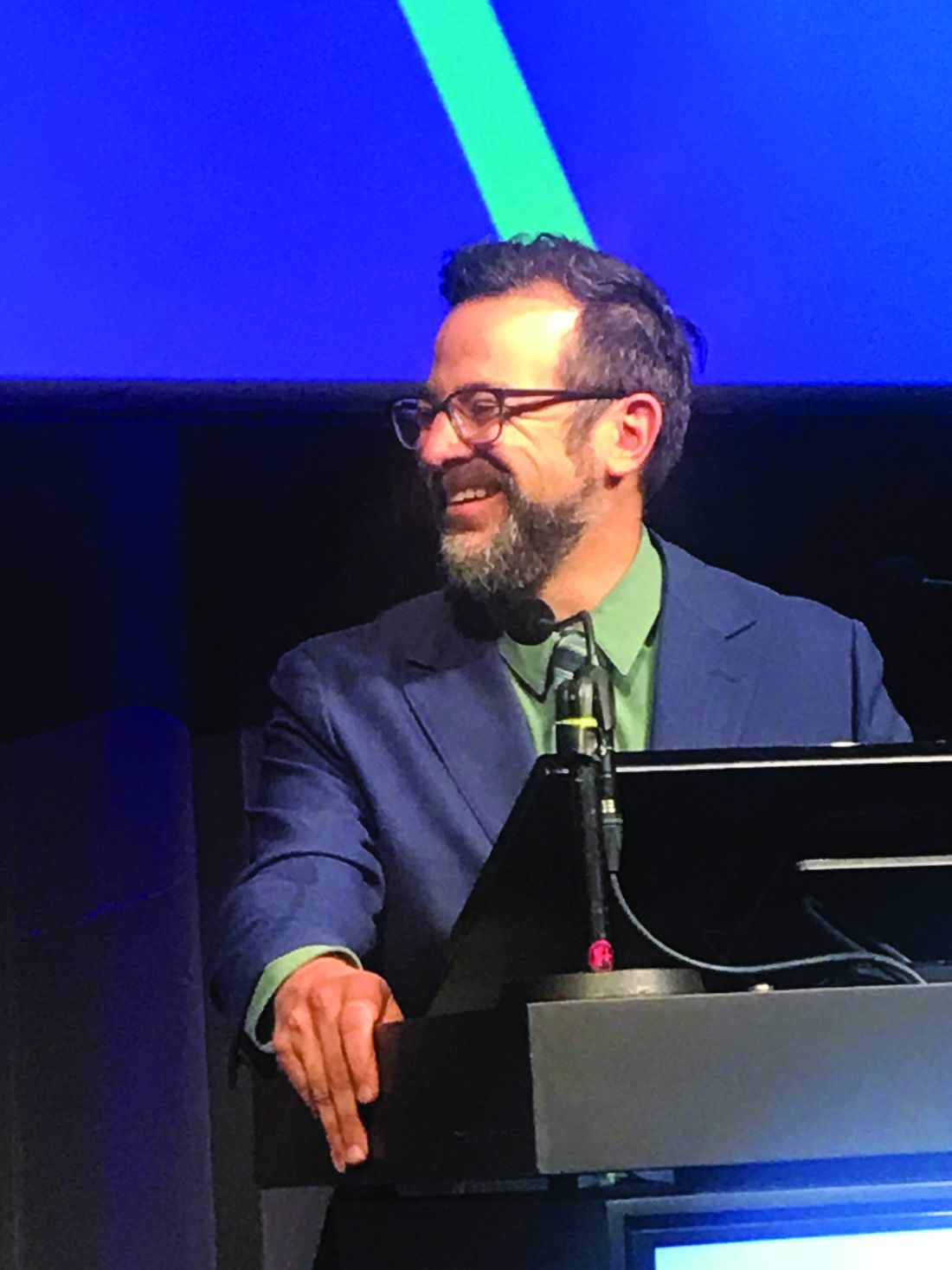
“The PP-NRS considers a person’s worst itch over the past 24 hours based on an 11-point scale,” explained Dr. Simpson, who said that patients scored itch daily with comparisons made at weeks 1, 2, 4, and 8.
Over time, pruritus scores fell in both groups, but reductions were far steeper among those in the active treatment arms.
“In ADORING 1, there were greater reductions in itch as early as day 1,” Dr. Simpson reported. Although the differences in itch were not detected until day 2 in ADORING 2, the differences were already significant and clinically meaningful in both studies by the end of the first week.
By week 8, the mean reductions in PP-NRS scores were 2.6 and 2.4 in the vehicle arms of ADORING 1 and 2, respectively. In the treatment arm, the reduction was 4.1 points in both arms (P < .0001 for both studies).
Forty-eight–week follow-up planned
More than 90% of patients in both studies have rolled over into the open-label extension ADORING 3 trial, with a planned follow-up of 48 weeks, according to Dr. Silverberg, who said that those in the placebo arm have been crossed over to tapinarof.
The response and the safety appear to be similar in adults and children, although Dr. Silverberg said that further analyses of outcomes by age are planned. He noted that there is also an ongoing study of tapinarof in children with plaque psoriasis.
In AD in particular, Dr. Silverberg said there is “an unmet need” for a topical nonsteroidal anti-inflammatory. While topical corticosteroids are a mainstay of AD therapy in children as well as adults, he noted the limitations of these drugs, including that they can only be applied for limited periods.
Tapinarof binds to the aryl hydrocarbon receptor (AhR), which regulates immune function in the skin and is expressed in many skin cell types. By inhibiting AhR, tapinarof blocks cytokine activation and has an antioxidant effect.
Adelaide A. Hebert, MD, professor and director of pediatric dermatology, McGovern Medical School at UTHealth, Houston, has participated in clinical studies of tapinarof for AD, and said she has been impressed with its efficacy and tolerability in children as well as adults. In the case of children, parents, as well as patients, “valued the rapid onset of disease control, the once-daily application regimen, and the itch control,” she said in an interview after the meeting.
If approved, Dr. Hebert said, “this novel steroid-free medication has the potential to change the management arena for pediatric and adult patients with moderate to severe atopic dermatitis.”
The recent introduction of new systemic therapies for AD, such as JAK inhibitors, has increased options for AD control, but “we still need effective and safe topical therapies, especially in children and young adults,” said Sonja Ständer, MD, head of the Interdisciplinary Center for Chronic Pruritus, University of Münster (Germany). Author of a comprehensive review article on AD in the New England Journal of Medicine 2 years ago, Dr. Ständer said results from the phase 3 topical tapinarof trials, as well as the phase 3 topical ruxolitinib trials, which were also presented as late breakers at the 2023 EADV meeting, provide “hope that an alternative to topical steroids will soon be available.”
Based on their safety and rapid control of itch in children with AD, “these will complement our current portfolio of topical therapies very well and have the potential to replace topical steroids early in therapy or to replace them altogether,” she told this news organization.
Dermavant Sciences, manufacturer of tapinarof, anticipates filing for Food and Drug Administration approval for AD in the first quarter of 2024, according to a company statement.
Dr. Silverberg and Dr. Simpson reported financial relationships with multiple pharmaceutical companies, including Dermavant, which provided funding for the ADORING trials. Dr. Hebert has financial relationship with more than 15 pharmaceutical companies, including Dermavent and other companies that have or are developing therapies for AD. Dr. Ständer reported financial relationships with Beiersdorf, Eli Lilly, Galderma, Kiniksa, Pfizer, and Sanofi.
BERLIN – of age, according to results of two pivotal trials presented at the at the annual congress of the European Academy of Dermatology and Venereology.
If approved for AD, one advantage of tapinarof cream relative to topical corticosteroids is potential use “without restrictions on duration, extent, or site of application,” reported Jonathan I. Silverberg, MD, PhD, MPH, director of clinical research, George Washington University, Washington.
Tapinarof cream, 1%, an aryl hydrocarbon receptor agonist, was approved in 2022 for treating plaque psoriasis in adults.
In the two phase 3 trials, ADORING 1 and ADORING 2, which were presented together at the meeting, the primary endpoint was Validated Investigator Global Assessment (vIGA) for AD of 0 (clear) or 1 (almost clear) at 8 weeks. For this endpoint and all secondary endpoints, the relative advantage of the active cream over the vehicle alone was about the same in both studies.
For example, the vIGA clear or almost clear response was met by 45.4% and 46.4% of those in the experimental arm of ADORING 1 and 2, respectively, but only 13.9% and 18.0% in the control arms (P < .0001 for both).
For the secondary endpoint of Eczema Area and Severity Index (EASI75), signifying 75% clearance of skin lesions, the response rates were 55.8% and 59.1% in the two trials, but only 22.9% and 24.1% in the respective control arms (P < .0001 for both).
The two identically designed trials randomized patients with moderate to severe AD in a 2:1 ratio to tapinarof cream or vehicle alone. There were 407 patients ages 2-81 years in ADORING I and 406 in ADORING 2. Patients were instructed to apply the active cream or vehicle once per day.
The safety data for tapinarof in these studies was generally consistent with the experience with this agent in plaque psoriasis. According to Dr. Silverberg, there was a modest increase in reports of headache early in this study, but these were transient. Follicular events were also more common on tapinarof than on its vehicle, but Dr. Silverberg said that the rate of discontinuations for adverse events, although low in both arms, was numerically lower in the active treatment arm in both trials.
“There were reports of contact dermatitis in the psoriasis studies, but we have not seen this in the AD trials,” Dr. Silverberg said.
Itch control evaluated
In a separate presentation of ADORING 1 and 2 results, Eric Simpson, MD, professor of dermatology, Oregon Health & Science University, Portland, provided detailed information about itch control, which was evaluated with the Peak Pruritus–Numerical Rating Scale (PP-NRS).
“The PP-NRS considers a person’s worst itch over the past 24 hours based on an 11-point scale,” explained Dr. Simpson, who said that patients scored itch daily with comparisons made at weeks 1, 2, 4, and 8.
Over time, pruritus scores fell in both groups, but reductions were far steeper among those in the active treatment arms.
“In ADORING 1, there were greater reductions in itch as early as day 1,” Dr. Simpson reported. Although the differences in itch were not detected until day 2 in ADORING 2, the differences were already significant and clinically meaningful in both studies by the end of the first week.
By week 8, the mean reductions in PP-NRS scores were 2.6 and 2.4 in the vehicle arms of ADORING 1 and 2, respectively. In the treatment arm, the reduction was 4.1 points in both arms (P < .0001 for both studies).
Forty-eight–week follow-up planned
More than 90% of patients in both studies have rolled over into the open-label extension ADORING 3 trial, with a planned follow-up of 48 weeks, according to Dr. Silverberg, who said that those in the placebo arm have been crossed over to tapinarof.
The response and the safety appear to be similar in adults and children, although Dr. Silverberg said that further analyses of outcomes by age are planned. He noted that there is also an ongoing study of tapinarof in children with plaque psoriasis.
In AD in particular, Dr. Silverberg said there is “an unmet need” for a topical nonsteroidal anti-inflammatory. While topical corticosteroids are a mainstay of AD therapy in children as well as adults, he noted the limitations of these drugs, including that they can only be applied for limited periods.
Tapinarof binds to the aryl hydrocarbon receptor (AhR), which regulates immune function in the skin and is expressed in many skin cell types. By inhibiting AhR, tapinarof blocks cytokine activation and has an antioxidant effect.
Adelaide A. Hebert, MD, professor and director of pediatric dermatology, McGovern Medical School at UTHealth, Houston, has participated in clinical studies of tapinarof for AD, and said she has been impressed with its efficacy and tolerability in children as well as adults. In the case of children, parents, as well as patients, “valued the rapid onset of disease control, the once-daily application regimen, and the itch control,” she said in an interview after the meeting.
If approved, Dr. Hebert said, “this novel steroid-free medication has the potential to change the management arena for pediatric and adult patients with moderate to severe atopic dermatitis.”
The recent introduction of new systemic therapies for AD, such as JAK inhibitors, has increased options for AD control, but “we still need effective and safe topical therapies, especially in children and young adults,” said Sonja Ständer, MD, head of the Interdisciplinary Center for Chronic Pruritus, University of Münster (Germany). Author of a comprehensive review article on AD in the New England Journal of Medicine 2 years ago, Dr. Ständer said results from the phase 3 topical tapinarof trials, as well as the phase 3 topical ruxolitinib trials, which were also presented as late breakers at the 2023 EADV meeting, provide “hope that an alternative to topical steroids will soon be available.”
Based on their safety and rapid control of itch in children with AD, “these will complement our current portfolio of topical therapies very well and have the potential to replace topical steroids early in therapy or to replace them altogether,” she told this news organization.
Dermavant Sciences, manufacturer of tapinarof, anticipates filing for Food and Drug Administration approval for AD in the first quarter of 2024, according to a company statement.
Dr. Silverberg and Dr. Simpson reported financial relationships with multiple pharmaceutical companies, including Dermavant, which provided funding for the ADORING trials. Dr. Hebert has financial relationship with more than 15 pharmaceutical companies, including Dermavent and other companies that have or are developing therapies for AD. Dr. Ständer reported financial relationships with Beiersdorf, Eli Lilly, Galderma, Kiniksa, Pfizer, and Sanofi.
BERLIN – of age, according to results of two pivotal trials presented at the at the annual congress of the European Academy of Dermatology and Venereology.
If approved for AD, one advantage of tapinarof cream relative to topical corticosteroids is potential use “without restrictions on duration, extent, or site of application,” reported Jonathan I. Silverberg, MD, PhD, MPH, director of clinical research, George Washington University, Washington.
Tapinarof cream, 1%, an aryl hydrocarbon receptor agonist, was approved in 2022 for treating plaque psoriasis in adults.
In the two phase 3 trials, ADORING 1 and ADORING 2, which were presented together at the meeting, the primary endpoint was Validated Investigator Global Assessment (vIGA) for AD of 0 (clear) or 1 (almost clear) at 8 weeks. For this endpoint and all secondary endpoints, the relative advantage of the active cream over the vehicle alone was about the same in both studies.
For example, the vIGA clear or almost clear response was met by 45.4% and 46.4% of those in the experimental arm of ADORING 1 and 2, respectively, but only 13.9% and 18.0% in the control arms (P < .0001 for both).
For the secondary endpoint of Eczema Area and Severity Index (EASI75), signifying 75% clearance of skin lesions, the response rates were 55.8% and 59.1% in the two trials, but only 22.9% and 24.1% in the respective control arms (P < .0001 for both).
The two identically designed trials randomized patients with moderate to severe AD in a 2:1 ratio to tapinarof cream or vehicle alone. There were 407 patients ages 2-81 years in ADORING I and 406 in ADORING 2. Patients were instructed to apply the active cream or vehicle once per day.
The safety data for tapinarof in these studies was generally consistent with the experience with this agent in plaque psoriasis. According to Dr. Silverberg, there was a modest increase in reports of headache early in this study, but these were transient. Follicular events were also more common on tapinarof than on its vehicle, but Dr. Silverberg said that the rate of discontinuations for adverse events, although low in both arms, was numerically lower in the active treatment arm in both trials.
“There were reports of contact dermatitis in the psoriasis studies, but we have not seen this in the AD trials,” Dr. Silverberg said.
Itch control evaluated
In a separate presentation of ADORING 1 and 2 results, Eric Simpson, MD, professor of dermatology, Oregon Health & Science University, Portland, provided detailed information about itch control, which was evaluated with the Peak Pruritus–Numerical Rating Scale (PP-NRS).
“The PP-NRS considers a person’s worst itch over the past 24 hours based on an 11-point scale,” explained Dr. Simpson, who said that patients scored itch daily with comparisons made at weeks 1, 2, 4, and 8.
Over time, pruritus scores fell in both groups, but reductions were far steeper among those in the active treatment arms.
“In ADORING 1, there were greater reductions in itch as early as day 1,” Dr. Simpson reported. Although the differences in itch were not detected until day 2 in ADORING 2, the differences were already significant and clinically meaningful in both studies by the end of the first week.
By week 8, the mean reductions in PP-NRS scores were 2.6 and 2.4 in the vehicle arms of ADORING 1 and 2, respectively. In the treatment arm, the reduction was 4.1 points in both arms (P < .0001 for both studies).
Forty-eight–week follow-up planned
More than 90% of patients in both studies have rolled over into the open-label extension ADORING 3 trial, with a planned follow-up of 48 weeks, according to Dr. Silverberg, who said that those in the placebo arm have been crossed over to tapinarof.
The response and the safety appear to be similar in adults and children, although Dr. Silverberg said that further analyses of outcomes by age are planned. He noted that there is also an ongoing study of tapinarof in children with plaque psoriasis.
In AD in particular, Dr. Silverberg said there is “an unmet need” for a topical nonsteroidal anti-inflammatory. While topical corticosteroids are a mainstay of AD therapy in children as well as adults, he noted the limitations of these drugs, including that they can only be applied for limited periods.
Tapinarof binds to the aryl hydrocarbon receptor (AhR), which regulates immune function in the skin and is expressed in many skin cell types. By inhibiting AhR, tapinarof blocks cytokine activation and has an antioxidant effect.
Adelaide A. Hebert, MD, professor and director of pediatric dermatology, McGovern Medical School at UTHealth, Houston, has participated in clinical studies of tapinarof for AD, and said she has been impressed with its efficacy and tolerability in children as well as adults. In the case of children, parents, as well as patients, “valued the rapid onset of disease control, the once-daily application regimen, and the itch control,” she said in an interview after the meeting.
If approved, Dr. Hebert said, “this novel steroid-free medication has the potential to change the management arena for pediatric and adult patients with moderate to severe atopic dermatitis.”
The recent introduction of new systemic therapies for AD, such as JAK inhibitors, has increased options for AD control, but “we still need effective and safe topical therapies, especially in children and young adults,” said Sonja Ständer, MD, head of the Interdisciplinary Center for Chronic Pruritus, University of Münster (Germany). Author of a comprehensive review article on AD in the New England Journal of Medicine 2 years ago, Dr. Ständer said results from the phase 3 topical tapinarof trials, as well as the phase 3 topical ruxolitinib trials, which were also presented as late breakers at the 2023 EADV meeting, provide “hope that an alternative to topical steroids will soon be available.”
Based on their safety and rapid control of itch in children with AD, “these will complement our current portfolio of topical therapies very well and have the potential to replace topical steroids early in therapy or to replace them altogether,” she told this news organization.
Dermavant Sciences, manufacturer of tapinarof, anticipates filing for Food and Drug Administration approval for AD in the first quarter of 2024, according to a company statement.
Dr. Silverberg and Dr. Simpson reported financial relationships with multiple pharmaceutical companies, including Dermavant, which provided funding for the ADORING trials. Dr. Hebert has financial relationship with more than 15 pharmaceutical companies, including Dermavent and other companies that have or are developing therapies for AD. Dr. Ständer reported financial relationships with Beiersdorf, Eli Lilly, Galderma, Kiniksa, Pfizer, and Sanofi.
AT THE EADV CONGRESS
Study confirms link between red meat and diabetes risk
This association was confirmed by a new study published in the American Journal of Clinical Nutrition, a data analysis of nearly 217,000 people who were monitored for three decades as part of several cohort studies. “Our study supports the current dietary recommendations of limiting consumption of red meat and highlights the importance of different alternative sources of protein in preventing type 2 diabetes,” the researchers wrote.
Consumption and risk
The study included men and women who took part in the Nurses’ Health Study, the Nurses’ Health Study II, or the Health Professionals Follow-up Study. Questionnaires were used to collect data every 2-4 years on the frequency of specific food consumption. Information on the onset of diseases and on different health-related aspects was collected every 2 years.
Those who consumed more red meat had a higher body mass index, higher total energy intake, and greater likelihood of being a smoker. They were physically less active and less likely to take multivitamins. In a follow-up of 5.48 million person-years, 22,761 cases of type 2 diabetes were recorded.
The link between consumption of processed and unprocessed red meat (and both combined) and a higher risk of diabetes was observed in all cohorts when analyzed separately and jointly. The people in the highest quintile for combined red meat consumption had a 2% greater risk of developing the disease, compared with those in the lowest quintile. The risk increases associated with processed and unprocessed meat were 51% and 40%, respectively. One additional serving per day of processed red meat was associated with a 1.46-fold greater risk of diabetes. This risk was 1.24 times greater for unprocessed meat and 1.28 times greater for both types combined.
The associations had a linear dose-response relationship and remained firm even after accounting for BMI, which the researchers stressed could be a mediating factor. Finally, the associations were stronger when considering the average cumulative consumption over the 30-year follow-up period and still stronger following the calibration of meat consumption with data extrapolated from food registers. The latter step was taken to account for measurement errors.
Alternatives are better
By analyzing alternative protein sources, the researchers discovered that nuts and legumes are associated with the most substantial reductions in diabetes risk. “This discovery is consistent with the evidence that shows that sources of unsaturated fatty acids and antioxidants have beneficial effects on glycemic control, insulin response, and inflammation,” they wrote. By replacing a serving of processed red meat, unprocessed red meat, or a combination of the two with a serving of dry fruit or legumes, the risk of developing diabetes is lowered by 30%, 41%, and 29%, respectively. Replacing red meat with a serving of dairy products is also associated with a reduced risk.
Confirmation
Several biological mechanisms could contribute to the increased risk for type 2 diabetes in people who consume red meat. The high level of saturated fats or the relatively low level of polyunsaturated fats, heme iron, or the high nitrate content in processed red meats could play a role. A strong positive association between consumption of this meat, particularly when processed, and the onset of diabetes has already emerged from other studies, including a trial carried out several years ago in the same cohorts. “In the current study, we wanted to look at this association in the same three cohorts in more detail, with over 9,000 additional cases of type 2 diabetes documented with extensive follow-up,” the researchers explained.
This article was translated from Univadis Italy. A version appeared on Medscape.com.
This association was confirmed by a new study published in the American Journal of Clinical Nutrition, a data analysis of nearly 217,000 people who were monitored for three decades as part of several cohort studies. “Our study supports the current dietary recommendations of limiting consumption of red meat and highlights the importance of different alternative sources of protein in preventing type 2 diabetes,” the researchers wrote.
Consumption and risk
The study included men and women who took part in the Nurses’ Health Study, the Nurses’ Health Study II, or the Health Professionals Follow-up Study. Questionnaires were used to collect data every 2-4 years on the frequency of specific food consumption. Information on the onset of diseases and on different health-related aspects was collected every 2 years.
Those who consumed more red meat had a higher body mass index, higher total energy intake, and greater likelihood of being a smoker. They were physically less active and less likely to take multivitamins. In a follow-up of 5.48 million person-years, 22,761 cases of type 2 diabetes were recorded.
The link between consumption of processed and unprocessed red meat (and both combined) and a higher risk of diabetes was observed in all cohorts when analyzed separately and jointly. The people in the highest quintile for combined red meat consumption had a 2% greater risk of developing the disease, compared with those in the lowest quintile. The risk increases associated with processed and unprocessed meat were 51% and 40%, respectively. One additional serving per day of processed red meat was associated with a 1.46-fold greater risk of diabetes. This risk was 1.24 times greater for unprocessed meat and 1.28 times greater for both types combined.
The associations had a linear dose-response relationship and remained firm even after accounting for BMI, which the researchers stressed could be a mediating factor. Finally, the associations were stronger when considering the average cumulative consumption over the 30-year follow-up period and still stronger following the calibration of meat consumption with data extrapolated from food registers. The latter step was taken to account for measurement errors.
Alternatives are better
By analyzing alternative protein sources, the researchers discovered that nuts and legumes are associated with the most substantial reductions in diabetes risk. “This discovery is consistent with the evidence that shows that sources of unsaturated fatty acids and antioxidants have beneficial effects on glycemic control, insulin response, and inflammation,” they wrote. By replacing a serving of processed red meat, unprocessed red meat, or a combination of the two with a serving of dry fruit or legumes, the risk of developing diabetes is lowered by 30%, 41%, and 29%, respectively. Replacing red meat with a serving of dairy products is also associated with a reduced risk.
Confirmation
Several biological mechanisms could contribute to the increased risk for type 2 diabetes in people who consume red meat. The high level of saturated fats or the relatively low level of polyunsaturated fats, heme iron, or the high nitrate content in processed red meats could play a role. A strong positive association between consumption of this meat, particularly when processed, and the onset of diabetes has already emerged from other studies, including a trial carried out several years ago in the same cohorts. “In the current study, we wanted to look at this association in the same three cohorts in more detail, with over 9,000 additional cases of type 2 diabetes documented with extensive follow-up,” the researchers explained.
This article was translated from Univadis Italy. A version appeared on Medscape.com.
This association was confirmed by a new study published in the American Journal of Clinical Nutrition, a data analysis of nearly 217,000 people who were monitored for three decades as part of several cohort studies. “Our study supports the current dietary recommendations of limiting consumption of red meat and highlights the importance of different alternative sources of protein in preventing type 2 diabetes,” the researchers wrote.
Consumption and risk
The study included men and women who took part in the Nurses’ Health Study, the Nurses’ Health Study II, or the Health Professionals Follow-up Study. Questionnaires were used to collect data every 2-4 years on the frequency of specific food consumption. Information on the onset of diseases and on different health-related aspects was collected every 2 years.
Those who consumed more red meat had a higher body mass index, higher total energy intake, and greater likelihood of being a smoker. They were physically less active and less likely to take multivitamins. In a follow-up of 5.48 million person-years, 22,761 cases of type 2 diabetes were recorded.
The link between consumption of processed and unprocessed red meat (and both combined) and a higher risk of diabetes was observed in all cohorts when analyzed separately and jointly. The people in the highest quintile for combined red meat consumption had a 2% greater risk of developing the disease, compared with those in the lowest quintile. The risk increases associated with processed and unprocessed meat were 51% and 40%, respectively. One additional serving per day of processed red meat was associated with a 1.46-fold greater risk of diabetes. This risk was 1.24 times greater for unprocessed meat and 1.28 times greater for both types combined.
The associations had a linear dose-response relationship and remained firm even after accounting for BMI, which the researchers stressed could be a mediating factor. Finally, the associations were stronger when considering the average cumulative consumption over the 30-year follow-up period and still stronger following the calibration of meat consumption with data extrapolated from food registers. The latter step was taken to account for measurement errors.
Alternatives are better
By analyzing alternative protein sources, the researchers discovered that nuts and legumes are associated with the most substantial reductions in diabetes risk. “This discovery is consistent with the evidence that shows that sources of unsaturated fatty acids and antioxidants have beneficial effects on glycemic control, insulin response, and inflammation,” they wrote. By replacing a serving of processed red meat, unprocessed red meat, or a combination of the two with a serving of dry fruit or legumes, the risk of developing diabetes is lowered by 30%, 41%, and 29%, respectively. Replacing red meat with a serving of dairy products is also associated with a reduced risk.
Confirmation
Several biological mechanisms could contribute to the increased risk for type 2 diabetes in people who consume red meat. The high level of saturated fats or the relatively low level of polyunsaturated fats, heme iron, or the high nitrate content in processed red meats could play a role. A strong positive association between consumption of this meat, particularly when processed, and the onset of diabetes has already emerged from other studies, including a trial carried out several years ago in the same cohorts. “In the current study, we wanted to look at this association in the same three cohorts in more detail, with over 9,000 additional cases of type 2 diabetes documented with extensive follow-up,” the researchers explained.
This article was translated from Univadis Italy. A version appeared on Medscape.com.
FROM THE AMERICAN JOURNAL OF CLINICAL NUTRITION
Why don’t doctors feel like heroes anymore?
In April 2020, as many Americans prepared to spend the Easter holiday in lockdown, pop star Mariah Carey released a video honoring the “sacrifices and courage” of frontline workers battling COVID-19 – her 1993 hit, “Hero.”
“The sorrow that you know will melt away,” Ms. Carey sang. “When you feel like hope is gone,” the song continued, strength and answers can be found within, and “a hero lies in you.”
For health care professionals, the reality of 2020 wasn’t quite so uplifting. PPE shortages and spillover ICUs had many feeling helpless, exhausted, and overwhelmed. Few if any medical professionals felt their sorrows “melt away.”
We can’t expect depth and nuance from pop songs, but we can find in them the imagery that runs through our culture. The “hero narrative” – the idea that doctors, nurses, and others in health care have superhuman endurance and selflessness – has long been an undercurrent in the medical field.
And yet, without a workforce willing to perform without adequate sleep, food, or time off, the health care system couldn’t function, says Brian Park, MD, MPH, a family medicine physician at Oregon Health & Science University, Portland. At many academic health centers, for example, residents are “the bedrock of the workforce,” he explains. If they didn’t work 80-100 hours per week, those systems wouldn’t exist.
So, how do we look at the health care system in a way that is both grateful and critical, Dr. Park wonders. “How do we honor extreme acts of heroism and also acknowledge that the system sometimes gets by on the acts of heroes to patch up some of the brokenness and fragmentation within it?”
Heroes are determined
Ala Stanford, MD, a pediatric surgeon in Philadelphia, has frequently been called a “health care hero.” Given the title by CNN in 2021, she has received numerous other awards and accolades, featured in Fortune Magazine’s “World’s 50 Greatest Leaders” in 2021 and USA Today’s “Women of the Year” in 2022.
In 2020, Dr. Stanford was sheltering in place and watching “way too much” cable news. “They would play solemn music and show photos of all the people who had died,” she recalls. “I thought, ‘All these people are Black or brown. What is going on?’”
The standard explanation was that people of color were more vulnerable because they were more likely to be essential workers or have chronic health conditions. But Dr. Stanford believed this was only part of the story. The reason she saw that local Black communities had higher positivity rates was because people couldn’t get a COVID test.
Dr. Stanford got call after call from Philadelphians who had been turned away from testing centers. When she questioned colleagues, “they gave me every reason under the sun,” Dr. Stanford says. “It was because someone took public transportation, and they were only testing people in cars, or because they weren’t over 65, or because they didn’t have other comorbid health conditions, or because they weren’t a health care worker, or because they hadn’t traveled to China ...” The list went on.
Dr. Stanford appealed to local, state, and federal health authorities. Finally, she took matters into her own hands. She found tests, packed a van with masks, gowns, and gloves, and drove across the city going door to door. Eventually, she organized testing in the parking lots of Black churches, sometimes seeing more than 400 people per day.
The services were funded entirely through her own bank account and donations until she was eventually awarded a CDC grant through the Coronavirus Aid, Relief, and Economic Security (CARES) Act of 2020 and began to receive contracts from the city.
Since then, Dr. Stanford’s mission has evolved. She and her team provided COVID vaccinations to thousands, and in 2021, opened the Dr. Ala Stanford Center for Health Equity. The center offers primary care for all ages in underserved communities.
Still, Dr. Stanford doesn’t think of herself as a hero, and she stresses that many other people contributed to her success. “I think the world was on fire, and we were all firefighters,” Dr. Stanford says. “Someone said to me, ‘Ala, you ran to the fire and everyone else was running away from it, and you didn’t have to.’ … I feel like I was able to galvanize people to realize the power that they actually had. Maybe independently, they couldn’t do a whole lot, but collectively, we were a force.”
Heroes are selfless
Nicole Jackson, RN, an emergency room manager and nurse at Advocate Trinity Hospital in Chicago, was recently honored as a Health Care Hero by the American Red Cross of Greater Chicago.
On June 23, 2022, Jackson’s emergency department was understaffed and struggling with an influx of patients when three gunshot victims arrived. Two needed to be transferred to a trauma center, and one – with multiple gunshot wounds – required a critical care nurse in the ambulance. But the ETA for that transport was 90 minutes, which meant the patient might not survive. Although Ms. Jackson was already working beyond her shift, she rode in the ambulance with the patient herself and probably saved his life.
While this incident stood out to a colleague who nominated her for the Red Cross award, Ms. Jackson finds herself working extra hours fairly often. “Since COVID, that’s pretty much been like any other hospital,” she says. “We’ve had staffing challenges that we work through every day. So, the nurses come, they show up, and they do the best that they can with what we have to keep our patients safe.”
A 2022 survey by McKinsey estimated that by 2025, there could be a gap of 200,000 to 450,000 nurses in the United States. A two-year impact assessment from the American Nurses Foundation found that among more than 12,500 nurses, 40% were considering leaving their positions before the pandemic. By 2022, that number had jumped to 52% with the top reasons being insufficient staffing and negative effects on health and well-being.
Can the “hero narrative” help that situation? Ms. Jackson says she doesn’t see herself as a hero, but the supportive environment and gestures of recognition by staff do make her feel appreciated. These include daily messages offering “kudos” and nominations for the DAISY Award, which she herself received in 2022.
“I have people who I have encouraged to become nurses,” Ms. Jackson says, “and when they saw [the award], they were really excited about becoming a nurse.”
Heroes are strong
Jasmine Marcelin, MD, an infectious disease physician with Nebraska Medicine in Omaha, understands the need for heroes as symbols and sources of inspiration. Dr. Marcelin is a fan of the superhero movie genre. There is value, she says, in feeling hope and excitement while watching Superman or Wonder Woman save the day. Who doesn’t want to believe (if only briefly) that the good guys will always win?
In reality, Dr. Marcelin says, “none of us are invincible.” And it’s dangerous to forget that “the people behind the symbols are also human.”
In 2021, Dr. Marcelin gave a TEDx talk entitled, “The Myth of the Health Care Hero.” In it she discussed the extreme physical and mental toll of the pandemic on health care workers and urged her audience to think less about extravagant praise and more about their personal responsibilities. “We don’t want or need to be called heroes,” Dr. Marcelin said. “Right now, our love language is action. We need your help, and we cannot save the world on our own.”
Dr. Marcelin also sees links between superhuman expectations and the high levels of burnout in the medical field.
“It’s a systemic issue,” she explains, “where it requires a revamping and revitalization of the entire psyche of health care to recognize that the people working within this profession are human. And the things that we think and feel and need are the same as anybody else.”
Heroes are self-sacrificing
Well-being, burnout, and disengagement in health care has become a focus for Oregon Health & Science’s Dr. Park, who is also director of RELATE Lab, an organization that aims to make health care more human-centered and equitable through leadership training, research, and community organizing.
For him, hearing neighbors banging pots and pans during the early pandemic was complicated. “The first phase for me was, ‘Thank you. I feel seen. I feel appreciated,’ ” he says. “Yes, I’m wearing a mask. I’m going in. I’m changing in the garage when I come home, so my kid and my partner don’t get sick.”
But after a while, the cheers started to feel like pressure. “Have I done anything heroic today?” Dr. Park asked himself. “Have I been as heroic as my friend who is in the hospital in the ICU? I don’t deserve this, so don’t bang those pots and pans for me.”
When your identity becomes about being a hero, Dr. Park says, when that becomes the standard by which you measure yourself, the result is often a sense of shame.
“I think a lot of people feel ashamed that they feel burnout,” he says, “because they’re supposed to be heroes, putting on their capes and masks. They’re waking up and saying, ‘I’m exhausted, and I can’t play that part today. But I know that’s the social expectation of me.’ “
Heroes are noble
There may not be a clear solution, but for many health care professionals, symbolic gestures alone are inadequate and, in certain cases, insulting.
On Doctor’s Day 2023, Alok Patel, MD, a pediatric hospitalist, tweeted a photo of an appreciation “gift” for staff from an unnamed hospital. The small items had metaphorical meanings – a rubber band “as a reminder to stay flexible,” a quarter “as a reminder to ‘call’ for help,” etc.
“Welcome to how you give thanks to ‘health care heroes,’ ” Dr. Patel tweeted.
For Dr. Patel, the issue is not lavish gifts but a need for an attitude shift. He recalls colleagues who felt ashamed asking for mental health services or time off, “because they were bombarded by the hero narrative, by the manufactured pressure that they needed to put their jobs above their own health – because that’s what ‘heroes’ do. I’m willing to bet most physicians would rather receive a sincere email with a transparent plan to better support health care workers than any Doctor’s Day gift,” he says.
In Dr. Marcelin’s TEDx talk, she quotes Spider-Man’s classic adage, “With great power, comes great responsibility.” She argues that this motto doesn’t just apply to those who can fly or deflect bullets; that’s not what heroism is. In fact, most people have their own definition of the word.
For Dr. Stanford, a hero is “someone who is selfless, putting the needs of others before their own.” Dr. Park believes there are no individual heroes. “It’s the work of the collective that’s truly heroic.”
By those standards, clearly anyone can step up, offer help, act with courage and kindness, and be heroic. “We humans, as ordinary as we are, can be extraordinary by using our power to do what’s right,” Dr. Marcelin says, “because there’s no such thing as health care heroes, just good people doing the right thing.”
A version of this article first appeared on Medscape.com.
In April 2020, as many Americans prepared to spend the Easter holiday in lockdown, pop star Mariah Carey released a video honoring the “sacrifices and courage” of frontline workers battling COVID-19 – her 1993 hit, “Hero.”
“The sorrow that you know will melt away,” Ms. Carey sang. “When you feel like hope is gone,” the song continued, strength and answers can be found within, and “a hero lies in you.”
For health care professionals, the reality of 2020 wasn’t quite so uplifting. PPE shortages and spillover ICUs had many feeling helpless, exhausted, and overwhelmed. Few if any medical professionals felt their sorrows “melt away.”
We can’t expect depth and nuance from pop songs, but we can find in them the imagery that runs through our culture. The “hero narrative” – the idea that doctors, nurses, and others in health care have superhuman endurance and selflessness – has long been an undercurrent in the medical field.
And yet, without a workforce willing to perform without adequate sleep, food, or time off, the health care system couldn’t function, says Brian Park, MD, MPH, a family medicine physician at Oregon Health & Science University, Portland. At many academic health centers, for example, residents are “the bedrock of the workforce,” he explains. If they didn’t work 80-100 hours per week, those systems wouldn’t exist.
So, how do we look at the health care system in a way that is both grateful and critical, Dr. Park wonders. “How do we honor extreme acts of heroism and also acknowledge that the system sometimes gets by on the acts of heroes to patch up some of the brokenness and fragmentation within it?”
Heroes are determined
Ala Stanford, MD, a pediatric surgeon in Philadelphia, has frequently been called a “health care hero.” Given the title by CNN in 2021, she has received numerous other awards and accolades, featured in Fortune Magazine’s “World’s 50 Greatest Leaders” in 2021 and USA Today’s “Women of the Year” in 2022.
In 2020, Dr. Stanford was sheltering in place and watching “way too much” cable news. “They would play solemn music and show photos of all the people who had died,” she recalls. “I thought, ‘All these people are Black or brown. What is going on?’”
The standard explanation was that people of color were more vulnerable because they were more likely to be essential workers or have chronic health conditions. But Dr. Stanford believed this was only part of the story. The reason she saw that local Black communities had higher positivity rates was because people couldn’t get a COVID test.
Dr. Stanford got call after call from Philadelphians who had been turned away from testing centers. When she questioned colleagues, “they gave me every reason under the sun,” Dr. Stanford says. “It was because someone took public transportation, and they were only testing people in cars, or because they weren’t over 65, or because they didn’t have other comorbid health conditions, or because they weren’t a health care worker, or because they hadn’t traveled to China ...” The list went on.
Dr. Stanford appealed to local, state, and federal health authorities. Finally, she took matters into her own hands. She found tests, packed a van with masks, gowns, and gloves, and drove across the city going door to door. Eventually, she organized testing in the parking lots of Black churches, sometimes seeing more than 400 people per day.
The services were funded entirely through her own bank account and donations until she was eventually awarded a CDC grant through the Coronavirus Aid, Relief, and Economic Security (CARES) Act of 2020 and began to receive contracts from the city.
Since then, Dr. Stanford’s mission has evolved. She and her team provided COVID vaccinations to thousands, and in 2021, opened the Dr. Ala Stanford Center for Health Equity. The center offers primary care for all ages in underserved communities.
Still, Dr. Stanford doesn’t think of herself as a hero, and she stresses that many other people contributed to her success. “I think the world was on fire, and we were all firefighters,” Dr. Stanford says. “Someone said to me, ‘Ala, you ran to the fire and everyone else was running away from it, and you didn’t have to.’ … I feel like I was able to galvanize people to realize the power that they actually had. Maybe independently, they couldn’t do a whole lot, but collectively, we were a force.”
Heroes are selfless
Nicole Jackson, RN, an emergency room manager and nurse at Advocate Trinity Hospital in Chicago, was recently honored as a Health Care Hero by the American Red Cross of Greater Chicago.
On June 23, 2022, Jackson’s emergency department was understaffed and struggling with an influx of patients when three gunshot victims arrived. Two needed to be transferred to a trauma center, and one – with multiple gunshot wounds – required a critical care nurse in the ambulance. But the ETA for that transport was 90 minutes, which meant the patient might not survive. Although Ms. Jackson was already working beyond her shift, she rode in the ambulance with the patient herself and probably saved his life.
While this incident stood out to a colleague who nominated her for the Red Cross award, Ms. Jackson finds herself working extra hours fairly often. “Since COVID, that’s pretty much been like any other hospital,” she says. “We’ve had staffing challenges that we work through every day. So, the nurses come, they show up, and they do the best that they can with what we have to keep our patients safe.”
A 2022 survey by McKinsey estimated that by 2025, there could be a gap of 200,000 to 450,000 nurses in the United States. A two-year impact assessment from the American Nurses Foundation found that among more than 12,500 nurses, 40% were considering leaving their positions before the pandemic. By 2022, that number had jumped to 52% with the top reasons being insufficient staffing and negative effects on health and well-being.
Can the “hero narrative” help that situation? Ms. Jackson says she doesn’t see herself as a hero, but the supportive environment and gestures of recognition by staff do make her feel appreciated. These include daily messages offering “kudos” and nominations for the DAISY Award, which she herself received in 2022.
“I have people who I have encouraged to become nurses,” Ms. Jackson says, “and when they saw [the award], they were really excited about becoming a nurse.”
Heroes are strong
Jasmine Marcelin, MD, an infectious disease physician with Nebraska Medicine in Omaha, understands the need for heroes as symbols and sources of inspiration. Dr. Marcelin is a fan of the superhero movie genre. There is value, she says, in feeling hope and excitement while watching Superman or Wonder Woman save the day. Who doesn’t want to believe (if only briefly) that the good guys will always win?
In reality, Dr. Marcelin says, “none of us are invincible.” And it’s dangerous to forget that “the people behind the symbols are also human.”
In 2021, Dr. Marcelin gave a TEDx talk entitled, “The Myth of the Health Care Hero.” In it she discussed the extreme physical and mental toll of the pandemic on health care workers and urged her audience to think less about extravagant praise and more about their personal responsibilities. “We don’t want or need to be called heroes,” Dr. Marcelin said. “Right now, our love language is action. We need your help, and we cannot save the world on our own.”
Dr. Marcelin also sees links between superhuman expectations and the high levels of burnout in the medical field.
“It’s a systemic issue,” she explains, “where it requires a revamping and revitalization of the entire psyche of health care to recognize that the people working within this profession are human. And the things that we think and feel and need are the same as anybody else.”
Heroes are self-sacrificing
Well-being, burnout, and disengagement in health care has become a focus for Oregon Health & Science’s Dr. Park, who is also director of RELATE Lab, an organization that aims to make health care more human-centered and equitable through leadership training, research, and community organizing.
For him, hearing neighbors banging pots and pans during the early pandemic was complicated. “The first phase for me was, ‘Thank you. I feel seen. I feel appreciated,’ ” he says. “Yes, I’m wearing a mask. I’m going in. I’m changing in the garage when I come home, so my kid and my partner don’t get sick.”
But after a while, the cheers started to feel like pressure. “Have I done anything heroic today?” Dr. Park asked himself. “Have I been as heroic as my friend who is in the hospital in the ICU? I don’t deserve this, so don’t bang those pots and pans for me.”
When your identity becomes about being a hero, Dr. Park says, when that becomes the standard by which you measure yourself, the result is often a sense of shame.
“I think a lot of people feel ashamed that they feel burnout,” he says, “because they’re supposed to be heroes, putting on their capes and masks. They’re waking up and saying, ‘I’m exhausted, and I can’t play that part today. But I know that’s the social expectation of me.’ “
Heroes are noble
There may not be a clear solution, but for many health care professionals, symbolic gestures alone are inadequate and, in certain cases, insulting.
On Doctor’s Day 2023, Alok Patel, MD, a pediatric hospitalist, tweeted a photo of an appreciation “gift” for staff from an unnamed hospital. The small items had metaphorical meanings – a rubber band “as a reminder to stay flexible,” a quarter “as a reminder to ‘call’ for help,” etc.
“Welcome to how you give thanks to ‘health care heroes,’ ” Dr. Patel tweeted.
For Dr. Patel, the issue is not lavish gifts but a need for an attitude shift. He recalls colleagues who felt ashamed asking for mental health services or time off, “because they were bombarded by the hero narrative, by the manufactured pressure that they needed to put their jobs above their own health – because that’s what ‘heroes’ do. I’m willing to bet most physicians would rather receive a sincere email with a transparent plan to better support health care workers than any Doctor’s Day gift,” he says.
In Dr. Marcelin’s TEDx talk, she quotes Spider-Man’s classic adage, “With great power, comes great responsibility.” She argues that this motto doesn’t just apply to those who can fly or deflect bullets; that’s not what heroism is. In fact, most people have their own definition of the word.
For Dr. Stanford, a hero is “someone who is selfless, putting the needs of others before their own.” Dr. Park believes there are no individual heroes. “It’s the work of the collective that’s truly heroic.”
By those standards, clearly anyone can step up, offer help, act with courage and kindness, and be heroic. “We humans, as ordinary as we are, can be extraordinary by using our power to do what’s right,” Dr. Marcelin says, “because there’s no such thing as health care heroes, just good people doing the right thing.”
A version of this article first appeared on Medscape.com.
In April 2020, as many Americans prepared to spend the Easter holiday in lockdown, pop star Mariah Carey released a video honoring the “sacrifices and courage” of frontline workers battling COVID-19 – her 1993 hit, “Hero.”
“The sorrow that you know will melt away,” Ms. Carey sang. “When you feel like hope is gone,” the song continued, strength and answers can be found within, and “a hero lies in you.”
For health care professionals, the reality of 2020 wasn’t quite so uplifting. PPE shortages and spillover ICUs had many feeling helpless, exhausted, and overwhelmed. Few if any medical professionals felt their sorrows “melt away.”
We can’t expect depth and nuance from pop songs, but we can find in them the imagery that runs through our culture. The “hero narrative” – the idea that doctors, nurses, and others in health care have superhuman endurance and selflessness – has long been an undercurrent in the medical field.
And yet, without a workforce willing to perform without adequate sleep, food, or time off, the health care system couldn’t function, says Brian Park, MD, MPH, a family medicine physician at Oregon Health & Science University, Portland. At many academic health centers, for example, residents are “the bedrock of the workforce,” he explains. If they didn’t work 80-100 hours per week, those systems wouldn’t exist.
So, how do we look at the health care system in a way that is both grateful and critical, Dr. Park wonders. “How do we honor extreme acts of heroism and also acknowledge that the system sometimes gets by on the acts of heroes to patch up some of the brokenness and fragmentation within it?”
Heroes are determined
Ala Stanford, MD, a pediatric surgeon in Philadelphia, has frequently been called a “health care hero.” Given the title by CNN in 2021, she has received numerous other awards and accolades, featured in Fortune Magazine’s “World’s 50 Greatest Leaders” in 2021 and USA Today’s “Women of the Year” in 2022.
In 2020, Dr. Stanford was sheltering in place and watching “way too much” cable news. “They would play solemn music and show photos of all the people who had died,” she recalls. “I thought, ‘All these people are Black or brown. What is going on?’”
The standard explanation was that people of color were more vulnerable because they were more likely to be essential workers or have chronic health conditions. But Dr. Stanford believed this was only part of the story. The reason she saw that local Black communities had higher positivity rates was because people couldn’t get a COVID test.
Dr. Stanford got call after call from Philadelphians who had been turned away from testing centers. When she questioned colleagues, “they gave me every reason under the sun,” Dr. Stanford says. “It was because someone took public transportation, and they were only testing people in cars, or because they weren’t over 65, or because they didn’t have other comorbid health conditions, or because they weren’t a health care worker, or because they hadn’t traveled to China ...” The list went on.
Dr. Stanford appealed to local, state, and federal health authorities. Finally, she took matters into her own hands. She found tests, packed a van with masks, gowns, and gloves, and drove across the city going door to door. Eventually, she organized testing in the parking lots of Black churches, sometimes seeing more than 400 people per day.
The services were funded entirely through her own bank account and donations until she was eventually awarded a CDC grant through the Coronavirus Aid, Relief, and Economic Security (CARES) Act of 2020 and began to receive contracts from the city.
Since then, Dr. Stanford’s mission has evolved. She and her team provided COVID vaccinations to thousands, and in 2021, opened the Dr. Ala Stanford Center for Health Equity. The center offers primary care for all ages in underserved communities.
Still, Dr. Stanford doesn’t think of herself as a hero, and she stresses that many other people contributed to her success. “I think the world was on fire, and we were all firefighters,” Dr. Stanford says. “Someone said to me, ‘Ala, you ran to the fire and everyone else was running away from it, and you didn’t have to.’ … I feel like I was able to galvanize people to realize the power that they actually had. Maybe independently, they couldn’t do a whole lot, but collectively, we were a force.”
Heroes are selfless
Nicole Jackson, RN, an emergency room manager and nurse at Advocate Trinity Hospital in Chicago, was recently honored as a Health Care Hero by the American Red Cross of Greater Chicago.
On June 23, 2022, Jackson’s emergency department was understaffed and struggling with an influx of patients when three gunshot victims arrived. Two needed to be transferred to a trauma center, and one – with multiple gunshot wounds – required a critical care nurse in the ambulance. But the ETA for that transport was 90 minutes, which meant the patient might not survive. Although Ms. Jackson was already working beyond her shift, she rode in the ambulance with the patient herself and probably saved his life.
While this incident stood out to a colleague who nominated her for the Red Cross award, Ms. Jackson finds herself working extra hours fairly often. “Since COVID, that’s pretty much been like any other hospital,” she says. “We’ve had staffing challenges that we work through every day. So, the nurses come, they show up, and they do the best that they can with what we have to keep our patients safe.”
A 2022 survey by McKinsey estimated that by 2025, there could be a gap of 200,000 to 450,000 nurses in the United States. A two-year impact assessment from the American Nurses Foundation found that among more than 12,500 nurses, 40% were considering leaving their positions before the pandemic. By 2022, that number had jumped to 52% with the top reasons being insufficient staffing and negative effects on health and well-being.
Can the “hero narrative” help that situation? Ms. Jackson says she doesn’t see herself as a hero, but the supportive environment and gestures of recognition by staff do make her feel appreciated. These include daily messages offering “kudos” and nominations for the DAISY Award, which she herself received in 2022.
“I have people who I have encouraged to become nurses,” Ms. Jackson says, “and when they saw [the award], they were really excited about becoming a nurse.”
Heroes are strong
Jasmine Marcelin, MD, an infectious disease physician with Nebraska Medicine in Omaha, understands the need for heroes as symbols and sources of inspiration. Dr. Marcelin is a fan of the superhero movie genre. There is value, she says, in feeling hope and excitement while watching Superman or Wonder Woman save the day. Who doesn’t want to believe (if only briefly) that the good guys will always win?
In reality, Dr. Marcelin says, “none of us are invincible.” And it’s dangerous to forget that “the people behind the symbols are also human.”
In 2021, Dr. Marcelin gave a TEDx talk entitled, “The Myth of the Health Care Hero.” In it she discussed the extreme physical and mental toll of the pandemic on health care workers and urged her audience to think less about extravagant praise and more about their personal responsibilities. “We don’t want or need to be called heroes,” Dr. Marcelin said. “Right now, our love language is action. We need your help, and we cannot save the world on our own.”
Dr. Marcelin also sees links between superhuman expectations and the high levels of burnout in the medical field.
“It’s a systemic issue,” she explains, “where it requires a revamping and revitalization of the entire psyche of health care to recognize that the people working within this profession are human. And the things that we think and feel and need are the same as anybody else.”
Heroes are self-sacrificing
Well-being, burnout, and disengagement in health care has become a focus for Oregon Health & Science’s Dr. Park, who is also director of RELATE Lab, an organization that aims to make health care more human-centered and equitable through leadership training, research, and community organizing.
For him, hearing neighbors banging pots and pans during the early pandemic was complicated. “The first phase for me was, ‘Thank you. I feel seen. I feel appreciated,’ ” he says. “Yes, I’m wearing a mask. I’m going in. I’m changing in the garage when I come home, so my kid and my partner don’t get sick.”
But after a while, the cheers started to feel like pressure. “Have I done anything heroic today?” Dr. Park asked himself. “Have I been as heroic as my friend who is in the hospital in the ICU? I don’t deserve this, so don’t bang those pots and pans for me.”
When your identity becomes about being a hero, Dr. Park says, when that becomes the standard by which you measure yourself, the result is often a sense of shame.
“I think a lot of people feel ashamed that they feel burnout,” he says, “because they’re supposed to be heroes, putting on their capes and masks. They’re waking up and saying, ‘I’m exhausted, and I can’t play that part today. But I know that’s the social expectation of me.’ “
Heroes are noble
There may not be a clear solution, but for many health care professionals, symbolic gestures alone are inadequate and, in certain cases, insulting.
On Doctor’s Day 2023, Alok Patel, MD, a pediatric hospitalist, tweeted a photo of an appreciation “gift” for staff from an unnamed hospital. The small items had metaphorical meanings – a rubber band “as a reminder to stay flexible,” a quarter “as a reminder to ‘call’ for help,” etc.
“Welcome to how you give thanks to ‘health care heroes,’ ” Dr. Patel tweeted.
For Dr. Patel, the issue is not lavish gifts but a need for an attitude shift. He recalls colleagues who felt ashamed asking for mental health services or time off, “because they were bombarded by the hero narrative, by the manufactured pressure that they needed to put their jobs above their own health – because that’s what ‘heroes’ do. I’m willing to bet most physicians would rather receive a sincere email with a transparent plan to better support health care workers than any Doctor’s Day gift,” he says.
In Dr. Marcelin’s TEDx talk, she quotes Spider-Man’s classic adage, “With great power, comes great responsibility.” She argues that this motto doesn’t just apply to those who can fly or deflect bullets; that’s not what heroism is. In fact, most people have their own definition of the word.
For Dr. Stanford, a hero is “someone who is selfless, putting the needs of others before their own.” Dr. Park believes there are no individual heroes. “It’s the work of the collective that’s truly heroic.”
By those standards, clearly anyone can step up, offer help, act with courage and kindness, and be heroic. “We humans, as ordinary as we are, can be extraordinary by using our power to do what’s right,” Dr. Marcelin says, “because there’s no such thing as health care heroes, just good people doing the right thing.”
A version of this article first appeared on Medscape.com.
Intense exercise may lead to colds. A new study tells us why
Can too much of a healthy habit become bad?
Lots of evidence shows that regular exercise wards off respiratory infections such as colds, flu, and COVID-19. However, according to a new study.
The findings come as we enter another possible tripledemic this winter, with an increase in COVID, flu, and respiratory syncytial virus (RSV). Public health officials are on alert for a potentially severe flu season, following high flu activity this year in Australia (which can help predict how bad the U.S. flu season will be).
Studies show that the risk for acute respiratory infections is lower in people who exercise regularly. Physically active people are also less likely to suffer severe outcomes from COVID.
But while inactivity has emerged as a potential risk factor for respiratory infections, scientists have long proposed that too much activity, particularly of a prolonged and highly intense nature, may also increase susceptibility.
“The theory suggests that a short-term suppression of the immune system following intense exercise leads to an increase in susceptibility to infection, especially upper respiratory illness,” said Choukri Ben Mamoun, PhD, professor of medicine (infectious diseases) and microbial pathogenesis at the Yale Institute for Global Health, New Haven, Conn. Researchers have documented a greater incidence of upper respiratory illness “among both highly trained and healthy untrained individuals following increased activity during competition or heaving training blocks.”
That’s important if you treat athletes or patients with physically demanding jobs that push them to their physical limits, such as firefighters, police officers, or military personnel.
The new study was small but sheds light on a possible mechanism. Researchers tested blood, saliva, and urine samples from 11 firefighters before and 10 minutes after intense exercise designed to mimic wildfire fighting. The firefighters hiked over hilly terrain for 45 minutes in humid weather wearing up to 44 pounds of wildland gear.
After the workout, subjects had fewer proinflammatory cytokines and ceramides, and more antimicrobial peptides, changes that indicate a greater susceptibility to infection, researchers said. A systematic review adds weight to their findings, revealing a handful of studies in marathon runners, firefighters, soldiers, and soccer players that found an increase in respiratory symptoms after strenuous workouts.
“The relationship between exercise and the immune system is complex and varies from person to person,” said Dr. Mamoun, who was not part of the study. “Physicians can use this study’s findings to provide individualized exercise recommendations.”
An adaptive mechanism gone awry
During intense exercise, the body may reduce airway inflammation to help you breathe, say the authors. The boost in antimicrobial peptides found in the saliva samples could be the body’s way of compensating for the diminished immune function.
Antimicrobial peptides are part of the immune response but they’re “usually not very effective for viral infections,” said lead author Ernesto Nakayasu, PhD, senior research scientist at the Pacific Northwest National Laboratory, a U.S. Department of Energy lab in Richland, Washington. “That’s why we think it may make you more exposed to respiratory infections.”
The drop in proinflammatory molecules had an inverse relationship with opiorphin, a peripheral tissue vasodilator thought to increase blood flow and improve oxygen delivery to the muscles during exercise. This may be an adaptive mechanism to improve gas exchange in response to greater oxygen demand.
But as with many adaptive mechanisms, this one may have an unintended consequence. Fewer proinflammatory molecules on patrol may leave you more vulnerable to infection. Plus, during intense exercise, people tend to breathe through their mouths, bypassing the nasal barriers and allowing more microbes – including viruses – to penetrate and deposit in the distal airways of the lungs.
Advice for patients
More research is needed to know exactly how long and how strenuously one needs to exercise to trigger these immune changes, Dr. Nakayasu said.
As shown by their lactate accumulation (an indicator of anaerobic metabolism), the firefighters in the study outpaced the average person’s aerobic respiratory capacity, meaning the average person doing moderate exercise likely wouldn’t trigger these changes.
“Regular moderate exercise is generally associated with better health outcomes [and] improved immune function,” said Dr. Mamoun. For those who exercise to the extreme, proper rest and recovery are “essential for maintaining a robust immune system,” Dr. Mamoun said.
And of course, you can encourage patients to get vaccinated. Young, healthy patients may assume they don’t need COVID-19 or flu shots, as indicated by a recent survey that found one-third of Americans feel they don’t need these vaccinations if they’re not high risk.
A version of this article first appeared on Medscape.com.
Can too much of a healthy habit become bad?
Lots of evidence shows that regular exercise wards off respiratory infections such as colds, flu, and COVID-19. However, according to a new study.
The findings come as we enter another possible tripledemic this winter, with an increase in COVID, flu, and respiratory syncytial virus (RSV). Public health officials are on alert for a potentially severe flu season, following high flu activity this year in Australia (which can help predict how bad the U.S. flu season will be).
Studies show that the risk for acute respiratory infections is lower in people who exercise regularly. Physically active people are also less likely to suffer severe outcomes from COVID.
But while inactivity has emerged as a potential risk factor for respiratory infections, scientists have long proposed that too much activity, particularly of a prolonged and highly intense nature, may also increase susceptibility.
“The theory suggests that a short-term suppression of the immune system following intense exercise leads to an increase in susceptibility to infection, especially upper respiratory illness,” said Choukri Ben Mamoun, PhD, professor of medicine (infectious diseases) and microbial pathogenesis at the Yale Institute for Global Health, New Haven, Conn. Researchers have documented a greater incidence of upper respiratory illness “among both highly trained and healthy untrained individuals following increased activity during competition or heaving training blocks.”
That’s important if you treat athletes or patients with physically demanding jobs that push them to their physical limits, such as firefighters, police officers, or military personnel.
The new study was small but sheds light on a possible mechanism. Researchers tested blood, saliva, and urine samples from 11 firefighters before and 10 minutes after intense exercise designed to mimic wildfire fighting. The firefighters hiked over hilly terrain for 45 minutes in humid weather wearing up to 44 pounds of wildland gear.
After the workout, subjects had fewer proinflammatory cytokines and ceramides, and more antimicrobial peptides, changes that indicate a greater susceptibility to infection, researchers said. A systematic review adds weight to their findings, revealing a handful of studies in marathon runners, firefighters, soldiers, and soccer players that found an increase in respiratory symptoms after strenuous workouts.
“The relationship between exercise and the immune system is complex and varies from person to person,” said Dr. Mamoun, who was not part of the study. “Physicians can use this study’s findings to provide individualized exercise recommendations.”
An adaptive mechanism gone awry
During intense exercise, the body may reduce airway inflammation to help you breathe, say the authors. The boost in antimicrobial peptides found in the saliva samples could be the body’s way of compensating for the diminished immune function.
Antimicrobial peptides are part of the immune response but they’re “usually not very effective for viral infections,” said lead author Ernesto Nakayasu, PhD, senior research scientist at the Pacific Northwest National Laboratory, a U.S. Department of Energy lab in Richland, Washington. “That’s why we think it may make you more exposed to respiratory infections.”
The drop in proinflammatory molecules had an inverse relationship with opiorphin, a peripheral tissue vasodilator thought to increase blood flow and improve oxygen delivery to the muscles during exercise. This may be an adaptive mechanism to improve gas exchange in response to greater oxygen demand.
But as with many adaptive mechanisms, this one may have an unintended consequence. Fewer proinflammatory molecules on patrol may leave you more vulnerable to infection. Plus, during intense exercise, people tend to breathe through their mouths, bypassing the nasal barriers and allowing more microbes – including viruses – to penetrate and deposit in the distal airways of the lungs.
Advice for patients
More research is needed to know exactly how long and how strenuously one needs to exercise to trigger these immune changes, Dr. Nakayasu said.
As shown by their lactate accumulation (an indicator of anaerobic metabolism), the firefighters in the study outpaced the average person’s aerobic respiratory capacity, meaning the average person doing moderate exercise likely wouldn’t trigger these changes.
“Regular moderate exercise is generally associated with better health outcomes [and] improved immune function,” said Dr. Mamoun. For those who exercise to the extreme, proper rest and recovery are “essential for maintaining a robust immune system,” Dr. Mamoun said.
And of course, you can encourage patients to get vaccinated. Young, healthy patients may assume they don’t need COVID-19 or flu shots, as indicated by a recent survey that found one-third of Americans feel they don’t need these vaccinations if they’re not high risk.
A version of this article first appeared on Medscape.com.
Can too much of a healthy habit become bad?
Lots of evidence shows that regular exercise wards off respiratory infections such as colds, flu, and COVID-19. However, according to a new study.
The findings come as we enter another possible tripledemic this winter, with an increase in COVID, flu, and respiratory syncytial virus (RSV). Public health officials are on alert for a potentially severe flu season, following high flu activity this year in Australia (which can help predict how bad the U.S. flu season will be).
Studies show that the risk for acute respiratory infections is lower in people who exercise regularly. Physically active people are also less likely to suffer severe outcomes from COVID.
But while inactivity has emerged as a potential risk factor for respiratory infections, scientists have long proposed that too much activity, particularly of a prolonged and highly intense nature, may also increase susceptibility.
“The theory suggests that a short-term suppression of the immune system following intense exercise leads to an increase in susceptibility to infection, especially upper respiratory illness,” said Choukri Ben Mamoun, PhD, professor of medicine (infectious diseases) and microbial pathogenesis at the Yale Institute for Global Health, New Haven, Conn. Researchers have documented a greater incidence of upper respiratory illness “among both highly trained and healthy untrained individuals following increased activity during competition or heaving training blocks.”
That’s important if you treat athletes or patients with physically demanding jobs that push them to their physical limits, such as firefighters, police officers, or military personnel.
The new study was small but sheds light on a possible mechanism. Researchers tested blood, saliva, and urine samples from 11 firefighters before and 10 minutes after intense exercise designed to mimic wildfire fighting. The firefighters hiked over hilly terrain for 45 minutes in humid weather wearing up to 44 pounds of wildland gear.
After the workout, subjects had fewer proinflammatory cytokines and ceramides, and more antimicrobial peptides, changes that indicate a greater susceptibility to infection, researchers said. A systematic review adds weight to their findings, revealing a handful of studies in marathon runners, firefighters, soldiers, and soccer players that found an increase in respiratory symptoms after strenuous workouts.
“The relationship between exercise and the immune system is complex and varies from person to person,” said Dr. Mamoun, who was not part of the study. “Physicians can use this study’s findings to provide individualized exercise recommendations.”
An adaptive mechanism gone awry
During intense exercise, the body may reduce airway inflammation to help you breathe, say the authors. The boost in antimicrobial peptides found in the saliva samples could be the body’s way of compensating for the diminished immune function.
Antimicrobial peptides are part of the immune response but they’re “usually not very effective for viral infections,” said lead author Ernesto Nakayasu, PhD, senior research scientist at the Pacific Northwest National Laboratory, a U.S. Department of Energy lab in Richland, Washington. “That’s why we think it may make you more exposed to respiratory infections.”
The drop in proinflammatory molecules had an inverse relationship with opiorphin, a peripheral tissue vasodilator thought to increase blood flow and improve oxygen delivery to the muscles during exercise. This may be an adaptive mechanism to improve gas exchange in response to greater oxygen demand.
But as with many adaptive mechanisms, this one may have an unintended consequence. Fewer proinflammatory molecules on patrol may leave you more vulnerable to infection. Plus, during intense exercise, people tend to breathe through their mouths, bypassing the nasal barriers and allowing more microbes – including viruses – to penetrate and deposit in the distal airways of the lungs.
Advice for patients
More research is needed to know exactly how long and how strenuously one needs to exercise to trigger these immune changes, Dr. Nakayasu said.
As shown by their lactate accumulation (an indicator of anaerobic metabolism), the firefighters in the study outpaced the average person’s aerobic respiratory capacity, meaning the average person doing moderate exercise likely wouldn’t trigger these changes.
“Regular moderate exercise is generally associated with better health outcomes [and] improved immune function,” said Dr. Mamoun. For those who exercise to the extreme, proper rest and recovery are “essential for maintaining a robust immune system,” Dr. Mamoun said.
And of course, you can encourage patients to get vaccinated. Young, healthy patients may assume they don’t need COVID-19 or flu shots, as indicated by a recent survey that found one-third of Americans feel they don’t need these vaccinations if they’re not high risk.
A version of this article first appeared on Medscape.com.
FROM MILITARY MEDICAL RESEARCH
Redispensing unused cancer meds cuts waste, saves money
TOPLINE:
to save money and reduce waste, a Dutch study has found.
METHODOLOGY:
- Ongoing drug shortages and growing drug prices contribute to access issues in oncology.
- Researchers compared the reduction in drug waste and cost savings from redispensing oral anticancer drugs versus the standard practice of disposing of them.
- Outpatient pharmacies at four Dutch hospitals participated. A total of 1,071 patients with cancer receiving oral anticancer drugs for at-home use were given special packaging for returning unused medication to the pharmacy.
- The pharmacy ensured the quality of returned drugs based on authenticity, appearance, remaining shelf-life, and adequate storage temperature.
TAKEAWAY:
- A total of 13,069 oral anticancer drug packages, containing an average of 27 daily doses per package, were dispensed during the study period.
- Overall, 16% of patients (n = 171) returned 335 (2.6%) unused oral anticancer drug packages, of which 68% were redispensed after passing quality control.
- Redispensing unused oral anticancer drugs reduced waste by 68%, compared with disposing of them, and provided a mean net annual cost savings of €576 (U.S. $682) per patient per year.
- When just those patients who took targeted oral anticancer drugs for up to 24 months were looked at, the mean net annual cost savings associated with the quality check protocol increased to €934 (U.S. $1,019) per patient or of only the visual quality check was €1,348 (U.S. $1,474) per patient.
IN PRACTICE:
“New strategies targeting waste are required to improve financial and ecologic sustainability of expensive therapies, such as oral anticancer drugs, that frequently remain unused by patients,” the authors write. “These findings provide a waste-minimizing strategy to contribute to sustainable and affordable access to drugs.”
SOURCE:
The study, by Elisabeth M. Smale, PharmD, of Radboud University Medical Center, the Netherlands, and colleagues, was published online in JAMA Oncology.
LIMITATIONS:
Novel drugs are substantially more expensive in the United States, and the Dutch findings might underestimate potential cost savings generated through redispensing programs in the United States. Participants were prompted to return unused oral anticancer drugs through reminders at the pharmacy, but all such drugs may not have been returned.
DISCLOSURES:
The study was funded by ZonMw, the Dutch national organization for health research and development. The authors have disclosed no relevant financial relationships.
A version of this article first appeared on Medscape.com.
TOPLINE:
to save money and reduce waste, a Dutch study has found.
METHODOLOGY:
- Ongoing drug shortages and growing drug prices contribute to access issues in oncology.
- Researchers compared the reduction in drug waste and cost savings from redispensing oral anticancer drugs versus the standard practice of disposing of them.
- Outpatient pharmacies at four Dutch hospitals participated. A total of 1,071 patients with cancer receiving oral anticancer drugs for at-home use were given special packaging for returning unused medication to the pharmacy.
- The pharmacy ensured the quality of returned drugs based on authenticity, appearance, remaining shelf-life, and adequate storage temperature.
TAKEAWAY:
- A total of 13,069 oral anticancer drug packages, containing an average of 27 daily doses per package, were dispensed during the study period.
- Overall, 16% of patients (n = 171) returned 335 (2.6%) unused oral anticancer drug packages, of which 68% were redispensed after passing quality control.
- Redispensing unused oral anticancer drugs reduced waste by 68%, compared with disposing of them, and provided a mean net annual cost savings of €576 (U.S. $682) per patient per year.
- When just those patients who took targeted oral anticancer drugs for up to 24 months were looked at, the mean net annual cost savings associated with the quality check protocol increased to €934 (U.S. $1,019) per patient or of only the visual quality check was €1,348 (U.S. $1,474) per patient.
IN PRACTICE:
“New strategies targeting waste are required to improve financial and ecologic sustainability of expensive therapies, such as oral anticancer drugs, that frequently remain unused by patients,” the authors write. “These findings provide a waste-minimizing strategy to contribute to sustainable and affordable access to drugs.”
SOURCE:
The study, by Elisabeth M. Smale, PharmD, of Radboud University Medical Center, the Netherlands, and colleagues, was published online in JAMA Oncology.
LIMITATIONS:
Novel drugs are substantially more expensive in the United States, and the Dutch findings might underestimate potential cost savings generated through redispensing programs in the United States. Participants were prompted to return unused oral anticancer drugs through reminders at the pharmacy, but all such drugs may not have been returned.
DISCLOSURES:
The study was funded by ZonMw, the Dutch national organization for health research and development. The authors have disclosed no relevant financial relationships.
A version of this article first appeared on Medscape.com.
TOPLINE:
to save money and reduce waste, a Dutch study has found.
METHODOLOGY:
- Ongoing drug shortages and growing drug prices contribute to access issues in oncology.
- Researchers compared the reduction in drug waste and cost savings from redispensing oral anticancer drugs versus the standard practice of disposing of them.
- Outpatient pharmacies at four Dutch hospitals participated. A total of 1,071 patients with cancer receiving oral anticancer drugs for at-home use were given special packaging for returning unused medication to the pharmacy.
- The pharmacy ensured the quality of returned drugs based on authenticity, appearance, remaining shelf-life, and adequate storage temperature.
TAKEAWAY:
- A total of 13,069 oral anticancer drug packages, containing an average of 27 daily doses per package, were dispensed during the study period.
- Overall, 16% of patients (n = 171) returned 335 (2.6%) unused oral anticancer drug packages, of which 68% were redispensed after passing quality control.
- Redispensing unused oral anticancer drugs reduced waste by 68%, compared with disposing of them, and provided a mean net annual cost savings of €576 (U.S. $682) per patient per year.
- When just those patients who took targeted oral anticancer drugs for up to 24 months were looked at, the mean net annual cost savings associated with the quality check protocol increased to €934 (U.S. $1,019) per patient or of only the visual quality check was €1,348 (U.S. $1,474) per patient.
IN PRACTICE:
“New strategies targeting waste are required to improve financial and ecologic sustainability of expensive therapies, such as oral anticancer drugs, that frequently remain unused by patients,” the authors write. “These findings provide a waste-minimizing strategy to contribute to sustainable and affordable access to drugs.”
SOURCE:
The study, by Elisabeth M. Smale, PharmD, of Radboud University Medical Center, the Netherlands, and colleagues, was published online in JAMA Oncology.
LIMITATIONS:
Novel drugs are substantially more expensive in the United States, and the Dutch findings might underestimate potential cost savings generated through redispensing programs in the United States. Participants were prompted to return unused oral anticancer drugs through reminders at the pharmacy, but all such drugs may not have been returned.
DISCLOSURES:
The study was funded by ZonMw, the Dutch national organization for health research and development. The authors have disclosed no relevant financial relationships.
A version of this article first appeared on Medscape.com.
GLP-1 RAs tied to suboptimal bowel prep, repeat colonoscopy
Glucagonlike peptide–1 receptor agonists (GLP-1 RAs), used for diabetes or obesity, are associated with a significantly lower quality of bowel preparation and a greater need for repeat colonoscopy, new research suggests.
“We began observing inadequate bowel preparation in our patients undergoing colonoscopy who were on GLP-1 RAs, which raised questions, especially given the association between these medications and delays in intestinal transit,” study investigator Eric. J. Vargas, MD, of the Mayo Clinic, Rochester, Minn., told this news organization. The team decided to investigate.
The “most surprising finding” was the “notably higher rate of inadequate bowel preparation, which necessitates a repeat colonoscopy within 12 months to ensure adequate screening and surveillance for colorectal cancers,” he said. “Specifically, for every 14 patients treated with GLP-1 RAs, one patient would require a repeat colonoscopy due to suboptimal preparation.”
In light of the findings, “clinicians should consider patients on GLP-1 RAs to be a population at risk for poor quality of bowel preparation,” he said.
The study was published online in the American Journal of Gastroenterology.
Low prep scores
The investigators analyzed a cohort of patients who underwent screening or surveillance colonoscopy at Mayo Clinic between 2021 and 2022. Patients taking any GLP-1 RA for diabetes or obesity at the time of colonoscopy were defined as “cases,” and those who were prescribed a GLP-1 RA at one point but had not taken it within 3 months of colonoscopy were controls.
The Boston Bowel Preparation Scale (BBPS) was used to assess bowel preparation quality.
The study included 446 patients: 265 (59%) taking a GLP-1 RA and 181 controls (41%). Overall, the average age was 59 years, about 54% were women, and 91% were White. Among those taking a GLP-1 RA, 86% had diabetes, as did 74% of controls.
Of patients on a GLP-1 RA, 48.8% took subcutaneous semaglutide, 3.1% took oral semaglutide, 34.6% took dulaglutide, 11% took liraglutide, and very small percentages took tirzepatide or exenatide.
There were no statistically significant differences between groups at baseline except for the diabetes diagnosis.
After diabetes was controlled for, the mean BBPS was significantly higher in controls than in GLP-1 RA recipients (7.5 vs. 7), and the percentage of patients with a total BBPS score less than 5 was significantly higher in the GLP-1 RA group than in the control group (15.5% vs. 6.6%).
In a secondary analysis of those with diabetes, the proportion of patients with a BBPS score less than or equal to 1 in any segment was higher in those taking a GLP-1 RA than in controls (24.9% vs. 13.3%).
The proportion of patients who required a repeat colonoscopy owing to inadequate bowel prep was higher among those taking a GLP-1 RA than among controls (18.9% vs. 11.1%). This corresponded to a number needed to harm of 14.
“GLP-1 RAs are increasingly used for the treatment of diabetes and obesity and have been demonstrated to reduce gastrointestinal motility,” the authors write. “Our data signal that the use of these medications in this patient population may be an additional factor in suboptimal bowel preparation.”
Limitations include the retrospective nature of the study, its focus on a single health system with a large majority of non-Hispanic White patients, and lack of data on diabetic complications and the use of insulin – all of which “necessitate caution in interpreting the findings,” the authors write.
Research ‘evolving rapidly’
“We will continue gathering more information on colonoscopy preparations and GLP-1 RA medication use, and whether the newer type 2 diabetes medications have a similar effect,” Dr. Vargas said. “The newer and upcoming medications are double and/or triple agonists, and it remains to be determined if these have a similar effect on gastric transit times.”
The recent lowering of the recommended colorectal cancer screening age for average-risk individuals to 45 combined with increasing use of GLP-1 RAs make it important to minimize repeat colonoscopies, he added.
“In the absence of specific guidance on timing of periprocedural discontinuation of GLP-1 RAs, clinicians can enhance counseling and educational efforts in this population,” Dr. Vargas suggested. They can also consider interventions such as “extending bowel preparation regimens, issuing a clear liquid diet recommendation 48-72 hours before colonoscopy, and nurse education visits on colonoscopy preparation.”
Commenting on the study, David A. Greenwald, MD, director of clinical gastroenterology and endoscopy at Mount Sinai Hospital, New York City, noted the potential confounding in a retrospective study, as well as the relatively small sample size. “Nonetheless, the findings make sense and are important to guide clinical decision-making,” he told this news organization.
Gastric emptying with GLP-1 RAs can lead to retained fluid and food in the stomach, which increase the risk for aspiration at endoscopy, he said.
“We are concerned about that primarily for upper endoscopy but have seen vomiting and aspiration occur during colonoscopy in patients who have been using [these] medications,” Dr. Greenwald said. It’s reasonable to postulate that GLP-1 RAs could delay passage of colonoscopy preps through the gastrointestinal tract, which would affect the outcome of prep, he added.
“Research around GLP-1 agonist use and endoscopy is evolving rapidly, and we hope to have data-driven guidance soon on whether these agents need to be held in the peri-endoscopic period, and if so, for how long,” Dr. Greenwald noted. “At the moment, guidance has been published but is very much driven by expert opinion and limited studies.”
The study received no financial support. Dr. Vargas and Dr. Greenwald report no relevant conflicts of interest.
A version of this article first appeared on Medscape.com.
Glucagonlike peptide–1 receptor agonists (GLP-1 RAs), used for diabetes or obesity, are associated with a significantly lower quality of bowel preparation and a greater need for repeat colonoscopy, new research suggests.
“We began observing inadequate bowel preparation in our patients undergoing colonoscopy who were on GLP-1 RAs, which raised questions, especially given the association between these medications and delays in intestinal transit,” study investigator Eric. J. Vargas, MD, of the Mayo Clinic, Rochester, Minn., told this news organization. The team decided to investigate.
The “most surprising finding” was the “notably higher rate of inadequate bowel preparation, which necessitates a repeat colonoscopy within 12 months to ensure adequate screening and surveillance for colorectal cancers,” he said. “Specifically, for every 14 patients treated with GLP-1 RAs, one patient would require a repeat colonoscopy due to suboptimal preparation.”
In light of the findings, “clinicians should consider patients on GLP-1 RAs to be a population at risk for poor quality of bowel preparation,” he said.
The study was published online in the American Journal of Gastroenterology.
Low prep scores
The investigators analyzed a cohort of patients who underwent screening or surveillance colonoscopy at Mayo Clinic between 2021 and 2022. Patients taking any GLP-1 RA for diabetes or obesity at the time of colonoscopy were defined as “cases,” and those who were prescribed a GLP-1 RA at one point but had not taken it within 3 months of colonoscopy were controls.
The Boston Bowel Preparation Scale (BBPS) was used to assess bowel preparation quality.
The study included 446 patients: 265 (59%) taking a GLP-1 RA and 181 controls (41%). Overall, the average age was 59 years, about 54% were women, and 91% were White. Among those taking a GLP-1 RA, 86% had diabetes, as did 74% of controls.
Of patients on a GLP-1 RA, 48.8% took subcutaneous semaglutide, 3.1% took oral semaglutide, 34.6% took dulaglutide, 11% took liraglutide, and very small percentages took tirzepatide or exenatide.
There were no statistically significant differences between groups at baseline except for the diabetes diagnosis.
After diabetes was controlled for, the mean BBPS was significantly higher in controls than in GLP-1 RA recipients (7.5 vs. 7), and the percentage of patients with a total BBPS score less than 5 was significantly higher in the GLP-1 RA group than in the control group (15.5% vs. 6.6%).
In a secondary analysis of those with diabetes, the proportion of patients with a BBPS score less than or equal to 1 in any segment was higher in those taking a GLP-1 RA than in controls (24.9% vs. 13.3%).
The proportion of patients who required a repeat colonoscopy owing to inadequate bowel prep was higher among those taking a GLP-1 RA than among controls (18.9% vs. 11.1%). This corresponded to a number needed to harm of 14.
“GLP-1 RAs are increasingly used for the treatment of diabetes and obesity and have been demonstrated to reduce gastrointestinal motility,” the authors write. “Our data signal that the use of these medications in this patient population may be an additional factor in suboptimal bowel preparation.”
Limitations include the retrospective nature of the study, its focus on a single health system with a large majority of non-Hispanic White patients, and lack of data on diabetic complications and the use of insulin – all of which “necessitate caution in interpreting the findings,” the authors write.
Research ‘evolving rapidly’
“We will continue gathering more information on colonoscopy preparations and GLP-1 RA medication use, and whether the newer type 2 diabetes medications have a similar effect,” Dr. Vargas said. “The newer and upcoming medications are double and/or triple agonists, and it remains to be determined if these have a similar effect on gastric transit times.”
The recent lowering of the recommended colorectal cancer screening age for average-risk individuals to 45 combined with increasing use of GLP-1 RAs make it important to minimize repeat colonoscopies, he added.
“In the absence of specific guidance on timing of periprocedural discontinuation of GLP-1 RAs, clinicians can enhance counseling and educational efforts in this population,” Dr. Vargas suggested. They can also consider interventions such as “extending bowel preparation regimens, issuing a clear liquid diet recommendation 48-72 hours before colonoscopy, and nurse education visits on colonoscopy preparation.”
Commenting on the study, David A. Greenwald, MD, director of clinical gastroenterology and endoscopy at Mount Sinai Hospital, New York City, noted the potential confounding in a retrospective study, as well as the relatively small sample size. “Nonetheless, the findings make sense and are important to guide clinical decision-making,” he told this news organization.
Gastric emptying with GLP-1 RAs can lead to retained fluid and food in the stomach, which increase the risk for aspiration at endoscopy, he said.
“We are concerned about that primarily for upper endoscopy but have seen vomiting and aspiration occur during colonoscopy in patients who have been using [these] medications,” Dr. Greenwald said. It’s reasonable to postulate that GLP-1 RAs could delay passage of colonoscopy preps through the gastrointestinal tract, which would affect the outcome of prep, he added.
“Research around GLP-1 agonist use and endoscopy is evolving rapidly, and we hope to have data-driven guidance soon on whether these agents need to be held in the peri-endoscopic period, and if so, for how long,” Dr. Greenwald noted. “At the moment, guidance has been published but is very much driven by expert opinion and limited studies.”
The study received no financial support. Dr. Vargas and Dr. Greenwald report no relevant conflicts of interest.
A version of this article first appeared on Medscape.com.
Glucagonlike peptide–1 receptor agonists (GLP-1 RAs), used for diabetes or obesity, are associated with a significantly lower quality of bowel preparation and a greater need for repeat colonoscopy, new research suggests.
“We began observing inadequate bowel preparation in our patients undergoing colonoscopy who were on GLP-1 RAs, which raised questions, especially given the association between these medications and delays in intestinal transit,” study investigator Eric. J. Vargas, MD, of the Mayo Clinic, Rochester, Minn., told this news organization. The team decided to investigate.
The “most surprising finding” was the “notably higher rate of inadequate bowel preparation, which necessitates a repeat colonoscopy within 12 months to ensure adequate screening and surveillance for colorectal cancers,” he said. “Specifically, for every 14 patients treated with GLP-1 RAs, one patient would require a repeat colonoscopy due to suboptimal preparation.”
In light of the findings, “clinicians should consider patients on GLP-1 RAs to be a population at risk for poor quality of bowel preparation,” he said.
The study was published online in the American Journal of Gastroenterology.
Low prep scores
The investigators analyzed a cohort of patients who underwent screening or surveillance colonoscopy at Mayo Clinic between 2021 and 2022. Patients taking any GLP-1 RA for diabetes or obesity at the time of colonoscopy were defined as “cases,” and those who were prescribed a GLP-1 RA at one point but had not taken it within 3 months of colonoscopy were controls.
The Boston Bowel Preparation Scale (BBPS) was used to assess bowel preparation quality.
The study included 446 patients: 265 (59%) taking a GLP-1 RA and 181 controls (41%). Overall, the average age was 59 years, about 54% were women, and 91% were White. Among those taking a GLP-1 RA, 86% had diabetes, as did 74% of controls.
Of patients on a GLP-1 RA, 48.8% took subcutaneous semaglutide, 3.1% took oral semaglutide, 34.6% took dulaglutide, 11% took liraglutide, and very small percentages took tirzepatide or exenatide.
There were no statistically significant differences between groups at baseline except for the diabetes diagnosis.
After diabetes was controlled for, the mean BBPS was significantly higher in controls than in GLP-1 RA recipients (7.5 vs. 7), and the percentage of patients with a total BBPS score less than 5 was significantly higher in the GLP-1 RA group than in the control group (15.5% vs. 6.6%).
In a secondary analysis of those with diabetes, the proportion of patients with a BBPS score less than or equal to 1 in any segment was higher in those taking a GLP-1 RA than in controls (24.9% vs. 13.3%).
The proportion of patients who required a repeat colonoscopy owing to inadequate bowel prep was higher among those taking a GLP-1 RA than among controls (18.9% vs. 11.1%). This corresponded to a number needed to harm of 14.
“GLP-1 RAs are increasingly used for the treatment of diabetes and obesity and have been demonstrated to reduce gastrointestinal motility,” the authors write. “Our data signal that the use of these medications in this patient population may be an additional factor in suboptimal bowel preparation.”
Limitations include the retrospective nature of the study, its focus on a single health system with a large majority of non-Hispanic White patients, and lack of data on diabetic complications and the use of insulin – all of which “necessitate caution in interpreting the findings,” the authors write.
Research ‘evolving rapidly’
“We will continue gathering more information on colonoscopy preparations and GLP-1 RA medication use, and whether the newer type 2 diabetes medications have a similar effect,” Dr. Vargas said. “The newer and upcoming medications are double and/or triple agonists, and it remains to be determined if these have a similar effect on gastric transit times.”
The recent lowering of the recommended colorectal cancer screening age for average-risk individuals to 45 combined with increasing use of GLP-1 RAs make it important to minimize repeat colonoscopies, he added.
“In the absence of specific guidance on timing of periprocedural discontinuation of GLP-1 RAs, clinicians can enhance counseling and educational efforts in this population,” Dr. Vargas suggested. They can also consider interventions such as “extending bowel preparation regimens, issuing a clear liquid diet recommendation 48-72 hours before colonoscopy, and nurse education visits on colonoscopy preparation.”
Commenting on the study, David A. Greenwald, MD, director of clinical gastroenterology and endoscopy at Mount Sinai Hospital, New York City, noted the potential confounding in a retrospective study, as well as the relatively small sample size. “Nonetheless, the findings make sense and are important to guide clinical decision-making,” he told this news organization.
Gastric emptying with GLP-1 RAs can lead to retained fluid and food in the stomach, which increase the risk for aspiration at endoscopy, he said.
“We are concerned about that primarily for upper endoscopy but have seen vomiting and aspiration occur during colonoscopy in patients who have been using [these] medications,” Dr. Greenwald said. It’s reasonable to postulate that GLP-1 RAs could delay passage of colonoscopy preps through the gastrointestinal tract, which would affect the outcome of prep, he added.
“Research around GLP-1 agonist use and endoscopy is evolving rapidly, and we hope to have data-driven guidance soon on whether these agents need to be held in the peri-endoscopic period, and if so, for how long,” Dr. Greenwald noted. “At the moment, guidance has been published but is very much driven by expert opinion and limited studies.”
The study received no financial support. Dr. Vargas and Dr. Greenwald report no relevant conflicts of interest.
A version of this article first appeared on Medscape.com.
FROM THE AMERICAN JOURNAL OF GASTROENTEROLOGY