User login
Carl C. Bell: Fetal alcohol spectrum disorder Part I
And later, Dr. Renee Kohanski discusses the Frye Test.
And later, Dr. Renee Kohanski discusses the Frye Test.
And later, Dr. Renee Kohanski discusses the Frye Test.

Bisphosphonate holiday reduces risk of atypical femur fracture
Also today, most dermatologic drugs are safe for breastfeeding mothers, impressive HbA1c and weight control from a new novel drug, and short-term NSAIDs appear safe for high-risk patients.
Also today, most dermatologic drugs are safe for breastfeeding mothers, impressive HbA1c and weight control from a new novel drug, and short-term NSAIDs appear safe for high-risk patients.
Also today, most dermatologic drugs are safe for breastfeeding mothers, impressive HbA1c and weight control from a new novel drug, and short-term NSAIDs appear safe for high-risk patients.

Laryngeal Breathing Tubes Improve Survival
Switching breathing tubes may save more lives. A study funded by the National Heart, Lung, and Blood Institute shows that when a laryngeal tube instead of an endotracheal tube is used to open and access the airway in someone who has suffered cardiac arrest, the patient is more likely to survive.
The Pragmatic Airway Resuscitation Trial, a multicenter study conducted by the Resuscitation Outcomes Consortium, compared survival rates among 3,000 adults treated for cardiac arrest by paramedic crews from 27 emergency medical service (EMS) agencies. In half the cases, the EMS team used the newer laryngeal tube, and the other half used traditional endotracheal intubation.
Outcomes were significantly better in the laryngeal group: 18.3% of patients survived 3 days in the hospital compared with 15.4% of the endotracheal group. Moreover, 10.8% of the laryngeal group survived to discharge compared with 8.1% of the other group. The proportion of patients surviving with good brain function was also higher in the laryngeal group.
Switching breathing tubes may save more lives. A study funded by the National Heart, Lung, and Blood Institute shows that when a laryngeal tube instead of an endotracheal tube is used to open and access the airway in someone who has suffered cardiac arrest, the patient is more likely to survive.
The Pragmatic Airway Resuscitation Trial, a multicenter study conducted by the Resuscitation Outcomes Consortium, compared survival rates among 3,000 adults treated for cardiac arrest by paramedic crews from 27 emergency medical service (EMS) agencies. In half the cases, the EMS team used the newer laryngeal tube, and the other half used traditional endotracheal intubation.
Outcomes were significantly better in the laryngeal group: 18.3% of patients survived 3 days in the hospital compared with 15.4% of the endotracheal group. Moreover, 10.8% of the laryngeal group survived to discharge compared with 8.1% of the other group. The proportion of patients surviving with good brain function was also higher in the laryngeal group.
Switching breathing tubes may save more lives. A study funded by the National Heart, Lung, and Blood Institute shows that when a laryngeal tube instead of an endotracheal tube is used to open and access the airway in someone who has suffered cardiac arrest, the patient is more likely to survive.
The Pragmatic Airway Resuscitation Trial, a multicenter study conducted by the Resuscitation Outcomes Consortium, compared survival rates among 3,000 adults treated for cardiac arrest by paramedic crews from 27 emergency medical service (EMS) agencies. In half the cases, the EMS team used the newer laryngeal tube, and the other half used traditional endotracheal intubation.
Outcomes were significantly better in the laryngeal group: 18.3% of patients survived 3 days in the hospital compared with 15.4% of the endotracheal group. Moreover, 10.8% of the laryngeal group survived to discharge compared with 8.1% of the other group. The proportion of patients surviving with good brain function was also higher in the laryngeal group.
CDK8 inhibitor can fight AML, though it’s unclear how
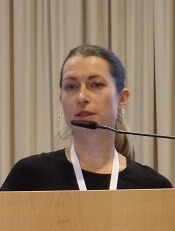
DUBROVNIK, CROATIA—The CDK8 inhibitor SEL120 has demonstrated preclinical activity against acute myeloid leukemia (AML), but the agent’s mechanism of action is still unclear.
Researchers found that several AML cell lines were “highly sensitive” to SEL120, and the inhibitor was active in primary patient samples.
SEL120 also reduced tumor growth in mouse models of AML and demonstrated synergy with venetoclax.
The researchers believe SEL120 works by affecting the maintenance of AML cells and leukemic stem cells (LSCs), inducing differentiation and, sometimes, apoptosis. However, the mechanism is not well defined.
Eliza Majewska, PhD, of Selvita S.A. in Krakow, Poland, discussed research with SEL120 at Leukemia and Lymphoma: Europe and the USA, Linking Knowledge and Practice.
Dr. Majewska explained that CDK8 is a transcriptional kinase working in the context of the Mediator complex, and previous research1 indicated that CDK8 drives oncogenic transcription in AML.
In a prior study2, researchers found that SEL120 inhibits CDK8 activity in AML cells with high levels of STAT phosphorylation.
Dr. Majewska said the MV4-11 cell line responds particularly well to SEL120, and other sensitive cell lines include SKNO-1, Oci-AML5, GDM-1, KG-1, MOLM-16, and Oci-AML3.
“The fact that STAT signaling was upregulated in those cell lines that were very sensitive to SEL120 gave us the hint that perhaps we are looking at a mechanism of action of the compound that has something to do with leukemic stem cells,” Dr. Majewska said.
In fact, she and her colleagues found that cell lines sensitive to SEL120 had upregulation of genes linked to LSCs and high levels of CD34 surface expression.
Experiments in CD34+ TEX cells showed that SEL120 specifically depletes CD34+ cells, leads to downregulation of stemness-related genes, and induces myeloid differentiation.
After 6 days of treatment with SEL120, TEX cells showed decreased expression of the LSC-linked genes MEIS1 and LILRB2, enrichment of gene sets downregulated in LSCs and linked to differentiation, and increased expression of differentiation markers and immune response genes.
SEL120 also demonstrated antileukemic activity in vivo. The researchers tested SEL120 in a CD34+ model of AML (KG-1) and a FLT3-ITD model of AML (MV4-11).
In both models, SEL120 induced “significant tumor regression” of about 80%. In some cases, the researchers observed apoptosis.
Toxicities observed in the mice included weight loss and upregulation of inflammation.
The researchers also found that SEL120 was synergistic with venetoclax. In fact, the combination of these drugs resulted in “almost complete remission cures” in the MV4-11 model, according to Dr. Majewska.
Finally, she and her colleagues discovered that SEL120 was active against primary patient cells. Samples from 3 of 4 AML patients had a significant reduction in cell numbers after 7 days of treatment with SEL120. For one patient, there were no viable cells on day 7.
Dr. Majewska said a phase 1 trial of SEL120 is planned for 2019 or 2020, and SEL120’s mechanism of action is still under investigation.
“The mechanism of action . . . is, in our mind, at least in some cases, linked to the fact that CDK8 functions within the context of the Mediator complex, which contributes to gene expression related to leukemic stem cells,” Dr. Majewska said.
“And when we inhibit this specific transcription, of course, the Mediator complex still works because this is just one of the components of the complex. However, the function that it has is suddenly very different, and it’s actually linked to lack of maintenance of leukemic stem cells, resulting in differentiation [and], in some cases, the induction of apoptosis, but we do not fully understand the mechanism of this induction.”
Dr. Majewska works for Selvita, the company developing SEL120. This research was funded by Selvita, the Leukemia & Lymphoma Society, and the National Centre for Research and Development.
1. Pelish HE et al. Nature. 2015 Oct 8;526(7572):273-276. doi: 10.1038/nature14904
2. Rzymski T et al. Oncotarget. 2017 May 16;8(20):33779-33795. doi: 10.18632/oncotarget.16810.
DUBROVNIK, CROATIA—The CDK8 inhibitor SEL120 has demonstrated preclinical activity against acute myeloid leukemia (AML), but the agent’s mechanism of action is still unclear.
Researchers found that several AML cell lines were “highly sensitive” to SEL120, and the inhibitor was active in primary patient samples.
SEL120 also reduced tumor growth in mouse models of AML and demonstrated synergy with venetoclax.
The researchers believe SEL120 works by affecting the maintenance of AML cells and leukemic stem cells (LSCs), inducing differentiation and, sometimes, apoptosis. However, the mechanism is not well defined.
Eliza Majewska, PhD, of Selvita S.A. in Krakow, Poland, discussed research with SEL120 at Leukemia and Lymphoma: Europe and the USA, Linking Knowledge and Practice.
Dr. Majewska explained that CDK8 is a transcriptional kinase working in the context of the Mediator complex, and previous research1 indicated that CDK8 drives oncogenic transcription in AML.
In a prior study2, researchers found that SEL120 inhibits CDK8 activity in AML cells with high levels of STAT phosphorylation.
Dr. Majewska said the MV4-11 cell line responds particularly well to SEL120, and other sensitive cell lines include SKNO-1, Oci-AML5, GDM-1, KG-1, MOLM-16, and Oci-AML3.
“The fact that STAT signaling was upregulated in those cell lines that were very sensitive to SEL120 gave us the hint that perhaps we are looking at a mechanism of action of the compound that has something to do with leukemic stem cells,” Dr. Majewska said.
In fact, she and her colleagues found that cell lines sensitive to SEL120 had upregulation of genes linked to LSCs and high levels of CD34 surface expression.
Experiments in CD34+ TEX cells showed that SEL120 specifically depletes CD34+ cells, leads to downregulation of stemness-related genes, and induces myeloid differentiation.
After 6 days of treatment with SEL120, TEX cells showed decreased expression of the LSC-linked genes MEIS1 and LILRB2, enrichment of gene sets downregulated in LSCs and linked to differentiation, and increased expression of differentiation markers and immune response genes.
SEL120 also demonstrated antileukemic activity in vivo. The researchers tested SEL120 in a CD34+ model of AML (KG-1) and a FLT3-ITD model of AML (MV4-11).
In both models, SEL120 induced “significant tumor regression” of about 80%. In some cases, the researchers observed apoptosis.
Toxicities observed in the mice included weight loss and upregulation of inflammation.
The researchers also found that SEL120 was synergistic with venetoclax. In fact, the combination of these drugs resulted in “almost complete remission cures” in the MV4-11 model, according to Dr. Majewska.
Finally, she and her colleagues discovered that SEL120 was active against primary patient cells. Samples from 3 of 4 AML patients had a significant reduction in cell numbers after 7 days of treatment with SEL120. For one patient, there were no viable cells on day 7.
Dr. Majewska said a phase 1 trial of SEL120 is planned for 2019 or 2020, and SEL120’s mechanism of action is still under investigation.
“The mechanism of action . . . is, in our mind, at least in some cases, linked to the fact that CDK8 functions within the context of the Mediator complex, which contributes to gene expression related to leukemic stem cells,” Dr. Majewska said.
“And when we inhibit this specific transcription, of course, the Mediator complex still works because this is just one of the components of the complex. However, the function that it has is suddenly very different, and it’s actually linked to lack of maintenance of leukemic stem cells, resulting in differentiation [and], in some cases, the induction of apoptosis, but we do not fully understand the mechanism of this induction.”
Dr. Majewska works for Selvita, the company developing SEL120. This research was funded by Selvita, the Leukemia & Lymphoma Society, and the National Centre for Research and Development.
1. Pelish HE et al. Nature. 2015 Oct 8;526(7572):273-276. doi: 10.1038/nature14904
2. Rzymski T et al. Oncotarget. 2017 May 16;8(20):33779-33795. doi: 10.18632/oncotarget.16810.
DUBROVNIK, CROATIA—The CDK8 inhibitor SEL120 has demonstrated preclinical activity against acute myeloid leukemia (AML), but the agent’s mechanism of action is still unclear.
Researchers found that several AML cell lines were “highly sensitive” to SEL120, and the inhibitor was active in primary patient samples.
SEL120 also reduced tumor growth in mouse models of AML and demonstrated synergy with venetoclax.
The researchers believe SEL120 works by affecting the maintenance of AML cells and leukemic stem cells (LSCs), inducing differentiation and, sometimes, apoptosis. However, the mechanism is not well defined.
Eliza Majewska, PhD, of Selvita S.A. in Krakow, Poland, discussed research with SEL120 at Leukemia and Lymphoma: Europe and the USA, Linking Knowledge and Practice.
Dr. Majewska explained that CDK8 is a transcriptional kinase working in the context of the Mediator complex, and previous research1 indicated that CDK8 drives oncogenic transcription in AML.
In a prior study2, researchers found that SEL120 inhibits CDK8 activity in AML cells with high levels of STAT phosphorylation.
Dr. Majewska said the MV4-11 cell line responds particularly well to SEL120, and other sensitive cell lines include SKNO-1, Oci-AML5, GDM-1, KG-1, MOLM-16, and Oci-AML3.
“The fact that STAT signaling was upregulated in those cell lines that were very sensitive to SEL120 gave us the hint that perhaps we are looking at a mechanism of action of the compound that has something to do with leukemic stem cells,” Dr. Majewska said.
In fact, she and her colleagues found that cell lines sensitive to SEL120 had upregulation of genes linked to LSCs and high levels of CD34 surface expression.
Experiments in CD34+ TEX cells showed that SEL120 specifically depletes CD34+ cells, leads to downregulation of stemness-related genes, and induces myeloid differentiation.
After 6 days of treatment with SEL120, TEX cells showed decreased expression of the LSC-linked genes MEIS1 and LILRB2, enrichment of gene sets downregulated in LSCs and linked to differentiation, and increased expression of differentiation markers and immune response genes.
SEL120 also demonstrated antileukemic activity in vivo. The researchers tested SEL120 in a CD34+ model of AML (KG-1) and a FLT3-ITD model of AML (MV4-11).
In both models, SEL120 induced “significant tumor regression” of about 80%. In some cases, the researchers observed apoptosis.
Toxicities observed in the mice included weight loss and upregulation of inflammation.
The researchers also found that SEL120 was synergistic with venetoclax. In fact, the combination of these drugs resulted in “almost complete remission cures” in the MV4-11 model, according to Dr. Majewska.
Finally, she and her colleagues discovered that SEL120 was active against primary patient cells. Samples from 3 of 4 AML patients had a significant reduction in cell numbers after 7 days of treatment with SEL120. For one patient, there were no viable cells on day 7.
Dr. Majewska said a phase 1 trial of SEL120 is planned for 2019 or 2020, and SEL120’s mechanism of action is still under investigation.
“The mechanism of action . . . is, in our mind, at least in some cases, linked to the fact that CDK8 functions within the context of the Mediator complex, which contributes to gene expression related to leukemic stem cells,” Dr. Majewska said.
“And when we inhibit this specific transcription, of course, the Mediator complex still works because this is just one of the components of the complex. However, the function that it has is suddenly very different, and it’s actually linked to lack of maintenance of leukemic stem cells, resulting in differentiation [and], in some cases, the induction of apoptosis, but we do not fully understand the mechanism of this induction.”
Dr. Majewska works for Selvita, the company developing SEL120. This research was funded by Selvita, the Leukemia & Lymphoma Society, and the National Centre for Research and Development.
1. Pelish HE et al. Nature. 2015 Oct 8;526(7572):273-276. doi: 10.1038/nature14904
2. Rzymski T et al. Oncotarget. 2017 May 16;8(20):33779-33795. doi: 10.18632/oncotarget.16810.
New guidelines for idiopathic multicentric Castleman disease
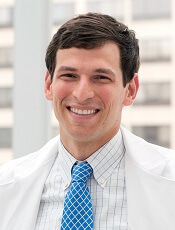
The anti-IL-6 antibody siltuximab is central to first-line treatment of idiopathic multicentric Castleman disease (iMCD), according to new guidelines on iMCD published in Blood.
The guidelines also say that early intervention with combination chemotherapy may prevent a fatal outcome in patients with severe iMCD.
To create these guidelines, 42 experts from 10 countries reviewed the published literature and a series of 344 clinical cases.
The guidelines should help clinicians select therapy, evaluate response, and thereby improve outcomes for this difficult-to-treat disease, according to author David C. Fajgenbaum, MD, an assistant professor at the University of Pennsylvania in Philadelphia and an iMCD patient himself.
“Right now, we recommend siltuximab first-line for everyone,” Dr. Fajgenbaum said, “but if we continue to dig deeper, it may be that there are clinical cases within idiopathic MCD that we think are even better candidates than others, and there may be alternative therapies for other patients.”
Treating iMCD is challenging because of the rarity and heterogeneity of the disease, among other factors, Dr. Fajgenbaum noted.
Some 6,000 to 7,000 cases of Castleman disease are diagnosed yearly, and of those, only about 1,000 cases are iMCD, according to Dr. Fajgenbaum.
“Even within idiopathic MCD, there is some heterogeneity,” he said. “Some patients present in the intensive care unit with life-threatening multiple organ failure and will die within weeks of presentation, whereas others will have a slower presentation and certainly not nearly as aggressive presentation.”
Although the exact etiology of iMCD is unknown, human IL-6 is the most common pathological driver, the experts said in the guidelines.
Siltuximab and tocilizumab are two IL-6–directed therapies used to treat MCD, with siltuximab targeting IL-6 itself and tocilizumab targeting the IL-6 receptor. Siltuximab is recommended as the first choice because of rigorous data supporting its use, including randomized clinical trial data, while tocilizumab is recommended if siltuximab is not available.
However, clinicians need to carefully monitor laboratory results and clinical features for patients on these drugs because about 50% of iMCD patients don’t have a satisfactory response to first-line anti–IL-6 treatments, Dr. Fajgenbaum said.
“Once you get to second-line therapies, that’s really where the level of evidence is lower,” he said.
Second-line therapy should include rituximab, and immunomodulatory/immunosuppressive agents or steroids may be added, according to the guidelines.
Third-line therapy is “less well defined,” according to the guidelines, and experts generally recommended immunomodulatory/immunosuppressive agents such as cyclosporine A, sirolimus, thalidomide, and lenalidomide.
Cytotoxic chemotherapy has a high response rate but also a high rate of relapse and significant toxicities, according to the data analysis conducted as part of the guideline development process. Based on that, the experts said to avoid it unless the patient progresses to severe iMCD.
“Patients who are literally dying in the intensive care unit, given the right combination chemotherapy, can improve within days to weeks and can even leave the hospital,” Dr. Fajgenbaum said. “It’s not necessarily going to be the answer long-term, but it can be life-saving in the short term. So we recommended a really quite aggressive approach for these patients.”
To bolster the evidence base, investigators in the Castleman Disease Collaborative Network (CDCN) set up an international registry to collect treatment and outcome data for 500 patients. After the first year and a half, 150 patients were enrolled, and the investigators have identified more than 30 drugs that have been used off-label to treat iMCD, according to Dr. Fajgenbaum.
“Some of the drugs are demonstrating efficacy in small numbers,” he said. “With the goal of 500 patients total, we can certainly hope to see some trends.”
Dr. Fajgenbaum was diagnosed with iMCD as a medical student.
“That certainly served as a very strong personal motivator for me to get involved in the disease,” he said. “But as I’ve gotten more and more involved, I’ve obviously met a lot of other patients, and that really is a huge motivator for all members of the CDCN. We want more options for more patients more quickly so we can help as many people as possible.”
Dr. Fajgenbaum reported research funding from Janssen. Coauthors reported disclosures related to Janssen, Bristol-Myers Squibb, Genentech, Merck, Celgene, Incyte, Pfizer, Sequenom, and Foundation Medicine, among others.
The anti-IL-6 antibody siltuximab is central to first-line treatment of idiopathic multicentric Castleman disease (iMCD), according to new guidelines on iMCD published in Blood.
The guidelines also say that early intervention with combination chemotherapy may prevent a fatal outcome in patients with severe iMCD.
To create these guidelines, 42 experts from 10 countries reviewed the published literature and a series of 344 clinical cases.
The guidelines should help clinicians select therapy, evaluate response, and thereby improve outcomes for this difficult-to-treat disease, according to author David C. Fajgenbaum, MD, an assistant professor at the University of Pennsylvania in Philadelphia and an iMCD patient himself.
“Right now, we recommend siltuximab first-line for everyone,” Dr. Fajgenbaum said, “but if we continue to dig deeper, it may be that there are clinical cases within idiopathic MCD that we think are even better candidates than others, and there may be alternative therapies for other patients.”
Treating iMCD is challenging because of the rarity and heterogeneity of the disease, among other factors, Dr. Fajgenbaum noted.
Some 6,000 to 7,000 cases of Castleman disease are diagnosed yearly, and of those, only about 1,000 cases are iMCD, according to Dr. Fajgenbaum.
“Even within idiopathic MCD, there is some heterogeneity,” he said. “Some patients present in the intensive care unit with life-threatening multiple organ failure and will die within weeks of presentation, whereas others will have a slower presentation and certainly not nearly as aggressive presentation.”
Although the exact etiology of iMCD is unknown, human IL-6 is the most common pathological driver, the experts said in the guidelines.
Siltuximab and tocilizumab are two IL-6–directed therapies used to treat MCD, with siltuximab targeting IL-6 itself and tocilizumab targeting the IL-6 receptor. Siltuximab is recommended as the first choice because of rigorous data supporting its use, including randomized clinical trial data, while tocilizumab is recommended if siltuximab is not available.
However, clinicians need to carefully monitor laboratory results and clinical features for patients on these drugs because about 50% of iMCD patients don’t have a satisfactory response to first-line anti–IL-6 treatments, Dr. Fajgenbaum said.
“Once you get to second-line therapies, that’s really where the level of evidence is lower,” he said.
Second-line therapy should include rituximab, and immunomodulatory/immunosuppressive agents or steroids may be added, according to the guidelines.
Third-line therapy is “less well defined,” according to the guidelines, and experts generally recommended immunomodulatory/immunosuppressive agents such as cyclosporine A, sirolimus, thalidomide, and lenalidomide.
Cytotoxic chemotherapy has a high response rate but also a high rate of relapse and significant toxicities, according to the data analysis conducted as part of the guideline development process. Based on that, the experts said to avoid it unless the patient progresses to severe iMCD.
“Patients who are literally dying in the intensive care unit, given the right combination chemotherapy, can improve within days to weeks and can even leave the hospital,” Dr. Fajgenbaum said. “It’s not necessarily going to be the answer long-term, but it can be life-saving in the short term. So we recommended a really quite aggressive approach for these patients.”
To bolster the evidence base, investigators in the Castleman Disease Collaborative Network (CDCN) set up an international registry to collect treatment and outcome data for 500 patients. After the first year and a half, 150 patients were enrolled, and the investigators have identified more than 30 drugs that have been used off-label to treat iMCD, according to Dr. Fajgenbaum.
“Some of the drugs are demonstrating efficacy in small numbers,” he said. “With the goal of 500 patients total, we can certainly hope to see some trends.”
Dr. Fajgenbaum was diagnosed with iMCD as a medical student.
“That certainly served as a very strong personal motivator for me to get involved in the disease,” he said. “But as I’ve gotten more and more involved, I’ve obviously met a lot of other patients, and that really is a huge motivator for all members of the CDCN. We want more options for more patients more quickly so we can help as many people as possible.”
Dr. Fajgenbaum reported research funding from Janssen. Coauthors reported disclosures related to Janssen, Bristol-Myers Squibb, Genentech, Merck, Celgene, Incyte, Pfizer, Sequenom, and Foundation Medicine, among others.
The anti-IL-6 antibody siltuximab is central to first-line treatment of idiopathic multicentric Castleman disease (iMCD), according to new guidelines on iMCD published in Blood.
The guidelines also say that early intervention with combination chemotherapy may prevent a fatal outcome in patients with severe iMCD.
To create these guidelines, 42 experts from 10 countries reviewed the published literature and a series of 344 clinical cases.
The guidelines should help clinicians select therapy, evaluate response, and thereby improve outcomes for this difficult-to-treat disease, according to author David C. Fajgenbaum, MD, an assistant professor at the University of Pennsylvania in Philadelphia and an iMCD patient himself.
“Right now, we recommend siltuximab first-line for everyone,” Dr. Fajgenbaum said, “but if we continue to dig deeper, it may be that there are clinical cases within idiopathic MCD that we think are even better candidates than others, and there may be alternative therapies for other patients.”
Treating iMCD is challenging because of the rarity and heterogeneity of the disease, among other factors, Dr. Fajgenbaum noted.
Some 6,000 to 7,000 cases of Castleman disease are diagnosed yearly, and of those, only about 1,000 cases are iMCD, according to Dr. Fajgenbaum.
“Even within idiopathic MCD, there is some heterogeneity,” he said. “Some patients present in the intensive care unit with life-threatening multiple organ failure and will die within weeks of presentation, whereas others will have a slower presentation and certainly not nearly as aggressive presentation.”
Although the exact etiology of iMCD is unknown, human IL-6 is the most common pathological driver, the experts said in the guidelines.
Siltuximab and tocilizumab are two IL-6–directed therapies used to treat MCD, with siltuximab targeting IL-6 itself and tocilizumab targeting the IL-6 receptor. Siltuximab is recommended as the first choice because of rigorous data supporting its use, including randomized clinical trial data, while tocilizumab is recommended if siltuximab is not available.
However, clinicians need to carefully monitor laboratory results and clinical features for patients on these drugs because about 50% of iMCD patients don’t have a satisfactory response to first-line anti–IL-6 treatments, Dr. Fajgenbaum said.
“Once you get to second-line therapies, that’s really where the level of evidence is lower,” he said.
Second-line therapy should include rituximab, and immunomodulatory/immunosuppressive agents or steroids may be added, according to the guidelines.
Third-line therapy is “less well defined,” according to the guidelines, and experts generally recommended immunomodulatory/immunosuppressive agents such as cyclosporine A, sirolimus, thalidomide, and lenalidomide.
Cytotoxic chemotherapy has a high response rate but also a high rate of relapse and significant toxicities, according to the data analysis conducted as part of the guideline development process. Based on that, the experts said to avoid it unless the patient progresses to severe iMCD.
“Patients who are literally dying in the intensive care unit, given the right combination chemotherapy, can improve within days to weeks and can even leave the hospital,” Dr. Fajgenbaum said. “It’s not necessarily going to be the answer long-term, but it can be life-saving in the short term. So we recommended a really quite aggressive approach for these patients.”
To bolster the evidence base, investigators in the Castleman Disease Collaborative Network (CDCN) set up an international registry to collect treatment and outcome data for 500 patients. After the first year and a half, 150 patients were enrolled, and the investigators have identified more than 30 drugs that have been used off-label to treat iMCD, according to Dr. Fajgenbaum.
“Some of the drugs are demonstrating efficacy in small numbers,” he said. “With the goal of 500 patients total, we can certainly hope to see some trends.”
Dr. Fajgenbaum was diagnosed with iMCD as a medical student.
“That certainly served as a very strong personal motivator for me to get involved in the disease,” he said. “But as I’ve gotten more and more involved, I’ve obviously met a lot of other patients, and that really is a huge motivator for all members of the CDCN. We want more options for more patients more quickly so we can help as many people as possible.”
Dr. Fajgenbaum reported research funding from Janssen. Coauthors reported disclosures related to Janssen, Bristol-Myers Squibb, Genentech, Merck, Celgene, Incyte, Pfizer, Sequenom, and Foundation Medicine, among others.
Phase 1 NHL, ALL trials placed on clinical hold

Update: On October 12, 2018, Affimed N.V. received a notification from the U.S. Food and Drug Administration (FDA) saying the agency concurred with Affimed’s decision and formally placed the investigational new drug application for AFM11 on full clinical hold. Affimed said it will comply with the FDA and other global health authorities’ requests for information to resolve the clinical hold.
Affimed N.V. has placed trials of AFM11 on clinical hold and notified the global health authorities of its decision.
AFM11 is a CD19/CD3-targeting T-cell engager being evaluated in two phase 1 trials—one in patients with relapsed or refractory, CD19-positive B-cell non-Hodgkin lymphoma (NHL) and one in adults with relapsed or refractory B-precursor acute lymphoblastic leukemia (ALL).
Affimed initiated the clinical hold on these trials after serious adverse events occurred in three patients treated with AFM11.
This included a death in the ALL study and two life-threatening events in the NHL study.
The serious adverse events occurred in patients enrolled in the highest dose cohorts of each study.
A total of 33 patients have been treated in the two studies (NCT02848911 and NCT02106091), and preliminary signs of clinical activity have been observed in several patients.
Affimed said it will be working closely with the global health authorities, safety monitoring committees, and the studies’ clinical investigators to review the adverse events, assess all the data, and determine next steps for the AFM11 program.
Affimed intends to provide an update on AFM11 upon completing the evaluation.
Update: On October 12, 2018, Affimed N.V. received a notification from the U.S. Food and Drug Administration (FDA) saying the agency concurred with Affimed’s decision and formally placed the investigational new drug application for AFM11 on full clinical hold. Affimed said it will comply with the FDA and other global health authorities’ requests for information to resolve the clinical hold.
Affimed N.V. has placed trials of AFM11 on clinical hold and notified the global health authorities of its decision.
AFM11 is a CD19/CD3-targeting T-cell engager being evaluated in two phase 1 trials—one in patients with relapsed or refractory, CD19-positive B-cell non-Hodgkin lymphoma (NHL) and one in adults with relapsed or refractory B-precursor acute lymphoblastic leukemia (ALL).
Affimed initiated the clinical hold on these trials after serious adverse events occurred in three patients treated with AFM11.
This included a death in the ALL study and two life-threatening events in the NHL study.
The serious adverse events occurred in patients enrolled in the highest dose cohorts of each study.
A total of 33 patients have been treated in the two studies (NCT02848911 and NCT02106091), and preliminary signs of clinical activity have been observed in several patients.
Affimed said it will be working closely with the global health authorities, safety monitoring committees, and the studies’ clinical investigators to review the adverse events, assess all the data, and determine next steps for the AFM11 program.
Affimed intends to provide an update on AFM11 upon completing the evaluation.
Update: On October 12, 2018, Affimed N.V. received a notification from the U.S. Food and Drug Administration (FDA) saying the agency concurred with Affimed’s decision and formally placed the investigational new drug application for AFM11 on full clinical hold. Affimed said it will comply with the FDA and other global health authorities’ requests for information to resolve the clinical hold.
Affimed N.V. has placed trials of AFM11 on clinical hold and notified the global health authorities of its decision.
AFM11 is a CD19/CD3-targeting T-cell engager being evaluated in two phase 1 trials—one in patients with relapsed or refractory, CD19-positive B-cell non-Hodgkin lymphoma (NHL) and one in adults with relapsed or refractory B-precursor acute lymphoblastic leukemia (ALL).
Affimed initiated the clinical hold on these trials after serious adverse events occurred in three patients treated with AFM11.
This included a death in the ALL study and two life-threatening events in the NHL study.
The serious adverse events occurred in patients enrolled in the highest dose cohorts of each study.
A total of 33 patients have been treated in the two studies (NCT02848911 and NCT02106091), and preliminary signs of clinical activity have been observed in several patients.
Affimed said it will be working closely with the global health authorities, safety monitoring committees, and the studies’ clinical investigators to review the adverse events, assess all the data, and determine next steps for the AFM11 program.
Affimed intends to provide an update on AFM11 upon completing the evaluation.
Your ACS Benefits: ACS guidelines and statements help you deliver quality care
One of the primary goals of the American College of Surgeons (ACS) is to provide surgeons with knowledge and skills to deliver the highest quality of patient care. The guidelines and statements developed by the ACS are intended to inform and guide Fellows in the care of their patients and to educate their patients and their institutions on best practices in those situations that may warrant specific guidance and direction.
Guidelines
Over the last decade, the College has participated in the development of guidelines and “point of care” modules that address those diagnoses most relevant to general surgeons. The Evidence-Based Decisions in Surgery (EBDS) are clinical guideline summaries that provide recommendations based on the latest practice guidelines in an easy-to-use, widely accessible format, including mobile devices and tablets. Module development involves a rigorous multi-step process, including contributions from experts on the ACS Board of Governors and the ACS Advisory Council for General Surgery. It is important to note that EBDS is not intended to reflect standards of care as defined by the ACS, but rather to serve as educational resources that practicing surgeons can use within the context of their respective practices. These guidelines should be used when appropriate based on the surgical condition and the surgeon’s experience, as well as the patient’s needs and preferences.
EBDS now comprises more than 70 point of care modules covering the following categories—bariatric surgery, biliary tract and pancreas, breast disease, colon, rectum and anus, critical care, endocrine, gastrointestinal surgery, geriatrics and palliative care, miscellaneous surgical conditions, perioperative care, surgical oncology, and vascular.
The complete list of guidelines is available at ebds.facs.org/topics, and new modules are released regularly. To access individual guidelines, members are required to log in. Contact [email protected] for member log-in information, and go to facs.org/ebds for more information about the program.
The Trauma Quality Improvement Program (TQIP®) generates the ACS TQIP Best Practice Guidelines to provide recommendations for managing patient populations or injury types. The TQIP Best Practices Project Team and a panel of guest experts from appropriate specialties work together over the course of the year to create each guideline. The guidelines are created from evidence-based literature when available and the consensus of the group when evidence is lacking. To date, the following guidelines have been created for use by trauma centers and are available for download at facs.org/quality-programs/trauma/tqip/best-practice:
• Geriatric Trauma Management
• Massive Transfusion in Trauma
• Management of Traumatic Brain Injury
• Management of Orthopaedic Trauma
• Palliative Care
The College’s National Surgical Quality Improvement Program (ACS NSQIP®) and the American Geriatrics Society’s Geriatrics for Specialists Initiative have developed two best practice guidelines that address management of older patients: Optimal Preoperative Assessment of the Geriatric Surgical Patient and Optimal Perioperative Management of the Geriatric Patient. These consensus-based recommendations were developed with support from the John A. Hartford Foundation and are available for download at facs.org/quality-programs/acs-nsqip/geriatric-periop-guideline.
Statements
Founded to provide opportunities for the continuing education of surgeons, the ACS has had a deep concern for the improvement of patient care and for the ethical practice of medicine. These values are reflected in the ACS Statements on Principles, which serve as the guidepost resource for all ACS Fellows. In addition to the Fellowship Pledge and Code of Professional Conduct, the Statements on Principles address the qualifications of the responsible surgeon, the surgeon-patient relationship, interprofessional relations, medical education, and surgeons and society. Fellows are encouraged to familiarize themselves with the contents of the Statements on Principles, which can be accessed at facs.org/about-acs/statements/stonprin.
In addition to the Statements on Principles, the ACS has issued more than 90 statements that have been adopted by the Board of Regents and address topics of importance to surgeons and the surgical profession. These statements have been developed by a range of volunteer committees and workgroups within the College, including the ACS Board of Governors, the ACS Advisory Councils, and various ACS standing committees. Statements are reviewed and updated annually, and new statements are created as appropriate. Statements are generally communicated to the membership via the Bulletin and are posted to the ACS website. Thus far in 2018, the Board of Regents has approved seven new statements and two revised statements. To review the complete list of ACS statements, go to facs.org/about-acs/statements and share those of interest with your colleagues and your institution.
Ms. Bura is Associate Director, ACS Division of Member Services, Chicago, IL.
One of the primary goals of the American College of Surgeons (ACS) is to provide surgeons with knowledge and skills to deliver the highest quality of patient care. The guidelines and statements developed by the ACS are intended to inform and guide Fellows in the care of their patients and to educate their patients and their institutions on best practices in those situations that may warrant specific guidance and direction.
Guidelines
Over the last decade, the College has participated in the development of guidelines and “point of care” modules that address those diagnoses most relevant to general surgeons. The Evidence-Based Decisions in Surgery (EBDS) are clinical guideline summaries that provide recommendations based on the latest practice guidelines in an easy-to-use, widely accessible format, including mobile devices and tablets. Module development involves a rigorous multi-step process, including contributions from experts on the ACS Board of Governors and the ACS Advisory Council for General Surgery. It is important to note that EBDS is not intended to reflect standards of care as defined by the ACS, but rather to serve as educational resources that practicing surgeons can use within the context of their respective practices. These guidelines should be used when appropriate based on the surgical condition and the surgeon’s experience, as well as the patient’s needs and preferences.
EBDS now comprises more than 70 point of care modules covering the following categories—bariatric surgery, biliary tract and pancreas, breast disease, colon, rectum and anus, critical care, endocrine, gastrointestinal surgery, geriatrics and palliative care, miscellaneous surgical conditions, perioperative care, surgical oncology, and vascular.
The complete list of guidelines is available at ebds.facs.org/topics, and new modules are released regularly. To access individual guidelines, members are required to log in. Contact [email protected] for member log-in information, and go to facs.org/ebds for more information about the program.
The Trauma Quality Improvement Program (TQIP®) generates the ACS TQIP Best Practice Guidelines to provide recommendations for managing patient populations or injury types. The TQIP Best Practices Project Team and a panel of guest experts from appropriate specialties work together over the course of the year to create each guideline. The guidelines are created from evidence-based literature when available and the consensus of the group when evidence is lacking. To date, the following guidelines have been created for use by trauma centers and are available for download at facs.org/quality-programs/trauma/tqip/best-practice:
• Geriatric Trauma Management
• Massive Transfusion in Trauma
• Management of Traumatic Brain Injury
• Management of Orthopaedic Trauma
• Palliative Care
The College’s National Surgical Quality Improvement Program (ACS NSQIP®) and the American Geriatrics Society’s Geriatrics for Specialists Initiative have developed two best practice guidelines that address management of older patients: Optimal Preoperative Assessment of the Geriatric Surgical Patient and Optimal Perioperative Management of the Geriatric Patient. These consensus-based recommendations were developed with support from the John A. Hartford Foundation and are available for download at facs.org/quality-programs/acs-nsqip/geriatric-periop-guideline.
Statements
Founded to provide opportunities for the continuing education of surgeons, the ACS has had a deep concern for the improvement of patient care and for the ethical practice of medicine. These values are reflected in the ACS Statements on Principles, which serve as the guidepost resource for all ACS Fellows. In addition to the Fellowship Pledge and Code of Professional Conduct, the Statements on Principles address the qualifications of the responsible surgeon, the surgeon-patient relationship, interprofessional relations, medical education, and surgeons and society. Fellows are encouraged to familiarize themselves with the contents of the Statements on Principles, which can be accessed at facs.org/about-acs/statements/stonprin.
In addition to the Statements on Principles, the ACS has issued more than 90 statements that have been adopted by the Board of Regents and address topics of importance to surgeons and the surgical profession. These statements have been developed by a range of volunteer committees and workgroups within the College, including the ACS Board of Governors, the ACS Advisory Councils, and various ACS standing committees. Statements are reviewed and updated annually, and new statements are created as appropriate. Statements are generally communicated to the membership via the Bulletin and are posted to the ACS website. Thus far in 2018, the Board of Regents has approved seven new statements and two revised statements. To review the complete list of ACS statements, go to facs.org/about-acs/statements and share those of interest with your colleagues and your institution.
Ms. Bura is Associate Director, ACS Division of Member Services, Chicago, IL.
One of the primary goals of the American College of Surgeons (ACS) is to provide surgeons with knowledge and skills to deliver the highest quality of patient care. The guidelines and statements developed by the ACS are intended to inform and guide Fellows in the care of their patients and to educate their patients and their institutions on best practices in those situations that may warrant specific guidance and direction.
Guidelines
Over the last decade, the College has participated in the development of guidelines and “point of care” modules that address those diagnoses most relevant to general surgeons. The Evidence-Based Decisions in Surgery (EBDS) are clinical guideline summaries that provide recommendations based on the latest practice guidelines in an easy-to-use, widely accessible format, including mobile devices and tablets. Module development involves a rigorous multi-step process, including contributions from experts on the ACS Board of Governors and the ACS Advisory Council for General Surgery. It is important to note that EBDS is not intended to reflect standards of care as defined by the ACS, but rather to serve as educational resources that practicing surgeons can use within the context of their respective practices. These guidelines should be used when appropriate based on the surgical condition and the surgeon’s experience, as well as the patient’s needs and preferences.
EBDS now comprises more than 70 point of care modules covering the following categories—bariatric surgery, biliary tract and pancreas, breast disease, colon, rectum and anus, critical care, endocrine, gastrointestinal surgery, geriatrics and palliative care, miscellaneous surgical conditions, perioperative care, surgical oncology, and vascular.
The complete list of guidelines is available at ebds.facs.org/topics, and new modules are released regularly. To access individual guidelines, members are required to log in. Contact [email protected] for member log-in information, and go to facs.org/ebds for more information about the program.
The Trauma Quality Improvement Program (TQIP®) generates the ACS TQIP Best Practice Guidelines to provide recommendations for managing patient populations or injury types. The TQIP Best Practices Project Team and a panel of guest experts from appropriate specialties work together over the course of the year to create each guideline. The guidelines are created from evidence-based literature when available and the consensus of the group when evidence is lacking. To date, the following guidelines have been created for use by trauma centers and are available for download at facs.org/quality-programs/trauma/tqip/best-practice:
• Geriatric Trauma Management
• Massive Transfusion in Trauma
• Management of Traumatic Brain Injury
• Management of Orthopaedic Trauma
• Palliative Care
The College’s National Surgical Quality Improvement Program (ACS NSQIP®) and the American Geriatrics Society’s Geriatrics for Specialists Initiative have developed two best practice guidelines that address management of older patients: Optimal Preoperative Assessment of the Geriatric Surgical Patient and Optimal Perioperative Management of the Geriatric Patient. These consensus-based recommendations were developed with support from the John A. Hartford Foundation and are available for download at facs.org/quality-programs/acs-nsqip/geriatric-periop-guideline.
Statements
Founded to provide opportunities for the continuing education of surgeons, the ACS has had a deep concern for the improvement of patient care and for the ethical practice of medicine. These values are reflected in the ACS Statements on Principles, which serve as the guidepost resource for all ACS Fellows. In addition to the Fellowship Pledge and Code of Professional Conduct, the Statements on Principles address the qualifications of the responsible surgeon, the surgeon-patient relationship, interprofessional relations, medical education, and surgeons and society. Fellows are encouraged to familiarize themselves with the contents of the Statements on Principles, which can be accessed at facs.org/about-acs/statements/stonprin.
In addition to the Statements on Principles, the ACS has issued more than 90 statements that have been adopted by the Board of Regents and address topics of importance to surgeons and the surgical profession. These statements have been developed by a range of volunteer committees and workgroups within the College, including the ACS Board of Governors, the ACS Advisory Councils, and various ACS standing committees. Statements are reviewed and updated annually, and new statements are created as appropriate. Statements are generally communicated to the membership via the Bulletin and are posted to the ACS website. Thus far in 2018, the Board of Regents has approved seven new statements and two revised statements. To review the complete list of ACS statements, go to facs.org/about-acs/statements and share those of interest with your colleagues and your institution.
Ms. Bura is Associate Director, ACS Division of Member Services, Chicago, IL.
Smoking cessation drugs do not increase CV risk
Clinical question: Do pharmacotherapies used in tobacco cessation treatment significantly increase the risk of cardiovascular events?
Background: Although it is known that smoking cessation is the most beneficial enhancement of cardiovascular health, many clinicians may be hesitant to prescribe pharmacotherapies because of concerns regarding adverse events. This study reports the cardiovascular safety findings from EAGLES (Evaluating Adverse Events in a Global Smoking Cessation Study) and its nontreatment extension trial.
Study design: Double-blind, randomized, triple-dummy, placebo- and active-controlled trial and its nontreatment extension trial.
Setting: Conducted by 140 multinational centers, EAGLES was a trial in cohorts of smokers with and without psychiatric disease that assessed the safety and efficacy of pharmacotherapies used for smoking cessation.
The EAGLES extension trial is a nontreatment extension of EAGLES. It began with the first dose of medication and included those who completed an additional 28 weeks of observation.
Synopsis: The study included approximately 8,000 participants aged 18-75 years who smoked 10 or more cigarettes per day and were interested in quitting. The study monitored the development of a major adverse cardiovascular event (MACE), such as cardiovascular death, nonfatal myocardial infarction, or nonfatal stroke, during treatment with varenicline, bupropion hydrochloride, nicotine replacement therapy, and placebo therapy. Other end points included determining the occurrence of MACE along with other peripheral vascular disease that required either intervention, coronary revascularization, or hospitalization for unstable angina (MACE+).
There were no significant differences in time to MACE or MACE+ overall across all observation periods.

Possible limitations of the study were its exclusion criteria and baseline characteristics of participants. The study excluded participants with unstable psychiatric illness, active substance abuse, clinically significant cardiovascular disease in the 2 months prior to the study entry (MI or coronary artery bypass graft), clinically significant cerebrovascular disease in the 2 months prior to study entry (stroke or documented transient ischemic attack), or inadequate control of hypertension as judged by investigators at screening and baseline. Of the included participants, greater than 66% of the participants were in the low risk (less than 10%) cardiovascular risk category, less than 10% had diabetes, less than 5% had coronary heart disease, and less than 1% had carotid artery disease.
Bottom line: The findings provide evidence that, in a general population of smokers, smoking cessation medications do not increase the risk of serious cardiovascular events.
Citation: Benowitz N et al. Cardiovascular safety of varenicline, bupropion, and nicotine patch in smoker. JAMA Intern Med. 2018 May;178(5):622-31.
Dr. White is a hospitalist in the division of hospital medicine in the department of medicine at Loyola University Chicago, Maywood, Ill.
Clinical question: Do pharmacotherapies used in tobacco cessation treatment significantly increase the risk of cardiovascular events?
Background: Although it is known that smoking cessation is the most beneficial enhancement of cardiovascular health, many clinicians may be hesitant to prescribe pharmacotherapies because of concerns regarding adverse events. This study reports the cardiovascular safety findings from EAGLES (Evaluating Adverse Events in a Global Smoking Cessation Study) and its nontreatment extension trial.
Study design: Double-blind, randomized, triple-dummy, placebo- and active-controlled trial and its nontreatment extension trial.
Setting: Conducted by 140 multinational centers, EAGLES was a trial in cohorts of smokers with and without psychiatric disease that assessed the safety and efficacy of pharmacotherapies used for smoking cessation.
The EAGLES extension trial is a nontreatment extension of EAGLES. It began with the first dose of medication and included those who completed an additional 28 weeks of observation.
Synopsis: The study included approximately 8,000 participants aged 18-75 years who smoked 10 or more cigarettes per day and were interested in quitting. The study monitored the development of a major adverse cardiovascular event (MACE), such as cardiovascular death, nonfatal myocardial infarction, or nonfatal stroke, during treatment with varenicline, bupropion hydrochloride, nicotine replacement therapy, and placebo therapy. Other end points included determining the occurrence of MACE along with other peripheral vascular disease that required either intervention, coronary revascularization, or hospitalization for unstable angina (MACE+).
There were no significant differences in time to MACE or MACE+ overall across all observation periods.
Possible limitations of the study were its exclusion criteria and baseline characteristics of participants. The study excluded participants with unstable psychiatric illness, active substance abuse, clinically significant cardiovascular disease in the 2 months prior to the study entry (MI or coronary artery bypass graft), clinically significant cerebrovascular disease in the 2 months prior to study entry (stroke or documented transient ischemic attack), or inadequate control of hypertension as judged by investigators at screening and baseline. Of the included participants, greater than 66% of the participants were in the low risk (less than 10%) cardiovascular risk category, less than 10% had diabetes, less than 5% had coronary heart disease, and less than 1% had carotid artery disease.
Bottom line: The findings provide evidence that, in a general population of smokers, smoking cessation medications do not increase the risk of serious cardiovascular events.
Citation: Benowitz N et al. Cardiovascular safety of varenicline, bupropion, and nicotine patch in smoker. JAMA Intern Med. 2018 May;178(5):622-31.
Dr. White is a hospitalist in the division of hospital medicine in the department of medicine at Loyola University Chicago, Maywood, Ill.
Clinical question: Do pharmacotherapies used in tobacco cessation treatment significantly increase the risk of cardiovascular events?
Background: Although it is known that smoking cessation is the most beneficial enhancement of cardiovascular health, many clinicians may be hesitant to prescribe pharmacotherapies because of concerns regarding adverse events. This study reports the cardiovascular safety findings from EAGLES (Evaluating Adverse Events in a Global Smoking Cessation Study) and its nontreatment extension trial.
Study design: Double-blind, randomized, triple-dummy, placebo- and active-controlled trial and its nontreatment extension trial.
Setting: Conducted by 140 multinational centers, EAGLES was a trial in cohorts of smokers with and without psychiatric disease that assessed the safety and efficacy of pharmacotherapies used for smoking cessation.
The EAGLES extension trial is a nontreatment extension of EAGLES. It began with the first dose of medication and included those who completed an additional 28 weeks of observation.
Synopsis: The study included approximately 8,000 participants aged 18-75 years who smoked 10 or more cigarettes per day and were interested in quitting. The study monitored the development of a major adverse cardiovascular event (MACE), such as cardiovascular death, nonfatal myocardial infarction, or nonfatal stroke, during treatment with varenicline, bupropion hydrochloride, nicotine replacement therapy, and placebo therapy. Other end points included determining the occurrence of MACE along with other peripheral vascular disease that required either intervention, coronary revascularization, or hospitalization for unstable angina (MACE+).
There were no significant differences in time to MACE or MACE+ overall across all observation periods.
Possible limitations of the study were its exclusion criteria and baseline characteristics of participants. The study excluded participants with unstable psychiatric illness, active substance abuse, clinically significant cardiovascular disease in the 2 months prior to the study entry (MI or coronary artery bypass graft), clinically significant cerebrovascular disease in the 2 months prior to study entry (stroke or documented transient ischemic attack), or inadequate control of hypertension as judged by investigators at screening and baseline. Of the included participants, greater than 66% of the participants were in the low risk (less than 10%) cardiovascular risk category, less than 10% had diabetes, less than 5% had coronary heart disease, and less than 1% had carotid artery disease.
Bottom line: The findings provide evidence that, in a general population of smokers, smoking cessation medications do not increase the risk of serious cardiovascular events.
Citation: Benowitz N et al. Cardiovascular safety of varenicline, bupropion, and nicotine patch in smoker. JAMA Intern Med. 2018 May;178(5):622-31.
Dr. White is a hospitalist in the division of hospital medicine in the department of medicine at Loyola University Chicago, Maywood, Ill.
Surgical palliative care – 20 years on
It was a banner year in 1998 for the moral and ethical evolution of the College. That year saw the release of its Statement of Principles of End-of-Life Care, a seminal document for the emerging framework of surgical palliative care and the first light of the work of my colleague, Peter Angelos, MD, FACS, which did much to make made ethics a less arcane element of surgical practice. These developments followed the 1997 Clinical Congress during which the College joined the then-active national debate about physician-assisted suicide.
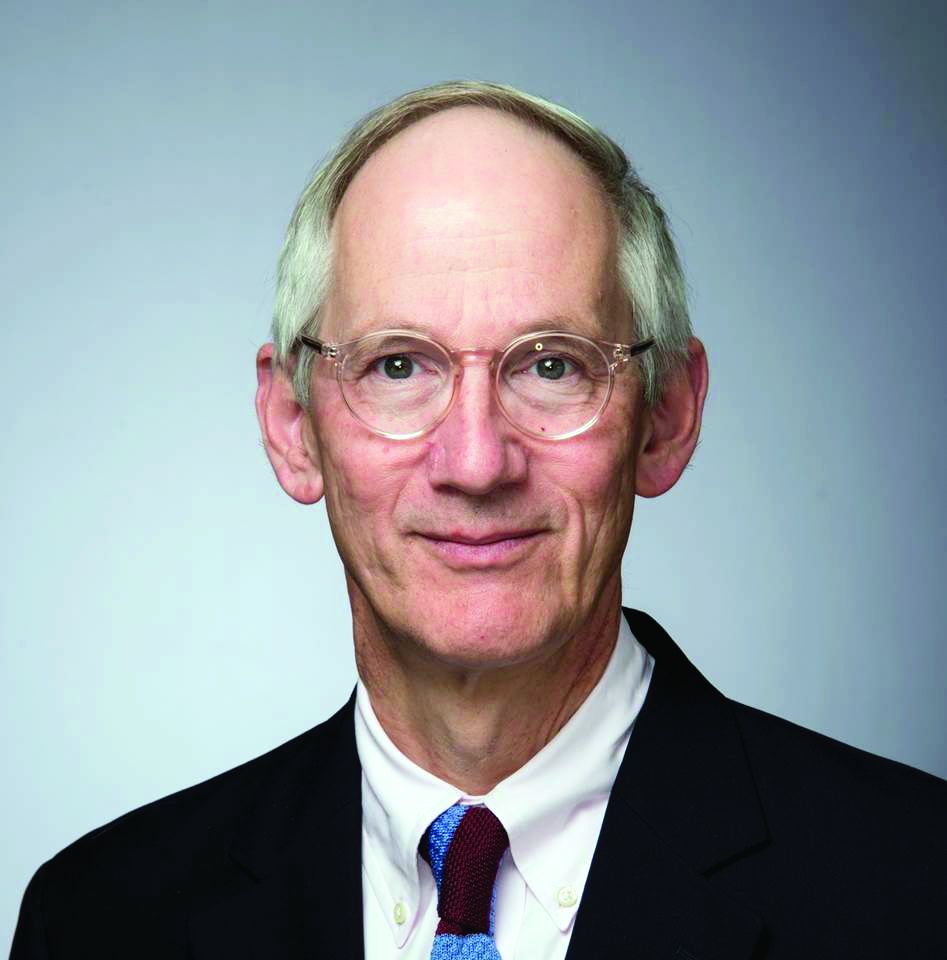
The national debate eventually culminated with the U.S. Supreme Court’s two 1997 rulings that physician-assisted suicide is not a protected liberty interest under the Constitution. These rulings in Vacco v. Quill and Washington v. Glucksberg deferred to the states the legalization of physician-assisted suicide.
Kill the suffering, not the patient
It was ironic that the College’s attention to surgical palliative care started, literally, with a dead end. The 1997 symposium’s focus on physician-assisted suicide revealed how little there was in the surgeon’s toolbox to assist seriously ill patients and their families. At this well-attended event with a distinguished panel of surgeons and ethicists moderated by the late Thomas Krizek, MD, FACS, I heard fear of death, fear of suffering, and fear of our helplessness as practitioners in the face of our patients’ deaths. The debate was about control, not the effective response to the many species of suffering encountered in surgical practice.
Hospice care and the nascent concept of palliative care were acknowledged by both sides of the debate as beneficial but as distinctly apart from surgery. The need for improved palliative care was the one unifying idea that emerged from that day’s discussion. All sides seemed to agree that striving to mitigate suffering during the course of any serious illness would be preferable to allowing it to continue unabated until silencing it with deliberate death as a last resort. The ensuing challenge for surgeons would be the reconciliation of cure and palliation, each so much a part of surgical history, especially in the past 200 years. This would prove to be a tall order as surgeons had done such a tidy job separating these two priorities without even realizing it since the second World War. Nothing less than the soul of surgery (and medicine) would be at stake from the relentless technocratic “progress” that threatened to swallow health care and so many other aspects of our culture – a culture that perhaps has been too intoxicated by the individual “pursuit of life, liberty, and happiness” while overlooking the suffering of one’s neighbor.
Recent evidence of burnout raises the possibility that we surgeons have internalized this conflict. Because of our sacred fellowship in healing, are we now, as we were 20 years ago, in the midst of a new spiritual crisis? As the operative repertoire and our professional status become increasingly transient we will be compelled to ground our identities in something more fulfilling and enduring.
Hope in fellowship
Now, as in 1998, there is hope. Hope lies in our fellowship. The focus of palliative care as understood by surgeons has broadened considerably, encouraged by the gradual public acceptance of palliative approaches to care extending beyond hospice care and the generally favorable experiences surgeons have had with palliative care teams, some of which have been directed by surgeons. There are now dozens of surgeons currently certified in Hospice and Palliative Medicine by the American Board of Surgery who are much more skilled in palliative care than anyone practicing in 1998. The ABS’s decision (2006) to offer certification in Hospice and Palliative Medicine was, in itself, an indication of how far things had progressed since 1998.
Several challenges to contemporary surgery will benefit from the growing reservoir of palliative care expertise such as enhanced communication skill, opioid management, and burnout. The concept of shared decision making is only one example. The multidimensional understanding of suffering, a cardinal principle of palliative philosophy, could transform the current dilemma of “What do we do about opioids?” to the scientific and social research question, “What should be done with opioid receptors and countless other receptors that shape the pain experience?” And lastly, the current postgraduate educational focus on communication and burnout indicate a readiness for introspection and fellowship by surgeons, a necessary prerequisite in meeting any existential or spiritual challenge to our art.
We have come a long way in 20 years but there are still miles to go before we sleep.
Dr. Dunn was formerly the medical director of the palliative care consultation service at the University of Pittsburgh Medical Center Hamot in Erie, Pa., and Chair of the ACS Committee on Surgical Palliative Care.
It was a banner year in 1998 for the moral and ethical evolution of the College. That year saw the release of its Statement of Principles of End-of-Life Care, a seminal document for the emerging framework of surgical palliative care and the first light of the work of my colleague, Peter Angelos, MD, FACS, which did much to make made ethics a less arcane element of surgical practice. These developments followed the 1997 Clinical Congress during which the College joined the then-active national debate about physician-assisted suicide.
The national debate eventually culminated with the U.S. Supreme Court’s two 1997 rulings that physician-assisted suicide is not a protected liberty interest under the Constitution. These rulings in Vacco v. Quill and Washington v. Glucksberg deferred to the states the legalization of physician-assisted suicide.
Kill the suffering, not the patient
It was ironic that the College’s attention to surgical palliative care started, literally, with a dead end. The 1997 symposium’s focus on physician-assisted suicide revealed how little there was in the surgeon’s toolbox to assist seriously ill patients and their families. At this well-attended event with a distinguished panel of surgeons and ethicists moderated by the late Thomas Krizek, MD, FACS, I heard fear of death, fear of suffering, and fear of our helplessness as practitioners in the face of our patients’ deaths. The debate was about control, not the effective response to the many species of suffering encountered in surgical practice.
Hospice care and the nascent concept of palliative care were acknowledged by both sides of the debate as beneficial but as distinctly apart from surgery. The need for improved palliative care was the one unifying idea that emerged from that day’s discussion. All sides seemed to agree that striving to mitigate suffering during the course of any serious illness would be preferable to allowing it to continue unabated until silencing it with deliberate death as a last resort. The ensuing challenge for surgeons would be the reconciliation of cure and palliation, each so much a part of surgical history, especially in the past 200 years. This would prove to be a tall order as surgeons had done such a tidy job separating these two priorities without even realizing it since the second World War. Nothing less than the soul of surgery (and medicine) would be at stake from the relentless technocratic “progress” that threatened to swallow health care and so many other aspects of our culture – a culture that perhaps has been too intoxicated by the individual “pursuit of life, liberty, and happiness” while overlooking the suffering of one’s neighbor.
Recent evidence of burnout raises the possibility that we surgeons have internalized this conflict. Because of our sacred fellowship in healing, are we now, as we were 20 years ago, in the midst of a new spiritual crisis? As the operative repertoire and our professional status become increasingly transient we will be compelled to ground our identities in something more fulfilling and enduring.
Hope in fellowship
Now, as in 1998, there is hope. Hope lies in our fellowship. The focus of palliative care as understood by surgeons has broadened considerably, encouraged by the gradual public acceptance of palliative approaches to care extending beyond hospice care and the generally favorable experiences surgeons have had with palliative care teams, some of which have been directed by surgeons. There are now dozens of surgeons currently certified in Hospice and Palliative Medicine by the American Board of Surgery who are much more skilled in palliative care than anyone practicing in 1998. The ABS’s decision (2006) to offer certification in Hospice and Palliative Medicine was, in itself, an indication of how far things had progressed since 1998.
Several challenges to contemporary surgery will benefit from the growing reservoir of palliative care expertise such as enhanced communication skill, opioid management, and burnout. The concept of shared decision making is only one example. The multidimensional understanding of suffering, a cardinal principle of palliative philosophy, could transform the current dilemma of “What do we do about opioids?” to the scientific and social research question, “What should be done with opioid receptors and countless other receptors that shape the pain experience?” And lastly, the current postgraduate educational focus on communication and burnout indicate a readiness for introspection and fellowship by surgeons, a necessary prerequisite in meeting any existential or spiritual challenge to our art.
We have come a long way in 20 years but there are still miles to go before we sleep.
Dr. Dunn was formerly the medical director of the palliative care consultation service at the University of Pittsburgh Medical Center Hamot in Erie, Pa., and Chair of the ACS Committee on Surgical Palliative Care.
It was a banner year in 1998 for the moral and ethical evolution of the College. That year saw the release of its Statement of Principles of End-of-Life Care, a seminal document for the emerging framework of surgical palliative care and the first light of the work of my colleague, Peter Angelos, MD, FACS, which did much to make made ethics a less arcane element of surgical practice. These developments followed the 1997 Clinical Congress during which the College joined the then-active national debate about physician-assisted suicide.
The national debate eventually culminated with the U.S. Supreme Court’s two 1997 rulings that physician-assisted suicide is not a protected liberty interest under the Constitution. These rulings in Vacco v. Quill and Washington v. Glucksberg deferred to the states the legalization of physician-assisted suicide.
Kill the suffering, not the patient
It was ironic that the College’s attention to surgical palliative care started, literally, with a dead end. The 1997 symposium’s focus on physician-assisted suicide revealed how little there was in the surgeon’s toolbox to assist seriously ill patients and their families. At this well-attended event with a distinguished panel of surgeons and ethicists moderated by the late Thomas Krizek, MD, FACS, I heard fear of death, fear of suffering, and fear of our helplessness as practitioners in the face of our patients’ deaths. The debate was about control, not the effective response to the many species of suffering encountered in surgical practice.
Hospice care and the nascent concept of palliative care were acknowledged by both sides of the debate as beneficial but as distinctly apart from surgery. The need for improved palliative care was the one unifying idea that emerged from that day’s discussion. All sides seemed to agree that striving to mitigate suffering during the course of any serious illness would be preferable to allowing it to continue unabated until silencing it with deliberate death as a last resort. The ensuing challenge for surgeons would be the reconciliation of cure and palliation, each so much a part of surgical history, especially in the past 200 years. This would prove to be a tall order as surgeons had done such a tidy job separating these two priorities without even realizing it since the second World War. Nothing less than the soul of surgery (and medicine) would be at stake from the relentless technocratic “progress” that threatened to swallow health care and so many other aspects of our culture – a culture that perhaps has been too intoxicated by the individual “pursuit of life, liberty, and happiness” while overlooking the suffering of one’s neighbor.
Recent evidence of burnout raises the possibility that we surgeons have internalized this conflict. Because of our sacred fellowship in healing, are we now, as we were 20 years ago, in the midst of a new spiritual crisis? As the operative repertoire and our professional status become increasingly transient we will be compelled to ground our identities in something more fulfilling and enduring.
Hope in fellowship
Now, as in 1998, there is hope. Hope lies in our fellowship. The focus of palliative care as understood by surgeons has broadened considerably, encouraged by the gradual public acceptance of palliative approaches to care extending beyond hospice care and the generally favorable experiences surgeons have had with palliative care teams, some of which have been directed by surgeons. There are now dozens of surgeons currently certified in Hospice and Palliative Medicine by the American Board of Surgery who are much more skilled in palliative care than anyone practicing in 1998. The ABS’s decision (2006) to offer certification in Hospice and Palliative Medicine was, in itself, an indication of how far things had progressed since 1998.
Several challenges to contemporary surgery will benefit from the growing reservoir of palliative care expertise such as enhanced communication skill, opioid management, and burnout. The concept of shared decision making is only one example. The multidimensional understanding of suffering, a cardinal principle of palliative philosophy, could transform the current dilemma of “What do we do about opioids?” to the scientific and social research question, “What should be done with opioid receptors and countless other receptors that shape the pain experience?” And lastly, the current postgraduate educational focus on communication and burnout indicate a readiness for introspection and fellowship by surgeons, a necessary prerequisite in meeting any existential or spiritual challenge to our art.
We have come a long way in 20 years but there are still miles to go before we sleep.
Dr. Dunn was formerly the medical director of the palliative care consultation service at the University of Pittsburgh Medical Center Hamot in Erie, Pa., and Chair of the ACS Committee on Surgical Palliative Care.
Visit ACS Central at Clinical Congress 2018 and View ACS Theatre Sessions
Make the most of your American College of Surgeons (ACS) Clinical Congress experience by visiting ACS Central in the Exhibit Hall. Open 9:00 am–4:30 pm Monday, October 22, to Wednesday, October 24, ACS Central is the place to meet with staff, learn about ACS products and programs, purchase ACS-branded items and publications, and relax during the meeting. Other select ACS programs will have a presence in the main lobby of the center, including ACSPA-SurgeonsPAC, Wi-fi and Clinical Congress App Support, Become a Member/Member Services, MyCME, SESAP® (Surgical Education and Self-Assessment Program), and Webcast Sales.
Featured areas in ACS Central include the following:
• ACS Foundation
• ACS Store
• Advocacy and Regulatory Affairs
• Education
• Manage Your Profile (receive a free professional photo)
• Member Engagement
• My Specialty and Quality Programs
• Publications and Online Resources
• Surgeon Specific Registry (SSR)
ACS Central also features the ACS Theatre. The following programs will take place during the lunch hour, so grab a bite to eat and stop by to listen.
Monday, October 22: 1:15 pm–2:15 pm
Life Skills for the Surgeon: Savings Advice for Retirement
Mark Aeder, MD, FACS, will provide advice on how to handle your debt, how to find the right financial advisor, and how to protect your family and your income?
Special Considerations for a Successful Simulation Program
Rick Feins, MD, FACS, will explain why surgical simulation is an important pathway for achieving competency in surgical resident performance and adoption of new technology by established surgeons.
Tuesday, October 23: 11:30 am–12:30 pm
Efforts to Reduce Administrative Burdens and Regulations and State Level Advocacy
Come listen to how the ACS is addressing the increasing administrative burdens and regulations that are frustrating our Fellows across the country with Vinita Ollapally, JD, ACS Manager of Regulatory Affairs.
Wednesday, October 24: 11:30 am–12:30 pm
Addressing Intimate Partner Violence in the Surgical Community: Is there a need?
ACS President Barbara Lee Bass, MD, FACS, formed an ACS Task Force earlier this year to begin to consider what the ACS should do to address and prevent intimate partner violence (IPV) within the surgical community. Dr. Bass will address the work of the task force and the resources that have been developed to address this issue.
Make the most of your American College of Surgeons (ACS) Clinical Congress experience by visiting ACS Central in the Exhibit Hall. Open 9:00 am–4:30 pm Monday, October 22, to Wednesday, October 24, ACS Central is the place to meet with staff, learn about ACS products and programs, purchase ACS-branded items and publications, and relax during the meeting. Other select ACS programs will have a presence in the main lobby of the center, including ACSPA-SurgeonsPAC, Wi-fi and Clinical Congress App Support, Become a Member/Member Services, MyCME, SESAP® (Surgical Education and Self-Assessment Program), and Webcast Sales.
Featured areas in ACS Central include the following:
• ACS Foundation
• ACS Store
• Advocacy and Regulatory Affairs
• Education
• Manage Your Profile (receive a free professional photo)
• Member Engagement
• My Specialty and Quality Programs
• Publications and Online Resources
• Surgeon Specific Registry (SSR)
ACS Central also features the ACS Theatre. The following programs will take place during the lunch hour, so grab a bite to eat and stop by to listen.
Monday, October 22: 1:15 pm–2:15 pm
Life Skills for the Surgeon: Savings Advice for Retirement
Mark Aeder, MD, FACS, will provide advice on how to handle your debt, how to find the right financial advisor, and how to protect your family and your income?
Special Considerations for a Successful Simulation Program
Rick Feins, MD, FACS, will explain why surgical simulation is an important pathway for achieving competency in surgical resident performance and adoption of new technology by established surgeons.
Tuesday, October 23: 11:30 am–12:30 pm
Efforts to Reduce Administrative Burdens and Regulations and State Level Advocacy
Come listen to how the ACS is addressing the increasing administrative burdens and regulations that are frustrating our Fellows across the country with Vinita Ollapally, JD, ACS Manager of Regulatory Affairs.
Wednesday, October 24: 11:30 am–12:30 pm
Addressing Intimate Partner Violence in the Surgical Community: Is there a need?
ACS President Barbara Lee Bass, MD, FACS, formed an ACS Task Force earlier this year to begin to consider what the ACS should do to address and prevent intimate partner violence (IPV) within the surgical community. Dr. Bass will address the work of the task force and the resources that have been developed to address this issue.
Make the most of your American College of Surgeons (ACS) Clinical Congress experience by visiting ACS Central in the Exhibit Hall. Open 9:00 am–4:30 pm Monday, October 22, to Wednesday, October 24, ACS Central is the place to meet with staff, learn about ACS products and programs, purchase ACS-branded items and publications, and relax during the meeting. Other select ACS programs will have a presence in the main lobby of the center, including ACSPA-SurgeonsPAC, Wi-fi and Clinical Congress App Support, Become a Member/Member Services, MyCME, SESAP® (Surgical Education and Self-Assessment Program), and Webcast Sales.
Featured areas in ACS Central include the following:
• ACS Foundation
• ACS Store
• Advocacy and Regulatory Affairs
• Education
• Manage Your Profile (receive a free professional photo)
• Member Engagement
• My Specialty and Quality Programs
• Publications and Online Resources
• Surgeon Specific Registry (SSR)
ACS Central also features the ACS Theatre. The following programs will take place during the lunch hour, so grab a bite to eat and stop by to listen.
Monday, October 22: 1:15 pm–2:15 pm
Life Skills for the Surgeon: Savings Advice for Retirement
Mark Aeder, MD, FACS, will provide advice on how to handle your debt, how to find the right financial advisor, and how to protect your family and your income?
Special Considerations for a Successful Simulation Program
Rick Feins, MD, FACS, will explain why surgical simulation is an important pathway for achieving competency in surgical resident performance and adoption of new technology by established surgeons.
Tuesday, October 23: 11:30 am–12:30 pm
Efforts to Reduce Administrative Burdens and Regulations and State Level Advocacy
Come listen to how the ACS is addressing the increasing administrative burdens and regulations that are frustrating our Fellows across the country with Vinita Ollapally, JD, ACS Manager of Regulatory Affairs.
Wednesday, October 24: 11:30 am–12:30 pm
Addressing Intimate Partner Violence in the Surgical Community: Is there a need?
ACS President Barbara Lee Bass, MD, FACS, formed an ACS Task Force earlier this year to begin to consider what the ACS should do to address and prevent intimate partner violence (IPV) within the surgical community. Dr. Bass will address the work of the task force and the resources that have been developed to address this issue.