ACOG, ACP voice ‘deep concern’ over potential Title X changes

Article Type
Changed


The American College of Physicians and the American College of Obstetricians and Gynecologists expressed concern over possible significant changes to Title X, a long-standing federal program that provides gynecologic care and family planning information and services, primarily to low-income and uninsured Americans.

“An announcement is expected any day that the Trump administration is going to make dramatic changes to Title X funding,” said Shari M. Erickson, vice president of governmental affairs and medical practice at the American College of Physicians, during a joint telebriefing May 4.

Shari M. Erickson
“The American College of Physicians is strongly opposed to any changes that would make it more difficult for patients seeking contraception and reproductive health services to find care,” said Ms. Erickson.

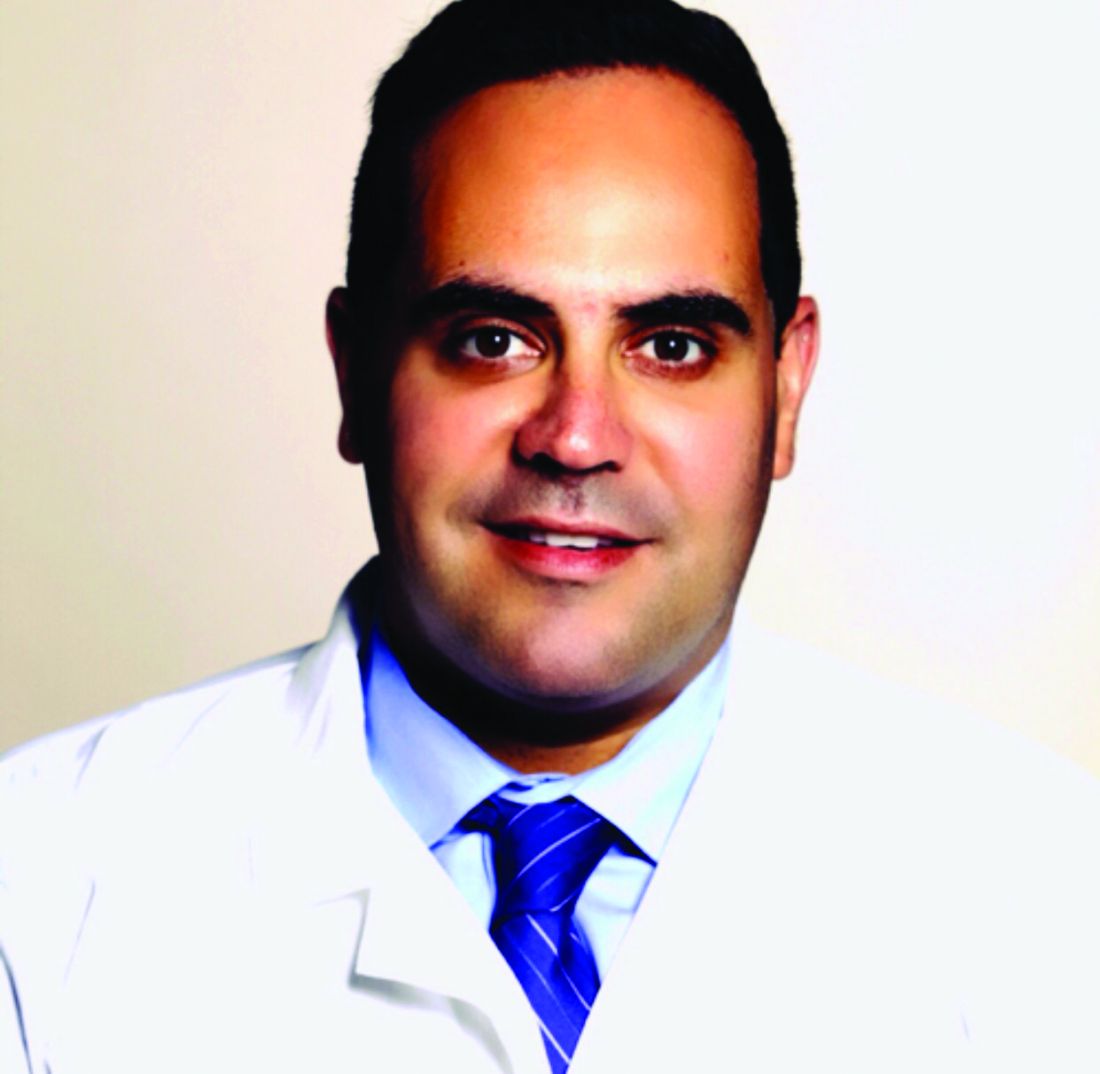
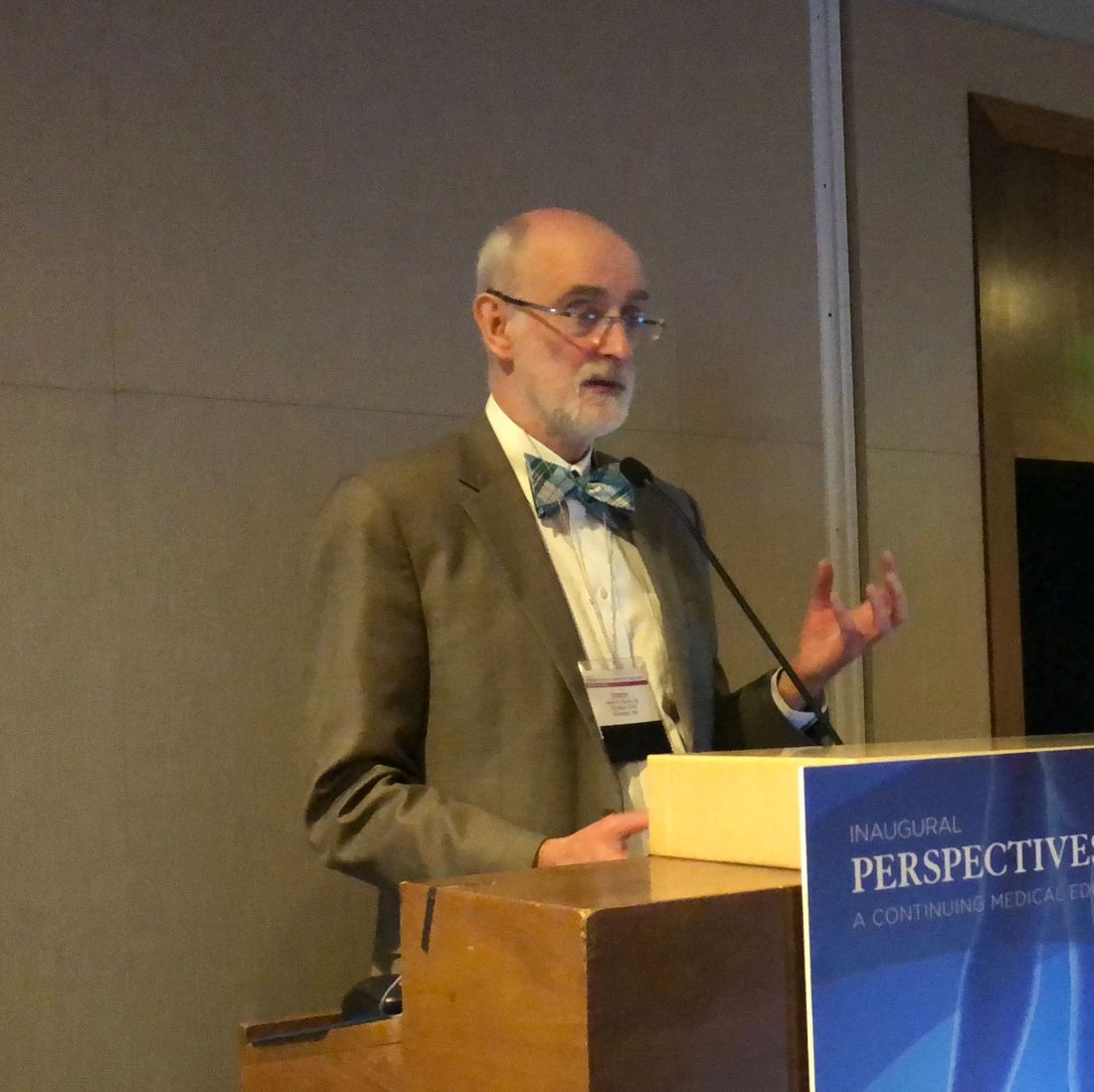
Hal Lawrence, MD, executive vice president and chief executive officer of the American College of Obstetricians and Gynecologists, echoed ACP’s concerns.

“When we talk about changes to limit or restructure Title X, we’re talking about changes to basic family planning options for American women,” he said during the telebriefing.

“As the largest organization of women’s health care providers, ACOG is deeply concerned about anticipated changes to Title X to limit the services that qualify for program funding and picking and choosing among qualified providers. These changes move away from science-based principles,” Dr. Lawrence said.

Dr. Hal Lawrence
Dr. Lawrence noted that 99% of American women who have been sexually active report having used contraception at some point, and 87.5% have used a highly effective reversible method. “Contraceptive coverage is cost effective and reduces unintended pregnancies and abortion rates,” said Dr. Lawrence. “No doubt, the increased access to contraceptives facilitated by Title X programs has aided in bringing the American teenage pregnancy rate to an all-time low.”


Title X provides federal funding for family planning and related preventive health services, primarily serving low-income individuals and those without health insurance.

Agencies receiving Title X money currently provide gynecologic exams, contraceptive and family planning counseling, contraceptive services, and pregnancy testing and related information, explained Ms. Erickson.

“The expected changes from the administration would prevent any Title X funds from going to an entity that provides even basic information about all of the legal and evidence-based options available for pregnant women,” said Ms. Erickson, referring to the possibility of a “gag rule” that would prevent those receiving Title X monies from discussing abortion.

These changes, if implemented, would echo policies implemented in the 1980s by the Reagan administration, a shift that Ms. Erickson termed “outdated and out of touch.” Millions of individuals could have access to care affected, she said, “with a disproportionate number of those impacted being women who are seeking access to contraception and reproductive health care, as well as general preventive services.”


If patients lose access to such services through Title X–funded facilities, they may not have another option within reasonable proximity, said Ms. Erickson. She added that options that exist for the population likely to be affected are often community health centers already operating under significant resource constraints.

Title X does not currently fund any abortion services.

Ms. Erickson said that it’s not currently clear whether any proposed changes or limitations would include proscriptions on discussing contraceptive methods. She and Dr. Lawrence said that neither ACP nor ACOG would anticipate initiating or joining litigation against the U.S. Department of Health & Human Services or the administration. On the telebriefing, each representative said that their organizations would need to know what form Title X changes might take, and then see what the nature of any lawsuits would be, before endorsing litigation.
Publications
Topics
Sections


The American College of Physicians and the American College of Obstetricians and Gynecologists expressed concern over possible significant changes to Title X, a long-standing federal program that provides gynecologic care and family planning information and services, primarily to low-income and uninsured Americans.

“An announcement is expected any day that the Trump administration is going to make dramatic changes to Title X funding,” said Shari M. Erickson, vice president of governmental affairs and medical practice at the American College of Physicians, during a joint telebriefing May 4.

Shari M. Erickson
“The American College of Physicians is strongly opposed to any changes that would make it more difficult for patients seeking contraception and reproductive health services to find care,” said Ms. Erickson.

Hal Lawrence, MD, executive vice president and chief executive officer of the American College of Obstetricians and Gynecologists, echoed ACP’s concerns.

“When we talk about changes to limit or restructure Title X, we’re talking about changes to basic family planning options for American women,” he said during the telebriefing.

“As the largest organization of women’s health care providers, ACOG is deeply concerned about anticipated changes to Title X to limit the services that qualify for program funding and picking and choosing among qualified providers. These changes move away from science-based principles,” Dr. Lawrence said.

Dr. Hal Lawrence
Dr. Lawrence noted that 99% of American women who have been sexually active report having used contraception at some point, and 87.5% have used a highly effective reversible method. “Contraceptive coverage is cost effective and reduces unintended pregnancies and abortion rates,” said Dr. Lawrence. “No doubt, the increased access to contraceptives facilitated by Title X programs has aided in bringing the American teenage pregnancy rate to an all-time low.”


Title X provides federal funding for family planning and related preventive health services, primarily serving low-income individuals and those without health insurance.

Agencies receiving Title X money currently provide gynecologic exams, contraceptive and family planning counseling, contraceptive services, and pregnancy testing and related information, explained Ms. Erickson.

“The expected changes from the administration would prevent any Title X funds from going to an entity that provides even basic information about all of the legal and evidence-based options available for pregnant women,” said Ms. Erickson, referring to the possibility of a “gag rule” that would prevent those receiving Title X monies from discussing abortion.

These changes, if implemented, would echo policies implemented in the 1980s by the Reagan administration, a shift that Ms. Erickson termed “outdated and out of touch.” Millions of individuals could have access to care affected, she said, “with a disproportionate number of those impacted being women who are seeking access to contraception and reproductive health care, as well as general preventive services.”


If patients lose access to such services through Title X–funded facilities, they may not have another option within reasonable proximity, said Ms. Erickson. She added that options that exist for the population likely to be affected are often community health centers already operating under significant resource constraints.

Title X does not currently fund any abortion services.

Ms. Erickson said that it’s not currently clear whether any proposed changes or limitations would include proscriptions on discussing contraceptive methods. She and Dr. Lawrence said that neither ACP nor ACOG would anticipate initiating or joining litigation against the U.S. Department of Health & Human Services or the administration. On the telebriefing, each representative said that their organizations would need to know what form Title X changes might take, and then see what the nature of any lawsuits would be, before endorsing litigation.


The American College of Physicians and the American College of Obstetricians and Gynecologists expressed concern over possible significant changes to Title X, a long-standing federal program that provides gynecologic care and family planning information and services, primarily to low-income and uninsured Americans.

“An announcement is expected any day that the Trump administration is going to make dramatic changes to Title X funding,” said Shari M. Erickson, vice president of governmental affairs and medical practice at the American College of Physicians, during a joint telebriefing May 4.

Shari M. Erickson
“The American College of Physicians is strongly opposed to any changes that would make it more difficult for patients seeking contraception and reproductive health services to find care,” said Ms. Erickson.

Hal Lawrence, MD, executive vice president and chief executive officer of the American College of Obstetricians and Gynecologists, echoed ACP’s concerns.

“When we talk about changes to limit or restructure Title X, we’re talking about changes to basic family planning options for American women,” he said during the telebriefing.

“As the largest organization of women’s health care providers, ACOG is deeply concerned about anticipated changes to Title X to limit the services that qualify for program funding and picking and choosing among qualified providers. These changes move away from science-based principles,” Dr. Lawrence said.

Dr. Hal Lawrence
Dr. Lawrence noted that 99% of American women who have been sexually active report having used contraception at some point, and 87.5% have used a highly effective reversible method. “Contraceptive coverage is cost effective and reduces unintended pregnancies and abortion rates,” said Dr. Lawrence. “No doubt, the increased access to contraceptives facilitated by Title X programs has aided in bringing the American teenage pregnancy rate to an all-time low.”


Title X provides federal funding for family planning and related preventive health services, primarily serving low-income individuals and those without health insurance.

Agencies receiving Title X money currently provide gynecologic exams, contraceptive and family planning counseling, contraceptive services, and pregnancy testing and related information, explained Ms. Erickson.

“The expected changes from the administration would prevent any Title X funds from going to an entity that provides even basic information about all of the legal and evidence-based options available for pregnant women,” said Ms. Erickson, referring to the possibility of a “gag rule” that would prevent those receiving Title X monies from discussing abortion.

These changes, if implemented, would echo policies implemented in the 1980s by the Reagan administration, a shift that Ms. Erickson termed “outdated and out of touch.” Millions of individuals could have access to care affected, she said, “with a disproportionate number of those impacted being women who are seeking access to contraception and reproductive health care, as well as general preventive services.”


If patients lose access to such services through Title X–funded facilities, they may not have another option within reasonable proximity, said Ms. Erickson. She added that options that exist for the population likely to be affected are often community health centers already operating under significant resource constraints.

Title X does not currently fund any abortion services.

Ms. Erickson said that it’s not currently clear whether any proposed changes or limitations would include proscriptions on discussing contraceptive methods. She and Dr. Lawrence said that neither ACP nor ACOG would anticipate initiating or joining litigation against the U.S. Department of Health & Human Services or the administration. On the telebriefing, each representative said that their organizations would need to know what form Title X changes might take, and then see what the nature of any lawsuits would be, before endorsing litigation.
Publications
Publications
Topics
Article Type
Sections
Disallow All Ads
Content Gating
No Gating (article Unlocked/Free)
Alternative CME
Disqus Comments
Default
Use ProPublica

Current Concepts in Clinical Research: Anterior Cruciate Ligament Outcome Instruments

Article Type
Changed
Display Headline
Current Concepts in Clinical Research: Anterior Cruciate Ligament Outcome Instruments

ABSTRACT

Outcome instruments have become an essential part of the evaluation of functional recovery after anterior cruciate ligament (ACL) reconstruction. Although the clinical examination provides important objective information to assess graft integrity, stability, range of motion, and strength, these measurements do not take the patient’s perception into account. There are many knee outcome instruments, and it is challenging for surgeons to understand how to interpret clinical research and utilize these measures in a practical way. The purpose of this review is to provide an overview of the most commonly used outcome measures in patients undergoing ACL reconstruction and to examine and compare the psychometric performance (validity, reliability, responsiveness) of these measurement tools.

Anterior cruciate ligament (ACL) reconstruction is one of the most common elective orthopedic procedures.1 Despite advances in surgical techniques, ACL reconstruction is associated with a lengthy recovery time, decreased performance, and increased rate of reinjury.2 Patients undergoing ACL reconstruction are often active individuals who participate in demanding activities, and accurate assessment of their recovery helps to guide recovery counseling. In addition to objective clinical outcomes measured through physical examination, patient-reported outcome (PRO) instruments add the patient’s perspective, information critical in determining a successful outcome. A variety of outcome instruments have been used and validated for patients with ACL tears. It is important for orthopedic surgeons to know the advantages and disadvantages of each outcome tool in order to interpret clinical studies and assess postoperative patients.

Over the last 10 years, there has been an increase in the number of knee instruments and rating scales designed to measure PROs, with >54 scores designed for the ACL-deficient knee.3 No standardized instrument is currently universally accepted as superior following ACL reconstruction across the spectrum of patient populations. Clinicians and researchers must carefully consider an outcome instrument’s utility based on specific patient populations in which it has been evaluated. Appropriate selection of outcome measures is of fundamental importance for adequate demonstration of the efficacy and value of treatment interventions, especially in an era of healthcare reform with a focus on providing high-quality and cost-effective care.

The purpose of this review is to highlight current tools used to measure outcomes after ACL reconstruction. Current outcome measures vary widely in regards to their validity, reliability, minimal clinically important difference, and applicability to specific patient populations. We have thus identified the measures most commonly used today in studies and clinical follow-up after ACL reconstruction and their various advantages and limitations. This information may enhance the orthopedic surgeon’s understanding of what outcome measures may be utilized in clinical studies.

Continue to: Patient-Reported Outcome Instruments...


PATIENT-REPORTED OUTCOME INSTRUMENTS

Recently, there has been a transition to increased use of PRO instruments rather than clinician-based postoperative assessment, largely due to the increasing emphasis on patient satisfaction in determining the value of an orthopedic intervention.4 PRO instruments are widely used to capture the patient’s perception of general health, quality of life (QOL), daily function, and pain. PRO instruments offer the benefit of allowing patients to subjectively assess their knee function during daily living and sports activities, conveying to the provider the impact of ACL reconstruction on physical, psychological, and social aspects of everyday activities. Furthermore, patient satisfaction has been shown to closely follow outcome scores related to symptoms and function.5 A multitude of specific knee-related PRO instruments have been developed and validated to measure outcomes after ACL reconstruction for both research and clinical purposes (Table).

Table. ACL Outcome Measures


Outcome Measure

Condition/Intervention

Measures

Internal Consistency (Cronbach’s a)

Test-Retest Reliability

Minimal Clinically Important Difference

Ref

AAOS Sports Knee Scale

Many Knee

Stiffness, swelling, pain/function, locking/catching, giving way, limitation of activity, pain with activity

0.86-0.95

0.68-0.96

Unknown

59, 60

ACL-QOL

Chronic ACL deficiency

Physical complaints, work, recreation and sports competition, lifestyle, social and emotional functioning

0.93-0.98

6% average error

Unknown

35, 36

Cincinnati Knee Rating System

ACL

Symptoms, daily and sports activities, physical examination, stability, radiographs, functional testing


0.80-0.97

14 points (6 months), 26 points (12 months)

39, 40, 47, 52

IKDC (Subjective Knee Form)

ACL

Symptoms, function, sports activity

0.92

0.91-0.93

11.5 points; 6.3 at 6 months, 16.7 at 12 months

48, 52, 54

KOOS

ACL

Pain, symptoms, activities of daily living, sport/recreation, knee-related quality of life

0.71-0.95

0.75-0.93

8-10 points

17

Lysholm

ACL

Pain, instability, locking, squatting, limp, support, swelling, stair-climbing

0.72

0.94

8.9

46, 47, 55

Marx

Healthy patients

Activity level

0.87

0.97

Unknown

42, 56, 57

Tegner

ACL

Activity level

0.81

0.82

1

55, 56

PROMIS
(PF CAT)

Many lower extremity orthopedic conditions

Lower extremity function, central body function, activities of daily living

0.98

0.96-0.99


30, 31

WOMAC

Hip/knee OA

Physical function, pain, stiffness

0.81-0.95

0.80-0.92

12% baseline score or 6% max score; 9-12 points

13, 14

Abbreviations: AAOS, American Academy of Orthopaedic Surgeons; ACL, anterior cruciate ligament; ACL-QOL, anterior cruciate ligament quality of life score; CAT, computer-adapting testing; IKDC, International Knee Documentation Committee; KOOS, Knee Injury and Osteoarthritis Outcome Score; OA, osteoarthritis; PF, physical function; PROMIS, Patient-Reported Outcome Measurement Information System; Ref, references; WOMAC, Western Ontario and McMaster Universities Osteoarthritis Index.

MEASUREMENT PROPERTIES

In general, clinicians and investigators should use health-related outcome measures with established reliability, validity, patient relevance, and responsiveness for assessing the specific condition.6

Reliability refers to the degree to which a measurement score is free from random error, reflecting how consistent or reproducible the instrument is when administered under the same testing conditions. Internal consistency, test-retest reliability, and measurement error are measures of reliability. Internal consistency is tested after a single administration and assesses how well items within a scale measure a single underlying dimension, represented using item-total correlation coefficients and Cronbach’s alpha. A Cronbach’s alpha of 0.70 to 0.95 is generally defined as good.7 Test-retest reliability is designed to appraise variation over time in stable patients and is represented using the intraclass correlation coefficient (ICC).8 An ICC >0.7 is considered acceptable; >0.8, good; and >0.9, excellent.9 An aspect of accuracy is whether the scoring system measures the full range of the disease or complaints. The incidence of minimum (floor) and maximum (ceiling) scores can be calculated for outcome scores. An instrument with low floor and ceiling effects, below 10% to 15%, is more inconclusive and can be more reliably used to measure patients at the high and low end of the scoring system.10

Validity is the ability of an outcome instrument to measure what it is intended to measure. Establishing validity is complex and requires evaluation of several facets, including content validity, construct validity, and criterion validity. Content validity is a relatively subjective judgment explaining the ability of an instrument to assess the critical features of the problem. Construct validity evaluates whether the questionnaire measures what it intends to measure, and is often assessed by correlating scores form one instrument to those from other proven instruments that are already accepted as valid. Finally, criterion validity assesses the correlation between the score and a previously established “gold standard” instrument.

Responsiveness is the ability of the instrument to detect a change or identify improvement or worsening of a clinical condition over time. Most frequently, the effect size (observed change/standard deviation of baseline scores) and standardized response mean (observed change/standard deviation of change) are used as measures of responsiveness. The minimal clinically important difference of an outcome measure is the smallest change in an outcome score that corresponds to a change in patient condition.

Continue to: ACL Outcome Instruments...


ACL OUTCOME INSTRUMENTS

WESTERN ONTARIO AND MCMASTER UNIVERSITIES OSTEOARTHRITIS INDEX (WOMAC LK 3.0)

The Western Ontario and McMaster Universities Osteoarthritis Index (WOMAC LK 3.0) was developed in 1982 and is a widely used, disease-specific instrument recommended for the evaluation of treatment effects in patients with hip and knee osteoarthritis.11 Available in more than 80 languages, it is a self-administered, generic health status questionnaire developed to assess pain, function, and stiffness in daily living, taking respondents between 3 to 7.5 minutes for completion.12 Using visual analog scales, the 24 items probe the 3 subscales: pain (5 items), stiffness (2 items), and functional difficulty (17 items). Scores are calculated for each dimension, and the total score is normalized to a 100-point scale, with 0 indicating severe symptoms and 100 indicating no symptoms and higher function. The WOMAC score can also be calculated from the Knee Injury and Osteoarthritis Outcome Score (KOOS). The WOMAC questionnaire is well recognized for its good validity, reliability, and responsiveness, and is the most commonly used outcome measure for osteoarthritis.13-15 Considering its focus on older patients with osteoarthritis, it may not be appropriate for use in a young and active population.

KNEE INJURY AND OSTEOARTHRITIS OUTCOME SCORE (KOOS)

The KOOS is a knee-specific questionnaire developed as an extension of the WOMAC to evaluate the functional status and QOL of patients with any type of knee injury who are at an increased risk of developing osteoarthritis.16 The patient-based questionnaire is available in over 30 languages and covers both the short- and long-term consequences of an injury of the knee causing traumatic damage to cartilage, ligaments, and menisci. The KOOS is 42 items graded on a 5-point Likert scale, covering 5 subscales: pain (9 items), symptoms (7 items), function in activities of daily living (17 items), function in sports/recreation (5 items), and knee-related QOL (4 items). The questionnaire is self-administered and takes about 10 minutes to complete. Scores are calculated for each dimension, and the total score is transformed to a 0 to 100 scale, with 0 representing severe knee problems and 100 representing no knee problems and better outcome. An advantage of the KOOS is that it evaluates both knee injuries and osteoarthritis; therefore, it is arguably more suitable for evaluating patients over the long-term. The KOOS has been validated for several orthopedic interventions, including ACL reconstruction and rehabilitation16,17 as well as meniscectomy18 and total knee replacement.19 Population-based reference data for the adult population according to age and gender have also been established.20 The KOOS is increasingly utilized in clinical studies on ACL reconstruction.21-25 The questions of the WOMAC were retained so that a WOMAC score might be calculated separately and compared with the KOOS score.26

PATIENT-REPORTED OUTCOMES INFORMATION SYSTEM (PROMIS)

Since 2004, The National Institutes of Health (NIH) has funded the development of the Patient-Reported Outcome Measurement Information System (PROMIS), a set of flexible tools that reliably and validly measure PROs. The PROMIS consists of a library of question banks that has been developed and operated by a network of National Institutes of Health-funded research sites and coordinating centers and covers many different health domains including pain, fatigue, anxiety, depression, social functioning, physical functioning, and sleep. PROMIS items are developed using Item Response Theory (IRT), wherein the answer to any individual item has a known mathematical probability of predicting the test taker’s overall measurement of the specific trait being tested. This is commonly administered using computer-adaptive testing (CAT), which presents to the test taker an initial item, scores the response to that item, and from the response then presents the most informative second item, and so forth until a predefined level of precision is reached. Because the items are individually validated, they can be used alone or in any combination, a feature that distinguishes the PROMIS from traditional fixed-length PRO instruments that require the completion of an instrument in its entirety to be valid.27 In recent years, orthopedic research has been published with PROMIS physical function (PF) scores as primary outcome measures.28-30 The PF item bank includes 124 items measuring upper extremity, lower extremity, central and instrumental activities of daily living. PF can be completed as a short form (SF) with a set number of questions or utilizing CAT and evaluates self-reported function and physical activity. An advantage is its ease of use and potential to minimize test burden with very few questions, often as little as 4 items, as compared to other traditional PROMs.31

Previously published work has demonstrated that, in patients undergoing meniscal surgery, the PROMIS PF CAT maintains construct validity and correlates well with currently used knee outcome instruments, including KOOS.28 Work by the same group looking at the performance of the PROMIS PF CAT in patients indicated for ACL reconstruction shows that the PROMIS PF CAT correlates well with other PRO instruments for patients with ACL injuries, (SF-36 PF [r = 0.82, P < 0.01], KOOS Sport [r = 0.70, P < 0.01], KOOS ADL [r = 0.74, P < 0.01]), does not have floor or ceiling effects in this relatively young and healthy population, and has a low test burden.32,33 Papuga and colleagues33 also compared the International Knee Documentation Committee (IKDC) and PROMIS PF CAT on 106 subjects after ACL reconstruction and found good correlation.

Continue to: Quality of Life Outcome Measure...


QUALITY OF LIFE OUTCOME MEASURE FOR ACL DEFICIENCY (ACL-QOL)

The ACL-QOL Score was developed in 1998 as a disease-specific measure for patients with chronic ACL deficiency.34 This scale consists of 32 separate items in 31 visual analog questions regarding symptoms and physical complaints, work-related concerns, recreational activities and sport participation or competition, lifestyle, and social and emotional health status relating to the knee. The raw score is transformed into a 0- to 100-point scale, with higher scores indicating a better outcome. The scale is valid, reliable, and responsive for patients with ACL insufficiency,35,36 and is not applicable to other disorders of the knee. We recommend the ACL-QOL questionnaire be used in conjunction with other currently available objective and functional outcome measures.

CINCINNATI KNEE RATING SYSTEM

The Cincinnati Knee Rating System (CKRS) was first described in 1983 and was modified to include occupational activities, athletic activities, symptoms, and functional limitations.37,38 There are 11 components, measuring symptoms and disability in sports activity, activities of daily living function, occupational rating, as well as sections that measure physical examination, laxity of the knee, and radiographic evidence of degenerative joint disease.39 The measure is scored on a 100-point scale, with higher scores indicating better outcomes. Scores have been shown to be lower as compared with other outcome measures assessing the same clinical condition.40,41 Barber-Westin and colleagues39 confirmed the reliability, validity, and responsiveness of the CKRS by testing 350 subjects with and without knee ligament injuries. In 2001, Marx42 tested the CKRS subjective form for reliability, validity, and responsiveness and found it to be acceptable for clinical research.

LYSHOLM KNEE SCORE

The Lysholm Knee Score was published in 1982 and modified in 1985, consisting of an 8-question survey that evaluates outcomes after knee ligament surgery. Items include pain, instability, locking, squatting, limping, support usage, swelling, and stair-climbing ability, with pain and instability carrying the highest weight.43 It is scored on a scale of 0 to 100, with high scores indicating higher functioning and fewer symptoms. It has been validated in patients with ACL injuries and meniscal injuries.44 Although it is widely used to measure outcomes after ACL reconstruction,45 it has received criticism in the evaluation of patients with other knee conditions.46 The main advantage of the Lysholm Knee Score is its ability to note changes in activity in the same patient across different time periods (responsiveness). A limitation of the Lysholm Knee Score is that it does not measure the domains of functioning in daily activities, sports, and recreational activities. The Lysholm scoring system’s test-retest reliability and construct validity have been evaluated,42,43,46 although there has been some concern regarding a ceiling effect and its validity, sensitivity, and reliability has been questioned.47 Therefore, it is advised that this score be used in conjunction with other PRO scores.

INTERNATIONAL KNEE DOCUMENTATION COMMITTEE (IKDC) SUBJECTIVE KNEE FORM

In 1987, members of the European Society for Knee Surgery and Arthroscopy and the American Orthopaedic Society for Sports Medicine formed the IKDC to develop a standardized method for evaluating knee injuries and treatment. The IKDC Subjective Knee Evaluation Form was initially published in 1993, and in 2001 the form was revised by the American Orthopaedic Society for Sports Medicine to become a knee-specific assessment tool rather than a disease or condition-specific tool.48 The IKDC subjective form is an 18-question, knee-specific survey designed to detect improvement or deterioration in symptoms, function, and ability to participate in sports activities experienced by patients following knee surgery or other interventions. The individual items are summed and transformed into a 0- to 100-point scale, with high scores representing higher levels of function and minimal symptoms. The IKDC is utilized to assess a variety of knee conditions including ligament, meniscus, articular cartilage, osteoarthritis, and patellofemoral pain.48,49 Thus, this form can be used to assess any condition involving the knee and allow comparison between groups with different diagnoses. The IKDC has been validated for an ACL reconstruction population,47 has been used to assess outcomes in recent clinical studies on ACL reconstruction,50,51 and is one of the most frequently used measures for patients with ACL deficiency.3 The validity, responsiveness, and reliability of the IKDC subjective form has been confirmed for both adult and adolescent populations.48,49,52-54

TEGNER ACTIVITY SCORES

The Tegner activity score was developed in 1985 and was designed to provide an objective value for a patient’s activity level.44 This scale was developed to complement the Lysholm score. It consists of 1 sport-specific activity level question on a 0 to 10 scale that evaluates an individual’s ability to compete in a sporting activity. Scores between 1 and 5 represent work or recreational sports. Scores >5 represent higher-level recreational and competitive sports. The Tegner activity score is one of the most widely used activity scoring systems for patients with knee disorders,55,56 commonly utilized with the Lysholm Knee Score.44 One disadvantage of the Tegner activity score is that it relates to specific sports rather than functional activities, which limits its generalizability. We are not aware of any studies documenting the reliability or validity of this instrument.

Continue on: Marx Activity Rating Scale...


MARX ACTIVITY RATING SCALE

The Marx activity rating scale was developed to be utilized with other knee rating scales and outcome measures as an activity assessment.57 In contrast to the Tegner activity score, the Marx activity rating scale measures function rather than sport-specific activity. The scale is a short, patient-based activity assessment that consists of a 4-question survey evaluating patients’ knee health by recording the frequency and intensity of participation in a sporting activity. Questions are scored from 0 to 4 on the basis of how often the activity is performed. The 4 sections of the Marx scale that are rated include running, cutting, decelerating, and pivoting. This scale has been validated in patients with ACL injuries, chondromalacia patellae, and meniscal lesions.42,56-58 Acceptable ceiling effects of 3% and floor effects of 8% were noted in the study of ACL-injured patients.57

AMERICAN ACADEMY OF ORTHOPAEDIC SURGEONS (AAOS) SPORTS KNEE SCALE

The American Academy of Orthopaedic Surgeons (AAOS) Sports Knee Rating Scale consists of 5 parts and 23 items, including a section addressing stiffness, swelling, pain and function (7 questions), locking/catching (4 questions), giving way (4 questions), limitations of activity (4 questions), and pain with activity (4 questions).59,60 Items may be dropped if patients select particular responses, which can lead to difficulties when using the survey. This scoring system has been found to be satisfactory when all subscales were combined and the mean was calculated.42

DISCUSSION

PRO measures play an increasingly important role in the measurement of success and impact of health care services. Specifically, for ACL reconstruction, patient satisfaction is key for demonstrating the value of operative or other interventions. Selecting a suitable outcome measurement tool can be daunting, as it can be difficult to ascertain which outcome measures are appropriate for the patient or disorder in question. As there is currently no instrument that is universally superior in the evaluation of ACL outcomes, clinicians must consider the specific patient population in which the outcome instrument has been evaluated. Investigators should also use instruments with reported minimal clinically important differences so that variation in scores can be interpreted as either clinically significant or not. When choosing which outcome instrument to use, there is rarely a single appropriate rating system that is entirely comprehensive. In most cases, a general health outcome measure should be used in combination with a condition-specific rating scale. Activity rating scales, such as Marx or Tegner, should be included, especially when evaluating patients with low-activity lifestyles.

CONCLUSION

There are a number of reliable, valid, and responsive outcome measures that can be utilized to evaluate outcomes following ACL reconstruction in an array of patient populations. Outcome measures should be relevant to patients, easy to use, reliable, valid, and responsive to change. By increasing familiarity with these outcome measures, orthopedic surgeons and investigators can develop better studies, interpret data, and implement findings in practice with sound and informed judgment. Future research should focus on identifying the most relevant outcome metrics for assessing function following ACL reconstruction.

This paper will be judged for the Resident Writer’s Award.

References

1. Mall NA, Chalmers PN, Moric M, et al. Incidence and trends of anterior cruciate ligament reconstruction in the United States. Am J Sports Med. 2014;42(10):2363-2370. doi:10.1177/0363546514542796.

2. Brophy RH, Schmitz L, Wright RW, et al. Return to play and future ACL injury risk after ACL reconstruction in soccer athletes from the Multicenter Orthopaedic Outcomes Network (MOON) group. Am J Sports Med. 2012;40(11):2517-2522. doi:10.1177/0363546512459476.

3. Johnson DS, Smith RB. Outcome measurement in the ACL deficient knee- what’s the score? Knee. 2001;8(1):51-57. doi:10.1016/S0968-0160(01)00068-0.

4. Graham B, Green A, James M, Katz J, Swiontkowski M. Measuring patient satisfaction in orthopaedic surgery. J Bone Joint Surg Am. 2015;97(1):80-84. doi:10.2106/JBJS.N.00811.

5. Kocher MS, Steadman JR, Briggs K, Zurakowski D, Sterett WI, Hawkins RJ. Determinants of patient satisfaction with outcome after anterior cruciate ligament reconstruction. J Bone Joint Surg Am. 2002;84(9):1560-1572. doi:10.2106/00004623-200209000-00008.

6. Streiner DL, Norman GR. Health Measurement Scales: A Practical Guide to their Development and Use. Oxford: Oxford University Press; 1989.

7. Terwee CB, Bot SD, de Boer MR, et al. Quality criteria were proposed for measurement properties of health status questionnaires. J Clin Epidemiol. 2007;60(1):34-42. doi:10.1016/j.jclinepi.2006.03.012.

8. Bartko JJ. The intraclass correlation coefficient as a measure of reliability. Psychol Rep. 1966;19(1):3-11. doi:10.2466/pr0.1966.19.1.3.

9. Scholtes VA, Terwee CB, Poolman RW. What makes a measurement instrument valid and reliable? Injury. 2011;42(3):236-240. doi:10.1016/j.injury.2010.11.042.

10. Fries J, Rose M, Krishnan E. The PROMIS of better outcome assessment: responsiveness, floor and ceiling effects, and internet administration. J Rheumatol. 2011;38(8):1759-1764. doi:10.3899/jrheum.110402.

11. Bellamy N, Buchanan WW, Goldsmith CH, Campbell J, Stitt L. Validation study of WOMAC: a health status instrument for measuring clinically important patient relevant outcomes to antirheumatic drug therapy in patients with osteoarthritis of the hip or knee. J Rheumatol. 1988;15(12):1833-1840.

12. Gandek B. Measurement properties of the Western Ontario and McMaster Universities Osteoarthritis Index: a systematic review. Arthritis Care Res (Hoboken). 2015;67(2):216-229. doi:10.1002/acr.22415.

13. Angst F, Aeschlimann A, Stucki G. Smallest detectable and minimal clinically important differences of rehabilitation intervention with their implications for required sample sizes using WOMAC and SF-36 quality of life measurement instruments in patients with osteoarthritis of the lower extremities. Arthritis Rheum. 2001;45(4):384-391. doi:10.1002/1529-0131(200108)45:4<384::AID-ART352>3.0.CO;2-0.

14. Ryser L, Wright BD, Aeschlimann A, Mariacher-Gehler S, Stuckl G. A new look at the Western Ontario and McMaster Universities Osteoarthritis Index using Rasch analysis. Arthritis Care Res. 1999;12(5):331-335.

15. Wolfe F, Kong SX. Rasch analysis of the Western Ontario MacMaster questionnaire (WOMAC) in 2205 patients with osteoarthritis, rheumatoid arthritis, and fibromyalgia. Ann Rheum Dis. 1999;58(9):563-568. doi:10.1136/ard.58.9.563.

16. Roos EM, Roos HP, Lohmander LS, Ekdahl C, Beynnon BD. Knee Injury and Osteoarthritis Outcome Score (KOOS)—development of a self-administered outcome measure. J Orthop Sports Phys Ther. 1998;28(2):88-96. doi:10.2519/jospt.1998.28.2.88.

17. Salavati M, Akhbari B, Mohammadi F, Mazaheri M, Khorrami M. Knee injury and Osteoarthritis Outcome Score (KOOS): reliability and validity in competitive athletes after anterior cruciate ligament reconstruction. Osteoarthritis Cartilage. 2011;19(4):406-410. doi:10.1016/j.joca.2011.01.010.

18. Roos EM, Roos HP, Lohmander LS. WOMAC Osteoarthritis Index—additional dimensions for use in subjects with post-traumatic osteoarthritis of the knee. Western Ontario and MacMaster Universities. Osteoarthritis Cartilage. 1999;7(2):216-221. doi:10.1053/joca.1998.0153.

19. Roos EM, Toksvig-Larsen S. Knee injury and osteoarthritis outcome score (KOOS)—validation and comparison to the WOMAC in total knee replacement. Health Qual Life Outcomes. 2003;1(1):17. doi:10.1186/1477-7525-1-17.

20. Paradowski PT, Bergman S, Sunden-Lundius A, Lohmander LS, Roos EM. Knee complaints vary with age and gender in the adult population: population-based reference data for the Knee injury and Osteoarthritis Outcome Score (KOOS). BMC Musculoskeletal Disord. 2006;7(1):38. doi:10.1186/1471-2474-7-38.

21. MARS Group. Effect of graft choice on the outcome of revision anterior cruciate ligament reconstruction in the Multicenter ACL Revision Study (MARS) Cohort. Am J Sports Med. 2014;42(10):2301-2310. doi:10.1177/0363546514549005.

22. Ventura A, Legnani C, Terzaghi C, Borgo E, Albisetti W. Revision surgery after failed ACL reconstruction with artificial ligaments: clinical, histologic and radiographic evaluation. Eur J Orthop Surg Traumatol. 2014;21(1):93-98. doi:10.1007/s00590-012-1136-3.

23. Wasserstein D, Huston LJ, Nwosu S, et al. KOOS pain as a marker for significant knee pain two and six years after primary ACL reconstruction: a Multicenter Orthopaedic Outcomes Network (MOON) prospective longitudinal cohort study. Osteoarthritis Cartilage. 2015;23(10):1674-1684. doi:10.1016/j.joca.2015.05.025.

24. Zaffagnini S, Grassi A, Muccioli GM, et al. Return to sport after anterior cruciate ligament reconstruction in professional soccer players. Knee. 2014;21(3):731-735. doi:10.1016/j.knee.2014.02.005.

25. Duffee A, Magnussen RA, Pedroza AD, Flanigan DC; MOON Group, Kaeding CC. Transtibial ACL femoral tunnel preparation increases odds of repeat ipsilateral knee surgery. J Bone Joint Surg Am. 2013;95(22):2035-2042. doi:10.2106/JBJS.M.00187.

26. Bellamy N, Buchanan WW. A preliminary evaluation of the dimensionality and clinical importance of pain and disability in osteoarthritis of the hip and knee. Clin Rheumatol. 1986;5(2):231-241. doi:10.1007/BF02032362.

27. Fries J, Rose M, Krishnan E. The PROMIS of better outcome assessment: responsiveness, floor and ceiling effects, and Internet administration. J Rheumatol. 2011;38(8):1759-1764. doi:10.3899/jrheum.110402.

28. Hancock KJ, Glass NA, Anthony CA, et al. Performance of PROMIS for healthy patients undergoing meniscal surgery. J Bone Joint Surg Am. 2017;99(11):954-958. doi:10.2106/JBJS.16.00848.

29. Hung M, Clegg Do, Greene T, et al. Evaluation of the PROMIS physical function item bank in orthopedic patients. J Orthop Res. 2011;29(6):947-953. doi:10.1002/jor.21308.

30. Hung M, Baumhauer JF, Brodsky JW, et al; Orthopaedic Foot & Ankle Outcomes Research (OFAR) of the American Orthopaedic Foot & Ankle Society (AOFAS). Psychometric comparison of the PROMIS physical function CAT with the FAAM and FFI for measuring patient-reported outcomes. Foot Ankle Int. 2014;35(6):592-599. doi:10.1177/1071100714528492.

31. Hung M, Stuart AR, Higgins TF, Saltzman CL, Kubiak EN. Computerized adaptive testing using the PROMIS physical function item bank reduces test burden with less ceiling effects compared with the short musculoskeletal function assessment in orthopaedic trauma patients. J Orthop Trauma. 2014;28(8):439-443. doi:10.1097/BOT.0000000000000059.

32. Hancock, et al. PROMIS: A valid and efficient outcomes instrument for patients with ACL tears. KSSTA. In press.

33. Scott, et al. Performance of PROMIS physical function compared with KOOS, SF-36, Eq5D, and Marx activity scale in patients who undergo ACL reconstruction. In press.

34. Papuga MO, Beck CA, Kates SL, Schwarz EM, Maloney MD. Validation of GAITRite and PROMIS as high-throughput physical function outcome measures following ACL reconstruction. J Orthop Res. 2014;32(6):793-801. doi:10.1002/jor.22591.

35. Mohtadi N. Development and validation of the quality of life outcome measure (questionnaire) for chronic anterior cruciate ligament deficiency. Am J Sports Med. 1998;26(3):350-359. doi:10.1177/03635465980260030201.

36. Lafave MR, Hiemstra L, Kerslake S, Heard M, Buchko G. Validity, reliability, and responsiveness of the anterior cruciate ligament quality of life measure: a continuation of its overall validation. Clin J Sport Med. 2017;27(1):57-63. doi:10.1097/JSM.0000000000000292.

37. Noyes FR, McGinniss GH, Mooar LA. Functional disability in the anterior cruciate insufficient knee syndrome: Review of knee rating systems and projected risk factors in determining treatment. Sports Med. 1984;1(4):278-302. doi:10.2165/00007256-198401040-00004.

38. Noyes FR, Matthews DS, Mooar PA, Grood ES. The symptomatic anterior cruciate-deficient knee: Part II. The results of rehabilitation, activity modification, and counseling on functional disability. J Bone Joint Surg Am. 1983;65(2):163-174. doi:10.2106/00004623-198365020-00004.

39. Barber-Westin SD, Noyes FR, McCloskey JW. Rigorous statistical reliability, validity, and responsiveness testing of the Cincinnati knee rating system in 350 subjects with uninjured, injured, or anterior cruciate ligament-reconstructed knees. Am J Sports Med. 1999;27(4):402-416. doi:10.1177/03635465990270040201.

40. Bollen S, Seedhorn BB. A comparison of the Lysholm and Cincinnati knee scoring questionnaires. Am J Sports Med. 1991;19(2):189-190. doi:10.1177/036354659101900215.

41. Sgaglione NA, Del Pizzo W, Fox JM, Friedman MJ. Critical analysis of knee ligament rating systems. Am J Sports Med. 1995;23(6):660-667. doi:10.1177/036354659502300604.

42. Marx RG, Jones EC, Allen AA, et al. Reliability, validity, and responsiveness of four knee outcome scales for athletic patients. J Bone Joint Surg Am. 2001;83(10):1459-1469. doi:10.2106/00004623-200110000-00001.

43. Lysholm J, Gillquist J. Evaluation of knee ligament surgery results with special emphasis on use of a scoring scale. Am J Sports Med. 1982;10(3):150-154. doi:10.1177/036354658201000306.

44. Tegner Y, Lysholm J. Rating systems in the evaluation of knee ligament injuries. Clin Orthop Relat Res. 1985;198:43-49. doi:10.1097/00003086-198509000-00007.

45. Lukianov AV, Gillquist J, Grana WA, DeHaven KE. An anterior cruciate ligament (ACL) evaluation format for assessment of artificial or autologous anterior cruciate reconstruction results. Clin Orthop Relat Res. 1987;218:167-180. doi:10.1097/00003086-198705000-00024.

46. Bengtsson J, Mollborg J, Werner S. A study for testing the sensitivity and reliability of the Lysholm knee scoring scale. Knee Surg Sports Traumatol Arthrosc. 1996;4(1):27-31. doi:10.1007/BF01565994.

47. Risberg MA, Holm I, Steen J, Beynnon BD. Sensitivity to changes over time for the IKDC form, the Lysholm score, and the Cincinnati knee score. A prospective study of 120 ACL reconstructed patients with a 2-year follow-up. Knee Surg Sports Traumatol Arthrosc. 1999;7(3):152-159. doi:10.1007/s001670050140.

48. Irrgang JJ, Anderson AF, Boland AL, et al. Development and validation of the international knee documentation committee subjective knee form. Am J Sports Med. 2001;29(5):600-613. doi:10.1177/03635465010290051301.

49. Irrgang JJ, Anderson AF, Boland AL, et al. Responsiveness of the International Knee Documentation Committee Subjective Knee Form. Am J Sports Med. 2006;34(10):1567-1573. doi:10.1177/0363546506288855.

50. Logerstedt D, Di Stasi S, Grindem H, et al. Self-reported knee function can identify athletes who fail return-to-activity criteria up to 1 year after anterior cruciate ligament reconstruction: a Delaware-Oslo ACL cohort study. J Orthop Sports Phys Ther. 2014;44(2):914-923. doi:10.2519/jospt.2014.4852.

51. Lentz TA, Zeppieri G Jr, George SZ, et al. Comparison of physical impairment, functional and psychosocial measures based on fear of reinjury/lack of confidence and return-to-sport status after ACL reconstruction. Am J Sports Med. 2015;43(2):345-353. doi:10.1177/0363546514559707.

52. Greco NJ, Anderson AF, Mann BJ, et al. Responsiveness of the International Knee Documentation Committee Subjective Knee Form in comparison to the Western Ontario and McMaster Universities Osteoarthritis Index, modified Cincinnati Knee Rating System, and Short Form 36 in patients with focal articular cartilage defects. Am J Sports Med. 2010;38(5):891-902. doi:10.1177/0363546509354163.

53. Hefti F, Muller W, Jakob RP, Staubli HU. Evaluation of knee ligament injuries with the IKDC form. Knee Surg Sports Traumatol Arthrosc. 1993;1(3-4):226-234. doi:10.1007/BF01560215.

54. Schmitt LC, Paterno MV, Huang S. Validity and internal consistency of the International Knee Documentation Committee Subjective Knee Evaluation Form in children and adolescents. Am J Sports Med. 2010;38(12):2443-2447. doi:10.1177/0363546510374873.

55. Briggs KK, Lysholm J, Tegner Y, Rodkey WG, Kocher MS, Steadman JR. The reliability, validity, and responsiveness of the Lysholm and Tegner activity scale for anterior cruciate ligament injuries of the knee: 25 years later. Am J Sports Med. 2009;37(5):890-897. doi:10.1177/0363546508330143.

56. Negahban H, Mostafaee N, Sohani SM, et al. Reliability and validity of the Tegner and Marx activity rating scales in Iranian patients with anterior cruciate ligament injury. Disabil Rehabil. 2011;33(23-24):2305-2310. doi:10.3109/09638288.2011.570409.

57. Marx RG, Stump TJ, Jones EC, Wickiewicz TL, Warren RF. Development and evaluation of an activity rating scale for disorders of the knee. Am J Sports Med. 2001;29(2):213-218. doi:10.1177/03635465010290021601.

58. Garratt AM, Brealey S, Gillespie WJ, in collaboration with the DAM-ASK Trial Team. Patient-assessed health instruments for the knee: a structured review. Rheumatology. 2004;43(11):1414-1423. doi:10.1093/rheumatology/keh362.

59. American Academy of Orthopaedic Surgeons. Scoring algorithms for the lower limb: Outcomes data collection instrument. Rosemon, IL: American Academy of Orthopaedic Surgeons; 1998.

60. Johanson NA, Liang MH, Daltroy L, Rudicel S, Richmond J. American Academy of Orthopaedic Surgeons lower limb outcomes assessment instruments. Reliability, validity, and sensitivity to change. J Bone Joint Surg Am. 2004;86-A(5):902-909.

Author and Disclosure Information

Authors’ Disclosure Statement: The authors report no actual or potential conflict of interest in relation to this article.

Dr. Day and Dr. Hancock are Orthopedic Surgery Residents; Dr. Glass is a Statistician; and Dr. Bollier is Congdon Professor in Orthopedic Surgery, Sports Medicine Fellowship Director, and Team Physician, Department of Orthopedics and Rehabilitation, University of Iowa Hospitals and Clinics, Iowa City, Iowa.

Address correspondence to: Matthew J. Bollier, MD, University of Iowa Hospitals and Clinics, Department of Orthopedics and Rehabilitation, 200 Hawkins Drive, Iowa City, IA 52242 (tel, 319-467-8324; fax, 319-356-8999; email, [email protected]).

Am J Orthop. 2018;47(5). Copyright Frontline Medical Communications Inc. 2018. All rights reserved.

. Current Concepts in Clinical Research: Anterior Cruciate Ligament Outcome Instruments. Am J Orthop.

Publications
Topics
Sections
Author and Disclosure Information

Authors’ Disclosure Statement: The authors report no actual or potential conflict of interest in relation to this article.

Dr. Day and Dr. Hancock are Orthopedic Surgery Residents; Dr. Glass is a Statistician; and Dr. Bollier is Congdon Professor in Orthopedic Surgery, Sports Medicine Fellowship Director, and Team Physician, Department of Orthopedics and Rehabilitation, University of Iowa Hospitals and Clinics, Iowa City, Iowa.

Address correspondence to: Matthew J. Bollier, MD, University of Iowa Hospitals and Clinics, Department of Orthopedics and Rehabilitation, 200 Hawkins Drive, Iowa City, IA 52242 (tel, 319-467-8324; fax, 319-356-8999; email, [email protected]).

Am J Orthop. 2018;47(5). Copyright Frontline Medical Communications Inc. 2018. All rights reserved.

. Current Concepts in Clinical Research: Anterior Cruciate Ligament Outcome Instruments. Am J Orthop.

Author and Disclosure Information

Authors’ Disclosure Statement: The authors report no actual or potential conflict of interest in relation to this article.

Dr. Day and Dr. Hancock are Orthopedic Surgery Residents; Dr. Glass is a Statistician; and Dr. Bollier is Congdon Professor in Orthopedic Surgery, Sports Medicine Fellowship Director, and Team Physician, Department of Orthopedics and Rehabilitation, University of Iowa Hospitals and Clinics, Iowa City, Iowa.

Address correspondence to: Matthew J. Bollier, MD, University of Iowa Hospitals and Clinics, Department of Orthopedics and Rehabilitation, 200 Hawkins Drive, Iowa City, IA 52242 (tel, 319-467-8324; fax, 319-356-8999; email, [email protected]).

Am J Orthop. 2018;47(5). Copyright Frontline Medical Communications Inc. 2018. All rights reserved.

. Current Concepts in Clinical Research: Anterior Cruciate Ligament Outcome Instruments. Am J Orthop.

ABSTRACT

Outcome instruments have become an essential part of the evaluation of functional recovery after anterior cruciate ligament (ACL) reconstruction. Although the clinical examination provides important objective information to assess graft integrity, stability, range of motion, and strength, these measurements do not take the patient’s perception into account. There are many knee outcome instruments, and it is challenging for surgeons to understand how to interpret clinical research and utilize these measures in a practical way. The purpose of this review is to provide an overview of the most commonly used outcome measures in patients undergoing ACL reconstruction and to examine and compare the psychometric performance (validity, reliability, responsiveness) of these measurement tools.

Anterior cruciate ligament (ACL) reconstruction is one of the most common elective orthopedic procedures.1 Despite advances in surgical techniques, ACL reconstruction is associated with a lengthy recovery time, decreased performance, and increased rate of reinjury.2 Patients undergoing ACL reconstruction are often active individuals who participate in demanding activities, and accurate assessment of their recovery helps to guide recovery counseling. In addition to objective clinical outcomes measured through physical examination, patient-reported outcome (PRO) instruments add the patient’s perspective, information critical in determining a successful outcome. A variety of outcome instruments have been used and validated for patients with ACL tears. It is important for orthopedic surgeons to know the advantages and disadvantages of each outcome tool in order to interpret clinical studies and assess postoperative patients.

Over the last 10 years, there has been an increase in the number of knee instruments and rating scales designed to measure PROs, with >54 scores designed for the ACL-deficient knee.3 No standardized instrument is currently universally accepted as superior following ACL reconstruction across the spectrum of patient populations. Clinicians and researchers must carefully consider an outcome instrument’s utility based on specific patient populations in which it has been evaluated. Appropriate selection of outcome measures is of fundamental importance for adequate demonstration of the efficacy and value of treatment interventions, especially in an era of healthcare reform with a focus on providing high-quality and cost-effective care.

The purpose of this review is to highlight current tools used to measure outcomes after ACL reconstruction. Current outcome measures vary widely in regards to their validity, reliability, minimal clinically important difference, and applicability to specific patient populations. We have thus identified the measures most commonly used today in studies and clinical follow-up after ACL reconstruction and their various advantages and limitations. This information may enhance the orthopedic surgeon’s understanding of what outcome measures may be utilized in clinical studies.

Continue to: Patient-Reported Outcome Instruments...


PATIENT-REPORTED OUTCOME INSTRUMENTS

Recently, there has been a transition to increased use of PRO instruments rather than clinician-based postoperative assessment, largely due to the increasing emphasis on patient satisfaction in determining the value of an orthopedic intervention.4 PRO instruments are widely used to capture the patient’s perception of general health, quality of life (QOL), daily function, and pain. PRO instruments offer the benefit of allowing patients to subjectively assess their knee function during daily living and sports activities, conveying to the provider the impact of ACL reconstruction on physical, psychological, and social aspects of everyday activities. Furthermore, patient satisfaction has been shown to closely follow outcome scores related to symptoms and function.5 A multitude of specific knee-related PRO instruments have been developed and validated to measure outcomes after ACL reconstruction for both research and clinical purposes (Table).

Table. ACL Outcome Measures


Outcome Measure

Condition/Intervention

Measures

Internal Consistency (Cronbach’s a)

Test-Retest Reliability

Minimal Clinically Important Difference

Ref

AAOS Sports Knee Scale

Many Knee

Stiffness, swelling, pain/function, locking/catching, giving way, limitation of activity, pain with activity

0.86-0.95

0.68-0.96

Unknown

59, 60

ACL-QOL

Chronic ACL deficiency

Physical complaints, work, recreation and sports competition, lifestyle, social and emotional functioning

0.93-0.98

6% average error

Unknown

35, 36

Cincinnati Knee Rating System

ACL

Symptoms, daily and sports activities, physical examination, stability, radiographs, functional testing


0.80-0.97

14 points (6 months), 26 points (12 months)

39, 40, 47, 52

IKDC (Subjective Knee Form)

ACL

Symptoms, function, sports activity

0.92

0.91-0.93

11.5 points; 6.3 at 6 months, 16.7 at 12 months

48, 52, 54

KOOS

ACL

Pain, symptoms, activities of daily living, sport/recreation, knee-related quality of life

0.71-0.95

0.75-0.93

8-10 points

17

Lysholm

ACL

Pain, instability, locking, squatting, limp, support, swelling, stair-climbing

0.72

0.94

8.9

46, 47, 55

Marx

Healthy patients

Activity level

0.87

0.97

Unknown

42, 56, 57

Tegner

ACL

Activity level

0.81

0.82

1

55, 56

PROMIS
(PF CAT)

Many lower extremity orthopedic conditions

Lower extremity function, central body function, activities of daily living

0.98

0.96-0.99


30, 31

WOMAC

Hip/knee OA

Physical function, pain, stiffness

0.81-0.95

0.80-0.92

12% baseline score or 6% max score; 9-12 points

13, 14

Abbreviations: AAOS, American Academy of Orthopaedic Surgeons; ACL, anterior cruciate ligament; ACL-QOL, anterior cruciate ligament quality of life score; CAT, computer-adapting testing; IKDC, International Knee Documentation Committee; KOOS, Knee Injury and Osteoarthritis Outcome Score; OA, osteoarthritis; PF, physical function; PROMIS, Patient-Reported Outcome Measurement Information System; Ref, references; WOMAC, Western Ontario and McMaster Universities Osteoarthritis Index.

MEASUREMENT PROPERTIES

In general, clinicians and investigators should use health-related outcome measures with established reliability, validity, patient relevance, and responsiveness for assessing the specific condition.6

Reliability refers to the degree to which a measurement score is free from random error, reflecting how consistent or reproducible the instrument is when administered under the same testing conditions. Internal consistency, test-retest reliability, and measurement error are measures of reliability. Internal consistency is tested after a single administration and assesses how well items within a scale measure a single underlying dimension, represented using item-total correlation coefficients and Cronbach’s alpha. A Cronbach’s alpha of 0.70 to 0.95 is generally defined as good.7 Test-retest reliability is designed to appraise variation over time in stable patients and is represented using the intraclass correlation coefficient (ICC).8 An ICC >0.7 is considered acceptable; >0.8, good; and >0.9, excellent.9 An aspect of accuracy is whether the scoring system measures the full range of the disease or complaints. The incidence of minimum (floor) and maximum (ceiling) scores can be calculated for outcome scores. An instrument with low floor and ceiling effects, below 10% to 15%, is more inconclusive and can be more reliably used to measure patients at the high and low end of the scoring system.10

Validity is the ability of an outcome instrument to measure what it is intended to measure. Establishing validity is complex and requires evaluation of several facets, including content validity, construct validity, and criterion validity. Content validity is a relatively subjective judgment explaining the ability of an instrument to assess the critical features of the problem. Construct validity evaluates whether the questionnaire measures what it intends to measure, and is often assessed by correlating scores form one instrument to those from other proven instruments that are already accepted as valid. Finally, criterion validity assesses the correlation between the score and a previously established “gold standard” instrument.

Responsiveness is the ability of the instrument to detect a change or identify improvement or worsening of a clinical condition over time. Most frequently, the effect size (observed change/standard deviation of baseline scores) and standardized response mean (observed change/standard deviation of change) are used as measures of responsiveness. The minimal clinically important difference of an outcome measure is the smallest change in an outcome score that corresponds to a change in patient condition.

Continue to: ACL Outcome Instruments...


ACL OUTCOME INSTRUMENTS

WESTERN ONTARIO AND MCMASTER UNIVERSITIES OSTEOARTHRITIS INDEX (WOMAC LK 3.0)

The Western Ontario and McMaster Universities Osteoarthritis Index (WOMAC LK 3.0) was developed in 1982 and is a widely used, disease-specific instrument recommended for the evaluation of treatment effects in patients with hip and knee osteoarthritis.11 Available in more than 80 languages, it is a self-administered, generic health status questionnaire developed to assess pain, function, and stiffness in daily living, taking respondents between 3 to 7.5 minutes for completion.12 Using visual analog scales, the 24 items probe the 3 subscales: pain (5 items), stiffness (2 items), and functional difficulty (17 items). Scores are calculated for each dimension, and the total score is normalized to a 100-point scale, with 0 indicating severe symptoms and 100 indicating no symptoms and higher function. The WOMAC score can also be calculated from the Knee Injury and Osteoarthritis Outcome Score (KOOS). The WOMAC questionnaire is well recognized for its good validity, reliability, and responsiveness, and is the most commonly used outcome measure for osteoarthritis.13-15 Considering its focus on older patients with osteoarthritis, it may not be appropriate for use in a young and active population.

KNEE INJURY AND OSTEOARTHRITIS OUTCOME SCORE (KOOS)

The KOOS is a knee-specific questionnaire developed as an extension of the WOMAC to evaluate the functional status and QOL of patients with any type of knee injury who are at an increased risk of developing osteoarthritis.16 The patient-based questionnaire is available in over 30 languages and covers both the short- and long-term consequences of an injury of the knee causing traumatic damage to cartilage, ligaments, and menisci. The KOOS is 42 items graded on a 5-point Likert scale, covering 5 subscales: pain (9 items), symptoms (7 items), function in activities of daily living (17 items), function in sports/recreation (5 items), and knee-related QOL (4 items). The questionnaire is self-administered and takes about 10 minutes to complete. Scores are calculated for each dimension, and the total score is transformed to a 0 to 100 scale, with 0 representing severe knee problems and 100 representing no knee problems and better outcome. An advantage of the KOOS is that it evaluates both knee injuries and osteoarthritis; therefore, it is arguably more suitable for evaluating patients over the long-term. The KOOS has been validated for several orthopedic interventions, including ACL reconstruction and rehabilitation16,17 as well as meniscectomy18 and total knee replacement.19 Population-based reference data for the adult population according to age and gender have also been established.20 The KOOS is increasingly utilized in clinical studies on ACL reconstruction.21-25 The questions of the WOMAC were retained so that a WOMAC score might be calculated separately and compared with the KOOS score.26

PATIENT-REPORTED OUTCOMES INFORMATION SYSTEM (PROMIS)

Since 2004, The National Institutes of Health (NIH) has funded the development of the Patient-Reported Outcome Measurement Information System (PROMIS), a set of flexible tools that reliably and validly measure PROs. The PROMIS consists of a library of question banks that has been developed and operated by a network of National Institutes of Health-funded research sites and coordinating centers and covers many different health domains including pain, fatigue, anxiety, depression, social functioning, physical functioning, and sleep. PROMIS items are developed using Item Response Theory (IRT), wherein the answer to any individual item has a known mathematical probability of predicting the test taker’s overall measurement of the specific trait being tested. This is commonly administered using computer-adaptive testing (CAT), which presents to the test taker an initial item, scores the response to that item, and from the response then presents the most informative second item, and so forth until a predefined level of precision is reached. Because the items are individually validated, they can be used alone or in any combination, a feature that distinguishes the PROMIS from traditional fixed-length PRO instruments that require the completion of an instrument in its entirety to be valid.27 In recent years, orthopedic research has been published with PROMIS physical function (PF) scores as primary outcome measures.28-30 The PF item bank includes 124 items measuring upper extremity, lower extremity, central and instrumental activities of daily living. PF can be completed as a short form (SF) with a set number of questions or utilizing CAT and evaluates self-reported function and physical activity. An advantage is its ease of use and potential to minimize test burden with very few questions, often as little as 4 items, as compared to other traditional PROMs.31

Previously published work has demonstrated that, in patients undergoing meniscal surgery, the PROMIS PF CAT maintains construct validity and correlates well with currently used knee outcome instruments, including KOOS.28 Work by the same group looking at the performance of the PROMIS PF CAT in patients indicated for ACL reconstruction shows that the PROMIS PF CAT correlates well with other PRO instruments for patients with ACL injuries, (SF-36 PF [r = 0.82, P < 0.01], KOOS Sport [r = 0.70, P < 0.01], KOOS ADL [r = 0.74, P < 0.01]), does not have floor or ceiling effects in this relatively young and healthy population, and has a low test burden.32,33 Papuga and colleagues33 also compared the International Knee Documentation Committee (IKDC) and PROMIS PF CAT on 106 subjects after ACL reconstruction and found good correlation.

Continue to: Quality of Life Outcome Measure...


QUALITY OF LIFE OUTCOME MEASURE FOR ACL DEFICIENCY (ACL-QOL)

The ACL-QOL Score was developed in 1998 as a disease-specific measure for patients with chronic ACL deficiency.34 This scale consists of 32 separate items in 31 visual analog questions regarding symptoms and physical complaints, work-related concerns, recreational activities and sport participation or competition, lifestyle, and social and emotional health status relating to the knee. The raw score is transformed into a 0- to 100-point scale, with higher scores indicating a better outcome. The scale is valid, reliable, and responsive for patients with ACL insufficiency,35,36 and is not applicable to other disorders of the knee. We recommend the ACL-QOL questionnaire be used in conjunction with other currently available objective and functional outcome measures.

CINCINNATI KNEE RATING SYSTEM

The Cincinnati Knee Rating System (CKRS) was first described in 1983 and was modified to include occupational activities, athletic activities, symptoms, and functional limitations.37,38 There are 11 components, measuring symptoms and disability in sports activity, activities of daily living function, occupational rating, as well as sections that measure physical examination, laxity of the knee, and radiographic evidence of degenerative joint disease.39 The measure is scored on a 100-point scale, with higher scores indicating better outcomes. Scores have been shown to be lower as compared with other outcome measures assessing the same clinical condition.40,41 Barber-Westin and colleagues39 confirmed the reliability, validity, and responsiveness of the CKRS by testing 350 subjects with and without knee ligament injuries. In 2001, Marx42 tested the CKRS subjective form for reliability, validity, and responsiveness and found it to be acceptable for clinical research.

LYSHOLM KNEE SCORE

The Lysholm Knee Score was published in 1982 and modified in 1985, consisting of an 8-question survey that evaluates outcomes after knee ligament surgery. Items include pain, instability, locking, squatting, limping, support usage, swelling, and stair-climbing ability, with pain and instability carrying the highest weight.43 It is scored on a scale of 0 to 100, with high scores indicating higher functioning and fewer symptoms. It has been validated in patients with ACL injuries and meniscal injuries.44 Although it is widely used to measure outcomes after ACL reconstruction,45 it has received criticism in the evaluation of patients with other knee conditions.46 The main advantage of the Lysholm Knee Score is its ability to note changes in activity in the same patient across different time periods (responsiveness). A limitation of the Lysholm Knee Score is that it does not measure the domains of functioning in daily activities, sports, and recreational activities. The Lysholm scoring system’s test-retest reliability and construct validity have been evaluated,42,43,46 although there has been some concern regarding a ceiling effect and its validity, sensitivity, and reliability has been questioned.47 Therefore, it is advised that this score be used in conjunction with other PRO scores.

INTERNATIONAL KNEE DOCUMENTATION COMMITTEE (IKDC) SUBJECTIVE KNEE FORM

In 1987, members of the European Society for Knee Surgery and Arthroscopy and the American Orthopaedic Society for Sports Medicine formed the IKDC to develop a standardized method for evaluating knee injuries and treatment. The IKDC Subjective Knee Evaluation Form was initially published in 1993, and in 2001 the form was revised by the American Orthopaedic Society for Sports Medicine to become a knee-specific assessment tool rather than a disease or condition-specific tool.48 The IKDC subjective form is an 18-question, knee-specific survey designed to detect improvement or deterioration in symptoms, function, and ability to participate in sports activities experienced by patients following knee surgery or other interventions. The individual items are summed and transformed into a 0- to 100-point scale, with high scores representing higher levels of function and minimal symptoms. The IKDC is utilized to assess a variety of knee conditions including ligament, meniscus, articular cartilage, osteoarthritis, and patellofemoral pain.48,49 Thus, this form can be used to assess any condition involving the knee and allow comparison between groups with different diagnoses. The IKDC has been validated for an ACL reconstruction population,47 has been used to assess outcomes in recent clinical studies on ACL reconstruction,50,51 and is one of the most frequently used measures for patients with ACL deficiency.3 The validity, responsiveness, and reliability of the IKDC subjective form has been confirmed for both adult and adolescent populations.48,49,52-54

TEGNER ACTIVITY SCORES

The Tegner activity score was developed in 1985 and was designed to provide an objective value for a patient’s activity level.44 This scale was developed to complement the Lysholm score. It consists of 1 sport-specific activity level question on a 0 to 10 scale that evaluates an individual’s ability to compete in a sporting activity. Scores between 1 and 5 represent work or recreational sports. Scores >5 represent higher-level recreational and competitive sports. The Tegner activity score is one of the most widely used activity scoring systems for patients with knee disorders,55,56 commonly utilized with the Lysholm Knee Score.44 One disadvantage of the Tegner activity score is that it relates to specific sports rather than functional activities, which limits its generalizability. We are not aware of any studies documenting the reliability or validity of this instrument.

Continue on: Marx Activity Rating Scale...


MARX ACTIVITY RATING SCALE

The Marx activity rating scale was developed to be utilized with other knee rating scales and outcome measures as an activity assessment.57 In contrast to the Tegner activity score, the Marx activity rating scale measures function rather than sport-specific activity. The scale is a short, patient-based activity assessment that consists of a 4-question survey evaluating patients’ knee health by recording the frequency and intensity of participation in a sporting activity. Questions are scored from 0 to 4 on the basis of how often the activity is performed. The 4 sections of the Marx scale that are rated include running, cutting, decelerating, and pivoting. This scale has been validated in patients with ACL injuries, chondromalacia patellae, and meniscal lesions.42,56-58 Acceptable ceiling effects of 3% and floor effects of 8% were noted in the study of ACL-injured patients.57

AMERICAN ACADEMY OF ORTHOPAEDIC SURGEONS (AAOS) SPORTS KNEE SCALE

The American Academy of Orthopaedic Surgeons (AAOS) Sports Knee Rating Scale consists of 5 parts and 23 items, including a section addressing stiffness, swelling, pain and function (7 questions), locking/catching (4 questions), giving way (4 questions), limitations of activity (4 questions), and pain with activity (4 questions).59,60 Items may be dropped if patients select particular responses, which can lead to difficulties when using the survey. This scoring system has been found to be satisfactory when all subscales were combined and the mean was calculated.42

DISCUSSION

PRO measures play an increasingly important role in the measurement of success and impact of health care services. Specifically, for ACL reconstruction, patient satisfaction is key for demonstrating the value of operative or other interventions. Selecting a suitable outcome measurement tool can be daunting, as it can be difficult to ascertain which outcome measures are appropriate for the patient or disorder in question. As there is currently no instrument that is universally superior in the evaluation of ACL outcomes, clinicians must consider the specific patient population in which the outcome instrument has been evaluated. Investigators should also use instruments with reported minimal clinically important differences so that variation in scores can be interpreted as either clinically significant or not. When choosing which outcome instrument to use, there is rarely a single appropriate rating system that is entirely comprehensive. In most cases, a general health outcome measure should be used in combination with a condition-specific rating scale. Activity rating scales, such as Marx or Tegner, should be included, especially when evaluating patients with low-activity lifestyles.

CONCLUSION

There are a number of reliable, valid, and responsive outcome measures that can be utilized to evaluate outcomes following ACL reconstruction in an array of patient populations. Outcome measures should be relevant to patients, easy to use, reliable, valid, and responsive to change. By increasing familiarity with these outcome measures, orthopedic surgeons and investigators can develop better studies, interpret data, and implement findings in practice with sound and informed judgment. Future research should focus on identifying the most relevant outcome metrics for assessing function following ACL reconstruction.

This paper will be judged for the Resident Writer’s Award.

ABSTRACT

Outcome instruments have become an essential part of the evaluation of functional recovery after anterior cruciate ligament (ACL) reconstruction. Although the clinical examination provides important objective information to assess graft integrity, stability, range of motion, and strength, these measurements do not take the patient’s perception into account. There are many knee outcome instruments, and it is challenging for surgeons to understand how to interpret clinical research and utilize these measures in a practical way. The purpose of this review is to provide an overview of the most commonly used outcome measures in patients undergoing ACL reconstruction and to examine and compare the psychometric performance (validity, reliability, responsiveness) of these measurement tools.

Anterior cruciate ligament (ACL) reconstruction is one of the most common elective orthopedic procedures.1 Despite advances in surgical techniques, ACL reconstruction is associated with a lengthy recovery time, decreased performance, and increased rate of reinjury.2 Patients undergoing ACL reconstruction are often active individuals who participate in demanding activities, and accurate assessment of their recovery helps to guide recovery counseling. In addition to objective clinical outcomes measured through physical examination, patient-reported outcome (PRO) instruments add the patient’s perspective, information critical in determining a successful outcome. A variety of outcome instruments have been used and validated for patients with ACL tears. It is important for orthopedic surgeons to know the advantages and disadvantages of each outcome tool in order to interpret clinical studies and assess postoperative patients.

Over the last 10 years, there has been an increase in the number of knee instruments and rating scales designed to measure PROs, with >54 scores designed for the ACL-deficient knee.3 No standardized instrument is currently universally accepted as superior following ACL reconstruction across the spectrum of patient populations. Clinicians and researchers must carefully consider an outcome instrument’s utility based on specific patient populations in which it has been evaluated. Appropriate selection of outcome measures is of fundamental importance for adequate demonstration of the efficacy and value of treatment interventions, especially in an era of healthcare reform with a focus on providing high-quality and cost-effective care.

The purpose of this review is to highlight current tools used to measure outcomes after ACL reconstruction. Current outcome measures vary widely in regards to their validity, reliability, minimal clinically important difference, and applicability to specific patient populations. We have thus identified the measures most commonly used today in studies and clinical follow-up after ACL reconstruction and their various advantages and limitations. This information may enhance the orthopedic surgeon’s understanding of what outcome measures may be utilized in clinical studies.

Continue to: Patient-Reported Outcome Instruments...


PATIENT-REPORTED OUTCOME INSTRUMENTS

Recently, there has been a transition to increased use of PRO instruments rather than clinician-based postoperative assessment, largely due to the increasing emphasis on patient satisfaction in determining the value of an orthopedic intervention.4 PRO instruments are widely used to capture the patient’s perception of general health, quality of life (QOL), daily function, and pain. PRO instruments offer the benefit of allowing patients to subjectively assess their knee function during daily living and sports activities, conveying to the provider the impact of ACL reconstruction on physical, psychological, and social aspects of everyday activities. Furthermore, patient satisfaction has been shown to closely follow outcome scores related to symptoms and function.5 A multitude of specific knee-related PRO instruments have been developed and validated to measure outcomes after ACL reconstruction for both research and clinical purposes (Table).

Table. ACL Outcome Measures


Outcome Measure

Condition/Intervention

Measures

Internal Consistency (Cronbach’s a)

Test-Retest Reliability

Minimal Clinically Important Difference

Ref

AAOS Sports Knee Scale

Many Knee

Stiffness, swelling, pain/function, locking/catching, giving way, limitation of activity, pain with activity

0.86-0.95

0.68-0.96

Unknown

59, 60

ACL-QOL

Chronic ACL deficiency

Physical complaints, work, recreation and sports competition, lifestyle, social and emotional functioning

0.93-0.98

6% average error

Unknown

35, 36

Cincinnati Knee Rating System

ACL

Symptoms, daily and sports activities, physical examination, stability, radiographs, functional testing


0.80-0.97

14 points (6 months), 26 points (12 months)

39, 40, 47, 52

IKDC (Subjective Knee Form)

ACL

Symptoms, function, sports activity

0.92

0.91-0.93

11.5 points; 6.3 at 6 months, 16.7 at 12 months

48, 52, 54

KOOS

ACL

Pain, symptoms, activities of daily living, sport/recreation, knee-related quality of life

0.71-0.95

0.75-0.93

8-10 points

17

Lysholm

ACL

Pain, instability, locking, squatting, limp, support, swelling, stair-climbing

0.72

0.94

8.9

46, 47, 55

Marx

Healthy patients

Activity level

0.87

0.97

Unknown

42, 56, 57

Tegner

ACL

Activity level

0.81

0.82

1

55, 56

PROMIS
(PF CAT)

Many lower extremity orthopedic conditions

Lower extremity function, central body function, activities of daily living

0.98

0.96-0.99


30, 31

WOMAC

Hip/knee OA

Physical function, pain, stiffness

0.81-0.95

0.80-0.92

12% baseline score or 6% max score; 9-12 points

13, 14

Abbreviations: AAOS, American Academy of Orthopaedic Surgeons; ACL, anterior cruciate ligament; ACL-QOL, anterior cruciate ligament quality of life score; CAT, computer-adapting testing; IKDC, International Knee Documentation Committee; KOOS, Knee Injury and Osteoarthritis Outcome Score; OA, osteoarthritis; PF, physical function; PROMIS, Patient-Reported Outcome Measurement Information System; Ref, references; WOMAC, Western Ontario and McMaster Universities Osteoarthritis Index.

MEASUREMENT PROPERTIES

In general, clinicians and investigators should use health-related outcome measures with established reliability, validity, patient relevance, and responsiveness for assessing the specific condition.6

Reliability refers to the degree to which a measurement score is free from random error, reflecting how consistent or reproducible the instrument is when administered under the same testing conditions. Internal consistency, test-retest reliability, and measurement error are measures of reliability. Internal consistency is tested after a single administration and assesses how well items within a scale measure a single underlying dimension, represented using item-total correlation coefficients and Cronbach’s alpha. A Cronbach’s alpha of 0.70 to 0.95 is generally defined as good.7 Test-retest reliability is designed to appraise variation over time in stable patients and is represented using the intraclass correlation coefficient (ICC).8 An ICC >0.7 is considered acceptable; >0.8, good; and >0.9, excellent.9 An aspect of accuracy is whether the scoring system measures the full range of the disease or complaints. The incidence of minimum (floor) and maximum (ceiling) scores can be calculated for outcome scores. An instrument with low floor and ceiling effects, below 10% to 15%, is more inconclusive and can be more reliably used to measure patients at the high and low end of the scoring system.10

Validity is the ability of an outcome instrument to measure what it is intended to measure. Establishing validity is complex and requires evaluation of several facets, including content validity, construct validity, and criterion validity. Content validity is a relatively subjective judgment explaining the ability of an instrument to assess the critical features of the problem. Construct validity evaluates whether the questionnaire measures what it intends to measure, and is often assessed by correlating scores form one instrument to those from other proven instruments that are already accepted as valid. Finally, criterion validity assesses the correlation between the score and a previously established “gold standard” instrument.

Responsiveness is the ability of the instrument to detect a change or identify improvement or worsening of a clinical condition over time. Most frequently, the effect size (observed change/standard deviation of baseline scores) and standardized response mean (observed change/standard deviation of change) are used as measures of responsiveness. The minimal clinically important difference of an outcome measure is the smallest change in an outcome score that corresponds to a change in patient condition.

Continue to: ACL Outcome Instruments...


ACL OUTCOME INSTRUMENTS

WESTERN ONTARIO AND MCMASTER UNIVERSITIES OSTEOARTHRITIS INDEX (WOMAC LK 3.0)

The Western Ontario and McMaster Universities Osteoarthritis Index (WOMAC LK 3.0) was developed in 1982 and is a widely used, disease-specific instrument recommended for the evaluation of treatment effects in patients with hip and knee osteoarthritis.11 Available in more than 80 languages, it is a self-administered, generic health status questionnaire developed to assess pain, function, and stiffness in daily living, taking respondents between 3 to 7.5 minutes for completion.12 Using visual analog scales, the 24 items probe the 3 subscales: pain (5 items), stiffness (2 items), and functional difficulty (17 items). Scores are calculated for each dimension, and the total score is normalized to a 100-point scale, with 0 indicating severe symptoms and 100 indicating no symptoms and higher function. The WOMAC score can also be calculated from the Knee Injury and Osteoarthritis Outcome Score (KOOS). The WOMAC questionnaire is well recognized for its good validity, reliability, and responsiveness, and is the most commonly used outcome measure for osteoarthritis.13-15 Considering its focus on older patients with osteoarthritis, it may not be appropriate for use in a young and active population.

KNEE INJURY AND OSTEOARTHRITIS OUTCOME SCORE (KOOS)

The KOOS is a knee-specific questionnaire developed as an extension of the WOMAC to evaluate the functional status and QOL of patients with any type of knee injury who are at an increased risk of developing osteoarthritis.16 The patient-based questionnaire is available in over 30 languages and covers both the short- and long-term consequences of an injury of the knee causing traumatic damage to cartilage, ligaments, and menisci. The KOOS is 42 items graded on a 5-point Likert scale, covering 5 subscales: pain (9 items), symptoms (7 items), function in activities of daily living (17 items), function in sports/recreation (5 items), and knee-related QOL (4 items). The questionnaire is self-administered and takes about 10 minutes to complete. Scores are calculated for each dimension, and the total score is transformed to a 0 to 100 scale, with 0 representing severe knee problems and 100 representing no knee problems and better outcome. An advantage of the KOOS is that it evaluates both knee injuries and osteoarthritis; therefore, it is arguably more suitable for evaluating patients over the long-term. The KOOS has been validated for several orthopedic interventions, including ACL reconstruction and rehabilitation16,17 as well as meniscectomy18 and total knee replacement.19 Population-based reference data for the adult population according to age and gender have also been established.20 The KOOS is increasingly utilized in clinical studies on ACL reconstruction.21-25 The questions of the WOMAC were retained so that a WOMAC score might be calculated separately and compared with the KOOS score.26

PATIENT-REPORTED OUTCOMES INFORMATION SYSTEM (PROMIS)

Since 2004, The National Institutes of Health (NIH) has funded the development of the Patient-Reported Outcome Measurement Information System (PROMIS), a set of flexible tools that reliably and validly measure PROs. The PROMIS consists of a library of question banks that has been developed and operated by a network of National Institutes of Health-funded research sites and coordinating centers and covers many different health domains including pain, fatigue, anxiety, depression, social functioning, physical functioning, and sleep. PROMIS items are developed using Item Response Theory (IRT), wherein the answer to any individual item has a known mathematical probability of predicting the test taker’s overall measurement of the specific trait being tested. This is commonly administered using computer-adaptive testing (CAT), which presents to the test taker an initial item, scores the response to that item, and from the response then presents the most informative second item, and so forth until a predefined level of precision is reached. Because the items are individually validated, they can be used alone or in any combination, a feature that distinguishes the PROMIS from traditional fixed-length PRO instruments that require the completion of an instrument in its entirety to be valid.27 In recent years, orthopedic research has been published with PROMIS physical function (PF) scores as primary outcome measures.28-30 The PF item bank includes 124 items measuring upper extremity, lower extremity, central and instrumental activities of daily living. PF can be completed as a short form (SF) with a set number of questions or utilizing CAT and evaluates self-reported function and physical activity. An advantage is its ease of use and potential to minimize test burden with very few questions, often as little as 4 items, as compared to other traditional PROMs.31

Previously published work has demonstrated that, in patients undergoing meniscal surgery, the PROMIS PF CAT maintains construct validity and correlates well with currently used knee outcome instruments, including KOOS.28 Work by the same group looking at the performance of the PROMIS PF CAT in patients indicated for ACL reconstruction shows that the PROMIS PF CAT correlates well with other PRO instruments for patients with ACL injuries, (SF-36 PF [r = 0.82, P < 0.01], KOOS Sport [r = 0.70, P < 0.01], KOOS ADL [r = 0.74, P < 0.01]), does not have floor or ceiling effects in this relatively young and healthy population, and has a low test burden.32,33 Papuga and colleagues33 also compared the International Knee Documentation Committee (IKDC) and PROMIS PF CAT on 106 subjects after ACL reconstruction and found good correlation.

Continue to: Quality of Life Outcome Measure...


QUALITY OF LIFE OUTCOME MEASURE FOR ACL DEFICIENCY (ACL-QOL)

The ACL-QOL Score was developed in 1998 as a disease-specific measure for patients with chronic ACL deficiency.34 This scale consists of 32 separate items in 31 visual analog questions regarding symptoms and physical complaints, work-related concerns, recreational activities and sport participation or competition, lifestyle, and social and emotional health status relating to the knee. The raw score is transformed into a 0- to 100-point scale, with higher scores indicating a better outcome. The scale is valid, reliable, and responsive for patients with ACL insufficiency,35,36 and is not applicable to other disorders of the knee. We recommend the ACL-QOL questionnaire be used in conjunction with other currently available objective and functional outcome measures.

CINCINNATI KNEE RATING SYSTEM

The Cincinnati Knee Rating System (CKRS) was first described in 1983 and was modified to include occupational activities, athletic activities, symptoms, and functional limitations.37,38 There are 11 components, measuring symptoms and disability in sports activity, activities of daily living function, occupational rating, as well as sections that measure physical examination, laxity of the knee, and radiographic evidence of degenerative joint disease.39 The measure is scored on a 100-point scale, with higher scores indicating better outcomes. Scores have been shown to be lower as compared with other outcome measures assessing the same clinical condition.40,41 Barber-Westin and colleagues39 confirmed the reliability, validity, and responsiveness of the CKRS by testing 350 subjects with and without knee ligament injuries. In 2001, Marx42 tested the CKRS subjective form for reliability, validity, and responsiveness and found it to be acceptable for clinical research.

LYSHOLM KNEE SCORE

The Lysholm Knee Score was published in 1982 and modified in 1985, consisting of an 8-question survey that evaluates outcomes after knee ligament surgery. Items include pain, instability, locking, squatting, limping, support usage, swelling, and stair-climbing ability, with pain and instability carrying the highest weight.43 It is scored on a scale of 0 to 100, with high scores indicating higher functioning and fewer symptoms. It has been validated in patients with ACL injuries and meniscal injuries.44 Although it is widely used to measure outcomes after ACL reconstruction,45 it has received criticism in the evaluation of patients with other knee conditions.46 The main advantage of the Lysholm Knee Score is its ability to note changes in activity in the same patient across different time periods (responsiveness). A limitation of the Lysholm Knee Score is that it does not measure the domains of functioning in daily activities, sports, and recreational activities. The Lysholm scoring system’s test-retest reliability and construct validity have been evaluated,42,43,46 although there has been some concern regarding a ceiling effect and its validity, sensitivity, and reliability has been questioned.47 Therefore, it is advised that this score be used in conjunction with other PRO scores.

INTERNATIONAL KNEE DOCUMENTATION COMMITTEE (IKDC) SUBJECTIVE KNEE FORM

In 1987, members of the European Society for Knee Surgery and Arthroscopy and the American Orthopaedic Society for Sports Medicine formed the IKDC to develop a standardized method for evaluating knee injuries and treatment. The IKDC Subjective Knee Evaluation Form was initially published in 1993, and in 2001 the form was revised by the American Orthopaedic Society for Sports Medicine to become a knee-specific assessment tool rather than a disease or condition-specific tool.48 The IKDC subjective form is an 18-question, knee-specific survey designed to detect improvement or deterioration in symptoms, function, and ability to participate in sports activities experienced by patients following knee surgery or other interventions. The individual items are summed and transformed into a 0- to 100-point scale, with high scores representing higher levels of function and minimal symptoms. The IKDC is utilized to assess a variety of knee conditions including ligament, meniscus, articular cartilage, osteoarthritis, and patellofemoral pain.48,49 Thus, this form can be used to assess any condition involving the knee and allow comparison between groups with different diagnoses. The IKDC has been validated for an ACL reconstruction population,47 has been used to assess outcomes in recent clinical studies on ACL reconstruction,50,51 and is one of the most frequently used measures for patients with ACL deficiency.3 The validity, responsiveness, and reliability of the IKDC subjective form has been confirmed for both adult and adolescent populations.48,49,52-54

TEGNER ACTIVITY SCORES

The Tegner activity score was developed in 1985 and was designed to provide an objective value for a patient’s activity level.44 This scale was developed to complement the Lysholm score. It consists of 1 sport-specific activity level question on a 0 to 10 scale that evaluates an individual’s ability to compete in a sporting activity. Scores between 1 and 5 represent work or recreational sports. Scores >5 represent higher-level recreational and competitive sports. The Tegner activity score is one of the most widely used activity scoring systems for patients with knee disorders,55,56 commonly utilized with the Lysholm Knee Score.44 One disadvantage of the Tegner activity score is that it relates to specific sports rather than functional activities, which limits its generalizability. We are not aware of any studies documenting the reliability or validity of this instrument.

Continue on: Marx Activity Rating Scale...


MARX ACTIVITY RATING SCALE

The Marx activity rating scale was developed to be utilized with other knee rating scales and outcome measures as an activity assessment.57 In contrast to the Tegner activity score, the Marx activity rating scale measures function rather than sport-specific activity. The scale is a short, patient-based activity assessment that consists of a 4-question survey evaluating patients’ knee health by recording the frequency and intensity of participation in a sporting activity. Questions are scored from 0 to 4 on the basis of how often the activity is performed. The 4 sections of the Marx scale that are rated include running, cutting, decelerating, and pivoting. This scale has been validated in patients with ACL injuries, chondromalacia patellae, and meniscal lesions.42,56-58 Acceptable ceiling effects of 3% and floor effects of 8% were noted in the study of ACL-injured patients.57

AMERICAN ACADEMY OF ORTHOPAEDIC SURGEONS (AAOS) SPORTS KNEE SCALE

The American Academy of Orthopaedic Surgeons (AAOS) Sports Knee Rating Scale consists of 5 parts and 23 items, including a section addressing stiffness, swelling, pain and function (7 questions), locking/catching (4 questions), giving way (4 questions), limitations of activity (4 questions), and pain with activity (4 questions).59,60 Items may be dropped if patients select particular responses, which can lead to difficulties when using the survey. This scoring system has been found to be satisfactory when all subscales were combined and the mean was calculated.42

DISCUSSION

PRO measures play an increasingly important role in the measurement of success and impact of health care services. Specifically, for ACL reconstruction, patient satisfaction is key for demonstrating the value of operative or other interventions. Selecting a suitable outcome measurement tool can be daunting, as it can be difficult to ascertain which outcome measures are appropriate for the patient or disorder in question. As there is currently no instrument that is universally superior in the evaluation of ACL outcomes, clinicians must consider the specific patient population in which the outcome instrument has been evaluated. Investigators should also use instruments with reported minimal clinically important differences so that variation in scores can be interpreted as either clinically significant or not. When choosing which outcome instrument to use, there is rarely a single appropriate rating system that is entirely comprehensive. In most cases, a general health outcome measure should be used in combination with a condition-specific rating scale. Activity rating scales, such as Marx or Tegner, should be included, especially when evaluating patients with low-activity lifestyles.

CONCLUSION

There are a number of reliable, valid, and responsive outcome measures that can be utilized to evaluate outcomes following ACL reconstruction in an array of patient populations. Outcome measures should be relevant to patients, easy to use, reliable, valid, and responsive to change. By increasing familiarity with these outcome measures, orthopedic surgeons and investigators can develop better studies, interpret data, and implement findings in practice with sound and informed judgment. Future research should focus on identifying the most relevant outcome metrics for assessing function following ACL reconstruction.

This paper will be judged for the Resident Writer’s Award.

References

1. Mall NA, Chalmers PN, Moric M, et al. Incidence and trends of anterior cruciate ligament reconstruction in the United States. Am J Sports Med. 2014;42(10):2363-2370. doi:10.1177/0363546514542796.

2. Brophy RH, Schmitz L, Wright RW, et al. Return to play and future ACL injury risk after ACL reconstruction in soccer athletes from the Multicenter Orthopaedic Outcomes Network (MOON) group. Am J Sports Med. 2012;40(11):2517-2522. doi:10.1177/0363546512459476.

3. Johnson DS, Smith RB. Outcome measurement in the ACL deficient knee- what’s the score? Knee. 2001;8(1):51-57. doi:10.1016/S0968-0160(01)00068-0.

4. Graham B, Green A, James M, Katz J, Swiontkowski M. Measuring patient satisfaction in orthopaedic surgery. J Bone Joint Surg Am. 2015;97(1):80-84. doi:10.2106/JBJS.N.00811.

5. Kocher MS, Steadman JR, Briggs K, Zurakowski D, Sterett WI, Hawkins RJ. Determinants of patient satisfaction with outcome after anterior cruciate ligament reconstruction. J Bone Joint Surg Am. 2002;84(9):1560-1572. doi:10.2106/00004623-200209000-00008.

6. Streiner DL, Norman GR. Health Measurement Scales: A Practical Guide to their Development and Use. Oxford: Oxford University Press; 1989.

7. Terwee CB, Bot SD, de Boer MR, et al. Quality criteria were proposed for measurement properties of health status questionnaires. J Clin Epidemiol. 2007;60(1):34-42. doi:10.1016/j.jclinepi.2006.03.012.

8. Bartko JJ. The intraclass correlation coefficient as a measure of reliability. Psychol Rep. 1966;19(1):3-11. doi:10.2466/pr0.1966.19.1.3.

9. Scholtes VA, Terwee CB, Poolman RW. What makes a measurement instrument valid and reliable? Injury. 2011;42(3):236-240. doi:10.1016/j.injury.2010.11.042.

10. Fries J, Rose M, Krishnan E. The PROMIS of better outcome assessment: responsiveness, floor and ceiling effects, and internet administration. J Rheumatol. 2011;38(8):1759-1764. doi:10.3899/jrheum.110402.

11. Bellamy N, Buchanan WW, Goldsmith CH, Campbell J, Stitt L. Validation study of WOMAC: a health status instrument for measuring clinically important patient relevant outcomes to antirheumatic drug therapy in patients with osteoarthritis of the hip or knee. J Rheumatol. 1988;15(12):1833-1840.

12. Gandek B. Measurement properties of the Western Ontario and McMaster Universities Osteoarthritis Index: a systematic review. Arthritis Care Res (Hoboken). 2015;67(2):216-229. doi:10.1002/acr.22415.

13. Angst F, Aeschlimann A, Stucki G. Smallest detectable and minimal clinically important differences of rehabilitation intervention with their implications for required sample sizes using WOMAC and SF-36 quality of life measurement instruments in patients with osteoarthritis of the lower extremities. Arthritis Rheum. 2001;45(4):384-391. doi:10.1002/1529-0131(200108)45:4<384::AID-ART352>3.0.CO;2-0.

14. Ryser L, Wright BD, Aeschlimann A, Mariacher-Gehler S, Stuckl G. A new look at the Western Ontario and McMaster Universities Osteoarthritis Index using Rasch analysis. Arthritis Care Res. 1999;12(5):331-335.

15. Wolfe F, Kong SX. Rasch analysis of the Western Ontario MacMaster questionnaire (WOMAC) in 2205 patients with osteoarthritis, rheumatoid arthritis, and fibromyalgia. Ann Rheum Dis. 1999;58(9):563-568. doi:10.1136/ard.58.9.563.

16. Roos EM, Roos HP, Lohmander LS, Ekdahl C, Beynnon BD. Knee Injury and Osteoarthritis Outcome Score (KOOS)—development of a self-administered outcome measure. J Orthop Sports Phys Ther. 1998;28(2):88-96. doi:10.2519/jospt.1998.28.2.88.

17. Salavati M, Akhbari B, Mohammadi F, Mazaheri M, Khorrami M. Knee injury and Osteoarthritis Outcome Score (KOOS): reliability and validity in competitive athletes after anterior cruciate ligament reconstruction. Osteoarthritis Cartilage. 2011;19(4):406-410. doi:10.1016/j.joca.2011.01.010.

18. Roos EM, Roos HP, Lohmander LS. WOMAC Osteoarthritis Index—additional dimensions for use in subjects with post-traumatic osteoarthritis of the knee. Western Ontario and MacMaster Universities. Osteoarthritis Cartilage. 1999;7(2):216-221. doi:10.1053/joca.1998.0153.

19. Roos EM, Toksvig-Larsen S. Knee injury and osteoarthritis outcome score (KOOS)—validation and comparison to the WOMAC in total knee replacement. Health Qual Life Outcomes. 2003;1(1):17. doi:10.1186/1477-7525-1-17.

20. Paradowski PT, Bergman S, Sunden-Lundius A, Lohmander LS, Roos EM. Knee complaints vary with age and gender in the adult population: population-based reference data for the Knee injury and Osteoarthritis Outcome Score (KOOS). BMC Musculoskeletal Disord. 2006;7(1):38. doi:10.1186/1471-2474-7-38.

21. MARS Group. Effect of graft choice on the outcome of revision anterior cruciate ligament reconstruction in the Multicenter ACL Revision Study (MARS) Cohort. Am J Sports Med. 2014;42(10):2301-2310. doi:10.1177/0363546514549005.

22. Ventura A, Legnani C, Terzaghi C, Borgo E, Albisetti W. Revision surgery after failed ACL reconstruction with artificial ligaments: clinical, histologic and radiographic evaluation. Eur J Orthop Surg Traumatol. 2014;21(1):93-98. doi:10.1007/s00590-012-1136-3.

23. Wasserstein D, Huston LJ, Nwosu S, et al. KOOS pain as a marker for significant knee pain two and six years after primary ACL reconstruction: a Multicenter Orthopaedic Outcomes Network (MOON) prospective longitudinal cohort study. Osteoarthritis Cartilage. 2015;23(10):1674-1684. doi:10.1016/j.joca.2015.05.025.

24. Zaffagnini S, Grassi A, Muccioli GM, et al. Return to sport after anterior cruciate ligament reconstruction in professional soccer players. Knee. 2014;21(3):731-735. doi:10.1016/j.knee.2014.02.005.

25. Duffee A, Magnussen RA, Pedroza AD, Flanigan DC; MOON Group, Kaeding CC. Transtibial ACL femoral tunnel preparation increases odds of repeat ipsilateral knee surgery. J Bone Joint Surg Am. 2013;95(22):2035-2042. doi:10.2106/JBJS.M.00187.

26. Bellamy N, Buchanan WW. A preliminary evaluation of the dimensionality and clinical importance of pain and disability in osteoarthritis of the hip and knee. Clin Rheumatol. 1986;5(2):231-241. doi:10.1007/BF02032362.

27. Fries J, Rose M, Krishnan E. The PROMIS of better outcome assessment: responsiveness, floor and ceiling effects, and Internet administration. J Rheumatol. 2011;38(8):1759-1764. doi:10.3899/jrheum.110402.

28. Hancock KJ, Glass NA, Anthony CA, et al. Performance of PROMIS for healthy patients undergoing meniscal surgery. J Bone Joint Surg Am. 2017;99(11):954-958. doi:10.2106/JBJS.16.00848.

29. Hung M, Clegg Do, Greene T, et al. Evaluation of the PROMIS physical function item bank in orthopedic patients. J Orthop Res. 2011;29(6):947-953. doi:10.1002/jor.21308.

30. Hung M, Baumhauer JF, Brodsky JW, et al; Orthopaedic Foot & Ankle Outcomes Research (OFAR) of the American Orthopaedic Foot & Ankle Society (AOFAS). Psychometric comparison of the PROMIS physical function CAT with the FAAM and FFI for measuring patient-reported outcomes. Foot Ankle Int. 2014;35(6):592-599. doi:10.1177/1071100714528492.

31. Hung M, Stuart AR, Higgins TF, Saltzman CL, Kubiak EN. Computerized adaptive testing using the PROMIS physical function item bank reduces test burden with less ceiling effects compared with the short musculoskeletal function assessment in orthopaedic trauma patients. J Orthop Trauma. 2014;28(8):439-443. doi:10.1097/BOT.0000000000000059.

32. Hancock, et al. PROMIS: A valid and efficient outcomes instrument for patients with ACL tears. KSSTA. In press.

33. Scott, et al. Performance of PROMIS physical function compared with KOOS, SF-36, Eq5D, and Marx activity scale in patients who undergo ACL reconstruction. In press.

34. Papuga MO, Beck CA, Kates SL, Schwarz EM, Maloney MD. Validation of GAITRite and PROMIS as high-throughput physical function outcome measures following ACL reconstruction. J Orthop Res. 2014;32(6):793-801. doi:10.1002/jor.22591.

35. Mohtadi N. Development and validation of the quality of life outcome measure (questionnaire) for chronic anterior cruciate ligament deficiency. Am J Sports Med. 1998;26(3):350-359. doi:10.1177/03635465980260030201.

36. Lafave MR, Hiemstra L, Kerslake S, Heard M, Buchko G. Validity, reliability, and responsiveness of the anterior cruciate ligament quality of life measure: a continuation of its overall validation. Clin J Sport Med. 2017;27(1):57-63. doi:10.1097/JSM.0000000000000292.

37. Noyes FR, McGinniss GH, Mooar LA. Functional disability in the anterior cruciate insufficient knee syndrome: Review of knee rating systems and projected risk factors in determining treatment. Sports Med. 1984;1(4):278-302. doi:10.2165/00007256-198401040-00004.

38. Noyes FR, Matthews DS, Mooar PA, Grood ES. The symptomatic anterior cruciate-deficient knee: Part II. The results of rehabilitation, activity modification, and counseling on functional disability. J Bone Joint Surg Am. 1983;65(2):163-174. doi:10.2106/00004623-198365020-00004.

39. Barber-Westin SD, Noyes FR, McCloskey JW. Rigorous statistical reliability, validity, and responsiveness testing of the Cincinnati knee rating system in 350 subjects with uninjured, injured, or anterior cruciate ligament-reconstructed knees. Am J Sports Med. 1999;27(4):402-416. doi:10.1177/03635465990270040201.

40. Bollen S, Seedhorn BB. A comparison of the Lysholm and Cincinnati knee scoring questionnaires. Am J Sports Med. 1991;19(2):189-190. doi:10.1177/036354659101900215.

41. Sgaglione NA, Del Pizzo W, Fox JM, Friedman MJ. Critical analysis of knee ligament rating systems. Am J Sports Med. 1995;23(6):660-667. doi:10.1177/036354659502300604.

42. Marx RG, Jones EC, Allen AA, et al. Reliability, validity, and responsiveness of four knee outcome scales for athletic patients. J Bone Joint Surg Am. 2001;83(10):1459-1469. doi:10.2106/00004623-200110000-00001.

43. Lysholm J, Gillquist J. Evaluation of knee ligament surgery results with special emphasis on use of a scoring scale. Am J Sports Med. 1982;10(3):150-154. doi:10.1177/036354658201000306.

44. Tegner Y, Lysholm J. Rating systems in the evaluation of knee ligament injuries. Clin Orthop Relat Res. 1985;198:43-49. doi:10.1097/00003086-198509000-00007.

45. Lukianov AV, Gillquist J, Grana WA, DeHaven KE. An anterior cruciate ligament (ACL) evaluation format for assessment of artificial or autologous anterior cruciate reconstruction results. Clin Orthop Relat Res. 1987;218:167-180. doi:10.1097/00003086-198705000-00024.

46. Bengtsson J, Mollborg J, Werner S. A study for testing the sensitivity and reliability of the Lysholm knee scoring scale. Knee Surg Sports Traumatol Arthrosc. 1996;4(1):27-31. doi:10.1007/BF01565994.

47. Risberg MA, Holm I, Steen J, Beynnon BD. Sensitivity to changes over time for the IKDC form, the Lysholm score, and the Cincinnati knee score. A prospective study of 120 ACL reconstructed patients with a 2-year follow-up. Knee Surg Sports Traumatol Arthrosc. 1999;7(3):152-159. doi:10.1007/s001670050140.

48. Irrgang JJ, Anderson AF, Boland AL, et al. Development and validation of the international knee documentation committee subjective knee form. Am J Sports Med. 2001;29(5):600-613. doi:10.1177/03635465010290051301.

49. Irrgang JJ, Anderson AF, Boland AL, et al. Responsiveness of the International Knee Documentation Committee Subjective Knee Form. Am J Sports Med. 2006;34(10):1567-1573. doi:10.1177/0363546506288855.

50. Logerstedt D, Di Stasi S, Grindem H, et al. Self-reported knee function can identify athletes who fail return-to-activity criteria up to 1 year after anterior cruciate ligament reconstruction: a Delaware-Oslo ACL cohort study. J Orthop Sports Phys Ther. 2014;44(2):914-923. doi:10.2519/jospt.2014.4852.

51. Lentz TA, Zeppieri G Jr, George SZ, et al. Comparison of physical impairment, functional and psychosocial measures based on fear of reinjury/lack of confidence and return-to-sport status after ACL reconstruction. Am J Sports Med. 2015;43(2):345-353. doi:10.1177/0363546514559707.

52. Greco NJ, Anderson AF, Mann BJ, et al. Responsiveness of the International Knee Documentation Committee Subjective Knee Form in comparison to the Western Ontario and McMaster Universities Osteoarthritis Index, modified Cincinnati Knee Rating System, and Short Form 36 in patients with focal articular cartilage defects. Am J Sports Med. 2010;38(5):891-902. doi:10.1177/0363546509354163.

53. Hefti F, Muller W, Jakob RP, Staubli HU. Evaluation of knee ligament injuries with the IKDC form. Knee Surg Sports Traumatol Arthrosc. 1993;1(3-4):226-234. doi:10.1007/BF01560215.

54. Schmitt LC, Paterno MV, Huang S. Validity and internal consistency of the International Knee Documentation Committee Subjective Knee Evaluation Form in children and adolescents. Am J Sports Med. 2010;38(12):2443-2447. doi:10.1177/0363546510374873.

55. Briggs KK, Lysholm J, Tegner Y, Rodkey WG, Kocher MS, Steadman JR. The reliability, validity, and responsiveness of the Lysholm and Tegner activity scale for anterior cruciate ligament injuries of the knee: 25 years later. Am J Sports Med. 2009;37(5):890-897. doi:10.1177/0363546508330143.

56. Negahban H, Mostafaee N, Sohani SM, et al. Reliability and validity of the Tegner and Marx activity rating scales in Iranian patients with anterior cruciate ligament injury. Disabil Rehabil. 2011;33(23-24):2305-2310. doi:10.3109/09638288.2011.570409.

57. Marx RG, Stump TJ, Jones EC, Wickiewicz TL, Warren RF. Development and evaluation of an activity rating scale for disorders of the knee. Am J Sports Med. 2001;29(2):213-218. doi:10.1177/03635465010290021601.

58. Garratt AM, Brealey S, Gillespie WJ, in collaboration with the DAM-ASK Trial Team. Patient-assessed health instruments for the knee: a structured review. Rheumatology. 2004;43(11):1414-1423. doi:10.1093/rheumatology/keh362.

59. American Academy of Orthopaedic Surgeons. Scoring algorithms for the lower limb: Outcomes data collection instrument. Rosemon, IL: American Academy of Orthopaedic Surgeons; 1998.

60. Johanson NA, Liang MH, Daltroy L, Rudicel S, Richmond J. American Academy of Orthopaedic Surgeons lower limb outcomes assessment instruments. Reliability, validity, and sensitivity to change. J Bone Joint Surg Am. 2004;86-A(5):902-909.

References

1. Mall NA, Chalmers PN, Moric M, et al. Incidence and trends of anterior cruciate ligament reconstruction in the United States. Am J Sports Med. 2014;42(10):2363-2370. doi:10.1177/0363546514542796.

2. Brophy RH, Schmitz L, Wright RW, et al. Return to play and future ACL injury risk after ACL reconstruction in soccer athletes from the Multicenter Orthopaedic Outcomes Network (MOON) group. Am J Sports Med. 2012;40(11):2517-2522. doi:10.1177/0363546512459476.

3. Johnson DS, Smith RB. Outcome measurement in the ACL deficient knee- what’s the score? Knee. 2001;8(1):51-57. doi:10.1016/S0968-0160(01)00068-0.

4. Graham B, Green A, James M, Katz J, Swiontkowski M. Measuring patient satisfaction in orthopaedic surgery. J Bone Joint Surg Am. 2015;97(1):80-84. doi:10.2106/JBJS.N.00811.

5. Kocher MS, Steadman JR, Briggs K, Zurakowski D, Sterett WI, Hawkins RJ. Determinants of patient satisfaction with outcome after anterior cruciate ligament reconstruction. J Bone Joint Surg Am. 2002;84(9):1560-1572. doi:10.2106/00004623-200209000-00008.

6. Streiner DL, Norman GR. Health Measurement Scales: A Practical Guide to their Development and Use. Oxford: Oxford University Press; 1989.

7. Terwee CB, Bot SD, de Boer MR, et al. Quality criteria were proposed for measurement properties of health status questionnaires. J Clin Epidemiol. 2007;60(1):34-42. doi:10.1016/j.jclinepi.2006.03.012.

8. Bartko JJ. The intraclass correlation coefficient as a measure of reliability. Psychol Rep. 1966;19(1):3-11. doi:10.2466/pr0.1966.19.1.3.

9. Scholtes VA, Terwee CB, Poolman RW. What makes a measurement instrument valid and reliable? Injury. 2011;42(3):236-240. doi:10.1016/j.injury.2010.11.042.

10. Fries J, Rose M, Krishnan E. The PROMIS of better outcome assessment: responsiveness, floor and ceiling effects, and internet administration. J Rheumatol. 2011;38(8):1759-1764. doi:10.3899/jrheum.110402.

11. Bellamy N, Buchanan WW, Goldsmith CH, Campbell J, Stitt L. Validation study of WOMAC: a health status instrument for measuring clinically important patient relevant outcomes to antirheumatic drug therapy in patients with osteoarthritis of the hip or knee. J Rheumatol. 1988;15(12):1833-1840.

12. Gandek B. Measurement properties of the Western Ontario and McMaster Universities Osteoarthritis Index: a systematic review. Arthritis Care Res (Hoboken). 2015;67(2):216-229. doi:10.1002/acr.22415.

13. Angst F, Aeschlimann A, Stucki G. Smallest detectable and minimal clinically important differences of rehabilitation intervention with their implications for required sample sizes using WOMAC and SF-36 quality of life measurement instruments in patients with osteoarthritis of the lower extremities. Arthritis Rheum. 2001;45(4):384-391. doi:10.1002/1529-0131(200108)45:4<384::AID-ART352>3.0.CO;2-0.

14. Ryser L, Wright BD, Aeschlimann A, Mariacher-Gehler S, Stuckl G. A new look at the Western Ontario and McMaster Universities Osteoarthritis Index using Rasch analysis. Arthritis Care Res. 1999;12(5):331-335.

15. Wolfe F, Kong SX. Rasch analysis of the Western Ontario MacMaster questionnaire (WOMAC) in 2205 patients with osteoarthritis, rheumatoid arthritis, and fibromyalgia. Ann Rheum Dis. 1999;58(9):563-568. doi:10.1136/ard.58.9.563.

16. Roos EM, Roos HP, Lohmander LS, Ekdahl C, Beynnon BD. Knee Injury and Osteoarthritis Outcome Score (KOOS)—development of a self-administered outcome measure. J Orthop Sports Phys Ther. 1998;28(2):88-96. doi:10.2519/jospt.1998.28.2.88.

17. Salavati M, Akhbari B, Mohammadi F, Mazaheri M, Khorrami M. Knee injury and Osteoarthritis Outcome Score (KOOS): reliability and validity in competitive athletes after anterior cruciate ligament reconstruction. Osteoarthritis Cartilage. 2011;19(4):406-410. doi:10.1016/j.joca.2011.01.010.

18. Roos EM, Roos HP, Lohmander LS. WOMAC Osteoarthritis Index—additional dimensions for use in subjects with post-traumatic osteoarthritis of the knee. Western Ontario and MacMaster Universities. Osteoarthritis Cartilage. 1999;7(2):216-221. doi:10.1053/joca.1998.0153.

19. Roos EM, Toksvig-Larsen S. Knee injury and osteoarthritis outcome score (KOOS)—validation and comparison to the WOMAC in total knee replacement. Health Qual Life Outcomes. 2003;1(1):17. doi:10.1186/1477-7525-1-17.

20. Paradowski PT, Bergman S, Sunden-Lundius A, Lohmander LS, Roos EM. Knee complaints vary with age and gender in the adult population: population-based reference data for the Knee injury and Osteoarthritis Outcome Score (KOOS). BMC Musculoskeletal Disord. 2006;7(1):38. doi:10.1186/1471-2474-7-38.

21. MARS Group. Effect of graft choice on the outcome of revision anterior cruciate ligament reconstruction in the Multicenter ACL Revision Study (MARS) Cohort. Am J Sports Med. 2014;42(10):2301-2310. doi:10.1177/0363546514549005.

22. Ventura A, Legnani C, Terzaghi C, Borgo E, Albisetti W. Revision surgery after failed ACL reconstruction with artificial ligaments: clinical, histologic and radiographic evaluation. Eur J Orthop Surg Traumatol. 2014;21(1):93-98. doi:10.1007/s00590-012-1136-3.

23. Wasserstein D, Huston LJ, Nwosu S, et al. KOOS pain as a marker for significant knee pain two and six years after primary ACL reconstruction: a Multicenter Orthopaedic Outcomes Network (MOON) prospective longitudinal cohort study. Osteoarthritis Cartilage. 2015;23(10):1674-1684. doi:10.1016/j.joca.2015.05.025.

24. Zaffagnini S, Grassi A, Muccioli GM, et al. Return to sport after anterior cruciate ligament reconstruction in professional soccer players. Knee. 2014;21(3):731-735. doi:10.1016/j.knee.2014.02.005.

25. Duffee A, Magnussen RA, Pedroza AD, Flanigan DC; MOON Group, Kaeding CC. Transtibial ACL femoral tunnel preparation increases odds of repeat ipsilateral knee surgery. J Bone Joint Surg Am. 2013;95(22):2035-2042. doi:10.2106/JBJS.M.00187.

26. Bellamy N, Buchanan WW. A preliminary evaluation of the dimensionality and clinical importance of pain and disability in osteoarthritis of the hip and knee. Clin Rheumatol. 1986;5(2):231-241. doi:10.1007/BF02032362.

27. Fries J, Rose M, Krishnan E. The PROMIS of better outcome assessment: responsiveness, floor and ceiling effects, and Internet administration. J Rheumatol. 2011;38(8):1759-1764. doi:10.3899/jrheum.110402.

28. Hancock KJ, Glass NA, Anthony CA, et al. Performance of PROMIS for healthy patients undergoing meniscal surgery. J Bone Joint Surg Am. 2017;99(11):954-958. doi:10.2106/JBJS.16.00848.

29. Hung M, Clegg Do, Greene T, et al. Evaluation of the PROMIS physical function item bank in orthopedic patients. J Orthop Res. 2011;29(6):947-953. doi:10.1002/jor.21308.

30. Hung M, Baumhauer JF, Brodsky JW, et al; Orthopaedic Foot & Ankle Outcomes Research (OFAR) of the American Orthopaedic Foot & Ankle Society (AOFAS). Psychometric comparison of the PROMIS physical function CAT with the FAAM and FFI for measuring patient-reported outcomes. Foot Ankle Int. 2014;35(6):592-599. doi:10.1177/1071100714528492.

31. Hung M, Stuart AR, Higgins TF, Saltzman CL, Kubiak EN. Computerized adaptive testing using the PROMIS physical function item bank reduces test burden with less ceiling effects compared with the short musculoskeletal function assessment in orthopaedic trauma patients. J Orthop Trauma. 2014;28(8):439-443. doi:10.1097/BOT.0000000000000059.

32. Hancock, et al. PROMIS: A valid and efficient outcomes instrument for patients with ACL tears. KSSTA. In press.

33. Scott, et al. Performance of PROMIS physical function compared with KOOS, SF-36, Eq5D, and Marx activity scale in patients who undergo ACL reconstruction. In press.

34. Papuga MO, Beck CA, Kates SL, Schwarz EM, Maloney MD. Validation of GAITRite and PROMIS as high-throughput physical function outcome measures following ACL reconstruction. J Orthop Res. 2014;32(6):793-801. doi:10.1002/jor.22591.

35. Mohtadi N. Development and validation of the quality of life outcome measure (questionnaire) for chronic anterior cruciate ligament deficiency. Am J Sports Med. 1998;26(3):350-359. doi:10.1177/03635465980260030201.

36. Lafave MR, Hiemstra L, Kerslake S, Heard M, Buchko G. Validity, reliability, and responsiveness of the anterior cruciate ligament quality of life measure: a continuation of its overall validation. Clin J Sport Med. 2017;27(1):57-63. doi:10.1097/JSM.0000000000000292.

37. Noyes FR, McGinniss GH, Mooar LA. Functional disability in the anterior cruciate insufficient knee syndrome: Review of knee rating systems and projected risk factors in determining treatment. Sports Med. 1984;1(4):278-302. doi:10.2165/00007256-198401040-00004.

38. Noyes FR, Matthews DS, Mooar PA, Grood ES. The symptomatic anterior cruciate-deficient knee: Part II. The results of rehabilitation, activity modification, and counseling on functional disability. J Bone Joint Surg Am. 1983;65(2):163-174. doi:10.2106/00004623-198365020-00004.

39. Barber-Westin SD, Noyes FR, McCloskey JW. Rigorous statistical reliability, validity, and responsiveness testing of the Cincinnati knee rating system in 350 subjects with uninjured, injured, or anterior cruciate ligament-reconstructed knees. Am J Sports Med. 1999;27(4):402-416. doi:10.1177/03635465990270040201.

40. Bollen S, Seedhorn BB. A comparison of the Lysholm and Cincinnati knee scoring questionnaires. Am J Sports Med. 1991;19(2):189-190. doi:10.1177/036354659101900215.

41. Sgaglione NA, Del Pizzo W, Fox JM, Friedman MJ. Critical analysis of knee ligament rating systems. Am J Sports Med. 1995;23(6):660-667. doi:10.1177/036354659502300604.

42. Marx RG, Jones EC, Allen AA, et al. Reliability, validity, and responsiveness of four knee outcome scales for athletic patients. J Bone Joint Surg Am. 2001;83(10):1459-1469. doi:10.2106/00004623-200110000-00001.

43. Lysholm J, Gillquist J. Evaluation of knee ligament surgery results with special emphasis on use of a scoring scale. Am J Sports Med. 1982;10(3):150-154. doi:10.1177/036354658201000306.

44. Tegner Y, Lysholm J. Rating systems in the evaluation of knee ligament injuries. Clin Orthop Relat Res. 1985;198:43-49. doi:10.1097/00003086-198509000-00007.

45. Lukianov AV, Gillquist J, Grana WA, DeHaven KE. An anterior cruciate ligament (ACL) evaluation format for assessment of artificial or autologous anterior cruciate reconstruction results. Clin Orthop Relat Res. 1987;218:167-180. doi:10.1097/00003086-198705000-00024.

46. Bengtsson J, Mollborg J, Werner S. A study for testing the sensitivity and reliability of the Lysholm knee scoring scale. Knee Surg Sports Traumatol Arthrosc. 1996;4(1):27-31. doi:10.1007/BF01565994.

47. Risberg MA, Holm I, Steen J, Beynnon BD. Sensitivity to changes over time for the IKDC form, the Lysholm score, and the Cincinnati knee score. A prospective study of 120 ACL reconstructed patients with a 2-year follow-up. Knee Surg Sports Traumatol Arthrosc. 1999;7(3):152-159. doi:10.1007/s001670050140.

48. Irrgang JJ, Anderson AF, Boland AL, et al. Development and validation of the international knee documentation committee subjective knee form. Am J Sports Med. 2001;29(5):600-613. doi:10.1177/03635465010290051301.

49. Irrgang JJ, Anderson AF, Boland AL, et al. Responsiveness of the International Knee Documentation Committee Subjective Knee Form. Am J Sports Med. 2006;34(10):1567-1573. doi:10.1177/0363546506288855.

50. Logerstedt D, Di Stasi S, Grindem H, et al. Self-reported knee function can identify athletes who fail return-to-activity criteria up to 1 year after anterior cruciate ligament reconstruction: a Delaware-Oslo ACL cohort study. J Orthop Sports Phys Ther. 2014;44(2):914-923. doi:10.2519/jospt.2014.4852.

51. Lentz TA, Zeppieri G Jr, George SZ, et al. Comparison of physical impairment, functional and psychosocial measures based on fear of reinjury/lack of confidence and return-to-sport status after ACL reconstruction. Am J Sports Med. 2015;43(2):345-353. doi:10.1177/0363546514559707.

52. Greco NJ, Anderson AF, Mann BJ, et al. Responsiveness of the International Knee Documentation Committee Subjective Knee Form in comparison to the Western Ontario and McMaster Universities Osteoarthritis Index, modified Cincinnati Knee Rating System, and Short Form 36 in patients with focal articular cartilage defects. Am J Sports Med. 2010;38(5):891-902. doi:10.1177/0363546509354163.

53. Hefti F, Muller W, Jakob RP, Staubli HU. Evaluation of knee ligament injuries with the IKDC form. Knee Surg Sports Traumatol Arthrosc. 1993;1(3-4):226-234. doi:10.1007/BF01560215.

54. Schmitt LC, Paterno MV, Huang S. Validity and internal consistency of the International Knee Documentation Committee Subjective Knee Evaluation Form in children and adolescents. Am J Sports Med. 2010;38(12):2443-2447. doi:10.1177/0363546510374873.

55. Briggs KK, Lysholm J, Tegner Y, Rodkey WG, Kocher MS, Steadman JR. The reliability, validity, and responsiveness of the Lysholm and Tegner activity scale for anterior cruciate ligament injuries of the knee: 25 years later. Am J Sports Med. 2009;37(5):890-897. doi:10.1177/0363546508330143.

56. Negahban H, Mostafaee N, Sohani SM, et al. Reliability and validity of the Tegner and Marx activity rating scales in Iranian patients with anterior cruciate ligament injury. Disabil Rehabil. 2011;33(23-24):2305-2310. doi:10.3109/09638288.2011.570409.

57. Marx RG, Stump TJ, Jones EC, Wickiewicz TL, Warren RF. Development and evaluation of an activity rating scale for disorders of the knee. Am J Sports Med. 2001;29(2):213-218. doi:10.1177/03635465010290021601.

58. Garratt AM, Brealey S, Gillespie WJ, in collaboration with the DAM-ASK Trial Team. Patient-assessed health instruments for the knee: a structured review. Rheumatology. 2004;43(11):1414-1423. doi:10.1093/rheumatology/keh362.

59. American Academy of Orthopaedic Surgeons. Scoring algorithms for the lower limb: Outcomes data collection instrument. Rosemon, IL: American Academy of Orthopaedic Surgeons; 1998.

60. Johanson NA, Liang MH, Daltroy L, Rudicel S, Richmond J. American Academy of Orthopaedic Surgeons lower limb outcomes assessment instruments. Reliability, validity, and sensitivity to change. J Bone Joint Surg Am. 2004;86-A(5):902-909.

Publications
Publications
Topics
Article Type
Display Headline
Current Concepts in Clinical Research: Anterior Cruciate Ligament Outcome Instruments
Display Headline
Current Concepts in Clinical Research: Anterior Cruciate Ligament Outcome Instruments
Sections
Inside the Article

TAKE-HOME POINTS

  • PRO instruments are widely used to capture patient perception of general health, QOL, daily function, and pain, and are an essential part of evaluation after ACL reconstruction.
  • ACL outcome measures vary widely in regards to their validity, reliability, minimal clinically important difference, and applicability to specific patient populations.
  • There is currently no standardized instrument universally accepted as superior following ACL reconstruction.
  • In most cases, a general health outcome measure should be used in combination with a condition-specific rating scale.
  • Activity rating scales, such as Marx or Tegner, should be included when evaluating patients with low-activity lifestyles.
Disallow All Ads
Content Gating
No Gating (article Unlocked/Free)
Alternative CME
Disqus Comments
Default
Gate On Date
Un-Gate On Date
Use ProPublica
CFC Schedule Remove Status
Hide sidebar & use full width
render the right sidebar.

Phase 2 ‘universal flu vaccine’ trial announced

Article Type
Changed


The National Institute of Allergy and Infectious Diseases (NIAID), part of the National Institutes of Health, announced on May 4 that is sponsoring a phase 2 trial of a universal flu vaccine, M-001. The trial will test the experimental vaccine for safety and its ability to produce potentially broad protective immune responses, both on its own and when followed by a standard seasonal influenza vaccine. It is being conducted at four U.S. sites that are part of the Vaccine and Treatment Evaluation Units, funded by NIAID.

luiscar/Thinkstock
The trial, led by Robert L. Atmar, MD, of Baylor College of Medicine, Houston, will test the M-001 vaccine, developed and produced by Israel’s BiondVax Pharmaceuticals. The vaccine contains antigenic peptide sequences shared among many influenza viruses, potentially allowing it to protect against multiple current and emerging strains of influenza. BiondVax previously conducted six clinical trials in Israel and Europe involving a total of 698 participants, which indicated that the vaccine candidate was safe and well tolerated, and produced an immune response to a broad range of influenza strains, according to the NIAID press release.

“An effective universal influenza vaccine would lessen the public health burden of influenza, alleviate suffering, and save lives,” said NIAID Director Anthony S. Fauci, MD. Such a vaccine would help eliminate the problem of unanticipated seasonal variation in the flu virus mix, which can make the chosen vaccine combination for that season less effective.

The study is a randomized, double-blind, placebo-controlled trial that will enroll 120 men and nonpregnant women, aged 18-49 years, inclusive, and is designed to assess the safety, reactogenicity, and immunogenicity of two priming doses of M-001 followed by a seasonal quadrivalent inactivated influenza vaccine.

The primary objectives are to assess the safety as measured by vaccine-related adverse events, reactogenicity, and laboratory adverse events; and to assess the T-cell responses to M-001 component peptides.

More information about the study can be found at ClinicalTrials.gov, using the identifier NCT03058692.

Publications
Topics
Sections


The National Institute of Allergy and Infectious Diseases (NIAID), part of the National Institutes of Health, announced on May 4 that is sponsoring a phase 2 trial of a universal flu vaccine, M-001. The trial will test the experimental vaccine for safety and its ability to produce potentially broad protective immune responses, both on its own and when followed by a standard seasonal influenza vaccine. It is being conducted at four U.S. sites that are part of the Vaccine and Treatment Evaluation Units, funded by NIAID.

luiscar/Thinkstock
The trial, led by Robert L. Atmar, MD, of Baylor College of Medicine, Houston, will test the M-001 vaccine, developed and produced by Israel’s BiondVax Pharmaceuticals. The vaccine contains antigenic peptide sequences shared among many influenza viruses, potentially allowing it to protect against multiple current and emerging strains of influenza. BiondVax previously conducted six clinical trials in Israel and Europe involving a total of 698 participants, which indicated that the vaccine candidate was safe and well tolerated, and produced an immune response to a broad range of influenza strains, according to the NIAID press release.

“An effective universal influenza vaccine would lessen the public health burden of influenza, alleviate suffering, and save lives,” said NIAID Director Anthony S. Fauci, MD. Such a vaccine would help eliminate the problem of unanticipated seasonal variation in the flu virus mix, which can make the chosen vaccine combination for that season less effective.

The study is a randomized, double-blind, placebo-controlled trial that will enroll 120 men and nonpregnant women, aged 18-49 years, inclusive, and is designed to assess the safety, reactogenicity, and immunogenicity of two priming doses of M-001 followed by a seasonal quadrivalent inactivated influenza vaccine.

The primary objectives are to assess the safety as measured by vaccine-related adverse events, reactogenicity, and laboratory adverse events; and to assess the T-cell responses to M-001 component peptides.

More information about the study can be found at ClinicalTrials.gov, using the identifier NCT03058692.


The National Institute of Allergy and Infectious Diseases (NIAID), part of the National Institutes of Health, announced on May 4 that is sponsoring a phase 2 trial of a universal flu vaccine, M-001. The trial will test the experimental vaccine for safety and its ability to produce potentially broad protective immune responses, both on its own and when followed by a standard seasonal influenza vaccine. It is being conducted at four U.S. sites that are part of the Vaccine and Treatment Evaluation Units, funded by NIAID.

luiscar/Thinkstock
The trial, led by Robert L. Atmar, MD, of Baylor College of Medicine, Houston, will test the M-001 vaccine, developed and produced by Israel’s BiondVax Pharmaceuticals. The vaccine contains antigenic peptide sequences shared among many influenza viruses, potentially allowing it to protect against multiple current and emerging strains of influenza. BiondVax previously conducted six clinical trials in Israel and Europe involving a total of 698 participants, which indicated that the vaccine candidate was safe and well tolerated, and produced an immune response to a broad range of influenza strains, according to the NIAID press release.

“An effective universal influenza vaccine would lessen the public health burden of influenza, alleviate suffering, and save lives,” said NIAID Director Anthony S. Fauci, MD. Such a vaccine would help eliminate the problem of unanticipated seasonal variation in the flu virus mix, which can make the chosen vaccine combination for that season less effective.

The study is a randomized, double-blind, placebo-controlled trial that will enroll 120 men and nonpregnant women, aged 18-49 years, inclusive, and is designed to assess the safety, reactogenicity, and immunogenicity of two priming doses of M-001 followed by a seasonal quadrivalent inactivated influenza vaccine.

The primary objectives are to assess the safety as measured by vaccine-related adverse events, reactogenicity, and laboratory adverse events; and to assess the T-cell responses to M-001 component peptides.

More information about the study can be found at ClinicalTrials.gov, using the identifier NCT03058692.

Publications
Publications
Topics
Article Type
Sections
Disallow All Ads
Content Gating
No Gating (article Unlocked/Free)
Alternative CME
Disqus Comments
Default
Use ProPublica

Formula gets high marks for predicting suicide risk among Apache youth

Article Type
Changed


– Using machine learning and data from 2,466 Apache tribal members, researchers developed a formula for predicting suicide attempts among youths aged 15-24 years with a “pretty high” level of accuracy, Emily E. Haroz, PhD, said at the annual conference of the American Association of Suicidology.

The area under the receiver operating characteristic curve for the best performing predictive model was 0.806, said Dr. Haroz, a psychiatric epidemiologist at Johns Hopkins University in Baltimore. This compared with an area under the curve of 0.57 for prediction based solely on prior attempts, which is a “very low” predictive score, Dr. Haroz noted. The area under the curve is a performance measure used widely to make predictions.

Mitchel L. Zoler/MDedge News
Dr. Emily E. Haroz
The new model developed by Dr. Haroz and her colleagues takes prior suicide attempts into account but also factors in other variables, including risk factors such as a diagnosis of posttraumatic stress disorder and recent substance use, and protective factors such as the importance of tribal activities. In addition, the new model requires validation. If validated, it will become part of the suicide surveillance system that has been active at the White Mountain Apache Tribe Reservation in Arizona since the Tribal Council mandated it in 2006. The surveillance program, Celebrating Life, is “the only community-based suicide surveillance system in the world,” said Dr. Haroz, and contrasts with several past and existing surveillance programs that have been hospital based.

Previously, colleagues of Dr. Haroz from the Johns Hopkins Center for American Indian Health reported that implementation of the Celebrating Life surveillance system in 2007 strongly linked with a dramatic reduction in suicide deaths on the Apache reservation during 2007-2012, compared with 2001-2006. Overall, Apache suicide deaths fell from 40/100,000 during the earlier period to 25/100,000 after the Celebrating Life program began, a 38% relative reduction (Am J Public Health. 2016. Dec; 106[12]:183-9). Among youths aged 15-24 years old, the suicide death rate dropped from 129/100,000 to 99/100,000, a 23% relative decrease.

Mitchel L. Zoler/MDedge News
Dr. Victoria O'Keefe
The machine-learning process used data collected through the prospective surveillance program on suicide ideation, nonsuicidal self-injury, suicide attempts, binge substance use, and suicide deaths. The process also used data collected from surveillance participants for 55 different demographic and behavioral variables.

“We don’t really know much about how to predict suicide risk,” Dr. Haroz noted, and most of what’s known has been based on retrospective data from hospital-based surveillance. Improved prediction models can help case managers more quickly identify and focus on people who are at highest risk, she added.

Other researchers from the Johns Hopkins Center for American Indian Health described a new intervention program they have developed in collaboration with the Apache tribal leaders that uses tribal elders to teach tribal culture, values, and beliefs to students 11-15 years old. Begun in 2015, “we see this as upstream suicide prevention,” said Victoria O’Keefe, PhD, a clinical psychologist with the Johns Hopkins program. “What is unique about the program is that the elders go into the classrooms,” for 45- to 60-minute sessions done monthly.


Mitchel L. Zoler/MDedge News
Novalene Goklish
The program started in 2015, aimed at strengthening youth resistance to suicide ideation, suicide attempts, and substance use by promoting the strengths of Apache culture, fostering familial and community connectedness, and promoting healthy conflict resolution, said Novalene Goklish, another researcher with the Johns Hopkins program. The participating elders devised their curriculum and key messages.

Questionnaires completed by participating students at the start of the program highlighted how ubiquitous suicide remains in the Apache community. A quarter of the students said they had a family member who had attempted suicide, more than a third knew a friend who had attempted suicide, and 15% reported losing a friend, sibling, or parent to suicide. In addition, roughly half of the students said that they knew an adult who was important in their life with a substance abuse problem, that they had no strong sense of belonging to an ethnic culture, and that they had not spent time learning about their culture, Dr. O’Keefe said.


Initial data from questionnaires completed at the end of the elders program showed high levels of enjoyment among the students and high levels of retention of some information. For example, after the elders’ program, 96% could identify their clan, and 96% could say what is sacred about the Apache land, she noted. Further data analysis is in progress, Dr. O’Keefe said, and she and her associates are adapting the elders program for use by other Native communities.

Mitchel L. Zoler/MDedge News
Dr. Mary F. Cwik
A third report from a researcher on the Johns Hopkins staff reviewed work they have been doing to “develop a culturally informed typology of social risk and protective factors” that might influence youth suicide behavior in the White Mountain Apache Tribe. An initial iteration of this typology appeared in 2014 Qual Health Res. 2014 Nov;24[11]:518-26), but the researchers wanted to include additional social and cultural influences and so recently organized 32 youths, tribe professionals, and elders into discussion groups to identify new factors affecting suicide risk. New themes they identified for the typology included contagion, violence, substance use, spirituality, negative expectations, bullying, trauma, social support, Apache strength, and others. The researchers are in the process of using these new factors to revise their model of suicide risk pathways among members of the Apache tribe, said Mary F. Cwik, PhD, a senior investigator for the Johns Hopkins and Apache suicide program.

Dr. Haroz, Dr. O’Keefe, Ms. Goklish, and Dr. Cwik had no disclosures.
Meeting/Event
Publications
Topics
Sections
Meeting/Event
Meeting/Event


– Using machine learning and data from 2,466 Apache tribal members, researchers developed a formula for predicting suicide attempts among youths aged 15-24 years with a “pretty high” level of accuracy, Emily E. Haroz, PhD, said at the annual conference of the American Association of Suicidology.

The area under the receiver operating characteristic curve for the best performing predictive model was 0.806, said Dr. Haroz, a psychiatric epidemiologist at Johns Hopkins University in Baltimore. This compared with an area under the curve of 0.57 for prediction based solely on prior attempts, which is a “very low” predictive score, Dr. Haroz noted. The area under the curve is a performance measure used widely to make predictions.

Mitchel L. Zoler/MDedge News
Dr. Emily E. Haroz
The new model developed by Dr. Haroz and her colleagues takes prior suicide attempts into account but also factors in other variables, including risk factors such as a diagnosis of posttraumatic stress disorder and recent substance use, and protective factors such as the importance of tribal activities. In addition, the new model requires validation. If validated, it will become part of the suicide surveillance system that has been active at the White Mountain Apache Tribe Reservation in Arizona since the Tribal Council mandated it in 2006. The surveillance program, Celebrating Life, is “the only community-based suicide surveillance system in the world,” said Dr. Haroz, and contrasts with several past and existing surveillance programs that have been hospital based.

Previously, colleagues of Dr. Haroz from the Johns Hopkins Center for American Indian Health reported that implementation of the Celebrating Life surveillance system in 2007 strongly linked with a dramatic reduction in suicide deaths on the Apache reservation during 2007-2012, compared with 2001-2006. Overall, Apache suicide deaths fell from 40/100,000 during the earlier period to 25/100,000 after the Celebrating Life program began, a 38% relative reduction (Am J Public Health. 2016. Dec; 106[12]:183-9). Among youths aged 15-24 years old, the suicide death rate dropped from 129/100,000 to 99/100,000, a 23% relative decrease.

Mitchel L. Zoler/MDedge News
Dr. Victoria O'Keefe
The machine-learning process used data collected through the prospective surveillance program on suicide ideation, nonsuicidal self-injury, suicide attempts, binge substance use, and suicide deaths. The process also used data collected from surveillance participants for 55 different demographic and behavioral variables.

“We don’t really know much about how to predict suicide risk,” Dr. Haroz noted, and most of what’s known has been based on retrospective data from hospital-based surveillance. Improved prediction models can help case managers more quickly identify and focus on people who are at highest risk, she added.

Other researchers from the Johns Hopkins Center for American Indian Health described a new intervention program they have developed in collaboration with the Apache tribal leaders that uses tribal elders to teach tribal culture, values, and beliefs to students 11-15 years old. Begun in 2015, “we see this as upstream suicide prevention,” said Victoria O’Keefe, PhD, a clinical psychologist with the Johns Hopkins program. “What is unique about the program is that the elders go into the classrooms,” for 45- to 60-minute sessions done monthly.


Mitchel L. Zoler/MDedge News
Novalene Goklish
The program started in 2015, aimed at strengthening youth resistance to suicide ideation, suicide attempts, and substance use by promoting the strengths of Apache culture, fostering familial and community connectedness, and promoting healthy conflict resolution, said Novalene Goklish, another researcher with the Johns Hopkins program. The participating elders devised their curriculum and key messages.

Questionnaires completed by participating students at the start of the program highlighted how ubiquitous suicide remains in the Apache community. A quarter of the students said they had a family member who had attempted suicide, more than a third knew a friend who had attempted suicide, and 15% reported losing a friend, sibling, or parent to suicide. In addition, roughly half of the students said that they knew an adult who was important in their life with a substance abuse problem, that they had no strong sense of belonging to an ethnic culture, and that they had not spent time learning about their culture, Dr. O’Keefe said.


Initial data from questionnaires completed at the end of the elders program showed high levels of enjoyment among the students and high levels of retention of some information. For example, after the elders’ program, 96% could identify their clan, and 96% could say what is sacred about the Apache land, she noted. Further data analysis is in progress, Dr. O’Keefe said, and she and her associates are adapting the elders program for use by other Native communities.

Mitchel L. Zoler/MDedge News
Dr. Mary F. Cwik
A third report from a researcher on the Johns Hopkins staff reviewed work they have been doing to “develop a culturally informed typology of social risk and protective factors” that might influence youth suicide behavior in the White Mountain Apache Tribe. An initial iteration of this typology appeared in 2014 Qual Health Res. 2014 Nov;24[11]:518-26), but the researchers wanted to include additional social and cultural influences and so recently organized 32 youths, tribe professionals, and elders into discussion groups to identify new factors affecting suicide risk. New themes they identified for the typology included contagion, violence, substance use, spirituality, negative expectations, bullying, trauma, social support, Apache strength, and others. The researchers are in the process of using these new factors to revise their model of suicide risk pathways among members of the Apache tribe, said Mary F. Cwik, PhD, a senior investigator for the Johns Hopkins and Apache suicide program.

Dr. Haroz, Dr. O’Keefe, Ms. Goklish, and Dr. Cwik had no disclosures.


– Using machine learning and data from 2,466 Apache tribal members, researchers developed a formula for predicting suicide attempts among youths aged 15-24 years with a “pretty high” level of accuracy, Emily E. Haroz, PhD, said at the annual conference of the American Association of Suicidology.

The area under the receiver operating characteristic curve for the best performing predictive model was 0.806, said Dr. Haroz, a psychiatric epidemiologist at Johns Hopkins University in Baltimore. This compared with an area under the curve of 0.57 for prediction based solely on prior attempts, which is a “very low” predictive score, Dr. Haroz noted. The area under the curve is a performance measure used widely to make predictions.

Mitchel L. Zoler/MDedge News
Dr. Emily E. Haroz
The new model developed by Dr. Haroz and her colleagues takes prior suicide attempts into account but also factors in other variables, including risk factors such as a diagnosis of posttraumatic stress disorder and recent substance use, and protective factors such as the importance of tribal activities. In addition, the new model requires validation. If validated, it will become part of the suicide surveillance system that has been active at the White Mountain Apache Tribe Reservation in Arizona since the Tribal Council mandated it in 2006. The surveillance program, Celebrating Life, is “the only community-based suicide surveillance system in the world,” said Dr. Haroz, and contrasts with several past and existing surveillance programs that have been hospital based.

Previously, colleagues of Dr. Haroz from the Johns Hopkins Center for American Indian Health reported that implementation of the Celebrating Life surveillance system in 2007 strongly linked with a dramatic reduction in suicide deaths on the Apache reservation during 2007-2012, compared with 2001-2006. Overall, Apache suicide deaths fell from 40/100,000 during the earlier period to 25/100,000 after the Celebrating Life program began, a 38% relative reduction (Am J Public Health. 2016. Dec; 106[12]:183-9). Among youths aged 15-24 years old, the suicide death rate dropped from 129/100,000 to 99/100,000, a 23% relative decrease.

Mitchel L. Zoler/MDedge News
Dr. Victoria O'Keefe
The machine-learning process used data collected through the prospective surveillance program on suicide ideation, nonsuicidal self-injury, suicide attempts, binge substance use, and suicide deaths. The process also used data collected from surveillance participants for 55 different demographic and behavioral variables.

“We don’t really know much about how to predict suicide risk,” Dr. Haroz noted, and most of what’s known has been based on retrospective data from hospital-based surveillance. Improved prediction models can help case managers more quickly identify and focus on people who are at highest risk, she added.

Other researchers from the Johns Hopkins Center for American Indian Health described a new intervention program they have developed in collaboration with the Apache tribal leaders that uses tribal elders to teach tribal culture, values, and beliefs to students 11-15 years old. Begun in 2015, “we see this as upstream suicide prevention,” said Victoria O’Keefe, PhD, a clinical psychologist with the Johns Hopkins program. “What is unique about the program is that the elders go into the classrooms,” for 45- to 60-minute sessions done monthly.


Mitchel L. Zoler/MDedge News
Novalene Goklish
The program started in 2015, aimed at strengthening youth resistance to suicide ideation, suicide attempts, and substance use by promoting the strengths of Apache culture, fostering familial and community connectedness, and promoting healthy conflict resolution, said Novalene Goklish, another researcher with the Johns Hopkins program. The participating elders devised their curriculum and key messages.

Questionnaires completed by participating students at the start of the program highlighted how ubiquitous suicide remains in the Apache community. A quarter of the students said they had a family member who had attempted suicide, more than a third knew a friend who had attempted suicide, and 15% reported losing a friend, sibling, or parent to suicide. In addition, roughly half of the students said that they knew an adult who was important in their life with a substance abuse problem, that they had no strong sense of belonging to an ethnic culture, and that they had not spent time learning about their culture, Dr. O’Keefe said.


Initial data from questionnaires completed at the end of the elders program showed high levels of enjoyment among the students and high levels of retention of some information. For example, after the elders’ program, 96% could identify their clan, and 96% could say what is sacred about the Apache land, she noted. Further data analysis is in progress, Dr. O’Keefe said, and she and her associates are adapting the elders program for use by other Native communities.

Mitchel L. Zoler/MDedge News
Dr. Mary F. Cwik
A third report from a researcher on the Johns Hopkins staff reviewed work they have been doing to “develop a culturally informed typology of social risk and protective factors” that might influence youth suicide behavior in the White Mountain Apache Tribe. An initial iteration of this typology appeared in 2014 Qual Health Res. 2014 Nov;24[11]:518-26), but the researchers wanted to include additional social and cultural influences and so recently organized 32 youths, tribe professionals, and elders into discussion groups to identify new factors affecting suicide risk. New themes they identified for the typology included contagion, violence, substance use, spirituality, negative expectations, bullying, trauma, social support, Apache strength, and others. The researchers are in the process of using these new factors to revise their model of suicide risk pathways among members of the Apache tribe, said Mary F. Cwik, PhD, a senior investigator for the Johns Hopkins and Apache suicide program.

Dr. Haroz, Dr. O’Keefe, Ms. Goklish, and Dr. Cwik had no disclosures.
Publications
Publications
Topics
Article Type
Sections
Article Source
REPORTING FROM AAS ANNUAL CONFERENCE
Disallow All Ads
Content Gating
No Gating (article Unlocked/Free)
Alternative CME
Vitals


Key clinical point: The machine-learning process used data collected through the prospective surveillance program on suicide ideation, nonsuicidal self-injury, suicide attempts, binge substance use, and suicide deaths.

Major finding: The new formula produced an area under the receiver operating characteristic curve of 0.806 for predicting youth suicide attempts.

Study details: Development of the prediction formula used data from 2,466 members of the Apache tribe.

Disclosures: Dr. Haroz, Dr. O’Keefe, Ms. Goklish, and Dr. Cwik had no disclosures.

Disqus Comments
Default
Use ProPublica

Are operative vaginal delivery discharge instructions needed?

Article Type
Changed
Display Headline
Are operative vaginal delivery discharge instructions needed?

In order to identify the prevalence of concerns among postpartum women and the factors associated with them, the University of California–San Francisco (UCSF) began calling all of its obstetric patients through an automated phone call within 72 hours after hospital discharge.

Study details

All postpartum women from March to June 2017 were contacted after discharge via an automated call. Calls were considered successful if the woman engaged with the automated system; those who reported concerns were contacted by a nurse. UCSF researchers compared call success and presence of concerns by mode of delivery, insurance type (public or private), parity, pregnancy complication (diabetes, hypertension, hemorrhage), and neonatal intensive care (ICN) admission using univariate analyses and multivariable logistic regression.

A total of 881 women were called, and 730 (83%) were successfully contacted (meaning they engaged with the automated system through to the end of the call). About one-third of women (224 / 29%) reported a concern. Women with operative vaginal delivery were more likely to report an issue than spontaneous vaginal and cesarean delivery (42% vs 28%; P = .04). Nulliparous women also were more likely to report an issue (32% vs 25%; P = .05). They also were more likely to answer the call (86% vs 79%; P = .004). Women with public insurance were less likely to be successfully contacted (68% vs 84%; P = .003), but the frequency of concerns were equivalent (28% vs 29%). Women with neonates in the ICN were less likely to be successfully contacted. When controlling for confounders, nulliparity (odds ratio [OR], 1.5; 95% confidence interval [CI], 1.1–2.2) and private insurance (OR, 1.9; 95% CI, 1.1–3.8) both were independently associated with successful contact.

What do the results mean for practice?

Nulliparous women and women with operative vaginal deliveries may benefit from additional discharge support, concluded the researchers. “For most patients we can’t predict in advance if they will have an operative vaginal delivery but I do think that we could do more counseling in the antepartum period about different options or mode of delivery and include operative vaginal deliveries in that bucket, especially as we are doing more of them,” said Dr. Molly Siegel, Resident at UCSF. “In the postpartum period we probably should be thinking more about our instructions to those patients because we have cesarean delivery and vaginal delivery discharge instructions, and I think there needs to be something specific for operative vaginal delivery. Ultimately the goal is to improve our counseling of patients so that they don’t have as many questions after they leave the hospital.”

Share your thoughts! Send your Letter to the Editor to [email protected]. Please include your name and the city and state in which you practice.

Issue
OBG Management - 30(5)
Publications
Topics
Sections

In order to identify the prevalence of concerns among postpartum women and the factors associated with them, the University of California–San Francisco (UCSF) began calling all of its obstetric patients through an automated phone call within 72 hours after hospital discharge.

Study details

All postpartum women from March to June 2017 were contacted after discharge via an automated call. Calls were considered successful if the woman engaged with the automated system; those who reported concerns were contacted by a nurse. UCSF researchers compared call success and presence of concerns by mode of delivery, insurance type (public or private), parity, pregnancy complication (diabetes, hypertension, hemorrhage), and neonatal intensive care (ICN) admission using univariate analyses and multivariable logistic regression.

A total of 881 women were called, and 730 (83%) were successfully contacted (meaning they engaged with the automated system through to the end of the call). About one-third of women (224 / 29%) reported a concern. Women with operative vaginal delivery were more likely to report an issue than spontaneous vaginal and cesarean delivery (42% vs 28%; P = .04). Nulliparous women also were more likely to report an issue (32% vs 25%; P = .05). They also were more likely to answer the call (86% vs 79%; P = .004). Women with public insurance were less likely to be successfully contacted (68% vs 84%; P = .003), but the frequency of concerns were equivalent (28% vs 29%). Women with neonates in the ICN were less likely to be successfully contacted. When controlling for confounders, nulliparity (odds ratio [OR], 1.5; 95% confidence interval [CI], 1.1–2.2) and private insurance (OR, 1.9; 95% CI, 1.1–3.8) both were independently associated with successful contact.

What do the results mean for practice?

Nulliparous women and women with operative vaginal deliveries may benefit from additional discharge support, concluded the researchers. “For most patients we can’t predict in advance if they will have an operative vaginal delivery but I do think that we could do more counseling in the antepartum period about different options or mode of delivery and include operative vaginal deliveries in that bucket, especially as we are doing more of them,” said Dr. Molly Siegel, Resident at UCSF. “In the postpartum period we probably should be thinking more about our instructions to those patients because we have cesarean delivery and vaginal delivery discharge instructions, and I think there needs to be something specific for operative vaginal delivery. Ultimately the goal is to improve our counseling of patients so that they don’t have as many questions after they leave the hospital.”

Share your thoughts! Send your Letter to the Editor to [email protected]. Please include your name and the city and state in which you practice.

In order to identify the prevalence of concerns among postpartum women and the factors associated with them, the University of California–San Francisco (UCSF) began calling all of its obstetric patients through an automated phone call within 72 hours after hospital discharge.

Study details

All postpartum women from March to June 2017 were contacted after discharge via an automated call. Calls were considered successful if the woman engaged with the automated system; those who reported concerns were contacted by a nurse. UCSF researchers compared call success and presence of concerns by mode of delivery, insurance type (public or private), parity, pregnancy complication (diabetes, hypertension, hemorrhage), and neonatal intensive care (ICN) admission using univariate analyses and multivariable logistic regression.

A total of 881 women were called, and 730 (83%) were successfully contacted (meaning they engaged with the automated system through to the end of the call). About one-third of women (224 / 29%) reported a concern. Women with operative vaginal delivery were more likely to report an issue than spontaneous vaginal and cesarean delivery (42% vs 28%; P = .04). Nulliparous women also were more likely to report an issue (32% vs 25%; P = .05). They also were more likely to answer the call (86% vs 79%; P = .004). Women with public insurance were less likely to be successfully contacted (68% vs 84%; P = .003), but the frequency of concerns were equivalent (28% vs 29%). Women with neonates in the ICN were less likely to be successfully contacted. When controlling for confounders, nulliparity (odds ratio [OR], 1.5; 95% confidence interval [CI], 1.1–2.2) and private insurance (OR, 1.9; 95% CI, 1.1–3.8) both were independently associated with successful contact.

What do the results mean for practice?

Nulliparous women and women with operative vaginal deliveries may benefit from additional discharge support, concluded the researchers. “For most patients we can’t predict in advance if they will have an operative vaginal delivery but I do think that we could do more counseling in the antepartum period about different options or mode of delivery and include operative vaginal deliveries in that bucket, especially as we are doing more of them,” said Dr. Molly Siegel, Resident at UCSF. “In the postpartum period we probably should be thinking more about our instructions to those patients because we have cesarean delivery and vaginal delivery discharge instructions, and I think there needs to be something specific for operative vaginal delivery. Ultimately the goal is to improve our counseling of patients so that they don’t have as many questions after they leave the hospital.”

Share your thoughts! Send your Letter to the Editor to [email protected]. Please include your name and the city and state in which you practice.

Issue
OBG Management - 30(5)
Issue
OBG Management - 30(5)
Publications
Publications
Topics
Article Type
Display Headline
Are operative vaginal delivery discharge instructions needed?
Display Headline
Are operative vaginal delivery discharge instructions needed?
Sections
Disallow All Ads
Content Gating
No Gating (article Unlocked/Free)
Alternative CME
Disqus Comments
Default
Use ProPublica

Collagen remodeling observed after laser treatment in EB patient

Article Type
Changed


– Fractional ablative laser treatment combined with poly-L-lactic acid (PLLA) in a patient with recessive dystrophic epidermolysis bullosa (RDEB) led to considerable clinical improvement, including thickening of the dermis, results from a case report showed.

“We have so much more to learn about how the laser treatments are modifying these intricate pathways,” lead study author Samantha Schneider, MD, said in an interview following the annual conference of the American Society for Laser Medicine and Surgery. “But, our project suggests that patients with genetic blistering diseases may benefit from fractional laser therapy in combination with topical PLLA. This may be a good option, particularly for patients who are looking for more therapeutic options for slowly healing wounds and have exhausted other more conventional treatment modalities.”

Dr. Samantha Schneider
According to Dr. Schneider, a resident in the department of dermatology at the Henry Ford Health System, Detroit, clinicians have already demonstrated that fractional laser therapy affects collagen remodeling in scars. Additionally, previous studies found that topical application of PLLA in combination with fractional laser treatments can improve scar cosmesis. She referred to a published case report, describing the results of the fractional laser to treat a nonhealing wound in a young adult with RDEB (Pediatrics 2015;135[1]:e207-10). The authors reported “a dramatic reduction in the size of the wound after a single treatment with complete reepithelialization after a second treatment,” she said.

Drawing from this previous work, Dr. Schneider and her associates hypothesized that fractional ablative laser treatment and topical PLLA might help a 27-year-old RDEB patient with revertant mosaicism who presented for management of large, nonhealing erosions on her upper back and posterior neck, complicated by frequent Staphylococcus infections. Over a 2-year period the researchers administered 15 fractional CO2 laser treatments with a single-pulse, nonoverlapping technique with settings of 15 mJ of energy and 15% density. They immediately applied concentrated topical PLLA to the treated area and obtained punch biopsy specimens from treated and untreated affected skin and clinically normal-appearing skin after the seventh treatment for histopathologic and immunohistologic examination.

Since the time of treatment, the patient reported marked improvement with a decreased number of erosions, as well as decreased pain. In addition, the hematoxylin and eosin slides showed increased collagen I (mature collagen) in the treated sample, “which suggests that we may be inducing a type of neocollagenesis, which is exciting particularly if it seems to work for patients with genetic alterations in collagen,” Dr. Schneider said. “Additionally, the indirect immunofluorescence [IIF] showed increased collagen VII, which is absent in the patient’s untreated skin. This was truly surprising and warrants more investigation as to how we may be affecting patients’ biology with this combination treatment.”

She acknowledged that more studies are required to confirm the findings. “Furthermore, we did not examine the fractional laser therapy and the topical PLLA independently so we cannot say whether the effect is synergistic or due primarily to one modality versus the other,” she noted. “Lastly, the IIF interpretation was challenging particularly in the untreated skin due to the epidermal detachment and edge staining. However, when viewed in comparison to the treated skin, we noted increased collagen VII in the treated sample.”

Dr. Schneider reported having no relevant disclosures.
Meeting/Event
Publications
Topics
Sections
Meeting/Event
Meeting/Event


– Fractional ablative laser treatment combined with poly-L-lactic acid (PLLA) in a patient with recessive dystrophic epidermolysis bullosa (RDEB) led to considerable clinical improvement, including thickening of the dermis, results from a case report showed.

“We have so much more to learn about how the laser treatments are modifying these intricate pathways,” lead study author Samantha Schneider, MD, said in an interview following the annual conference of the American Society for Laser Medicine and Surgery. “But, our project suggests that patients with genetic blistering diseases may benefit from fractional laser therapy in combination with topical PLLA. This may be a good option, particularly for patients who are looking for more therapeutic options for slowly healing wounds and have exhausted other more conventional treatment modalities.”

Dr. Samantha Schneider
According to Dr. Schneider, a resident in the department of dermatology at the Henry Ford Health System, Detroit, clinicians have already demonstrated that fractional laser therapy affects collagen remodeling in scars. Additionally, previous studies found that topical application of PLLA in combination with fractional laser treatments can improve scar cosmesis. She referred to a published case report, describing the results of the fractional laser to treat a nonhealing wound in a young adult with RDEB (Pediatrics 2015;135[1]:e207-10). The authors reported “a dramatic reduction in the size of the wound after a single treatment with complete reepithelialization after a second treatment,” she said.

Drawing from this previous work, Dr. Schneider and her associates hypothesized that fractional ablative laser treatment and topical PLLA might help a 27-year-old RDEB patient with revertant mosaicism who presented for management of large, nonhealing erosions on her upper back and posterior neck, complicated by frequent Staphylococcus infections. Over a 2-year period the researchers administered 15 fractional CO2 laser treatments with a single-pulse, nonoverlapping technique with settings of 15 mJ of energy and 15% density. They immediately applied concentrated topical PLLA to the treated area and obtained punch biopsy specimens from treated and untreated affected skin and clinically normal-appearing skin after the seventh treatment for histopathologic and immunohistologic examination.

Since the time of treatment, the patient reported marked improvement with a decreased number of erosions, as well as decreased pain. In addition, the hematoxylin and eosin slides showed increased collagen I (mature collagen) in the treated sample, “which suggests that we may be inducing a type of neocollagenesis, which is exciting particularly if it seems to work for patients with genetic alterations in collagen,” Dr. Schneider said. “Additionally, the indirect immunofluorescence [IIF] showed increased collagen VII, which is absent in the patient’s untreated skin. This was truly surprising and warrants more investigation as to how we may be affecting patients’ biology with this combination treatment.”

She acknowledged that more studies are required to confirm the findings. “Furthermore, we did not examine the fractional laser therapy and the topical PLLA independently so we cannot say whether the effect is synergistic or due primarily to one modality versus the other,” she noted. “Lastly, the IIF interpretation was challenging particularly in the untreated skin due to the epidermal detachment and edge staining. However, when viewed in comparison to the treated skin, we noted increased collagen VII in the treated sample.”

Dr. Schneider reported having no relevant disclosures.


– Fractional ablative laser treatment combined with poly-L-lactic acid (PLLA) in a patient with recessive dystrophic epidermolysis bullosa (RDEB) led to considerable clinical improvement, including thickening of the dermis, results from a case report showed.

“We have so much more to learn about how the laser treatments are modifying these intricate pathways,” lead study author Samantha Schneider, MD, said in an interview following the annual conference of the American Society for Laser Medicine and Surgery. “But, our project suggests that patients with genetic blistering diseases may benefit from fractional laser therapy in combination with topical PLLA. This may be a good option, particularly for patients who are looking for more therapeutic options for slowly healing wounds and have exhausted other more conventional treatment modalities.”

Dr. Samantha Schneider
According to Dr. Schneider, a resident in the department of dermatology at the Henry Ford Health System, Detroit, clinicians have already demonstrated that fractional laser therapy affects collagen remodeling in scars. Additionally, previous studies found that topical application of PLLA in combination with fractional laser treatments can improve scar cosmesis. She referred to a published case report, describing the results of the fractional laser to treat a nonhealing wound in a young adult with RDEB (Pediatrics 2015;135[1]:e207-10). The authors reported “a dramatic reduction in the size of the wound after a single treatment with complete reepithelialization after a second treatment,” she said.

Drawing from this previous work, Dr. Schneider and her associates hypothesized that fractional ablative laser treatment and topical PLLA might help a 27-year-old RDEB patient with revertant mosaicism who presented for management of large, nonhealing erosions on her upper back and posterior neck, complicated by frequent Staphylococcus infections. Over a 2-year period the researchers administered 15 fractional CO2 laser treatments with a single-pulse, nonoverlapping technique with settings of 15 mJ of energy and 15% density. They immediately applied concentrated topical PLLA to the treated area and obtained punch biopsy specimens from treated and untreated affected skin and clinically normal-appearing skin after the seventh treatment for histopathologic and immunohistologic examination.

Since the time of treatment, the patient reported marked improvement with a decreased number of erosions, as well as decreased pain. In addition, the hematoxylin and eosin slides showed increased collagen I (mature collagen) in the treated sample, “which suggests that we may be inducing a type of neocollagenesis, which is exciting particularly if it seems to work for patients with genetic alterations in collagen,” Dr. Schneider said. “Additionally, the indirect immunofluorescence [IIF] showed increased collagen VII, which is absent in the patient’s untreated skin. This was truly surprising and warrants more investigation as to how we may be affecting patients’ biology with this combination treatment.”

She acknowledged that more studies are required to confirm the findings. “Furthermore, we did not examine the fractional laser therapy and the topical PLLA independently so we cannot say whether the effect is synergistic or due primarily to one modality versus the other,” she noted. “Lastly, the IIF interpretation was challenging particularly in the untreated skin due to the epidermal detachment and edge staining. However, when viewed in comparison to the treated skin, we noted increased collagen VII in the treated sample.”

Dr. Schneider reported having no relevant disclosures.
Publications
Publications
Topics
Article Type
Click for Credit Status
Ready
Sections
Article Source
REPORTING FROM ASLMS 2018
Disallow All Ads
Content Gating
No Gating (article Unlocked/Free)
Alternative CME
Vitals


Key clinical point: Fractional ablative laser treatment combined with poly-L-lactic acid may aid in the care of certain patients with recessive dystrophic epidermolysis bullosa.

Major finding: Since the time of treatment, the patient reported marked improvement with a decreased number of erosions as well as decreased pain.

Study details: A case report of a 27-year-old recessive dystrophic epidermolysis bullosa patient with revertant mosaicism.

Disclosures: Dr. Schneider reported having no financial disclosures.

Disqus Comments
Default
Use ProPublica

Topical corticosteroid-retinoid combination effective in moderate to severe psoriasis

Article Type
Changed


The combination of a topical corticosteroid and a topical retinoid for the treatment of plaque psoriasis resulted in significant improvements in clinical signs, in two multicenter, double-blind, vehicle-controlled phase 3 studies.

In the two studies, investigators randomized a total of 418 adults with moderate to severe plaque psoriasis to a lotion containing halobetasol propionate (0.01%) and tazarotene (0.045%) or vehicle lotion, applied once a day to affected areas. After 8 weeks of treatment, 35.8% of adults in the first study and 45.3% of those in the second study had achieved the primary outcome of at least a two-grade improvement in the Investigator’s Global Assessment score and reaching “clear” or “almost clear,” compared with 7.0% and 12.5%, respectively, of patients treated with the vehicle (P less than .001). The report was published online in the Journal of the American Academy of Dermatology.

At 8 weeks, reduction in erythema was achieved by 44.2% and 49.6% of patients in the treatment arms, compared with 10% and 18.7% of patients in the control arms. Plaque elevation was reduced in 59.3% and 59.7% of patients in the treatment arms, compared with 17.9% and 21.3% of patients in the control arms; and scaling was reduced in 59.4% and 62.9% of those on treatment, compared with 20.6% and 21.0%, respectively. All differences between the treatment and control groups were statistically significant (P less than .001).

Participants who received the treatment also reported significantly lower scores for itching, dryness, and burning or stinging compared with those who received the vehicle lotion.

Dr. Linda Stein Gold of Henry Ford Hospital in Detroit, and her coauthors, wrote that while clinical studies have established the benefit of using a topical corticosteroid as an adjunct to tazarotene for plaque psoriasis, data on their combined use was limited. This combination “was consistently more effective than vehicle in achieving treatment success; effectively reducing affected area and psoriasis signs at the target lesion, and improving QoL [quality of life],” they wrote.

Most patients maintained these improvements over the 4-week posttreatment period.

Patients who received the halobetasol propionate/tazarotene lotion reported more adverse events than did those who received the control lotion, but most were mild to moderate and included contact dermatitis (6.3%), pruritus (2.2%) and application site pain (2.6%). Three serious adverse events were not related to treatment.

The studies were funded by Dow Pharmaceutical Sciences, a division of Valeant Pharmaceuticals North America. Four authors disclosed advisory, consultancy and speaking positions and other funding from the pharmaceutical industry, including with Valeant Pharmaceuticals. Five authors are employees of the company.

SOURCE: Gold L et al. J Am Acad Dermatol. 2018 Mar 31. pii: S0190-9622(18)30494-8. doi: 10.1016/j.jaad.2018.03.040.

Publications
Topics
Sections


The combination of a topical corticosteroid and a topical retinoid for the treatment of plaque psoriasis resulted in significant improvements in clinical signs, in two multicenter, double-blind, vehicle-controlled phase 3 studies.

In the two studies, investigators randomized a total of 418 adults with moderate to severe plaque psoriasis to a lotion containing halobetasol propionate (0.01%) and tazarotene (0.045%) or vehicle lotion, applied once a day to affected areas. After 8 weeks of treatment, 35.8% of adults in the first study and 45.3% of those in the second study had achieved the primary outcome of at least a two-grade improvement in the Investigator’s Global Assessment score and reaching “clear” or “almost clear,” compared with 7.0% and 12.5%, respectively, of patients treated with the vehicle (P less than .001). The report was published online in the Journal of the American Academy of Dermatology.

At 8 weeks, reduction in erythema was achieved by 44.2% and 49.6% of patients in the treatment arms, compared with 10% and 18.7% of patients in the control arms. Plaque elevation was reduced in 59.3% and 59.7% of patients in the treatment arms, compared with 17.9% and 21.3% of patients in the control arms; and scaling was reduced in 59.4% and 62.9% of those on treatment, compared with 20.6% and 21.0%, respectively. All differences between the treatment and control groups were statistically significant (P less than .001).

Participants who received the treatment also reported significantly lower scores for itching, dryness, and burning or stinging compared with those who received the vehicle lotion.

Dr. Linda Stein Gold of Henry Ford Hospital in Detroit, and her coauthors, wrote that while clinical studies have established the benefit of using a topical corticosteroid as an adjunct to tazarotene for plaque psoriasis, data on their combined use was limited. This combination “was consistently more effective than vehicle in achieving treatment success; effectively reducing affected area and psoriasis signs at the target lesion, and improving QoL [quality of life],” they wrote.

Most patients maintained these improvements over the 4-week posttreatment period.

Patients who received the halobetasol propionate/tazarotene lotion reported more adverse events than did those who received the control lotion, but most were mild to moderate and included contact dermatitis (6.3%), pruritus (2.2%) and application site pain (2.6%). Three serious adverse events were not related to treatment.

The studies were funded by Dow Pharmaceutical Sciences, a division of Valeant Pharmaceuticals North America. Four authors disclosed advisory, consultancy and speaking positions and other funding from the pharmaceutical industry, including with Valeant Pharmaceuticals. Five authors are employees of the company.

SOURCE: Gold L et al. J Am Acad Dermatol. 2018 Mar 31. pii: S0190-9622(18)30494-8. doi: 10.1016/j.jaad.2018.03.040.


The combination of a topical corticosteroid and a topical retinoid for the treatment of plaque psoriasis resulted in significant improvements in clinical signs, in two multicenter, double-blind, vehicle-controlled phase 3 studies.

In the two studies, investigators randomized a total of 418 adults with moderate to severe plaque psoriasis to a lotion containing halobetasol propionate (0.01%) and tazarotene (0.045%) or vehicle lotion, applied once a day to affected areas. After 8 weeks of treatment, 35.8% of adults in the first study and 45.3% of those in the second study had achieved the primary outcome of at least a two-grade improvement in the Investigator’s Global Assessment score and reaching “clear” or “almost clear,” compared with 7.0% and 12.5%, respectively, of patients treated with the vehicle (P less than .001). The report was published online in the Journal of the American Academy of Dermatology.

At 8 weeks, reduction in erythema was achieved by 44.2% and 49.6% of patients in the treatment arms, compared with 10% and 18.7% of patients in the control arms. Plaque elevation was reduced in 59.3% and 59.7% of patients in the treatment arms, compared with 17.9% and 21.3% of patients in the control arms; and scaling was reduced in 59.4% and 62.9% of those on treatment, compared with 20.6% and 21.0%, respectively. All differences between the treatment and control groups were statistically significant (P less than .001).

Participants who received the treatment also reported significantly lower scores for itching, dryness, and burning or stinging compared with those who received the vehicle lotion.

Dr. Linda Stein Gold of Henry Ford Hospital in Detroit, and her coauthors, wrote that while clinical studies have established the benefit of using a topical corticosteroid as an adjunct to tazarotene for plaque psoriasis, data on their combined use was limited. This combination “was consistently more effective than vehicle in achieving treatment success; effectively reducing affected area and psoriasis signs at the target lesion, and improving QoL [quality of life],” they wrote.

Most patients maintained these improvements over the 4-week posttreatment period.

Patients who received the halobetasol propionate/tazarotene lotion reported more adverse events than did those who received the control lotion, but most were mild to moderate and included contact dermatitis (6.3%), pruritus (2.2%) and application site pain (2.6%). Three serious adverse events were not related to treatment.

The studies were funded by Dow Pharmaceutical Sciences, a division of Valeant Pharmaceuticals North America. Four authors disclosed advisory, consultancy and speaking positions and other funding from the pharmaceutical industry, including with Valeant Pharmaceuticals. Five authors are employees of the company.

SOURCE: Gold L et al. J Am Acad Dermatol. 2018 Mar 31. pii: S0190-9622(18)30494-8. doi: 10.1016/j.jaad.2018.03.040.

Publications
Publications
Topics
Article Type
Sections
Article Source

FROM JOURNAL OF THE AMERICAN ACADEMY OF DERMATOLOGY

Disallow All Ads
Content Gating
No Gating (article Unlocked/Free)
Alternative CME
Vitals


Key clinical point: Topical halobetasol propionate and tazarotene can significantly improve plaque psoriasis symptoms.

Major finding: Nearly half of adults treated with topical halobetasol propionate and tazarotene were “clear” or “almost clear” after 8 weeks.

Study details: Two multicenter, double-blind, vehicle-controlled phase 3 studies of 418 adults with psoriasis.

Disclosures: The studies were funded by Dow Pharmaceutical Sciences, a division of Valeant Pharmaceuticals North America. Four authors disclosed advisory, consultancy and speaking positions and other funding from the pharmaceutical industry, including Valeant Pharmaceuticals. Five authors are employees of the company.

Source: Gold L et al. J Am Acad Dermatol. 2018 Mar 31. pii: S0190-9622(18)30494-8. doi: 10.1016/j.jaad.2018.03.040.

Disqus Comments
Default
Use ProPublica

Pediatric epilepsy may be misdiagnosed as GI disease

Article Type
Changed


More than 2% of children with West syndrome, temporal lobe epilepsy, or Panayiotopoulos syndrome initially were misdiagnosed with gastrointestinal disorders, according to the results of a large single-center retrospective study.

Such misdiagnoses caused substantial diagnostic delays, increased the risk of cognitive deterioration, and exposed children to inappropriate radiation and invasive procedures, reported Giulia Carbonari and her associates at the University of Bologna, Italy.

©Zerbor/Thinkstock
The results of this study suggest that epileptic spasms of West syndrome often are misdiagnosed as symptoms of gastroesophageal reflux disease (GERD). Thus, clinicians should consider epilepsy in the differential diagnosis of atypical gastroesophageal reflux in young children, the researchers wrote. The report was published online in Epilepsy & Behavior.

Several recent case reports have described pediatric epilepsies that were misdiagnosed and treated as gastrointestinal (GI) disorders. To better frame the problem, the investigators reviewed the medical records of 858 consecutive children with epilepsy treated at their center between 2010 and 2015.

A total of 21 patients (2.4%) were initially misdiagnosed with GI disease. Most were younger than 1 year old. Notably, 7 of 27 children (26%) with West syndrome were misdiagnosed – in six cases with GERD, and in one case with infant colic. In addition, 10 of 24 children (42%) with temporal lobe epilepsy were misdiagnosed with GERD (five cases), recurrent abdominal pain (two cases), or cyclic vomiting, gastric pain, or dysfunctional elimination syndrome (one case each). Finally, 4 of 38 children (11%) with Panayiotopoulos syndrome were misdiagnosed with cyclic vomiting (three cases) or GERD (one case).

Misdiagnoses typically caused at least a 3-month diagnostic delay (interquartile range, 2-18 months), and half of misdiagnosed children received inappropriate abdominal ultrasonography, upper alimentary canal radiography, or esophagogastroduodenoscopy. Eight patients also received inappropriate antireflux therapy, and one patient underwent inappropriate surgery, the researchers said.

They shared tips for avoiding these misdiagnoses. Epileptic spasms of West syndrome involve brief contractions (flexion or extension) of the neck, trunk, and extremities, usually in clusters. Psychomotor slowing also is common. Seizures in temporal lobe epilepsy often involve automatisms, mental status changes, and changes in skin color, blood pressure, and heart rate. Signs of Panayiotopoulos syndrome include emesis, cyanosis, pallor, changes in intestinal motility, gaze deviation, hypotonia, confusion, and unresponsiveness.


“A careful review of a patient’s medical history and a detailed description of paroxysmal episodes are the most important tools to reduce diagnostic errors,” they said.

No funding sources were reported. The researchers reported having no conflicts of interest.

SOURCE: Carbonari G et al. Epilepsy Behav. 2018 Apr 26. doi: 10.1016/j.yebeh.2018.03.034.

Publications
Topics
Sections


More than 2% of children with West syndrome, temporal lobe epilepsy, or Panayiotopoulos syndrome initially were misdiagnosed with gastrointestinal disorders, according to the results of a large single-center retrospective study.

Such misdiagnoses caused substantial diagnostic delays, increased the risk of cognitive deterioration, and exposed children to inappropriate radiation and invasive procedures, reported Giulia Carbonari and her associates at the University of Bologna, Italy.

©Zerbor/Thinkstock
The results of this study suggest that epileptic spasms of West syndrome often are misdiagnosed as symptoms of gastroesophageal reflux disease (GERD). Thus, clinicians should consider epilepsy in the differential diagnosis of atypical gastroesophageal reflux in young children, the researchers wrote. The report was published online in Epilepsy & Behavior.

Several recent case reports have described pediatric epilepsies that were misdiagnosed and treated as gastrointestinal (GI) disorders. To better frame the problem, the investigators reviewed the medical records of 858 consecutive children with epilepsy treated at their center between 2010 and 2015.

A total of 21 patients (2.4%) were initially misdiagnosed with GI disease. Most were younger than 1 year old. Notably, 7 of 27 children (26%) with West syndrome were misdiagnosed – in six cases with GERD, and in one case with infant colic. In addition, 10 of 24 children (42%) with temporal lobe epilepsy were misdiagnosed with GERD (five cases), recurrent abdominal pain (two cases), or cyclic vomiting, gastric pain, or dysfunctional elimination syndrome (one case each). Finally, 4 of 38 children (11%) with Panayiotopoulos syndrome were misdiagnosed with cyclic vomiting (three cases) or GERD (one case).

Misdiagnoses typically caused at least a 3-month diagnostic delay (interquartile range, 2-18 months), and half of misdiagnosed children received inappropriate abdominal ultrasonography, upper alimentary canal radiography, or esophagogastroduodenoscopy. Eight patients also received inappropriate antireflux therapy, and one patient underwent inappropriate surgery, the researchers said.

They shared tips for avoiding these misdiagnoses. Epileptic spasms of West syndrome involve brief contractions (flexion or extension) of the neck, trunk, and extremities, usually in clusters. Psychomotor slowing also is common. Seizures in temporal lobe epilepsy often involve automatisms, mental status changes, and changes in skin color, blood pressure, and heart rate. Signs of Panayiotopoulos syndrome include emesis, cyanosis, pallor, changes in intestinal motility, gaze deviation, hypotonia, confusion, and unresponsiveness.


“A careful review of a patient’s medical history and a detailed description of paroxysmal episodes are the most important tools to reduce diagnostic errors,” they said.

No funding sources were reported. The researchers reported having no conflicts of interest.

SOURCE: Carbonari G et al. Epilepsy Behav. 2018 Apr 26. doi: 10.1016/j.yebeh.2018.03.034.


More than 2% of children with West syndrome, temporal lobe epilepsy, or Panayiotopoulos syndrome initially were misdiagnosed with gastrointestinal disorders, according to the results of a large single-center retrospective study.

Such misdiagnoses caused substantial diagnostic delays, increased the risk of cognitive deterioration, and exposed children to inappropriate radiation and invasive procedures, reported Giulia Carbonari and her associates at the University of Bologna, Italy.

©Zerbor/Thinkstock
The results of this study suggest that epileptic spasms of West syndrome often are misdiagnosed as symptoms of gastroesophageal reflux disease (GERD). Thus, clinicians should consider epilepsy in the differential diagnosis of atypical gastroesophageal reflux in young children, the researchers wrote. The report was published online in Epilepsy & Behavior.

Several recent case reports have described pediatric epilepsies that were misdiagnosed and treated as gastrointestinal (GI) disorders. To better frame the problem, the investigators reviewed the medical records of 858 consecutive children with epilepsy treated at their center between 2010 and 2015.

A total of 21 patients (2.4%) were initially misdiagnosed with GI disease. Most were younger than 1 year old. Notably, 7 of 27 children (26%) with West syndrome were misdiagnosed – in six cases with GERD, and in one case with infant colic. In addition, 10 of 24 children (42%) with temporal lobe epilepsy were misdiagnosed with GERD (five cases), recurrent abdominal pain (two cases), or cyclic vomiting, gastric pain, or dysfunctional elimination syndrome (one case each). Finally, 4 of 38 children (11%) with Panayiotopoulos syndrome were misdiagnosed with cyclic vomiting (three cases) or GERD (one case).

Misdiagnoses typically caused at least a 3-month diagnostic delay (interquartile range, 2-18 months), and half of misdiagnosed children received inappropriate abdominal ultrasonography, upper alimentary canal radiography, or esophagogastroduodenoscopy. Eight patients also received inappropriate antireflux therapy, and one patient underwent inappropriate surgery, the researchers said.

They shared tips for avoiding these misdiagnoses. Epileptic spasms of West syndrome involve brief contractions (flexion or extension) of the neck, trunk, and extremities, usually in clusters. Psychomotor slowing also is common. Seizures in temporal lobe epilepsy often involve automatisms, mental status changes, and changes in skin color, blood pressure, and heart rate. Signs of Panayiotopoulos syndrome include emesis, cyanosis, pallor, changes in intestinal motility, gaze deviation, hypotonia, confusion, and unresponsiveness.


“A careful review of a patient’s medical history and a detailed description of paroxysmal episodes are the most important tools to reduce diagnostic errors,” they said.

No funding sources were reported. The researchers reported having no conflicts of interest.

SOURCE: Carbonari G et al. Epilepsy Behav. 2018 Apr 26. doi: 10.1016/j.yebeh.2018.03.034.

Publications
Publications
Topics
Article Type
Click for Credit Status
Ready
Sections
Article Source

FROM EPILEPSY & BEHAVIOR

Disallow All Ads
Content Gating
No Gating (article Unlocked/Free)
Alternative CME
Vitals


Key clinical point: Epilepsy is a differential diagnosis for atypical gastroesophageal reflux in younger children.

Major finding: In all, 2.4% children were misdiagnosed with gastrointestinal diseases over a 5-year period.

Study details: Single-center retrospective cohort study of 858 children with epilepsy.

Disclosures: No funding sources were reported. The researchers reported having no conflicts of interest.

Source: Carbonari G et al. Epilepsy Behav. 2018 Apr 26. doi: 10.1016/j.yebeh.2018.03.034.

Disqus Comments
Default
Use ProPublica

Homelessness: A need for better care

Article Type
Changed


In 1946, Psychiatrist Viktor Frankl postulated in “Man’s Search for Meaning” that the expected reaction to being placed in a concentration camp was dehumanization, apathy, and despair. The placement of a person in such a desolate environment, anticipating death, and seeing the affliction of horror, was believed to lead to hopelessness and mental illness. Facing such circumstances, Dr. Frankl advised finding a purpose as a means to stay mentally and physically alive.

As contemporary psychiatrists, we see ourselves confronted with a different kind of challenge. Modern society has left more than a half-million of our fellow Americans on the streets, homeless, and with little connection to the rest of society. Despite their isolation, their paths merge with ours in an array of settings, namely mental health services in emergency departments, community clinics, and local correctional institutions. Nearly all psychiatrists have worked with a homeless patient at some point in their careers. The connection between mental illness and homelessness may be apparent to some, but we remain perplexed and propose more questions than answers.
 

What is the expected reaction to homelessness?

Dr. Nicolas Badre
Homelessness presents significant challenges when contextualized in terms of symptoms of mental illness. For instance, in response to a question about sleep, common answers from homeless patients include, “I can’t fall asleep till 2 a.m., when the bars close, and it’s a little more quiet. I get woken up several times a night by a police officer asking me to leave because I’m trespassing. Sometimes when my body finally allows me to sleep, I awake all of a sudden to someone trying to steal my stuff. That makes me not want to sleep at all.” Can we claim that this sleeplessness is a sign of depression or even mania? Or is insomnia a necessary adaptation for survival on the streets?

How might a homeless person describe his fears? “I don’t want to go to the emergency room, doc; these are all the belongings I have, and I have nowhere safe to store them. I have to carry a knife for protection despite the fact that it is illegal. I used to have a circle of support, but my ‘friends’ stole from me, and now I don’t trust anyone. I don’t like to be around a lot of people; I’ve seen some people do really horrible things on the streets that I can’t unsee. Sometimes, I think the cops enjoy arresting me; I wonder if it helps their quotas.” Are those concerns a sign of an anxiety disorder or even paranoia? Or is it how most people would respond if they were placed in similar situations?

How might a homeless person describe her mood? “I have no home. I have not seen my family in a decade. I am so disconnected from society that I do not know who the president is, or what is the date. Nobody has shaken my hand in years.” Yet, we expect that person to possibly narrow and codify her suffering with an adjective on a Likert scale, or even a visual analog scale of mood with a happy or a frowny face. We assume that their mood can even be narrowed to an emoji or a label, despite their complex circumstances.

When asked about social history, we often hear responses such as, “I have no income. I tried to get a job, but it was too hard to maintain my hygiene and transportation, so I quit. I applied for disability once, and I was denied. I want to work, but when you’ve been on the streets this long it’s hard. I mean … look at me. I applied for affordable housing twice, but I didn’t get it because I’ve been evicted in the last 5 years. The only time I had stable housing for an extended period of time in the last 10 years was when I went to jail for trespassing. I want to live, but I can’t go on like this. I think people would be better off without me if I was gone. Heck, maybe they wouldn’t even notice.” Would we permit a patient like this to be heard in a safe and nonconfrontational environment? Do they meet criteria for grave disability and/or danger to self? Or are they doing the best they can to get their needs met in a broken system?

Our clinical experience has taught us that the homeless population suffers from many of the same symptoms as those of patients with mental illness, independent of a diagnosis. Careful examination of their lives can often explain these expected reactions better than contextualizing them through pathological or diagnostic lenses.


Should homelessness alone be a criterion for mental health treatment?

Despite the enormous challenges facing the homeless population, many are seen in our clinics hopeful and endorsing a fair mood. Many are polite and answer questions in an attempt to diminish the burden they feel they impose on others, including the medical system. Many display strong resiliency and find ways to cope, relate, and find meaning despite their challenging circumstances. Yet, many also come to us suffering and seeking assistance.

Dr. Mari Janowsky
We empathize with the frustration psychiatrists feel when using terms such as “homelessidal” to refer to patients who are homeless and suicidal. The term is meant to evoke the perceived helplessness in trying to care for a homeless patient in the emergency department. Although 2 days of housing in an inpatient psychiatric unit and prescribing an antidepressant can give homeless patients a brief respite, it does little to address the root cause of that person’s suffering. We also find that the use of diagnostic labels can be insufficient, and often inappropriate, in the context of the expected reactions to the significant stressors of being homeless.

We routinely see the distress and hopelessness in our patients suffering from homelessness. We think that psychiatry is capable of softening those daily traumas using supportive therapy. We think that psychiatry is capable of positively challenging the despondency by activating meaning and purpose, as suggested by Dr. Frankl. While those are not typical interventions in modern psychiatry, they are established and validated. By considering homelessness in and of itself a criterion for mental health treatment, we can begin to address those challenges, and engage in alternative, longer lasting treatment considerations.
 

How to proceed?

Though the answer for caring for the homeless may not be in psychopharmacology, we think that psychiatry could enhance the care of the homeless by pursuit of two main goals.


The first is to advocate for access to mental health services for all homeless persons who desire it, even those who do not meet criteria for a DSM disorder. This charade we are forced to play with insurance companies and community organizations requiring the presence of a “disorder” to justify supportive therapy and/or occasional use of a crisis house bed does not appear warranted. While we understand that resources are limited, we do not think that homeless persons who are in need of care, but do not meet criteria for a DSM disorder, are any less worthy.

The second goal is to advocate for housing first initiatives that incorporate comprehensive supportive services into their facilities. While we acknowledge the problems that can arise by forcing programs to accept clients, we do not see how mental health treatment can be done adequately without an opportunity for housing. Psychiatry must acknowledge that this social determinant of health takes priority over medication adherence, drug use, the ability to fill out forms, and even symptomatology. Sometimes, medications aren’t even necessary – we’ve worked with homeless patients who present initially with insomnia, depression, and anxiety, and as soon as they get stable housing, these symptoms resolve. In these situations, social interventions are more sensical than medication management. The social nature of homelessness should not propel psychiatry to focus its efforts on the biological side of its specialty; it should be seen as an opportunity for us to develop skills in advocacy and lead, or at least support, interventions that target the social determinants of health.

Under our current medical model, as psychiatrists, we understand that our role is to diagnose, and then treat the diagnosed disorder. Homelessness brings a unique challenge; it is a factor, not based on biology, that can cause severe psychiatric symptomatology with or without the presence of a DSM disorder. We worry that current constructs of mental health narrow our reach and inhibit our potential benefit to society. We hope to encourage psychiatry in embracing public health interventions such as housing first and remembering the value of psychological interventions when working with this vulnerable population.
 

Dr. Badre is a forensic psychiatrist in San Diego and an expert in correctional mental health. He holds teaching positions at the University of California, San Diego, and the University of San Diego. He teaches medical education, psychopharmacology, ethics in psychiatry, and correctional care. Dr. Badre mentors residents on projects, including the reduction in the use of solitary confinement of patients with mental illness and examination of the mentally ill offender. Dr. Badre can be reached at Badremd.com. Dr. Janowsky is a combined resident in family medicine and psychiatry at the University of California, San Diego. She spends most of her clinical time at St. Vincent de Paul Family Health Center, a clinic that primarily serves the homeless. Her interests include disease prevention, wellness promotion, and behavioral interventions for chronic disease management. Outside of work, you can find her recharging her batteries via yoga, musical meditation, hiking, beach journaling, and spending time with loved ones.

Publications
Topics
Sections


In 1946, Psychiatrist Viktor Frankl postulated in “Man’s Search for Meaning” that the expected reaction to being placed in a concentration camp was dehumanization, apathy, and despair. The placement of a person in such a desolate environment, anticipating death, and seeing the affliction of horror, was believed to lead to hopelessness and mental illness. Facing such circumstances, Dr. Frankl advised finding a purpose as a means to stay mentally and physically alive.

As contemporary psychiatrists, we see ourselves confronted with a different kind of challenge. Modern society has left more than a half-million of our fellow Americans on the streets, homeless, and with little connection to the rest of society. Despite their isolation, their paths merge with ours in an array of settings, namely mental health services in emergency departments, community clinics, and local correctional institutions. Nearly all psychiatrists have worked with a homeless patient at some point in their careers. The connection between mental illness and homelessness may be apparent to some, but we remain perplexed and propose more questions than answers.
 

What is the expected reaction to homelessness?

Dr. Nicolas Badre
Homelessness presents significant challenges when contextualized in terms of symptoms of mental illness. For instance, in response to a question about sleep, common answers from homeless patients include, “I can’t fall asleep till 2 a.m., when the bars close, and it’s a little more quiet. I get woken up several times a night by a police officer asking me to leave because I’m trespassing. Sometimes when my body finally allows me to sleep, I awake all of a sudden to someone trying to steal my stuff. That makes me not want to sleep at all.” Can we claim that this sleeplessness is a sign of depression or even mania? Or is insomnia a necessary adaptation for survival on the streets?

How might a homeless person describe his fears? “I don’t want to go to the emergency room, doc; these are all the belongings I have, and I have nowhere safe to store them. I have to carry a knife for protection despite the fact that it is illegal. I used to have a circle of support, but my ‘friends’ stole from me, and now I don’t trust anyone. I don’t like to be around a lot of people; I’ve seen some people do really horrible things on the streets that I can’t unsee. Sometimes, I think the cops enjoy arresting me; I wonder if it helps their quotas.” Are those concerns a sign of an anxiety disorder or even paranoia? Or is it how most people would respond if they were placed in similar situations?

How might a homeless person describe her mood? “I have no home. I have not seen my family in a decade. I am so disconnected from society that I do not know who the president is, or what is the date. Nobody has shaken my hand in years.” Yet, we expect that person to possibly narrow and codify her suffering with an adjective on a Likert scale, or even a visual analog scale of mood with a happy or a frowny face. We assume that their mood can even be narrowed to an emoji or a label, despite their complex circumstances.

When asked about social history, we often hear responses such as, “I have no income. I tried to get a job, but it was too hard to maintain my hygiene and transportation, so I quit. I applied for disability once, and I was denied. I want to work, but when you’ve been on the streets this long it’s hard. I mean … look at me. I applied for affordable housing twice, but I didn’t get it because I’ve been evicted in the last 5 years. The only time I had stable housing for an extended period of time in the last 10 years was when I went to jail for trespassing. I want to live, but I can’t go on like this. I think people would be better off without me if I was gone. Heck, maybe they wouldn’t even notice.” Would we permit a patient like this to be heard in a safe and nonconfrontational environment? Do they meet criteria for grave disability and/or danger to self? Or are they doing the best they can to get their needs met in a broken system?

Our clinical experience has taught us that the homeless population suffers from many of the same symptoms as those of patients with mental illness, independent of a diagnosis. Careful examination of their lives can often explain these expected reactions better than contextualizing them through pathological or diagnostic lenses.


Should homelessness alone be a criterion for mental health treatment?

Despite the enormous challenges facing the homeless population, many are seen in our clinics hopeful and endorsing a fair mood. Many are polite and answer questions in an attempt to diminish the burden they feel they impose on others, including the medical system. Many display strong resiliency and find ways to cope, relate, and find meaning despite their challenging circumstances. Yet, many also come to us suffering and seeking assistance.

Dr. Mari Janowsky
We empathize with the frustration psychiatrists feel when using terms such as “homelessidal” to refer to patients who are homeless and suicidal. The term is meant to evoke the perceived helplessness in trying to care for a homeless patient in the emergency department. Although 2 days of housing in an inpatient psychiatric unit and prescribing an antidepressant can give homeless patients a brief respite, it does little to address the root cause of that person’s suffering. We also find that the use of diagnostic labels can be insufficient, and often inappropriate, in the context of the expected reactions to the significant stressors of being homeless.

We routinely see the distress and hopelessness in our patients suffering from homelessness. We think that psychiatry is capable of softening those daily traumas using supportive therapy. We think that psychiatry is capable of positively challenging the despondency by activating meaning and purpose, as suggested by Dr. Frankl. While those are not typical interventions in modern psychiatry, they are established and validated. By considering homelessness in and of itself a criterion for mental health treatment, we can begin to address those challenges, and engage in alternative, longer lasting treatment considerations.
 

How to proceed?

Though the answer for caring for the homeless may not be in psychopharmacology, we think that psychiatry could enhance the care of the homeless by pursuit of two main goals.


The first is to advocate for access to mental health services for all homeless persons who desire it, even those who do not meet criteria for a DSM disorder. This charade we are forced to play with insurance companies and community organizations requiring the presence of a “disorder” to justify supportive therapy and/or occasional use of a crisis house bed does not appear warranted. While we understand that resources are limited, we do not think that homeless persons who are in need of care, but do not meet criteria for a DSM disorder, are any less worthy.

The second goal is to advocate for housing first initiatives that incorporate comprehensive supportive services into their facilities. While we acknowledge the problems that can arise by forcing programs to accept clients, we do not see how mental health treatment can be done adequately without an opportunity for housing. Psychiatry must acknowledge that this social determinant of health takes priority over medication adherence, drug use, the ability to fill out forms, and even symptomatology. Sometimes, medications aren’t even necessary – we’ve worked with homeless patients who present initially with insomnia, depression, and anxiety, and as soon as they get stable housing, these symptoms resolve. In these situations, social interventions are more sensical than medication management. The social nature of homelessness should not propel psychiatry to focus its efforts on the biological side of its specialty; it should be seen as an opportunity for us to develop skills in advocacy and lead, or at least support, interventions that target the social determinants of health.

Under our current medical model, as psychiatrists, we understand that our role is to diagnose, and then treat the diagnosed disorder. Homelessness brings a unique challenge; it is a factor, not based on biology, that can cause severe psychiatric symptomatology with or without the presence of a DSM disorder. We worry that current constructs of mental health narrow our reach and inhibit our potential benefit to society. We hope to encourage psychiatry in embracing public health interventions such as housing first and remembering the value of psychological interventions when working with this vulnerable population.
 

Dr. Badre is a forensic psychiatrist in San Diego and an expert in correctional mental health. He holds teaching positions at the University of California, San Diego, and the University of San Diego. He teaches medical education, psychopharmacology, ethics in psychiatry, and correctional care. Dr. Badre mentors residents on projects, including the reduction in the use of solitary confinement of patients with mental illness and examination of the mentally ill offender. Dr. Badre can be reached at Badremd.com. Dr. Janowsky is a combined resident in family medicine and psychiatry at the University of California, San Diego. She spends most of her clinical time at St. Vincent de Paul Family Health Center, a clinic that primarily serves the homeless. Her interests include disease prevention, wellness promotion, and behavioral interventions for chronic disease management. Outside of work, you can find her recharging her batteries via yoga, musical meditation, hiking, beach journaling, and spending time with loved ones.


In 1946, Psychiatrist Viktor Frankl postulated in “Man’s Search for Meaning” that the expected reaction to being placed in a concentration camp was dehumanization, apathy, and despair. The placement of a person in such a desolate environment, anticipating death, and seeing the affliction of horror, was believed to lead to hopelessness and mental illness. Facing such circumstances, Dr. Frankl advised finding a purpose as a means to stay mentally and physically alive.

As contemporary psychiatrists, we see ourselves confronted with a different kind of challenge. Modern society has left more than a half-million of our fellow Americans on the streets, homeless, and with little connection to the rest of society. Despite their isolation, their paths merge with ours in an array of settings, namely mental health services in emergency departments, community clinics, and local correctional institutions. Nearly all psychiatrists have worked with a homeless patient at some point in their careers. The connection between mental illness and homelessness may be apparent to some, but we remain perplexed and propose more questions than answers.
 

What is the expected reaction to homelessness?

Dr. Nicolas Badre
Homelessness presents significant challenges when contextualized in terms of symptoms of mental illness. For instance, in response to a question about sleep, common answers from homeless patients include, “I can’t fall asleep till 2 a.m., when the bars close, and it’s a little more quiet. I get woken up several times a night by a police officer asking me to leave because I’m trespassing. Sometimes when my body finally allows me to sleep, I awake all of a sudden to someone trying to steal my stuff. That makes me not want to sleep at all.” Can we claim that this sleeplessness is a sign of depression or even mania? Or is insomnia a necessary adaptation for survival on the streets?

How might a homeless person describe his fears? “I don’t want to go to the emergency room, doc; these are all the belongings I have, and I have nowhere safe to store them. I have to carry a knife for protection despite the fact that it is illegal. I used to have a circle of support, but my ‘friends’ stole from me, and now I don’t trust anyone. I don’t like to be around a lot of people; I’ve seen some people do really horrible things on the streets that I can’t unsee. Sometimes, I think the cops enjoy arresting me; I wonder if it helps their quotas.” Are those concerns a sign of an anxiety disorder or even paranoia? Or is it how most people would respond if they were placed in similar situations?

How might a homeless person describe her mood? “I have no home. I have not seen my family in a decade. I am so disconnected from society that I do not know who the president is, or what is the date. Nobody has shaken my hand in years.” Yet, we expect that person to possibly narrow and codify her suffering with an adjective on a Likert scale, or even a visual analog scale of mood with a happy or a frowny face. We assume that their mood can even be narrowed to an emoji or a label, despite their complex circumstances.

When asked about social history, we often hear responses such as, “I have no income. I tried to get a job, but it was too hard to maintain my hygiene and transportation, so I quit. I applied for disability once, and I was denied. I want to work, but when you’ve been on the streets this long it’s hard. I mean … look at me. I applied for affordable housing twice, but I didn’t get it because I’ve been evicted in the last 5 years. The only time I had stable housing for an extended period of time in the last 10 years was when I went to jail for trespassing. I want to live, but I can’t go on like this. I think people would be better off without me if I was gone. Heck, maybe they wouldn’t even notice.” Would we permit a patient like this to be heard in a safe and nonconfrontational environment? Do they meet criteria for grave disability and/or danger to self? Or are they doing the best they can to get their needs met in a broken system?

Our clinical experience has taught us that the homeless population suffers from many of the same symptoms as those of patients with mental illness, independent of a diagnosis. Careful examination of their lives can often explain these expected reactions better than contextualizing them through pathological or diagnostic lenses.


Should homelessness alone be a criterion for mental health treatment?

Despite the enormous challenges facing the homeless population, many are seen in our clinics hopeful and endorsing a fair mood. Many are polite and answer questions in an attempt to diminish the burden they feel they impose on others, including the medical system. Many display strong resiliency and find ways to cope, relate, and find meaning despite their challenging circumstances. Yet, many also come to us suffering and seeking assistance.

Dr. Mari Janowsky
We empathize with the frustration psychiatrists feel when using terms such as “homelessidal” to refer to patients who are homeless and suicidal. The term is meant to evoke the perceived helplessness in trying to care for a homeless patient in the emergency department. Although 2 days of housing in an inpatient psychiatric unit and prescribing an antidepressant can give homeless patients a brief respite, it does little to address the root cause of that person’s suffering. We also find that the use of diagnostic labels can be insufficient, and often inappropriate, in the context of the expected reactions to the significant stressors of being homeless.

We routinely see the distress and hopelessness in our patients suffering from homelessness. We think that psychiatry is capable of softening those daily traumas using supportive therapy. We think that psychiatry is capable of positively challenging the despondency by activating meaning and purpose, as suggested by Dr. Frankl. While those are not typical interventions in modern psychiatry, they are established and validated. By considering homelessness in and of itself a criterion for mental health treatment, we can begin to address those challenges, and engage in alternative, longer lasting treatment considerations.
 

How to proceed?

Though the answer for caring for the homeless may not be in psychopharmacology, we think that psychiatry could enhance the care of the homeless by pursuit of two main goals.


The first is to advocate for access to mental health services for all homeless persons who desire it, even those who do not meet criteria for a DSM disorder. This charade we are forced to play with insurance companies and community organizations requiring the presence of a “disorder” to justify supportive therapy and/or occasional use of a crisis house bed does not appear warranted. While we understand that resources are limited, we do not think that homeless persons who are in need of care, but do not meet criteria for a DSM disorder, are any less worthy.

The second goal is to advocate for housing first initiatives that incorporate comprehensive supportive services into their facilities. While we acknowledge the problems that can arise by forcing programs to accept clients, we do not see how mental health treatment can be done adequately without an opportunity for housing. Psychiatry must acknowledge that this social determinant of health takes priority over medication adherence, drug use, the ability to fill out forms, and even symptomatology. Sometimes, medications aren’t even necessary – we’ve worked with homeless patients who present initially with insomnia, depression, and anxiety, and as soon as they get stable housing, these symptoms resolve. In these situations, social interventions are more sensical than medication management. The social nature of homelessness should not propel psychiatry to focus its efforts on the biological side of its specialty; it should be seen as an opportunity for us to develop skills in advocacy and lead, or at least support, interventions that target the social determinants of health.

Under our current medical model, as psychiatrists, we understand that our role is to diagnose, and then treat the diagnosed disorder. Homelessness brings a unique challenge; it is a factor, not based on biology, that can cause severe psychiatric symptomatology with or without the presence of a DSM disorder. We worry that current constructs of mental health narrow our reach and inhibit our potential benefit to society. We hope to encourage psychiatry in embracing public health interventions such as housing first and remembering the value of psychological interventions when working with this vulnerable population.
 

Dr. Badre is a forensic psychiatrist in San Diego and an expert in correctional mental health. He holds teaching positions at the University of California, San Diego, and the University of San Diego. He teaches medical education, psychopharmacology, ethics in psychiatry, and correctional care. Dr. Badre mentors residents on projects, including the reduction in the use of solitary confinement of patients with mental illness and examination of the mentally ill offender. Dr. Badre can be reached at Badremd.com. Dr. Janowsky is a combined resident in family medicine and psychiatry at the University of California, San Diego. She spends most of her clinical time at St. Vincent de Paul Family Health Center, a clinic that primarily serves the homeless. Her interests include disease prevention, wellness promotion, and behavioral interventions for chronic disease management. Outside of work, you can find her recharging her batteries via yoga, musical meditation, hiking, beach journaling, and spending time with loved ones.

Publications
Publications
Topics
Article Type
Sections
Disallow All Ads
Content Gating
No Gating (article Unlocked/Free)
Alternative CME
Disqus Comments
Default
Use ProPublica

First reversal agent for apixaban and rivaroxaban gets fast-track approval

Article Type
Changed

Andexanet alfa, the first agent shown to reverse the anticoagulant effects of rivaroxaban and apixaban, has been approved by the FDA, according to a May 3 statement from Portola Pharmaceuticals.

It is approved for use in patients treated with these factor Xa inhibitors when reversal of anticoagulation is needed because of life-threatening or uncontrolled bleeding, according to the company.

Mitchel L. Zoler/MDedge News
Dr. Stuart J. Connolly

Andexanet alfa (Andexxa, Portola) received both U.S. Orphan Drug and FDA Breakthrough Therapy designations and was approved under the FDA’s Accelerated Approval pathway.

“Today’s approval represents a significant step forward in patient care and one that the medical community has been eagerly anticipating,” said Stuart J. Connolly, MD, professor of medicine and an electrophysiologist at McMaster University in Hamilton, Ont., who is chair of the ANNEXA-4 executive committee. “Andexxa’s rapid reversal of the anticoagulating effects of rivaroxaban and apixaban will help clinicians treat life-threatening bleeds, where every minute counts,” he added in the statement.

The approval was supported by two phase 3 trials in the ANNEXA series, which showed acceptable change from baseline in anti-Factor Xa activity in healthy volunteers. But the strongest data came from interim results from ANNEXA-4, a single-arm cohort study with 227 patients who were receiving a factor Xa inhibitor and were experiencing an acute major bleeding event.

Clinicians administered andexanet alfa as a bolus followed by a 2-hour continuous infusion, with hemostatic efficacy assessed 12 hours after the start of treatment. The results showed that factor Xa inhibition fell by a median 90% for rivaroxaban and 93% for apixaban.

Andexanet alfa is a factor Xa “decoy” molecule that acts by latching onto the inhibitor molecules and thereby preventing them from interacting with actual factor Xa, but andexanet also has a short half life and hence the effect quickly reduces once treatment stops, Dr. Connelly reported at the American College of Cardiology annual meeting in March when presenting ANNEXA-4.


He noted at the time the results placed andexanet in the same ballpark for efficacy and safety as idarucizumab (Praxbind) approved in 2015 for reversing the anticoagulant dabigatran (Pradaxa)

“The expansion of available reversal agents for people prescribed newer oral anticoagulant therapies is crucial,” Randy Fenninger, chief executive officer of the National Blood Clot Alliance, said in the Portola statement. “The availability now of a reversal agent specific to rivaroxaban and apixaban expands choice and enables patients and providers to consider these treatment options with greater confidence.”

The prescribing information for andexanet states that treated patients should be monitored for signs and symptoms of arterial and venous thromboembolic events, ischemic events, and cardiac arrest. Further, anticoagulant therapy should be resumed as soon as medically appropriate following andexanet treatment to reduce thromboembolic risk.

The most common adverse reactions, occurring in at least 5% of patients, were urinary tract infections and pneumonia.

Portola intends to bring Andexxa to limited markets in early June; a broader commercial launch is anticipated in early 2019.*

The FDA is requiring a postmarketing clinical trial that randomizes patients to either andexanet or usual care. The study is scheduled to begin in 2019 and report outcomes in 2023.

*This article was updated on May 7, 2018.

Publications
Topics
Sections

Andexanet alfa, the first agent shown to reverse the anticoagulant effects of rivaroxaban and apixaban, has been approved by the FDA, according to a May 3 statement from Portola Pharmaceuticals.

It is approved for use in patients treated with these factor Xa inhibitors when reversal of anticoagulation is needed because of life-threatening or uncontrolled bleeding, according to the company.

Mitchel L. Zoler/MDedge News
Dr. Stuart J. Connolly

Andexanet alfa (Andexxa, Portola) received both U.S. Orphan Drug and FDA Breakthrough Therapy designations and was approved under the FDA’s Accelerated Approval pathway.

“Today’s approval represents a significant step forward in patient care and one that the medical community has been eagerly anticipating,” said Stuart J. Connolly, MD, professor of medicine and an electrophysiologist at McMaster University in Hamilton, Ont., who is chair of the ANNEXA-4 executive committee. “Andexxa’s rapid reversal of the anticoagulating effects of rivaroxaban and apixaban will help clinicians treat life-threatening bleeds, where every minute counts,” he added in the statement.

The approval was supported by two phase 3 trials in the ANNEXA series, which showed acceptable change from baseline in anti-Factor Xa activity in healthy volunteers. But the strongest data came from interim results from ANNEXA-4, a single-arm cohort study with 227 patients who were receiving a factor Xa inhibitor and were experiencing an acute major bleeding event.

Clinicians administered andexanet alfa as a bolus followed by a 2-hour continuous infusion, with hemostatic efficacy assessed 12 hours after the start of treatment. The results showed that factor Xa inhibition fell by a median 90% for rivaroxaban and 93% for apixaban.

Andexanet alfa is a factor Xa “decoy” molecule that acts by latching onto the inhibitor molecules and thereby preventing them from interacting with actual factor Xa, but andexanet also has a short half life and hence the effect quickly reduces once treatment stops, Dr. Connelly reported at the American College of Cardiology annual meeting in March when presenting ANNEXA-4.


He noted at the time the results placed andexanet in the same ballpark for efficacy and safety as idarucizumab (Praxbind) approved in 2015 for reversing the anticoagulant dabigatran (Pradaxa)

“The expansion of available reversal agents for people prescribed newer oral anticoagulant therapies is crucial,” Randy Fenninger, chief executive officer of the National Blood Clot Alliance, said in the Portola statement. “The availability now of a reversal agent specific to rivaroxaban and apixaban expands choice and enables patients and providers to consider these treatment options with greater confidence.”

The prescribing information for andexanet states that treated patients should be monitored for signs and symptoms of arterial and venous thromboembolic events, ischemic events, and cardiac arrest. Further, anticoagulant therapy should be resumed as soon as medically appropriate following andexanet treatment to reduce thromboembolic risk.

The most common adverse reactions, occurring in at least 5% of patients, were urinary tract infections and pneumonia.

Portola intends to bring Andexxa to limited markets in early June; a broader commercial launch is anticipated in early 2019.*

The FDA is requiring a postmarketing clinical trial that randomizes patients to either andexanet or usual care. The study is scheduled to begin in 2019 and report outcomes in 2023.

*This article was updated on May 7, 2018.

Andexanet alfa, the first agent shown to reverse the anticoagulant effects of rivaroxaban and apixaban, has been approved by the FDA, according to a May 3 statement from Portola Pharmaceuticals.

It is approved for use in patients treated with these factor Xa inhibitors when reversal of anticoagulation is needed because of life-threatening or uncontrolled bleeding, according to the company.

Mitchel L. Zoler/MDedge News
Dr. Stuart J. Connolly

Andexanet alfa (Andexxa, Portola) received both U.S. Orphan Drug and FDA Breakthrough Therapy designations and was approved under the FDA’s Accelerated Approval pathway.

“Today’s approval represents a significant step forward in patient care and one that the medical community has been eagerly anticipating,” said Stuart J. Connolly, MD, professor of medicine and an electrophysiologist at McMaster University in Hamilton, Ont., who is chair of the ANNEXA-4 executive committee. “Andexxa’s rapid reversal of the anticoagulating effects of rivaroxaban and apixaban will help clinicians treat life-threatening bleeds, where every minute counts,” he added in the statement.

The approval was supported by two phase 3 trials in the ANNEXA series, which showed acceptable change from baseline in anti-Factor Xa activity in healthy volunteers. But the strongest data came from interim results from ANNEXA-4, a single-arm cohort study with 227 patients who were receiving a factor Xa inhibitor and were experiencing an acute major bleeding event.

Clinicians administered andexanet alfa as a bolus followed by a 2-hour continuous infusion, with hemostatic efficacy assessed 12 hours after the start of treatment. The results showed that factor Xa inhibition fell by a median 90% for rivaroxaban and 93% for apixaban.

Andexanet alfa is a factor Xa “decoy” molecule that acts by latching onto the inhibitor molecules and thereby preventing them from interacting with actual factor Xa, but andexanet also has a short half life and hence the effect quickly reduces once treatment stops, Dr. Connelly reported at the American College of Cardiology annual meeting in March when presenting ANNEXA-4.


He noted at the time the results placed andexanet in the same ballpark for efficacy and safety as idarucizumab (Praxbind) approved in 2015 for reversing the anticoagulant dabigatran (Pradaxa)

“The expansion of available reversal agents for people prescribed newer oral anticoagulant therapies is crucial,” Randy Fenninger, chief executive officer of the National Blood Clot Alliance, said in the Portola statement. “The availability now of a reversal agent specific to rivaroxaban and apixaban expands choice and enables patients and providers to consider these treatment options with greater confidence.”

The prescribing information for andexanet states that treated patients should be monitored for signs and symptoms of arterial and venous thromboembolic events, ischemic events, and cardiac arrest. Further, anticoagulant therapy should be resumed as soon as medically appropriate following andexanet treatment to reduce thromboembolic risk.

The most common adverse reactions, occurring in at least 5% of patients, were urinary tract infections and pneumonia.

Portola intends to bring Andexxa to limited markets in early June; a broader commercial launch is anticipated in early 2019.*

The FDA is requiring a postmarketing clinical trial that randomizes patients to either andexanet or usual care. The study is scheduled to begin in 2019 and report outcomes in 2023.

*This article was updated on May 7, 2018.

Publications
Publications
Topics
Article Type
Sections
Disallow All Ads
Content Gating
No Gating (article Unlocked/Free)
Alternative CME
Disqus Comments
Default
Use ProPublica