User login
Genetic test predicts cirrhosis outcomes
CHICAGO – Cirrhosis patients with the rs738409 CG/GG genotype experienced worse outcomes, including a slower recovery of encephalopathy, ascites, and bilirubin, compared with those without this CG/GG genotype, based on data from a prospective study. The findings were presented at the annual Digestive Disease Week.
Most patients with hepatitis C virus–associated cirrhosis do well after treatment with direct-acting antiviral agents to achieve a sustained virologic response, according to Winston Dunn, MD, of Kansas University Medical Center, Kansas City, and his colleagues.
However, patients with decompensated cirrhosis may have a range of outcomes, and, to help predict treatment success, Dr. Dunn and his colleagues examined the possible genetic role of the rs738409 Single Nucleotide Polymorphism of Patatin-like Phospholipase Domain Containing 3 gene.
The researchers assessed 30 adults with Child-Pugh (CPT) Class B or C cirrhosis caused by HCV infection who underwent interferon-free, direct-acting antiviral therapy and achieved sustained virologic response. They collected DNA from each patient using a cheek swab. The study population included 16 patients with a CC genotype, 11 with CG, and 3 with GG.
They measured changes in CPT scores and Model for End-Stage Liver Disease (MELD) scores from before DAA treatment to 12 weeks after treatment. Baseline scores were similar among all patients, as were demographic characteristics, although patients with the rs738409 CC genotype averaged a higher body-mass index 35 kg/m2, vs. 29 kg/m2 (P = 0.03).
After 12 weeks, 13 of 16 patients with the CC genotype (81 %) had improved CPT scores, and 8 patients (50%) had improved MELD scores by at least 1 point. None had worsened CPT or MELD scores. By contrast, 5 of 14 patients with CG/GG genotype (36%) had improved CPT scores, and 4 (29%) had improved MELD scores by at least 1 point; 3 patients (21%) had worsened CPT scores and 4 (29%) had worsened MELD scores by at least 1 point.
Overall, patients in the CG/GG groups showed a 1.7-point higher delta CPT score and a 2.3-point higher delta MELD score after adjusting for confounding variables, compared with patients with CC after adjusting for confounding variables.
The study findings were limited by small numbers and prospective design, and the genetic test is not yet widely available, Dr. Dunn said. However, “Our results will help target patients for liver transplant evaluation based on individual genetic risk factors,” the researchers said.
The study was funded by the Frontiers Pilot and Collaborative Studies Funding Program. Dr. Dunn had no relevant financial conflicts to disclose.
Digestive Disease Week® is jointly sponsored by the American Association for the Study of Liver Diseases (AASLD), the American Gastroenterological Association (AGA) Institute, the American Society for Gastrointestinal Endoscopy (ASGE), and the Society for Surgery of the Alimentary Tract (SSAT).
CHICAGO – Cirrhosis patients with the rs738409 CG/GG genotype experienced worse outcomes, including a slower recovery of encephalopathy, ascites, and bilirubin, compared with those without this CG/GG genotype, based on data from a prospective study. The findings were presented at the annual Digestive Disease Week.
Most patients with hepatitis C virus–associated cirrhosis do well after treatment with direct-acting antiviral agents to achieve a sustained virologic response, according to Winston Dunn, MD, of Kansas University Medical Center, Kansas City, and his colleagues.
However, patients with decompensated cirrhosis may have a range of outcomes, and, to help predict treatment success, Dr. Dunn and his colleagues examined the possible genetic role of the rs738409 Single Nucleotide Polymorphism of Patatin-like Phospholipase Domain Containing 3 gene.
The researchers assessed 30 adults with Child-Pugh (CPT) Class B or C cirrhosis caused by HCV infection who underwent interferon-free, direct-acting antiviral therapy and achieved sustained virologic response. They collected DNA from each patient using a cheek swab. The study population included 16 patients with a CC genotype, 11 with CG, and 3 with GG.
They measured changes in CPT scores and Model for End-Stage Liver Disease (MELD) scores from before DAA treatment to 12 weeks after treatment. Baseline scores were similar among all patients, as were demographic characteristics, although patients with the rs738409 CC genotype averaged a higher body-mass index 35 kg/m2, vs. 29 kg/m2 (P = 0.03).
After 12 weeks, 13 of 16 patients with the CC genotype (81 %) had improved CPT scores, and 8 patients (50%) had improved MELD scores by at least 1 point. None had worsened CPT or MELD scores. By contrast, 5 of 14 patients with CG/GG genotype (36%) had improved CPT scores, and 4 (29%) had improved MELD scores by at least 1 point; 3 patients (21%) had worsened CPT scores and 4 (29%) had worsened MELD scores by at least 1 point.
Overall, patients in the CG/GG groups showed a 1.7-point higher delta CPT score and a 2.3-point higher delta MELD score after adjusting for confounding variables, compared with patients with CC after adjusting for confounding variables.
The study findings were limited by small numbers and prospective design, and the genetic test is not yet widely available, Dr. Dunn said. However, “Our results will help target patients for liver transplant evaluation based on individual genetic risk factors,” the researchers said.
The study was funded by the Frontiers Pilot and Collaborative Studies Funding Program. Dr. Dunn had no relevant financial conflicts to disclose.
Digestive Disease Week® is jointly sponsored by the American Association for the Study of Liver Diseases (AASLD), the American Gastroenterological Association (AGA) Institute, the American Society for Gastrointestinal Endoscopy (ASGE), and the Society for Surgery of the Alimentary Tract (SSAT).
CHICAGO – Cirrhosis patients with the rs738409 CG/GG genotype experienced worse outcomes, including a slower recovery of encephalopathy, ascites, and bilirubin, compared with those without this CG/GG genotype, based on data from a prospective study. The findings were presented at the annual Digestive Disease Week.
Most patients with hepatitis C virus–associated cirrhosis do well after treatment with direct-acting antiviral agents to achieve a sustained virologic response, according to Winston Dunn, MD, of Kansas University Medical Center, Kansas City, and his colleagues.
However, patients with decompensated cirrhosis may have a range of outcomes, and, to help predict treatment success, Dr. Dunn and his colleagues examined the possible genetic role of the rs738409 Single Nucleotide Polymorphism of Patatin-like Phospholipase Domain Containing 3 gene.
The researchers assessed 30 adults with Child-Pugh (CPT) Class B or C cirrhosis caused by HCV infection who underwent interferon-free, direct-acting antiviral therapy and achieved sustained virologic response. They collected DNA from each patient using a cheek swab. The study population included 16 patients with a CC genotype, 11 with CG, and 3 with GG.
They measured changes in CPT scores and Model for End-Stage Liver Disease (MELD) scores from before DAA treatment to 12 weeks after treatment. Baseline scores were similar among all patients, as were demographic characteristics, although patients with the rs738409 CC genotype averaged a higher body-mass index 35 kg/m2, vs. 29 kg/m2 (P = 0.03).
After 12 weeks, 13 of 16 patients with the CC genotype (81 %) had improved CPT scores, and 8 patients (50%) had improved MELD scores by at least 1 point. None had worsened CPT or MELD scores. By contrast, 5 of 14 patients with CG/GG genotype (36%) had improved CPT scores, and 4 (29%) had improved MELD scores by at least 1 point; 3 patients (21%) had worsened CPT scores and 4 (29%) had worsened MELD scores by at least 1 point.
Overall, patients in the CG/GG groups showed a 1.7-point higher delta CPT score and a 2.3-point higher delta MELD score after adjusting for confounding variables, compared with patients with CC after adjusting for confounding variables.
The study findings were limited by small numbers and prospective design, and the genetic test is not yet widely available, Dr. Dunn said. However, “Our results will help target patients for liver transplant evaluation based on individual genetic risk factors,” the researchers said.
The study was funded by the Frontiers Pilot and Collaborative Studies Funding Program. Dr. Dunn had no relevant financial conflicts to disclose.
Digestive Disease Week® is jointly sponsored by the American Association for the Study of Liver Diseases (AASLD), the American Gastroenterological Association (AGA) Institute, the American Society for Gastrointestinal Endoscopy (ASGE), and the Society for Surgery of the Alimentary Tract (SSAT).
FROM DDW
Key clinical point: Genotyping patients with advanced cirrhosis from HCV could help predict improvement and determine fitness for liver transplants.
Major finding: The rs738409 CG/GG genotype was associated with a 1.7-point higher delta CPT score, a 2.3 -point higher delta MELD score, and slower recovery of encepholpathy, ascites, and bilirubin, compared with those without this CG/GG genotype.
Data source: A prospective study of 35 adults with cirrhosis caused by HCV infection.
Disclosures: The study was funded by the Frontiers Pilot and Collaborative Studies Funding Program.
Drainage may be nonfactor after distal pancreatectomy outcomes
PHILADELPHIA – A randomized multicenter trial that compared patients who had distal pancreatectomy with and without routine peritoneal drainage found no appreciable difference in the complication rates between the two groups, the lead investigator reported at the annual meeting of the American Surgical Association here.
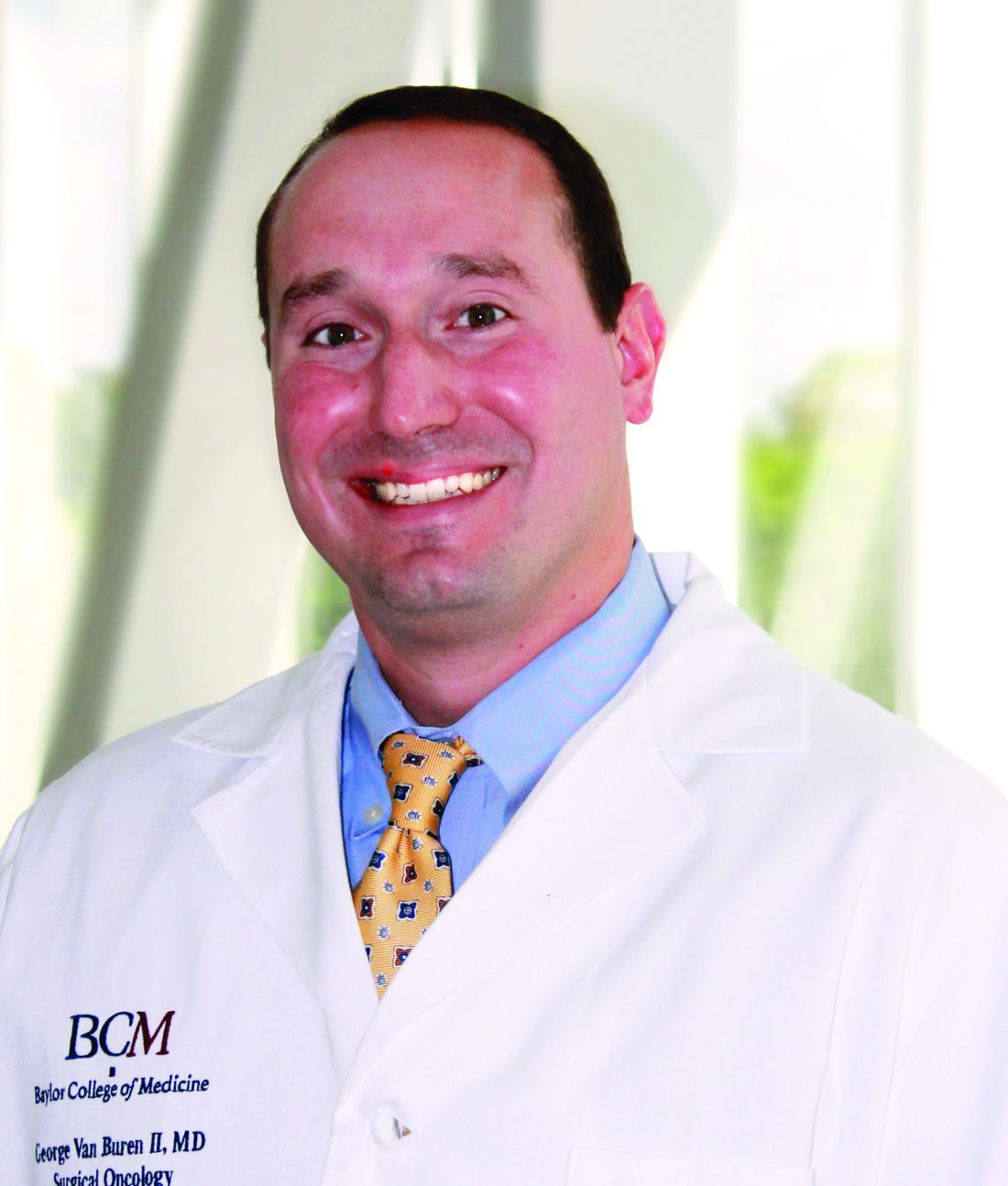
The trial randomized 202 patients to the intraperitoneal drainage group and 197 to the nondrainage group. The groups were well matched in terms of patients who dropped out because of metastatic disease or other reason, as well as demographics and operative data. “They were equally matched for laparoscopic vs. open, equally matched for vascular resection, equally matched for pancreatic texture and duct size, equally matched for method of transection, equally matched for operative time and blood loss and equally matched for surgical pathology,” Dr. Van Buren said.
The primary outcome was frequency of grade 2 complications or greater, which occurred in 44% (76) of the drainage group and 42% (72) of the nondrainage group (P = .804). “Similarly, the groups were equal for grade 3 severe complications as well as median complication severity and median number of complications,” Dr. Van Buren said. The rates of complications of grade 3 or greater were 29% (51) for the drainage group and 26% (44) for the nondrainage group (P = .477). Ninety-day mortality also was similar between the two groups: None died in the drainage group and two (1%) died in the nondrainage group (P = .24).
Drilling down into types of complications, Dr. Van Buren added that rates were similar across the board. “There was no difference in clinically relevant postoperative pancreatic fistula between the drain and no-drain group,” he said. “There was no difference in intra-abdominal abscess, no difference in the rates of postoperative imaging, no difference in the rates of postoperative percutaneous drain placements, and there was no difference in readmission or reoperation.”
One outcome that was noticeably different between the two groups was intra-abdominal fluid collections, reported in 9% (15) of the drainage group and 22% (38) of the nondrainage group (P = .0004). “However,” Dr. Van Buren said, “these were asymptomatic.”
In his discussion of the presentation, Charles Yeo, MD, FACS, of Thomas Jefferson University, Philadelphia, said that “the scope and the rigor of this study are impressive and quite laudable” but raised a number of questions, including concerns about the two deaths in the nondrainage group in the context of two other trials: a smaller multicenter trial, coauthored by Dr. Van Buren, that compared postoperative use of drains and nondrainage in pancreaticoduodenectomy but was halted because of eight deaths in the nondrainage group (Ann Surg. 2014;259:605-12); and the German PANDRA trial reported at last year’s ASA meeting that found nondrainage after pancreaticoduodenectomy to be superior to drainage in terms of reintervention and fistula rates.
Dr. Van Buren replied that the first study from Baylor – referenced by Dr. Yeo – involved “well-balanced groups, and they were equally matched and had minimal dropout throughout.” Because of that, the finding that drain placement for the pancreaticoduodenectomy “was definitive,” whereas the PANDRA trial was subject to some criticisms. The screening and randomization processes in PANDRA have been criticized because 3,200 patients were eligible for enrollment, suggesting a screening bias, Dr. Van Buren said. In addition, drains were placed in 21% of patients who were allocated to the no-drain group, suggesting surgeons deviated from the protocol in higher-risk situations, resulting in additional selection bias. This implies PANDRA was more of a selective draining trial, he said.
Dr. Van Buren and Dr. Yeo reported having no financial disclosures.
The complete manuscript of this study and its presentation at the American Surgical Association’s 137th Annual Meeting, April 2017, in Philadelphia, is to be published in Annals of Surgery pending editorial review.
PHILADELPHIA – A randomized multicenter trial that compared patients who had distal pancreatectomy with and without routine peritoneal drainage found no appreciable difference in the complication rates between the two groups, the lead investigator reported at the annual meeting of the American Surgical Association here.
The trial randomized 202 patients to the intraperitoneal drainage group and 197 to the nondrainage group. The groups were well matched in terms of patients who dropped out because of metastatic disease or other reason, as well as demographics and operative data. “They were equally matched for laparoscopic vs. open, equally matched for vascular resection, equally matched for pancreatic texture and duct size, equally matched for method of transection, equally matched for operative time and blood loss and equally matched for surgical pathology,” Dr. Van Buren said.
The primary outcome was frequency of grade 2 complications or greater, which occurred in 44% (76) of the drainage group and 42% (72) of the nondrainage group (P = .804). “Similarly, the groups were equal for grade 3 severe complications as well as median complication severity and median number of complications,” Dr. Van Buren said. The rates of complications of grade 3 or greater were 29% (51) for the drainage group and 26% (44) for the nondrainage group (P = .477). Ninety-day mortality also was similar between the two groups: None died in the drainage group and two (1%) died in the nondrainage group (P = .24).
Drilling down into types of complications, Dr. Van Buren added that rates were similar across the board. “There was no difference in clinically relevant postoperative pancreatic fistula between the drain and no-drain group,” he said. “There was no difference in intra-abdominal abscess, no difference in the rates of postoperative imaging, no difference in the rates of postoperative percutaneous drain placements, and there was no difference in readmission or reoperation.”
One outcome that was noticeably different between the two groups was intra-abdominal fluid collections, reported in 9% (15) of the drainage group and 22% (38) of the nondrainage group (P = .0004). “However,” Dr. Van Buren said, “these were asymptomatic.”
In his discussion of the presentation, Charles Yeo, MD, FACS, of Thomas Jefferson University, Philadelphia, said that “the scope and the rigor of this study are impressive and quite laudable” but raised a number of questions, including concerns about the two deaths in the nondrainage group in the context of two other trials: a smaller multicenter trial, coauthored by Dr. Van Buren, that compared postoperative use of drains and nondrainage in pancreaticoduodenectomy but was halted because of eight deaths in the nondrainage group (Ann Surg. 2014;259:605-12); and the German PANDRA trial reported at last year’s ASA meeting that found nondrainage after pancreaticoduodenectomy to be superior to drainage in terms of reintervention and fistula rates.
Dr. Van Buren replied that the first study from Baylor – referenced by Dr. Yeo – involved “well-balanced groups, and they were equally matched and had minimal dropout throughout.” Because of that, the finding that drain placement for the pancreaticoduodenectomy “was definitive,” whereas the PANDRA trial was subject to some criticisms. The screening and randomization processes in PANDRA have been criticized because 3,200 patients were eligible for enrollment, suggesting a screening bias, Dr. Van Buren said. In addition, drains were placed in 21% of patients who were allocated to the no-drain group, suggesting surgeons deviated from the protocol in higher-risk situations, resulting in additional selection bias. This implies PANDRA was more of a selective draining trial, he said.
Dr. Van Buren and Dr. Yeo reported having no financial disclosures.
The complete manuscript of this study and its presentation at the American Surgical Association’s 137th Annual Meeting, April 2017, in Philadelphia, is to be published in Annals of Surgery pending editorial review.
PHILADELPHIA – A randomized multicenter trial that compared patients who had distal pancreatectomy with and without routine peritoneal drainage found no appreciable difference in the complication rates between the two groups, the lead investigator reported at the annual meeting of the American Surgical Association here.
The trial randomized 202 patients to the intraperitoneal drainage group and 197 to the nondrainage group. The groups were well matched in terms of patients who dropped out because of metastatic disease or other reason, as well as demographics and operative data. “They were equally matched for laparoscopic vs. open, equally matched for vascular resection, equally matched for pancreatic texture and duct size, equally matched for method of transection, equally matched for operative time and blood loss and equally matched for surgical pathology,” Dr. Van Buren said.
The primary outcome was frequency of grade 2 complications or greater, which occurred in 44% (76) of the drainage group and 42% (72) of the nondrainage group (P = .804). “Similarly, the groups were equal for grade 3 severe complications as well as median complication severity and median number of complications,” Dr. Van Buren said. The rates of complications of grade 3 or greater were 29% (51) for the drainage group and 26% (44) for the nondrainage group (P = .477). Ninety-day mortality also was similar between the two groups: None died in the drainage group and two (1%) died in the nondrainage group (P = .24).
Drilling down into types of complications, Dr. Van Buren added that rates were similar across the board. “There was no difference in clinically relevant postoperative pancreatic fistula between the drain and no-drain group,” he said. “There was no difference in intra-abdominal abscess, no difference in the rates of postoperative imaging, no difference in the rates of postoperative percutaneous drain placements, and there was no difference in readmission or reoperation.”
One outcome that was noticeably different between the two groups was intra-abdominal fluid collections, reported in 9% (15) of the drainage group and 22% (38) of the nondrainage group (P = .0004). “However,” Dr. Van Buren said, “these were asymptomatic.”
In his discussion of the presentation, Charles Yeo, MD, FACS, of Thomas Jefferson University, Philadelphia, said that “the scope and the rigor of this study are impressive and quite laudable” but raised a number of questions, including concerns about the two deaths in the nondrainage group in the context of two other trials: a smaller multicenter trial, coauthored by Dr. Van Buren, that compared postoperative use of drains and nondrainage in pancreaticoduodenectomy but was halted because of eight deaths in the nondrainage group (Ann Surg. 2014;259:605-12); and the German PANDRA trial reported at last year’s ASA meeting that found nondrainage after pancreaticoduodenectomy to be superior to drainage in terms of reintervention and fistula rates.
Dr. Van Buren replied that the first study from Baylor – referenced by Dr. Yeo – involved “well-balanced groups, and they were equally matched and had minimal dropout throughout.” Because of that, the finding that drain placement for the pancreaticoduodenectomy “was definitive,” whereas the PANDRA trial was subject to some criticisms. The screening and randomization processes in PANDRA have been criticized because 3,200 patients were eligible for enrollment, suggesting a screening bias, Dr. Van Buren said. In addition, drains were placed in 21% of patients who were allocated to the no-drain group, suggesting surgeons deviated from the protocol in higher-risk situations, resulting in additional selection bias. This implies PANDRA was more of a selective draining trial, he said.
Dr. Van Buren and Dr. Yeo reported having no financial disclosures.
The complete manuscript of this study and its presentation at the American Surgical Association’s 137th Annual Meeting, April 2017, in Philadelphia, is to be published in Annals of Surgery pending editorial review.
AT THE ASA ANNUAL
Key clinical point: A randomized clinical trial has provided Level 1 evidence that placement of intraperitoneal drains does not alter clinical outcomes after distal pancreatectomy.
Major finding: No significant difference was found in the rate of complications between those who had drains and those who did not (44% vs. 42% of complications greater than grade 2).
Data source: Randomized trial of 399 patients who underwent distal pancreatectomy at 14 high-volume pancreas centers.
Disclosures: Dr. Van Buren reported having no financial disclosures.
VIDEO: Bile acid malabsorption as a cause of chronic diarrhea
CHICAGO – Bile acid malabsorption increasingly is recognized as a cause of persistent, chronic diarrhea, but patients often receive suboptimal treatment because medical and public awareness is low, Julian Walters, MD, of Imperial College London, said at Digestive Disease Week®.
Members of two patient support groups in the United Kingdom were invited to complete an online survey to provide information on how this condition affects them. The first 100 responses were analyzed. The majority of respondents were female (91). More than 35 respondents were diagnosed after the age of 50 years, and 35 felt their condition had not been taken seriously by multiple practitioners prior to their eventual diagnosis, Dr. Walters reported.
Two-thirds of respondents had been diagnosed with irritable bowel syndrome; the majority (68) of these had more than 10 interactions with medical professionals before being diagnosed with bile acid malabsorption.
Once appropriately diagnosed, most respondents reported doing very well on drugs such as cholestyramine and colesevelam, Dr. Walters said. He stressed that mental health issues are an important part of this condition because of its pervasive effects on daily life.
He discusses the survey and bile acid malabsorption in this video interview.
Dr. Walters disclosed that he has been a consultant to or has received research funds from GE Healthcare, Intercept, Albireo, and Novartis.
Digestive Disease Week® is jointly sponsored by the American Association for the Study of Liver Diseases (AASLD), the American Gastroenterological Association (AGA) Institute, the American Society for Gastrointestinal Endoscopy (ASGE), and the Society for Surgery of the Alimentary Tract (SSAT).
CHICAGO – Bile acid malabsorption increasingly is recognized as a cause of persistent, chronic diarrhea, but patients often receive suboptimal treatment because medical and public awareness is low, Julian Walters, MD, of Imperial College London, said at Digestive Disease Week®.
Members of two patient support groups in the United Kingdom were invited to complete an online survey to provide information on how this condition affects them. The first 100 responses were analyzed. The majority of respondents were female (91). More than 35 respondents were diagnosed after the age of 50 years, and 35 felt their condition had not been taken seriously by multiple practitioners prior to their eventual diagnosis, Dr. Walters reported.
Two-thirds of respondents had been diagnosed with irritable bowel syndrome; the majority (68) of these had more than 10 interactions with medical professionals before being diagnosed with bile acid malabsorption.
Once appropriately diagnosed, most respondents reported doing very well on drugs such as cholestyramine and colesevelam, Dr. Walters said. He stressed that mental health issues are an important part of this condition because of its pervasive effects on daily life.
He discusses the survey and bile acid malabsorption in this video interview.
Dr. Walters disclosed that he has been a consultant to or has received research funds from GE Healthcare, Intercept, Albireo, and Novartis.
Digestive Disease Week® is jointly sponsored by the American Association for the Study of Liver Diseases (AASLD), the American Gastroenterological Association (AGA) Institute, the American Society for Gastrointestinal Endoscopy (ASGE), and the Society for Surgery of the Alimentary Tract (SSAT).
CHICAGO – Bile acid malabsorption increasingly is recognized as a cause of persistent, chronic diarrhea, but patients often receive suboptimal treatment because medical and public awareness is low, Julian Walters, MD, of Imperial College London, said at Digestive Disease Week®.
Members of two patient support groups in the United Kingdom were invited to complete an online survey to provide information on how this condition affects them. The first 100 responses were analyzed. The majority of respondents were female (91). More than 35 respondents were diagnosed after the age of 50 years, and 35 felt their condition had not been taken seriously by multiple practitioners prior to their eventual diagnosis, Dr. Walters reported.
Two-thirds of respondents had been diagnosed with irritable bowel syndrome; the majority (68) of these had more than 10 interactions with medical professionals before being diagnosed with bile acid malabsorption.
Once appropriately diagnosed, most respondents reported doing very well on drugs such as cholestyramine and colesevelam, Dr. Walters said. He stressed that mental health issues are an important part of this condition because of its pervasive effects on daily life.
He discusses the survey and bile acid malabsorption in this video interview.
Dr. Walters disclosed that he has been a consultant to or has received research funds from GE Healthcare, Intercept, Albireo, and Novartis.
Digestive Disease Week® is jointly sponsored by the American Association for the Study of Liver Diseases (AASLD), the American Gastroenterological Association (AGA) Institute, the American Society for Gastrointestinal Endoscopy (ASGE), and the Society for Surgery of the Alimentary Tract (SSAT).
AT DDW

PATH study: Subcutaneous immunoglobulin safe, effective for CIDP maintenance
BOSTON – Subcutaneously administered immunoglobulin was effective, well tolerated, and preferred over intravenous administration as maintenance treatment for chronic inflammatory demyelinating polyneuropathy in the phase III, randomized, placebo-controlled PATH study.
The 172-patient trial tested a high and low dose of subcutaneous immunoglobulin (SCIg) over the course of 25 weeks to determine their effect on the primary outcome of chronic inflammatory demyelinating polyneuropathy (CIDP) relapse or withdrawal from treatment for any reason. In this evaluation of using SCIg for maintenance of response, relapses or treatment withdrawal occurred in 63% with placebo, 39% with low dose SCIg (0.2 g/kg weekly), and 33% with high dose (0.4 g/kg weekly), Ivo N. van Schaik, MD, reported at the annual meeting of the American Academy of Neurology.
Patients in the trial had received at lease one dose of intravenous immunoglobulin (IVIg) within 8 weeks before screening. They then underwent a screening period first, followed by an IgG dependency period of up to 12 weeks to test for ongoing need for IgG. The patients who experienced CIDP relapse during this test period were administered a standardized IVIG regimen during a 10- to 13-week restabilization period, and those who improved and maintained their Inflammatory Neuropathy Cause and Treatment (INCAT) score continued to the randomized subcutaneous treatment period of the study.
CIDP relapse occurred in 56% of patients in the placebo group, compared with 33% in the low- and 19% in the high-dose SCIg groups, said Dr. van Schaik of the University of Amsterdam (the Netherlands).
“Both [SCIg] doses were effective in preventing relapse. The higher dose performed better than the lower dose, but the difference was not statistically significant,” he said.
Both doses were significantly more effective than placebo.
Study participants were adults with definite or probable CIDP enrolled from 69 neuromuscular centers worldwide between March 2012 and November 2015. Weekly self-administered subcutaneous infusions of SCIg (IgPro20Hizentra) were performed during 1 or 2 consecutive days in two separate sessions using special infusion pumps. Patients reported that learning the self-administration technique was easy, Dr. van Schaik said.
Adverse effects included mainly local reactions, which occurred in 19% of patients, but these were generally mild and rarely resulted in therapy discontinuation, and local reactions decreased considerably over time, he said, noting that systemic effects are reduced with SCIg vs. IVIg.
Subcutaneous administration of immunoglobulin is not new. In fact, it has been used successfully in patients with immunodeficiency syndromes for more than 2 decades and can increase patient autonomy and reduce costs by reducing hospital and infusion center visits, but this is the first study to assess efficacy, safety, and tolerability of this approach in an adequately powered, randomized, clinical trial, he said.
“Subcutaneous immunoglobulin can be used ... for maintenance treatment of patients with CIDP,” he concluded, adding that weekly doses of 0.2-0.4 g/kg are supported by these data, and that maintenance doses should be individualized based on patient factors and previous IVIg dose and frequency.
The PATH study was sponsored by CSL-Behring. Dr. van Schaik chairs a steering committee for CSL-Behring and received departmental honoraria for serving on scientific advisory boards for CSL-Behring, Baxalta, and UCB. He also received speakers fees from CSL-Behring and Kedrion.
BOSTON – Subcutaneously administered immunoglobulin was effective, well tolerated, and preferred over intravenous administration as maintenance treatment for chronic inflammatory demyelinating polyneuropathy in the phase III, randomized, placebo-controlled PATH study.
The 172-patient trial tested a high and low dose of subcutaneous immunoglobulin (SCIg) over the course of 25 weeks to determine their effect on the primary outcome of chronic inflammatory demyelinating polyneuropathy (CIDP) relapse or withdrawal from treatment for any reason. In this evaluation of using SCIg for maintenance of response, relapses or treatment withdrawal occurred in 63% with placebo, 39% with low dose SCIg (0.2 g/kg weekly), and 33% with high dose (0.4 g/kg weekly), Ivo N. van Schaik, MD, reported at the annual meeting of the American Academy of Neurology.
Patients in the trial had received at lease one dose of intravenous immunoglobulin (IVIg) within 8 weeks before screening. They then underwent a screening period first, followed by an IgG dependency period of up to 12 weeks to test for ongoing need for IgG. The patients who experienced CIDP relapse during this test period were administered a standardized IVIG regimen during a 10- to 13-week restabilization period, and those who improved and maintained their Inflammatory Neuropathy Cause and Treatment (INCAT) score continued to the randomized subcutaneous treatment period of the study.
CIDP relapse occurred in 56% of patients in the placebo group, compared with 33% in the low- and 19% in the high-dose SCIg groups, said Dr. van Schaik of the University of Amsterdam (the Netherlands).
“Both [SCIg] doses were effective in preventing relapse. The higher dose performed better than the lower dose, but the difference was not statistically significant,” he said.
Both doses were significantly more effective than placebo.
Study participants were adults with definite or probable CIDP enrolled from 69 neuromuscular centers worldwide between March 2012 and November 2015. Weekly self-administered subcutaneous infusions of SCIg (IgPro20Hizentra) were performed during 1 or 2 consecutive days in two separate sessions using special infusion pumps. Patients reported that learning the self-administration technique was easy, Dr. van Schaik said.
Adverse effects included mainly local reactions, which occurred in 19% of patients, but these were generally mild and rarely resulted in therapy discontinuation, and local reactions decreased considerably over time, he said, noting that systemic effects are reduced with SCIg vs. IVIg.
Subcutaneous administration of immunoglobulin is not new. In fact, it has been used successfully in patients with immunodeficiency syndromes for more than 2 decades and can increase patient autonomy and reduce costs by reducing hospital and infusion center visits, but this is the first study to assess efficacy, safety, and tolerability of this approach in an adequately powered, randomized, clinical trial, he said.
“Subcutaneous immunoglobulin can be used ... for maintenance treatment of patients with CIDP,” he concluded, adding that weekly doses of 0.2-0.4 g/kg are supported by these data, and that maintenance doses should be individualized based on patient factors and previous IVIg dose and frequency.
The PATH study was sponsored by CSL-Behring. Dr. van Schaik chairs a steering committee for CSL-Behring and received departmental honoraria for serving on scientific advisory boards for CSL-Behring, Baxalta, and UCB. He also received speakers fees from CSL-Behring and Kedrion.
BOSTON – Subcutaneously administered immunoglobulin was effective, well tolerated, and preferred over intravenous administration as maintenance treatment for chronic inflammatory demyelinating polyneuropathy in the phase III, randomized, placebo-controlled PATH study.
The 172-patient trial tested a high and low dose of subcutaneous immunoglobulin (SCIg) over the course of 25 weeks to determine their effect on the primary outcome of chronic inflammatory demyelinating polyneuropathy (CIDP) relapse or withdrawal from treatment for any reason. In this evaluation of using SCIg for maintenance of response, relapses or treatment withdrawal occurred in 63% with placebo, 39% with low dose SCIg (0.2 g/kg weekly), and 33% with high dose (0.4 g/kg weekly), Ivo N. van Schaik, MD, reported at the annual meeting of the American Academy of Neurology.
Patients in the trial had received at lease one dose of intravenous immunoglobulin (IVIg) within 8 weeks before screening. They then underwent a screening period first, followed by an IgG dependency period of up to 12 weeks to test for ongoing need for IgG. The patients who experienced CIDP relapse during this test period were administered a standardized IVIG regimen during a 10- to 13-week restabilization period, and those who improved and maintained their Inflammatory Neuropathy Cause and Treatment (INCAT) score continued to the randomized subcutaneous treatment period of the study.
CIDP relapse occurred in 56% of patients in the placebo group, compared with 33% in the low- and 19% in the high-dose SCIg groups, said Dr. van Schaik of the University of Amsterdam (the Netherlands).
“Both [SCIg] doses were effective in preventing relapse. The higher dose performed better than the lower dose, but the difference was not statistically significant,” he said.
Both doses were significantly more effective than placebo.
Study participants were adults with definite or probable CIDP enrolled from 69 neuromuscular centers worldwide between March 2012 and November 2015. Weekly self-administered subcutaneous infusions of SCIg (IgPro20Hizentra) were performed during 1 or 2 consecutive days in two separate sessions using special infusion pumps. Patients reported that learning the self-administration technique was easy, Dr. van Schaik said.
Adverse effects included mainly local reactions, which occurred in 19% of patients, but these were generally mild and rarely resulted in therapy discontinuation, and local reactions decreased considerably over time, he said, noting that systemic effects are reduced with SCIg vs. IVIg.
Subcutaneous administration of immunoglobulin is not new. In fact, it has been used successfully in patients with immunodeficiency syndromes for more than 2 decades and can increase patient autonomy and reduce costs by reducing hospital and infusion center visits, but this is the first study to assess efficacy, safety, and tolerability of this approach in an adequately powered, randomized, clinical trial, he said.
“Subcutaneous immunoglobulin can be used ... for maintenance treatment of patients with CIDP,” he concluded, adding that weekly doses of 0.2-0.4 g/kg are supported by these data, and that maintenance doses should be individualized based on patient factors and previous IVIg dose and frequency.
The PATH study was sponsored by CSL-Behring. Dr. van Schaik chairs a steering committee for CSL-Behring and received departmental honoraria for serving on scientific advisory boards for CSL-Behring, Baxalta, and UCB. He also received speakers fees from CSL-Behring and Kedrion.
Key clinical point:
Major finding: CIDP relapse occurred in 56% of patients in the placebo group, compared with 33% in the low- and 19% in the high-dose SCIg groups.
Data source: The randomized, placebo-controlled phase III PATH study of 172 CIDP patients.
Disclosures: The PATH study was sponsored by CSL-Behring. Dr. van Schaik chairs a steering committee for CSL-Behring and received departmental honoraria for serving on scientific advisory boards for CSL-Behring, Baxalta, and UCB. He also received speakers fees from CSL-Behring and Kedrion.
Flu shots may spark immune adverse events in PD-1 blockade for NSCLC
GENEVA – The influenza vaccine may interact with immune checkpoint inhibitors in patients with lung cancer, results of a small study suggest.
Among 23 patients with non–small cell lung cancer (NSCLC) treated with a drug targeted against programmed death-1 (PD-1), the seasonal flu vaccine appeared to produce good serologic protection against infection, but at the possible cost of an increase in the rate of immune-related adverse events (IrAE), reported Sacha Rothschild, MD, PhD, of University Hospital Basel (Switzerland) at the European Lung Cancer Conference.
Among 23 patients with lung cancer treated with a PD-1 inhibitor, 12 (52.2%) had one or more IrAEs. In contrast, the most frequent IrAE in a key registration trial for nivolumab (Opdivo) was skin rash, which occurred in 9% of patients (N Engl J Med. 2015 Jul 9;373:1627-39).
“It’s a very small study, but it raises some concern that there might be an interaction between the vaccine and PD-1 blockade,” Dr. Rothschild said.
To see whether blocking the PD-1/PD–ligand-1 (PD-L1) axis might induce an overactive immune response, the investigators prospectively studied 23 patients with NSCLC who were undergoing treatment with a PD-1 inhibitor – 22 with nivolumab and 1 with pembrolizumab (Keytruda) – who were also vaccinated with a trivalent influenza vaccine in October or November 2015. They used the partners of the patients, also vaccinated, for an age-matched cohort of healthy controls.
The investigators looked at antibody titers against flu strains covered by the vaccine, measured inflammatory chemokines and assessed the vaccine’s safety and the frequency of IrAEs.
None of the patients came down with the flu during the 2015-2016 season. There were no major differences over time in the generation of antibodies against all three viral strains tested.
However, at both 30 and 60 days after vaccination, a hemagglutination inhibition assay showed slightly elevated antibody titers among patients, compared with controls. Antibody titers against H1N1 virus also appeared to increase somewhat more rapidly among patients than among controls, the authors found.
The patients appeared to tolerate the vaccine well, and no serious adverse events were reported within 30 days of vaccination.
When they looked at the incidence of IrAEs, however, the investigators found that six patients had grade 1 or 2 IrAEs, and six had grade 3 or 4 events.
The events included skin rash and arthritis in three patients each, colitis and encephalitis in two patients each, and hypothyroidism, pneumonitis, and neuropathy in one patient each.
“We looked into inflammatory chemokines to understand if there was a high rate of systemic inflammation, and we didn’t find any differences in this regard. So far, we have no clue about why the immune-related adverse event rate in this group is higher,” Dr. Rothschild said.
Although the sample size was small, the IrAE effect they saw was large enough to warrant concern, and it should be studied in a larger population sample, he said.
Egbert Smit, MD, PhD, of the Netherlands Cancer Institute in Amsterdam, who was not involved in the study, commented that “it shows how much we still have to learn about the optimal use of checkpoint inhibitors in lung cancer patients. The study is important as it is the first to investigate the impact of influenza vaccination in such patients, and there is a hint that we actually put them at increased risk for serious toxicities, including encephalitis. However, until we have data on a larger cohort, preferably in a controlled, prospective study, in my institution, we advocate influenza vaccination irrespective of concurrent treatment with immune-checkpoint inhibitors.”
The study was supported by institutional funding. The investigators and Dr. Smit reported no relevant conflicts of interest.
GENEVA – The influenza vaccine may interact with immune checkpoint inhibitors in patients with lung cancer, results of a small study suggest.
Among 23 patients with non–small cell lung cancer (NSCLC) treated with a drug targeted against programmed death-1 (PD-1), the seasonal flu vaccine appeared to produce good serologic protection against infection, but at the possible cost of an increase in the rate of immune-related adverse events (IrAE), reported Sacha Rothschild, MD, PhD, of University Hospital Basel (Switzerland) at the European Lung Cancer Conference.
Among 23 patients with lung cancer treated with a PD-1 inhibitor, 12 (52.2%) had one or more IrAEs. In contrast, the most frequent IrAE in a key registration trial for nivolumab (Opdivo) was skin rash, which occurred in 9% of patients (N Engl J Med. 2015 Jul 9;373:1627-39).
“It’s a very small study, but it raises some concern that there might be an interaction between the vaccine and PD-1 blockade,” Dr. Rothschild said.
To see whether blocking the PD-1/PD–ligand-1 (PD-L1) axis might induce an overactive immune response, the investigators prospectively studied 23 patients with NSCLC who were undergoing treatment with a PD-1 inhibitor – 22 with nivolumab and 1 with pembrolizumab (Keytruda) – who were also vaccinated with a trivalent influenza vaccine in October or November 2015. They used the partners of the patients, also vaccinated, for an age-matched cohort of healthy controls.
The investigators looked at antibody titers against flu strains covered by the vaccine, measured inflammatory chemokines and assessed the vaccine’s safety and the frequency of IrAEs.
None of the patients came down with the flu during the 2015-2016 season. There were no major differences over time in the generation of antibodies against all three viral strains tested.
However, at both 30 and 60 days after vaccination, a hemagglutination inhibition assay showed slightly elevated antibody titers among patients, compared with controls. Antibody titers against H1N1 virus also appeared to increase somewhat more rapidly among patients than among controls, the authors found.
The patients appeared to tolerate the vaccine well, and no serious adverse events were reported within 30 days of vaccination.
When they looked at the incidence of IrAEs, however, the investigators found that six patients had grade 1 or 2 IrAEs, and six had grade 3 or 4 events.
The events included skin rash and arthritis in three patients each, colitis and encephalitis in two patients each, and hypothyroidism, pneumonitis, and neuropathy in one patient each.
“We looked into inflammatory chemokines to understand if there was a high rate of systemic inflammation, and we didn’t find any differences in this regard. So far, we have no clue about why the immune-related adverse event rate in this group is higher,” Dr. Rothschild said.
Although the sample size was small, the IrAE effect they saw was large enough to warrant concern, and it should be studied in a larger population sample, he said.
Egbert Smit, MD, PhD, of the Netherlands Cancer Institute in Amsterdam, who was not involved in the study, commented that “it shows how much we still have to learn about the optimal use of checkpoint inhibitors in lung cancer patients. The study is important as it is the first to investigate the impact of influenza vaccination in such patients, and there is a hint that we actually put them at increased risk for serious toxicities, including encephalitis. However, until we have data on a larger cohort, preferably in a controlled, prospective study, in my institution, we advocate influenza vaccination irrespective of concurrent treatment with immune-checkpoint inhibitors.”
The study was supported by institutional funding. The investigators and Dr. Smit reported no relevant conflicts of interest.
GENEVA – The influenza vaccine may interact with immune checkpoint inhibitors in patients with lung cancer, results of a small study suggest.
Among 23 patients with non–small cell lung cancer (NSCLC) treated with a drug targeted against programmed death-1 (PD-1), the seasonal flu vaccine appeared to produce good serologic protection against infection, but at the possible cost of an increase in the rate of immune-related adverse events (IrAE), reported Sacha Rothschild, MD, PhD, of University Hospital Basel (Switzerland) at the European Lung Cancer Conference.
Among 23 patients with lung cancer treated with a PD-1 inhibitor, 12 (52.2%) had one or more IrAEs. In contrast, the most frequent IrAE in a key registration trial for nivolumab (Opdivo) was skin rash, which occurred in 9% of patients (N Engl J Med. 2015 Jul 9;373:1627-39).
“It’s a very small study, but it raises some concern that there might be an interaction between the vaccine and PD-1 blockade,” Dr. Rothschild said.
To see whether blocking the PD-1/PD–ligand-1 (PD-L1) axis might induce an overactive immune response, the investigators prospectively studied 23 patients with NSCLC who were undergoing treatment with a PD-1 inhibitor – 22 with nivolumab and 1 with pembrolizumab (Keytruda) – who were also vaccinated with a trivalent influenza vaccine in October or November 2015. They used the partners of the patients, also vaccinated, for an age-matched cohort of healthy controls.
The investigators looked at antibody titers against flu strains covered by the vaccine, measured inflammatory chemokines and assessed the vaccine’s safety and the frequency of IrAEs.
None of the patients came down with the flu during the 2015-2016 season. There were no major differences over time in the generation of antibodies against all three viral strains tested.
However, at both 30 and 60 days after vaccination, a hemagglutination inhibition assay showed slightly elevated antibody titers among patients, compared with controls. Antibody titers against H1N1 virus also appeared to increase somewhat more rapidly among patients than among controls, the authors found.
The patients appeared to tolerate the vaccine well, and no serious adverse events were reported within 30 days of vaccination.
When they looked at the incidence of IrAEs, however, the investigators found that six patients had grade 1 or 2 IrAEs, and six had grade 3 or 4 events.
The events included skin rash and arthritis in three patients each, colitis and encephalitis in two patients each, and hypothyroidism, pneumonitis, and neuropathy in one patient each.
“We looked into inflammatory chemokines to understand if there was a high rate of systemic inflammation, and we didn’t find any differences in this regard. So far, we have no clue about why the immune-related adverse event rate in this group is higher,” Dr. Rothschild said.
Although the sample size was small, the IrAE effect they saw was large enough to warrant concern, and it should be studied in a larger population sample, he said.
Egbert Smit, MD, PhD, of the Netherlands Cancer Institute in Amsterdam, who was not involved in the study, commented that “it shows how much we still have to learn about the optimal use of checkpoint inhibitors in lung cancer patients. The study is important as it is the first to investigate the impact of influenza vaccination in such patients, and there is a hint that we actually put them at increased risk for serious toxicities, including encephalitis. However, until we have data on a larger cohort, preferably in a controlled, prospective study, in my institution, we advocate influenza vaccination irrespective of concurrent treatment with immune-checkpoint inhibitors.”
The study was supported by institutional funding. The investigators and Dr. Smit reported no relevant conflicts of interest.
AT ELCC
Key clinical point:
Major finding: Of 23 patients who were vaccinated, 12 developed IrAEs, including 6 grade 1/2 and 6 grade 3/4 events.
Data source: Prospective study of 23 patients with NSCLC and 23 healthy controls.
Disclosures: The study was supported by institutional funding. The investigators reported no relevant conflicts of interest.
PRAC finds insufficient evidence of difference between FVIII products

There is no “clear and consistent evidence” that hemophilia A patients are more likely to develop inhibitors if they receive a recombinant factor VIII (FVIII) product rather than a plasma-derived FVIII product, according to the European Medicines Agency’s (EMA) Pharmacovigilance Risk Assessment Committee (PRAC).
The PRAC conducted a review of FVIII products to evaluate the risk of inhibitor development in patients with hemophilia A who had not previously received FVIII treatment.
The review covered all FVIII products authorized for use in the European Union. This includes products containing the active substances human coagulation factor VIII, efmoroctocog alfa, moroctocog alfa, octocog alfa, simoctocog alfa, susoctocog alfa, and turoctocog alfa.
The review was started after publication of the SIPPET study, which indicated that inhibitors occur more frequently in patients receiving FVIII products made by recombinant DNA technology rather than FVIII products derived from plasma.
The PRAC’s review also covered other relevant studies, including interventional clinical trials and observational studies.
The studies reviewed differed in their design, patient populations, and findings, and the PRAC concluded that they did not provide clear evidence of a difference in the risk of inhibitor development between the 2 classes of FVIII products.
In addition, due to the different characteristics of individual products within the 2 classes, the PRAC considered that evaluation of the risk of inhibitor development should be at the product level instead of at the class level.
The risk for each individual product will continue to be assessed as more evidence becomes available.
The PRAC recommended that prescribing information be updated to reflect the current evidence. The update should include, as appropriate, listing of the development of inhibitors as a very common side effect in previously untreated patients and as an uncommon side effect in previously treated patients.
The existing warning on inhibitor development should be amended to highlight that the presence of low levels of inhibitors poses less of a risk of severe bleeding than high levels.
The PRAC’s recommendation will be sent to the EMA’s Committee for Medicinal Products for Human Use (CHMP) for the adoption of the EMA’s final opinion. Further details and information for patients and healthcare professionals will be published at the time of the CHMP opinion.
The final stage of the review procedure is the adoption by the European Commission of a legally binding decision applicable in all European Union member states. 
There is no “clear and consistent evidence” that hemophilia A patients are more likely to develop inhibitors if they receive a recombinant factor VIII (FVIII) product rather than a plasma-derived FVIII product, according to the European Medicines Agency’s (EMA) Pharmacovigilance Risk Assessment Committee (PRAC).
The PRAC conducted a review of FVIII products to evaluate the risk of inhibitor development in patients with hemophilia A who had not previously received FVIII treatment.
The review covered all FVIII products authorized for use in the European Union. This includes products containing the active substances human coagulation factor VIII, efmoroctocog alfa, moroctocog alfa, octocog alfa, simoctocog alfa, susoctocog alfa, and turoctocog alfa.
The review was started after publication of the SIPPET study, which indicated that inhibitors occur more frequently in patients receiving FVIII products made by recombinant DNA technology rather than FVIII products derived from plasma.
The PRAC’s review also covered other relevant studies, including interventional clinical trials and observational studies.
The studies reviewed differed in their design, patient populations, and findings, and the PRAC concluded that they did not provide clear evidence of a difference in the risk of inhibitor development between the 2 classes of FVIII products.
In addition, due to the different characteristics of individual products within the 2 classes, the PRAC considered that evaluation of the risk of inhibitor development should be at the product level instead of at the class level.
The risk for each individual product will continue to be assessed as more evidence becomes available.
The PRAC recommended that prescribing information be updated to reflect the current evidence. The update should include, as appropriate, listing of the development of inhibitors as a very common side effect in previously untreated patients and as an uncommon side effect in previously treated patients.
The existing warning on inhibitor development should be amended to highlight that the presence of low levels of inhibitors poses less of a risk of severe bleeding than high levels.
The PRAC’s recommendation will be sent to the EMA’s Committee for Medicinal Products for Human Use (CHMP) for the adoption of the EMA’s final opinion. Further details and information for patients and healthcare professionals will be published at the time of the CHMP opinion.
The final stage of the review procedure is the adoption by the European Commission of a legally binding decision applicable in all European Union member states.
There is no “clear and consistent evidence” that hemophilia A patients are more likely to develop inhibitors if they receive a recombinant factor VIII (FVIII) product rather than a plasma-derived FVIII product, according to the European Medicines Agency’s (EMA) Pharmacovigilance Risk Assessment Committee (PRAC).
The PRAC conducted a review of FVIII products to evaluate the risk of inhibitor development in patients with hemophilia A who had not previously received FVIII treatment.
The review covered all FVIII products authorized for use in the European Union. This includes products containing the active substances human coagulation factor VIII, efmoroctocog alfa, moroctocog alfa, octocog alfa, simoctocog alfa, susoctocog alfa, and turoctocog alfa.
The review was started after publication of the SIPPET study, which indicated that inhibitors occur more frequently in patients receiving FVIII products made by recombinant DNA technology rather than FVIII products derived from plasma.
The PRAC’s review also covered other relevant studies, including interventional clinical trials and observational studies.
The studies reviewed differed in their design, patient populations, and findings, and the PRAC concluded that they did not provide clear evidence of a difference in the risk of inhibitor development between the 2 classes of FVIII products.
In addition, due to the different characteristics of individual products within the 2 classes, the PRAC considered that evaluation of the risk of inhibitor development should be at the product level instead of at the class level.
The risk for each individual product will continue to be assessed as more evidence becomes available.
The PRAC recommended that prescribing information be updated to reflect the current evidence. The update should include, as appropriate, listing of the development of inhibitors as a very common side effect in previously untreated patients and as an uncommon side effect in previously treated patients.
The existing warning on inhibitor development should be amended to highlight that the presence of low levels of inhibitors poses less of a risk of severe bleeding than high levels.
The PRAC’s recommendation will be sent to the EMA’s Committee for Medicinal Products for Human Use (CHMP) for the adoption of the EMA’s final opinion. Further details and information for patients and healthcare professionals will be published at the time of the CHMP opinion.
The final stage of the review procedure is the adoption by the European Commission of a legally binding decision applicable in all European Union member states.
OARSI to FDA: Take osteoarthritis seriously
LAS VEGAS – The Osteoarthritis Research Society International has submitted a 103-page white paper to the Food and Drug Administration, the gist of which is captured in its title: “Osteoarthritis: A Serious Disease.”
The purpose of the voluminous white paper is to persuade FDA officials that osteoarthritis (OA) meets the agency’s formal definition of a serious disease for which there are currently no satisfactory treatments. That recognition would result in removal of current regulatory barriers to development of new structure-modifying treatments for OA, instead allowing such efforts to fall within the agency’s accelerated approval program, Marc C. Hochberg, MD, a coauthor of the white paper, explained at the World Congress on Osteoarthritis.

OARSI would like to see novel investigational therapies be allowed to advance through the developmental pipeline on the basis of favorable changes in clinically relevant biomarkers – be they biochemical or imaging – as intermediate endpoints serving as surrogates for structural change endpoints and meaningful clinical outcomes.
There is an enormous unmet need for effective disease-modifying therapies for OA. Establishing a more flexible regulatory environment for drug development by designating OA as a serious disease is expected to rekindle pharmaceutical industry interest in developing such products, which at present is at an ebb, he continued at the congress sponsored by the Osteoarthritis Research Society International.
The FDA has defined a serious disease as “a disease or condition associated with morbidity that has substantial impact on day-to-day functioning. Short-lived and self-limiting morbidity will usually not be sufficient, but the morbidity need not be irreversible if it is persistent or recurrent. Whether a disease or condition is serious is a matter of clinical judgment, based on its impact on such factors as survival, day-to-day functioning, or the likelihood that the disease, if left untreated, will progress from a less severe condition to a more serious one.”
The white paper makes the case that OA fits that description to a T. Dr. Hochberg said the big picture regarding OA as described in the white paper is this: It’s the most common form of arthritis, affecting more than 250 million people worldwide. And its costs approach 2% of the gross national product in the United States and other developed countries.
“Osteoarthritis accounts for more functional limitation, work loss, and physical disability than any other chronic disease, including cardiovascular disease and chronic obstructive pulmonary disease,” the rheumatologist said.
The white paper cites published data in support of these and other key points. At OARSI 2017, Dr. Hochberg presented highlights from the white paper, submitted to the FDA in December 2016:
• OA prevalence is relentlessly climbing. The Centers for Disease Control and Prevention put the U.S. prevalence of OA at 46 million in 2004 and has projected that it will reach 63 million in 2020 and 78 million Americans by 2040. The rise is being driven by the aging of the baby boomers, the obesity epidemic, predisposing physical injuries, and sedentary behavior.
• OA is expensive for patients and society. The combined direct medical costs and indirect costs stemming from lost earnings from OA amount to an estimated $461 billion annually in the United States.
• OA exacts a steep toll in years lived with disability (YLD). Estimated YLD from OA jumped by 75% during 1990-2013. This increase in YLD was exceeded only by dementia at 84% and diabetes at 135%. OA accounts for 1.6% of overall YLD in the United States, a rate comparable to ischemic heart disease at 1.63% and more than twice that for rheumatoid arthritis at 0.68%.
• Comorbidities are the rule. Various studies have estimated that 59%-87% of adults with OA have at least one additional significant chronic condition. The median number is two. One-third of OA patients have four or more additional comorbid conditions. The most common are cardiovascular disease, diabetes, obesity, metabolic syndrome, depression, anxiety, and falls and fractures.
• No effective treatments exist. There are no approved drugs that can prevent or even slow progression of OA to the point where total joint replacement is needed. Current medications are focused on pain relief and maintenance of functional independence. But these drugs are associated with significant risks of life-threatening side effects. NSAIDs have been linked to increased risk of cardiovascular events, GI bleeding, chronic kidney disease, and heart failure. And while opioids provide a small benefit in terms of pain relief, this is outweighed by the associated risks of falls, fractures, dependence, overdose, and death. All of these risks are accentuated in the presence of the common comorbid conditions associated with OA.
• OA increases the risk of dying prematurely. In a meta-analysis of individual patient data from the Multicenter Osteoarthritis Study and the Johnston County (N.C.) Osteoarthritis Project conducted specifically for the white paper, investigators determined that OA was associated with a 23% increase in the risk of death independent of age, race, and sex. This excess mortality is attributable in part to the presence of the metabolic syndrome and other commonly comorbid conditions, reduced physical activity because of OA disability, and the use of NSAIDs and opioid analgesics for symptomatic control.
The OARSI initiative is supported by EMD Serono, Fidia Pharma, Flexion Therapeutics, Nordic Biosciences, and Spinifex. Dr. Hochberg reported having numerous financial relationships with industry.
LAS VEGAS – The Osteoarthritis Research Society International has submitted a 103-page white paper to the Food and Drug Administration, the gist of which is captured in its title: “Osteoarthritis: A Serious Disease.”
The purpose of the voluminous white paper is to persuade FDA officials that osteoarthritis (OA) meets the agency’s formal definition of a serious disease for which there are currently no satisfactory treatments. That recognition would result in removal of current regulatory barriers to development of new structure-modifying treatments for OA, instead allowing such efforts to fall within the agency’s accelerated approval program, Marc C. Hochberg, MD, a coauthor of the white paper, explained at the World Congress on Osteoarthritis.
OARSI would like to see novel investigational therapies be allowed to advance through the developmental pipeline on the basis of favorable changes in clinically relevant biomarkers – be they biochemical or imaging – as intermediate endpoints serving as surrogates for structural change endpoints and meaningful clinical outcomes.
There is an enormous unmet need for effective disease-modifying therapies for OA. Establishing a more flexible regulatory environment for drug development by designating OA as a serious disease is expected to rekindle pharmaceutical industry interest in developing such products, which at present is at an ebb, he continued at the congress sponsored by the Osteoarthritis Research Society International.
The FDA has defined a serious disease as “a disease or condition associated with morbidity that has substantial impact on day-to-day functioning. Short-lived and self-limiting morbidity will usually not be sufficient, but the morbidity need not be irreversible if it is persistent or recurrent. Whether a disease or condition is serious is a matter of clinical judgment, based on its impact on such factors as survival, day-to-day functioning, or the likelihood that the disease, if left untreated, will progress from a less severe condition to a more serious one.”
The white paper makes the case that OA fits that description to a T. Dr. Hochberg said the big picture regarding OA as described in the white paper is this: It’s the most common form of arthritis, affecting more than 250 million people worldwide. And its costs approach 2% of the gross national product in the United States and other developed countries.
“Osteoarthritis accounts for more functional limitation, work loss, and physical disability than any other chronic disease, including cardiovascular disease and chronic obstructive pulmonary disease,” the rheumatologist said.
The white paper cites published data in support of these and other key points. At OARSI 2017, Dr. Hochberg presented highlights from the white paper, submitted to the FDA in December 2016:
• OA prevalence is relentlessly climbing. The Centers for Disease Control and Prevention put the U.S. prevalence of OA at 46 million in 2004 and has projected that it will reach 63 million in 2020 and 78 million Americans by 2040. The rise is being driven by the aging of the baby boomers, the obesity epidemic, predisposing physical injuries, and sedentary behavior.
• OA is expensive for patients and society. The combined direct medical costs and indirect costs stemming from lost earnings from OA amount to an estimated $461 billion annually in the United States.
• OA exacts a steep toll in years lived with disability (YLD). Estimated YLD from OA jumped by 75% during 1990-2013. This increase in YLD was exceeded only by dementia at 84% and diabetes at 135%. OA accounts for 1.6% of overall YLD in the United States, a rate comparable to ischemic heart disease at 1.63% and more than twice that for rheumatoid arthritis at 0.68%.
• Comorbidities are the rule. Various studies have estimated that 59%-87% of adults with OA have at least one additional significant chronic condition. The median number is two. One-third of OA patients have four or more additional comorbid conditions. The most common are cardiovascular disease, diabetes, obesity, metabolic syndrome, depression, anxiety, and falls and fractures.
• No effective treatments exist. There are no approved drugs that can prevent or even slow progression of OA to the point where total joint replacement is needed. Current medications are focused on pain relief and maintenance of functional independence. But these drugs are associated with significant risks of life-threatening side effects. NSAIDs have been linked to increased risk of cardiovascular events, GI bleeding, chronic kidney disease, and heart failure. And while opioids provide a small benefit in terms of pain relief, this is outweighed by the associated risks of falls, fractures, dependence, overdose, and death. All of these risks are accentuated in the presence of the common comorbid conditions associated with OA.
• OA increases the risk of dying prematurely. In a meta-analysis of individual patient data from the Multicenter Osteoarthritis Study and the Johnston County (N.C.) Osteoarthritis Project conducted specifically for the white paper, investigators determined that OA was associated with a 23% increase in the risk of death independent of age, race, and sex. This excess mortality is attributable in part to the presence of the metabolic syndrome and other commonly comorbid conditions, reduced physical activity because of OA disability, and the use of NSAIDs and opioid analgesics for symptomatic control.
The OARSI initiative is supported by EMD Serono, Fidia Pharma, Flexion Therapeutics, Nordic Biosciences, and Spinifex. Dr. Hochberg reported having numerous financial relationships with industry.
LAS VEGAS – The Osteoarthritis Research Society International has submitted a 103-page white paper to the Food and Drug Administration, the gist of which is captured in its title: “Osteoarthritis: A Serious Disease.”
The purpose of the voluminous white paper is to persuade FDA officials that osteoarthritis (OA) meets the agency’s formal definition of a serious disease for which there are currently no satisfactory treatments. That recognition would result in removal of current regulatory barriers to development of new structure-modifying treatments for OA, instead allowing such efforts to fall within the agency’s accelerated approval program, Marc C. Hochberg, MD, a coauthor of the white paper, explained at the World Congress on Osteoarthritis.
OARSI would like to see novel investigational therapies be allowed to advance through the developmental pipeline on the basis of favorable changes in clinically relevant biomarkers – be they biochemical or imaging – as intermediate endpoints serving as surrogates for structural change endpoints and meaningful clinical outcomes.
There is an enormous unmet need for effective disease-modifying therapies for OA. Establishing a more flexible regulatory environment for drug development by designating OA as a serious disease is expected to rekindle pharmaceutical industry interest in developing such products, which at present is at an ebb, he continued at the congress sponsored by the Osteoarthritis Research Society International.
The FDA has defined a serious disease as “a disease or condition associated with morbidity that has substantial impact on day-to-day functioning. Short-lived and self-limiting morbidity will usually not be sufficient, but the morbidity need not be irreversible if it is persistent or recurrent. Whether a disease or condition is serious is a matter of clinical judgment, based on its impact on such factors as survival, day-to-day functioning, or the likelihood that the disease, if left untreated, will progress from a less severe condition to a more serious one.”
The white paper makes the case that OA fits that description to a T. Dr. Hochberg said the big picture regarding OA as described in the white paper is this: It’s the most common form of arthritis, affecting more than 250 million people worldwide. And its costs approach 2% of the gross national product in the United States and other developed countries.
“Osteoarthritis accounts for more functional limitation, work loss, and physical disability than any other chronic disease, including cardiovascular disease and chronic obstructive pulmonary disease,” the rheumatologist said.
The white paper cites published data in support of these and other key points. At OARSI 2017, Dr. Hochberg presented highlights from the white paper, submitted to the FDA in December 2016:
• OA prevalence is relentlessly climbing. The Centers for Disease Control and Prevention put the U.S. prevalence of OA at 46 million in 2004 and has projected that it will reach 63 million in 2020 and 78 million Americans by 2040. The rise is being driven by the aging of the baby boomers, the obesity epidemic, predisposing physical injuries, and sedentary behavior.
• OA is expensive for patients and society. The combined direct medical costs and indirect costs stemming from lost earnings from OA amount to an estimated $461 billion annually in the United States.
• OA exacts a steep toll in years lived with disability (YLD). Estimated YLD from OA jumped by 75% during 1990-2013. This increase in YLD was exceeded only by dementia at 84% and diabetes at 135%. OA accounts for 1.6% of overall YLD in the United States, a rate comparable to ischemic heart disease at 1.63% and more than twice that for rheumatoid arthritis at 0.68%.
• Comorbidities are the rule. Various studies have estimated that 59%-87% of adults with OA have at least one additional significant chronic condition. The median number is two. One-third of OA patients have four or more additional comorbid conditions. The most common are cardiovascular disease, diabetes, obesity, metabolic syndrome, depression, anxiety, and falls and fractures.
• No effective treatments exist. There are no approved drugs that can prevent or even slow progression of OA to the point where total joint replacement is needed. Current medications are focused on pain relief and maintenance of functional independence. But these drugs are associated with significant risks of life-threatening side effects. NSAIDs have been linked to increased risk of cardiovascular events, GI bleeding, chronic kidney disease, and heart failure. And while opioids provide a small benefit in terms of pain relief, this is outweighed by the associated risks of falls, fractures, dependence, overdose, and death. All of these risks are accentuated in the presence of the common comorbid conditions associated with OA.
• OA increases the risk of dying prematurely. In a meta-analysis of individual patient data from the Multicenter Osteoarthritis Study and the Johnston County (N.C.) Osteoarthritis Project conducted specifically for the white paper, investigators determined that OA was associated with a 23% increase in the risk of death independent of age, race, and sex. This excess mortality is attributable in part to the presence of the metabolic syndrome and other commonly comorbid conditions, reduced physical activity because of OA disability, and the use of NSAIDs and opioid analgesics for symptomatic control.
The OARSI initiative is supported by EMD Serono, Fidia Pharma, Flexion Therapeutics, Nordic Biosciences, and Spinifex. Dr. Hochberg reported having numerous financial relationships with industry.
AT OARSI 2017
VIDEO: Rifamycin matches ciprofloxacin’s efficacy in travelers’ diarrhea with less antibiotic resistance
CHICAGO – An investigational antibiotic was just as effective as ciprofloxacin at curing travelers’ diarrhea but was associated with a significantly lower rate of colonization with extended spectrum beta-lactam–resistant Escherichia coli, a phase III trial has determined.
“Rifamycin was noninferior to ciprofloxacin on every endpoint in this trial,” Robert Steffen, MD, said at the annual Digestive Disease Week. “However, there was no increase in extended spectrum beta-lactamase–producing Enterobacteriaceae (ESBL-E) associated with rifamycin, and significantly less new acquisition of these pathogens than in the ciprofloxacin group.”
Rifamycin is a poorly absorbed, broad-spectrum antibiotic in the same chemical family as rifaximin. It’s designed, both molecularly and in packaging, to become active only in the lower ileum and colon with limited systemic absorption. The drug is approved in Europe for infectious colitis, Clostridium difficile, diverticulitis, and also as supportive treatment of inflammatory bowel diseases and hepatic encephalopathy.
The video associated with this article is no longer available on this site. Please view all of our videos on the MDedge YouTube channel
Subjects were randomized to 3 days of rifamycin 800 mg, or ciprofloxacin 1,000 mg. Follow-up visits occurred on days 2, 5, and 6, with a final follow-up by mail 4 weeks later. The primary endpoint was time to last unformed stool from the first dose of study medication. Secondary endpoints were clinical cure (24 hours with no clinical symptoms, fever, or watery stools, or 48 hours with no fever; and either no stools or only formed stools), need for rescue therapy, treatment failure, pathogen eradication in posttreatment stool, and the rate of ESBL-E colonization.
The time to last unformed stool was 43 hours in the rifamycin group and 37 hours in the ciprofloxacin group, which were not significantly different. The results were similar when broken down by infective organism, by gender, and by study location.
Rifamycin was also noninferior to ciprofloxacin in several secondary endpoints, including clinical cure (85% each), treatment failure (15% each), and need for rescue therapy (1% vs. 2.6%). The drugs were also virtually identical in the number of unformed stools per 24-hour interval, which fell precipitously from 5.5 on day 1, to 1 by day 5, and in complete resolution of gastrointestinal symptoms, which were about 75% resolved in each group by day 5.
Rifamycin was equally effective in eradicating all of the pathogens identified in the cohort. This included all pathogens in the E. coli group, all in the potentially invasive group (Shigella, Campylobacter, Salmonella, and Aeromonas), norovirus, giardia, and Cryptosporidium.
Treatment-emergent adverse events occurred in 12% of each group; none were serious. About 8% of each group experienced an adverse drug reaction.
Where the drugs did differ, and sharply so, was in antibiotic resistance, said Dr. Steffen, of the University of Zürich and the University of Texas School of Public Health, Houston. At baseline, about 16% of the group was infected with ESBL–E coli. At last follow-up, those species were present in 16% of the rifamycin group, but in 21% of the ciprofloxacin group. Similarly, there was less new ESBL–E. coli colonization in patients who had been negative at baseline (10% vs. 17%).
The findings are particularly important in light of the increasing worldwide emergence of antibiotic-resistant bacteria, Dr. Steffen said. In fact, new guidelines released April 29 by the International Society of Travel Medicine recommend that antibiotics be reserved for moderate to severe cases of traveler’s diarrhea and not be used at all in milder cases (J Travel Med. 2017 Apr 29;24[suppl. 1]:S57-S74).
“The widespread use of ciprofloxacin and other antibiotics for travelers’ diarrhea has contributed to the rise of these resistant bacteria,” Dr. Steffen said in an interview. “We need to rethink the way we use these drugs and to focus instead on drugs that are not systemically absorbed. If rifamycin is eventually approved for this indication, it would be a good alternative to systemic antibiotics, curing the acute illness, and not contributing as much to the emergence of these worrisome pathogens.”
Digestive Disease Week® is jointly sponsored by the American Association for the Study of Liver Diseases (AASLD), the American Gastroenterological Association (AGA) Institute, the American Society for Gastrointestinal Endoscopy (ASGE), and the Society for Surgery of the Alimentary Tract (SSAT).
In a video interview at the meeting, Dr. Steffen spoke about the trial and concerns about antibiotic resistance that are addressed in the new guidelines and by this new study.
Dr. Falk Pharma GmbH of Freiburg, Germany, is developing rifamycin and conducted the study. Dr. Steffen has received consulting and travel fees from the company.
[email protected]
On Twitter @alz_gal
CHICAGO – An investigational antibiotic was just as effective as ciprofloxacin at curing travelers’ diarrhea but was associated with a significantly lower rate of colonization with extended spectrum beta-lactam–resistant Escherichia coli, a phase III trial has determined.
“Rifamycin was noninferior to ciprofloxacin on every endpoint in this trial,” Robert Steffen, MD, said at the annual Digestive Disease Week. “However, there was no increase in extended spectrum beta-lactamase–producing Enterobacteriaceae (ESBL-E) associated with rifamycin, and significantly less new acquisition of these pathogens than in the ciprofloxacin group.”
Rifamycin is a poorly absorbed, broad-spectrum antibiotic in the same chemical family as rifaximin. It’s designed, both molecularly and in packaging, to become active only in the lower ileum and colon with limited systemic absorption. The drug is approved in Europe for infectious colitis, Clostridium difficile, diverticulitis, and also as supportive treatment of inflammatory bowel diseases and hepatic encephalopathy.
The video associated with this article is no longer available on this site. Please view all of our videos on the MDedge YouTube channel
Subjects were randomized to 3 days of rifamycin 800 mg, or ciprofloxacin 1,000 mg. Follow-up visits occurred on days 2, 5, and 6, with a final follow-up by mail 4 weeks later. The primary endpoint was time to last unformed stool from the first dose of study medication. Secondary endpoints were clinical cure (24 hours with no clinical symptoms, fever, or watery stools, or 48 hours with no fever; and either no stools or only formed stools), need for rescue therapy, treatment failure, pathogen eradication in posttreatment stool, and the rate of ESBL-E colonization.
The time to last unformed stool was 43 hours in the rifamycin group and 37 hours in the ciprofloxacin group, which were not significantly different. The results were similar when broken down by infective organism, by gender, and by study location.
Rifamycin was also noninferior to ciprofloxacin in several secondary endpoints, including clinical cure (85% each), treatment failure (15% each), and need for rescue therapy (1% vs. 2.6%). The drugs were also virtually identical in the number of unformed stools per 24-hour interval, which fell precipitously from 5.5 on day 1, to 1 by day 5, and in complete resolution of gastrointestinal symptoms, which were about 75% resolved in each group by day 5.
Rifamycin was equally effective in eradicating all of the pathogens identified in the cohort. This included all pathogens in the E. coli group, all in the potentially invasive group (Shigella, Campylobacter, Salmonella, and Aeromonas), norovirus, giardia, and Cryptosporidium.
Treatment-emergent adverse events occurred in 12% of each group; none were serious. About 8% of each group experienced an adverse drug reaction.
Where the drugs did differ, and sharply so, was in antibiotic resistance, said Dr. Steffen, of the University of Zürich and the University of Texas School of Public Health, Houston. At baseline, about 16% of the group was infected with ESBL–E coli. At last follow-up, those species were present in 16% of the rifamycin group, but in 21% of the ciprofloxacin group. Similarly, there was less new ESBL–E. coli colonization in patients who had been negative at baseline (10% vs. 17%).
The findings are particularly important in light of the increasing worldwide emergence of antibiotic-resistant bacteria, Dr. Steffen said. In fact, new guidelines released April 29 by the International Society of Travel Medicine recommend that antibiotics be reserved for moderate to severe cases of traveler’s diarrhea and not be used at all in milder cases (J Travel Med. 2017 Apr 29;24[suppl. 1]:S57-S74).
“The widespread use of ciprofloxacin and other antibiotics for travelers’ diarrhea has contributed to the rise of these resistant bacteria,” Dr. Steffen said in an interview. “We need to rethink the way we use these drugs and to focus instead on drugs that are not systemically absorbed. If rifamycin is eventually approved for this indication, it would be a good alternative to systemic antibiotics, curing the acute illness, and not contributing as much to the emergence of these worrisome pathogens.”
Digestive Disease Week® is jointly sponsored by the American Association for the Study of Liver Diseases (AASLD), the American Gastroenterological Association (AGA) Institute, the American Society for Gastrointestinal Endoscopy (ASGE), and the Society for Surgery of the Alimentary Tract (SSAT).
In a video interview at the meeting, Dr. Steffen spoke about the trial and concerns about antibiotic resistance that are addressed in the new guidelines and by this new study.
Dr. Falk Pharma GmbH of Freiburg, Germany, is developing rifamycin and conducted the study. Dr. Steffen has received consulting and travel fees from the company.
[email protected]
On Twitter @alz_gal
CHICAGO – An investigational antibiotic was just as effective as ciprofloxacin at curing travelers’ diarrhea but was associated with a significantly lower rate of colonization with extended spectrum beta-lactam–resistant Escherichia coli, a phase III trial has determined.
“Rifamycin was noninferior to ciprofloxacin on every endpoint in this trial,” Robert Steffen, MD, said at the annual Digestive Disease Week. “However, there was no increase in extended spectrum beta-lactamase–producing Enterobacteriaceae (ESBL-E) associated with rifamycin, and significantly less new acquisition of these pathogens than in the ciprofloxacin group.”
Rifamycin is a poorly absorbed, broad-spectrum antibiotic in the same chemical family as rifaximin. It’s designed, both molecularly and in packaging, to become active only in the lower ileum and colon with limited systemic absorption. The drug is approved in Europe for infectious colitis, Clostridium difficile, diverticulitis, and also as supportive treatment of inflammatory bowel diseases and hepatic encephalopathy.
The video associated with this article is no longer available on this site. Please view all of our videos on the MDedge YouTube channel
Subjects were randomized to 3 days of rifamycin 800 mg, or ciprofloxacin 1,000 mg. Follow-up visits occurred on days 2, 5, and 6, with a final follow-up by mail 4 weeks later. The primary endpoint was time to last unformed stool from the first dose of study medication. Secondary endpoints were clinical cure (24 hours with no clinical symptoms, fever, or watery stools, or 48 hours with no fever; and either no stools or only formed stools), need for rescue therapy, treatment failure, pathogen eradication in posttreatment stool, and the rate of ESBL-E colonization.
The time to last unformed stool was 43 hours in the rifamycin group and 37 hours in the ciprofloxacin group, which were not significantly different. The results were similar when broken down by infective organism, by gender, and by study location.
Rifamycin was also noninferior to ciprofloxacin in several secondary endpoints, including clinical cure (85% each), treatment failure (15% each), and need for rescue therapy (1% vs. 2.6%). The drugs were also virtually identical in the number of unformed stools per 24-hour interval, which fell precipitously from 5.5 on day 1, to 1 by day 5, and in complete resolution of gastrointestinal symptoms, which were about 75% resolved in each group by day 5.
Rifamycin was equally effective in eradicating all of the pathogens identified in the cohort. This included all pathogens in the E. coli group, all in the potentially invasive group (Shigella, Campylobacter, Salmonella, and Aeromonas), norovirus, giardia, and Cryptosporidium.
Treatment-emergent adverse events occurred in 12% of each group; none were serious. About 8% of each group experienced an adverse drug reaction.
Where the drugs did differ, and sharply so, was in antibiotic resistance, said Dr. Steffen, of the University of Zürich and the University of Texas School of Public Health, Houston. At baseline, about 16% of the group was infected with ESBL–E coli. At last follow-up, those species were present in 16% of the rifamycin group, but in 21% of the ciprofloxacin group. Similarly, there was less new ESBL–E. coli colonization in patients who had been negative at baseline (10% vs. 17%).
The findings are particularly important in light of the increasing worldwide emergence of antibiotic-resistant bacteria, Dr. Steffen said. In fact, new guidelines released April 29 by the International Society of Travel Medicine recommend that antibiotics be reserved for moderate to severe cases of traveler’s diarrhea and not be used at all in milder cases (J Travel Med. 2017 Apr 29;24[suppl. 1]:S57-S74).
“The widespread use of ciprofloxacin and other antibiotics for travelers’ diarrhea has contributed to the rise of these resistant bacteria,” Dr. Steffen said in an interview. “We need to rethink the way we use these drugs and to focus instead on drugs that are not systemically absorbed. If rifamycin is eventually approved for this indication, it would be a good alternative to systemic antibiotics, curing the acute illness, and not contributing as much to the emergence of these worrisome pathogens.”
Digestive Disease Week® is jointly sponsored by the American Association for the Study of Liver Diseases (AASLD), the American Gastroenterological Association (AGA) Institute, the American Society for Gastrointestinal Endoscopy (ASGE), and the Society for Surgery of the Alimentary Tract (SSAT).
In a video interview at the meeting, Dr. Steffen spoke about the trial and concerns about antibiotic resistance that are addressed in the new guidelines and by this new study.
Dr. Falk Pharma GmbH of Freiburg, Germany, is developing rifamycin and conducted the study. Dr. Steffen has received consulting and travel fees from the company.
[email protected]
On Twitter @alz_gal
AT DDW
Key clinical point:
Major finding: Clinical cure occurred in 85% of each group, but new beta-lactam–resistant E. coli colonization occurred in 16% of the rifamycin group and 21% of the ciprofloxacin group.
Data source: The randomized study comprised 835 subjects.
Disclosures: Dr. Falk Pharma GmbH of Freiburg, Germany, is developing the drug and sponsored the study. Dr. Steffen has received consulting and travel fees from the company.

Periconception smoking found to affect birth defect risk
SAN DIEGO – Smoking during the period of fetal organogenesis, during the first trimester of pregnancy, is associated with increased risk of some birth defects, results from a large retrospective analysis demonstrated.

Ms. Perry, a second-year medical student at the University of Cincinnati and her associates conducted a population-based retrospective cohort analysis of 1,436,036 live births in Ohio during 2006-2015. They compared the rates of major defects between births to nonsmoking mothers and those who smoked only during the 3-month preconception period and not in the first trimester; and in the preconception period plus throughout the first trimester. They used multivariate logistic regression to quantify the relationship between smoking and birth defects after adjustment for maternal race, age, pregestational diabetes, and socioeconomic factors.
The researchers observed that 23.3% of women smoked during pregnancy; 6.0% during preconception only and 17.3% smoked through the first trimester, as well. Smoking during the preconception period only, even without first trimester exposure, was associated with a 40% increased risk of gastroschisis (adjusted risk ratio, 1.4), but no other individual birth defects. However, smoking through the first trimester was associated with a modest but significantly increased risk of several defects, including gastroschisis (adjusted RR, 1.9), limb reduction (adjusted RR, 1.6), congenital diaphragmatic hernia (adjusted RR, 1.4), and cleft palate (adjusted RR, 1.2), even after adjustment for coexisting factors.
“It was surprising to see that, even when women stop smoking when they find out they are pregnant, and therefore are not smoking during the period of fetal organogenesis, there is still an increased risk of some congenital birth defects to the fetus,” Ms. Perry said. “My hope is that this study serves as a launching point for future research and public health efforts. It’s important to encourage smoking cessation in women of reproductive age, whether pregnant or not. Furthermore, it’s valuable to be able to explain to patients that along with adverse effects to their own health, smoking even before conception poses a risk to the fetus.”
She acknowledged certain limitations of the study, including its observational design. “There could exist unmeasurable influences that we were unable to adjust for,” Ms. Perry said. She reported having no financial disclosures.
SAN DIEGO – Smoking during the period of fetal organogenesis, during the first trimester of pregnancy, is associated with increased risk of some birth defects, results from a large retrospective analysis demonstrated.
Ms. Perry, a second-year medical student at the University of Cincinnati and her associates conducted a population-based retrospective cohort analysis of 1,436,036 live births in Ohio during 2006-2015. They compared the rates of major defects between births to nonsmoking mothers and those who smoked only during the 3-month preconception period and not in the first trimester; and in the preconception period plus throughout the first trimester. They used multivariate logistic regression to quantify the relationship between smoking and birth defects after adjustment for maternal race, age, pregestational diabetes, and socioeconomic factors.
The researchers observed that 23.3% of women smoked during pregnancy; 6.0% during preconception only and 17.3% smoked through the first trimester, as well. Smoking during the preconception period only, even without first trimester exposure, was associated with a 40% increased risk of gastroschisis (adjusted risk ratio, 1.4), but no other individual birth defects. However, smoking through the first trimester was associated with a modest but significantly increased risk of several defects, including gastroschisis (adjusted RR, 1.9), limb reduction (adjusted RR, 1.6), congenital diaphragmatic hernia (adjusted RR, 1.4), and cleft palate (adjusted RR, 1.2), even after adjustment for coexisting factors.
“It was surprising to see that, even when women stop smoking when they find out they are pregnant, and therefore are not smoking during the period of fetal organogenesis, there is still an increased risk of some congenital birth defects to the fetus,” Ms. Perry said. “My hope is that this study serves as a launching point for future research and public health efforts. It’s important to encourage smoking cessation in women of reproductive age, whether pregnant or not. Furthermore, it’s valuable to be able to explain to patients that along with adverse effects to their own health, smoking even before conception poses a risk to the fetus.”
She acknowledged certain limitations of the study, including its observational design. “There could exist unmeasurable influences that we were unable to adjust for,” Ms. Perry said. She reported having no financial disclosures.
SAN DIEGO – Smoking during the period of fetal organogenesis, during the first trimester of pregnancy, is associated with increased risk of some birth defects, results from a large retrospective analysis demonstrated.
Ms. Perry, a second-year medical student at the University of Cincinnati and her associates conducted a population-based retrospective cohort analysis of 1,436,036 live births in Ohio during 2006-2015. They compared the rates of major defects between births to nonsmoking mothers and those who smoked only during the 3-month preconception period and not in the first trimester; and in the preconception period plus throughout the first trimester. They used multivariate logistic regression to quantify the relationship between smoking and birth defects after adjustment for maternal race, age, pregestational diabetes, and socioeconomic factors.
The researchers observed that 23.3% of women smoked during pregnancy; 6.0% during preconception only and 17.3% smoked through the first trimester, as well. Smoking during the preconception period only, even without first trimester exposure, was associated with a 40% increased risk of gastroschisis (adjusted risk ratio, 1.4), but no other individual birth defects. However, smoking through the first trimester was associated with a modest but significantly increased risk of several defects, including gastroschisis (adjusted RR, 1.9), limb reduction (adjusted RR, 1.6), congenital diaphragmatic hernia (adjusted RR, 1.4), and cleft palate (adjusted RR, 1.2), even after adjustment for coexisting factors.
“It was surprising to see that, even when women stop smoking when they find out they are pregnant, and therefore are not smoking during the period of fetal organogenesis, there is still an increased risk of some congenital birth defects to the fetus,” Ms. Perry said. “My hope is that this study serves as a launching point for future research and public health efforts. It’s important to encourage smoking cessation in women of reproductive age, whether pregnant or not. Furthermore, it’s valuable to be able to explain to patients that along with adverse effects to their own health, smoking even before conception poses a risk to the fetus.”
She acknowledged certain limitations of the study, including its observational design. “There could exist unmeasurable influences that we were unable to adjust for,” Ms. Perry said. She reported having no financial disclosures.
AT ACOG 2017
Key clinical point:
Major finding: Smoking during only the preconception period was associated with a 40% increased risk of gastroschisis (adjusted RR, 1.4), while smoking during the first trimester of pregnancy was associated with a significantly increased risk of gastroschisis (adjusted RR, 1.9) and several other birth defects.
Data source: A retrospective cohort analysis of 1,436,036 live births in Ohio during 2006-2015.
Disclosures: Ms. Perry reported having no financial disclosures.
24/7 neurologist coverage improved community hospital stroke outcomes
BOSTON – Around-the-clock availability of a neurologist for acute stroke treatment significantly reduced door-to-needle times at a community-based primary stroke center serving as a regional tertiary referral center for western North Carolina.

The program involving the 24/7 availability of a neurologist in the hospital was implemented in October 2015 at Mission Hospital, a 763-bed hospital in Asheville, N.C., where nighttime emergency stroke coverage had historically been provided by a neurologist on-call from home. The implementation was partly in preparation for an application for Joint Commission–certified comprehensive stroke center status, which was approved in 2016.
A review of 2,022 Code Stroke activations in the emergency department from January 2012 through September 2016 that included only patients treated with intravenous tissue plasminogen activator revealed a significant decrease in door-to-neurologist time from an average of 7.1 minutes before the 24/7 in-hospital availability to 2.5 minutes after implementation. The analysis included 1,524 cases occurring prior to implementation and 498 cases occurring after.
The impact was most significant at night.
“Our nighttime reduction to the bedside went down from 13.6 minutes to 3.4 minutes, and our daytime reduction also improved from 5.2 minutes to 2.2 minutes,” said Dr. Schneider, a vascular neurologist at Mission Hospital.
Door-to-needle times were significantly reduced from 48.3 to 37.8 minutes overall, from 52 minutes to 40 minutes at night, and from 46.6 to 34.5 minutes during the day.
“We think that the trend toward significance at nighttime was mitigated by the fact there were just lesser numbers at night,” he said.
In-hospital mortality was reduced by 31% from 8.94% to 6.13%, he said.
Another variable that improved after the intervention was timing of prenotification by emergency medical services. The overall rate of prenotification did not improve (likely because of a ceiling effect; the rate of notification was already about 90%), but notifications improved from 12.5 minutes before arrival to 10.7 minutes.
There was no significant change in door-to-computed tomography times, which averaged about 15 minutes, Dr. Schneider said.
Though limited by a smaller number of postimplementation cases and lack of 3-month poststroke functional outcome data, the findings suggest that 24/7 in-hospital availability of a neurologist improves door to intravenous tissue plasminogen activator treatment times and in-hospital stroke mortality, Dr. Schneider concluded, noting that ongoing monitoring of outcomes will be necessary to assess for enduring impact.
Dr. Schneider reported having no disclosures.
BOSTON – Around-the-clock availability of a neurologist for acute stroke treatment significantly reduced door-to-needle times at a community-based primary stroke center serving as a regional tertiary referral center for western North Carolina.
The program involving the 24/7 availability of a neurologist in the hospital was implemented in October 2015 at Mission Hospital, a 763-bed hospital in Asheville, N.C., where nighttime emergency stroke coverage had historically been provided by a neurologist on-call from home. The implementation was partly in preparation for an application for Joint Commission–certified comprehensive stroke center status, which was approved in 2016.
A review of 2,022 Code Stroke activations in the emergency department from January 2012 through September 2016 that included only patients treated with intravenous tissue plasminogen activator revealed a significant decrease in door-to-neurologist time from an average of 7.1 minutes before the 24/7 in-hospital availability to 2.5 minutes after implementation. The analysis included 1,524 cases occurring prior to implementation and 498 cases occurring after.
The impact was most significant at night.
“Our nighttime reduction to the bedside went down from 13.6 minutes to 3.4 minutes, and our daytime reduction also improved from 5.2 minutes to 2.2 minutes,” said Dr. Schneider, a vascular neurologist at Mission Hospital.
Door-to-needle times were significantly reduced from 48.3 to 37.8 minutes overall, from 52 minutes to 40 minutes at night, and from 46.6 to 34.5 minutes during the day.
“We think that the trend toward significance at nighttime was mitigated by the fact there were just lesser numbers at night,” he said.
In-hospital mortality was reduced by 31% from 8.94% to 6.13%, he said.
Another variable that improved after the intervention was timing of prenotification by emergency medical services. The overall rate of prenotification did not improve (likely because of a ceiling effect; the rate of notification was already about 90%), but notifications improved from 12.5 minutes before arrival to 10.7 minutes.
There was no significant change in door-to-computed tomography times, which averaged about 15 minutes, Dr. Schneider said.
Though limited by a smaller number of postimplementation cases and lack of 3-month poststroke functional outcome data, the findings suggest that 24/7 in-hospital availability of a neurologist improves door to intravenous tissue plasminogen activator treatment times and in-hospital stroke mortality, Dr. Schneider concluded, noting that ongoing monitoring of outcomes will be necessary to assess for enduring impact.
Dr. Schneider reported having no disclosures.
BOSTON – Around-the-clock availability of a neurologist for acute stroke treatment significantly reduced door-to-needle times at a community-based primary stroke center serving as a regional tertiary referral center for western North Carolina.
The program involving the 24/7 availability of a neurologist in the hospital was implemented in October 2015 at Mission Hospital, a 763-bed hospital in Asheville, N.C., where nighttime emergency stroke coverage had historically been provided by a neurologist on-call from home. The implementation was partly in preparation for an application for Joint Commission–certified comprehensive stroke center status, which was approved in 2016.
A review of 2,022 Code Stroke activations in the emergency department from January 2012 through September 2016 that included only patients treated with intravenous tissue plasminogen activator revealed a significant decrease in door-to-neurologist time from an average of 7.1 minutes before the 24/7 in-hospital availability to 2.5 minutes after implementation. The analysis included 1,524 cases occurring prior to implementation and 498 cases occurring after.
The impact was most significant at night.
“Our nighttime reduction to the bedside went down from 13.6 minutes to 3.4 minutes, and our daytime reduction also improved from 5.2 minutes to 2.2 minutes,” said Dr. Schneider, a vascular neurologist at Mission Hospital.
Door-to-needle times were significantly reduced from 48.3 to 37.8 minutes overall, from 52 minutes to 40 minutes at night, and from 46.6 to 34.5 minutes during the day.
“We think that the trend toward significance at nighttime was mitigated by the fact there were just lesser numbers at night,” he said.
In-hospital mortality was reduced by 31% from 8.94% to 6.13%, he said.
Another variable that improved after the intervention was timing of prenotification by emergency medical services. The overall rate of prenotification did not improve (likely because of a ceiling effect; the rate of notification was already about 90%), but notifications improved from 12.5 minutes before arrival to 10.7 minutes.
There was no significant change in door-to-computed tomography times, which averaged about 15 minutes, Dr. Schneider said.
Though limited by a smaller number of postimplementation cases and lack of 3-month poststroke functional outcome data, the findings suggest that 24/7 in-hospital availability of a neurologist improves door to intravenous tissue plasminogen activator treatment times and in-hospital stroke mortality, Dr. Schneider concluded, noting that ongoing monitoring of outcomes will be necessary to assess for enduring impact.
Dr. Schneider reported having no disclosures.
AT AAN 2017
Key clinical point:
Major finding: Door-to-needle times were significantly reduced from 48.3 to 37.8 minutes overall, from 52 minutes to 40 minutes at night, and from 46.6 to 34.5 minutes during the day.
Data source: A review of 498 preintervention cases and 1,524 postintervention Code Stroke cases.
Disclosures: Dr. Schneider reported having no disclosures.