User login
FDA approves new drug for diffuse large B-cell lymphoma
A novel drug, tafasitamab-cxix (Monjuvi, MorphoSys US), has been approved by the Food and Drug Administration for the treatment of adult patients with relapsed or refractory diffuse large B-cell lymphoma (DLBCL).
The product is a humanized Fc-modified cytolytic CD19 targeting monoclonal antibody. It mediates B-cell lysis through apoptosis and immune effector mechanism, including antibody-dependent cell-mediated cytotoxicity (ADCC) and antibody-dependent cellular phagocytosis (ADCP).
It is indicated for use in combination with lenalidomide for adult patients with relapsed/refractory DLBCL that is not otherwise specified, including DLBCL arising from low-grade lymphoma, and in patients who are not eligible for autologous stem cell transplant (ASCT).
Tafasitamab-cxix in combination with lenalidomide is the first treatment that approved by the FDA for second-line use for patients with relapsed or refractory DLBCL, notes the manufacturer.
The approval “brings a new treatment option to patients in dire need across the United States,” said Gilles Salles, MD, chair of the clinical hematology department at the University of Lyon (France), and lead investigator of the L-MIND study.
The FDA granted an accelerated approval on the basis of overall response rate from an open-label, single-arm, phase 2 trial in 81 patients (known as L-MIND). Further trials are underway to confirm clinical benefit.
The L-MIND trial was conducted in patients with relapsed or refractory DLBCL who had received at least one, but no more than three, prior lines of therapy, including an anti-CD20 targeting therapy (e.g., rituximab), who were not eligible for high-dose chemotherapy or who refused subsequent ASCT.
All patients received tafasitamab-cxix 12 mg/kg intravenously with lenalidomide (25 mg orally on days 1-21 of each 28-day cycle) for a maximum of 12 cycles, followed by tafasitamab-cxix as monotherapy.
The best ORR (defined as complete and partial responders) in 71 patients with a diagnosis of DLBCL confirmed by central pathology was 55%, with complete responses in 37% and partial responses in 18% of patients. The median response duration was 21.7 months (range, 0-24).
The most common adverse reactions (≥20%) were neutropenia, fatigue, anemia, diarrhea, thrombocytopenia, cough, fever, peripheral edema, respiratory tract infection, and decreased appetite.
Precautions and warnings include infusion-related reactions (6%), serious or severe myelosuppression (including neutropenia [50%], thrombocytopenia [18%], and anemia [7%]), infections (73%), and embryo-fetal toxicity.
DLBCL is the most common type of non-Hodgkin lymphoma in adults worldwide, characterized by rapidly growing masses of malignant B-cells in the lymph nodes, spleen, liver, bone marrow or other organs. It is an aggressive disease with about one in three patients not responding to initial therapy or relapsing thereafter, notes the manufacturer. In the United States each year approximately 10,000 patients who are not eligible for ASCT are diagnosed with relapsed or refractory DLBCL.
This article first appeared on Medscape.com.
A novel drug, tafasitamab-cxix (Monjuvi, MorphoSys US), has been approved by the Food and Drug Administration for the treatment of adult patients with relapsed or refractory diffuse large B-cell lymphoma (DLBCL).
The product is a humanized Fc-modified cytolytic CD19 targeting monoclonal antibody. It mediates B-cell lysis through apoptosis and immune effector mechanism, including antibody-dependent cell-mediated cytotoxicity (ADCC) and antibody-dependent cellular phagocytosis (ADCP).
It is indicated for use in combination with lenalidomide for adult patients with relapsed/refractory DLBCL that is not otherwise specified, including DLBCL arising from low-grade lymphoma, and in patients who are not eligible for autologous stem cell transplant (ASCT).
Tafasitamab-cxix in combination with lenalidomide is the first treatment that approved by the FDA for second-line use for patients with relapsed or refractory DLBCL, notes the manufacturer.
The approval “brings a new treatment option to patients in dire need across the United States,” said Gilles Salles, MD, chair of the clinical hematology department at the University of Lyon (France), and lead investigator of the L-MIND study.
The FDA granted an accelerated approval on the basis of overall response rate from an open-label, single-arm, phase 2 trial in 81 patients (known as L-MIND). Further trials are underway to confirm clinical benefit.
The L-MIND trial was conducted in patients with relapsed or refractory DLBCL who had received at least one, but no more than three, prior lines of therapy, including an anti-CD20 targeting therapy (e.g., rituximab), who were not eligible for high-dose chemotherapy or who refused subsequent ASCT.
All patients received tafasitamab-cxix 12 mg/kg intravenously with lenalidomide (25 mg orally on days 1-21 of each 28-day cycle) for a maximum of 12 cycles, followed by tafasitamab-cxix as monotherapy.
The best ORR (defined as complete and partial responders) in 71 patients with a diagnosis of DLBCL confirmed by central pathology was 55%, with complete responses in 37% and partial responses in 18% of patients. The median response duration was 21.7 months (range, 0-24).
The most common adverse reactions (≥20%) were neutropenia, fatigue, anemia, diarrhea, thrombocytopenia, cough, fever, peripheral edema, respiratory tract infection, and decreased appetite.
Precautions and warnings include infusion-related reactions (6%), serious or severe myelosuppression (including neutropenia [50%], thrombocytopenia [18%], and anemia [7%]), infections (73%), and embryo-fetal toxicity.
DLBCL is the most common type of non-Hodgkin lymphoma in adults worldwide, characterized by rapidly growing masses of malignant B-cells in the lymph nodes, spleen, liver, bone marrow or other organs. It is an aggressive disease with about one in three patients not responding to initial therapy or relapsing thereafter, notes the manufacturer. In the United States each year approximately 10,000 patients who are not eligible for ASCT are diagnosed with relapsed or refractory DLBCL.
This article first appeared on Medscape.com.
A novel drug, tafasitamab-cxix (Monjuvi, MorphoSys US), has been approved by the Food and Drug Administration for the treatment of adult patients with relapsed or refractory diffuse large B-cell lymphoma (DLBCL).
The product is a humanized Fc-modified cytolytic CD19 targeting monoclonal antibody. It mediates B-cell lysis through apoptosis and immune effector mechanism, including antibody-dependent cell-mediated cytotoxicity (ADCC) and antibody-dependent cellular phagocytosis (ADCP).
It is indicated for use in combination with lenalidomide for adult patients with relapsed/refractory DLBCL that is not otherwise specified, including DLBCL arising from low-grade lymphoma, and in patients who are not eligible for autologous stem cell transplant (ASCT).
Tafasitamab-cxix in combination with lenalidomide is the first treatment that approved by the FDA for second-line use for patients with relapsed or refractory DLBCL, notes the manufacturer.
The approval “brings a new treatment option to patients in dire need across the United States,” said Gilles Salles, MD, chair of the clinical hematology department at the University of Lyon (France), and lead investigator of the L-MIND study.
The FDA granted an accelerated approval on the basis of overall response rate from an open-label, single-arm, phase 2 trial in 81 patients (known as L-MIND). Further trials are underway to confirm clinical benefit.
The L-MIND trial was conducted in patients with relapsed or refractory DLBCL who had received at least one, but no more than three, prior lines of therapy, including an anti-CD20 targeting therapy (e.g., rituximab), who were not eligible for high-dose chemotherapy or who refused subsequent ASCT.
All patients received tafasitamab-cxix 12 mg/kg intravenously with lenalidomide (25 mg orally on days 1-21 of each 28-day cycle) for a maximum of 12 cycles, followed by tafasitamab-cxix as monotherapy.
The best ORR (defined as complete and partial responders) in 71 patients with a diagnosis of DLBCL confirmed by central pathology was 55%, with complete responses in 37% and partial responses in 18% of patients. The median response duration was 21.7 months (range, 0-24).
The most common adverse reactions (≥20%) were neutropenia, fatigue, anemia, diarrhea, thrombocytopenia, cough, fever, peripheral edema, respiratory tract infection, and decreased appetite.
Precautions and warnings include infusion-related reactions (6%), serious or severe myelosuppression (including neutropenia [50%], thrombocytopenia [18%], and anemia [7%]), infections (73%), and embryo-fetal toxicity.
DLBCL is the most common type of non-Hodgkin lymphoma in adults worldwide, characterized by rapidly growing masses of malignant B-cells in the lymph nodes, spleen, liver, bone marrow or other organs. It is an aggressive disease with about one in three patients not responding to initial therapy or relapsing thereafter, notes the manufacturer. In the United States each year approximately 10,000 patients who are not eligible for ASCT are diagnosed with relapsed or refractory DLBCL.
This article first appeared on Medscape.com.
Many older adults ‘overscreened’ for cancer
Older adults are being “overscreened” for cancer, say researchers who discovered that many patients reported undergoing screening for cancer even though they were older than the upper age limit recommended.
The U.S. Preventive Services Task Force recommends an upper age limit on cancer screening that varies by cancer type – 75 years old for colorectal cancer, 74 for breast cancer, and 65 for cervical cancer.
The study found that 59.3% of men and 56.2% of women being screening for colorectal cancer were above that cut-off age, as were 45.8% of women being screened for cervical cancer and 74.1% of women being screened for breast cancer.
Overscreening was particularly high for women living in metropolitan areas.
The finding is of concern, say the researchers, because “continuing to screen patients who are older and/or who have limited life expectancy may cause more harms than benefits.”
“The development of successful interventions to address this problem are thus essential,” they write.
The study was published online July 27 in JAMA Network Open.
Clinicians, patients, and health care systems can be changed – and should be changed – to minimize overscreening,” said lead author Jennifer L. Moss, PhD, assistant professor of family and community medicine and public health sciences at Penn State University, Hershey.
“It will probably take many changes to meaningfully decrease overscreening,” she told Medscape Medical News.
One change that would help is if health insurance companies stopped reimbursing providers for screening after the recommended upper age limit, she continued. “Another change is if providers had evidence-based tools to guide conversations about stopping screening, given an individual patient’s demographics, health status, and risks and benefits of the screening test.”
Approached for comment on the study, Nancy Schoenborn, MD, MHS, an associate professor of medicine in the Division of Geriatric Medicine and Gerontology at Johns Hopkins University, Baltimore, noted that the finding of high overscreening is not surprising and is consistent with prior works that found similar results.
“One value of this paper is that the timing of the study is more recent and confirms that the issue of overscreening is one that is still ongoing,” she told Medscape Medical News. Schoenborn was not associated with the study.
As for what physicians should do about the findings in this study, Schoenborn suggested the first step is to simply recognize that overscreening is likely a problem and “to reflect if there are instances in one’s own practice where overscreening may occur.”
In her own work, Schoenborn continued, “I was recently surprised that a substantial minority of clinicians actually do not believe overscreening to be a problem in older adults, and they have a number of concerns about how overscreening is defined and about unintended consequences that can occur from efforts to reduce overscreening.”
She added that there are a number of reasons why overscreening occurs. These include guideline inconsistencies, inertia, patient request, clinician knowledge gaps, and discomfort with discussing stopping. “A lot of work is ongoing to address each of these issues, but I think the first step would be the clinician recognizing and agreeing that this is a problem that needs to be addressed,” she said.
Unnecessary screening
The authors note that the prevalence estimates for overscreening have not been reported on a national level, and it is also unclear how overscreening may vary among subgroups.
“The reason I focused on colorectal, cervical, and breast cancers is because USPSTF has very clear, age-based recommendations for these cancers in terms of who should and should not get screened routinely,” explained Moss. “This was important because it allowed me and my coauthors to clearly say, based on age alone, this person probably was screened unnecessarily, and this person was not.”
She noted that the age-based recommendations for routine screening are based on very large clinical trials to examine the effectiveness of the screening tool. “The recommendations for lung and prostate cancer screening are not so clear cut, and we would not be able to tell, based only on the available survey data, if someone was overscreened,” she said.
For their study, the team used data from the 2018 Behavioral Risk Factor Surveillance System, administered by the Centers for Disease Control and Prevention.
Overscreening was assessed in a cohort of 20,937 men and 34,244 women for colorectal cancer, 82,811 women for cervical cancer, and 38,356 women for breast cancer. Most the participants lived in a metropolitan area (about 80%) and were white (about 80%).
Being overscreened was also more common in metropolitan vs. nonmetropolitan areas for colorectal cancer in women (adjusted odds ratio, 1.23), cervical cancer (aOR, 1.20), and breast cancer (aOR, 1.36).
Overscreening for cervical and breast cancers was also associated with having a usual source of care, good/very good/excellent self-reported health, education beyond a high school diploma, and being married or living as married.
The study was carried out in 2018, and the situation is likely to have changed over recent months during the COVID-19 pandemic.
“We have already seen dramatic reductions in routine cancer screening among age-eligible adults, so part of this problem of overscreening among older adults will likely diminish,” said Moss. “State and national cancer surveillance systems will continue to monitor trends in cancer screening, including overscreening, cancer incidence, and cancer mortality.”
Johns Hopkins’ Schoenborn said one finding of particular interest was that the colorectal cancer overscreening rate was higher in those older than 80 and in those with higher mortality risk.
“It makes me wonder if this is due to the increasing use of noninvasive colorectal cancer screening modalities, such as the fecal immunochemical test FIT or Cologuard,” Schoenborn commented. “It would be important for clinicians to consider downstream effects even when the initial test is low risk, such as if the stool test screens positive, would the patient still need a colonoscopy, and is that something the patient can undergo and wants to undergo?”
The study was funded by the National Cancer Institute and American Cancer Society. Moss, study coauthors, and Schoenborn have disclosed no relevant financial relationships.
This article first appeared on Medscape.com.
Older adults are being “overscreened” for cancer, say researchers who discovered that many patients reported undergoing screening for cancer even though they were older than the upper age limit recommended.
The U.S. Preventive Services Task Force recommends an upper age limit on cancer screening that varies by cancer type – 75 years old for colorectal cancer, 74 for breast cancer, and 65 for cervical cancer.
The study found that 59.3% of men and 56.2% of women being screening for colorectal cancer were above that cut-off age, as were 45.8% of women being screened for cervical cancer and 74.1% of women being screened for breast cancer.
Overscreening was particularly high for women living in metropolitan areas.
The finding is of concern, say the researchers, because “continuing to screen patients who are older and/or who have limited life expectancy may cause more harms than benefits.”
“The development of successful interventions to address this problem are thus essential,” they write.
The study was published online July 27 in JAMA Network Open.
Clinicians, patients, and health care systems can be changed – and should be changed – to minimize overscreening,” said lead author Jennifer L. Moss, PhD, assistant professor of family and community medicine and public health sciences at Penn State University, Hershey.
“It will probably take many changes to meaningfully decrease overscreening,” she told Medscape Medical News.
One change that would help is if health insurance companies stopped reimbursing providers for screening after the recommended upper age limit, she continued. “Another change is if providers had evidence-based tools to guide conversations about stopping screening, given an individual patient’s demographics, health status, and risks and benefits of the screening test.”
Approached for comment on the study, Nancy Schoenborn, MD, MHS, an associate professor of medicine in the Division of Geriatric Medicine and Gerontology at Johns Hopkins University, Baltimore, noted that the finding of high overscreening is not surprising and is consistent with prior works that found similar results.
“One value of this paper is that the timing of the study is more recent and confirms that the issue of overscreening is one that is still ongoing,” she told Medscape Medical News. Schoenborn was not associated with the study.
As for what physicians should do about the findings in this study, Schoenborn suggested the first step is to simply recognize that overscreening is likely a problem and “to reflect if there are instances in one’s own practice where overscreening may occur.”
In her own work, Schoenborn continued, “I was recently surprised that a substantial minority of clinicians actually do not believe overscreening to be a problem in older adults, and they have a number of concerns about how overscreening is defined and about unintended consequences that can occur from efforts to reduce overscreening.”
She added that there are a number of reasons why overscreening occurs. These include guideline inconsistencies, inertia, patient request, clinician knowledge gaps, and discomfort with discussing stopping. “A lot of work is ongoing to address each of these issues, but I think the first step would be the clinician recognizing and agreeing that this is a problem that needs to be addressed,” she said.
Unnecessary screening
The authors note that the prevalence estimates for overscreening have not been reported on a national level, and it is also unclear how overscreening may vary among subgroups.
“The reason I focused on colorectal, cervical, and breast cancers is because USPSTF has very clear, age-based recommendations for these cancers in terms of who should and should not get screened routinely,” explained Moss. “This was important because it allowed me and my coauthors to clearly say, based on age alone, this person probably was screened unnecessarily, and this person was not.”
She noted that the age-based recommendations for routine screening are based on very large clinical trials to examine the effectiveness of the screening tool. “The recommendations for lung and prostate cancer screening are not so clear cut, and we would not be able to tell, based only on the available survey data, if someone was overscreened,” she said.
For their study, the team used data from the 2018 Behavioral Risk Factor Surveillance System, administered by the Centers for Disease Control and Prevention.
Overscreening was assessed in a cohort of 20,937 men and 34,244 women for colorectal cancer, 82,811 women for cervical cancer, and 38,356 women for breast cancer. Most the participants lived in a metropolitan area (about 80%) and were white (about 80%).
Being overscreened was also more common in metropolitan vs. nonmetropolitan areas for colorectal cancer in women (adjusted odds ratio, 1.23), cervical cancer (aOR, 1.20), and breast cancer (aOR, 1.36).
Overscreening for cervical and breast cancers was also associated with having a usual source of care, good/very good/excellent self-reported health, education beyond a high school diploma, and being married or living as married.
The study was carried out in 2018, and the situation is likely to have changed over recent months during the COVID-19 pandemic.
“We have already seen dramatic reductions in routine cancer screening among age-eligible adults, so part of this problem of overscreening among older adults will likely diminish,” said Moss. “State and national cancer surveillance systems will continue to monitor trends in cancer screening, including overscreening, cancer incidence, and cancer mortality.”
Johns Hopkins’ Schoenborn said one finding of particular interest was that the colorectal cancer overscreening rate was higher in those older than 80 and in those with higher mortality risk.
“It makes me wonder if this is due to the increasing use of noninvasive colorectal cancer screening modalities, such as the fecal immunochemical test FIT or Cologuard,” Schoenborn commented. “It would be important for clinicians to consider downstream effects even when the initial test is low risk, such as if the stool test screens positive, would the patient still need a colonoscopy, and is that something the patient can undergo and wants to undergo?”
The study was funded by the National Cancer Institute and American Cancer Society. Moss, study coauthors, and Schoenborn have disclosed no relevant financial relationships.
This article first appeared on Medscape.com.
Older adults are being “overscreened” for cancer, say researchers who discovered that many patients reported undergoing screening for cancer even though they were older than the upper age limit recommended.
The U.S. Preventive Services Task Force recommends an upper age limit on cancer screening that varies by cancer type – 75 years old for colorectal cancer, 74 for breast cancer, and 65 for cervical cancer.
The study found that 59.3% of men and 56.2% of women being screening for colorectal cancer were above that cut-off age, as were 45.8% of women being screened for cervical cancer and 74.1% of women being screened for breast cancer.
Overscreening was particularly high for women living in metropolitan areas.
The finding is of concern, say the researchers, because “continuing to screen patients who are older and/or who have limited life expectancy may cause more harms than benefits.”
“The development of successful interventions to address this problem are thus essential,” they write.
The study was published online July 27 in JAMA Network Open.
Clinicians, patients, and health care systems can be changed – and should be changed – to minimize overscreening,” said lead author Jennifer L. Moss, PhD, assistant professor of family and community medicine and public health sciences at Penn State University, Hershey.
“It will probably take many changes to meaningfully decrease overscreening,” she told Medscape Medical News.
One change that would help is if health insurance companies stopped reimbursing providers for screening after the recommended upper age limit, she continued. “Another change is if providers had evidence-based tools to guide conversations about stopping screening, given an individual patient’s demographics, health status, and risks and benefits of the screening test.”
Approached for comment on the study, Nancy Schoenborn, MD, MHS, an associate professor of medicine in the Division of Geriatric Medicine and Gerontology at Johns Hopkins University, Baltimore, noted that the finding of high overscreening is not surprising and is consistent with prior works that found similar results.
“One value of this paper is that the timing of the study is more recent and confirms that the issue of overscreening is one that is still ongoing,” she told Medscape Medical News. Schoenborn was not associated with the study.
As for what physicians should do about the findings in this study, Schoenborn suggested the first step is to simply recognize that overscreening is likely a problem and “to reflect if there are instances in one’s own practice where overscreening may occur.”
In her own work, Schoenborn continued, “I was recently surprised that a substantial minority of clinicians actually do not believe overscreening to be a problem in older adults, and they have a number of concerns about how overscreening is defined and about unintended consequences that can occur from efforts to reduce overscreening.”
She added that there are a number of reasons why overscreening occurs. These include guideline inconsistencies, inertia, patient request, clinician knowledge gaps, and discomfort with discussing stopping. “A lot of work is ongoing to address each of these issues, but I think the first step would be the clinician recognizing and agreeing that this is a problem that needs to be addressed,” she said.
Unnecessary screening
The authors note that the prevalence estimates for overscreening have not been reported on a national level, and it is also unclear how overscreening may vary among subgroups.
“The reason I focused on colorectal, cervical, and breast cancers is because USPSTF has very clear, age-based recommendations for these cancers in terms of who should and should not get screened routinely,” explained Moss. “This was important because it allowed me and my coauthors to clearly say, based on age alone, this person probably was screened unnecessarily, and this person was not.”
She noted that the age-based recommendations for routine screening are based on very large clinical trials to examine the effectiveness of the screening tool. “The recommendations for lung and prostate cancer screening are not so clear cut, and we would not be able to tell, based only on the available survey data, if someone was overscreened,” she said.
For their study, the team used data from the 2018 Behavioral Risk Factor Surveillance System, administered by the Centers for Disease Control and Prevention.
Overscreening was assessed in a cohort of 20,937 men and 34,244 women for colorectal cancer, 82,811 women for cervical cancer, and 38,356 women for breast cancer. Most the participants lived in a metropolitan area (about 80%) and were white (about 80%).
Being overscreened was also more common in metropolitan vs. nonmetropolitan areas for colorectal cancer in women (adjusted odds ratio, 1.23), cervical cancer (aOR, 1.20), and breast cancer (aOR, 1.36).
Overscreening for cervical and breast cancers was also associated with having a usual source of care, good/very good/excellent self-reported health, education beyond a high school diploma, and being married or living as married.
The study was carried out in 2018, and the situation is likely to have changed over recent months during the COVID-19 pandemic.
“We have already seen dramatic reductions in routine cancer screening among age-eligible adults, so part of this problem of overscreening among older adults will likely diminish,” said Moss. “State and national cancer surveillance systems will continue to monitor trends in cancer screening, including overscreening, cancer incidence, and cancer mortality.”
Johns Hopkins’ Schoenborn said one finding of particular interest was that the colorectal cancer overscreening rate was higher in those older than 80 and in those with higher mortality risk.
“It makes me wonder if this is due to the increasing use of noninvasive colorectal cancer screening modalities, such as the fecal immunochemical test FIT or Cologuard,” Schoenborn commented. “It would be important for clinicians to consider downstream effects even when the initial test is low risk, such as if the stool test screens positive, would the patient still need a colonoscopy, and is that something the patient can undergo and wants to undergo?”
The study was funded by the National Cancer Institute and American Cancer Society. Moss, study coauthors, and Schoenborn have disclosed no relevant financial relationships.
This article first appeared on Medscape.com.
Reflections from PHM’s chief fellow
The education of a new generation of subspecialists
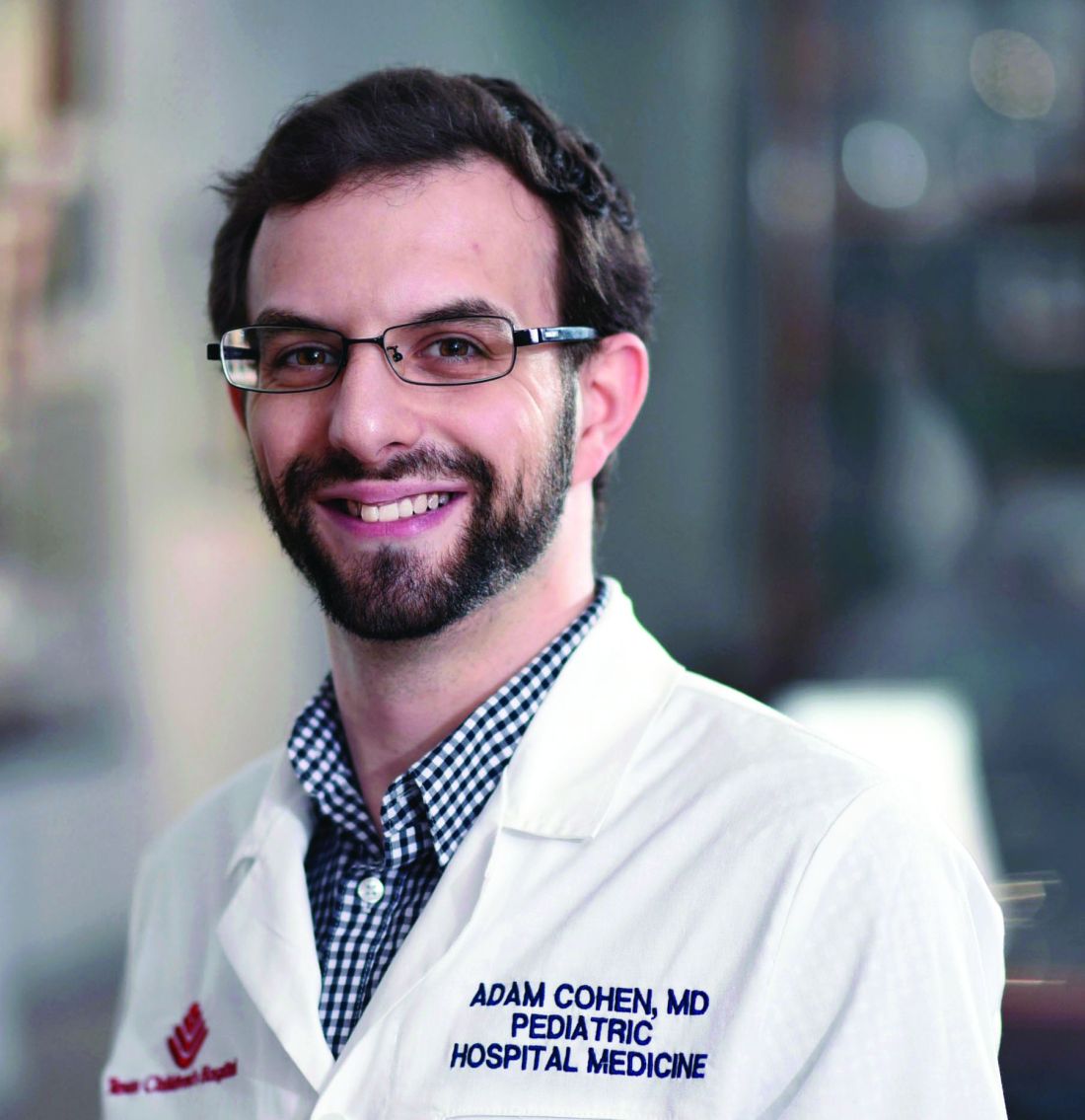
Editor’s note: The Hospitalist is excited to debut a quarterly Pediatric Hospital Medicine Fellows column with this article by pediatric hospitalist Dr. Adam Cohen.
In June 2019, I was offered the new role of chief fellow of pediatric hospital medicine at Baylor College of Medicine and Texas Children’s Hospital, both in Houston. After messaging colleagues and friends at PHM fellowships across the country, I discovered that I wasn’t only Baylor’s first chief fellow of PHM, but I was the only chief fellow of PHM in the nation.
At first, this seemed to be a daunting prospect that left me wondering what my experiences would be like. However, as any good academician knows, the only way to properly answer a question with such existential considerations is a literature review.
While the role of chief fellow exists in other pediatric subspecialty fellowships, the literature on this role is not yet developed. I focused my literature review on using the chief resident role as a surrogate. The chief resident position is filled with opportunities to work administratively and educationally and even has the potential to drive interinstitutional educational change.1 However, many chief residents feel their administrative roles outweigh their educational ones.2,3 This worried me, as the administrative side of program leadership was something that I had little experience in. Would I be weighed down with answering emails and fielding grievances from other fellows? While I did occasionally have that responsibility, my experiences as a chief fellow meant being intimately involved in one program’s response and growth during a national change to PHM as a field, while also coaching those from other programs on how to respond to these many changes.
The dawn of this new era of PHM saw the first board-certified hospitalists crowned and the first fellowships accredited by the Accreditation Council for Graduate Medical Education within the past academic year. I experienced this in a unique position as a chief fellow – an insider as part of the administration and an outsider as a prospective specialist. Prior to the recent accreditation and certification, PHM fellowship graduates were becoming successful academic physicians. A 2014 study of over 80% of all graduated PHM fellows showed nearly all had academic positions in which they taught students and residents. Many of these graduates also participated in research, with two-thirds being the first author on at least one peer-reviewed article.4
However, we also know that, prior to accreditation, fellowship training was varied, with clinical time ranging from 20% to 65%, in addition to wide variability in billing practices, scholarly practices, and the ability to pursue advanced nonclinical training, such as coursework or master’s degrees in quality improvement or education.5 With PHM fellowships becoming accredited and hospitalists becoming board certified, this is going to change, hopefully for the better.
National accrediting bodies like the ACGME create standards for programs to follow, but as a field we have to make sure we know what those standards mean for our future fellows and our educators. At my own program, these standards meant a significant reduction in clinical time, which was the main way fellows obtained content mastery in PHM. There were also concerns from practicing hospitalists about what it would mean if they did not or could not “grandfather in” to board certification. Would they be pushed out of their jobs or forced into less desirable ones? Would they be able to continue teaching and working with fellows?
As I reflect on experiencing this tumultuous time of change for our specialty, my main takeaway is that board certification of PHM faculty and accreditation of fellowships is an important step to creating the next generation of productive academic hospitalists. The greatest benefit for PHM fellows is that ACGME accreditation mandates that they be treated as learners, and not just junior attendings who are paid less. Many programs rely on fellow billing to fund fellowships, which can create a culture where the focus falls away from exploring a wide variety of educational opportunities and toward an exclusive or near-exclusive service-learning model.
This old model can come at the expense of opportunities such as conferences or secondary degrees. Under ACGME accreditation, fellowships will also be required to provide a regimented system of mentorship and support, more than just nonclinical time, to allow fellows to follow their interests and passions, whether that be in clinical hospital medicine, education, quality, advocacy or more. When these fellows graduate and become board certified, they will truly have recognition as specialists in the field, and be able to advance the field in any setting they choose to practice.
Like any change, this shift in our field also comes with our fair share of risks. Fellowship programs have to be careful about what they take away from an accreditation process that can be incredibly time-consuming and difficult. Leadership at these programs need to look critically at the changes they are required to make, and ensure they are integrated intelligently in a way that benefits the fellows.
At Baylor, while a decrease in clinical time was required, our leadership saw it as an opportunity to implement active learning and assessment techniques to improve clinical mastery with less clinical time. While many programs may need to make significant changes to align with ACGME standards, a key lesson in education is that these changes also need to reflect the goal of the program, to create expert academicians, clinicians, and leaders in PHM.
One of the largest challenges brought about by these changes is how we take into account pediatric hospitalists with clinical expertise who either are not academically oriented or are not eligible for board certification. Excluding them from participating in fellowship training or as productive members of our groups can create a hidden curriculum that board certification and academic practice are the only way forward in our field. We also risk excluding those with the ability to fill the largest need in our specialty, those who practice clinically in the community.6
We must ensure that our desire to have productive academic faculty does not result in the loss of those with clinical expertise, both for the care of our patients and the education of our learners. Whether that solution lies with alternative certification procedures or through thoughtful hiring and educational policies is yet to be seen.
Overall, as PHM’s chief fellow this past academic year, I found that we have a lot to be excited for as our field continues to grow. With this growth, we need be careful about how we move forward with the standardization of our training, education, and faculty practices to align with our core values of excellent care for children and advancement of our field to meet their needs and the needs of our medical system. I am grateful to the many PHM leaders and providers who have thoughtfully stimulated so much growth in the field and paved the way for current and future generations of fellows to benefit from that growth.
Dr. Cohen is an assistant professor of pediatrics in the section of hospital medicine at Baylor College of Medicine and Texas Children’s Hospital. He graduated from PHM fellowship in June 2020 at Baylor, dedicating himself to developing expertise in medical education. He would like to thank Dr. Michelle Lopez for her assistance in revising this article.
References
1. Myers RE et al. Pediatric chief resident exchange program: A novel method to share educational ideas across training programs. Acad Pediatr. 2019. doi: S1876-2859(19)30386-9.
2. Norris T et al. Do program directors and their chief residents view the role of chief resident similarly? Family Medicine. 1996;28(5):343-5.
3. Dabrow SM et al. Two perspectives on the educational and administrative roles of the pediatric chief resident. J Grad Med Educ. 2011;3(1):17-20.
4. Oshimura JM et al. Current roles and perceived needs of pediatric hospital medicine fellowship graduates. Hosp Pediatr. 2016;6(10):633-7.
5. Shah NH et al. The current state of pediatric hospital medicine fellowships: A survey of program directors. J Hosp Med. 2016;11(5):324-8.
6. Leyenaar JK et al. Epidemiology of pediatric hospitalizations at general hospitals and freestanding children’s hospitals in the United States. J Hosp Med. 2016;11(11):743-9.
The education of a new generation of subspecialists
The education of a new generation of subspecialists
Editor’s note: The Hospitalist is excited to debut a quarterly Pediatric Hospital Medicine Fellows column with this article by pediatric hospitalist Dr. Adam Cohen.
In June 2019, I was offered the new role of chief fellow of pediatric hospital medicine at Baylor College of Medicine and Texas Children’s Hospital, both in Houston. After messaging colleagues and friends at PHM fellowships across the country, I discovered that I wasn’t only Baylor’s first chief fellow of PHM, but I was the only chief fellow of PHM in the nation.
At first, this seemed to be a daunting prospect that left me wondering what my experiences would be like. However, as any good academician knows, the only way to properly answer a question with such existential considerations is a literature review.
While the role of chief fellow exists in other pediatric subspecialty fellowships, the literature on this role is not yet developed. I focused my literature review on using the chief resident role as a surrogate. The chief resident position is filled with opportunities to work administratively and educationally and even has the potential to drive interinstitutional educational change.1 However, many chief residents feel their administrative roles outweigh their educational ones.2,3 This worried me, as the administrative side of program leadership was something that I had little experience in. Would I be weighed down with answering emails and fielding grievances from other fellows? While I did occasionally have that responsibility, my experiences as a chief fellow meant being intimately involved in one program’s response and growth during a national change to PHM as a field, while also coaching those from other programs on how to respond to these many changes.
The dawn of this new era of PHM saw the first board-certified hospitalists crowned and the first fellowships accredited by the Accreditation Council for Graduate Medical Education within the past academic year. I experienced this in a unique position as a chief fellow – an insider as part of the administration and an outsider as a prospective specialist. Prior to the recent accreditation and certification, PHM fellowship graduates were becoming successful academic physicians. A 2014 study of over 80% of all graduated PHM fellows showed nearly all had academic positions in which they taught students and residents. Many of these graduates also participated in research, with two-thirds being the first author on at least one peer-reviewed article.4
However, we also know that, prior to accreditation, fellowship training was varied, with clinical time ranging from 20% to 65%, in addition to wide variability in billing practices, scholarly practices, and the ability to pursue advanced nonclinical training, such as coursework or master’s degrees in quality improvement or education.5 With PHM fellowships becoming accredited and hospitalists becoming board certified, this is going to change, hopefully for the better.
National accrediting bodies like the ACGME create standards for programs to follow, but as a field we have to make sure we know what those standards mean for our future fellows and our educators. At my own program, these standards meant a significant reduction in clinical time, which was the main way fellows obtained content mastery in PHM. There were also concerns from practicing hospitalists about what it would mean if they did not or could not “grandfather in” to board certification. Would they be pushed out of their jobs or forced into less desirable ones? Would they be able to continue teaching and working with fellows?
As I reflect on experiencing this tumultuous time of change for our specialty, my main takeaway is that board certification of PHM faculty and accreditation of fellowships is an important step to creating the next generation of productive academic hospitalists. The greatest benefit for PHM fellows is that ACGME accreditation mandates that they be treated as learners, and not just junior attendings who are paid less. Many programs rely on fellow billing to fund fellowships, which can create a culture where the focus falls away from exploring a wide variety of educational opportunities and toward an exclusive or near-exclusive service-learning model.
This old model can come at the expense of opportunities such as conferences or secondary degrees. Under ACGME accreditation, fellowships will also be required to provide a regimented system of mentorship and support, more than just nonclinical time, to allow fellows to follow their interests and passions, whether that be in clinical hospital medicine, education, quality, advocacy or more. When these fellows graduate and become board certified, they will truly have recognition as specialists in the field, and be able to advance the field in any setting they choose to practice.
Like any change, this shift in our field also comes with our fair share of risks. Fellowship programs have to be careful about what they take away from an accreditation process that can be incredibly time-consuming and difficult. Leadership at these programs need to look critically at the changes they are required to make, and ensure they are integrated intelligently in a way that benefits the fellows.
At Baylor, while a decrease in clinical time was required, our leadership saw it as an opportunity to implement active learning and assessment techniques to improve clinical mastery with less clinical time. While many programs may need to make significant changes to align with ACGME standards, a key lesson in education is that these changes also need to reflect the goal of the program, to create expert academicians, clinicians, and leaders in PHM.
One of the largest challenges brought about by these changes is how we take into account pediatric hospitalists with clinical expertise who either are not academically oriented or are not eligible for board certification. Excluding them from participating in fellowship training or as productive members of our groups can create a hidden curriculum that board certification and academic practice are the only way forward in our field. We also risk excluding those with the ability to fill the largest need in our specialty, those who practice clinically in the community.6
We must ensure that our desire to have productive academic faculty does not result in the loss of those with clinical expertise, both for the care of our patients and the education of our learners. Whether that solution lies with alternative certification procedures or through thoughtful hiring and educational policies is yet to be seen.
Overall, as PHM’s chief fellow this past academic year, I found that we have a lot to be excited for as our field continues to grow. With this growth, we need be careful about how we move forward with the standardization of our training, education, and faculty practices to align with our core values of excellent care for children and advancement of our field to meet their needs and the needs of our medical system. I am grateful to the many PHM leaders and providers who have thoughtfully stimulated so much growth in the field and paved the way for current and future generations of fellows to benefit from that growth.
Dr. Cohen is an assistant professor of pediatrics in the section of hospital medicine at Baylor College of Medicine and Texas Children’s Hospital. He graduated from PHM fellowship in June 2020 at Baylor, dedicating himself to developing expertise in medical education. He would like to thank Dr. Michelle Lopez for her assistance in revising this article.
References
1. Myers RE et al. Pediatric chief resident exchange program: A novel method to share educational ideas across training programs. Acad Pediatr. 2019. doi: S1876-2859(19)30386-9.
2. Norris T et al. Do program directors and their chief residents view the role of chief resident similarly? Family Medicine. 1996;28(5):343-5.
3. Dabrow SM et al. Two perspectives on the educational and administrative roles of the pediatric chief resident. J Grad Med Educ. 2011;3(1):17-20.
4. Oshimura JM et al. Current roles and perceived needs of pediatric hospital medicine fellowship graduates. Hosp Pediatr. 2016;6(10):633-7.
5. Shah NH et al. The current state of pediatric hospital medicine fellowships: A survey of program directors. J Hosp Med. 2016;11(5):324-8.
6. Leyenaar JK et al. Epidemiology of pediatric hospitalizations at general hospitals and freestanding children’s hospitals in the United States. J Hosp Med. 2016;11(11):743-9.
Editor’s note: The Hospitalist is excited to debut a quarterly Pediatric Hospital Medicine Fellows column with this article by pediatric hospitalist Dr. Adam Cohen.
In June 2019, I was offered the new role of chief fellow of pediatric hospital medicine at Baylor College of Medicine and Texas Children’s Hospital, both in Houston. After messaging colleagues and friends at PHM fellowships across the country, I discovered that I wasn’t only Baylor’s first chief fellow of PHM, but I was the only chief fellow of PHM in the nation.
At first, this seemed to be a daunting prospect that left me wondering what my experiences would be like. However, as any good academician knows, the only way to properly answer a question with such existential considerations is a literature review.
While the role of chief fellow exists in other pediatric subspecialty fellowships, the literature on this role is not yet developed. I focused my literature review on using the chief resident role as a surrogate. The chief resident position is filled with opportunities to work administratively and educationally and even has the potential to drive interinstitutional educational change.1 However, many chief residents feel their administrative roles outweigh their educational ones.2,3 This worried me, as the administrative side of program leadership was something that I had little experience in. Would I be weighed down with answering emails and fielding grievances from other fellows? While I did occasionally have that responsibility, my experiences as a chief fellow meant being intimately involved in one program’s response and growth during a national change to PHM as a field, while also coaching those from other programs on how to respond to these many changes.
The dawn of this new era of PHM saw the first board-certified hospitalists crowned and the first fellowships accredited by the Accreditation Council for Graduate Medical Education within the past academic year. I experienced this in a unique position as a chief fellow – an insider as part of the administration and an outsider as a prospective specialist. Prior to the recent accreditation and certification, PHM fellowship graduates were becoming successful academic physicians. A 2014 study of over 80% of all graduated PHM fellows showed nearly all had academic positions in which they taught students and residents. Many of these graduates also participated in research, with two-thirds being the first author on at least one peer-reviewed article.4
However, we also know that, prior to accreditation, fellowship training was varied, with clinical time ranging from 20% to 65%, in addition to wide variability in billing practices, scholarly practices, and the ability to pursue advanced nonclinical training, such as coursework or master’s degrees in quality improvement or education.5 With PHM fellowships becoming accredited and hospitalists becoming board certified, this is going to change, hopefully for the better.
National accrediting bodies like the ACGME create standards for programs to follow, but as a field we have to make sure we know what those standards mean for our future fellows and our educators. At my own program, these standards meant a significant reduction in clinical time, which was the main way fellows obtained content mastery in PHM. There were also concerns from practicing hospitalists about what it would mean if they did not or could not “grandfather in” to board certification. Would they be pushed out of their jobs or forced into less desirable ones? Would they be able to continue teaching and working with fellows?
As I reflect on experiencing this tumultuous time of change for our specialty, my main takeaway is that board certification of PHM faculty and accreditation of fellowships is an important step to creating the next generation of productive academic hospitalists. The greatest benefit for PHM fellows is that ACGME accreditation mandates that they be treated as learners, and not just junior attendings who are paid less. Many programs rely on fellow billing to fund fellowships, which can create a culture where the focus falls away from exploring a wide variety of educational opportunities and toward an exclusive or near-exclusive service-learning model.
This old model can come at the expense of opportunities such as conferences or secondary degrees. Under ACGME accreditation, fellowships will also be required to provide a regimented system of mentorship and support, more than just nonclinical time, to allow fellows to follow their interests and passions, whether that be in clinical hospital medicine, education, quality, advocacy or more. When these fellows graduate and become board certified, they will truly have recognition as specialists in the field, and be able to advance the field in any setting they choose to practice.
Like any change, this shift in our field also comes with our fair share of risks. Fellowship programs have to be careful about what they take away from an accreditation process that can be incredibly time-consuming and difficult. Leadership at these programs need to look critically at the changes they are required to make, and ensure they are integrated intelligently in a way that benefits the fellows.
At Baylor, while a decrease in clinical time was required, our leadership saw it as an opportunity to implement active learning and assessment techniques to improve clinical mastery with less clinical time. While many programs may need to make significant changes to align with ACGME standards, a key lesson in education is that these changes also need to reflect the goal of the program, to create expert academicians, clinicians, and leaders in PHM.
One of the largest challenges brought about by these changes is how we take into account pediatric hospitalists with clinical expertise who either are not academically oriented or are not eligible for board certification. Excluding them from participating in fellowship training or as productive members of our groups can create a hidden curriculum that board certification and academic practice are the only way forward in our field. We also risk excluding those with the ability to fill the largest need in our specialty, those who practice clinically in the community.6
We must ensure that our desire to have productive academic faculty does not result in the loss of those with clinical expertise, both for the care of our patients and the education of our learners. Whether that solution lies with alternative certification procedures or through thoughtful hiring and educational policies is yet to be seen.
Overall, as PHM’s chief fellow this past academic year, I found that we have a lot to be excited for as our field continues to grow. With this growth, we need be careful about how we move forward with the standardization of our training, education, and faculty practices to align with our core values of excellent care for children and advancement of our field to meet their needs and the needs of our medical system. I am grateful to the many PHM leaders and providers who have thoughtfully stimulated so much growth in the field and paved the way for current and future generations of fellows to benefit from that growth.
Dr. Cohen is an assistant professor of pediatrics in the section of hospital medicine at Baylor College of Medicine and Texas Children’s Hospital. He graduated from PHM fellowship in June 2020 at Baylor, dedicating himself to developing expertise in medical education. He would like to thank Dr. Michelle Lopez for her assistance in revising this article.
References
1. Myers RE et al. Pediatric chief resident exchange program: A novel method to share educational ideas across training programs. Acad Pediatr. 2019. doi: S1876-2859(19)30386-9.
2. Norris T et al. Do program directors and their chief residents view the role of chief resident similarly? Family Medicine. 1996;28(5):343-5.
3. Dabrow SM et al. Two perspectives on the educational and administrative roles of the pediatric chief resident. J Grad Med Educ. 2011;3(1):17-20.
4. Oshimura JM et al. Current roles and perceived needs of pediatric hospital medicine fellowship graduates. Hosp Pediatr. 2016;6(10):633-7.
5. Shah NH et al. The current state of pediatric hospital medicine fellowships: A survey of program directors. J Hosp Med. 2016;11(5):324-8.
6. Leyenaar JK et al. Epidemiology of pediatric hospitalizations at general hospitals and freestanding children’s hospitals in the United States. J Hosp Med. 2016;11(11):743-9.
FDA okays new indication for esketamine nasal spray
The Food and Drug Administration has approved the supplemental new drug application for esketamine nasal spray (Spravato, Janssen Pharmaceuticals) to treat depressive symptoms in adults with major depressive disorder (MDD) and acute suicidal ideation or behavior.

The FDA approved esketamine nasal spray for treatment-resistant depression in March 2019, as reported by Medscape Medical News.
– which evaluated the efficacy and safety of the nasal spray in addition to a comprehensive standard of care in adults with MDD who had active suicidal ideation with intent.
The standard of care included initial hospitalization, a newly initiated or optimized oral antidepressant, and twice-weekly treatment visits for 4 weeks. During that time, patients received esketamine nasal spray 84 mg or placebo nasal spray.
Results from the trials showed that the active treatment significantly reduced depressive symptoms within 24 hours, with some patients starting to respond as early as 4 hours after the first dose.
“Traditional oral antidepressants need weeks or more to take effect, so the availability of a medicine that can begin providing relief within a day is potentially life changing,” Theresa Nguyen, chief program officer at Mental Health America, said in a company news release.
“The clinical trials supporting this new indication provide compelling evidence that esketamine may offer clinicians a new way to provide support to patients quickly in the midst of an urgent depressive episode and help set them on the path to remission,” Gerard Sanacora, MD, PhD, director of the Yale Depression Research Program, New Haven, Conn., and esketamine clinical trial investigator, said in the same release.
A full course of treatment for MDD with acute suicidal ideation or behavior is twice weekly for 4 weeks, “after which evidence of therapeutic benefit should be evaluated to determine need for continued treatment,” the company said.
Because of the risk for serious adverse events, including sedation and dissociation, and the potential for abuse or misuse, esketamine nasal spray is only available through a restricted distribution system – the Spravato Risk Evaluation and Mitigation Strategy (REMS).
The patient self-administers esketamine nasal spray only in REMS-certified health care settings. Patients are not permitted to take the drug home.
Full prescribing information is available online.
A version of this article originally appeared on Medscape.com.
The Food and Drug Administration has approved the supplemental new drug application for esketamine nasal spray (Spravato, Janssen Pharmaceuticals) to treat depressive symptoms in adults with major depressive disorder (MDD) and acute suicidal ideation or behavior.
The FDA approved esketamine nasal spray for treatment-resistant depression in March 2019, as reported by Medscape Medical News.
– which evaluated the efficacy and safety of the nasal spray in addition to a comprehensive standard of care in adults with MDD who had active suicidal ideation with intent.
The standard of care included initial hospitalization, a newly initiated or optimized oral antidepressant, and twice-weekly treatment visits for 4 weeks. During that time, patients received esketamine nasal spray 84 mg or placebo nasal spray.
Results from the trials showed that the active treatment significantly reduced depressive symptoms within 24 hours, with some patients starting to respond as early as 4 hours after the first dose.
“Traditional oral antidepressants need weeks or more to take effect, so the availability of a medicine that can begin providing relief within a day is potentially life changing,” Theresa Nguyen, chief program officer at Mental Health America, said in a company news release.
“The clinical trials supporting this new indication provide compelling evidence that esketamine may offer clinicians a new way to provide support to patients quickly in the midst of an urgent depressive episode and help set them on the path to remission,” Gerard Sanacora, MD, PhD, director of the Yale Depression Research Program, New Haven, Conn., and esketamine clinical trial investigator, said in the same release.
A full course of treatment for MDD with acute suicidal ideation or behavior is twice weekly for 4 weeks, “after which evidence of therapeutic benefit should be evaluated to determine need for continued treatment,” the company said.
Because of the risk for serious adverse events, including sedation and dissociation, and the potential for abuse or misuse, esketamine nasal spray is only available through a restricted distribution system – the Spravato Risk Evaluation and Mitigation Strategy (REMS).
The patient self-administers esketamine nasal spray only in REMS-certified health care settings. Patients are not permitted to take the drug home.
Full prescribing information is available online.
A version of this article originally appeared on Medscape.com.
The Food and Drug Administration has approved the supplemental new drug application for esketamine nasal spray (Spravato, Janssen Pharmaceuticals) to treat depressive symptoms in adults with major depressive disorder (MDD) and acute suicidal ideation or behavior.
The FDA approved esketamine nasal spray for treatment-resistant depression in March 2019, as reported by Medscape Medical News.
– which evaluated the efficacy and safety of the nasal spray in addition to a comprehensive standard of care in adults with MDD who had active suicidal ideation with intent.
The standard of care included initial hospitalization, a newly initiated or optimized oral antidepressant, and twice-weekly treatment visits for 4 weeks. During that time, patients received esketamine nasal spray 84 mg or placebo nasal spray.
Results from the trials showed that the active treatment significantly reduced depressive symptoms within 24 hours, with some patients starting to respond as early as 4 hours after the first dose.
“Traditional oral antidepressants need weeks or more to take effect, so the availability of a medicine that can begin providing relief within a day is potentially life changing,” Theresa Nguyen, chief program officer at Mental Health America, said in a company news release.
“The clinical trials supporting this new indication provide compelling evidence that esketamine may offer clinicians a new way to provide support to patients quickly in the midst of an urgent depressive episode and help set them on the path to remission,” Gerard Sanacora, MD, PhD, director of the Yale Depression Research Program, New Haven, Conn., and esketamine clinical trial investigator, said in the same release.
A full course of treatment for MDD with acute suicidal ideation or behavior is twice weekly for 4 weeks, “after which evidence of therapeutic benefit should be evaluated to determine need for continued treatment,” the company said.
Because of the risk for serious adverse events, including sedation and dissociation, and the potential for abuse or misuse, esketamine nasal spray is only available through a restricted distribution system – the Spravato Risk Evaluation and Mitigation Strategy (REMS).
The patient self-administers esketamine nasal spray only in REMS-certified health care settings. Patients are not permitted to take the drug home.
Full prescribing information is available online.
A version of this article originally appeared on Medscape.com.
Global study to track COVID-19’s impact on the brain
At its annual meeting, the Alzheimer’s Association announced the launch of a global study to examine the impact of COVID-19 on the brain, as well as policy recommendations to better address the COVID-19 crisis in long-term care facilities. The study will be led by researchers at the Alzheimer’s Association and the University of Texas Health, San Antonio, with participation from more than 30 countries and technical guidance from the World Health Organization.
The target sample size is 20,000-40,000 total participants.
Maria C. Carrillo, PhD, chief science officer for the Alzheimer’s Association, announced the study’s launch during a COVID-19–focused panel discussion at the virtual annual meeting of the Alzheimer’s Association International Conference 2020.
“To build a strong foundation for this research, we will align with existing studies, such as the Framingham Heart Study, and clinicians from around the world on how the data are going to be collected, obtained, and shared. We are going to have cross-study collaborations to understand the impact of the virus on the brain directly,” said Dr. Carrillo. “We will have some very good data to present next year at AAIC.”
‘Frightening’ headlines
As previously reported, mounting evidence suggests that SARS-CoV-2 invades the central nervous system, causing a wide range of neurologic and neuropsychiatric complications, including stroke, psychosis, altered mental state, and dementia-like syndrome. It’s likely that “dementia does not increase the risk for COVID-19, just like dementia does not increase risk for the flu. But increased age, being in a long-term care setting, and common health conditions that often accompany dementia may increase the risk,” Dr. Carrillo said.
Panel member Beth Kallmyer, MSW, vice president of care and support at the Alzheimer’s Association, spoke about the ongoing challenges long-term care facilities are facing during the pandemic. “You’ve all seen the headlines, and they’re frightening, frankly,” she said. An estimated 59,000 residents and employees of long-term care have died as a result of COVID-19, which is 42% of all U.S. deaths.
The long-term care community is being impacted at “significantly greater rates than the rest of society and yet we don’t have things in place to protect them. We also know that individuals living with dementia make up a large percentage of those that are living in long-term care,” Ms. Kallmyer said.
She noted that infection control is always a challenge in long-term care settings, but infection control during a pandemic “takes it to a whole other level.” Quarantining is hard for anyone, “but when you layer dementia on top of that we have a real challenge.” One long-term care provider told Ms. Kallmyer that “we might be saving them from COVID, but we’re losing them to social isolation and cognitive decline.”
New recommendations
Ms. Kallmyer outlined new policy recommendations from the Alzheimer’s Association to address the COVID-19 crisis in long-term and community-based care settings. They include:
- Testing every resident, employee, and visitor each time they leave and come back, so residents would not need to be confined to their own rooms
- Having a single portal that is easy and efficient for reporting cases
- Developing “surge activation” protocols to respond to hot spots, including the possibility of “strike teams” that go in and help during an outbreak
- Making sure all long-term care providers have full access to all needed personal protective equipment (PPE)
“Five months in and long-term care providers still don’t have adequate PPE. This is unacceptable,” said Ms. Kallmyer. “We have to be able to provide them with PPE.”
Panel member Gregory A. Jicha, MD, PhD, Sanders-Brown Center on Aging, University of Kentucky, Lexington, spoke about the critical need to continue Alzheimer’s disease research during the pandemic, noting that the number of promising targets for Alzheimer’s disease and related dementias has “never been higher or more comprehensive.”
Measures to ensure safety of researchers and participants include screening for symptoms (50% effective), social distancing (93% effective), minimizing exposure time (50% effective), limiting staff to 50% (50% effective), cloth/paper masks (80% effective), and testing (99.25% effective), Dr. Jicha noted.
With no safety measures in place, the risk of getting COVID-19 from a research visit is 1 in 20; when all these safety measures are combined, the risk is 1 in over 1.5 million, so “we can essentially eradicate or minimize the risks for COVID to less that of a lightning strike,” he said.
Dr. Carrillo, Ms. Kallmyer, and Dr. Jicha disclosed no relevant financial relationships.
A version of this article originally appeared on Medscape.com.
At its annual meeting, the Alzheimer’s Association announced the launch of a global study to examine the impact of COVID-19 on the brain, as well as policy recommendations to better address the COVID-19 crisis in long-term care facilities. The study will be led by researchers at the Alzheimer’s Association and the University of Texas Health, San Antonio, with participation from more than 30 countries and technical guidance from the World Health Organization.
The target sample size is 20,000-40,000 total participants.
Maria C. Carrillo, PhD, chief science officer for the Alzheimer’s Association, announced the study’s launch during a COVID-19–focused panel discussion at the virtual annual meeting of the Alzheimer’s Association International Conference 2020.
“To build a strong foundation for this research, we will align with existing studies, such as the Framingham Heart Study, and clinicians from around the world on how the data are going to be collected, obtained, and shared. We are going to have cross-study collaborations to understand the impact of the virus on the brain directly,” said Dr. Carrillo. “We will have some very good data to present next year at AAIC.”
‘Frightening’ headlines
As previously reported, mounting evidence suggests that SARS-CoV-2 invades the central nervous system, causing a wide range of neurologic and neuropsychiatric complications, including stroke, psychosis, altered mental state, and dementia-like syndrome. It’s likely that “dementia does not increase the risk for COVID-19, just like dementia does not increase risk for the flu. But increased age, being in a long-term care setting, and common health conditions that often accompany dementia may increase the risk,” Dr. Carrillo said.
Panel member Beth Kallmyer, MSW, vice president of care and support at the Alzheimer’s Association, spoke about the ongoing challenges long-term care facilities are facing during the pandemic. “You’ve all seen the headlines, and they’re frightening, frankly,” she said. An estimated 59,000 residents and employees of long-term care have died as a result of COVID-19, which is 42% of all U.S. deaths.
The long-term care community is being impacted at “significantly greater rates than the rest of society and yet we don’t have things in place to protect them. We also know that individuals living with dementia make up a large percentage of those that are living in long-term care,” Ms. Kallmyer said.
She noted that infection control is always a challenge in long-term care settings, but infection control during a pandemic “takes it to a whole other level.” Quarantining is hard for anyone, “but when you layer dementia on top of that we have a real challenge.” One long-term care provider told Ms. Kallmyer that “we might be saving them from COVID, but we’re losing them to social isolation and cognitive decline.”
New recommendations
Ms. Kallmyer outlined new policy recommendations from the Alzheimer’s Association to address the COVID-19 crisis in long-term and community-based care settings. They include:
- Testing every resident, employee, and visitor each time they leave and come back, so residents would not need to be confined to their own rooms
- Having a single portal that is easy and efficient for reporting cases
- Developing “surge activation” protocols to respond to hot spots, including the possibility of “strike teams” that go in and help during an outbreak
- Making sure all long-term care providers have full access to all needed personal protective equipment (PPE)
“Five months in and long-term care providers still don’t have adequate PPE. This is unacceptable,” said Ms. Kallmyer. “We have to be able to provide them with PPE.”
Panel member Gregory A. Jicha, MD, PhD, Sanders-Brown Center on Aging, University of Kentucky, Lexington, spoke about the critical need to continue Alzheimer’s disease research during the pandemic, noting that the number of promising targets for Alzheimer’s disease and related dementias has “never been higher or more comprehensive.”
Measures to ensure safety of researchers and participants include screening for symptoms (50% effective), social distancing (93% effective), minimizing exposure time (50% effective), limiting staff to 50% (50% effective), cloth/paper masks (80% effective), and testing (99.25% effective), Dr. Jicha noted.
With no safety measures in place, the risk of getting COVID-19 from a research visit is 1 in 20; when all these safety measures are combined, the risk is 1 in over 1.5 million, so “we can essentially eradicate or minimize the risks for COVID to less that of a lightning strike,” he said.
Dr. Carrillo, Ms. Kallmyer, and Dr. Jicha disclosed no relevant financial relationships.
A version of this article originally appeared on Medscape.com.
At its annual meeting, the Alzheimer’s Association announced the launch of a global study to examine the impact of COVID-19 on the brain, as well as policy recommendations to better address the COVID-19 crisis in long-term care facilities. The study will be led by researchers at the Alzheimer’s Association and the University of Texas Health, San Antonio, with participation from more than 30 countries and technical guidance from the World Health Organization.
The target sample size is 20,000-40,000 total participants.
Maria C. Carrillo, PhD, chief science officer for the Alzheimer’s Association, announced the study’s launch during a COVID-19–focused panel discussion at the virtual annual meeting of the Alzheimer’s Association International Conference 2020.
“To build a strong foundation for this research, we will align with existing studies, such as the Framingham Heart Study, and clinicians from around the world on how the data are going to be collected, obtained, and shared. We are going to have cross-study collaborations to understand the impact of the virus on the brain directly,” said Dr. Carrillo. “We will have some very good data to present next year at AAIC.”
‘Frightening’ headlines
As previously reported, mounting evidence suggests that SARS-CoV-2 invades the central nervous system, causing a wide range of neurologic and neuropsychiatric complications, including stroke, psychosis, altered mental state, and dementia-like syndrome. It’s likely that “dementia does not increase the risk for COVID-19, just like dementia does not increase risk for the flu. But increased age, being in a long-term care setting, and common health conditions that often accompany dementia may increase the risk,” Dr. Carrillo said.
Panel member Beth Kallmyer, MSW, vice president of care and support at the Alzheimer’s Association, spoke about the ongoing challenges long-term care facilities are facing during the pandemic. “You’ve all seen the headlines, and they’re frightening, frankly,” she said. An estimated 59,000 residents and employees of long-term care have died as a result of COVID-19, which is 42% of all U.S. deaths.
The long-term care community is being impacted at “significantly greater rates than the rest of society and yet we don’t have things in place to protect them. We also know that individuals living with dementia make up a large percentage of those that are living in long-term care,” Ms. Kallmyer said.
She noted that infection control is always a challenge in long-term care settings, but infection control during a pandemic “takes it to a whole other level.” Quarantining is hard for anyone, “but when you layer dementia on top of that we have a real challenge.” One long-term care provider told Ms. Kallmyer that “we might be saving them from COVID, but we’re losing them to social isolation and cognitive decline.”
New recommendations
Ms. Kallmyer outlined new policy recommendations from the Alzheimer’s Association to address the COVID-19 crisis in long-term and community-based care settings. They include:
- Testing every resident, employee, and visitor each time they leave and come back, so residents would not need to be confined to their own rooms
- Having a single portal that is easy and efficient for reporting cases
- Developing “surge activation” protocols to respond to hot spots, including the possibility of “strike teams” that go in and help during an outbreak
- Making sure all long-term care providers have full access to all needed personal protective equipment (PPE)
“Five months in and long-term care providers still don’t have adequate PPE. This is unacceptable,” said Ms. Kallmyer. “We have to be able to provide them with PPE.”
Panel member Gregory A. Jicha, MD, PhD, Sanders-Brown Center on Aging, University of Kentucky, Lexington, spoke about the critical need to continue Alzheimer’s disease research during the pandemic, noting that the number of promising targets for Alzheimer’s disease and related dementias has “never been higher or more comprehensive.”
Measures to ensure safety of researchers and participants include screening for symptoms (50% effective), social distancing (93% effective), minimizing exposure time (50% effective), limiting staff to 50% (50% effective), cloth/paper masks (80% effective), and testing (99.25% effective), Dr. Jicha noted.
With no safety measures in place, the risk of getting COVID-19 from a research visit is 1 in 20; when all these safety measures are combined, the risk is 1 in over 1.5 million, so “we can essentially eradicate or minimize the risks for COVID to less that of a lightning strike,” he said.
Dr. Carrillo, Ms. Kallmyer, and Dr. Jicha disclosed no relevant financial relationships.
A version of this article originally appeared on Medscape.com.
FROM AAIC 2020
PANS may be more prevalent than thought
Pediatric acute-onset neuropsychiatric syndrome (PANS), a rare acute onset of psychiatric symptoms, might be more common than initially thought, according to Kiki D. Chang, MD.

PANS is characterized by the National Center for Advancing Translational Sciences Genetic and Rare Diseases Information Center as a “sudden onset of obsessive-compulsive symptoms and/or severe eating restrictions, along with at least two other cognitive, behavioral, or neurological symptoms.” These symptoms can include anxiety, depression, oppositional behavior, difficulty concentrating, abnormalities in motor and sensory skills, and other somatic symptoms. The condition develops as a result of an infection that causes an autoimmune or inflammatory response in the brain, and patients tend to respond well to treatment from antibiotics, anti-inflammatory medication, and immunomodulatory therapy.
Both PANS and a subtype condition, pediatric autoimmune neuropsychiatric disorders associated with Streptococcus infections (PANDAS), are underrecognized, Dr. Chang said in a virtual meeting presented by Current Psychiatry and the American Academy of Clinical Psychiatrists. It is often misdiagnosed as Tourette syndrome or obsessive-compulsive disorder (OCD) because tics are present in about half of cases, he said, but more severe associated symptoms, such as psychosis, can be misdiagnosed as psychotic disorders or mood disorders. Currently, neither PANS nor PANDAS are officially recognized by the American Academy of Pediatrics or the DSM-5.
“We’re hoping that it is soon because it clearly exists,” Dr. Chang said at the meeting, presented by Global Academy for Medical Education. “If you’ve ever treated a child with PANS or PANDAS and you have seen antibiotics totally reverse OCD and tic-like behavior, if you’ve seen prednisone actually treat symptoms of mania or even psychosis and actually make those things better rather than worse, it’s really eye-opening and it makes a believer out of you.”
Anxiety is the most common psychiatric symptom in youth, and anxiety disorders are also common, said Dr. Chang. According to the National Comorbidity Survey: Adolescent Supplement, 2001-2004, 31.9% adolescents overall reported an anxiety disorder, and 8.3% said their anxiety disorder caused severe impairment. The COVID-19 pandemic has increased the level of anxiety for children and adolescents, which can lead to other disorders, such as separation anxiety disorder, panic disorder, specific phobia, social anxiety disorder, acute stress disorder, generalized anxiety disorder, OCD, or posttraumatic stress disorder. Psychiatrists should be suspicious of any sudden onset of symptoms that overlap with PANS, said Dr. Chang, who is now in private practice in Palo Alto, Calif.
“Anxiety disorders are incredibly common. Remember that you’ve got to carefully screen for other anxiety disorders, because they’re highly comorbid,” Dr. Chang said. “You’ve got to do a full workup. If there are other things going on, you’ve got to think PANS. If it’s acute onset, you’ve really got to think [PANS], and you should do that workup or refer to someone who does.”
The prevalence of PANS and PANDAS is not known, but it may be more common than psychiatrists realize, Dr. Chang said. “I’ve been doing this for about 10 years now in the PANS and PANDAS field, and it’s very clear to me that this is something that is prevalent,” he said.
Together with Jennifer Frankovich, MD, Dr. Chang founded a clinic at the Lucile Packard Children’s Hospital Stanford, and also helped to develop treatment guidelines for youth with PANS. At the clinic, patients are approximately 7.7 years old when developing the first symptoms, and are 10.7 years old when presenting for treatment. Most patients at the clinic are male (78%), and 40% are acute onset cases. Nearly all patients have symptoms of anxiety (92%), mood disorder (88%), OCD (86%), sensory/motor abnormalities (88%), irritability/aggression (82%), somatic symptoms, deterioration in school (76%), and behavioral regression (59%). More than one-third present with suicidal ideation (38%) and violence to themselves (29%), others (38%), or objects. About one-fourth have symptoms of psychosis (24%).
“These can be really sick kids,” Dr. Chang said. not able to eat because they’re afraid of things, not able to take care of their body or daily living. These were sometimes highly functional people beforehand, sometimes they weren’t, but it was still an acute change.”
Treatment for PANS
Treatment guidelines released by the PANS/PANDAS Consortium in 2017 recommend a first course of antistreptococcal treatment for new PANS cases. Psychiatrists should look for evidence of strep or other infection and use antibiotics to eradicate any underlying acute or residual infection.
“Very commonly, we’ll use things like azithromycin, or Augmentin, or amoxicillin, and you’ll see suddenly the OCD go away or at least diminish, the sleep return to normal, the mood come back down,” Dr. Chang said. “It’s pretty amazing when you see it.”
In other cases, ongoing treatment is needed for longer than the normal 5-day or 10-day course of antibiotics. “We’re not exactly sure how long: sometimes it’s 3 weeks, sometimes it’s 4 weeks, but you have to give it more than a week. Sometimes it’s the anti-inflammatory properties that are helping.” While concerns about haphazardly prescribing antibiotics are valid, “if you can cure this stuff on antibiotics, it’s low-hanging fruit,” Dr. Chang said.
There is evidence in the literature that prescribing antibiotics for PANS is beneficial. A randomized controlled trial published in 2017 showed that patients with PANS prescribed azithromycin for 4 weeks had greater reductions in severity of OCD, compared with placebo.
“We need more studies, but clearly, antibiotics do have the potential to help with certain kids. And certainly, in my practice, I see sometimes a slam-dunk response,” Dr. Chang said. “Unfortunately, sometimes you don’t see a slam-dunk response or you can’t find an infection. That’s when it might be more of an inflammation from some other reason. It could be a leftover infection, or it could be an anti-inflammatory situation.”
Immunomodulatory treatment for PANS includes use of NSAIDs, such as ibuprofen or naproxen sodium; steroids, such as prednisone or intravenous corticosteroids; intravenous immunoglobulin; or plasma exchange. Other therapies to consider are rituximab, mycophenolate mofetil, and cyclophosphamide.
Some psychiatric treatments may help patients with PANS. While there is no empirical evidence that psychotropics are effective in treating PANS, some SSRIs might help if patients are able to handle any adverse events. Psychotherapy and education of the family are also important for patients with PANS and their caregivers.
“Basically, [PANS] has as high a caregiver burden as having someone in the household with Alzheimer’s disease or cancer. It’s a huge burden, it’s very stressful, and the family needs support for this,” Dr. Chang said.
Global Academy and this news organization are owned by the same parent company. Dr. Chang reports he is a consultant for Allergan, Impel NeuroPharma, and Sunovion. He is also on the speaker’s bureau for Sunovion.
Pediatric acute-onset neuropsychiatric syndrome (PANS), a rare acute onset of psychiatric symptoms, might be more common than initially thought, according to Kiki D. Chang, MD.
PANS is characterized by the National Center for Advancing Translational Sciences Genetic and Rare Diseases Information Center as a “sudden onset of obsessive-compulsive symptoms and/or severe eating restrictions, along with at least two other cognitive, behavioral, or neurological symptoms.” These symptoms can include anxiety, depression, oppositional behavior, difficulty concentrating, abnormalities in motor and sensory skills, and other somatic symptoms. The condition develops as a result of an infection that causes an autoimmune or inflammatory response in the brain, and patients tend to respond well to treatment from antibiotics, anti-inflammatory medication, and immunomodulatory therapy.
Both PANS and a subtype condition, pediatric autoimmune neuropsychiatric disorders associated with Streptococcus infections (PANDAS), are underrecognized, Dr. Chang said in a virtual meeting presented by Current Psychiatry and the American Academy of Clinical Psychiatrists. It is often misdiagnosed as Tourette syndrome or obsessive-compulsive disorder (OCD) because tics are present in about half of cases, he said, but more severe associated symptoms, such as psychosis, can be misdiagnosed as psychotic disorders or mood disorders. Currently, neither PANS nor PANDAS are officially recognized by the American Academy of Pediatrics or the DSM-5.
“We’re hoping that it is soon because it clearly exists,” Dr. Chang said at the meeting, presented by Global Academy for Medical Education. “If you’ve ever treated a child with PANS or PANDAS and you have seen antibiotics totally reverse OCD and tic-like behavior, if you’ve seen prednisone actually treat symptoms of mania or even psychosis and actually make those things better rather than worse, it’s really eye-opening and it makes a believer out of you.”
Anxiety is the most common psychiatric symptom in youth, and anxiety disorders are also common, said Dr. Chang. According to the National Comorbidity Survey: Adolescent Supplement, 2001-2004, 31.9% adolescents overall reported an anxiety disorder, and 8.3% said their anxiety disorder caused severe impairment. The COVID-19 pandemic has increased the level of anxiety for children and adolescents, which can lead to other disorders, such as separation anxiety disorder, panic disorder, specific phobia, social anxiety disorder, acute stress disorder, generalized anxiety disorder, OCD, or posttraumatic stress disorder. Psychiatrists should be suspicious of any sudden onset of symptoms that overlap with PANS, said Dr. Chang, who is now in private practice in Palo Alto, Calif.
“Anxiety disorders are incredibly common. Remember that you’ve got to carefully screen for other anxiety disorders, because they’re highly comorbid,” Dr. Chang said. “You’ve got to do a full workup. If there are other things going on, you’ve got to think PANS. If it’s acute onset, you’ve really got to think [PANS], and you should do that workup or refer to someone who does.”
The prevalence of PANS and PANDAS is not known, but it may be more common than psychiatrists realize, Dr. Chang said. “I’ve been doing this for about 10 years now in the PANS and PANDAS field, and it’s very clear to me that this is something that is prevalent,” he said.
Together with Jennifer Frankovich, MD, Dr. Chang founded a clinic at the Lucile Packard Children’s Hospital Stanford, and also helped to develop treatment guidelines for youth with PANS. At the clinic, patients are approximately 7.7 years old when developing the first symptoms, and are 10.7 years old when presenting for treatment. Most patients at the clinic are male (78%), and 40% are acute onset cases. Nearly all patients have symptoms of anxiety (92%), mood disorder (88%), OCD (86%), sensory/motor abnormalities (88%), irritability/aggression (82%), somatic symptoms, deterioration in school (76%), and behavioral regression (59%). More than one-third present with suicidal ideation (38%) and violence to themselves (29%), others (38%), or objects. About one-fourth have symptoms of psychosis (24%).
“These can be really sick kids,” Dr. Chang said. not able to eat because they’re afraid of things, not able to take care of their body or daily living. These were sometimes highly functional people beforehand, sometimes they weren’t, but it was still an acute change.”
Treatment for PANS
Treatment guidelines released by the PANS/PANDAS Consortium in 2017 recommend a first course of antistreptococcal treatment for new PANS cases. Psychiatrists should look for evidence of strep or other infection and use antibiotics to eradicate any underlying acute or residual infection.
“Very commonly, we’ll use things like azithromycin, or Augmentin, or amoxicillin, and you’ll see suddenly the OCD go away or at least diminish, the sleep return to normal, the mood come back down,” Dr. Chang said. “It’s pretty amazing when you see it.”
In other cases, ongoing treatment is needed for longer than the normal 5-day or 10-day course of antibiotics. “We’re not exactly sure how long: sometimes it’s 3 weeks, sometimes it’s 4 weeks, but you have to give it more than a week. Sometimes it’s the anti-inflammatory properties that are helping.” While concerns about haphazardly prescribing antibiotics are valid, “if you can cure this stuff on antibiotics, it’s low-hanging fruit,” Dr. Chang said.
There is evidence in the literature that prescribing antibiotics for PANS is beneficial. A randomized controlled trial published in 2017 showed that patients with PANS prescribed azithromycin for 4 weeks had greater reductions in severity of OCD, compared with placebo.
“We need more studies, but clearly, antibiotics do have the potential to help with certain kids. And certainly, in my practice, I see sometimes a slam-dunk response,” Dr. Chang said. “Unfortunately, sometimes you don’t see a slam-dunk response or you can’t find an infection. That’s when it might be more of an inflammation from some other reason. It could be a leftover infection, or it could be an anti-inflammatory situation.”
Immunomodulatory treatment for PANS includes use of NSAIDs, such as ibuprofen or naproxen sodium; steroids, such as prednisone or intravenous corticosteroids; intravenous immunoglobulin; or plasma exchange. Other therapies to consider are rituximab, mycophenolate mofetil, and cyclophosphamide.
Some psychiatric treatments may help patients with PANS. While there is no empirical evidence that psychotropics are effective in treating PANS, some SSRIs might help if patients are able to handle any adverse events. Psychotherapy and education of the family are also important for patients with PANS and their caregivers.
“Basically, [PANS] has as high a caregiver burden as having someone in the household with Alzheimer’s disease or cancer. It’s a huge burden, it’s very stressful, and the family needs support for this,” Dr. Chang said.
Global Academy and this news organization are owned by the same parent company. Dr. Chang reports he is a consultant for Allergan, Impel NeuroPharma, and Sunovion. He is also on the speaker’s bureau for Sunovion.
Pediatric acute-onset neuropsychiatric syndrome (PANS), a rare acute onset of psychiatric symptoms, might be more common than initially thought, according to Kiki D. Chang, MD.
PANS is characterized by the National Center for Advancing Translational Sciences Genetic and Rare Diseases Information Center as a “sudden onset of obsessive-compulsive symptoms and/or severe eating restrictions, along with at least two other cognitive, behavioral, or neurological symptoms.” These symptoms can include anxiety, depression, oppositional behavior, difficulty concentrating, abnormalities in motor and sensory skills, and other somatic symptoms. The condition develops as a result of an infection that causes an autoimmune or inflammatory response in the brain, and patients tend to respond well to treatment from antibiotics, anti-inflammatory medication, and immunomodulatory therapy.
Both PANS and a subtype condition, pediatric autoimmune neuropsychiatric disorders associated with Streptococcus infections (PANDAS), are underrecognized, Dr. Chang said in a virtual meeting presented by Current Psychiatry and the American Academy of Clinical Psychiatrists. It is often misdiagnosed as Tourette syndrome or obsessive-compulsive disorder (OCD) because tics are present in about half of cases, he said, but more severe associated symptoms, such as psychosis, can be misdiagnosed as psychotic disorders or mood disorders. Currently, neither PANS nor PANDAS are officially recognized by the American Academy of Pediatrics or the DSM-5.
“We’re hoping that it is soon because it clearly exists,” Dr. Chang said at the meeting, presented by Global Academy for Medical Education. “If you’ve ever treated a child with PANS or PANDAS and you have seen antibiotics totally reverse OCD and tic-like behavior, if you’ve seen prednisone actually treat symptoms of mania or even psychosis and actually make those things better rather than worse, it’s really eye-opening and it makes a believer out of you.”
Anxiety is the most common psychiatric symptom in youth, and anxiety disorders are also common, said Dr. Chang. According to the National Comorbidity Survey: Adolescent Supplement, 2001-2004, 31.9% adolescents overall reported an anxiety disorder, and 8.3% said their anxiety disorder caused severe impairment. The COVID-19 pandemic has increased the level of anxiety for children and adolescents, which can lead to other disorders, such as separation anxiety disorder, panic disorder, specific phobia, social anxiety disorder, acute stress disorder, generalized anxiety disorder, OCD, or posttraumatic stress disorder. Psychiatrists should be suspicious of any sudden onset of symptoms that overlap with PANS, said Dr. Chang, who is now in private practice in Palo Alto, Calif.
“Anxiety disorders are incredibly common. Remember that you’ve got to carefully screen for other anxiety disorders, because they’re highly comorbid,” Dr. Chang said. “You’ve got to do a full workup. If there are other things going on, you’ve got to think PANS. If it’s acute onset, you’ve really got to think [PANS], and you should do that workup or refer to someone who does.”
The prevalence of PANS and PANDAS is not known, but it may be more common than psychiatrists realize, Dr. Chang said. “I’ve been doing this for about 10 years now in the PANS and PANDAS field, and it’s very clear to me that this is something that is prevalent,” he said.
Together with Jennifer Frankovich, MD, Dr. Chang founded a clinic at the Lucile Packard Children’s Hospital Stanford, and also helped to develop treatment guidelines for youth with PANS. At the clinic, patients are approximately 7.7 years old when developing the first symptoms, and are 10.7 years old when presenting for treatment. Most patients at the clinic are male (78%), and 40% are acute onset cases. Nearly all patients have symptoms of anxiety (92%), mood disorder (88%), OCD (86%), sensory/motor abnormalities (88%), irritability/aggression (82%), somatic symptoms, deterioration in school (76%), and behavioral regression (59%). More than one-third present with suicidal ideation (38%) and violence to themselves (29%), others (38%), or objects. About one-fourth have symptoms of psychosis (24%).
“These can be really sick kids,” Dr. Chang said. not able to eat because they’re afraid of things, not able to take care of their body or daily living. These were sometimes highly functional people beforehand, sometimes they weren’t, but it was still an acute change.”
Treatment for PANS
Treatment guidelines released by the PANS/PANDAS Consortium in 2017 recommend a first course of antistreptococcal treatment for new PANS cases. Psychiatrists should look for evidence of strep or other infection and use antibiotics to eradicate any underlying acute or residual infection.
“Very commonly, we’ll use things like azithromycin, or Augmentin, or amoxicillin, and you’ll see suddenly the OCD go away or at least diminish, the sleep return to normal, the mood come back down,” Dr. Chang said. “It’s pretty amazing when you see it.”
In other cases, ongoing treatment is needed for longer than the normal 5-day or 10-day course of antibiotics. “We’re not exactly sure how long: sometimes it’s 3 weeks, sometimes it’s 4 weeks, but you have to give it more than a week. Sometimes it’s the anti-inflammatory properties that are helping.” While concerns about haphazardly prescribing antibiotics are valid, “if you can cure this stuff on antibiotics, it’s low-hanging fruit,” Dr. Chang said.
There is evidence in the literature that prescribing antibiotics for PANS is beneficial. A randomized controlled trial published in 2017 showed that patients with PANS prescribed azithromycin for 4 weeks had greater reductions in severity of OCD, compared with placebo.
“We need more studies, but clearly, antibiotics do have the potential to help with certain kids. And certainly, in my practice, I see sometimes a slam-dunk response,” Dr. Chang said. “Unfortunately, sometimes you don’t see a slam-dunk response or you can’t find an infection. That’s when it might be more of an inflammation from some other reason. It could be a leftover infection, or it could be an anti-inflammatory situation.”
Immunomodulatory treatment for PANS includes use of NSAIDs, such as ibuprofen or naproxen sodium; steroids, such as prednisone or intravenous corticosteroids; intravenous immunoglobulin; or plasma exchange. Other therapies to consider are rituximab, mycophenolate mofetil, and cyclophosphamide.
Some psychiatric treatments may help patients with PANS. While there is no empirical evidence that psychotropics are effective in treating PANS, some SSRIs might help if patients are able to handle any adverse events. Psychotherapy and education of the family are also important for patients with PANS and their caregivers.
“Basically, [PANS] has as high a caregiver burden as having someone in the household with Alzheimer’s disease or cancer. It’s a huge burden, it’s very stressful, and the family needs support for this,” Dr. Chang said.
Global Academy and this news organization are owned by the same parent company. Dr. Chang reports he is a consultant for Allergan, Impel NeuroPharma, and Sunovion. He is also on the speaker’s bureau for Sunovion.
FROM CP/AACP PSYCHIATRY UPDATE
‘Long sleep’ or apnea in middle age double risk for Alzheimer’s disease
new research suggests. A U.K. Biobank study of more than 500,000 individuals also showed that excessive daytime sleepiness was associated with increased risk for Alzheimer’s disease.
“Addressing sleep problems in middle-age may play a role in improving brain health,” said lead author Lei Gao, MD, assistant professor of anesthesia at Harvard Medical School and associate scientist in the division of sleep and circadian disorders at Brigham and Women’s Hospital, both in Boston.
The findings were presented at the virtual annual meeting of the Alzheimer’s Association International Conference 2020.
Intricately linked
Sleep disturbances are common and on the rise around the world. In recent years, researchers have become increasingly aware of the intricate link between sleep health and brain health, Dr. Gao noted.
The current study included 502,538 individuals from the U.K. Biobank (mean age, 57 years) who were free from Alzheimer’s disease at baseline. They were followed for up to 12 years. The participants self-reported sleep traits, including hours of nighttime sleep, daytime sleepiness, sleep apnea diagnosis, snoring, and napping. Researchers determined Alzheimer’s disease diagnoses from hospital admissions and from death registries.
In addition to adjusting for age, sex, education, and ethnicity, the full model adjusted for socioeconomic status, body mass index, physical activity, smoking and alcohol use, cardiovascular diseases and risk factors, neurological diseases, respiratory diseases, depression/anxiety, and medication use. Over the course of a mean follow-up of 6.4 years, 932 participants developed Alzheimer’s disease.
Complex disorder
Compared with those who got an average of 6-9 hours of sleep per night, those getting more than 9 hours had a higher risk for Alzheimer’s disease (hazard ratio, 2.04; 95% confidence interval, 1.56-2.67; P < .001). Having sleep apnea also raised the risk significantly (HR, 2.05; 95% CI, 1.23-3.42; P = .006), as did daytime sleepiness (HR, 1.56; 95% CI, 1.18-2.03; P = .001).
Dr. Gao noted that daytime sleepiness and sleep apnea remained predictive after controlling for sleep duration. “In fact, all three sleep traits remained associated with Alzheimer’s disease within the same model, suggesting some degree of independence.”
Interestingly, snoring, which is a common symptom of sleep apnea, was not linked to Alzheimer’s disease risk. The “vast majority” of people who snore don’t meet criteria for a diagnosis of sleep apnea, which was particularly true for this large cohort of relatively healthy study participants, Dr. Gao noted.
“Sleep apnea is a complex, multisystemic sleep disorder associated with obesity, high blood pressure, and often other heart problems,” he said.
He added that, as an anesthesiologist, he is particularly wary if patients have this condition, “given their increased risk for airway difficulties, adverse cardiac events, postoperative respiratory complications, and confusion or delirium, which is also associated with higher risk for eventual Alzheimer’s disease and death.”
These multisystemic factors may be driving the link to Alzheimer’s disease. “We certainly need to address this better as the population ages and obesity rates rise,” Dr. Gao said.
No association with napping
Unlike another of Dr. Gao’s studies that was conducted in a much older population, napping was not a risk factor for Alzheimer’s disease in the current study’s younger participants. It could be that the impacts of different sleep traits on health outcome change with age, Dr. Gao said, or this could represent a limitation of using self-reported sleep measures as opposed to objective and/or quantitative measures, such as actigraphy. The reasons for napping, which differ around the world with the habit being common in certain parts, may also help explain differences in observed associations.
Although the investigators tried to control for comorbidities and medication use, there “most certainly” could be a reverse causation at work. For example, sleeping too much could be both a cause and a symptom of dementia. Dr. Gao noted that sleep disturbances often become more prevalent with dementia, and sleeping too much or complaining of daytime sleepiness may be a result of preclinical Alzheimer’s disease. Even if there is a reverse causation, however, the average time to Alzheimer’s disease diagnosis was over 6 years in this study. “This may be a significant window of time to intervene,” he said.
To improve sleep health, he recommends going to bed and waking at similar times every day, avoiding caffeine or alcohol close to bedtime, limiting screen time before bed, dimming lights, and reducing noise.
It’s also important to have sleep apnea treated. “While more studies are needed, it’s generally believed that addressing the pauses in breathing, the apnea episodes, will help reduce cardiovascular health risks such as obesity, high blood pressure and heart failure. All are known to be strongly linked to dementia risk,” Dr. Gao said.
Results from an assessment of 100,000 actigraphy records from a subset of the same population are expected soon and will add objective confirmation of these self-reported results, he added.
Unique, powerful
Commenting on the findings, Alberto Ramos, MD, associate professor of clinical neurology and research director of the sleep medicine program at the University of Miami, called the study “unique” and “powerful” because of its prospective design and large sample size.
“Another strength of the study was that it included a population-based sample as opposed to one from a memory or sleep clinic where people already have symptoms or are already sick,” said Dr. Ramos, who was not involved with the research.
In addition, while most studies that have linked sleep disturbances with dementia risk have been in older adults, this study’s population was middle-aged to start out, he noted.
Dr. Gao and Dr. Ramos reported no relevant financial relationships. Although Dr. Gao’s lab receives funding from the National Institutes of Health, the BrightFocus Foundation, the University of Manchester, the Medical Biodynamics Program, Brigham and Women’s Hospital, and the Broad Institute, the study itself does not have its own specific funding.
A version of this article originally appeared on Medscape.com.
new research suggests. A U.K. Biobank study of more than 500,000 individuals also showed that excessive daytime sleepiness was associated with increased risk for Alzheimer’s disease.
“Addressing sleep problems in middle-age may play a role in improving brain health,” said lead author Lei Gao, MD, assistant professor of anesthesia at Harvard Medical School and associate scientist in the division of sleep and circadian disorders at Brigham and Women’s Hospital, both in Boston.
The findings were presented at the virtual annual meeting of the Alzheimer’s Association International Conference 2020.
Intricately linked
Sleep disturbances are common and on the rise around the world. In recent years, researchers have become increasingly aware of the intricate link between sleep health and brain health, Dr. Gao noted.
The current study included 502,538 individuals from the U.K. Biobank (mean age, 57 years) who were free from Alzheimer’s disease at baseline. They were followed for up to 12 years. The participants self-reported sleep traits, including hours of nighttime sleep, daytime sleepiness, sleep apnea diagnosis, snoring, and napping. Researchers determined Alzheimer’s disease diagnoses from hospital admissions and from death registries.
In addition to adjusting for age, sex, education, and ethnicity, the full model adjusted for socioeconomic status, body mass index, physical activity, smoking and alcohol use, cardiovascular diseases and risk factors, neurological diseases, respiratory diseases, depression/anxiety, and medication use. Over the course of a mean follow-up of 6.4 years, 932 participants developed Alzheimer’s disease.
Complex disorder
Compared with those who got an average of 6-9 hours of sleep per night, those getting more than 9 hours had a higher risk for Alzheimer’s disease (hazard ratio, 2.04; 95% confidence interval, 1.56-2.67; P < .001). Having sleep apnea also raised the risk significantly (HR, 2.05; 95% CI, 1.23-3.42; P = .006), as did daytime sleepiness (HR, 1.56; 95% CI, 1.18-2.03; P = .001).
Dr. Gao noted that daytime sleepiness and sleep apnea remained predictive after controlling for sleep duration. “In fact, all three sleep traits remained associated with Alzheimer’s disease within the same model, suggesting some degree of independence.”
Interestingly, snoring, which is a common symptom of sleep apnea, was not linked to Alzheimer’s disease risk. The “vast majority” of people who snore don’t meet criteria for a diagnosis of sleep apnea, which was particularly true for this large cohort of relatively healthy study participants, Dr. Gao noted.
“Sleep apnea is a complex, multisystemic sleep disorder associated with obesity, high blood pressure, and often other heart problems,” he said.
He added that, as an anesthesiologist, he is particularly wary if patients have this condition, “given their increased risk for airway difficulties, adverse cardiac events, postoperative respiratory complications, and confusion or delirium, which is also associated with higher risk for eventual Alzheimer’s disease and death.”
These multisystemic factors may be driving the link to Alzheimer’s disease. “We certainly need to address this better as the population ages and obesity rates rise,” Dr. Gao said.
No association with napping
Unlike another of Dr. Gao’s studies that was conducted in a much older population, napping was not a risk factor for Alzheimer’s disease in the current study’s younger participants. It could be that the impacts of different sleep traits on health outcome change with age, Dr. Gao said, or this could represent a limitation of using self-reported sleep measures as opposed to objective and/or quantitative measures, such as actigraphy. The reasons for napping, which differ around the world with the habit being common in certain parts, may also help explain differences in observed associations.
Although the investigators tried to control for comorbidities and medication use, there “most certainly” could be a reverse causation at work. For example, sleeping too much could be both a cause and a symptom of dementia. Dr. Gao noted that sleep disturbances often become more prevalent with dementia, and sleeping too much or complaining of daytime sleepiness may be a result of preclinical Alzheimer’s disease. Even if there is a reverse causation, however, the average time to Alzheimer’s disease diagnosis was over 6 years in this study. “This may be a significant window of time to intervene,” he said.
To improve sleep health, he recommends going to bed and waking at similar times every day, avoiding caffeine or alcohol close to bedtime, limiting screen time before bed, dimming lights, and reducing noise.
It’s also important to have sleep apnea treated. “While more studies are needed, it’s generally believed that addressing the pauses in breathing, the apnea episodes, will help reduce cardiovascular health risks such as obesity, high blood pressure and heart failure. All are known to be strongly linked to dementia risk,” Dr. Gao said.
Results from an assessment of 100,000 actigraphy records from a subset of the same population are expected soon and will add objective confirmation of these self-reported results, he added.
Unique, powerful
Commenting on the findings, Alberto Ramos, MD, associate professor of clinical neurology and research director of the sleep medicine program at the University of Miami, called the study “unique” and “powerful” because of its prospective design and large sample size.
“Another strength of the study was that it included a population-based sample as opposed to one from a memory or sleep clinic where people already have symptoms or are already sick,” said Dr. Ramos, who was not involved with the research.
In addition, while most studies that have linked sleep disturbances with dementia risk have been in older adults, this study’s population was middle-aged to start out, he noted.
Dr. Gao and Dr. Ramos reported no relevant financial relationships. Although Dr. Gao’s lab receives funding from the National Institutes of Health, the BrightFocus Foundation, the University of Manchester, the Medical Biodynamics Program, Brigham and Women’s Hospital, and the Broad Institute, the study itself does not have its own specific funding.
A version of this article originally appeared on Medscape.com.
new research suggests. A U.K. Biobank study of more than 500,000 individuals also showed that excessive daytime sleepiness was associated with increased risk for Alzheimer’s disease.
“Addressing sleep problems in middle-age may play a role in improving brain health,” said lead author Lei Gao, MD, assistant professor of anesthesia at Harvard Medical School and associate scientist in the division of sleep and circadian disorders at Brigham and Women’s Hospital, both in Boston.
The findings were presented at the virtual annual meeting of the Alzheimer’s Association International Conference 2020.
Intricately linked
Sleep disturbances are common and on the rise around the world. In recent years, researchers have become increasingly aware of the intricate link between sleep health and brain health, Dr. Gao noted.
The current study included 502,538 individuals from the U.K. Biobank (mean age, 57 years) who were free from Alzheimer’s disease at baseline. They were followed for up to 12 years. The participants self-reported sleep traits, including hours of nighttime sleep, daytime sleepiness, sleep apnea diagnosis, snoring, and napping. Researchers determined Alzheimer’s disease diagnoses from hospital admissions and from death registries.
In addition to adjusting for age, sex, education, and ethnicity, the full model adjusted for socioeconomic status, body mass index, physical activity, smoking and alcohol use, cardiovascular diseases and risk factors, neurological diseases, respiratory diseases, depression/anxiety, and medication use. Over the course of a mean follow-up of 6.4 years, 932 participants developed Alzheimer’s disease.
Complex disorder
Compared with those who got an average of 6-9 hours of sleep per night, those getting more than 9 hours had a higher risk for Alzheimer’s disease (hazard ratio, 2.04; 95% confidence interval, 1.56-2.67; P < .001). Having sleep apnea also raised the risk significantly (HR, 2.05; 95% CI, 1.23-3.42; P = .006), as did daytime sleepiness (HR, 1.56; 95% CI, 1.18-2.03; P = .001).
Dr. Gao noted that daytime sleepiness and sleep apnea remained predictive after controlling for sleep duration. “In fact, all three sleep traits remained associated with Alzheimer’s disease within the same model, suggesting some degree of independence.”
Interestingly, snoring, which is a common symptom of sleep apnea, was not linked to Alzheimer’s disease risk. The “vast majority” of people who snore don’t meet criteria for a diagnosis of sleep apnea, which was particularly true for this large cohort of relatively healthy study participants, Dr. Gao noted.
“Sleep apnea is a complex, multisystemic sleep disorder associated with obesity, high blood pressure, and often other heart problems,” he said.
He added that, as an anesthesiologist, he is particularly wary if patients have this condition, “given their increased risk for airway difficulties, adverse cardiac events, postoperative respiratory complications, and confusion or delirium, which is also associated with higher risk for eventual Alzheimer’s disease and death.”
These multisystemic factors may be driving the link to Alzheimer’s disease. “We certainly need to address this better as the population ages and obesity rates rise,” Dr. Gao said.
No association with napping
Unlike another of Dr. Gao’s studies that was conducted in a much older population, napping was not a risk factor for Alzheimer’s disease in the current study’s younger participants. It could be that the impacts of different sleep traits on health outcome change with age, Dr. Gao said, or this could represent a limitation of using self-reported sleep measures as opposed to objective and/or quantitative measures, such as actigraphy. The reasons for napping, which differ around the world with the habit being common in certain parts, may also help explain differences in observed associations.
Although the investigators tried to control for comorbidities and medication use, there “most certainly” could be a reverse causation at work. For example, sleeping too much could be both a cause and a symptom of dementia. Dr. Gao noted that sleep disturbances often become more prevalent with dementia, and sleeping too much or complaining of daytime sleepiness may be a result of preclinical Alzheimer’s disease. Even if there is a reverse causation, however, the average time to Alzheimer’s disease diagnosis was over 6 years in this study. “This may be a significant window of time to intervene,” he said.
To improve sleep health, he recommends going to bed and waking at similar times every day, avoiding caffeine or alcohol close to bedtime, limiting screen time before bed, dimming lights, and reducing noise.
It’s also important to have sleep apnea treated. “While more studies are needed, it’s generally believed that addressing the pauses in breathing, the apnea episodes, will help reduce cardiovascular health risks such as obesity, high blood pressure and heart failure. All are known to be strongly linked to dementia risk,” Dr. Gao said.
Results from an assessment of 100,000 actigraphy records from a subset of the same population are expected soon and will add objective confirmation of these self-reported results, he added.
Unique, powerful
Commenting on the findings, Alberto Ramos, MD, associate professor of clinical neurology and research director of the sleep medicine program at the University of Miami, called the study “unique” and “powerful” because of its prospective design and large sample size.
“Another strength of the study was that it included a population-based sample as opposed to one from a memory or sleep clinic where people already have symptoms or are already sick,” said Dr. Ramos, who was not involved with the research.
In addition, while most studies that have linked sleep disturbances with dementia risk have been in older adults, this study’s population was middle-aged to start out, he noted.
Dr. Gao and Dr. Ramos reported no relevant financial relationships. Although Dr. Gao’s lab receives funding from the National Institutes of Health, the BrightFocus Foundation, the University of Manchester, the Medical Biodynamics Program, Brigham and Women’s Hospital, and the Broad Institute, the study itself does not have its own specific funding.
A version of this article originally appeared on Medscape.com.
FROM AAIC 2020
PEGPH20 strikeout raises doubts about stroma-targeting agents in pancreatic cancer
The median overall survival was 11.2 months with PEGPH20 plus AG and 11.5 months with placebo plus AG. The median progression-free survival was 7.1 months in both treatment arms.
Eric Van Cutsem, MD, PhD, of University Hospitals Gasthuisberg Leuven and KU Leuven in Belgium, and colleagues reported these findings in the Journal of Clinical Oncology.
The authors explained that, in pancreatic ductal adenocarcinoma, “a dense fibrotic stroma (i.e., desmoplasia) surrounds the growing tumor mass, which can compress tumor vasculature within the microenvironment and increase interstitial pressure, impeding perfusion and delivery of systemic agents.”
PEGPH20 is an enzyme that degrades hyaluronan, a major component of the stroma. The researchers’ hypothesis was that PEGPH20 would weaken the stromal barrier and facilitate greater penetration of the AG combination into the tumor.
However, PEGPH20 failed to improve upon results with AG in this trial, which led Halozyme Therapeutics to halt further development of PEGPH20.
The negative findings in this trial, as well as the failure of other stroma-remodeling agents in pancreatic ductal adenocarcinoma, “collectively indicates the need to reevaluate this treatment strategy,” Dr. Van Cutsem and colleagues wrote.
“More preclinical and retrospective analyses are needed to better understand the failures of tumor stroma remodeling and whether and how it should continue to be pursued,” the authors added.
Phase 3 results
The intent-to-treat analysis included 492 adults with previously untreated metastatic pancreatic ductal adenocarcinoma. All patients expressed high hyaluronan levels, as defined by at least 50% hyaluronan staining in the extracellular matrix from tumor samples.
There were 165 subjects randomized to receive placebo plus AG and 327 randomized to receive PEGPH20 plus AG. Baseline characteristics were similar between the treatment arms.
The overall response rate was 47% with PEGPH20-AG and 36% with placebo-AG. The median duration of response was 6.1 months and 7.4 months, respectively.
The overall survival analysis was performed after 330 deaths. There were no significant differences between the PEGPH20 and placebo arms with regard to median overall survival (11.2 months and 11.5 months, respectively; hazard ratio, 1.00, P = .97) or progression-free survival (7.1 months in both arms; HR, 0.97).
All patients experienced at least one treatment-emergent adverse event (AE). The most common AEs of any grade that were more frequent in the PEGPH20 arm than in the placebo arm (≥ 2%) were peripheral edema (61.8% vs. 33.3%), muscle spasms (51.4% vs. 9.6%), myalgia (28.9% vs. 14.7%), and arthralgia (19.4% vs. 11.5%).
Grade 3 or higher AEs that were more common with PEGPH20 (≥ 2%) included fatigue (16.0% vs. 9.6%), muscle spasms (6.5% vs. 0.6%), and hyponatremia (8.0% vs. 3.8%).
“[T]here were no apparent safety signals that affected study treatment exposure or survival,” the investigators noted.
Two failed trials
“We now have two failed clinical trials for PEGPH20. Could it be perhaps that our theory of targeting the desmoplastic response is simply not enough?” Nausheen Hakim, DO, of Northwell Health Cancer Institute in New York, and colleagues wrote in a commentary shortly after Halozyme released topline results from the phase 3 trial (Pancreas [Fairfax]. 2019;3[1]:e1-e4. doi: 10.17140/POJ-3-e010).
The second study the editorialists were referring to is a phase 1b/2 trial of PEGPH20 added to fluorouracil, leucovorin, irinotecan, and oxaliplatin (J Clin Oncol. 2019 May 1;37[13]:1062-9).
In this trial, the median overall survival was worse with PEGPH20 than without it, at 7.7 months and 14.4 months, respectively. The difference was probably due to the increased toxicity with the PEGPH20 regimen, which led to subjects receiving only half the number of chemotherapy cycles as the control group, Dr. Hakim and colleagues wrote.
“Perhaps it is not solely the desmoplastic reaction that is the cause of chemoresistance of pancreatic cells but additional intrinsic factors at play,” the editorialists wrote. “It may indeed be a combination of stroma-modifying agents as well as other strategies to overcome chemoresistance to better fight pancreatic cancer. Further studies in molecular biology to better characterize the complex interaction between the microenvironment and cancer cells are warranted.”
The phase 3 study was funded by Halozyme Therapeutics. The authors disclosed relationships with Halozyme and many other companies. The editorialists disclosed no conflicts of interest.
SOURCE: Van Cutsem E et al. J Clin Oncol. 2020 Jul 24;JCO2000590. doi: 10.1200/JCO.20.00590.
The median overall survival was 11.2 months with PEGPH20 plus AG and 11.5 months with placebo plus AG. The median progression-free survival was 7.1 months in both treatment arms.
Eric Van Cutsem, MD, PhD, of University Hospitals Gasthuisberg Leuven and KU Leuven in Belgium, and colleagues reported these findings in the Journal of Clinical Oncology.
The authors explained that, in pancreatic ductal adenocarcinoma, “a dense fibrotic stroma (i.e., desmoplasia) surrounds the growing tumor mass, which can compress tumor vasculature within the microenvironment and increase interstitial pressure, impeding perfusion and delivery of systemic agents.”
PEGPH20 is an enzyme that degrades hyaluronan, a major component of the stroma. The researchers’ hypothesis was that PEGPH20 would weaken the stromal barrier and facilitate greater penetration of the AG combination into the tumor.
However, PEGPH20 failed to improve upon results with AG in this trial, which led Halozyme Therapeutics to halt further development of PEGPH20.
The negative findings in this trial, as well as the failure of other stroma-remodeling agents in pancreatic ductal adenocarcinoma, “collectively indicates the need to reevaluate this treatment strategy,” Dr. Van Cutsem and colleagues wrote.
“More preclinical and retrospective analyses are needed to better understand the failures of tumor stroma remodeling and whether and how it should continue to be pursued,” the authors added.
Phase 3 results
The intent-to-treat analysis included 492 adults with previously untreated metastatic pancreatic ductal adenocarcinoma. All patients expressed high hyaluronan levels, as defined by at least 50% hyaluronan staining in the extracellular matrix from tumor samples.
There were 165 subjects randomized to receive placebo plus AG and 327 randomized to receive PEGPH20 plus AG. Baseline characteristics were similar between the treatment arms.
The overall response rate was 47% with PEGPH20-AG and 36% with placebo-AG. The median duration of response was 6.1 months and 7.4 months, respectively.
The overall survival analysis was performed after 330 deaths. There were no significant differences between the PEGPH20 and placebo arms with regard to median overall survival (11.2 months and 11.5 months, respectively; hazard ratio, 1.00, P = .97) or progression-free survival (7.1 months in both arms; HR, 0.97).
All patients experienced at least one treatment-emergent adverse event (AE). The most common AEs of any grade that were more frequent in the PEGPH20 arm than in the placebo arm (≥ 2%) were peripheral edema (61.8% vs. 33.3%), muscle spasms (51.4% vs. 9.6%), myalgia (28.9% vs. 14.7%), and arthralgia (19.4% vs. 11.5%).
Grade 3 or higher AEs that were more common with PEGPH20 (≥ 2%) included fatigue (16.0% vs. 9.6%), muscle spasms (6.5% vs. 0.6%), and hyponatremia (8.0% vs. 3.8%).
“[T]here were no apparent safety signals that affected study treatment exposure or survival,” the investigators noted.
Two failed trials
“We now have two failed clinical trials for PEGPH20. Could it be perhaps that our theory of targeting the desmoplastic response is simply not enough?” Nausheen Hakim, DO, of Northwell Health Cancer Institute in New York, and colleagues wrote in a commentary shortly after Halozyme released topline results from the phase 3 trial (Pancreas [Fairfax]. 2019;3[1]:e1-e4. doi: 10.17140/POJ-3-e010).
The second study the editorialists were referring to is a phase 1b/2 trial of PEGPH20 added to fluorouracil, leucovorin, irinotecan, and oxaliplatin (J Clin Oncol. 2019 May 1;37[13]:1062-9).
In this trial, the median overall survival was worse with PEGPH20 than without it, at 7.7 months and 14.4 months, respectively. The difference was probably due to the increased toxicity with the PEGPH20 regimen, which led to subjects receiving only half the number of chemotherapy cycles as the control group, Dr. Hakim and colleagues wrote.
“Perhaps it is not solely the desmoplastic reaction that is the cause of chemoresistance of pancreatic cells but additional intrinsic factors at play,” the editorialists wrote. “It may indeed be a combination of stroma-modifying agents as well as other strategies to overcome chemoresistance to better fight pancreatic cancer. Further studies in molecular biology to better characterize the complex interaction between the microenvironment and cancer cells are warranted.”
The phase 3 study was funded by Halozyme Therapeutics. The authors disclosed relationships with Halozyme and many other companies. The editorialists disclosed no conflicts of interest.
SOURCE: Van Cutsem E et al. J Clin Oncol. 2020 Jul 24;JCO2000590. doi: 10.1200/JCO.20.00590.
The median overall survival was 11.2 months with PEGPH20 plus AG and 11.5 months with placebo plus AG. The median progression-free survival was 7.1 months in both treatment arms.
Eric Van Cutsem, MD, PhD, of University Hospitals Gasthuisberg Leuven and KU Leuven in Belgium, and colleagues reported these findings in the Journal of Clinical Oncology.
The authors explained that, in pancreatic ductal adenocarcinoma, “a dense fibrotic stroma (i.e., desmoplasia) surrounds the growing tumor mass, which can compress tumor vasculature within the microenvironment and increase interstitial pressure, impeding perfusion and delivery of systemic agents.”
PEGPH20 is an enzyme that degrades hyaluronan, a major component of the stroma. The researchers’ hypothesis was that PEGPH20 would weaken the stromal barrier and facilitate greater penetration of the AG combination into the tumor.
However, PEGPH20 failed to improve upon results with AG in this trial, which led Halozyme Therapeutics to halt further development of PEGPH20.
The negative findings in this trial, as well as the failure of other stroma-remodeling agents in pancreatic ductal adenocarcinoma, “collectively indicates the need to reevaluate this treatment strategy,” Dr. Van Cutsem and colleagues wrote.
“More preclinical and retrospective analyses are needed to better understand the failures of tumor stroma remodeling and whether and how it should continue to be pursued,” the authors added.
Phase 3 results
The intent-to-treat analysis included 492 adults with previously untreated metastatic pancreatic ductal adenocarcinoma. All patients expressed high hyaluronan levels, as defined by at least 50% hyaluronan staining in the extracellular matrix from tumor samples.
There were 165 subjects randomized to receive placebo plus AG and 327 randomized to receive PEGPH20 plus AG. Baseline characteristics were similar between the treatment arms.
The overall response rate was 47% with PEGPH20-AG and 36% with placebo-AG. The median duration of response was 6.1 months and 7.4 months, respectively.
The overall survival analysis was performed after 330 deaths. There were no significant differences between the PEGPH20 and placebo arms with regard to median overall survival (11.2 months and 11.5 months, respectively; hazard ratio, 1.00, P = .97) or progression-free survival (7.1 months in both arms; HR, 0.97).
All patients experienced at least one treatment-emergent adverse event (AE). The most common AEs of any grade that were more frequent in the PEGPH20 arm than in the placebo arm (≥ 2%) were peripheral edema (61.8% vs. 33.3%), muscle spasms (51.4% vs. 9.6%), myalgia (28.9% vs. 14.7%), and arthralgia (19.4% vs. 11.5%).
Grade 3 or higher AEs that were more common with PEGPH20 (≥ 2%) included fatigue (16.0% vs. 9.6%), muscle spasms (6.5% vs. 0.6%), and hyponatremia (8.0% vs. 3.8%).
“[T]here were no apparent safety signals that affected study treatment exposure or survival,” the investigators noted.
Two failed trials
“We now have two failed clinical trials for PEGPH20. Could it be perhaps that our theory of targeting the desmoplastic response is simply not enough?” Nausheen Hakim, DO, of Northwell Health Cancer Institute in New York, and colleagues wrote in a commentary shortly after Halozyme released topline results from the phase 3 trial (Pancreas [Fairfax]. 2019;3[1]:e1-e4. doi: 10.17140/POJ-3-e010).
The second study the editorialists were referring to is a phase 1b/2 trial of PEGPH20 added to fluorouracil, leucovorin, irinotecan, and oxaliplatin (J Clin Oncol. 2019 May 1;37[13]:1062-9).
In this trial, the median overall survival was worse with PEGPH20 than without it, at 7.7 months and 14.4 months, respectively. The difference was probably due to the increased toxicity with the PEGPH20 regimen, which led to subjects receiving only half the number of chemotherapy cycles as the control group, Dr. Hakim and colleagues wrote.
“Perhaps it is not solely the desmoplastic reaction that is the cause of chemoresistance of pancreatic cells but additional intrinsic factors at play,” the editorialists wrote. “It may indeed be a combination of stroma-modifying agents as well as other strategies to overcome chemoresistance to better fight pancreatic cancer. Further studies in molecular biology to better characterize the complex interaction between the microenvironment and cancer cells are warranted.”
The phase 3 study was funded by Halozyme Therapeutics. The authors disclosed relationships with Halozyme and many other companies. The editorialists disclosed no conflicts of interest.
SOURCE: Van Cutsem E et al. J Clin Oncol. 2020 Jul 24;JCO2000590. doi: 10.1200/JCO.20.00590.
FROM THE JOURNAL OF CLINICAL ONCOLOGY
COVID-19 taking financial toll on people in U.S. with diabetes
The COVID-19 pandemic is taking a particularly severe financial toll on people with diabetes, new research from the United States suggests.
Results from a national online survey of 5,000 people with diabetes conducted between June 26 and July 1, 2020, were posted July 29 on the American Diabetes Association website.
The survey, conducted by the diabetes research company dQ&A in association with the ADA, revealed that Americans with diabetes are experiencing extreme financial pressures, leading to medication and supply rationing.
A high proportion of respondents had either lost income or are working in jobs that place them at risk for catching the novel coronavirus.
“These new numbers show the urgency needed to adopt measures to protect and assist the millions of people with diabetes who are suffering through this pandemic,” Tracey D. Brown, CEO of the ADA, said in a statement.
She called for states to extend health care coverage to people who have lost their jobs, for the eradication of insulin copays during the pandemic, and for increased COVID-19 testing capacity in high-risk communities.
“If these actions aren’t taken immediately, we will continue to see devastating impacts and outcomes for millions of vulnerable Americans,” Ms. Brown stressed.
COVID-19 has worsened financial pressures for people with diabetes
In the survey, 24% of respondents reported having used savings, loans, or stimulus check money to pay for diabetes care in the past 3 months. Among those who have lost income, half are using savings or stimulus money.
A quarter of respondents said they have been self-rationing supplies to cut costs.
Extrapolating to the entire U.S. population with diabetes, dQ&A estimated that roughly 650,000 are skipping insulin doses or taking less than prescribed, and 3 million are skipping blood glucose tests.
In June, the unemployment rate for people with diabetes was 18%, higher than the national rate of 12%.
Also higher is the proportion of those working prior to the pandemic who have since lost income: 33%, compared with 29% for the general population.
Among those who are self-employed, 7 in 10 of those with diabetes have lost some or all of their income.
Many with diabetes who are employed are vulnerable to exposure
Of those who remain employed, half said they can’t work from home.
Of those, 60% work in essential industries, with 22% in health care. A large majority, 90%, reported lack of social distancing at work and nearly a third work in places that don’t require masks.
“People with diabetes are helping to provide the services we all depend on during this pandemic, even as it puts their own well-being at risk,” the report said.
It concluded that “these numbers represent a conservative estimate of the pandemic’s impact. They are generated from an ongoing online study of the diabetes population amongst people who have opted in to participate.”
A version of this article originally appeared on Medscape.com.
The COVID-19 pandemic is taking a particularly severe financial toll on people with diabetes, new research from the United States suggests.
Results from a national online survey of 5,000 people with diabetes conducted between June 26 and July 1, 2020, were posted July 29 on the American Diabetes Association website.
The survey, conducted by the diabetes research company dQ&A in association with the ADA, revealed that Americans with diabetes are experiencing extreme financial pressures, leading to medication and supply rationing.
A high proportion of respondents had either lost income or are working in jobs that place them at risk for catching the novel coronavirus.
“These new numbers show the urgency needed to adopt measures to protect and assist the millions of people with diabetes who are suffering through this pandemic,” Tracey D. Brown, CEO of the ADA, said in a statement.
She called for states to extend health care coverage to people who have lost their jobs, for the eradication of insulin copays during the pandemic, and for increased COVID-19 testing capacity in high-risk communities.
“If these actions aren’t taken immediately, we will continue to see devastating impacts and outcomes for millions of vulnerable Americans,” Ms. Brown stressed.
COVID-19 has worsened financial pressures for people with diabetes
In the survey, 24% of respondents reported having used savings, loans, or stimulus check money to pay for diabetes care in the past 3 months. Among those who have lost income, half are using savings or stimulus money.
A quarter of respondents said they have been self-rationing supplies to cut costs.
Extrapolating to the entire U.S. population with diabetes, dQ&A estimated that roughly 650,000 are skipping insulin doses or taking less than prescribed, and 3 million are skipping blood glucose tests.
In June, the unemployment rate for people with diabetes was 18%, higher than the national rate of 12%.
Also higher is the proportion of those working prior to the pandemic who have since lost income: 33%, compared with 29% for the general population.
Among those who are self-employed, 7 in 10 of those with diabetes have lost some or all of their income.
Many with diabetes who are employed are vulnerable to exposure
Of those who remain employed, half said they can’t work from home.
Of those, 60% work in essential industries, with 22% in health care. A large majority, 90%, reported lack of social distancing at work and nearly a third work in places that don’t require masks.
“People with diabetes are helping to provide the services we all depend on during this pandemic, even as it puts their own well-being at risk,” the report said.
It concluded that “these numbers represent a conservative estimate of the pandemic’s impact. They are generated from an ongoing online study of the diabetes population amongst people who have opted in to participate.”
A version of this article originally appeared on Medscape.com.
The COVID-19 pandemic is taking a particularly severe financial toll on people with diabetes, new research from the United States suggests.
Results from a national online survey of 5,000 people with diabetes conducted between June 26 and July 1, 2020, were posted July 29 on the American Diabetes Association website.
The survey, conducted by the diabetes research company dQ&A in association with the ADA, revealed that Americans with diabetes are experiencing extreme financial pressures, leading to medication and supply rationing.
A high proportion of respondents had either lost income or are working in jobs that place them at risk for catching the novel coronavirus.
“These new numbers show the urgency needed to adopt measures to protect and assist the millions of people with diabetes who are suffering through this pandemic,” Tracey D. Brown, CEO of the ADA, said in a statement.
She called for states to extend health care coverage to people who have lost their jobs, for the eradication of insulin copays during the pandemic, and for increased COVID-19 testing capacity in high-risk communities.
“If these actions aren’t taken immediately, we will continue to see devastating impacts and outcomes for millions of vulnerable Americans,” Ms. Brown stressed.
COVID-19 has worsened financial pressures for people with diabetes
In the survey, 24% of respondents reported having used savings, loans, or stimulus check money to pay for diabetes care in the past 3 months. Among those who have lost income, half are using savings or stimulus money.
A quarter of respondents said they have been self-rationing supplies to cut costs.
Extrapolating to the entire U.S. population with diabetes, dQ&A estimated that roughly 650,000 are skipping insulin doses or taking less than prescribed, and 3 million are skipping blood glucose tests.
In June, the unemployment rate for people with diabetes was 18%, higher than the national rate of 12%.
Also higher is the proportion of those working prior to the pandemic who have since lost income: 33%, compared with 29% for the general population.
Among those who are self-employed, 7 in 10 of those with diabetes have lost some or all of their income.
Many with diabetes who are employed are vulnerable to exposure
Of those who remain employed, half said they can’t work from home.
Of those, 60% work in essential industries, with 22% in health care. A large majority, 90%, reported lack of social distancing at work and nearly a third work in places that don’t require masks.
“People with diabetes are helping to provide the services we all depend on during this pandemic, even as it puts their own well-being at risk,” the report said.
It concluded that “these numbers represent a conservative estimate of the pandemic’s impact. They are generated from an ongoing online study of the diabetes population amongst people who have opted in to participate.”
A version of this article originally appeared on Medscape.com.
No rise in major hemorrhagic events with antiplatelet therapy after ICH
Background: Antiplatelet agents reduce the risk of major vascular events in patient with established vaso-occlusive disease, but they may increase the risk of ICH. Patients with prior ICH are at risk for both vaso-occlusive and hemorrhagic events. Clarification of the relative risk and benefit of antiplatelet agent use in this clinical scenario would serve to guide therapy.

Study design: Prospective, open-label, randomized parallel group trial.
Setting: 122 hospitals located in the United Kingdom.
Synopsis: The study included 537 adult patients with imaging-confirmed, nontraumatic intracerebral hemorrhage who were previously prescribed antithrombotic medications were randomized in 1:1 fashion to either start or avoid antiplatelet therapy. Participants were followed up on an annual basis with postal questionnaires both to the participants and their primary care providers. No significant difference was identified in rates of recurrent ICH (adjusted hazard ratio, 0.51; 95% confidence interval, 0.25-1.03), major hemorrhagic events (aHR, 0.71; 95% CI, 0.39-1.30), or major occlusive vascular events (aHR, 1.02; 95% CI, 0.65-1.60) between groups.
Hospitalists should be aware that these data suggest that the risk assessment for resumption of antiplatelet agents should not be affected by a history of nontraumatic intracerebral hemorrhage when weighed against the benefit of these medications in patients with occlusive vascular disease.
Bottom line: Resumption of antiplatelet agents following intracerebral hemorrhage showed no evidence of increased risk of recurrent intracerebral hemorrhage or major hemorrhagic events.
Citation: RESTART Collaboration. Effects of antiplatelet therapy after stroke due to intracerebral haemorrhage (RESTART): A randomized, open-label trial. Lancet. 2019. doi: 10.1016/S0140-6736(19)30840-2.
Dr. Deitelzweig is system department chair of hospital medicine at Ochsner Health System, New Orleans.
Background: Antiplatelet agents reduce the risk of major vascular events in patient with established vaso-occlusive disease, but they may increase the risk of ICH. Patients with prior ICH are at risk for both vaso-occlusive and hemorrhagic events. Clarification of the relative risk and benefit of antiplatelet agent use in this clinical scenario would serve to guide therapy.
Study design: Prospective, open-label, randomized parallel group trial.
Setting: 122 hospitals located in the United Kingdom.
Synopsis: The study included 537 adult patients with imaging-confirmed, nontraumatic intracerebral hemorrhage who were previously prescribed antithrombotic medications were randomized in 1:1 fashion to either start or avoid antiplatelet therapy. Participants were followed up on an annual basis with postal questionnaires both to the participants and their primary care providers. No significant difference was identified in rates of recurrent ICH (adjusted hazard ratio, 0.51; 95% confidence interval, 0.25-1.03), major hemorrhagic events (aHR, 0.71; 95% CI, 0.39-1.30), or major occlusive vascular events (aHR, 1.02; 95% CI, 0.65-1.60) between groups.
Hospitalists should be aware that these data suggest that the risk assessment for resumption of antiplatelet agents should not be affected by a history of nontraumatic intracerebral hemorrhage when weighed against the benefit of these medications in patients with occlusive vascular disease.
Bottom line: Resumption of antiplatelet agents following intracerebral hemorrhage showed no evidence of increased risk of recurrent intracerebral hemorrhage or major hemorrhagic events.
Citation: RESTART Collaboration. Effects of antiplatelet therapy after stroke due to intracerebral haemorrhage (RESTART): A randomized, open-label trial. Lancet. 2019. doi: 10.1016/S0140-6736(19)30840-2.
Dr. Deitelzweig is system department chair of hospital medicine at Ochsner Health System, New Orleans.
Background: Antiplatelet agents reduce the risk of major vascular events in patient with established vaso-occlusive disease, but they may increase the risk of ICH. Patients with prior ICH are at risk for both vaso-occlusive and hemorrhagic events. Clarification of the relative risk and benefit of antiplatelet agent use in this clinical scenario would serve to guide therapy.
Study design: Prospective, open-label, randomized parallel group trial.
Setting: 122 hospitals located in the United Kingdom.
Synopsis: The study included 537 adult patients with imaging-confirmed, nontraumatic intracerebral hemorrhage who were previously prescribed antithrombotic medications were randomized in 1:1 fashion to either start or avoid antiplatelet therapy. Participants were followed up on an annual basis with postal questionnaires both to the participants and their primary care providers. No significant difference was identified in rates of recurrent ICH (adjusted hazard ratio, 0.51; 95% confidence interval, 0.25-1.03), major hemorrhagic events (aHR, 0.71; 95% CI, 0.39-1.30), or major occlusive vascular events (aHR, 1.02; 95% CI, 0.65-1.60) between groups.
Hospitalists should be aware that these data suggest that the risk assessment for resumption of antiplatelet agents should not be affected by a history of nontraumatic intracerebral hemorrhage when weighed against the benefit of these medications in patients with occlusive vascular disease.
Bottom line: Resumption of antiplatelet agents following intracerebral hemorrhage showed no evidence of increased risk of recurrent intracerebral hemorrhage or major hemorrhagic events.
Citation: RESTART Collaboration. Effects of antiplatelet therapy after stroke due to intracerebral haemorrhage (RESTART): A randomized, open-label trial. Lancet. 2019. doi: 10.1016/S0140-6736(19)30840-2.
Dr. Deitelzweig is system department chair of hospital medicine at Ochsner Health System, New Orleans.