User login
ACP osteoporosis treatment guideline debated
DENVER – In May, the American College of Physicians released updated recommendations for treatment of low bone density and osteoporosis, but they have sparked criticism from endocrinologists, though they lauded efforts by the ACP to clarify matters for generalists.
“I think with just a bit of nuance, some of these recommendations could be changed in a way that makes them more consistent with our understanding of the pathophysiology of osteoporosis,” Benjamin Leder, MD, an endocrinologist at Massachusetts General Hospital, Boston, and chair of the American Society for Bone and Mineral Research Professional Practice Committee, said during a session at the society’s annual meeting.
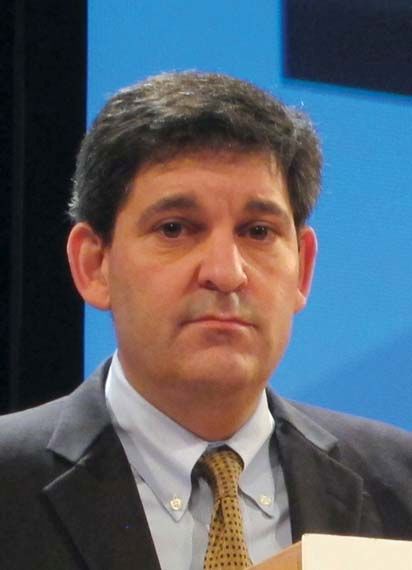
The guideline arrives at a time of increasing concern that osteoporosis is undertreated. Many older women with fractures and low bone mineral density (BMD) do not go on to receive osteoporosis medication, despite a range of effective therapies, and the rate of BMD scans has declined.
In that context, the ACP guideline has the potential to improve treatment uptake, especially since primary care providers are often at the front lines of osteoporosis diagnosis and treatment.
However, the guideline’s recommendations were a subject of pointed debate at the session. The ACP’s update of the guideline has “helped clarify what many view as a murky and complicated area of medicine, but the guidance needs to be balanced with consideration of the wide range of patient presentations in osteoporosis and the different properties of osteoporosis therapies,” said Dr. Leder, who delivered a point-by-point critique of the guideline’s six main points.
The guideline recommends the use of alendronate, risedronate, zoledronic acid, or denosumab to reduce the risk of hip and vertebral fractures in women with osteoporosis. Dr. Leder noted that the guideline omitted anabolic agents, including teriparatide and abaloparatide. There also are no recommendations regarding sequential therapy, which is increasingly viewed as an important therapeutic strategy. “We know that when we switch from teriparatide to a bisphosphonate or another antiresorptive agent, bone density increases as well or better than in patients treated de novo with bisphosphonates. When switching from bisphosphonates to teriparatide, bone mineral density increases are blunted compared to de novo teriparatide treatment,” Dr. Leder noted.
Other criticism of this first point, pointed out in an editorial by Liron Caplan, MD, of the University of Colorado at Denver, Aurora, and his colleagues, took issue with its exclusion of raloxifene, ibandronate, and teriparatide as first-line therapies, given that clinical trials have shown they reduce some types of fractures (Arthritis Rheumatol. 2017 Sep 7. doi: 10.1002/art.40305). The authors of the editorial also worried that insurers may use these limited recommendations as an excuse to limit reimbursement for anabolic agents, which may be the best first-line choice in some high-risk patients.
The guideline also recommends limiting osteoporosis treatment to a 5-year duration, which Dr. Leder criticized as arbitrary. “It doesn’t reflect the wide range of disease severity,” he said. He was particularly critical of the recommendation in the context of denosumab. Studies have shown that the drug continues to increase bone density for many years, with no apparent plateauing effect. “The recommendation of 5 years of therapy may benefit from some more nuance,” Dr. Leder said.
He also sharply criticized one omission. “Denosumab cannot be stopped or switched to teriparatide without a transition to bisphosphonates. This is one of the most crucial missing pieces of the guidelines, and it could potentially harm patients,” he said.
The editorial writers also felt that the 5-year treatment window was oversimplified. They noted that a shorter-than-5-year period may be appropriate for intravenous zoledronate, oral bisphosphonates, and teriparatide.
The guideline also advised against bone density monitoring during the suggested 5-year treatment window. Dr. Leder disagreed. “I don’t know if it’s feasible to start a patient on a medication and then communicate that you’re not going to monitor the effectiveness of that medication. That would be a tough sell for a hypertension drug, or a cholesterol lowering agent,” he said.

The guideline also provides useful information on the rate of adverse events. For example, it notes that atypical femur fractures occur in 1.78 out of 100,000 women taking bisphosphonates for 2 years. That information is useful, according to Dr. Crandall, but she took issue with the fact that the guideline described osteonecrosis of the jaw as rare. “As a primary care provider, I need to know how rare a side effect is, and primary care providers often don’t know that. When I do osteoporosis consultations, I often see patients who believe that osteonecrosis of the jaw occurs in nearly all patients who take bisphosphonates. If PCPs don’t know how rare ONJ is, how can they confront media reports?” Dr. Crandall said.
Overall, Dr. Crandall praised the recommendations as an important step forward. “I think they’re going to move us in the right direction, because primary care physicians read ACP guidelines. They answer key primary care provider questions. The guidelines are clear. PCPs need clear and easy to understand guidelines,” she said.
Dr. Crandall also made a pitch for more research, especially to determine the optimal duration of therapy and fracture reduction in patients with osteopenia. “PCPs need that evidence,” she said.
Dr. Leder has consulted for and received research funding from Amgen, Lilly, and Merck. Dr. Crandall reported having no financial disclosures.
DENVER – In May, the American College of Physicians released updated recommendations for treatment of low bone density and osteoporosis, but they have sparked criticism from endocrinologists, though they lauded efforts by the ACP to clarify matters for generalists.
“I think with just a bit of nuance, some of these recommendations could be changed in a way that makes them more consistent with our understanding of the pathophysiology of osteoporosis,” Benjamin Leder, MD, an endocrinologist at Massachusetts General Hospital, Boston, and chair of the American Society for Bone and Mineral Research Professional Practice Committee, said during a session at the society’s annual meeting.
The guideline arrives at a time of increasing concern that osteoporosis is undertreated. Many older women with fractures and low bone mineral density (BMD) do not go on to receive osteoporosis medication, despite a range of effective therapies, and the rate of BMD scans has declined.
In that context, the ACP guideline has the potential to improve treatment uptake, especially since primary care providers are often at the front lines of osteoporosis diagnosis and treatment.
However, the guideline’s recommendations were a subject of pointed debate at the session. The ACP’s update of the guideline has “helped clarify what many view as a murky and complicated area of medicine, but the guidance needs to be balanced with consideration of the wide range of patient presentations in osteoporosis and the different properties of osteoporosis therapies,” said Dr. Leder, who delivered a point-by-point critique of the guideline’s six main points.
The guideline recommends the use of alendronate, risedronate, zoledronic acid, or denosumab to reduce the risk of hip and vertebral fractures in women with osteoporosis. Dr. Leder noted that the guideline omitted anabolic agents, including teriparatide and abaloparatide. There also are no recommendations regarding sequential therapy, which is increasingly viewed as an important therapeutic strategy. “We know that when we switch from teriparatide to a bisphosphonate or another antiresorptive agent, bone density increases as well or better than in patients treated de novo with bisphosphonates. When switching from bisphosphonates to teriparatide, bone mineral density increases are blunted compared to de novo teriparatide treatment,” Dr. Leder noted.
Other criticism of this first point, pointed out in an editorial by Liron Caplan, MD, of the University of Colorado at Denver, Aurora, and his colleagues, took issue with its exclusion of raloxifene, ibandronate, and teriparatide as first-line therapies, given that clinical trials have shown they reduce some types of fractures (Arthritis Rheumatol. 2017 Sep 7. doi: 10.1002/art.40305). The authors of the editorial also worried that insurers may use these limited recommendations as an excuse to limit reimbursement for anabolic agents, which may be the best first-line choice in some high-risk patients.
The guideline also recommends limiting osteoporosis treatment to a 5-year duration, which Dr. Leder criticized as arbitrary. “It doesn’t reflect the wide range of disease severity,” he said. He was particularly critical of the recommendation in the context of denosumab. Studies have shown that the drug continues to increase bone density for many years, with no apparent plateauing effect. “The recommendation of 5 years of therapy may benefit from some more nuance,” Dr. Leder said.
He also sharply criticized one omission. “Denosumab cannot be stopped or switched to teriparatide without a transition to bisphosphonates. This is one of the most crucial missing pieces of the guidelines, and it could potentially harm patients,” he said.
The editorial writers also felt that the 5-year treatment window was oversimplified. They noted that a shorter-than-5-year period may be appropriate for intravenous zoledronate, oral bisphosphonates, and teriparatide.
The guideline also advised against bone density monitoring during the suggested 5-year treatment window. Dr. Leder disagreed. “I don’t know if it’s feasible to start a patient on a medication and then communicate that you’re not going to monitor the effectiveness of that medication. That would be a tough sell for a hypertension drug, or a cholesterol lowering agent,” he said.
The guideline also provides useful information on the rate of adverse events. For example, it notes that atypical femur fractures occur in 1.78 out of 100,000 women taking bisphosphonates for 2 years. That information is useful, according to Dr. Crandall, but she took issue with the fact that the guideline described osteonecrosis of the jaw as rare. “As a primary care provider, I need to know how rare a side effect is, and primary care providers often don’t know that. When I do osteoporosis consultations, I often see patients who believe that osteonecrosis of the jaw occurs in nearly all patients who take bisphosphonates. If PCPs don’t know how rare ONJ is, how can they confront media reports?” Dr. Crandall said.
Overall, Dr. Crandall praised the recommendations as an important step forward. “I think they’re going to move us in the right direction, because primary care physicians read ACP guidelines. They answer key primary care provider questions. The guidelines are clear. PCPs need clear and easy to understand guidelines,” she said.
Dr. Crandall also made a pitch for more research, especially to determine the optimal duration of therapy and fracture reduction in patients with osteopenia. “PCPs need that evidence,” she said.
Dr. Leder has consulted for and received research funding from Amgen, Lilly, and Merck. Dr. Crandall reported having no financial disclosures.
DENVER – In May, the American College of Physicians released updated recommendations for treatment of low bone density and osteoporosis, but they have sparked criticism from endocrinologists, though they lauded efforts by the ACP to clarify matters for generalists.
“I think with just a bit of nuance, some of these recommendations could be changed in a way that makes them more consistent with our understanding of the pathophysiology of osteoporosis,” Benjamin Leder, MD, an endocrinologist at Massachusetts General Hospital, Boston, and chair of the American Society for Bone and Mineral Research Professional Practice Committee, said during a session at the society’s annual meeting.
The guideline arrives at a time of increasing concern that osteoporosis is undertreated. Many older women with fractures and low bone mineral density (BMD) do not go on to receive osteoporosis medication, despite a range of effective therapies, and the rate of BMD scans has declined.
In that context, the ACP guideline has the potential to improve treatment uptake, especially since primary care providers are often at the front lines of osteoporosis diagnosis and treatment.
However, the guideline’s recommendations were a subject of pointed debate at the session. The ACP’s update of the guideline has “helped clarify what many view as a murky and complicated area of medicine, but the guidance needs to be balanced with consideration of the wide range of patient presentations in osteoporosis and the different properties of osteoporosis therapies,” said Dr. Leder, who delivered a point-by-point critique of the guideline’s six main points.
The guideline recommends the use of alendronate, risedronate, zoledronic acid, or denosumab to reduce the risk of hip and vertebral fractures in women with osteoporosis. Dr. Leder noted that the guideline omitted anabolic agents, including teriparatide and abaloparatide. There also are no recommendations regarding sequential therapy, which is increasingly viewed as an important therapeutic strategy. “We know that when we switch from teriparatide to a bisphosphonate or another antiresorptive agent, bone density increases as well or better than in patients treated de novo with bisphosphonates. When switching from bisphosphonates to teriparatide, bone mineral density increases are blunted compared to de novo teriparatide treatment,” Dr. Leder noted.
Other criticism of this first point, pointed out in an editorial by Liron Caplan, MD, of the University of Colorado at Denver, Aurora, and his colleagues, took issue with its exclusion of raloxifene, ibandronate, and teriparatide as first-line therapies, given that clinical trials have shown they reduce some types of fractures (Arthritis Rheumatol. 2017 Sep 7. doi: 10.1002/art.40305). The authors of the editorial also worried that insurers may use these limited recommendations as an excuse to limit reimbursement for anabolic agents, which may be the best first-line choice in some high-risk patients.
The guideline also recommends limiting osteoporosis treatment to a 5-year duration, which Dr. Leder criticized as arbitrary. “It doesn’t reflect the wide range of disease severity,” he said. He was particularly critical of the recommendation in the context of denosumab. Studies have shown that the drug continues to increase bone density for many years, with no apparent plateauing effect. “The recommendation of 5 years of therapy may benefit from some more nuance,” Dr. Leder said.
He also sharply criticized one omission. “Denosumab cannot be stopped or switched to teriparatide without a transition to bisphosphonates. This is one of the most crucial missing pieces of the guidelines, and it could potentially harm patients,” he said.
The editorial writers also felt that the 5-year treatment window was oversimplified. They noted that a shorter-than-5-year period may be appropriate for intravenous zoledronate, oral bisphosphonates, and teriparatide.
The guideline also advised against bone density monitoring during the suggested 5-year treatment window. Dr. Leder disagreed. “I don’t know if it’s feasible to start a patient on a medication and then communicate that you’re not going to monitor the effectiveness of that medication. That would be a tough sell for a hypertension drug, or a cholesterol lowering agent,” he said.
The guideline also provides useful information on the rate of adverse events. For example, it notes that atypical femur fractures occur in 1.78 out of 100,000 women taking bisphosphonates for 2 years. That information is useful, according to Dr. Crandall, but she took issue with the fact that the guideline described osteonecrosis of the jaw as rare. “As a primary care provider, I need to know how rare a side effect is, and primary care providers often don’t know that. When I do osteoporosis consultations, I often see patients who believe that osteonecrosis of the jaw occurs in nearly all patients who take bisphosphonates. If PCPs don’t know how rare ONJ is, how can they confront media reports?” Dr. Crandall said.
Overall, Dr. Crandall praised the recommendations as an important step forward. “I think they’re going to move us in the right direction, because primary care physicians read ACP guidelines. They answer key primary care provider questions. The guidelines are clear. PCPs need clear and easy to understand guidelines,” she said.
Dr. Crandall also made a pitch for more research, especially to determine the optimal duration of therapy and fracture reduction in patients with osteopenia. “PCPs need that evidence,” she said.
Dr. Leder has consulted for and received research funding from Amgen, Lilly, and Merck. Dr. Crandall reported having no financial disclosures.
AT ASBMR
IncobotulinumtoxinA May Benefit Patients With Sialorrhea
VANCOUVER—IncobotulinumtoxinA may help treat sialorrhea in patients with Parkinson’s disease or other neurologic conditions, according to a study presented at the 21st International Congress of Parkinson’s Disease and Movement Disorders.
“Results of this large controlled study confirm the efficacy and safety of incobotulinumtoxinA for the treatment of sialorrhea due to Parkinson’s disease and other etiologies,” said Andrew Blitzer, MD, DDS, an otolaryngologist at the Icahn School of Medicine at Mt. Sinai in New York City.

Sialorrhea, or excessive drooling, is a disabling symptom of Parkinson’s disease, cerebral palsy, or other neurologic disorders. The prevalence of sialorrhea ranges from 32% to 74% in patients with Parkinson’s disease. This condition can cause social isolation and is associated with an increased risk of morbidity and mortality associated with perioral skin breakdown, aspiration pneumonia, choking, and dehydration. Previous studies have indicated that botulinum neurotoxin may be useful for treating sialorrhea. However, no formulations have been approved to treat this condition in adults.
To investigate the efficacy and safety of incobotulinumtoxinA for the treatment of sialorrhea, Dr. Blitzer and colleagues conducted a prospective, randomized, double-blind, placebo-controlled study at 33 sites (12 sites in Germa
Eligible participants were adults with chronic sialorrhea related to Parkinson’s disease, atypical Parkinson syndromes, stroke, or traumatic brain injury. They had had sialorrhea for three or more months prior to screening. Patients that had non-neurologic secondary causes of sialorrhea were excluded.
Participants received either 75 U or 100 U of incobotulinumtoxinA or placebo. Dosing and injection sites were 15 U or 20 U into each submandibular gland and 22.5 U or 30 U into each parotid gland in the lower dose group and the higher dose group, respectively. Investigators followed subjects for approximately 16 weeks after injection. Primary outcomes included unstimulated salivary flow rate (USFR) at week 4, compared with baseline, and Global Impression of Change Scale (GICS) at week 4 post injection. Secondary outcomes included change in USFR from baseline to weeks 8 and 12, and GICS at weeks 1, 2, 8, and 12.
Among 184 participants included in the study, 54 were women, and the mean age was 65.2. Sialorrhea etiologies included Parkinson’s disease (70.6%), atypical Parkinson syndromes (8.7%), stroke (17.9%), and traumatic brain injury (2.7%). At baseline, the mean USFR was 0.40 g/min, and the mean Drooling Severity and Frequency Scale score was 6.86.
From baseline to four weeks post treatment, the mean change in USFR was –0.03 g/min in the placebo group, –0.07 g/min in the 75-U incobotulinumtoxinA group, and –0.12 g/min in the 100-U incobotulinumtoxinA group. In addition, secondary analyses indicated significant improvement in the USFR and GICS at week 8 and week 12 post injection in both active treatment groups. Researchers also found that improvement in the USFR was maintained in both dose groups at the last observation point at week 16.Overall, incobotulinumtoxinA was well tolerated. Eight patients withdrew from the study. Three participants discontinued treatment because of adverse events not related to treatment, and two because of a physician decision. One participant was lost to follow-up. The two most frequent treatment-related adverse events were dry mouth and dysphagia. No deaths were reported.
This study was sponsored by Merz Pharmaceuticals, which is headquartered in Raleigh, North Carolina.
—Erica Tricarico
VANCOUVER—IncobotulinumtoxinA may help treat sialorrhea in patients with Parkinson’s disease or other neurologic conditions, according to a study presented at the 21st International Congress of Parkinson’s Disease and Movement Disorders.
“Results of this large controlled study confirm the efficacy and safety of incobotulinumtoxinA for the treatment of sialorrhea due to Parkinson’s disease and other etiologies,” said Andrew Blitzer, MD, DDS, an otolaryngologist at the Icahn School of Medicine at Mt. Sinai in New York City.
Sialorrhea, or excessive drooling, is a disabling symptom of Parkinson’s disease, cerebral palsy, or other neurologic disorders. The prevalence of sialorrhea ranges from 32% to 74% in patients with Parkinson’s disease. This condition can cause social isolation and is associated with an increased risk of morbidity and mortality associated with perioral skin breakdown, aspiration pneumonia, choking, and dehydration. Previous studies have indicated that botulinum neurotoxin may be useful for treating sialorrhea. However, no formulations have been approved to treat this condition in adults.
To investigate the efficacy and safety of incobotulinumtoxinA for the treatment of sialorrhea, Dr. Blitzer and colleagues conducted a prospective, randomized, double-blind, placebo-controlled study at 33 sites (12 sites in Germa
Eligible participants were adults with chronic sialorrhea related to Parkinson’s disease, atypical Parkinson syndromes, stroke, or traumatic brain injury. They had had sialorrhea for three or more months prior to screening. Patients that had non-neurologic secondary causes of sialorrhea were excluded.
Participants received either 75 U or 100 U of incobotulinumtoxinA or placebo. Dosing and injection sites were 15 U or 20 U into each submandibular gland and 22.5 U or 30 U into each parotid gland in the lower dose group and the higher dose group, respectively. Investigators followed subjects for approximately 16 weeks after injection. Primary outcomes included unstimulated salivary flow rate (USFR) at week 4, compared with baseline, and Global Impression of Change Scale (GICS) at week 4 post injection. Secondary outcomes included change in USFR from baseline to weeks 8 and 12, and GICS at weeks 1, 2, 8, and 12.
Among 184 participants included in the study, 54 were women, and the mean age was 65.2. Sialorrhea etiologies included Parkinson’s disease (70.6%), atypical Parkinson syndromes (8.7%), stroke (17.9%), and traumatic brain injury (2.7%). At baseline, the mean USFR was 0.40 g/min, and the mean Drooling Severity and Frequency Scale score was 6.86.
From baseline to four weeks post treatment, the mean change in USFR was –0.03 g/min in the placebo group, –0.07 g/min in the 75-U incobotulinumtoxinA group, and –0.12 g/min in the 100-U incobotulinumtoxinA group. In addition, secondary analyses indicated significant improvement in the USFR and GICS at week 8 and week 12 post injection in both active treatment groups. Researchers also found that improvement in the USFR was maintained in both dose groups at the last observation point at week 16.Overall, incobotulinumtoxinA was well tolerated. Eight patients withdrew from the study. Three participants discontinued treatment because of adverse events not related to treatment, and two because of a physician decision. One participant was lost to follow-up. The two most frequent treatment-related adverse events were dry mouth and dysphagia. No deaths were reported.
This study was sponsored by Merz Pharmaceuticals, which is headquartered in Raleigh, North Carolina.
—Erica Tricarico
VANCOUVER—IncobotulinumtoxinA may help treat sialorrhea in patients with Parkinson’s disease or other neurologic conditions, according to a study presented at the 21st International Congress of Parkinson’s Disease and Movement Disorders.
“Results of this large controlled study confirm the efficacy and safety of incobotulinumtoxinA for the treatment of sialorrhea due to Parkinson’s disease and other etiologies,” said Andrew Blitzer, MD, DDS, an otolaryngologist at the Icahn School of Medicine at Mt. Sinai in New York City.
Sialorrhea, or excessive drooling, is a disabling symptom of Parkinson’s disease, cerebral palsy, or other neurologic disorders. The prevalence of sialorrhea ranges from 32% to 74% in patients with Parkinson’s disease. This condition can cause social isolation and is associated with an increased risk of morbidity and mortality associated with perioral skin breakdown, aspiration pneumonia, choking, and dehydration. Previous studies have indicated that botulinum neurotoxin may be useful for treating sialorrhea. However, no formulations have been approved to treat this condition in adults.
To investigate the efficacy and safety of incobotulinumtoxinA for the treatment of sialorrhea, Dr. Blitzer and colleagues conducted a prospective, randomized, double-blind, placebo-controlled study at 33 sites (12 sites in Germa
Eligible participants were adults with chronic sialorrhea related to Parkinson’s disease, atypical Parkinson syndromes, stroke, or traumatic brain injury. They had had sialorrhea for three or more months prior to screening. Patients that had non-neurologic secondary causes of sialorrhea were excluded.
Participants received either 75 U or 100 U of incobotulinumtoxinA or placebo. Dosing and injection sites were 15 U or 20 U into each submandibular gland and 22.5 U or 30 U into each parotid gland in the lower dose group and the higher dose group, respectively. Investigators followed subjects for approximately 16 weeks after injection. Primary outcomes included unstimulated salivary flow rate (USFR) at week 4, compared with baseline, and Global Impression of Change Scale (GICS) at week 4 post injection. Secondary outcomes included change in USFR from baseline to weeks 8 and 12, and GICS at weeks 1, 2, 8, and 12.
Among 184 participants included in the study, 54 were women, and the mean age was 65.2. Sialorrhea etiologies included Parkinson’s disease (70.6%), atypical Parkinson syndromes (8.7%), stroke (17.9%), and traumatic brain injury (2.7%). At baseline, the mean USFR was 0.40 g/min, and the mean Drooling Severity and Frequency Scale score was 6.86.
From baseline to four weeks post treatment, the mean change in USFR was –0.03 g/min in the placebo group, –0.07 g/min in the 75-U incobotulinumtoxinA group, and –0.12 g/min in the 100-U incobotulinumtoxinA group. In addition, secondary analyses indicated significant improvement in the USFR and GICS at week 8 and week 12 post injection in both active treatment groups. Researchers also found that improvement in the USFR was maintained in both dose groups at the last observation point at week 16.Overall, incobotulinumtoxinA was well tolerated. Eight patients withdrew from the study. Three participants discontinued treatment because of adverse events not related to treatment, and two because of a physician decision. One participant was lost to follow-up. The two most frequent treatment-related adverse events were dry mouth and dysphagia. No deaths were reported.
This study was sponsored by Merz Pharmaceuticals, which is headquartered in Raleigh, North Carolina.
—Erica Tricarico
Which Interventions Can Slow Cognitive Decline or Prevent Dementia?
LONDON—Cognitive training, blood pressure management, and increased physical activity could slow or delay cognitive decline, according to a new report by the National Academies of Science, Engineering, and Medicine (NASEM). The evidence is insufficient to justify a major public health campaign to encourage the adoption of these interventions, however, according to the organization.
“All the information taken together suggests that there is something that we can do to slow cognitive decline,” said Ronald C. Petersen, MD, PhD, Consultant to the Department of Neurology at the Mayo Clinic in Rochester, Minnesota, and member of the NASEM Committee on Preventing Cognitive Decline. “As these interventions have minimal risk and may be helpful for other conditions, the possible benefits are worthy of comment to the medical community.” In addition, NASEM identified areas for future research in this field, Dr. Petersen noted at the 2017 Alzheimer’s Association International Conference.

The NASEM review committee looked at the following three categories of cognitive decline: age-related cognitive decline, which can be a normal part of aging; mild cognitive impairment (MCI), which does not significantly impair function in daily activities; and clinical Alzheimer’s-type dementia, which denotes severe impairment and loss of functional independence. “With regard to public health messaging, it is unlikely that the general population will recognize these fine distinctions,” Dr. Petersen said.
For its report, NASEM examined a systematic review of randomized controlled trials by the Agency for Healthcare Research and Quality. For a more complete overview on which to base its recommendations, NASEM also analyzed supplementary sources, including prospective cohort studies and observational studies.
Cognitive Training
Evidence from randomized controlled trials shows that cognitive training can delay or slow age-related cognitive decline. “One study in particular, the Advanced Cognitive Training for Independent and Vital Elderly (ACTIVE) trial, showed moderate-strength evidence of benefits,” Dr. Petersen said. “Certainly the data look good out to two years.”
The 10-year ACTIVE trial involved 2,832 subjects age 65 and older who did not have significant cognitive, physical, or functional decline at baseline. Participants were randomized to one of three 10-session training interventions (ie, for memory, reasoning, or speed of information processing) or to no contact. Each intervention improved function in the corresponding cognitive domain, but not necessarily in the other cognitive domains, the researchers found.
The study had certain limitations, however, said Dr. Petersen. “The evidence was of low strength at five years and at 10 years due to attrition and a variety of other factors. Also, there was some selection bias as to who among the study participants would receive additional booster sessions.” Other limitations were the use of no-contact controls and the lack of comparison between treatment arms. “Nevertheless, these were longitudinal data, which are uncommon for a study with these types of interventions.”
These findings may not translate to benefits for commercially available computer-based brain games, Dr. Petersen added. “In the ACTIVE study, there was a social factor, as well. These people did not just sit down at a computer screen, but they were in a group being taught various techniques.” As for supplementary evidence, NASEM identified no observational studies of cognitive training, and it found no evidence that cognitive training has a beneficial effect on MCI or Alzheimer’s-type dementia.
Blood Pressure Management
Randomized controlled trial data were inconsistent with regard to the effects of blood pressure management on the incidence of Alzheimer’s-type dementia. One of four trials, the Systolic Hypertension in Europe (Syst-Eur) trial, showed benefits of this approach.
In this study, eligible patients had no dementia, were at least age 60, and had isolated systolic hypertension. Median follow-up by intention to treat was 2.0 years. Compared with placebo (n = 1,180), active treatment (n = 1,238) reduced the incidence of dementia by 50%. The Syst-Eur trial was stopped after the second of four planned interim analyses because active treatment had reduced stroke incidence, which was the primary end point. Because of ethical issues, however, the NASEM committee questioned whether it is possible or practical to reach a definitive conclusion about the benefits of blood pressure management for dementia using randomized controlled trial data.
Supplementary evidence in favor of blood pressure management includes the link between cerebrovascular disease and dementia, Dr. Petersen said, coupled with the fact that antihypertensive drugs reduce stroke risk and subclinical cerebrovascular disease. Prospective cohort studies more consistently show an association between blood pressure lowering and improved cognitive outcomes. Furthermore, in studies that were not randomized controlled trials, NASEM’s analyses using the Bradford Hill criteria suggested a causal relationship between blood pressure management and decreased incidence of Alzheimer’s-type dementia.
Physical Activity
Although the randomized controlled trial data on the benefits of physical activity were mixed, the results suggested that physical activity could reduce the risk of age-related cognitive decline. Data on the effect of physical activity on the risks of MCI and Alzheimer’s-type dementia were insufficient, Dr. Petersen said. Generally, follow-up periods were too short to assess long-term effects, and MCI and Alzheimer’s-type dementia incidence were rarely measured as outcomes.
“Findings from studies that compared the difference between aerobic training and resistance training were somewhat inconsistent,” Dr. Petersen said. “Some people believe that a mixture of both may in fact be beneficial.” In the largest randomized controlled trial examined, the Lifestyle Interventions and Independence for Elders Pilot study, evidence was insufficient to support conclusions regarding a multicomponent intervention.
“There were observational studies and a variety of longitudinal prospective studies that would suggest that physical activity may have a positive effect on cognitive performance and dementia incidence,” Dr. Petersen said. “It could also have an impact on other conditions that may affect cognitive function, such as hypertension, depression, and diabetes.”
Future Directions for Research
While the NASEM committee recommends more research on the benefits of cognitive training, blood pressure management, and exercise training, it also urges the NIH and other organizations to support studies with improved methodologies. Such improvements include identifying patients at higher risk of cognitive decline or dementia, increasing participation of underrepresented populations, beginning interventions at younger ages, and establishing longer follow-up periods.
The committee also suggests that trials with other primary purposes measure cognitive outcomes. “For instance, if there is an ongoing study on prostate cancer, and the researchers decide midway to add some cognitive measure, that is useful,” Dr. Petersen said. “But it is not as strong as if the study had been prospectively designed to look at cognitive end points at the baseline.”
Other interventions that should be examined are new antidementia treatments; treatments for diabetes and depression; dietary, lipid-lowering, and sleep-quality interventions; social engagement interventions; and supplementation with vitamin B12 plus folic acid, said Dr. Petersen.
—Adriene Marshall
Suggested Reading
Forette F, Seux ML, Staessen JA, et al. Prevention of dementia in randomised double-blind placebo-controlled Systolic Hypertension in Europe (Syst-Eur) trial. Lancet. 1998;352(9137):1347-1351.
Jobe JB, Smith DM, Ball K, et al. ACTIVE: a cognitive intervention trial to promote independence in older adults. Control Clin Trials. 2001;22(4):453-479.
LIFE Study Investigators, Pahor M, Blair SN, et al. Effects of a physical activity intervention on measures of physical performance: Results of the Lifestyle Interventions and Independence for Elders Pilot (LIFE-P) study. J Gerontol A Biol Sci Med Sci. 2006;61(11):1157-1165.
National Academies of Sciences, Engineering, and Medicine. 2017. Preventing Cognitive Decline and Dementia: A Way Forward. Washington, DC: The National Academies Press; 2017.
Staessen JA, Thijs L, Birkenhäger WH, et al. Update on the systolic hypertension in Europe (Syst-Eur) trial. The Syst-Eur Investigators. Hypertension. 1999;33(6):1476-1477.
LONDON—Cognitive training, blood pressure management, and increased physical activity could slow or delay cognitive decline, according to a new report by the National Academies of Science, Engineering, and Medicine (NASEM). The evidence is insufficient to justify a major public health campaign to encourage the adoption of these interventions, however, according to the organization.
“All the information taken together suggests that there is something that we can do to slow cognitive decline,” said Ronald C. Petersen, MD, PhD, Consultant to the Department of Neurology at the Mayo Clinic in Rochester, Minnesota, and member of the NASEM Committee on Preventing Cognitive Decline. “As these interventions have minimal risk and may be helpful for other conditions, the possible benefits are worthy of comment to the medical community.” In addition, NASEM identified areas for future research in this field, Dr. Petersen noted at the 2017 Alzheimer’s Association International Conference.
The NASEM review committee looked at the following three categories of cognitive decline: age-related cognitive decline, which can be a normal part of aging; mild cognitive impairment (MCI), which does not significantly impair function in daily activities; and clinical Alzheimer’s-type dementia, which denotes severe impairment and loss of functional independence. “With regard to public health messaging, it is unlikely that the general population will recognize these fine distinctions,” Dr. Petersen said.
For its report, NASEM examined a systematic review of randomized controlled trials by the Agency for Healthcare Research and Quality. For a more complete overview on which to base its recommendations, NASEM also analyzed supplementary sources, including prospective cohort studies and observational studies.
Cognitive Training
Evidence from randomized controlled trials shows that cognitive training can delay or slow age-related cognitive decline. “One study in particular, the Advanced Cognitive Training for Independent and Vital Elderly (ACTIVE) trial, showed moderate-strength evidence of benefits,” Dr. Petersen said. “Certainly the data look good out to two years.”
The 10-year ACTIVE trial involved 2,832 subjects age 65 and older who did not have significant cognitive, physical, or functional decline at baseline. Participants were randomized to one of three 10-session training interventions (ie, for memory, reasoning, or speed of information processing) or to no contact. Each intervention improved function in the corresponding cognitive domain, but not necessarily in the other cognitive domains, the researchers found.
The study had certain limitations, however, said Dr. Petersen. “The evidence was of low strength at five years and at 10 years due to attrition and a variety of other factors. Also, there was some selection bias as to who among the study participants would receive additional booster sessions.” Other limitations were the use of no-contact controls and the lack of comparison between treatment arms. “Nevertheless, these were longitudinal data, which are uncommon for a study with these types of interventions.”
These findings may not translate to benefits for commercially available computer-based brain games, Dr. Petersen added. “In the ACTIVE study, there was a social factor, as well. These people did not just sit down at a computer screen, but they were in a group being taught various techniques.” As for supplementary evidence, NASEM identified no observational studies of cognitive training, and it found no evidence that cognitive training has a beneficial effect on MCI or Alzheimer’s-type dementia.
Blood Pressure Management
Randomized controlled trial data were inconsistent with regard to the effects of blood pressure management on the incidence of Alzheimer’s-type dementia. One of four trials, the Systolic Hypertension in Europe (Syst-Eur) trial, showed benefits of this approach.
In this study, eligible patients had no dementia, were at least age 60, and had isolated systolic hypertension. Median follow-up by intention to treat was 2.0 years. Compared with placebo (n = 1,180), active treatment (n = 1,238) reduced the incidence of dementia by 50%. The Syst-Eur trial was stopped after the second of four planned interim analyses because active treatment had reduced stroke incidence, which was the primary end point. Because of ethical issues, however, the NASEM committee questioned whether it is possible or practical to reach a definitive conclusion about the benefits of blood pressure management for dementia using randomized controlled trial data.
Supplementary evidence in favor of blood pressure management includes the link between cerebrovascular disease and dementia, Dr. Petersen said, coupled with the fact that antihypertensive drugs reduce stroke risk and subclinical cerebrovascular disease. Prospective cohort studies more consistently show an association between blood pressure lowering and improved cognitive outcomes. Furthermore, in studies that were not randomized controlled trials, NASEM’s analyses using the Bradford Hill criteria suggested a causal relationship between blood pressure management and decreased incidence of Alzheimer’s-type dementia.
Physical Activity
Although the randomized controlled trial data on the benefits of physical activity were mixed, the results suggested that physical activity could reduce the risk of age-related cognitive decline. Data on the effect of physical activity on the risks of MCI and Alzheimer’s-type dementia were insufficient, Dr. Petersen said. Generally, follow-up periods were too short to assess long-term effects, and MCI and Alzheimer’s-type dementia incidence were rarely measured as outcomes.
“Findings from studies that compared the difference between aerobic training and resistance training were somewhat inconsistent,” Dr. Petersen said. “Some people believe that a mixture of both may in fact be beneficial.” In the largest randomized controlled trial examined, the Lifestyle Interventions and Independence for Elders Pilot study, evidence was insufficient to support conclusions regarding a multicomponent intervention.
“There were observational studies and a variety of longitudinal prospective studies that would suggest that physical activity may have a positive effect on cognitive performance and dementia incidence,” Dr. Petersen said. “It could also have an impact on other conditions that may affect cognitive function, such as hypertension, depression, and diabetes.”
Future Directions for Research
While the NASEM committee recommends more research on the benefits of cognitive training, blood pressure management, and exercise training, it also urges the NIH and other organizations to support studies with improved methodologies. Such improvements include identifying patients at higher risk of cognitive decline or dementia, increasing participation of underrepresented populations, beginning interventions at younger ages, and establishing longer follow-up periods.
The committee also suggests that trials with other primary purposes measure cognitive outcomes. “For instance, if there is an ongoing study on prostate cancer, and the researchers decide midway to add some cognitive measure, that is useful,” Dr. Petersen said. “But it is not as strong as if the study had been prospectively designed to look at cognitive end points at the baseline.”
Other interventions that should be examined are new antidementia treatments; treatments for diabetes and depression; dietary, lipid-lowering, and sleep-quality interventions; social engagement interventions; and supplementation with vitamin B12 plus folic acid, said Dr. Petersen.
—Adriene Marshall
Suggested Reading
Forette F, Seux ML, Staessen JA, et al. Prevention of dementia in randomised double-blind placebo-controlled Systolic Hypertension in Europe (Syst-Eur) trial. Lancet. 1998;352(9137):1347-1351.
Jobe JB, Smith DM, Ball K, et al. ACTIVE: a cognitive intervention trial to promote independence in older adults. Control Clin Trials. 2001;22(4):453-479.
LIFE Study Investigators, Pahor M, Blair SN, et al. Effects of a physical activity intervention on measures of physical performance: Results of the Lifestyle Interventions and Independence for Elders Pilot (LIFE-P) study. J Gerontol A Biol Sci Med Sci. 2006;61(11):1157-1165.
National Academies of Sciences, Engineering, and Medicine. 2017. Preventing Cognitive Decline and Dementia: A Way Forward. Washington, DC: The National Academies Press; 2017.
Staessen JA, Thijs L, Birkenhäger WH, et al. Update on the systolic hypertension in Europe (Syst-Eur) trial. The Syst-Eur Investigators. Hypertension. 1999;33(6):1476-1477.
LONDON—Cognitive training, blood pressure management, and increased physical activity could slow or delay cognitive decline, according to a new report by the National Academies of Science, Engineering, and Medicine (NASEM). The evidence is insufficient to justify a major public health campaign to encourage the adoption of these interventions, however, according to the organization.
“All the information taken together suggests that there is something that we can do to slow cognitive decline,” said Ronald C. Petersen, MD, PhD, Consultant to the Department of Neurology at the Mayo Clinic in Rochester, Minnesota, and member of the NASEM Committee on Preventing Cognitive Decline. “As these interventions have minimal risk and may be helpful for other conditions, the possible benefits are worthy of comment to the medical community.” In addition, NASEM identified areas for future research in this field, Dr. Petersen noted at the 2017 Alzheimer’s Association International Conference.
The NASEM review committee looked at the following three categories of cognitive decline: age-related cognitive decline, which can be a normal part of aging; mild cognitive impairment (MCI), which does not significantly impair function in daily activities; and clinical Alzheimer’s-type dementia, which denotes severe impairment and loss of functional independence. “With regard to public health messaging, it is unlikely that the general population will recognize these fine distinctions,” Dr. Petersen said.
For its report, NASEM examined a systematic review of randomized controlled trials by the Agency for Healthcare Research and Quality. For a more complete overview on which to base its recommendations, NASEM also analyzed supplementary sources, including prospective cohort studies and observational studies.
Cognitive Training
Evidence from randomized controlled trials shows that cognitive training can delay or slow age-related cognitive decline. “One study in particular, the Advanced Cognitive Training for Independent and Vital Elderly (ACTIVE) trial, showed moderate-strength evidence of benefits,” Dr. Petersen said. “Certainly the data look good out to two years.”
The 10-year ACTIVE trial involved 2,832 subjects age 65 and older who did not have significant cognitive, physical, or functional decline at baseline. Participants were randomized to one of three 10-session training interventions (ie, for memory, reasoning, or speed of information processing) or to no contact. Each intervention improved function in the corresponding cognitive domain, but not necessarily in the other cognitive domains, the researchers found.
The study had certain limitations, however, said Dr. Petersen. “The evidence was of low strength at five years and at 10 years due to attrition and a variety of other factors. Also, there was some selection bias as to who among the study participants would receive additional booster sessions.” Other limitations were the use of no-contact controls and the lack of comparison between treatment arms. “Nevertheless, these were longitudinal data, which are uncommon for a study with these types of interventions.”
These findings may not translate to benefits for commercially available computer-based brain games, Dr. Petersen added. “In the ACTIVE study, there was a social factor, as well. These people did not just sit down at a computer screen, but they were in a group being taught various techniques.” As for supplementary evidence, NASEM identified no observational studies of cognitive training, and it found no evidence that cognitive training has a beneficial effect on MCI or Alzheimer’s-type dementia.
Blood Pressure Management
Randomized controlled trial data were inconsistent with regard to the effects of blood pressure management on the incidence of Alzheimer’s-type dementia. One of four trials, the Systolic Hypertension in Europe (Syst-Eur) trial, showed benefits of this approach.
In this study, eligible patients had no dementia, were at least age 60, and had isolated systolic hypertension. Median follow-up by intention to treat was 2.0 years. Compared with placebo (n = 1,180), active treatment (n = 1,238) reduced the incidence of dementia by 50%. The Syst-Eur trial was stopped after the second of four planned interim analyses because active treatment had reduced stroke incidence, which was the primary end point. Because of ethical issues, however, the NASEM committee questioned whether it is possible or practical to reach a definitive conclusion about the benefits of blood pressure management for dementia using randomized controlled trial data.
Supplementary evidence in favor of blood pressure management includes the link between cerebrovascular disease and dementia, Dr. Petersen said, coupled with the fact that antihypertensive drugs reduce stroke risk and subclinical cerebrovascular disease. Prospective cohort studies more consistently show an association between blood pressure lowering and improved cognitive outcomes. Furthermore, in studies that were not randomized controlled trials, NASEM’s analyses using the Bradford Hill criteria suggested a causal relationship between blood pressure management and decreased incidence of Alzheimer’s-type dementia.
Physical Activity
Although the randomized controlled trial data on the benefits of physical activity were mixed, the results suggested that physical activity could reduce the risk of age-related cognitive decline. Data on the effect of physical activity on the risks of MCI and Alzheimer’s-type dementia were insufficient, Dr. Petersen said. Generally, follow-up periods were too short to assess long-term effects, and MCI and Alzheimer’s-type dementia incidence were rarely measured as outcomes.
“Findings from studies that compared the difference between aerobic training and resistance training were somewhat inconsistent,” Dr. Petersen said. “Some people believe that a mixture of both may in fact be beneficial.” In the largest randomized controlled trial examined, the Lifestyle Interventions and Independence for Elders Pilot study, evidence was insufficient to support conclusions regarding a multicomponent intervention.
“There were observational studies and a variety of longitudinal prospective studies that would suggest that physical activity may have a positive effect on cognitive performance and dementia incidence,” Dr. Petersen said. “It could also have an impact on other conditions that may affect cognitive function, such as hypertension, depression, and diabetes.”
Future Directions for Research
While the NASEM committee recommends more research on the benefits of cognitive training, blood pressure management, and exercise training, it also urges the NIH and other organizations to support studies with improved methodologies. Such improvements include identifying patients at higher risk of cognitive decline or dementia, increasing participation of underrepresented populations, beginning interventions at younger ages, and establishing longer follow-up periods.
The committee also suggests that trials with other primary purposes measure cognitive outcomes. “For instance, if there is an ongoing study on prostate cancer, and the researchers decide midway to add some cognitive measure, that is useful,” Dr. Petersen said. “But it is not as strong as if the study had been prospectively designed to look at cognitive end points at the baseline.”
Other interventions that should be examined are new antidementia treatments; treatments for diabetes and depression; dietary, lipid-lowering, and sleep-quality interventions; social engagement interventions; and supplementation with vitamin B12 plus folic acid, said Dr. Petersen.
—Adriene Marshall
Suggested Reading
Forette F, Seux ML, Staessen JA, et al. Prevention of dementia in randomised double-blind placebo-controlled Systolic Hypertension in Europe (Syst-Eur) trial. Lancet. 1998;352(9137):1347-1351.
Jobe JB, Smith DM, Ball K, et al. ACTIVE: a cognitive intervention trial to promote independence in older adults. Control Clin Trials. 2001;22(4):453-479.
LIFE Study Investigators, Pahor M, Blair SN, et al. Effects of a physical activity intervention on measures of physical performance: Results of the Lifestyle Interventions and Independence for Elders Pilot (LIFE-P) study. J Gerontol A Biol Sci Med Sci. 2006;61(11):1157-1165.
National Academies of Sciences, Engineering, and Medicine. 2017. Preventing Cognitive Decline and Dementia: A Way Forward. Washington, DC: The National Academies Press; 2017.
Staessen JA, Thijs L, Birkenhäger WH, et al. Update on the systolic hypertension in Europe (Syst-Eur) trial. The Syst-Eur Investigators. Hypertension. 1999;33(6):1476-1477.
Combination of Rivaroxaban and Aspirin Improves Cardiovascular Outcomes
Compared with aspirin alone, a regimen of rivaroxaban plus aspirin is associated with better cardiovascular outcomes among patients with stable atherosclerotic vascular disease, according to research published August 27 in the New England Journal of Medicine. Although the combination increases the risk of major bleeding events, it has greater net clinical benefit than aspirin alone, said the investigators.

COMPASS: An International Trial
“Efforts to improve aspirin have focused primarily on combining aspirin with another antiplatelet drug or replacing aspirin with another antiplatelet drug, but this [tactic] has had only limited success,” said Dr. Eikelboom. He and his colleagues conducted the Cardiovascular Outcomes for People Using Anticoagulation Strategies (COMPASS) trial, a double-blind study to evaluate whether rivaroxaban, a selective direct factor Xa inhibitor, either alone or in combination with aspirin, would be more effective than aspirin alone for secondary cardiovascular prevention.
The study took place at 602 centers in 33 countries. Eligible patients met the criteria for coronary artery disease, peripheral arterial disease, or both. Among the exclusion criteria were high bleeding risk, recent stroke or previous hemorrhagic or lacunar stroke, severe heart failure, and advanced stable kidney disease. During a run-in phase, participants received a rivaroxaban-matched placebo twice daily and aspirin (100 mg/day). Participants who adhered to this regimen were randomized in equal groups to rivaroxaban (2.5 mg bid) plus aspirin (100 mg/day), rivaroxaban (5 mg bid) plus placebo once daily, or aspirin (100 mg/day) plus placebo twice daily.
The primary efficacy outcome was the composite of cardiovascular death, stroke, or myocardial infarction. The main safety outcome was a modification of the International Society on Thrombosis and Hemostasis criteria for major bleeding. The investigators intended to continue the trial until at least 2,200 participants had a confirmed primary efficacy outcome. They planned formal interim analyses of efficacy for when 50% and 75% of primary efficacy events had occurred.
Study Was Stopped Early for Efficacy
The investigators enrolled 27,395 participants into the trial. The population’s mean age was 68.2, and 22.0% of participants were women. The mean systolic blood pressure was 136 mm Hg, the mean diastolic blood pressure was 78 mm Hg, and the mean total cholesterol level was 4.2 mmol/L. Having observed a consistent difference in the primary efficacy outcome in favor of rivaroxaban plus aspirin, the independent data and safety monitoring board recommended early termination of the study at the first formal interim analysis for efficacy.
The rate of primary outcome events was 4.1% (379 patients) in the rivaroxaban-plus-aspirin group, 4.9% (448 patients) in the rivaroxaban group, and 5.4% (496 patients) in the aspirin group. Compared with aspirin alone, rivaroxaban plus aspirin reduced the risk of the primary outcome by 24%. Rivaroxaban alone reduced the risk of the primary outcome by 10%, compared with aspirin alone, but this result was not statistically significant.
The rate of major bleeding events was 3.1% (288 patients) in the rivaroxaban-plus-aspirin group and 1.9% (170 patients) in the aspirin-alone group. Compared with aspirin alone, rivaroxaban plus aspirin increased the risk of major bleeding by 70%. Most of the excess major bleeding occurred in the gastrointestinal tract. The researchers saw no significant between-group difference in the rates of fatal bleeding, intracranial bleeding, or symptomatic bleeding into a critical organ. The rate of serious adverse events was 7.9% (721 patients) in the rivaroxaban-plus-aspirin group, 7.7% (702 patients) in the rivaroxaban group, and 7.3% (662 patients) in the aspirin group.
The risk of the net-clinical-benefit outcome (ie, a composite of cardiovascular death, stroke, myocardial infarction, fatal bleeding, or symptomatic bleeding into a critical organ) was 20% lower with rivaroxaban plus aspirin than with aspirin alone. The risk of the net-clinical-benefit outcome was not significantly lower with rivaroxaban alone than with aspirin alone.
Could Practice Guidelines Change?
Although the rate of stroke was lower among patients receiving rivaroxaban plus aspirin than among patients receiving aspirin alone, the researchers found no statistically significant difference between groups in the rate of myocardial infarction, said Eugene Braunwald, MD, Professor of Cardiovascular Medicine at Brigham and Women’s Hospital in Boston, in an accompanying editorial. Nevertheless, “this trial represents an important step forward in thrombocardiology, and it is likely to change practice guidelines,” he added.
Future clinical investigation in this field could pursue several paths. For example, a head-to-head comparison between aspirin plus a second antiplatelet drug and a low dose of a factor Xa inhibitor could be of great interest, said Dr. Braunwald. “Perhaps substituting a P2Y12 inhibitor or thrombin-receptor antagonist for aspirin, together with a very low dose of a factor Xa inhibitor, might lead to even greater efficacy by reducing myocardial infarction,” he added. Also, different subgroups of patients with stable ischemic heart disease may respond differently to these various drug combinations, and these different responses could enable a personalized approach to patients with stable ischemic heart disease, he concluded.
—Erik Greb
Suggested Reading
Braunwald E. An important step for thrombocardiology. N Engl J Med. 2017 Aug 27 [Epub ahead of print].
Eikelboom JW, Connolly SJ, Bosch J, et al. Rivaroxaban with or without aspirin in stable cardiovascular disease. N Engl J Med. 2017 Aug 27 [Epub ahead of print].
Compared with aspirin alone, a regimen of rivaroxaban plus aspirin is associated with better cardiovascular outcomes among patients with stable atherosclerotic vascular disease, according to research published August 27 in the New England Journal of Medicine. Although the combination increases the risk of major bleeding events, it has greater net clinical benefit than aspirin alone, said the investigators.
COMPASS: An International Trial
“Efforts to improve aspirin have focused primarily on combining aspirin with another antiplatelet drug or replacing aspirin with another antiplatelet drug, but this [tactic] has had only limited success,” said Dr. Eikelboom. He and his colleagues conducted the Cardiovascular Outcomes for People Using Anticoagulation Strategies (COMPASS) trial, a double-blind study to evaluate whether rivaroxaban, a selective direct factor Xa inhibitor, either alone or in combination with aspirin, would be more effective than aspirin alone for secondary cardiovascular prevention.
The study took place at 602 centers in 33 countries. Eligible patients met the criteria for coronary artery disease, peripheral arterial disease, or both. Among the exclusion criteria were high bleeding risk, recent stroke or previous hemorrhagic or lacunar stroke, severe heart failure, and advanced stable kidney disease. During a run-in phase, participants received a rivaroxaban-matched placebo twice daily and aspirin (100 mg/day). Participants who adhered to this regimen were randomized in equal groups to rivaroxaban (2.5 mg bid) plus aspirin (100 mg/day), rivaroxaban (5 mg bid) plus placebo once daily, or aspirin (100 mg/day) plus placebo twice daily.
The primary efficacy outcome was the composite of cardiovascular death, stroke, or myocardial infarction. The main safety outcome was a modification of the International Society on Thrombosis and Hemostasis criteria for major bleeding. The investigators intended to continue the trial until at least 2,200 participants had a confirmed primary efficacy outcome. They planned formal interim analyses of efficacy for when 50% and 75% of primary efficacy events had occurred.
Study Was Stopped Early for Efficacy
The investigators enrolled 27,395 participants into the trial. The population’s mean age was 68.2, and 22.0% of participants were women. The mean systolic blood pressure was 136 mm Hg, the mean diastolic blood pressure was 78 mm Hg, and the mean total cholesterol level was 4.2 mmol/L. Having observed a consistent difference in the primary efficacy outcome in favor of rivaroxaban plus aspirin, the independent data and safety monitoring board recommended early termination of the study at the first formal interim analysis for efficacy.
The rate of primary outcome events was 4.1% (379 patients) in the rivaroxaban-plus-aspirin group, 4.9% (448 patients) in the rivaroxaban group, and 5.4% (496 patients) in the aspirin group. Compared with aspirin alone, rivaroxaban plus aspirin reduced the risk of the primary outcome by 24%. Rivaroxaban alone reduced the risk of the primary outcome by 10%, compared with aspirin alone, but this result was not statistically significant.
The rate of major bleeding events was 3.1% (288 patients) in the rivaroxaban-plus-aspirin group and 1.9% (170 patients) in the aspirin-alone group. Compared with aspirin alone, rivaroxaban plus aspirin increased the risk of major bleeding by 70%. Most of the excess major bleeding occurred in the gastrointestinal tract. The researchers saw no significant between-group difference in the rates of fatal bleeding, intracranial bleeding, or symptomatic bleeding into a critical organ. The rate of serious adverse events was 7.9% (721 patients) in the rivaroxaban-plus-aspirin group, 7.7% (702 patients) in the rivaroxaban group, and 7.3% (662 patients) in the aspirin group.
The risk of the net-clinical-benefit outcome (ie, a composite of cardiovascular death, stroke, myocardial infarction, fatal bleeding, or symptomatic bleeding into a critical organ) was 20% lower with rivaroxaban plus aspirin than with aspirin alone. The risk of the net-clinical-benefit outcome was not significantly lower with rivaroxaban alone than with aspirin alone.
Could Practice Guidelines Change?
Although the rate of stroke was lower among patients receiving rivaroxaban plus aspirin than among patients receiving aspirin alone, the researchers found no statistically significant difference between groups in the rate of myocardial infarction, said Eugene Braunwald, MD, Professor of Cardiovascular Medicine at Brigham and Women’s Hospital in Boston, in an accompanying editorial. Nevertheless, “this trial represents an important step forward in thrombocardiology, and it is likely to change practice guidelines,” he added.
Future clinical investigation in this field could pursue several paths. For example, a head-to-head comparison between aspirin plus a second antiplatelet drug and a low dose of a factor Xa inhibitor could be of great interest, said Dr. Braunwald. “Perhaps substituting a P2Y12 inhibitor or thrombin-receptor antagonist for aspirin, together with a very low dose of a factor Xa inhibitor, might lead to even greater efficacy by reducing myocardial infarction,” he added. Also, different subgroups of patients with stable ischemic heart disease may respond differently to these various drug combinations, and these different responses could enable a personalized approach to patients with stable ischemic heart disease, he concluded.
—Erik Greb
Suggested Reading
Braunwald E. An important step for thrombocardiology. N Engl J Med. 2017 Aug 27 [Epub ahead of print].
Eikelboom JW, Connolly SJ, Bosch J, et al. Rivaroxaban with or without aspirin in stable cardiovascular disease. N Engl J Med. 2017 Aug 27 [Epub ahead of print].
Compared with aspirin alone, a regimen of rivaroxaban plus aspirin is associated with better cardiovascular outcomes among patients with stable atherosclerotic vascular disease, according to research published August 27 in the New England Journal of Medicine. Although the combination increases the risk of major bleeding events, it has greater net clinical benefit than aspirin alone, said the investigators.
COMPASS: An International Trial
“Efforts to improve aspirin have focused primarily on combining aspirin with another antiplatelet drug or replacing aspirin with another antiplatelet drug, but this [tactic] has had only limited success,” said Dr. Eikelboom. He and his colleagues conducted the Cardiovascular Outcomes for People Using Anticoagulation Strategies (COMPASS) trial, a double-blind study to evaluate whether rivaroxaban, a selective direct factor Xa inhibitor, either alone or in combination with aspirin, would be more effective than aspirin alone for secondary cardiovascular prevention.
The study took place at 602 centers in 33 countries. Eligible patients met the criteria for coronary artery disease, peripheral arterial disease, or both. Among the exclusion criteria were high bleeding risk, recent stroke or previous hemorrhagic or lacunar stroke, severe heart failure, and advanced stable kidney disease. During a run-in phase, participants received a rivaroxaban-matched placebo twice daily and aspirin (100 mg/day). Participants who adhered to this regimen were randomized in equal groups to rivaroxaban (2.5 mg bid) plus aspirin (100 mg/day), rivaroxaban (5 mg bid) plus placebo once daily, or aspirin (100 mg/day) plus placebo twice daily.
The primary efficacy outcome was the composite of cardiovascular death, stroke, or myocardial infarction. The main safety outcome was a modification of the International Society on Thrombosis and Hemostasis criteria for major bleeding. The investigators intended to continue the trial until at least 2,200 participants had a confirmed primary efficacy outcome. They planned formal interim analyses of efficacy for when 50% and 75% of primary efficacy events had occurred.
Study Was Stopped Early for Efficacy
The investigators enrolled 27,395 participants into the trial. The population’s mean age was 68.2, and 22.0% of participants were women. The mean systolic blood pressure was 136 mm Hg, the mean diastolic blood pressure was 78 mm Hg, and the mean total cholesterol level was 4.2 mmol/L. Having observed a consistent difference in the primary efficacy outcome in favor of rivaroxaban plus aspirin, the independent data and safety monitoring board recommended early termination of the study at the first formal interim analysis for efficacy.
The rate of primary outcome events was 4.1% (379 patients) in the rivaroxaban-plus-aspirin group, 4.9% (448 patients) in the rivaroxaban group, and 5.4% (496 patients) in the aspirin group. Compared with aspirin alone, rivaroxaban plus aspirin reduced the risk of the primary outcome by 24%. Rivaroxaban alone reduced the risk of the primary outcome by 10%, compared with aspirin alone, but this result was not statistically significant.
The rate of major bleeding events was 3.1% (288 patients) in the rivaroxaban-plus-aspirin group and 1.9% (170 patients) in the aspirin-alone group. Compared with aspirin alone, rivaroxaban plus aspirin increased the risk of major bleeding by 70%. Most of the excess major bleeding occurred in the gastrointestinal tract. The researchers saw no significant between-group difference in the rates of fatal bleeding, intracranial bleeding, or symptomatic bleeding into a critical organ. The rate of serious adverse events was 7.9% (721 patients) in the rivaroxaban-plus-aspirin group, 7.7% (702 patients) in the rivaroxaban group, and 7.3% (662 patients) in the aspirin group.
The risk of the net-clinical-benefit outcome (ie, a composite of cardiovascular death, stroke, myocardial infarction, fatal bleeding, or symptomatic bleeding into a critical organ) was 20% lower with rivaroxaban plus aspirin than with aspirin alone. The risk of the net-clinical-benefit outcome was not significantly lower with rivaroxaban alone than with aspirin alone.
Could Practice Guidelines Change?
Although the rate of stroke was lower among patients receiving rivaroxaban plus aspirin than among patients receiving aspirin alone, the researchers found no statistically significant difference between groups in the rate of myocardial infarction, said Eugene Braunwald, MD, Professor of Cardiovascular Medicine at Brigham and Women’s Hospital in Boston, in an accompanying editorial. Nevertheless, “this trial represents an important step forward in thrombocardiology, and it is likely to change practice guidelines,” he added.
Future clinical investigation in this field could pursue several paths. For example, a head-to-head comparison between aspirin plus a second antiplatelet drug and a low dose of a factor Xa inhibitor could be of great interest, said Dr. Braunwald. “Perhaps substituting a P2Y12 inhibitor or thrombin-receptor antagonist for aspirin, together with a very low dose of a factor Xa inhibitor, might lead to even greater efficacy by reducing myocardial infarction,” he added. Also, different subgroups of patients with stable ischemic heart disease may respond differently to these various drug combinations, and these different responses could enable a personalized approach to patients with stable ischemic heart disease, he concluded.
—Erik Greb
Suggested Reading
Braunwald E. An important step for thrombocardiology. N Engl J Med. 2017 Aug 27 [Epub ahead of print].
Eikelboom JW, Connolly SJ, Bosch J, et al. Rivaroxaban with or without aspirin in stable cardiovascular disease. N Engl J Med. 2017 Aug 27 [Epub ahead of print].

‘Observationists’: Ready for prime time in an internal medicine residency program
The Institute of Medicine, in its report “Hospital-Based Emergency Care – At the Breaking Point,” has identified Observation Units (OUs) as a “particularly promising” technique to improve patient flow.1 Many hospitals across the country either already have them or are in the process of establishing such units.
Multiple studies have shown that a highly efficient OU can save billions in health care costs.2 Historically, such units have existed within and are staffed by emergency departments. Since the implementation of the two-midnight rule in Oct. 2013, the complexities of observation care changed dramatically from run of the mill 30- to 40-year-old chest pain patients to 80- to 90-year-olds with multiple comorbidities being placed in observation.3 In many cases, this shifted the care out of the emergency department and into the arena of hospital medicine.

At our institution OUs are staffed by internal medicine residents supervised by faculty 24/7 year round. This, we believe, is a unique model. We implemented our model after a mini SWOT (strengths, weaknesses, opportunities, and threats ) analysis in August 2014. The biggest strength was that we were educating the next generation of “Observationists” as we improved the quality of care delivered to our patients. Our biggest opportunity was no existing curriculum for teaching internal medicine residents the art of observation medicine. So we designed our own. Just like Peter Drucker said, “The best way to predict the future is to create it.”
The curriculum is extremely innovative and exposes our residents to both the business and administrative aspect of OUs. Upon surveying our own residents anonymously within 6 months of instituting this rotation, over 90% felt this to be a valuable rotation towards their training. Since we went live, some of our residents who have graduated are now leading OUs at other hospitals.
To measure our program outcomes, we developed a dashboard with multiple metrics for our team. With such data, this rotation became an incubator for our residents for quality improvement projects. They have developed, implemented, and published multiple abstracts, presented posters and even won the first place for innovation at the Midwest Regional Society of General Internal Medicine conference.5-8
We have learned many lessons, and every challenge has been addressed as an opportunity. The first lesson was that we needed strong physician leadership to act as the gatekeeper to the unit. Second, as the rotation matured, we always kept our focus on high-quality patient care; we created a quality dashboard which includes length of stay, falls, and patient satisfaction as examples. Last but not least, we stayed mindful of stakeholder buy in, which for us was primarily our residents. We created the curriculum that provides the next generation of internists the broad experience of medicine, with the appropriate amount of autonomy and supervision. This, we believe, is a win-win proposition for all stakeholders – hospitals, physicians, residents, and most importantly the patients we serve. Additionally, data at our institution shows that our resident-run units are educationally, clinically, and financially beneficial to the residency programs and the hospitals.
Teaching and exposure to observation medicine is not currently a mainstay in many internal medicine residency programs. Our program provides a framework to establish an observation medicine rotation, which exposes residents to quality metrics and expands their scope of medical education.
Dr. Nand is medical director, care management & observation unit, and associate program director, internal medicine residency program, at the University of Illinois College of Medicine/Advocate Christ Medical Center.
References
1. “Hospital-Based Emergency Care: At the Breaking Point” (Washington: National Academies Press, 2006) 2. Baugh, CJ et al. “Making greater use of dedicated hospital observation units for many short-stay patients could save $3.1 billion a year” Health Aff (Millwood). 2012 Oct;31(10):2314-23
3. Fact Sheet: Two-Midnight Rule. 2015. Available at www.cms.gov/Newsroom/MediaReleaseDatabase/Fact-sheets/2015-Fact-sheets-items/2015-07-01-2.html. Accessed March 29, 2016.
4. Society of Hospital Medicine. The observation unit white paper. http://www.hospitalmedicine.org, April 3, 2013.
5. Yousuf T. et al. “Intermediate chest pain protocol in an observation unit” Won first place award for innovation at the Midwest Regional SGIM conference, August 2015.
6. Sarfraz S et al. “Hand hygiene intervention increases compliance in observation unit” Poster: May 2016, Macy Midwest GME Conference, Michigan.
7. “Impact of syncope protocol in an observation unit of an academic tertiary care center” Poster for Oct 2016 AAIM skills development conference, National Harbor, Md.
8. Metgud S et al. “Integrating residents in providing high-value care via improved results of the ACGME annual resident survey” Poster: May 2016, Macy Midwest GME Conference, Michigan.
The Institute of Medicine, in its report “Hospital-Based Emergency Care – At the Breaking Point,” has identified Observation Units (OUs) as a “particularly promising” technique to improve patient flow.1 Many hospitals across the country either already have them or are in the process of establishing such units.
Multiple studies have shown that a highly efficient OU can save billions in health care costs.2 Historically, such units have existed within and are staffed by emergency departments. Since the implementation of the two-midnight rule in Oct. 2013, the complexities of observation care changed dramatically from run of the mill 30- to 40-year-old chest pain patients to 80- to 90-year-olds with multiple comorbidities being placed in observation.3 In many cases, this shifted the care out of the emergency department and into the arena of hospital medicine.
At our institution OUs are staffed by internal medicine residents supervised by faculty 24/7 year round. This, we believe, is a unique model. We implemented our model after a mini SWOT (strengths, weaknesses, opportunities, and threats ) analysis in August 2014. The biggest strength was that we were educating the next generation of “Observationists” as we improved the quality of care delivered to our patients. Our biggest opportunity was no existing curriculum for teaching internal medicine residents the art of observation medicine. So we designed our own. Just like Peter Drucker said, “The best way to predict the future is to create it.”
The curriculum is extremely innovative and exposes our residents to both the business and administrative aspect of OUs. Upon surveying our own residents anonymously within 6 months of instituting this rotation, over 90% felt this to be a valuable rotation towards their training. Since we went live, some of our residents who have graduated are now leading OUs at other hospitals.
To measure our program outcomes, we developed a dashboard with multiple metrics for our team. With such data, this rotation became an incubator for our residents for quality improvement projects. They have developed, implemented, and published multiple abstracts, presented posters and even won the first place for innovation at the Midwest Regional Society of General Internal Medicine conference.5-8
We have learned many lessons, and every challenge has been addressed as an opportunity. The first lesson was that we needed strong physician leadership to act as the gatekeeper to the unit. Second, as the rotation matured, we always kept our focus on high-quality patient care; we created a quality dashboard which includes length of stay, falls, and patient satisfaction as examples. Last but not least, we stayed mindful of stakeholder buy in, which for us was primarily our residents. We created the curriculum that provides the next generation of internists the broad experience of medicine, with the appropriate amount of autonomy and supervision. This, we believe, is a win-win proposition for all stakeholders – hospitals, physicians, residents, and most importantly the patients we serve. Additionally, data at our institution shows that our resident-run units are educationally, clinically, and financially beneficial to the residency programs and the hospitals.
Teaching and exposure to observation medicine is not currently a mainstay in many internal medicine residency programs. Our program provides a framework to establish an observation medicine rotation, which exposes residents to quality metrics and expands their scope of medical education.
Dr. Nand is medical director, care management & observation unit, and associate program director, internal medicine residency program, at the University of Illinois College of Medicine/Advocate Christ Medical Center.
References
1. “Hospital-Based Emergency Care: At the Breaking Point” (Washington: National Academies Press, 2006) 2. Baugh, CJ et al. “Making greater use of dedicated hospital observation units for many short-stay patients could save $3.1 billion a year” Health Aff (Millwood). 2012 Oct;31(10):2314-23
3. Fact Sheet: Two-Midnight Rule. 2015. Available at www.cms.gov/Newsroom/MediaReleaseDatabase/Fact-sheets/2015-Fact-sheets-items/2015-07-01-2.html. Accessed March 29, 2016.
4. Society of Hospital Medicine. The observation unit white paper. http://www.hospitalmedicine.org, April 3, 2013.
5. Yousuf T. et al. “Intermediate chest pain protocol in an observation unit” Won first place award for innovation at the Midwest Regional SGIM conference, August 2015.
6. Sarfraz S et al. “Hand hygiene intervention increases compliance in observation unit” Poster: May 2016, Macy Midwest GME Conference, Michigan.
7. “Impact of syncope protocol in an observation unit of an academic tertiary care center” Poster for Oct 2016 AAIM skills development conference, National Harbor, Md.
8. Metgud S et al. “Integrating residents in providing high-value care via improved results of the ACGME annual resident survey” Poster: May 2016, Macy Midwest GME Conference, Michigan.
The Institute of Medicine, in its report “Hospital-Based Emergency Care – At the Breaking Point,” has identified Observation Units (OUs) as a “particularly promising” technique to improve patient flow.1 Many hospitals across the country either already have them or are in the process of establishing such units.
Multiple studies have shown that a highly efficient OU can save billions in health care costs.2 Historically, such units have existed within and are staffed by emergency departments. Since the implementation of the two-midnight rule in Oct. 2013, the complexities of observation care changed dramatically from run of the mill 30- to 40-year-old chest pain patients to 80- to 90-year-olds with multiple comorbidities being placed in observation.3 In many cases, this shifted the care out of the emergency department and into the arena of hospital medicine.
At our institution OUs are staffed by internal medicine residents supervised by faculty 24/7 year round. This, we believe, is a unique model. We implemented our model after a mini SWOT (strengths, weaknesses, opportunities, and threats ) analysis in August 2014. The biggest strength was that we were educating the next generation of “Observationists” as we improved the quality of care delivered to our patients. Our biggest opportunity was no existing curriculum for teaching internal medicine residents the art of observation medicine. So we designed our own. Just like Peter Drucker said, “The best way to predict the future is to create it.”
The curriculum is extremely innovative and exposes our residents to both the business and administrative aspect of OUs. Upon surveying our own residents anonymously within 6 months of instituting this rotation, over 90% felt this to be a valuable rotation towards their training. Since we went live, some of our residents who have graduated are now leading OUs at other hospitals.
To measure our program outcomes, we developed a dashboard with multiple metrics for our team. With such data, this rotation became an incubator for our residents for quality improvement projects. They have developed, implemented, and published multiple abstracts, presented posters and even won the first place for innovation at the Midwest Regional Society of General Internal Medicine conference.5-8
We have learned many lessons, and every challenge has been addressed as an opportunity. The first lesson was that we needed strong physician leadership to act as the gatekeeper to the unit. Second, as the rotation matured, we always kept our focus on high-quality patient care; we created a quality dashboard which includes length of stay, falls, and patient satisfaction as examples. Last but not least, we stayed mindful of stakeholder buy in, which for us was primarily our residents. We created the curriculum that provides the next generation of internists the broad experience of medicine, with the appropriate amount of autonomy and supervision. This, we believe, is a win-win proposition for all stakeholders – hospitals, physicians, residents, and most importantly the patients we serve. Additionally, data at our institution shows that our resident-run units are educationally, clinically, and financially beneficial to the residency programs and the hospitals.
Teaching and exposure to observation medicine is not currently a mainstay in many internal medicine residency programs. Our program provides a framework to establish an observation medicine rotation, which exposes residents to quality metrics and expands their scope of medical education.
Dr. Nand is medical director, care management & observation unit, and associate program director, internal medicine residency program, at the University of Illinois College of Medicine/Advocate Christ Medical Center.
References
1. “Hospital-Based Emergency Care: At the Breaking Point” (Washington: National Academies Press, 2006) 2. Baugh, CJ et al. “Making greater use of dedicated hospital observation units for many short-stay patients could save $3.1 billion a year” Health Aff (Millwood). 2012 Oct;31(10):2314-23
3. Fact Sheet: Two-Midnight Rule. 2015. Available at www.cms.gov/Newsroom/MediaReleaseDatabase/Fact-sheets/2015-Fact-sheets-items/2015-07-01-2.html. Accessed March 29, 2016.
4. Society of Hospital Medicine. The observation unit white paper. http://www.hospitalmedicine.org, April 3, 2013.
5. Yousuf T. et al. “Intermediate chest pain protocol in an observation unit” Won first place award for innovation at the Midwest Regional SGIM conference, August 2015.
6. Sarfraz S et al. “Hand hygiene intervention increases compliance in observation unit” Poster: May 2016, Macy Midwest GME Conference, Michigan.
7. “Impact of syncope protocol in an observation unit of an academic tertiary care center” Poster for Oct 2016 AAIM skills development conference, National Harbor, Md.
8. Metgud S et al. “Integrating residents in providing high-value care via improved results of the ACGME annual resident survey” Poster: May 2016, Macy Midwest GME Conference, Michigan.
Older RBCs may sometimes be better

New research suggests that, overall, the age of transfused red blood cells (RBCs) does not significantly impact outcomes in critically ill adults, but, in some cases, older RBCs may be the better choice.
The study showed no significant difference in 90-day mortality whether patients received RBCs stored for a mean of 11.8 days or 22.4 days.
Likewise, there were no significant differences in most other study endpoints.
However, febrile nonhemolytic transfusion reactions were more frequent in the short-term storage group.
And among the most severely ill patients, the transfusion of older RBCs was associated with fewer deaths at 90 days.
“Older blood appears to be like a good red wine—better with some age,” said study author D. James Cooper, MD, of Monash University and Alfred Hospital in Melbourne, Victoria, Australia.
“The findings of our trial confirm that the current duration of storage of red blood cells for transfusion is both safe and optimal.”
Dr Cooper and his colleagues reported their findings in NEJM.
The researchers conducted this trial from November 2012 through December 2016 at 59 centers in 5 countries—Australia, New Zealand, Ireland, Finland, and Saudi Arabia.
The study included nearly 5000 critically ill adults who were randomized to receive either the freshest available RBCs or the oldest available RBCs.
There were 2457 patients in the short-term storage group, where the mean RBC storage duration was 11.8 ± 5.3 days. And there were 2462 patients in the long-term storage group, where the mean RBC storage duration was 22.4 ± 7.5 days.
Baseline characteristics were largely similar between the 2 groups. However, patients were significantly older in the short-term storage group, with a mean age of 62.5 ± 16.8 years, compared to 61.4 ± 17.3 years in the long-term storage group (P=0.02).
The median time from randomization to first RBC transfusion was similar between the groups—1.6 hours in the short-term group and 1.5 hours in the long-term group. The mean number of RBC units was also similar—4.1 ± 6.0 and 4.0 ± 6.2, respectively. The use of other blood products was similar as well.
90-day mortality
The study’s primary endpoint was 90-day mortality, which was 24.8% (n=610) in the short-term storage group and 24.1% (n=594) in the long-term storage group. The unadjusted (u) odds ratio (OR) was 1.04 (P=0.57).
When the researchers adjusted for APACHE III risk of death, patient age, hemoglobin at randomization, blood group, and site, the adjusted (a) OR was 1.04 (P=0.59).
When the researchers looked at patient subgroups, they found a significant difference between the storage groups when it came to 90-day mortality according to APACHE III risk of death.
Patients with an APACHE III predicted risk of death at hospital discharge at a median of 21.5% or higher had a significantly higher rate of 90-day mortality if they received the freshest available RBCs rather than the oldest available RBCs—37.7% and 34.0%, respectively (uOR=1.18, P=0.05).
There were no significant differences in 90-day mortality in the other subgroups.
Secondary endpoints
There were no significant between-group differences in secondary endpoints, with the exception of febrile nonhemolytic transfusion reaction. The incidence of this outcome was 5.0% in the short-term storage group and 3.6% in the long-term group (uOR=1.42, P=0.01; aOR=1.45, P=0.01).
Other secondary endpoints included (data in the short-term and long-term groups, respectively):
- Death at day 28 (19.4% and 18.8%, uOR=1.04, P=0.61)
- Death at day 180 (28.5% and 28.1%, uOR=1.02, P=0.75)
- Persistent organ dysfunction or death at day 28 (23.3% and 22.3%, uOR=1.06, P=0.39)
- New bloodstream infection (1.4% and 1.6%, uOR=0.90, P=0.65)
- Duration of hospital stay (median 14.5 days and 14.7 days, P=0.42)
- Duration of stay in the intensive care unit (median 4.2 days for both, P=0.86)
- Invasive mechanical ventilation (58.6% and 59.3%, uOR=0.97, P=0.64)
- Renal-replacement therapy (13.9% and 14.6%, uOR=0.97, P=0.48).

New research suggests that, overall, the age of transfused red blood cells (RBCs) does not significantly impact outcomes in critically ill adults, but, in some cases, older RBCs may be the better choice.
The study showed no significant difference in 90-day mortality whether patients received RBCs stored for a mean of 11.8 days or 22.4 days.
Likewise, there were no significant differences in most other study endpoints.
However, febrile nonhemolytic transfusion reactions were more frequent in the short-term storage group.
And among the most severely ill patients, the transfusion of older RBCs was associated with fewer deaths at 90 days.
“Older blood appears to be like a good red wine—better with some age,” said study author D. James Cooper, MD, of Monash University and Alfred Hospital in Melbourne, Victoria, Australia.
“The findings of our trial confirm that the current duration of storage of red blood cells for transfusion is both safe and optimal.”
Dr Cooper and his colleagues reported their findings in NEJM.
The researchers conducted this trial from November 2012 through December 2016 at 59 centers in 5 countries—Australia, New Zealand, Ireland, Finland, and Saudi Arabia.
The study included nearly 5000 critically ill adults who were randomized to receive either the freshest available RBCs or the oldest available RBCs.
There were 2457 patients in the short-term storage group, where the mean RBC storage duration was 11.8 ± 5.3 days. And there were 2462 patients in the long-term storage group, where the mean RBC storage duration was 22.4 ± 7.5 days.
Baseline characteristics were largely similar between the 2 groups. However, patients were significantly older in the short-term storage group, with a mean age of 62.5 ± 16.8 years, compared to 61.4 ± 17.3 years in the long-term storage group (P=0.02).
The median time from randomization to first RBC transfusion was similar between the groups—1.6 hours in the short-term group and 1.5 hours in the long-term group. The mean number of RBC units was also similar—4.1 ± 6.0 and 4.0 ± 6.2, respectively. The use of other blood products was similar as well.
90-day mortality
The study’s primary endpoint was 90-day mortality, which was 24.8% (n=610) in the short-term storage group and 24.1% (n=594) in the long-term storage group. The unadjusted (u) odds ratio (OR) was 1.04 (P=0.57).
When the researchers adjusted for APACHE III risk of death, patient age, hemoglobin at randomization, blood group, and site, the adjusted (a) OR was 1.04 (P=0.59).
When the researchers looked at patient subgroups, they found a significant difference between the storage groups when it came to 90-day mortality according to APACHE III risk of death.
Patients with an APACHE III predicted risk of death at hospital discharge at a median of 21.5% or higher had a significantly higher rate of 90-day mortality if they received the freshest available RBCs rather than the oldest available RBCs—37.7% and 34.0%, respectively (uOR=1.18, P=0.05).
There were no significant differences in 90-day mortality in the other subgroups.
Secondary endpoints
There were no significant between-group differences in secondary endpoints, with the exception of febrile nonhemolytic transfusion reaction. The incidence of this outcome was 5.0% in the short-term storage group and 3.6% in the long-term group (uOR=1.42, P=0.01; aOR=1.45, P=0.01).
Other secondary endpoints included (data in the short-term and long-term groups, respectively):
- Death at day 28 (19.4% and 18.8%, uOR=1.04, P=0.61)
- Death at day 180 (28.5% and 28.1%, uOR=1.02, P=0.75)
- Persistent organ dysfunction or death at day 28 (23.3% and 22.3%, uOR=1.06, P=0.39)
- New bloodstream infection (1.4% and 1.6%, uOR=0.90, P=0.65)
- Duration of hospital stay (median 14.5 days and 14.7 days, P=0.42)
- Duration of stay in the intensive care unit (median 4.2 days for both, P=0.86)
- Invasive mechanical ventilation (58.6% and 59.3%, uOR=0.97, P=0.64)
- Renal-replacement therapy (13.9% and 14.6%, uOR=0.97, P=0.48).
New research suggests that, overall, the age of transfused red blood cells (RBCs) does not significantly impact outcomes in critically ill adults, but, in some cases, older RBCs may be the better choice.
The study showed no significant difference in 90-day mortality whether patients received RBCs stored for a mean of 11.8 days or 22.4 days.
Likewise, there were no significant differences in most other study endpoints.
However, febrile nonhemolytic transfusion reactions were more frequent in the short-term storage group.
And among the most severely ill patients, the transfusion of older RBCs was associated with fewer deaths at 90 days.
“Older blood appears to be like a good red wine—better with some age,” said study author D. James Cooper, MD, of Monash University and Alfred Hospital in Melbourne, Victoria, Australia.
“The findings of our trial confirm that the current duration of storage of red blood cells for transfusion is both safe and optimal.”
Dr Cooper and his colleagues reported their findings in NEJM.
The researchers conducted this trial from November 2012 through December 2016 at 59 centers in 5 countries—Australia, New Zealand, Ireland, Finland, and Saudi Arabia.
The study included nearly 5000 critically ill adults who were randomized to receive either the freshest available RBCs or the oldest available RBCs.
There were 2457 patients in the short-term storage group, where the mean RBC storage duration was 11.8 ± 5.3 days. And there were 2462 patients in the long-term storage group, where the mean RBC storage duration was 22.4 ± 7.5 days.
Baseline characteristics were largely similar between the 2 groups. However, patients were significantly older in the short-term storage group, with a mean age of 62.5 ± 16.8 years, compared to 61.4 ± 17.3 years in the long-term storage group (P=0.02).
The median time from randomization to first RBC transfusion was similar between the groups—1.6 hours in the short-term group and 1.5 hours in the long-term group. The mean number of RBC units was also similar—4.1 ± 6.0 and 4.0 ± 6.2, respectively. The use of other blood products was similar as well.
90-day mortality
The study’s primary endpoint was 90-day mortality, which was 24.8% (n=610) in the short-term storage group and 24.1% (n=594) in the long-term storage group. The unadjusted (u) odds ratio (OR) was 1.04 (P=0.57).
When the researchers adjusted for APACHE III risk of death, patient age, hemoglobin at randomization, blood group, and site, the adjusted (a) OR was 1.04 (P=0.59).
When the researchers looked at patient subgroups, they found a significant difference between the storage groups when it came to 90-day mortality according to APACHE III risk of death.
Patients with an APACHE III predicted risk of death at hospital discharge at a median of 21.5% or higher had a significantly higher rate of 90-day mortality if they received the freshest available RBCs rather than the oldest available RBCs—37.7% and 34.0%, respectively (uOR=1.18, P=0.05).
There were no significant differences in 90-day mortality in the other subgroups.
Secondary endpoints
There were no significant between-group differences in secondary endpoints, with the exception of febrile nonhemolytic transfusion reaction. The incidence of this outcome was 5.0% in the short-term storage group and 3.6% in the long-term group (uOR=1.42, P=0.01; aOR=1.45, P=0.01).
Other secondary endpoints included (data in the short-term and long-term groups, respectively):
- Death at day 28 (19.4% and 18.8%, uOR=1.04, P=0.61)
- Death at day 180 (28.5% and 28.1%, uOR=1.02, P=0.75)
- Persistent organ dysfunction or death at day 28 (23.3% and 22.3%, uOR=1.06, P=0.39)
- New bloodstream infection (1.4% and 1.6%, uOR=0.90, P=0.65)
- Duration of hospital stay (median 14.5 days and 14.7 days, P=0.42)
- Duration of stay in the intensive care unit (median 4.2 days for both, P=0.86)
- Invasive mechanical ventilation (58.6% and 59.3%, uOR=0.97, P=0.64)
- Renal-replacement therapy (13.9% and 14.6%, uOR=0.97, P=0.48).
Daratumumab combos approved to treat MM in Japan
The Ministry of Health, Labor and Welfare in Japan has approved the use of daratumumab (DARZALEX®) in combination with lenalidomide and dexamethasone or bortezomib and dexamethasone to treat adults with relapsed or refractory multiple myeloma (MM).
Daratumumab is a human IgG1k monoclonal antibody that binds to CD38, which is highly expressed on the surface of MM cells.
The drug is being developed by Janssen Biotech, Inc. under an exclusive worldwide license from Genmab.
The approval of daratumumab is based on data from the phase 3 POLLUX and CASTOR trials.
In the POLLUX trial, researchers compared treatment with lenalidomide and dexamethasone to treatment with daratumumab, lenalidomide, and dexamethasone in patients with relapsed or refractory MM.
Patients who received daratumumab in combination had a significantly higher response rate and longer progression-free survival than patients who received the 2-drug combination.
However, treatment with daratumumab was associated with infusion-related reactions and a higher incidence of neutropenia.
Results from this trial were published in NEJM in October 2016.
In the CASTOR trial, researchers compared treatment with bortezomib and dexamethasone to treatment with daratumumab, bortezomib, and dexamethasone in patients with previously treated MM.
Patients who received the 3-drug combination had a higher response rate, longer progression-free survival, and a higher incidence of grade 3/4 adverse events than those who received the 2-drug combination.
Results from this trial were published in NEJM in August 2016.
The Ministry of Health, Labor and Welfare in Japan has approved the use of daratumumab (DARZALEX®) in combination with lenalidomide and dexamethasone or bortezomib and dexamethasone to treat adults with relapsed or refractory multiple myeloma (MM).
Daratumumab is a human IgG1k monoclonal antibody that binds to CD38, which is highly expressed on the surface of MM cells.
The drug is being developed by Janssen Biotech, Inc. under an exclusive worldwide license from Genmab.
The approval of daratumumab is based on data from the phase 3 POLLUX and CASTOR trials.
In the POLLUX trial, researchers compared treatment with lenalidomide and dexamethasone to treatment with daratumumab, lenalidomide, and dexamethasone in patients with relapsed or refractory MM.
Patients who received daratumumab in combination had a significantly higher response rate and longer progression-free survival than patients who received the 2-drug combination.
However, treatment with daratumumab was associated with infusion-related reactions and a higher incidence of neutropenia.
Results from this trial were published in NEJM in October 2016.
In the CASTOR trial, researchers compared treatment with bortezomib and dexamethasone to treatment with daratumumab, bortezomib, and dexamethasone in patients with previously treated MM.
Patients who received the 3-drug combination had a higher response rate, longer progression-free survival, and a higher incidence of grade 3/4 adverse events than those who received the 2-drug combination.
Results from this trial were published in NEJM in August 2016.
The Ministry of Health, Labor and Welfare in Japan has approved the use of daratumumab (DARZALEX®) in combination with lenalidomide and dexamethasone or bortezomib and dexamethasone to treat adults with relapsed or refractory multiple myeloma (MM).
Daratumumab is a human IgG1k monoclonal antibody that binds to CD38, which is highly expressed on the surface of MM cells.
The drug is being developed by Janssen Biotech, Inc. under an exclusive worldwide license from Genmab.
The approval of daratumumab is based on data from the phase 3 POLLUX and CASTOR trials.
In the POLLUX trial, researchers compared treatment with lenalidomide and dexamethasone to treatment with daratumumab, lenalidomide, and dexamethasone in patients with relapsed or refractory MM.
Patients who received daratumumab in combination had a significantly higher response rate and longer progression-free survival than patients who received the 2-drug combination.
However, treatment with daratumumab was associated with infusion-related reactions and a higher incidence of neutropenia.
Results from this trial were published in NEJM in October 2016.
In the CASTOR trial, researchers compared treatment with bortezomib and dexamethasone to treatment with daratumumab, bortezomib, and dexamethasone in patients with previously treated MM.
Patients who received the 3-drug combination had a higher response rate, longer progression-free survival, and a higher incidence of grade 3/4 adverse events than those who received the 2-drug combination.
Results from this trial were published in NEJM in August 2016.
FDA grants factor IX therapy orphan designation

The US Food and Drug Administration (FDA) has granted orphan drug designation to CB 2679d/ISU304, a clinical stage drug candidate for hemophilia B.
CB 2679d/ISU304 is a next-generation coagulation factor IX variant that may allow for subcutaneous prophylactic treatment of patients with hemophilia B.
The product is being developed by Catalyst Biosciences, Inc. and ISU Abxis.
The companies are currently conducting a phase 1/2 trial of CB 2679d/ISU304 in patients with severe hemophilia B.
Catalyst Biosciences and ISU Abxis plan to have interim, top-line results from this trial by the end of 2017 and complete results in early 2018.
CB 2679d/ISU304 also has orphan medicinal product designation from the European Commission.
About orphan designation
The FDA grants orphan designation to products intended to treat, diagnose, or prevent diseases/disorders that affect fewer than 200,000 people in the US.
The designation provides incentives for sponsors to develop products for rare diseases. This may include tax credits toward the cost of clinical trials, prescription drug user fee waivers, and 7 years of market exclusivity if the product is approved.
The US Food and Drug Administration (FDA) has granted orphan drug designation to CB 2679d/ISU304, a clinical stage drug candidate for hemophilia B.
CB 2679d/ISU304 is a next-generation coagulation factor IX variant that may allow for subcutaneous prophylactic treatment of patients with hemophilia B.
The product is being developed by Catalyst Biosciences, Inc. and ISU Abxis.
The companies are currently conducting a phase 1/2 trial of CB 2679d/ISU304 in patients with severe hemophilia B.
Catalyst Biosciences and ISU Abxis plan to have interim, top-line results from this trial by the end of 2017 and complete results in early 2018.
CB 2679d/ISU304 also has orphan medicinal product designation from the European Commission.
About orphan designation
The FDA grants orphan designation to products intended to treat, diagnose, or prevent diseases/disorders that affect fewer than 200,000 people in the US.
The designation provides incentives for sponsors to develop products for rare diseases. This may include tax credits toward the cost of clinical trials, prescription drug user fee waivers, and 7 years of market exclusivity if the product is approved.
The US Food and Drug Administration (FDA) has granted orphan drug designation to CB 2679d/ISU304, a clinical stage drug candidate for hemophilia B.
CB 2679d/ISU304 is a next-generation coagulation factor IX variant that may allow for subcutaneous prophylactic treatment of patients with hemophilia B.
The product is being developed by Catalyst Biosciences, Inc. and ISU Abxis.
The companies are currently conducting a phase 1/2 trial of CB 2679d/ISU304 in patients with severe hemophilia B.
Catalyst Biosciences and ISU Abxis plan to have interim, top-line results from this trial by the end of 2017 and complete results in early 2018.
CB 2679d/ISU304 also has orphan medicinal product designation from the European Commission.
About orphan designation
The FDA grants orphan designation to products intended to treat, diagnose, or prevent diseases/disorders that affect fewer than 200,000 people in the US.
The designation provides incentives for sponsors to develop products for rare diseases. This may include tax credits toward the cost of clinical trials, prescription drug user fee waivers, and 7 years of market exclusivity if the product is approved.
Bowel rest or early feeding for acute pancreatitis
Clinical question: When should you start enteral feedings in patients with acute pancreatitis?
Background: Oral intake stimulates pancreatic exocrine activity and therefore bowel rest has been one of the mainstays of acute pancreatitis treatment. However, some studies suggest that enteral nutrition may reduce the risk of infection by supporting the gut’s protective barrier limiting bacterial translocation and sepsis. Studies thus far comparing early versus delayed enteral nutrition in acute pancreatitis have been conflicting.
Setting: Europe, New Zealand, United States, and China.
Synopsis: Study authors attempted to compare the length of hospital stay, mortality, and readmission in hospitalized patients with acute pancreatitis who received early versus delayed feeding. The authors searched for randomized clinical trials that compared early feeding (less than 48 hours after hospitalization) versus delayed feeding (more than 48 hours after hospitalization).
The authors found and analyzed 11 randomized trials comprising 948 patients in which early and delayed feeding strategies were compared. Their review suggests that early feeding in patients with acute pancreatitis is not associated with increased adverse events and may reduce length of hospital stay. Their analysis was limited by markedly different feeding protocols that precluded performing a meta-analysis. Their analysis was also limited by including studies that had high risk or unclear risk of bias and by the small size of most trials limiting power to detect differences in outcome.
Bottom line: Optimal route and timing of nutrition in patients with acute pancreatitis remains unsettled.
Citation: Vaughn VM, Shuster D, Rogers MAM, et al. Early versus delayed feeding in patients with acute pancreatitis: a systematic review. Ann Intern Med. 2017;166(12):883-92.
Dr. Teixeira is a hospitalist at Ochsner Health System, New Orleans.
Clinical question: When should you start enteral feedings in patients with acute pancreatitis?
Background: Oral intake stimulates pancreatic exocrine activity and therefore bowel rest has been one of the mainstays of acute pancreatitis treatment. However, some studies suggest that enteral nutrition may reduce the risk of infection by supporting the gut’s protective barrier limiting bacterial translocation and sepsis. Studies thus far comparing early versus delayed enteral nutrition in acute pancreatitis have been conflicting.
Setting: Europe, New Zealand, United States, and China.
Synopsis: Study authors attempted to compare the length of hospital stay, mortality, and readmission in hospitalized patients with acute pancreatitis who received early versus delayed feeding. The authors searched for randomized clinical trials that compared early feeding (less than 48 hours after hospitalization) versus delayed feeding (more than 48 hours after hospitalization).
The authors found and analyzed 11 randomized trials comprising 948 patients in which early and delayed feeding strategies were compared. Their review suggests that early feeding in patients with acute pancreatitis is not associated with increased adverse events and may reduce length of hospital stay. Their analysis was limited by markedly different feeding protocols that precluded performing a meta-analysis. Their analysis was also limited by including studies that had high risk or unclear risk of bias and by the small size of most trials limiting power to detect differences in outcome.
Bottom line: Optimal route and timing of nutrition in patients with acute pancreatitis remains unsettled.
Citation: Vaughn VM, Shuster D, Rogers MAM, et al. Early versus delayed feeding in patients with acute pancreatitis: a systematic review. Ann Intern Med. 2017;166(12):883-92.
Dr. Teixeira is a hospitalist at Ochsner Health System, New Orleans.
Clinical question: When should you start enteral feedings in patients with acute pancreatitis?
Background: Oral intake stimulates pancreatic exocrine activity and therefore bowel rest has been one of the mainstays of acute pancreatitis treatment. However, some studies suggest that enteral nutrition may reduce the risk of infection by supporting the gut’s protective barrier limiting bacterial translocation and sepsis. Studies thus far comparing early versus delayed enteral nutrition in acute pancreatitis have been conflicting.
Setting: Europe, New Zealand, United States, and China.
Synopsis: Study authors attempted to compare the length of hospital stay, mortality, and readmission in hospitalized patients with acute pancreatitis who received early versus delayed feeding. The authors searched for randomized clinical trials that compared early feeding (less than 48 hours after hospitalization) versus delayed feeding (more than 48 hours after hospitalization).
The authors found and analyzed 11 randomized trials comprising 948 patients in which early and delayed feeding strategies were compared. Their review suggests that early feeding in patients with acute pancreatitis is not associated with increased adverse events and may reduce length of hospital stay. Their analysis was limited by markedly different feeding protocols that precluded performing a meta-analysis. Their analysis was also limited by including studies that had high risk or unclear risk of bias and by the small size of most trials limiting power to detect differences in outcome.
Bottom line: Optimal route and timing of nutrition in patients with acute pancreatitis remains unsettled.
Citation: Vaughn VM, Shuster D, Rogers MAM, et al. Early versus delayed feeding in patients with acute pancreatitis: a systematic review. Ann Intern Med. 2017;166(12):883-92.
Dr. Teixeira is a hospitalist at Ochsner Health System, New Orleans.
Nonpruritic rash on arms

Based on the results of the punch biopsy and the slight scale seen on the periphery of the lesions (a collarette scale pattern), the FP made a diagnosis of pityriasis rosea.
The distribution of the lesions in this case was not typical for pityriasis rosea; lesions are typically found on the trunk (not the arms) and may start with a herald patch. Given the distribution of the lesions in this case, the more precise diagnosis was inverse pityriasis rosea.
The physician explained to the patient and her mother that the rash would resolve spontaneously and was unlikely to leave any scarring. Six months later, the FP saw the mother for an unrelated issue and she said her daughter’s rash had gotten better within a month of her daughter’s visit, and there had been no scarring.
Photos and text for Photo Rounds Friday courtesy of Richard P. Usatine, MD. This case was adapted from: Henderson D, Usatine R. Pityriasis rosea. In: Usatine R, Smith M, Mayeaux EJ, et al, eds. Color Atlas of Family Medicine. 2nd ed. New York, NY: McGraw-Hill; 2013: 896-900.
To learn more about the Color Atlas of Family Medicine, see: www.amazon.com/Color-Family-Medicine-Richard-Usatine/dp/0071769641/
You can now get the second edition of the Color Atlas of Family Medicine as an app by clicking on this link: usatinemedia.com
Based on the results of the punch biopsy and the slight scale seen on the periphery of the lesions (a collarette scale pattern), the FP made a diagnosis of pityriasis rosea.
The distribution of the lesions in this case was not typical for pityriasis rosea; lesions are typically found on the trunk (not the arms) and may start with a herald patch. Given the distribution of the lesions in this case, the more precise diagnosis was inverse pityriasis rosea.
The physician explained to the patient and her mother that the rash would resolve spontaneously and was unlikely to leave any scarring. Six months later, the FP saw the mother for an unrelated issue and she said her daughter’s rash had gotten better within a month of her daughter’s visit, and there had been no scarring.
Photos and text for Photo Rounds Friday courtesy of Richard P. Usatine, MD. This case was adapted from: Henderson D, Usatine R. Pityriasis rosea. In: Usatine R, Smith M, Mayeaux EJ, et al, eds. Color Atlas of Family Medicine. 2nd ed. New York, NY: McGraw-Hill; 2013: 896-900.
To learn more about the Color Atlas of Family Medicine, see: www.amazon.com/Color-Family-Medicine-Richard-Usatine/dp/0071769641/
You can now get the second edition of the Color Atlas of Family Medicine as an app by clicking on this link: usatinemedia.com
Based on the results of the punch biopsy and the slight scale seen on the periphery of the lesions (a collarette scale pattern), the FP made a diagnosis of pityriasis rosea.
The distribution of the lesions in this case was not typical for pityriasis rosea; lesions are typically found on the trunk (not the arms) and may start with a herald patch. Given the distribution of the lesions in this case, the more precise diagnosis was inverse pityriasis rosea.
The physician explained to the patient and her mother that the rash would resolve spontaneously and was unlikely to leave any scarring. Six months later, the FP saw the mother for an unrelated issue and she said her daughter’s rash had gotten better within a month of her daughter’s visit, and there had been no scarring.
Photos and text for Photo Rounds Friday courtesy of Richard P. Usatine, MD. This case was adapted from: Henderson D, Usatine R. Pityriasis rosea. In: Usatine R, Smith M, Mayeaux EJ, et al, eds. Color Atlas of Family Medicine. 2nd ed. New York, NY: McGraw-Hill; 2013: 896-900.
To learn more about the Color Atlas of Family Medicine, see: www.amazon.com/Color-Family-Medicine-Richard-Usatine/dp/0071769641/
You can now get the second edition of the Color Atlas of Family Medicine as an app by clicking on this link: usatinemedia.com